4 Grocery Store “Limited-Time” Items That Never Deliver

Limited-time grocery items are designed to create urgency, but too often they leave shoppers feeling underwhelmed rather than excited. Bright packaging, nostalgic branding, and short availability windows promise something special, yet the payoff rarely matches the hype. Many of these products feel rushed to shelves, lightly tested, or quietly downgraded to protect margins. Because they disappear quickly, brands avoid accountability, leaving customers stuck with disappointment instead of delight. Over time, shoppers learn to approach limited-time items with skepticism, knowing scarcity is being used as a marketing tool rather than a sign of quality. What should feel fun and indulgent instead feels like a gamble that rarely pays off.
1. Walkers Limited-Edition Seasonal Crisps
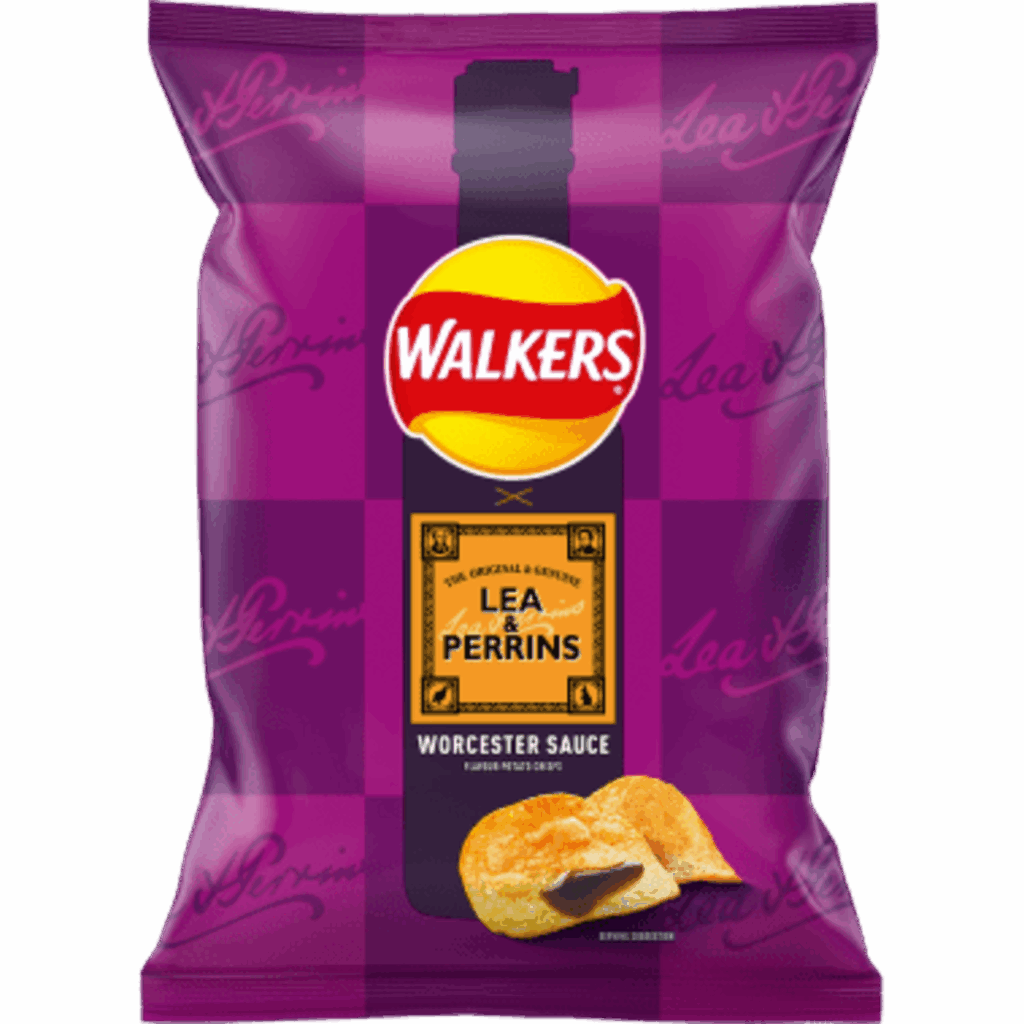
Seasonal crisps promise novelty, but this category often exposes the limits of grocery experimentation. When Walkers rolls out limited flavors tied to holidays or trends, the marketing usually outpaces the eating experience. Shoppers are drawn in by clever names and short availability windows, expecting a playful twist on familiar textures. Instead, many of these flavors feel underdeveloped, with seasoning that overwhelms the base chip or clashes in ways that feel gimmicky rather than intentional. Because these products are designed to move quickly, there is little incentive to refine recipes through feedback. Once customers realize the flavor is more about shock value than balance, enthusiasm fades fast. Limited availability also prevents brands from fixing missteps.
2. Holiday Candy Tins With Reduced Variety

Holiday candy assortments are built on nostalgia and expectation. Shoppers reach for seasonal tins believing they will deliver abundance, tradition, and familiarity. When brands quietly shrink variety or remove long-standing favorites, the disappointment feels personal. Limited-time holiday releases often rely on premium packaging to mask reduced selection inside. Customers notice quickly when a tin contains fewer distinct pieces or leans heavily on filler flavors. Because these products are seasonal, there is no opportunity to correct course once shelves are stocked. Shoppers feel misled when the exterior suggests celebration while the contents feel cost-cut. Over time, these releases erode trust, teaching customers to open boxes with skepticism rather than excitement.
3. Limited-Run Bakery Items That Disappear Too Fast
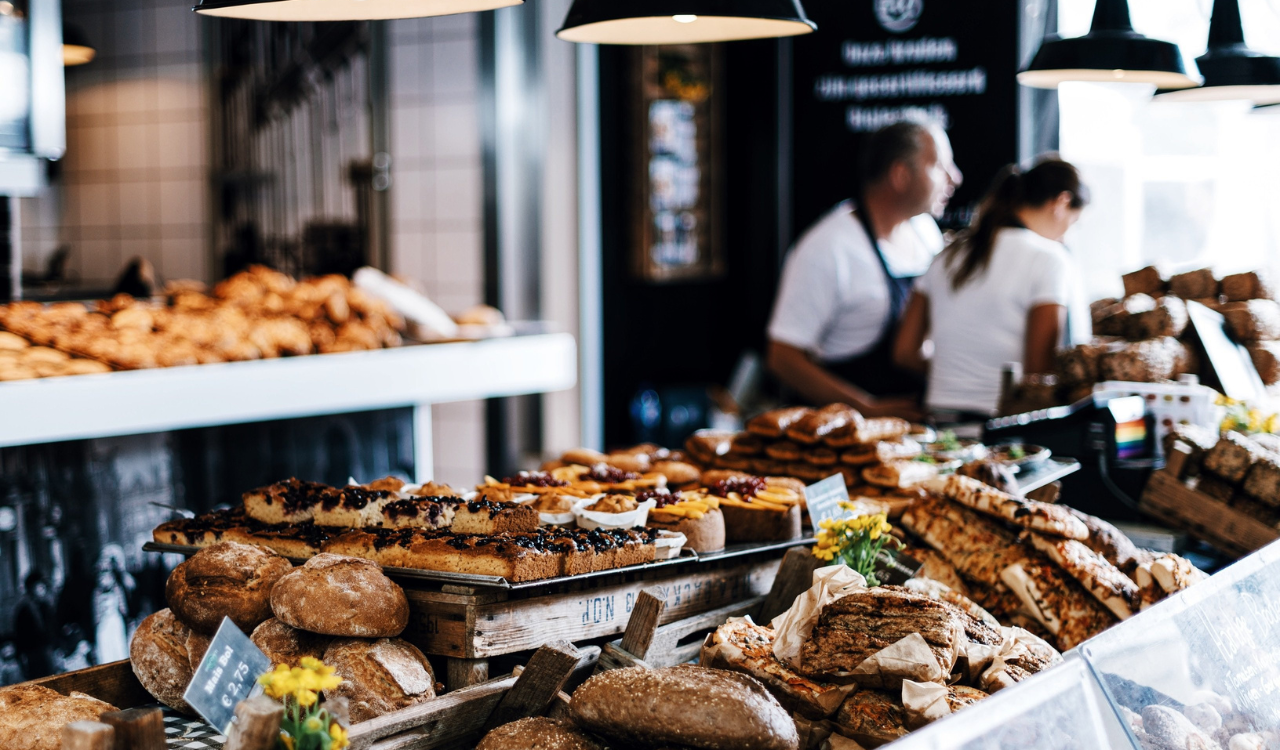
In-store bakeries often test new items under the banner of limited availability, but this strategy cuts both ways. When a product resonates, its sudden disappearance frustrates customers who built it into their routine. Limited-run bagels, breads, or pastries are frequently introduced without a clear plan for permanence, even when demand is strong. Shoppers report confusion when popular items vanish without explanation or replacement. The short lifecycle makes these products feel like experiments rather than commitments. Bakery items depend on habit and repetition to succeed, and pulling them too quickly prevents that loyalty from forming. Instead of creating excitement, the limited run creates resentment.
4. Nostalgia-Driven Throwback Products
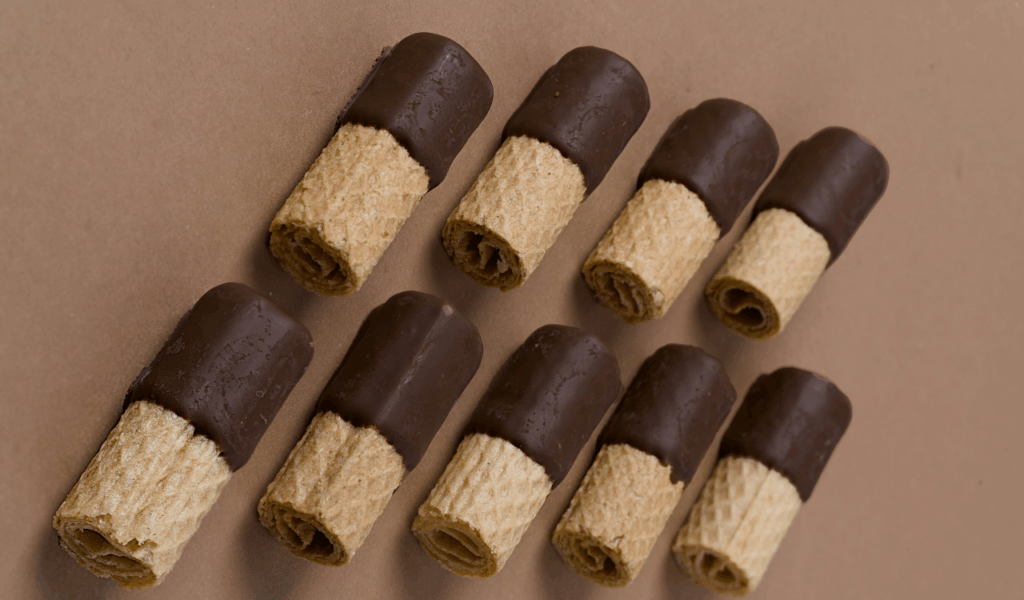
Retro grocery items thrive on memory more than performance. Brands revive old packaging, recipes, or product concepts, hoping to tap into emotional attachment. The problem is that memory often outperforms reality. Many throwback items fail to match remembered flavors due to ingredient changes, reformulations, or modern production shortcuts. Others are so briefly available that shoppers struggle to find them at all. The limited window creates urgency, but also disappointment when the product does not justify the chase. Instead of feeling like a joyful reunion, these releases can feel like marketing exercises built around scarcity rather than substance. Once the novelty wears off, shoppers are left with the sense that the past was used as a hook, not honored as a standard.