10 Kids’ Play Area Personalization Ideas That Kids Will Hate
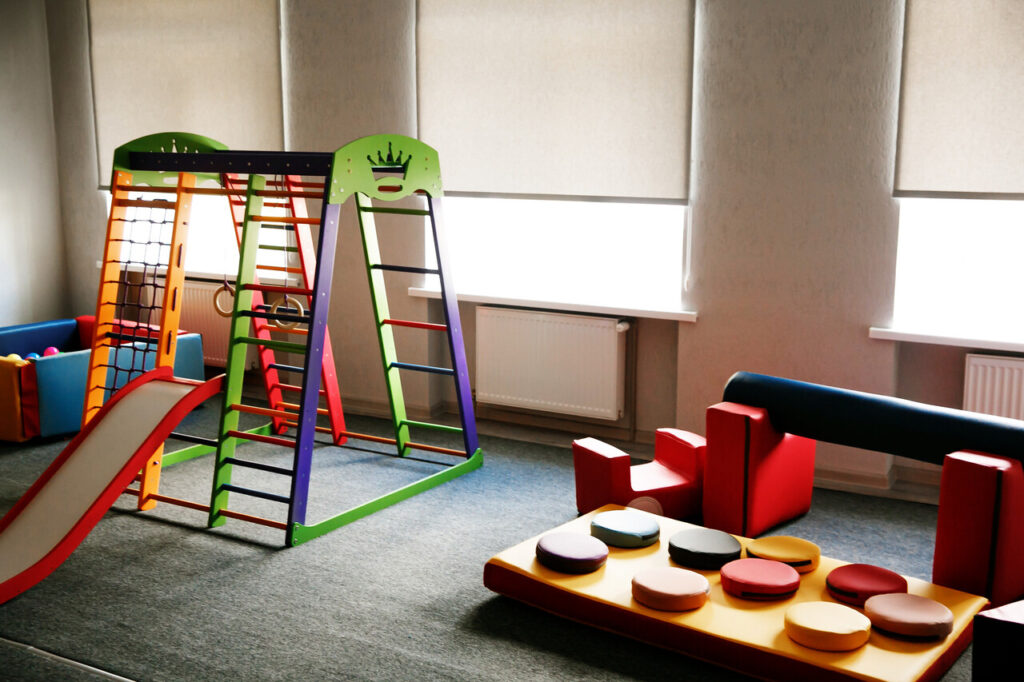
Here’s the thing about kids’ spaces. Grown-ups often try to make them look polished, themed, or photo-ready, thinking that’s what personalization means. But kids read rooms differently. They want places where they can reach things, move freely, make a little mess, and shape the space themselves. When a play area is designed more for adult taste than kid comfort, it starts to feel restrictive instead of fun. That’s how well-intentioned décor choices end up creating frustration for the very people the room is supposed to delight. A personalized play zone should feel like an open invitation, not a set of rules waiting to be broken.
1. Overly Neutral, Beige Everything Play Areas
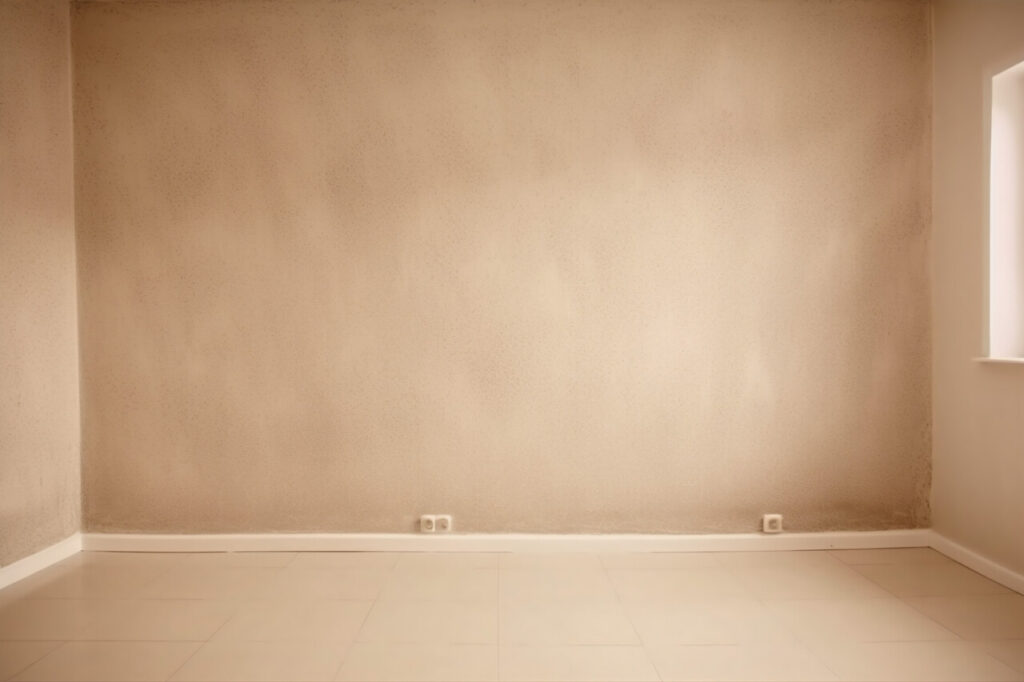
A play area that resembles a calm, minimalist living room might appeal to adults, but most kids will find it dull quickly. Children read space through color and contrast. When everything is beige, taupe, or soft grey, toys blend into the background, and nothing feels especially inviting to touch or explore. Neutral-only schemes also show dirt and wear differently than you expect. Crayon marks, snack spills, and shoe scuffs stand out against pale walls and fabrics, which can make grown-ups anxious about mess in a zone that should encourage messy play. If kids constantly hear “careful, don’t dirty that” in their own play corner, they quickly learn to retreat elsewhere.
2. Toy Displays Arranged Like A Museum Instead Of Being Play Ready
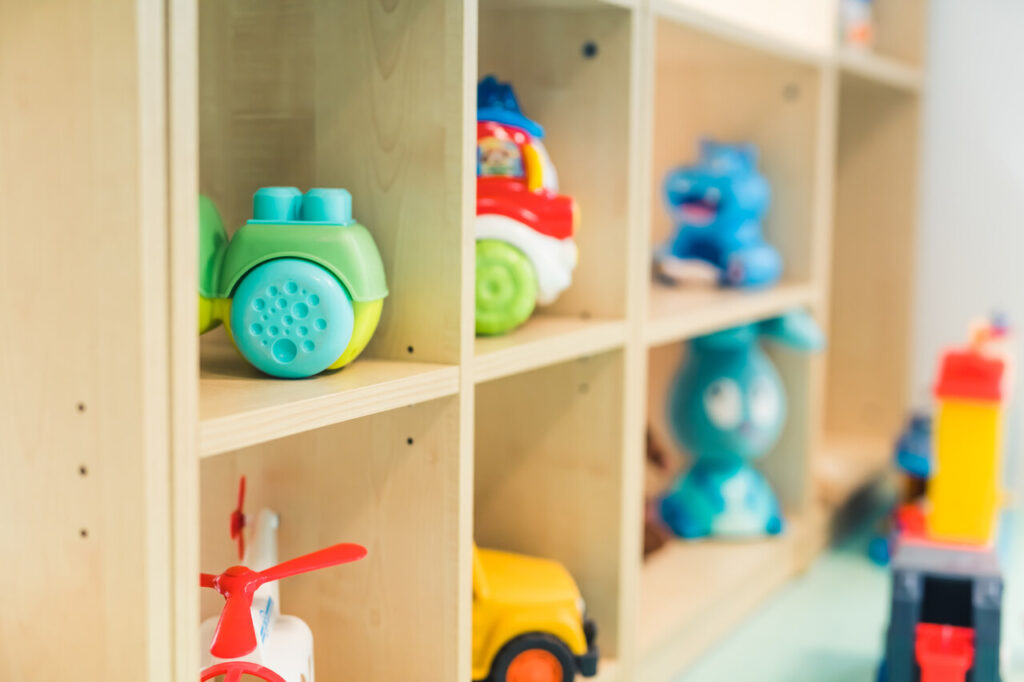
Perfectly staged shelves of toys look charming in photos, but kids see them as barriers rather than invitations. When every doll is propped just so, and blocks are lined up by size, children may hesitate to touch anything for fear of ruining the arrangement. Play becomes about preserving the look rather than using the pieces creatively. That also turns cleanup into an adult job, because the standard is too high for children to maintain independently. Over time, the display gathers dust and stops reflecting what kids actually play with. Favorites are often missing because they are stored elsewhere, while the prettiest items stay on show.
3. Storage Bins That Look Cute But Kids Cannot Open Easily
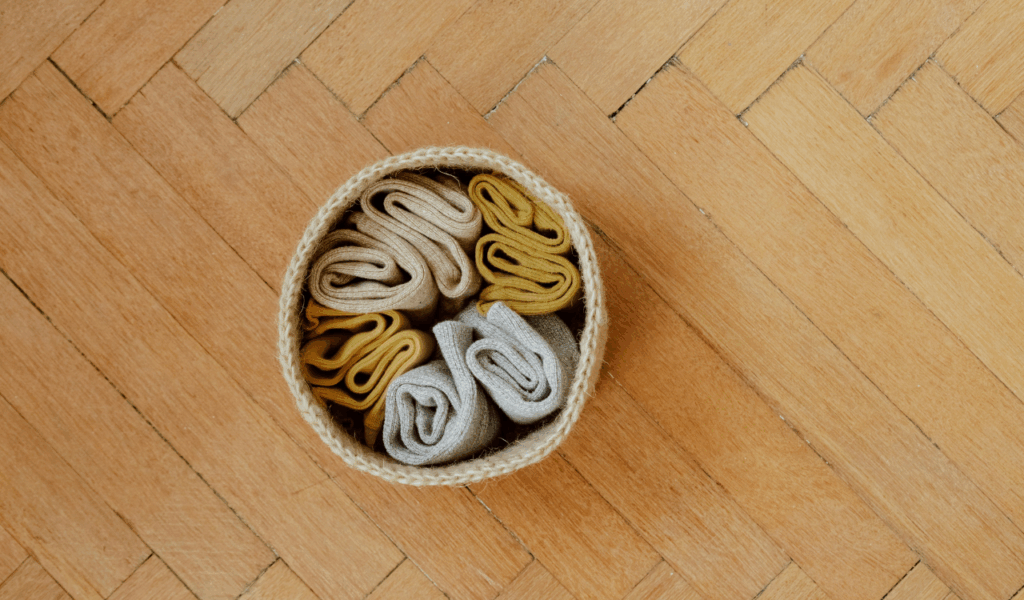
Baskets with lids, heavy trunks, and decorative boxes with tricky clasps make adults feel like clutter is under control, yet they put friction at every step of play. If a child has to wrestle with a lid, pull down a box from a high shelf, or ask for help each time they want a toy, they will simply avoid using what is inside. The same problem appears at cleanup. Young kids will not patiently align lids or match boxes if it feels fiddly, so things get piled on top or abandoned on the floor. Over time, the cute storage stops being used properly and becomes another surface for clutter. Good personalization respects how kids move and what they can manage without constant adult intervention.
4. Decor First Shelving Placed Too High For Kids To Reach
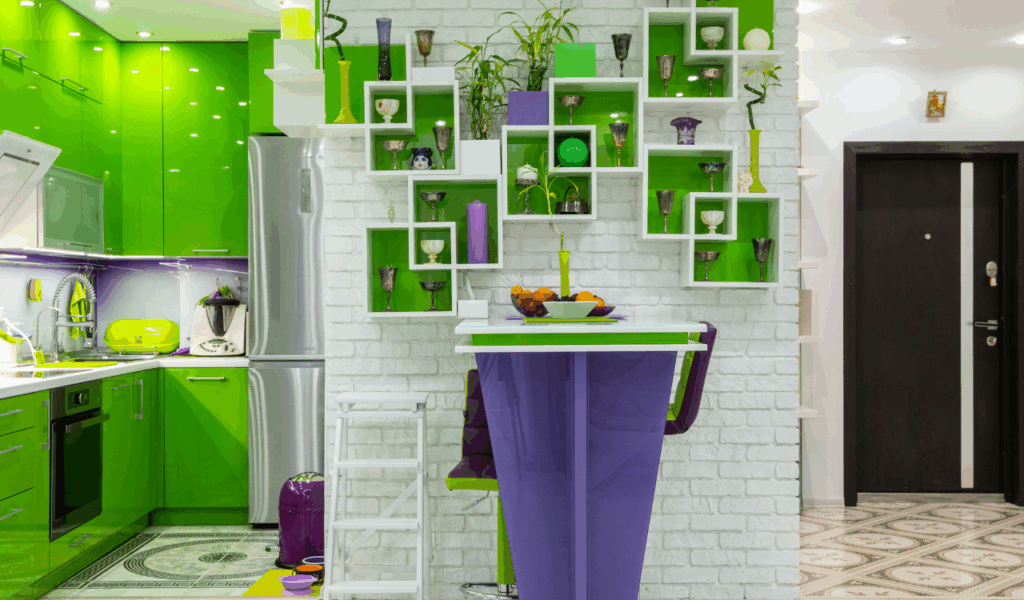
Shelves styled at adult eye level with pretty books, framed art, or a few toys can look sophisticated, but from a child’s height, they may as well be decor in a hotel lobby. When items are out of reach, kids cannot choose what to play with independently or put things back without help. That undermines one of the main benefits of a dedicated play area, which is building autonomy. If they have to ask every time they want a puzzle or book, the space no longer feels like theirs. Instead, they will haul a few accessible items to the floor and ignore the rest. High shelves also tempt climbing, especially if kids see their favorite toys up there like trophies. That adds a safety risk that no one intended.
5. Delicate Decor Pieces That Cannot Be Touched or Played With
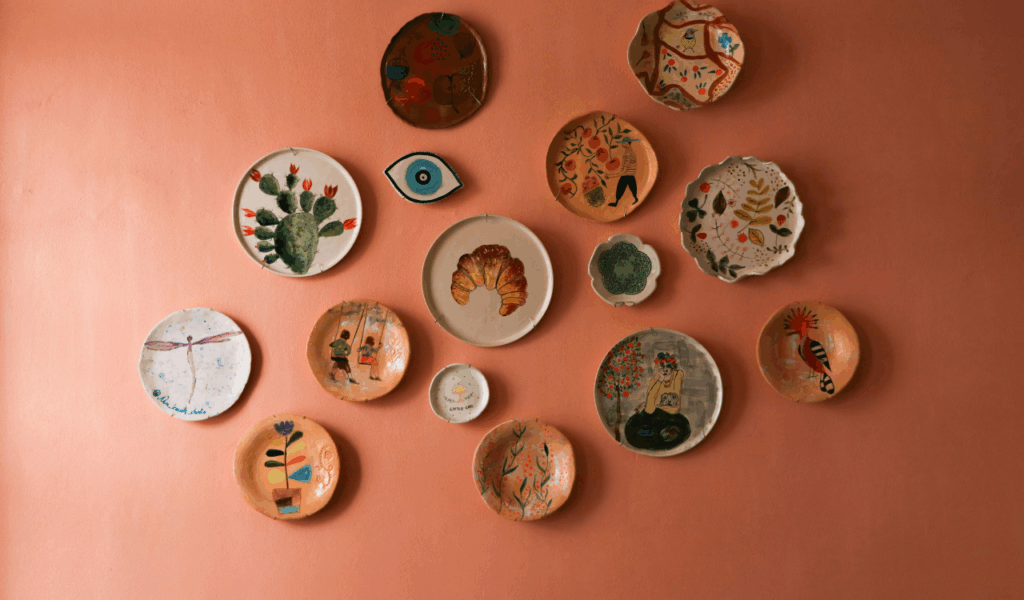
Glass jars of marbles, porcelain figurines, intricate lamps, and delicate ornaments might seem whimsical, but they send a clear message to kids: this is not for you. In a play zone, anything fragile quickly becomes a source of stress. Adults hover, warning children to be careful, and kids internalize the feeling that they are a problem waiting to happen. That does not encourage free, imaginative play. It also creates real risk. A broken object can mean sharp edges, spilled contents, and tears all around. Over time, children may avoid parts of the space where “no touch” items live, shrinking the usable area. Those pieces also eat surface space that could hold sturdy toys, craft supplies, or building materials.
6. Over-Themed Rooms That Lock Kids Into One Interest
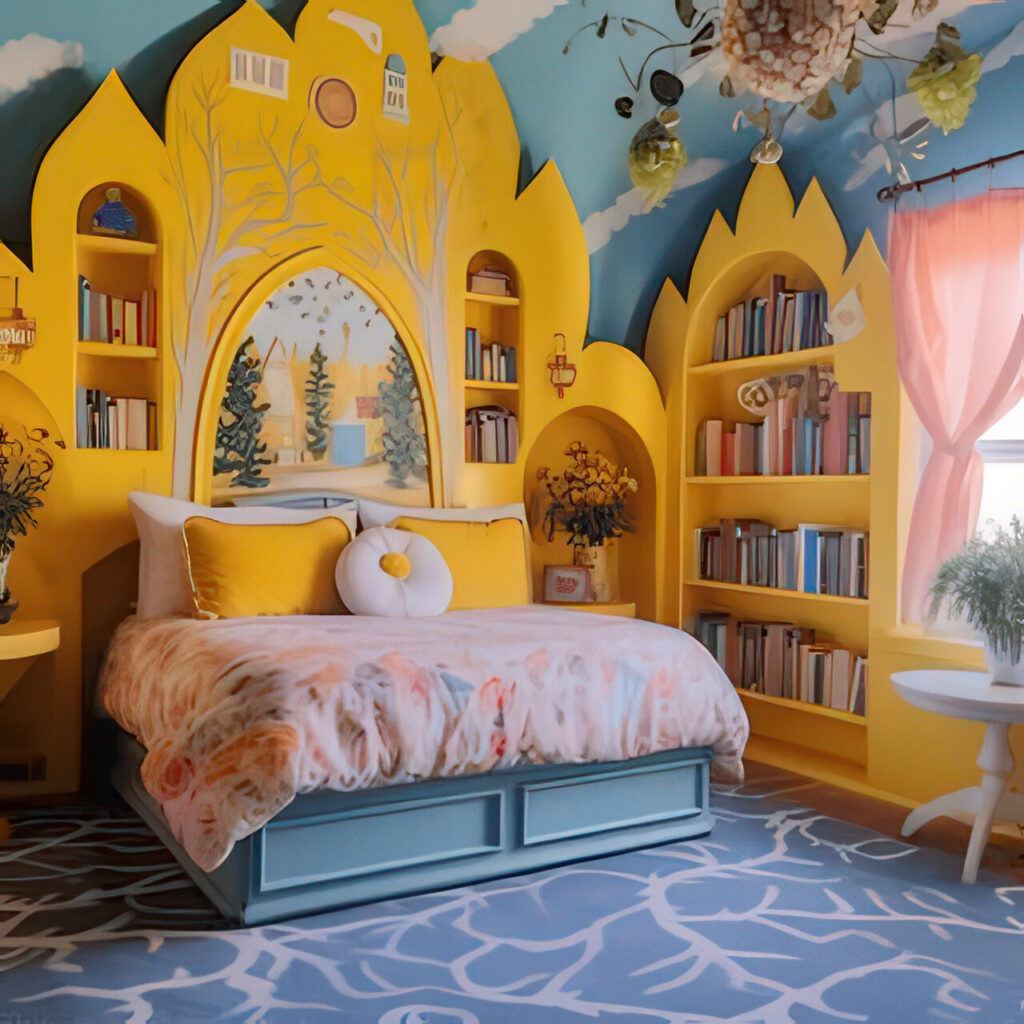
Designing a play area entirely around dinosaurs, princesses, one sports team, or a single movie feels fun in the moment, especially if it matches a current obsession. The problem is that kids change fast. When walls, rugs, storage, and art all repeat the same motif, there is no room for new interests to slide in without the whole space feeling off. A child who loved trains last year might be into drawing or science this year and feel stuck in a room that still tells the old story. Over-themed spaces also limit the types of toys that feel “right” there, because anything outside the theme reads as clutter.
7. Adult Style Furniture Instead Of Soft, Kid-Friendly Options
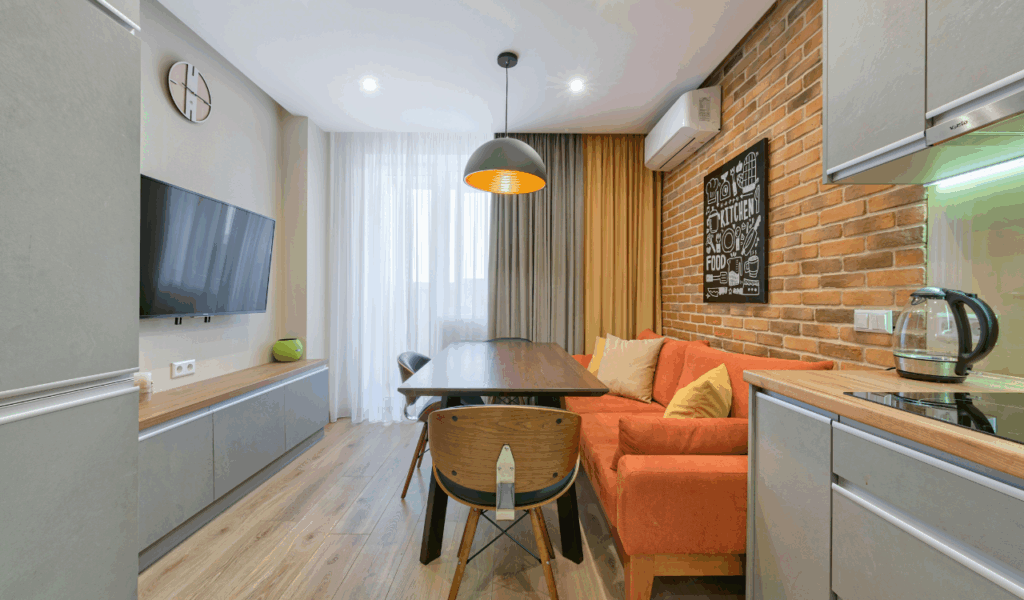
Miniature versions of grown-up furniture look stylish. A small accent chair in velvet, a sleek coffee table, and a narrow bench in a designer fabric all photograph beautifully. But kids interact with furniture differently than adults do. They flop, jump, sprawl with art supplies and snacks, and occasionally spill or knock things over. Hard-edged tables at child head height can cause bumps. Slippery chairs that tip easily are intimidating rather than relaxing. When every piece feels precious, kids are told to sit carefully instead of sprawled comfortably, and play gets pushed to the floor or another room.
8. Perfectly Styled Reading Nooks Kids Are Afraid To Mess Up
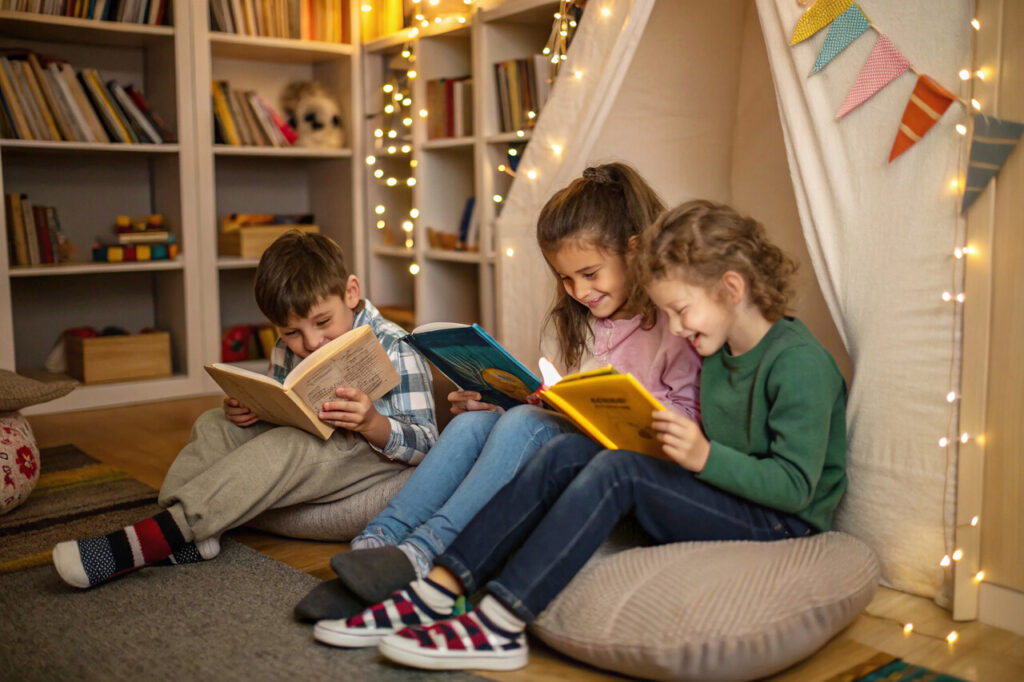
A cozy reading corner is a lovely idea, but styling it like a catalog spread can backfire. When pillows are arranged just so, blankets are folded decoratively, and books are lined up by color, children may feel they are disturbing something special by actually using it. If they are scolded for pulling out too many books or leaving cushions in a heap, they quickly decide that reading is better done elsewhere. High, narrow shelving can also make it hard for small hands to put books back neatly, so adults end up redoing the nook after every session. That turns a daily habit into work. Over time, the spot becomes more of a photo backdrop than a lived-in corner.
9. Chalkboard Walls Placed Where Kids Cannot Actually Reach

Chalkboard paint and large writable surfaces promise creative freedom, but they are only as good as their placement. When the board starts too high on the wall or is tucked behind furniture, younger children literally cannot use it. They may watch adults write notes or see older siblings reach it, which only highlights their own limitations. That can be discouraging rather than empowering. If a chalkboard is positioned near off-limits areas like light switches, artwork or fragile decor, adults end up policing how close chalk dust can get to anything else. The board then becomes another thing to be careful with, rather than a tool for free drawing and games.
10. Play Zones Crowded By Too Many Decorative Elements
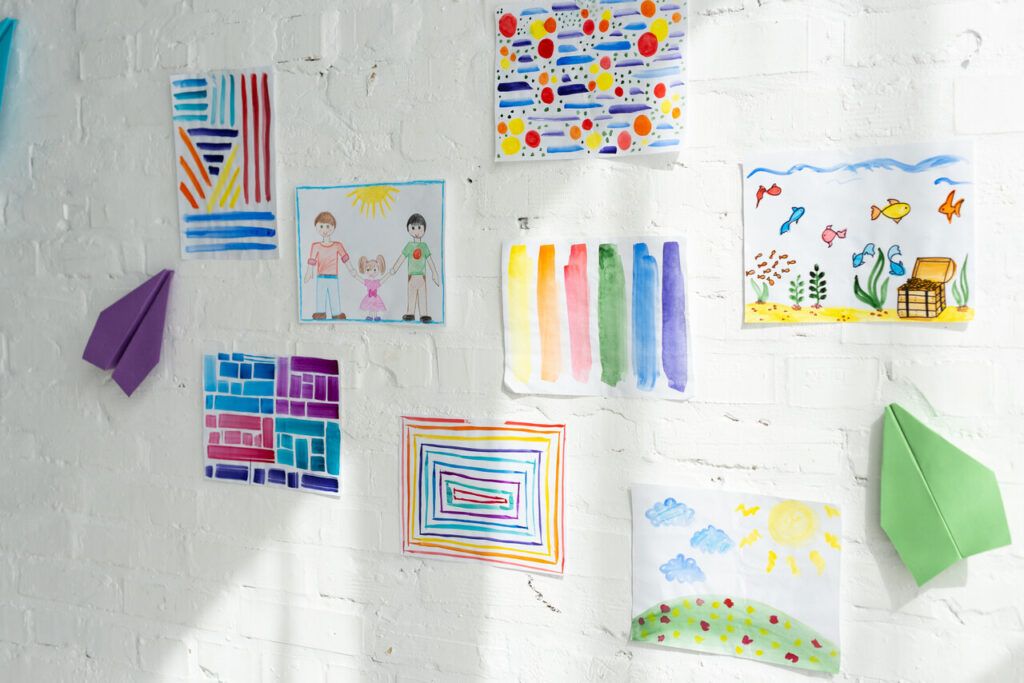
Banners, garlands, wall art, letter boards, themed cushions, and decorative baskets can all look charming on their own. The trouble starts when they crowd the physical and visual space meant for actual play. Floor space shrinks under extra poufs and decor-only stools, while walls become so busy that they compete with toys and activities. Kids need clear zones for building, spreading out puzzles or setting up pretend play. When every surface is taken by decoration, there is nowhere to stage their own worlds. Visually dense rooms can also be overstimulating, especially for children who are sensitive to noise and clutter. They may flit from thing to thing, never really settling.