7 Statement Lighting Fixtures That Became Annoying Fast

Statement lighting can make a place go from boring to unforgettable, yet some lights stop working after they are put in. What appeared great in pictures might not work or be too tiring in real life. If a piece is excessively bright, in the wrong area, too fancy, or hard to keep clean, it may rapidly go from being a conversation starter to a continuous annoyance. This post will show you seven types of statement lighting that don’t work well in the actual world. Knowing why these fixtures can be bothersome will help you choose out pieces that are both pretty and useful, so you can appreciate the light instead of putting up with it.
1. Overly Bright Chandeliers
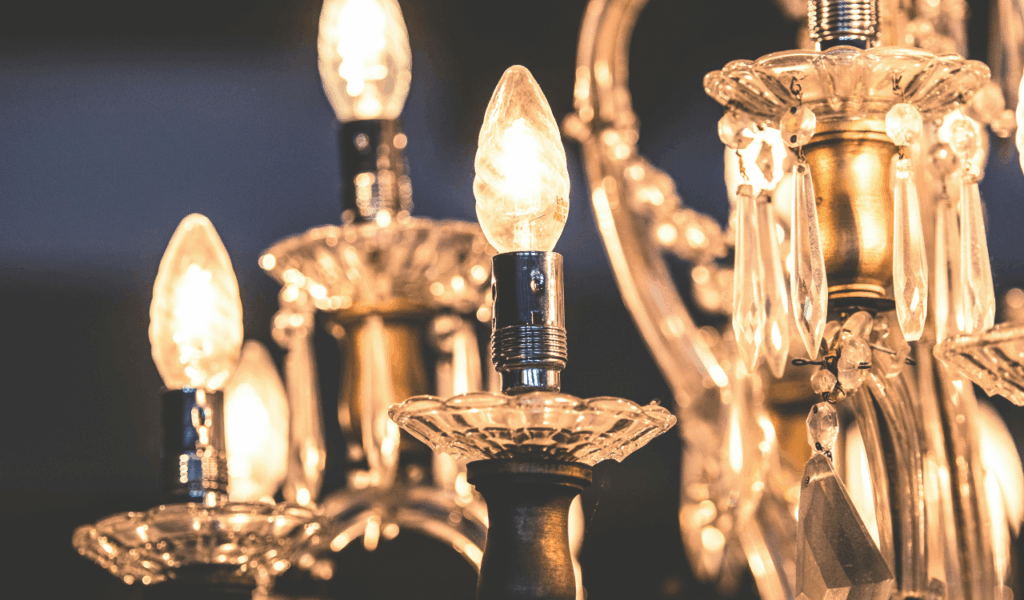
Chandeliers with big crystal clusters or high-wattage bulbs can fill a room with glare instead of pleasant light, making it feel harsh and uncomfortable instead than welcoming. What looked dazzling at first can feel like a spotlight all the time, especially if there isn’t a dimmer switch or adjustable output. Layered lighting that blends ambient, task, and accent sources works best in living spaces and bedrooms. A chandelier should add to the room rather than take away from it. Pick lights that are right for the size of the room and the amount of light it needs, or add dimming controls to keep the brightness from getting too much.
2. Low‑Hanging Pendant Lights
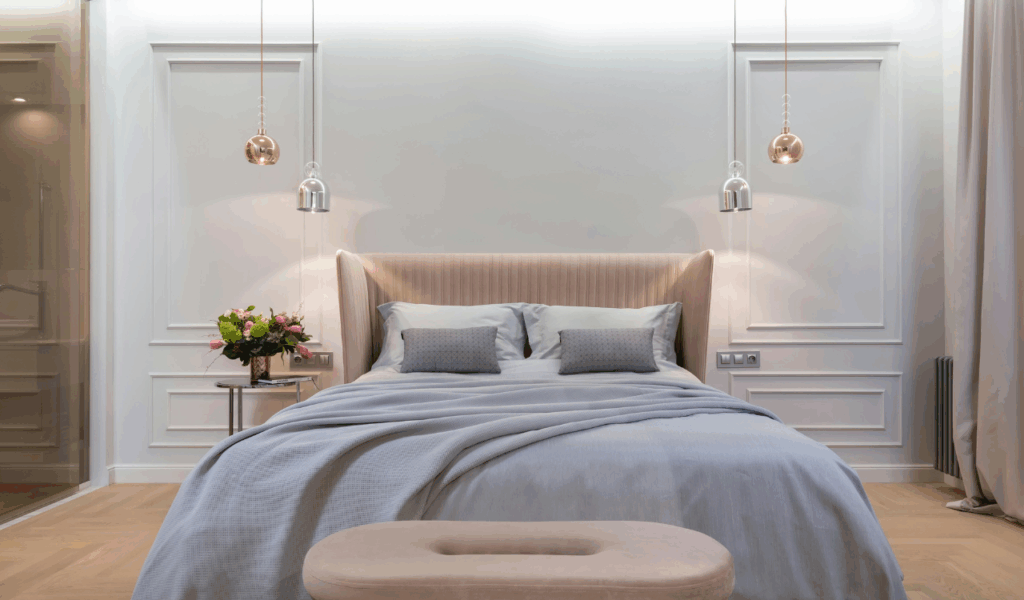
Low-hanging pendant lights are meant to get people’s attention, but if they are put too low above tables, chairs, or walkways, they can get in the way of everyday living. It gets old quickly when heads bang against a fixture, and trays on dining tables seem weird with big pendants over them. Placement is more important than how it looks. As a general guideline, pendants should be at least thirty inches above a dining surface and eight feet above the floor in open spaces. However, the final placement should depend on the person’s height and the size of the room. Adjustable cords or rods let you change the height to make it more comfortable and useful.
3. Statement LED Strips With Harsh Color
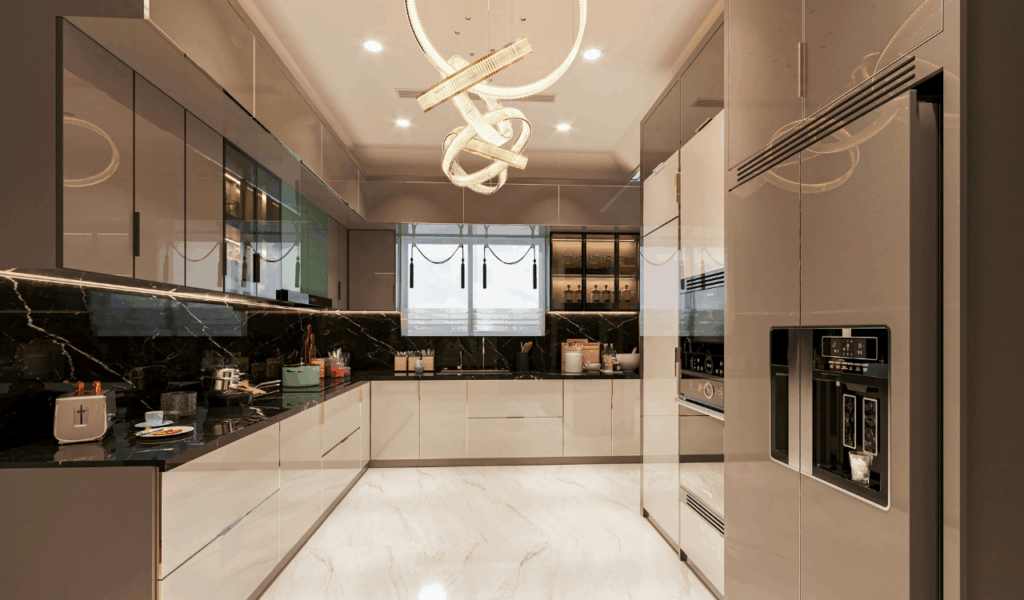
LED strip lights with very cool or odd color temperatures might make a room feel sterile or confusing instead of warm, which is not what you want. Blue-white light could appear good in a modern setting, but it can make skin tones look strange and hurt your eyes in living spaces. You can change the color of the lights from chilly to warm, which lets you fit the mood and the function. Without adjustable color temperature, bright LED highlights can feel out of place after a while. For everyday comfort, choose LEDs with a high color rendering index and warmer colors.
4. Large Orb Fixtures in Low Ceilings
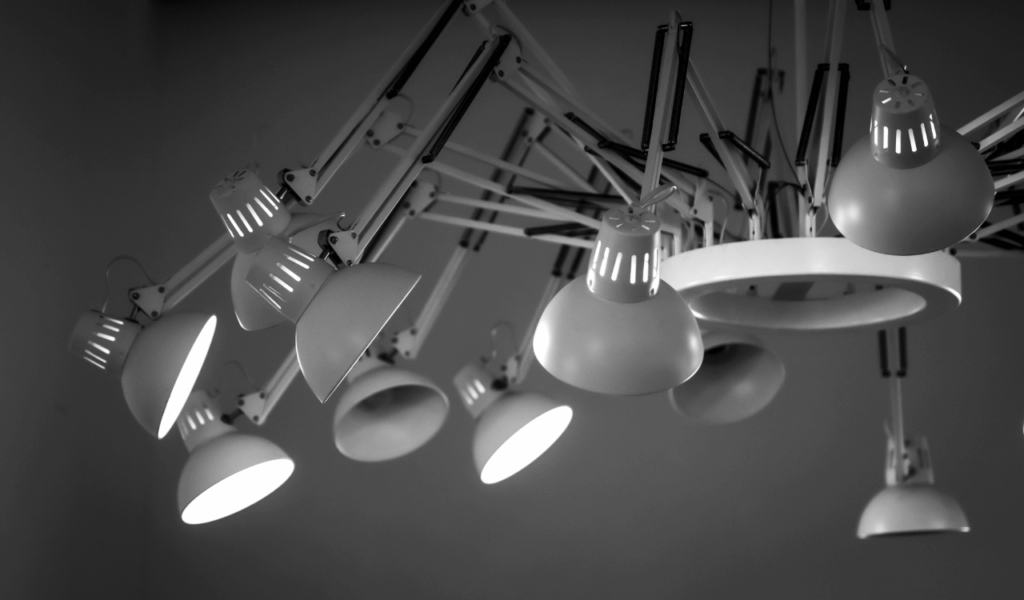
In catalogs or showrooms, big orb lights or globe chandeliers might seem spectacular, but in houses with low ceilings, they can take over instead of adding to the room. A fixture that almost covers the vertical space makes rooms feel smaller and congested, which makes people feel off-balance instead of happy. Most designers say that you should choose fixtures that fit the height of the ceiling and the size of the room. If you like a big orb, think about smaller ones or semi-flush installations that keep the look without being too much for the building. The right scale keeps things from getting in the way, either visually or physically.
5. Flickering Statement Bulbs
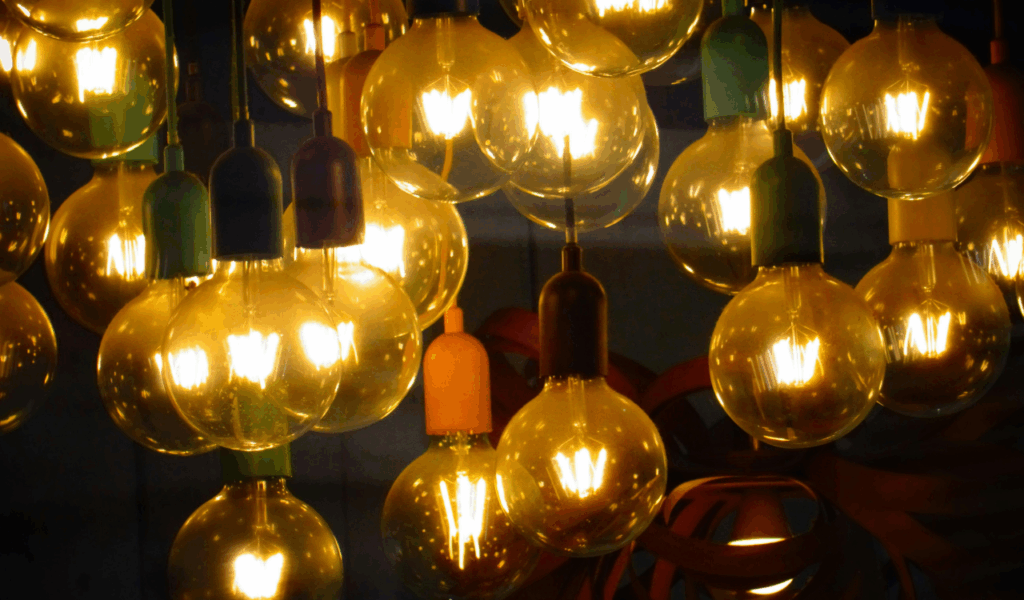
Exposed filament or novelty lights are often the main feature of statement lighting designs, but if the bulbs flicker, hum, or burn out too soon, the look loses its charm quickly. Flickering can happen because the voltage isn’t right, the bulbs are of poor quality, or the dimmers don’t match. It can make your eyes hurt, distract you, and annoy you. Buying high-quality LED bulbs that are rated for dimming and consistent output helps keep the mood you want. The design should appreciate light and not draw attention to itself with noise or flickering that wasn’t meant to happen. Before putting bulbs in decorative fixtures, always check the manufacturer’s specs.
6. Oversized Sculptural Lights

Sculptural lights that appear like art installations can be beautiful, but they can also be a pain if they block sightlines, overshadow other decor, or make the light uneven. A piece that goes into seating areas or competes with things like windows or artwork that are meant to be the main focus of the room might mess up the flow of the room. Functional lighting needs to find a balance between shape and purpose. It should be evenly distributed and fit the way the space is used. To make a big impact without overwhelming the room, think about using smaller or modular pieces that have the same style. For long-lasting enjoyment, size and context are important.
7. Hard‑to‑Clean Ornate Fixtures
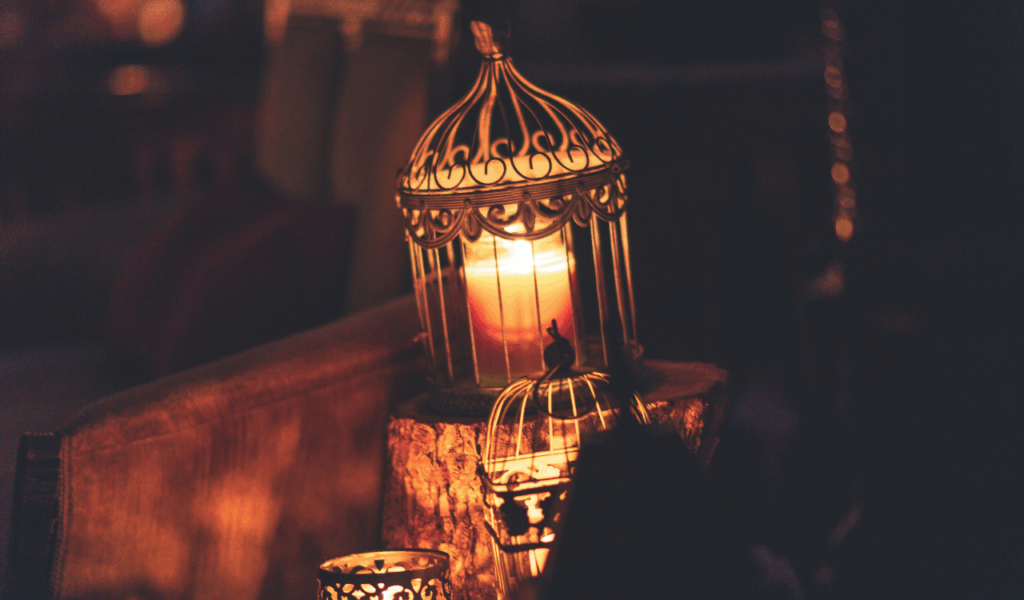
Fancy fixtures with lots of features, chains, gems, or small nooks may appear nice, but they can be hard to clean when dust and bugs get in. Lighting should make a place brighter, not need a lot of work to keep it up. Dust that sticks to hard-to-reach spots dulls brilliance and makes cleaning more difficult. If you want intricate designs, pick pieces with simpler surfaces or parts that come off so they are easy to clean. When fixtures are made with maintenance in mind, it is easier to keep them up. A pretty light that keeps bright and clean is nice, not annoying.