10 January Grocery Items Shoppers Stopped Buying
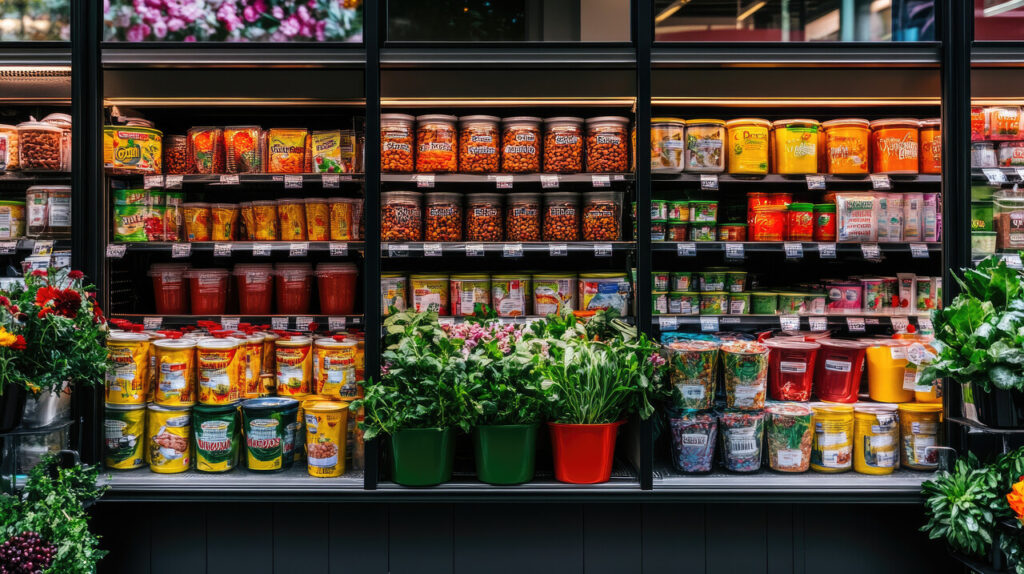
January grocery shopping often looks very different from the carts people filled in December. After weeks of holiday meals, parties, and impulse buys, shoppers shift back toward routine, budget-friendly choices that fit everyday schedules. Foods that once felt exciting or convenient start to feel impractical, too expensive, or simply out of place. Storage space becomes more important, and waste becomes harder to ignore. As people reset their habits, many items quietly disappear from shopping lists, not because they were bad, but because they no longer made sense for normal life. These grocery picks felt appealing at first, but they did not survive the shift back to regular routines.
1. Bulk Holiday Foods That Lingered Long After the Parties Ended
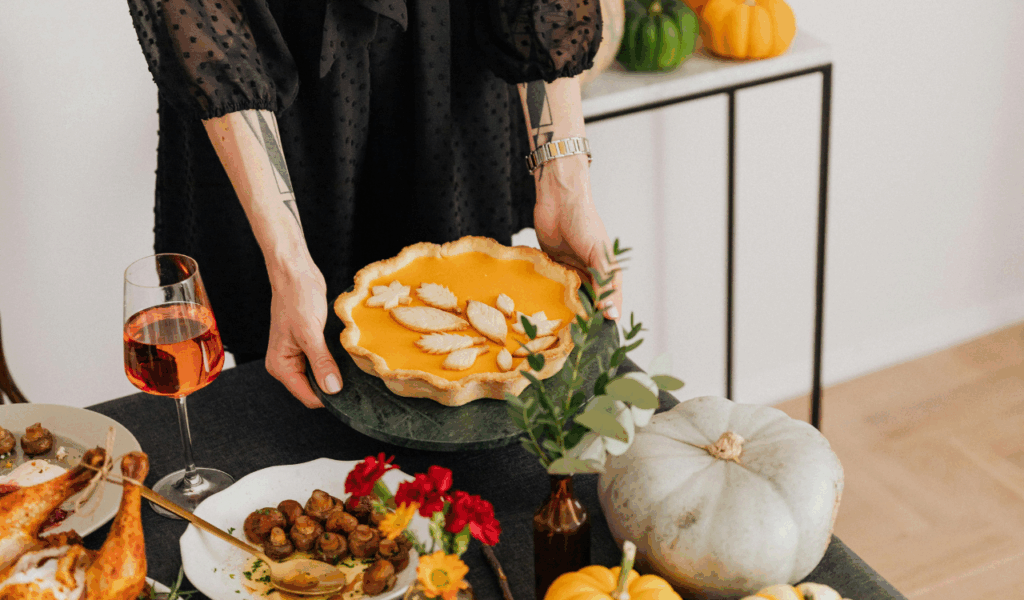
January has a way of exposing how optimistic holiday shopping can be. Those oversized snack tubs, party mix bags, and family-size frozen appetizers seemed like smart buys in December, but once routines return, they rarely fit into normal meals. People shift back to simpler eating patterns and smaller portions, which makes giant packages feel inconvenient rather than helpful. Storage becomes another issue since half-used bags take up freezer and pantry space. Over time, flavors go stale or freezer burn sets in, and much of the food ends up tossed. Shoppers quickly learn that buying in bulk only works when demand stays consistent, and holiday eating habits rarely carry into the new year.
2. Trendy New Snacks That Lost Their Appeal After One Try

Every holiday season brings waves of limited flavors and bold snack launches meant to spark excitement. In January, that excitement fades fast. Many of these products rely on novelty rather than balance, which means the first bite is interesting but not something people crave again. Once curiosity is satisfied, shoppers return to familiar favorites that fit better into daily routines. Price also plays a role since trendy snacks are often more expensive per serving. When budgets tighten after holiday spending, repeat purchases drop off quickly. Shoppers learn that just because something is fun to try does not mean it earns a permanent spot in the cart.
3. Premium Frozen Meals That Did Not Feel Worth the Cost

High-end frozen meals promise restaurant-style quality with home convenience, but January budgets tend to be less forgiving. When people compare the price of a single entrée to what they can cook in bulk for the same amount, value becomes hard to justify. Portion sizes are often smaller than expected, leaving people unsatisfied. Flavor can also be inconsistent, especially after reheating. Once shoppers try a few options and realize they do not replace home cooking or takeout in satisfaction, they stop repurchasing. Convenience only feels worthwhile when the cost matches the benefit, and many premium frozen meals fail that test once holiday splurging ends.
4. Seasonal Holiday Flavors That Felt Out of Place by Mid-Month
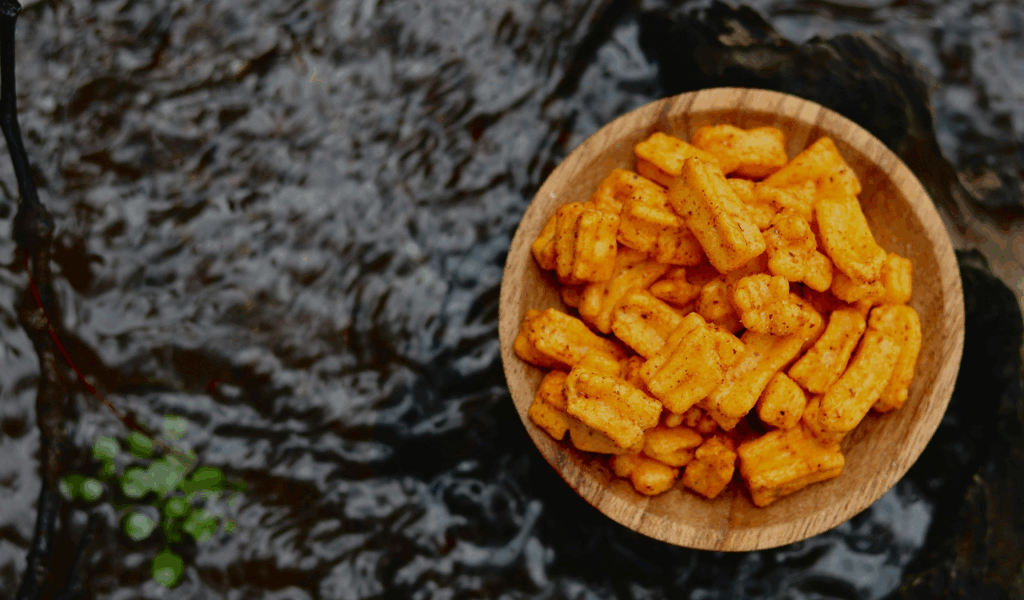
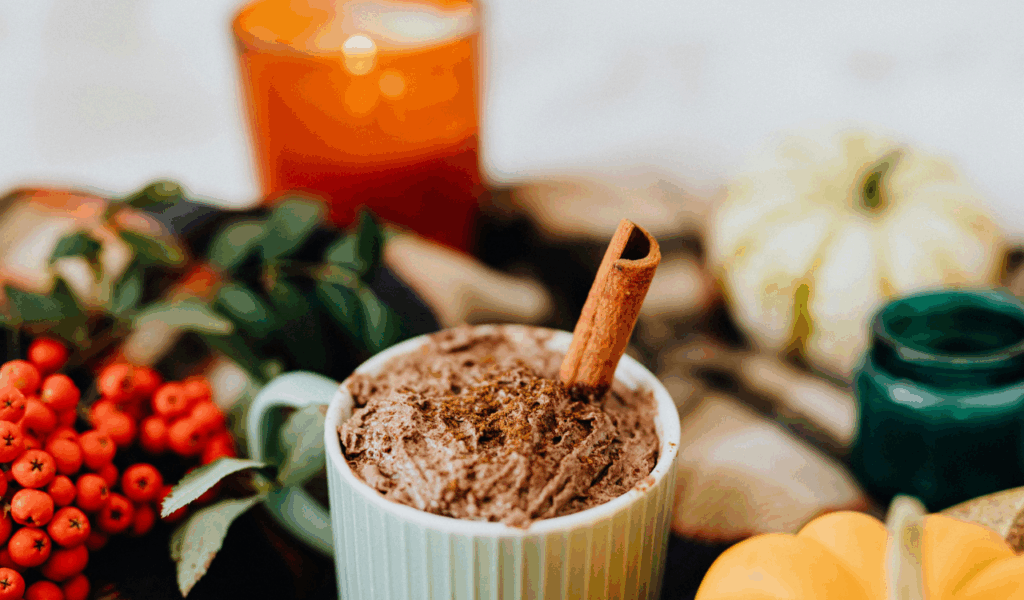
Peppermint, gingerbread, and sugar cookie flavors feel comforting in December but quickly lose their charm once decorations come down. Taste preferences shift toward lighter, fresher foods after weeks of rich treats. What once felt festive starts to feel heavy and repetitive. Many people also associate these flavors strongly with the holidays, so consuming them in January feels disconnected from the moment. As a result, shoppers stop buying seasonal products even if they are discounted. The emotional link between flavor and season matters more than price, and once that link fades, so does demand.
5. Specialty Drinks That Never Became Everyday Staples
Holiday beverages often come in bright packaging and fun flavor combinations meant for parties and gatherings. In everyday life, they rarely fit into normal routines. Many are too sweet, too strongly flavored, or too bulky to store easily. After guests leave and celebrations end, leftover bottles sit untouched. People return to basic water, coffee, and simple juices that feel more practical and refreshing. Specialty drinks may be enjoyable occasionally, but they do not replace daily habits. Without regular use, shoppers stop buying them because they take up fridge space without adding real value.
6. Impulse Buys Triggered by Holiday Promotions
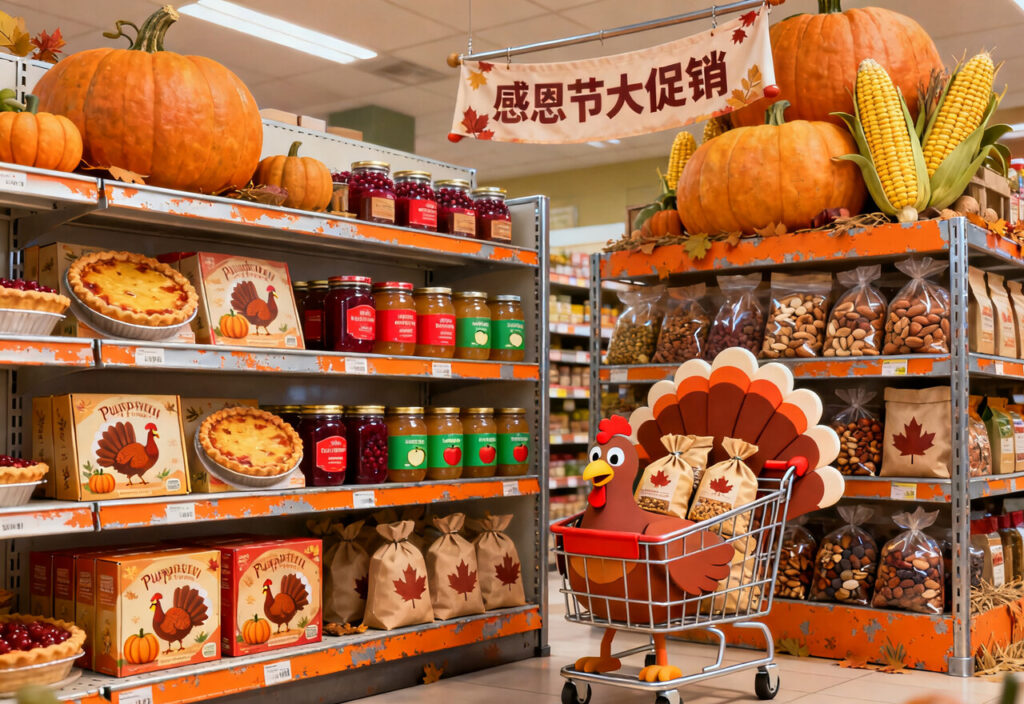
Sales and limited-time offers push shoppers to try items they would not normally choose. In the moment, the deal feels smart, but once the product is home, it may not fit family tastes or routines. January is when people take inventory of what actually got eaten and what sat untouched. That reflection influences future shopping trips. Items bought only because of discounts rarely earn repeat purchases. Shoppers become more cautious and stick to foods they know will be used. Over time, this reduces impulse buying and shifts carts toward dependable basics.
7. Party Size Prepared Foods That Spoiled Before Being Finished
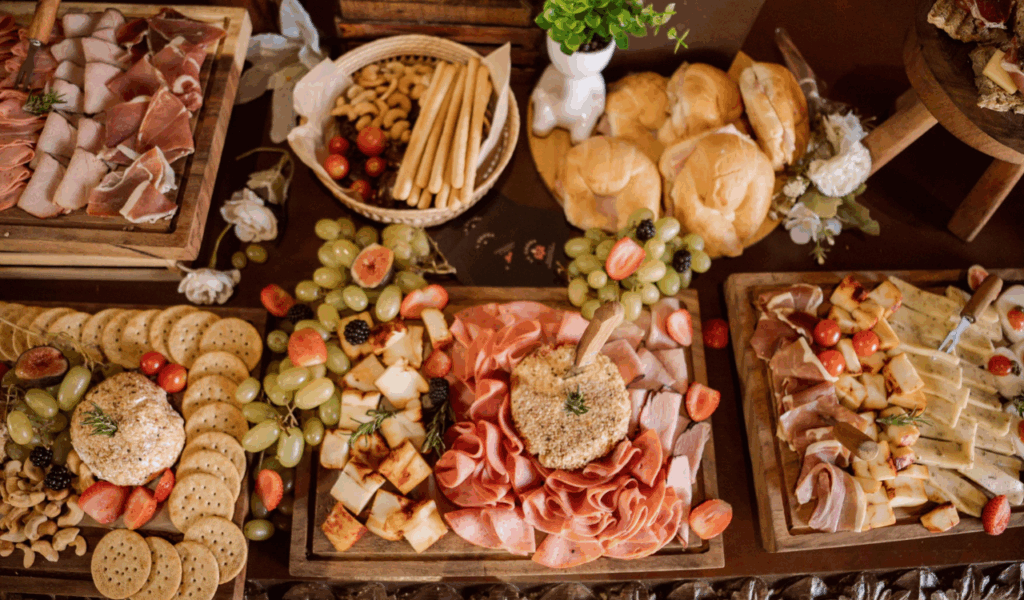
Large tubs of pasta salad, dips, and side dishes are useful when hosting guests, but once gatherings end, they are harder to use up. Families rarely want to eat the same cold side dish for several meals in a row. Shelf life is also short, which increases food waste. When people notice how much gets thrown away, they rethink buying large prepared items again. In January, when schedules return to normal, smaller portions and flexible ingredients make more sense. Shoppers stop buying party-sized prepared foods because they do not align with everyday meal planning.
8. Premium Bakery Items That Felt Like Unnecessary Indulgence
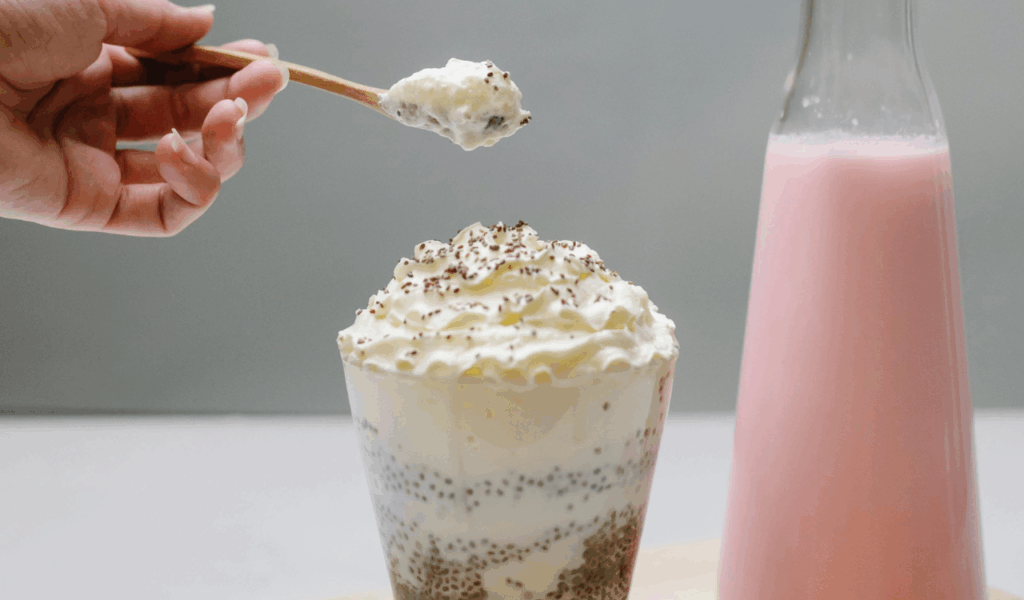
Artisan pastries and specialty breads feel like treats during celebrations, but they are not always practical for daily breakfasts or lunches. They cost more and often spoil faster than basic bread products. After holiday spending, people become more cost-conscious and prioritize items that stretch further. Rich baked goods can also feel heavy after weeks of indulgent eating. Shoppers gravitate toward simpler options that fit into regular meals and snacks. As a result, premium bakery sections see less attention once January habits settle in.
9. Snack Variety Packs Where Only a Few Items Were Popular
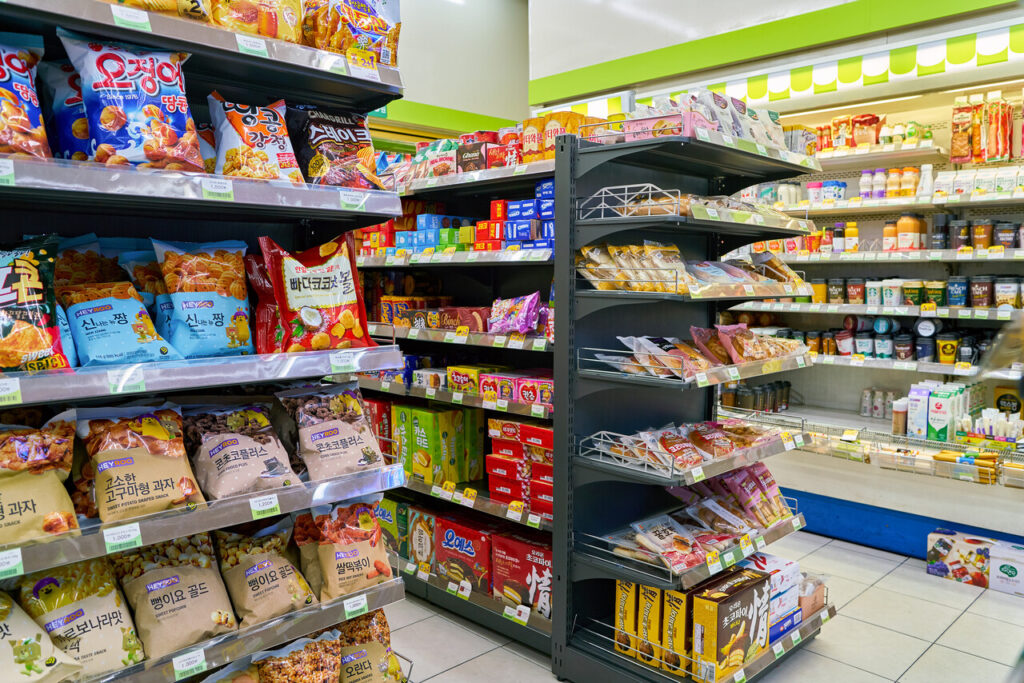
Variety packs seem like a smart way to satisfy different tastes, but in reality, most families favor only a few flavors. The rest of the box sits untouched, taking up space and creating clutter. Over time, people realize they are paying for snacks that no one wants. In January, when organization and waste reduction become priorities, these packs feel inefficient. Shoppers return to buying single-flavor boxes that everyone actually eats. Convenience only works when the product matches real preferences, not when it just looks flexible on paper.
10. Overstocked Beverage Cases That Took Months to Finish

Buying drinks in large cases makes sense for parties, but it does not always match daily consumption. Once guests are gone, households return to drinking water or coffee most of the time. Extra soda or flavored drinks sit around and slowly lose freshness. Storage becomes inconvenient, especially in smaller kitchens. When people see how long it takes to finish these cases, they avoid repurchasing them. January shopping tends to focus on essentials and manageable quantities, not bulk drinks that do not match everyday habits.