
13 Seasonal Rugs That Were Hard to Keep Clean
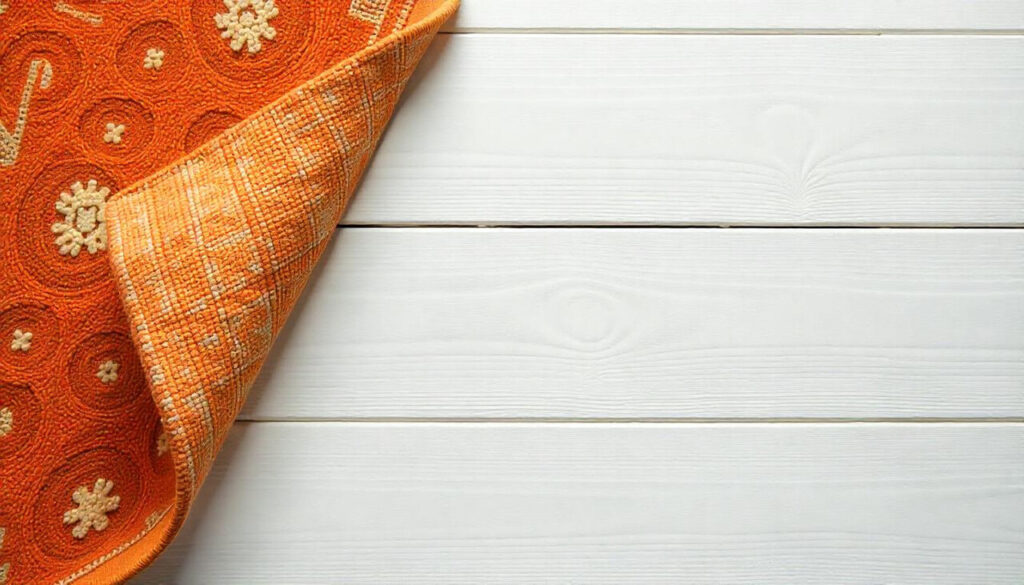
Seasonal rugs are an easy way to refresh a room for winter or the holidays, but they often face harsher conditions than people expect. Wet shoes, pets, heating systems, and higher indoor traffic all combine to put extra stress on floor coverings during colder months. Many festive styles focus more on texture and design than on durability and easy care. As dirt, moisture, and spills build up, these rugs start to look tired long before the season is over. What begins as a cozy update can quickly turn into another item that needs constant attention just to stay presentable.
1. Shag Rugs With Deep Pile That Trapped Everything
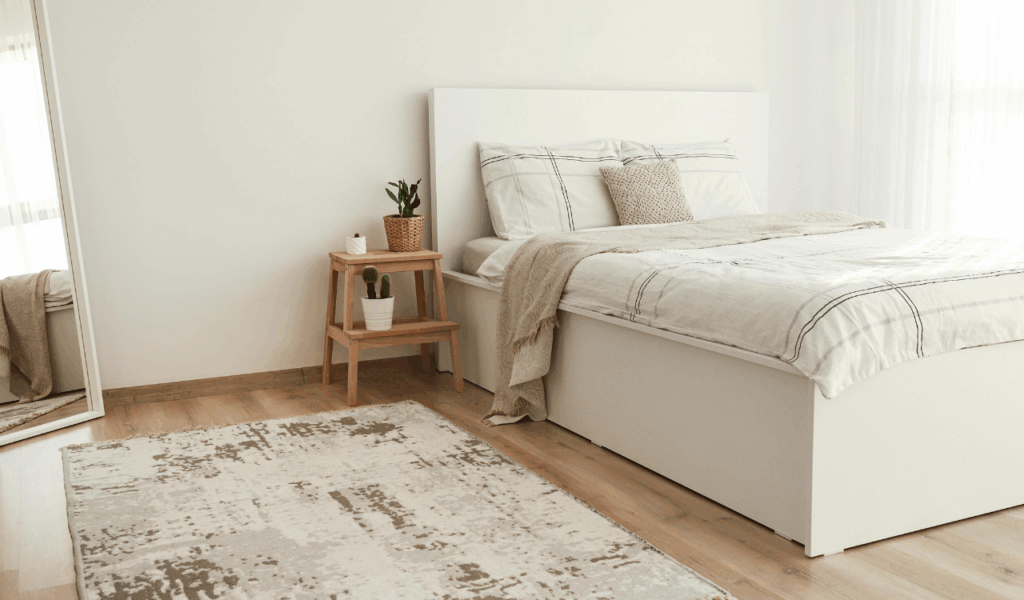
Shag rugs feel warm and soft underfoot, which makes them tempting during colder months. The problem is that long fibers act like nets, catching crumbs, dust, pet hair, and tracked-in dirt deep below the surface. Regular vacuuming only cleans the top layer, while debris settles closer to the backing, where it is hard to reach. Spot cleaning is also tricky because liquids spread quickly through the pile instead of staying on the surface. Once stains set, they are difficult to lift without professional cleaning. Over time, traffic paths become matted and darker than the surrounding areas, making the rug look worn even when the rest of the room is tidy. What starts as a cozy upgrade often becomes a constant cleaning frustration that never quite looks fresh again.
2. Holiday Print Rugs With Light Backgrounds That Show Every Mark

Seasonal rugs with white, cream, or pale pastel backgrounds look bright and cheerful at first. In real life, they highlight every footprint, spill, and speck of dirt. Winter weather makes this worse, since moisture and grit cling to shoes and get ground into fibers. Even small stains stand out sharply against light colors, which makes rooms look messier faster than darker rugs would. Frequent cleaning becomes necessary, but repeated washing or scrubbing can fade prints and weaken fibers. Families quickly realize they are spending more time maintaining the rug than enjoying the design. The cheerful look rarely lasts past the first busy week of use.
3. Outdoor Style Rugs Brought Indoors That Held Onto Moisture
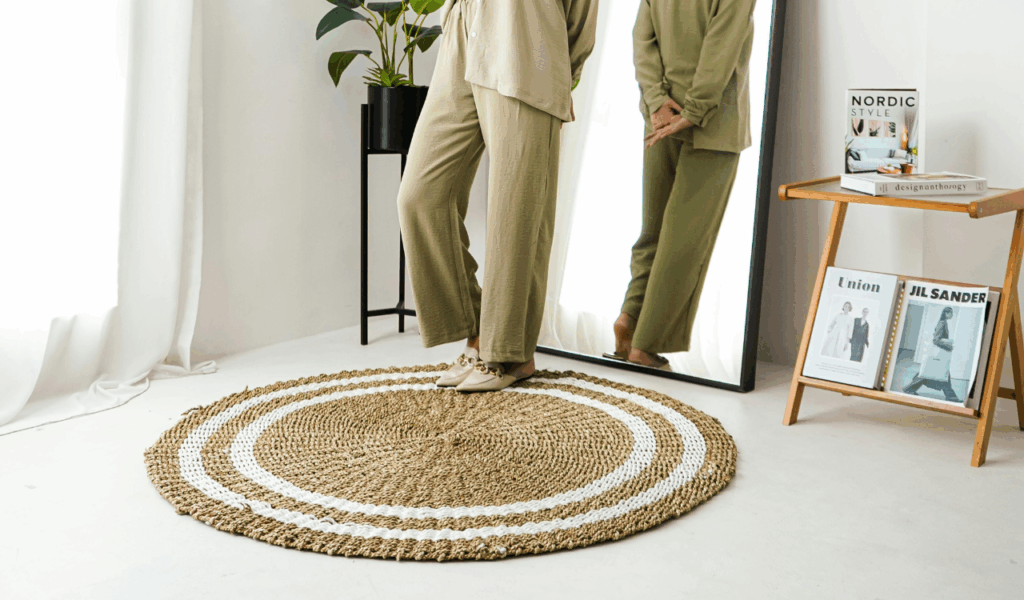
Indoor outdoor rugs are often marketed as durable and easy to clean, which makes people think they will handle winter mess well. But when used indoors, they tend to trap moisture from wet shoes, pets, and melted snow. Instead of drying quickly, water can linger in the backing and padding underneath. This leads to odors and even mildew if ventilation is poor. Dirt also settles under the rug, requiring frequent lifting and floor cleaning. While these rugs work well on patios where air circulates freely, inside, they can become damp, heavy, and unpleasant to maintain. What seemed like a practical choice often creates more cleanup work than expected.
4. Wool Rugs That Absorb Stains and Winter Grime
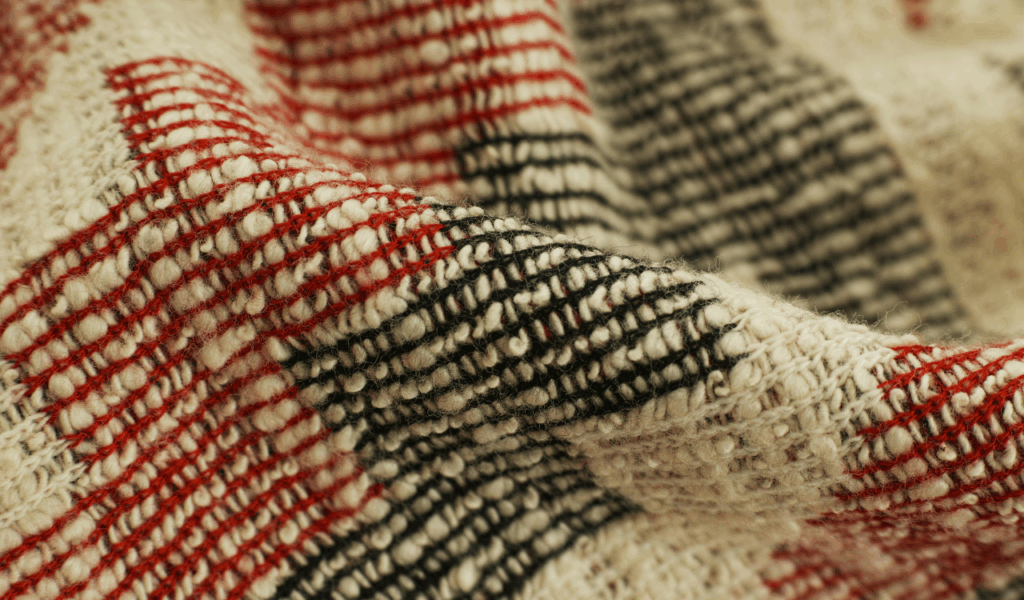
Wool is valued for warmth and durability, but it also absorbs liquids quickly. During winter, salt, mud, and slush get tracked inside and soak into the fibers. Once absorbed, stains spread and become harder to remove with basic cleaning products. Wool also requires gentler care, meaning harsh stain removers cannot be used safely. Professional cleaning is often recommended, which adds cost and inconvenience. Daily maintenance becomes stressful when every spill feels like a potential long-term problem. While wool rugs can last for years, seasonal use in high-traffic areas makes keeping them clean a constant challenge rather than a comfort.
5. Rubber-Backed Doormats That Lock In Dirt and Slush
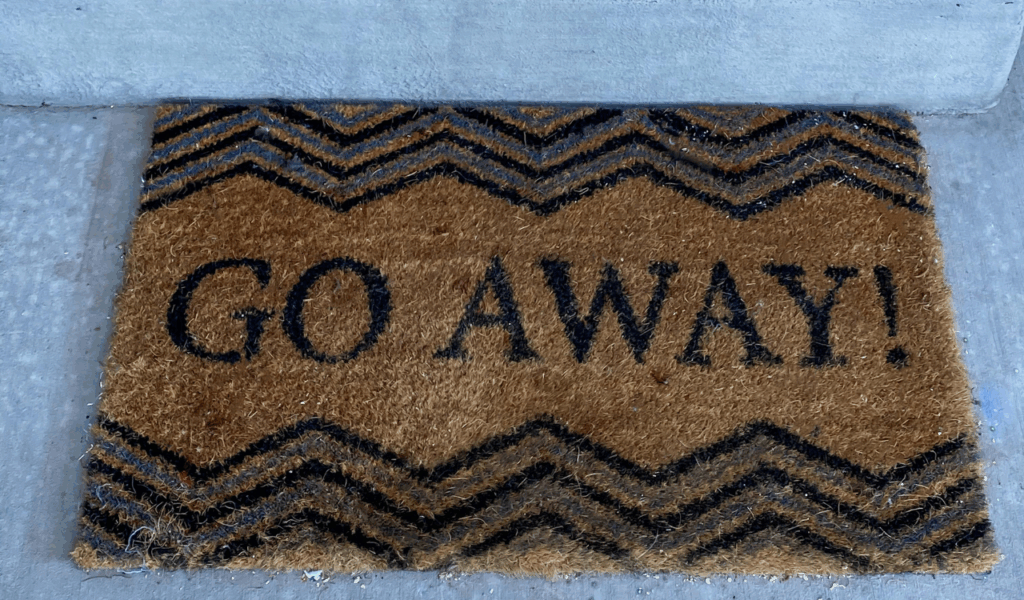
Holiday-themed doormats with rubber backing are meant to protect floors, but they often trap everything they collect. Mud, melted snow, and salt settle into the fibers and stay there, creating damp patches that never fully dry. Shaking them outside removes surface debris but leaves moisture and fine grit behind. Over time, the mat can start to smell and stain the surrounding flooring. The rubber backing can also trap moisture underneath, affecting hardwood or laminate floors. Instead of acting as a simple barrier, these mats become heavy, dirty, and unpleasant to handle, especially when frequent cleaning is needed during winter storms.
6. Festive Runner Rugs in Hallways That Took Constant Abuse
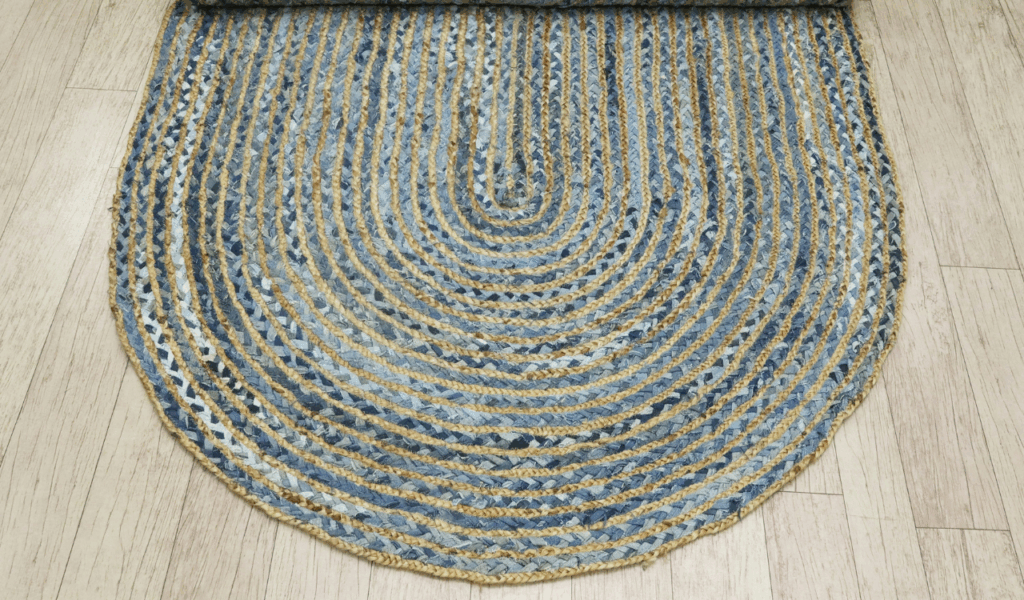
Hallway runners experience some of the heaviest foot traffic in the house, especially during busy winter days. Seasonal versions with decorative patterns are not built for that level of wear. Snow, salt, and dirt grind into narrow paths, creating dark streaks that stand out against lighter sections. Because runners are long and thin, they are harder to wash in home machines and awkward to dry fully. They also tend to shift, letting debris collect underneath. Families often find themselves vacuuming and spot cleaning the same strip of carpet over and over with little lasting improvement. The design looks nice at first, but practical upkeep becomes exhausting.
7. Faux Fur Rugs That Collect Pet Hair and Dust Instantly
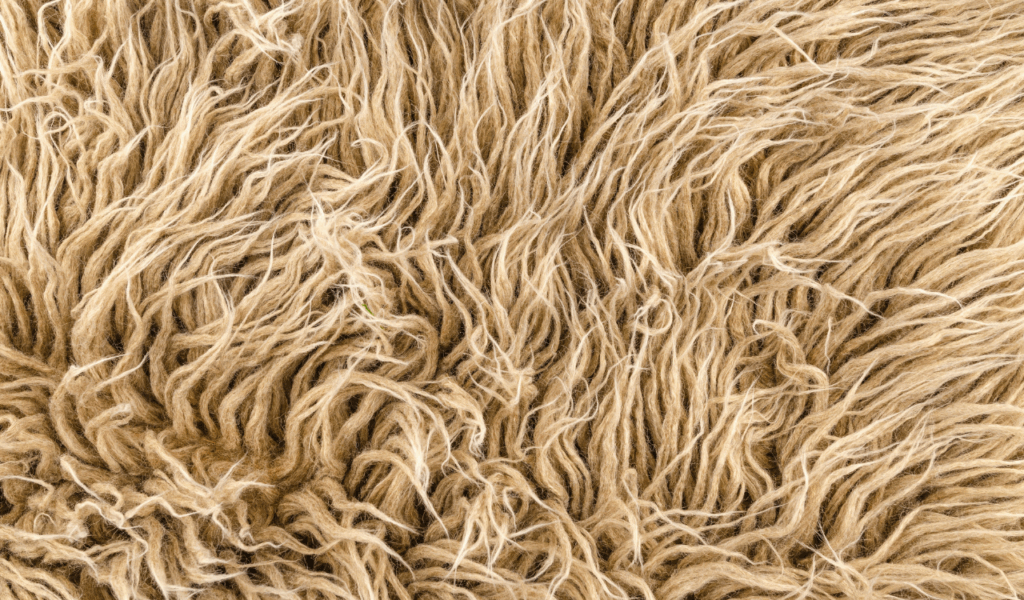
Faux fur rugs look luxurious and cozy, but their soft fibers attract everything floating in the air. Pet hair sticks deeply and does not lift easily with standard vacuum attachments. Dust settles between strands and gives the rug a dull look even when freshly cleaned. Spot cleaning can leave visible marks because fibers clump when wet. Shaking these rugs outdoors helps somewhat, but they quickly collect debris again once back inside. Over time, they start to look flattened and dingy in high-use areas. What begins as a plush accent turns into a magnet for mess that never quite feels clean.
8. Cotton Seasonal Rugs That Warped After Washing

Many cotton rugs are labeled washable, which sounds ideal for a winter mess. In reality, frequent washing can cause shrinking, curling edges, and uneven shapes. Once warped, rugs no longer lie flat, creating tripping hazards and collecting dirt underneath. Prints may also fade or crack after repeated cycles, making the rug look worn before the season is over. Drying is another challenge, since thick cotton takes time to fully dry and can smell musty if rushed. While machine washing seems convenient, the long-term effect is often a misshapen rug that looks worse after each cleaning.
9. Busy Patterned Rugs That Hid Dirt Until It Looked Worn
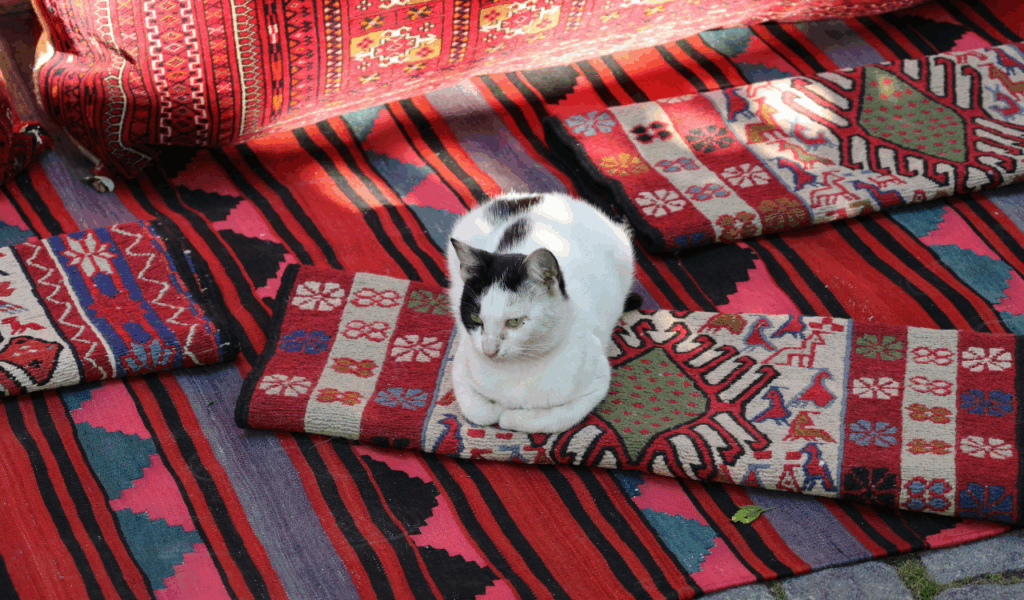
Rugs with complex holiday designs can hide small messes at first, which feels like a benefit. The downside is that dirt builds up unnoticed until the rug suddenly looks dull and tired. High traffic areas start to show flattened fibers and darker shading that is difficult to reverse. Cleaning becomes less effective because grime is already embedded. When people finally notice the buildup, restoring the original brightness is difficult without professional help. These rugs give the illusion of cleanliness while quietly collecting damage that shortens their usable life.
10. Indoor Outdoor Rugs That Slid and Trapped Dust Underneath

Some seasonal rugs lack proper grip, causing them to slide slightly with daily movement. Each shift lets dust and grit accumulate underneath. Over time, this dirt scratches the flooring and creates uneven wear on the rug backing. Constant straightening becomes part of daily cleanup, which defeats the idea of easy maintenance. Without a rug pad, moisture and dust remain trapped between surfaces, making both rug and floor harder to clean. What seems like a low-maintenance option ends up requiring more frequent lifting and vacuuming than expected.
11. Decorative Tree Skirt Rugs That Collect Pine Needles and Glitter
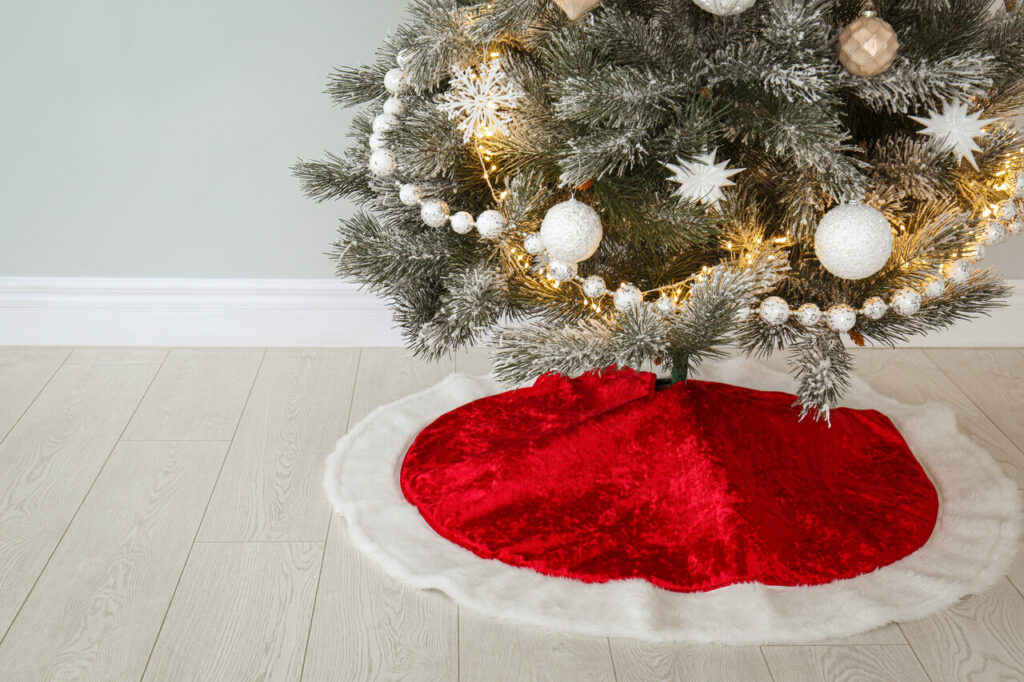
Tree skirts and decorative holiday rugs around seasonal displays attract constant debris. Pine needles, ornament hooks, and glitter fall directly onto the rug and get ground into fibers by foot traffic. Vacuuming around tree bases is awkward, and many people avoid moving decorations, letting debris pile up. Spilled water from tree stands can soak into the fabric and backing. After the season, these rugs are often stained and misshapen, making them hard to store or reuse. The visual charm comes with a surprising amount of hidden cleanup work.
12. Lightweight Kitchen Mats That Absorb Every Spill

Holiday kitchen mats are often thin and colorful, placed where cooking and drinks are most likely to spill. They absorb liquids quickly and stain easily, especially with sauces, coffee, and oils. Frequent washing is needed, but repeated cycles wear down the padding and cause the edges to curl. Because they are small, people expect easy cleaning, but in practice, they need constant attention to stay presentable. Many end up looking dingy long before the season ends, even with regular care.
13. Seasonal Bathroom Rugs That Stayed Damp and Smelled

Bathroom rugs face constant moisture, and seasonal versions are often more decorative than functional. Thick fibers hold water and dry slowly, especially in colder months with less ventilation. This creates conditions for mildew and odor buildup. Washing helps temporarily, but repeated dampness shortens fabric life and fades designs. Guests may notice smells before homeowners do, making these rugs a hidden hygiene issue. Instead of adding festive charm, they quietly become one of the hardest items to keep fresh in winter.