10 Decor Trends That Try Too Hard to Look “Lived-In”
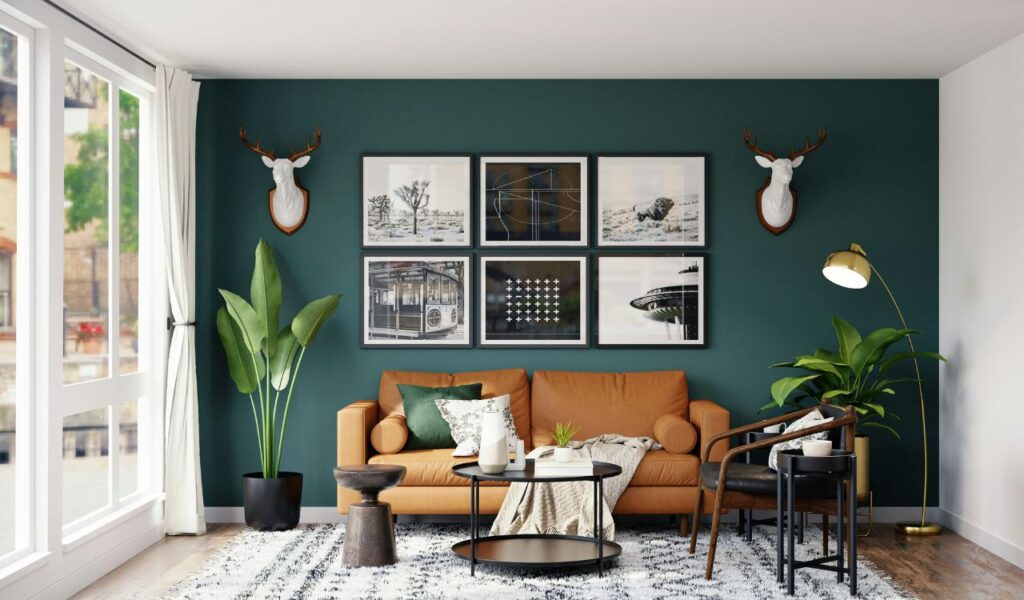
Decor trends often promise warmth, style, and the effortless charm of a lived-in home. Yet some design choices try too hard, creating spaces that feel staged rather than natural. Homeowners increasingly report that curated “lived-in” looks can be more work than comfort, with 39% admitting they rarely maintain trendy decor as intended. Balancing aesthetic appeal with everyday functionality is a challenge. Understanding which trends overcomplicate living spaces helps households make smarter design choices that are both visually appealing and practical for daily life.
1. Distressed Furniture Everywhere
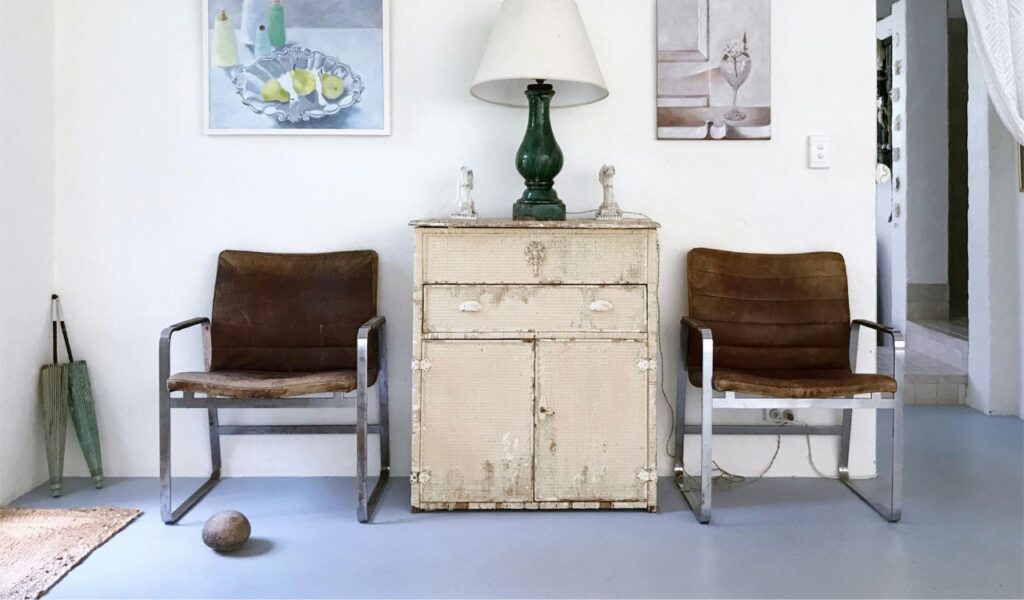
Distressed furniture is designed to evoke vintage charm. Wood surfaces appear weathered, paint is intentionally chipped, and edges look worn. While visually appealing, this style can be high-maintenance. Every day spills, scratches, or accidental dents blend with the intentional wear, making furniture look neglected rather than stylish.
Many homeowners find that maintaining the look takes extra effort. Daily use of sofas, tables, or cabinets can alter their appearance quickly. Families with children or pets notice that minor accidents can make the distressed finish seem careless. Though the pieces are marketed as low-maintenance, the reality is that keeping them looking curated often demands constant attention, undermining the intended ease of a “lived-in” style.
2. Overstuffed Throw Pillows
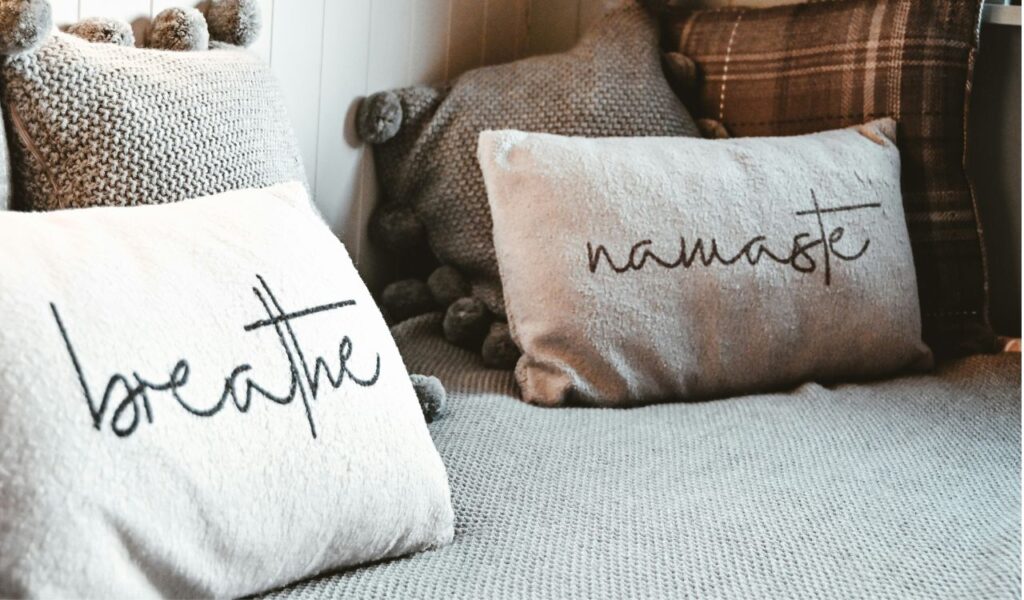
Overstuffed throw pillows promise comfort and a layered look on sofas and chairs. Some living rooms feature six or more pillows per seat, with varying patterns, textures, and shapes. The effect is meant to be casual and cozy, but arranging, fluffing, and adjusting pillows can take more time than many expect.
Families report that children, pets, or daily use quickly displace cushions. Flat or misshapen pillows reduce comfort and visual appeal. Constant maintenance can turn a decorative element into a small daily chore. While overstuffed pillows appear inviting, the effort required to keep them neat often outweighs the benefit, revealing how the attempt to look effortless can actually complicate everyday living.
3. Faux Plants in Every Corner
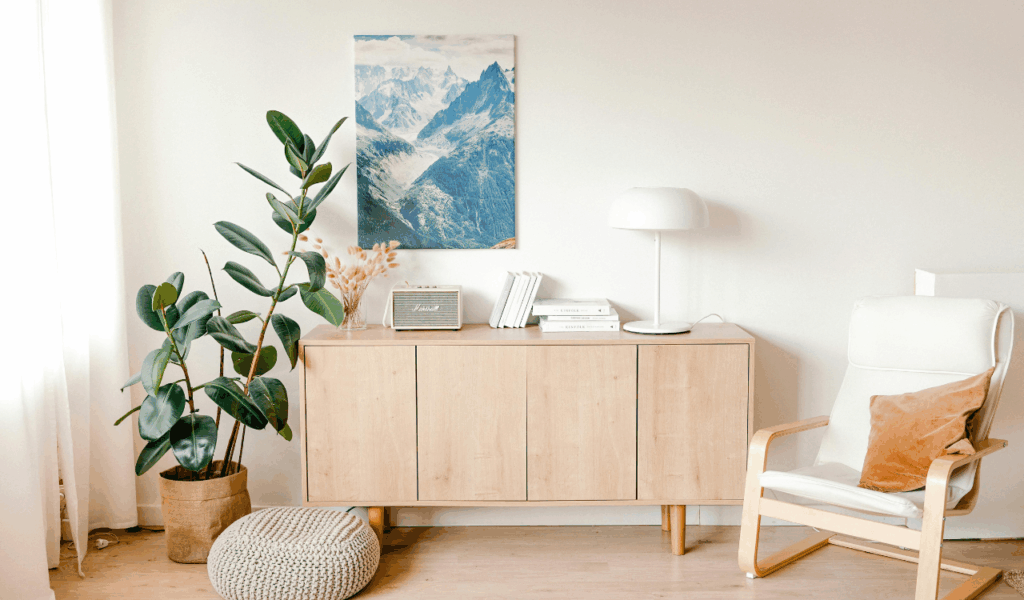
Faux plants are marketed as easy greenery that brightens rooms without watering or sunlight. They appear in kitchens, bathrooms, and living rooms to simulate natural life. In practice, excessive use can create visual clutter and a forced sense of charm that feels staged rather than organic.
Many people find that dusting, repositioning, and adjusting multiple faux plants becomes a hidden chore. Even minimal maintenance, such as a quick wipe, can take around seven minutes per week for each plant. Groupings can look artificial if overused, undermining the intended effect. Although low-maintenance in theory, using faux plants to fill every corner often emphasizes style over functionality, producing a home that feels curated rather than naturally lived-in.
4. Layered Rugs on Hard Floors
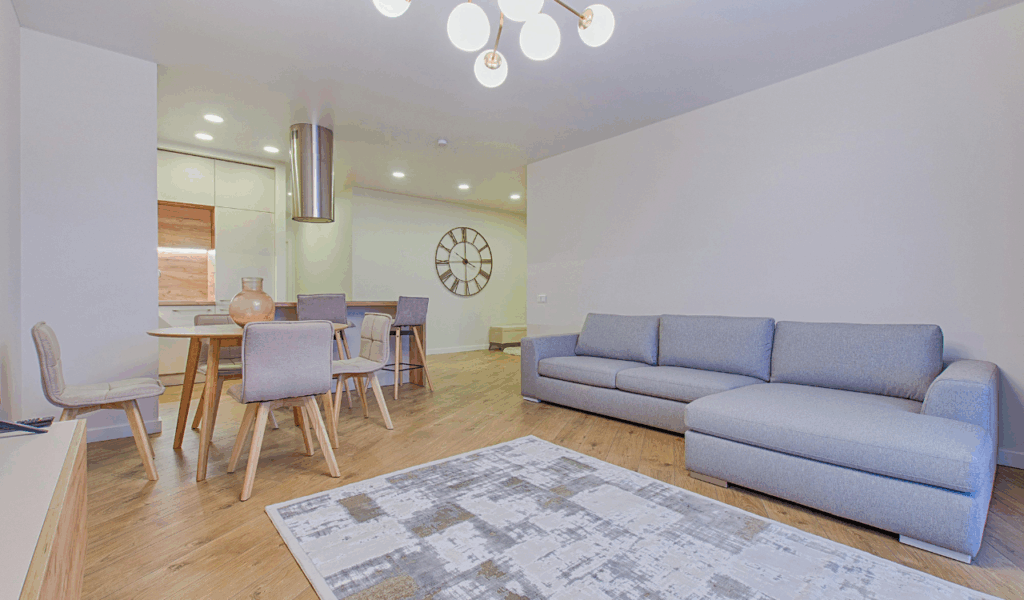
Layering rugs adds texture, warmth, and visual interest to hardwood or tile floors. Designers often recommend multiple sizes and patterns stacked in one area. While visually cozy, layered rugs require constant attention. Edges shift, folds form, and cleaning underneath becomes cumbersome.
People report that rugs bunch up, slide, or wrinkle despite anti-slip pads. High-traffic areas amplify these issues, and frequent adjustments are needed to maintain a neat appearance. The intended casual charm often fades when the practical reality of vacuuming, sweeping, and rearranging is considered. Layered rugs show how a trendy design can look effortless while actually adding hidden work to daily routines.
5. Exposed Mason Jars as Storage
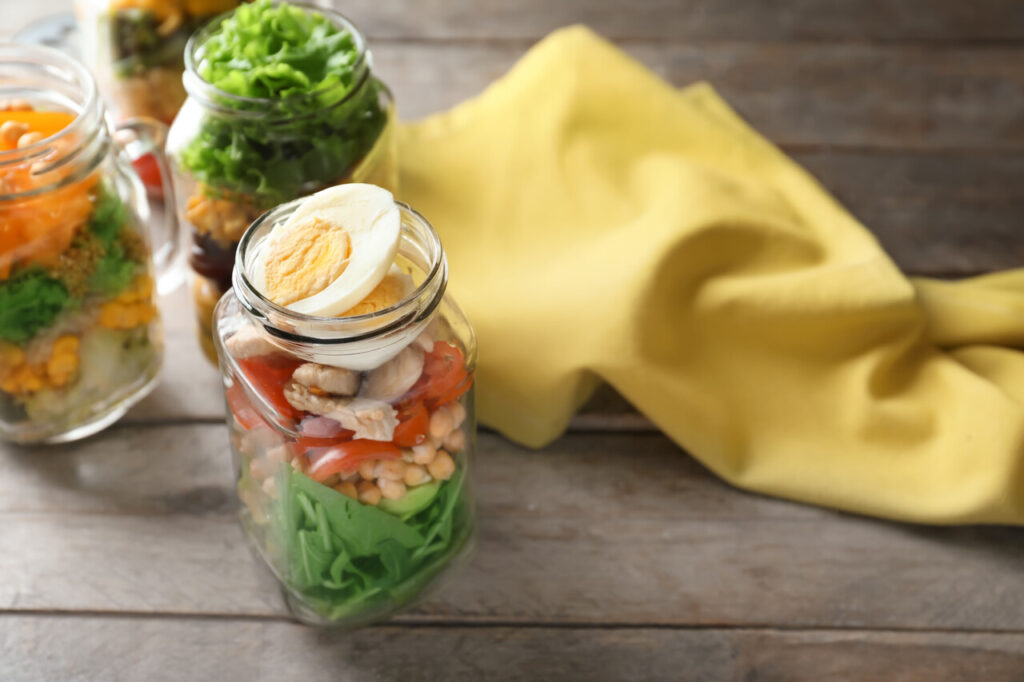
Mason jars are a popular choice for showcasing pantry items, spices, and small kitchen essentials. They give kitchens a rustic, handcrafted feel while promising easy access. In reality, jars require careful labeling, frequent refills, and regular dusting to maintain their clean, intentional appearance.
The visual charm can quickly fade when jars are mismatched or items are unevenly filled. Families often find that daily use disrupts neat arrangements, creating more work than a closed cabinet would. Children or pets knocking jars over adds unexpected maintenance. While the trend looks organized in photos, the practical reality is that exposed jars often demand more attention than homeowners initially anticipate, undermining the effortless aesthetic.
6. Chalkboard Walls for Notes and Quotes
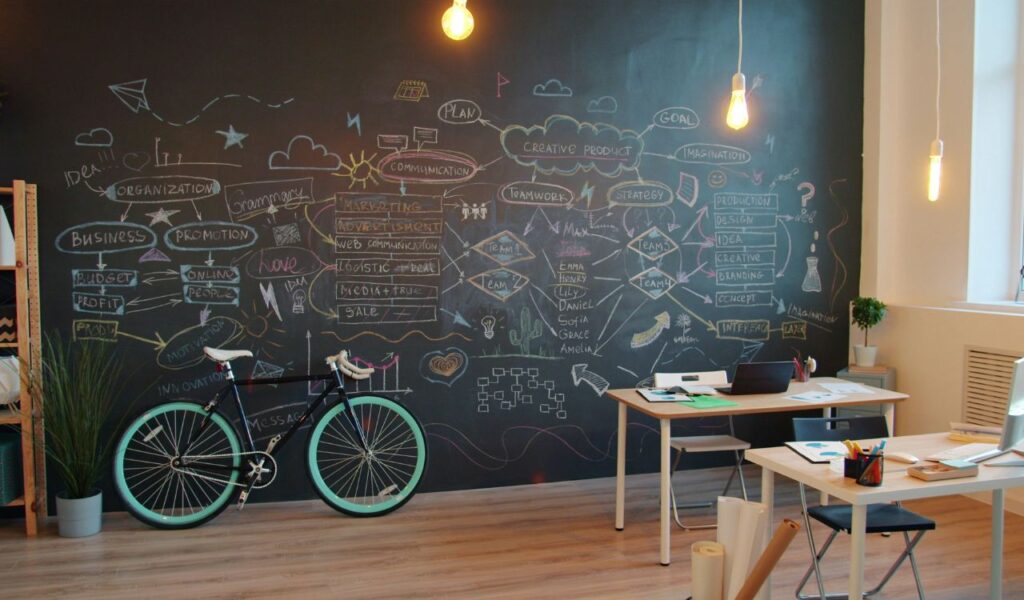
Chalkboard walls are designed to combine creativity with functionality, allowing reminders, menus, and inspirational messages. The surface adds a playful and interactive element to kitchens, offices, or living areas. Maintaining a legible and tidy wall, however, requires frequent cleaning and careful writing.
Many households notice that chalk smudges, dust, and accidental scribbles make the wall look messy within days. Children enjoy doodling freely, and even casual notes can require constant rewriting. The wall may end up as a decorative nuisance rather than a useful tool. Although the concept is charming, keeping a chalkboard wall stylish in the middle of daily routines often proves more effortful than most people expect.
7. Gallery Walls with Random Prints
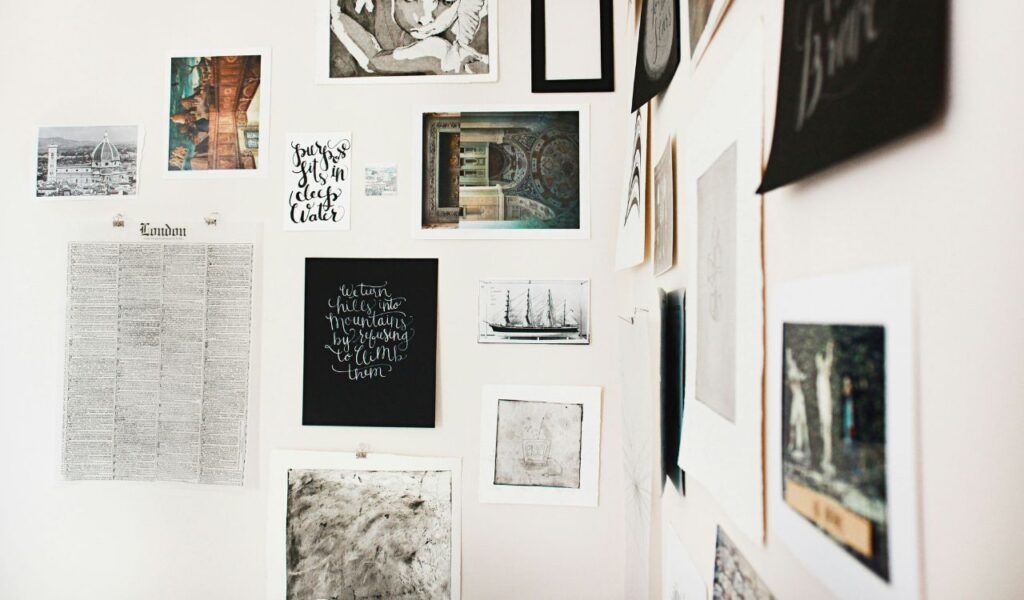
Gallery walls are intended to create visual interest and a personal touch by clustering artwork and photos. Mixing frames, sizes, and prints is meant to feel curated and casual. In practice, assembling and maintaining a gallery wall is surprisingly time-intensive, especially when frames shift or surfaces gather dust.
Homeowners discover that prints often shift out of alignment, requiring weekly rehanging to maintain the intended aesthetic. Updating or replacing art adds another layer of work, and collections can look cluttered if not frequently curated. The result is that gallery walls, while visually engaging, demand ongoing effort to retain the intended “lived-in” charm. What is meant to feel relaxed can easily feel staged without careful upkeep..
8. Vintage Signage in Modern Kitchens
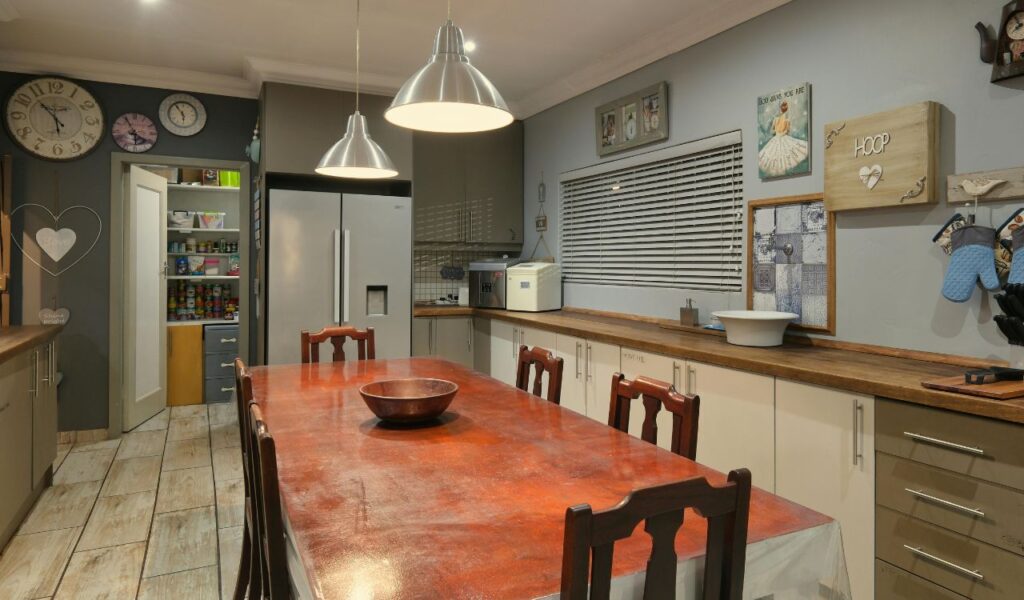
Vintage signs add personality, nostalgia, and retro charm to kitchens. Small slogans or metal artwork can evoke warmth and character in a modern space. However, overusing signage often makes rooms feel crowded, and proper placement requires planning and maintenance to keep the look cohesive.
Dusting and aligning multiple pieces becomes a regular chore, and fragile materials risk damage from accidental bumps. Homeowners find that signage can clash with appliances or countertops, creating tension between style and usability. While visually appealing, the trend can unintentionally create extra work and stress. The charm of vintage accents often comes at the cost of daily convenience.
9. Open Shelving with Cluttered Display
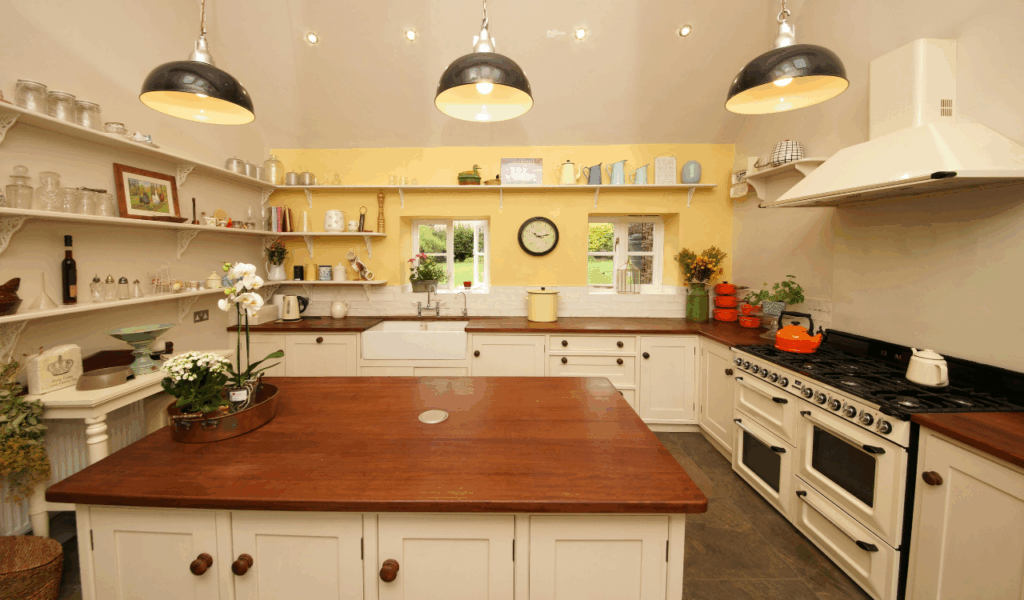
Open shelving is designed to showcase dishes, glassware, and decor while keeping items within reach. The look aims for casual accessibility, but daily use quickly reveals practical challenges. Dust, fingerprints, and displaced items accumulate faster than expected.
Families find that items on shelves often shift or topple during meal prep. High-traffic kitchens exacerbate the problem, making it difficult to keep a neat and consistent display. What begins as a visually inviting choice can quickly demand ongoing maintenance. Open shelving demonstrates how a trend that appears effortless in photos often translates into hidden chores in everyday life.
10. Industrial-Style Lighting Overload
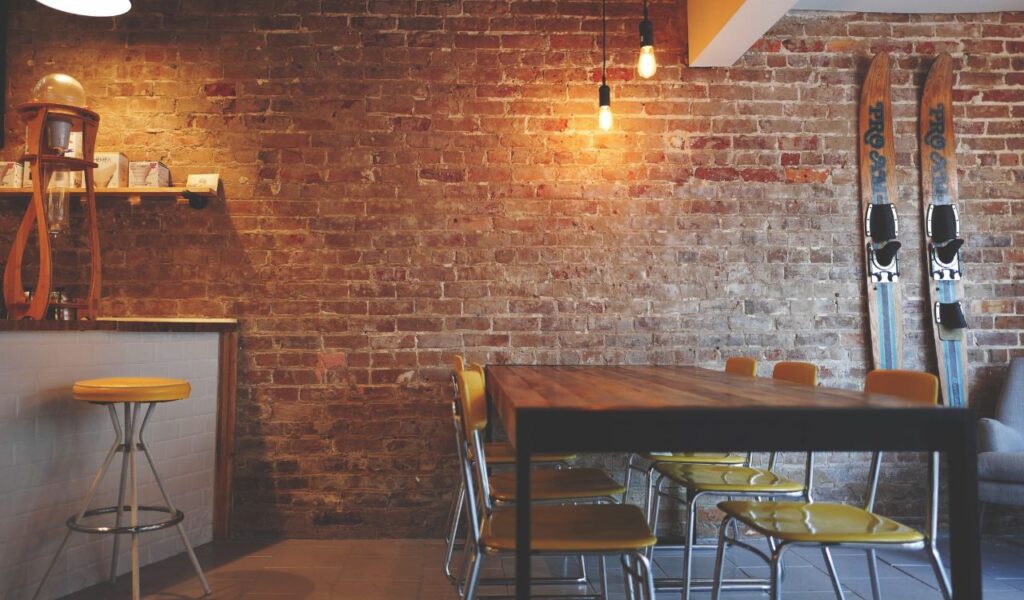
Industrial lighting is popular for exposed bulbs, metal finishes, and utilitarian appeal. Multiple pendants, sconces, or oversized fixtures are intended to create visual impact and a modern aesthetic. Excessive use, however, can overwhelm spaces and reduce warmth, making rooms feel stark instead of inviting.
Homeowners often discover that these fixtures require frequent cleaning, bulb replacement, and adjustment to avoid glare or uneven illumination. Complex layouts and high ceilings add practical challenges. While industrial lighting offers style and bold design, using too many pieces can create extra work and discomfort. The trend illustrates how an attempt to look effortlessly chic can introduce more effort than benefit.