12 Home Updates That Seem Useful — Until You Realize You Rarely Use Them
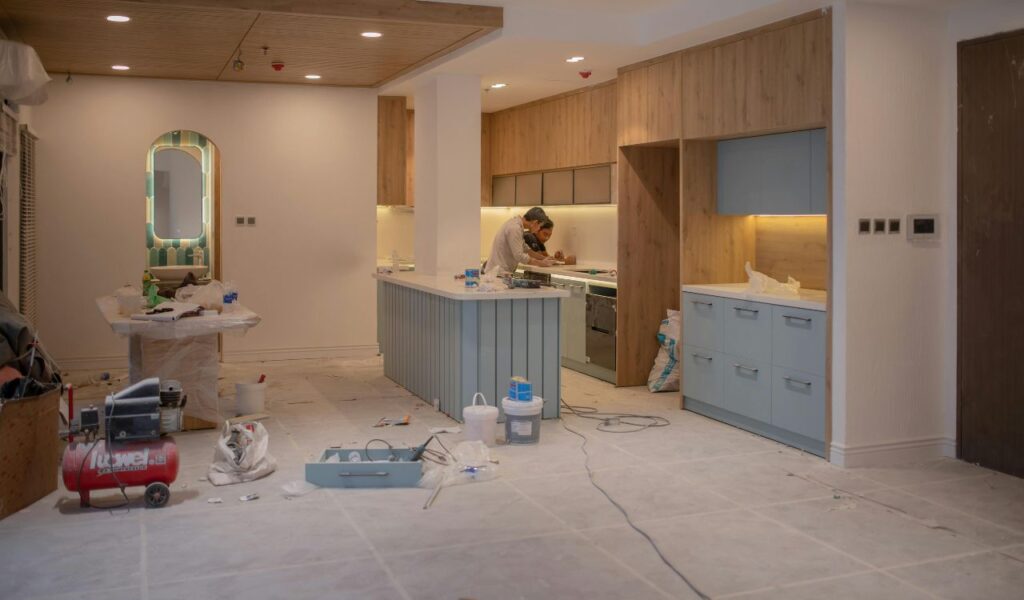
Home improvement trends often promise convenience, efficiency, and a modern touch. Yet many updates end up collecting dust or creating more maintenance than benefit. Homeowners report that nearly 43% of renovations include features they rarely use. From high-tech gadgets to specialty storage, the allure of innovation can overshadow practical value. Seasonal routines, family habits, and real-life usage patterns reveal that some home updates are more ornamental than functional. Understanding which additions truly improve daily life can prevent wasted money, effort, and stress, helping households make smarter, more sustainable choices.
1. Motion Sensor Lighting in Every Room
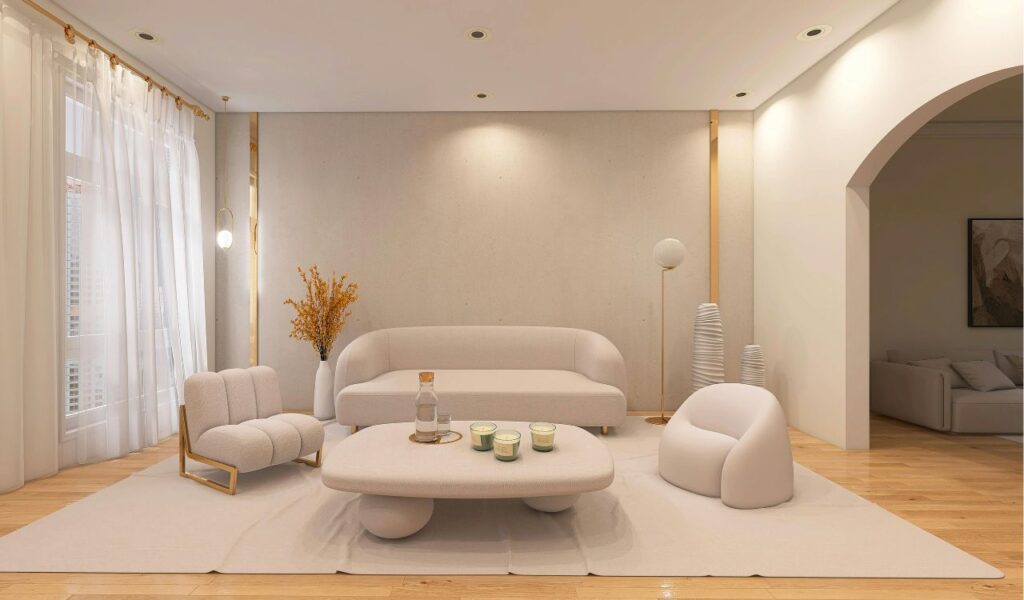
Motion sensor lighting is marketed as an energy-saving solution. The lights turn on automatically when someone enters the room. In practice, sensors often misfire or fail to detect slower movements. Many homeowners report flickering or delayed activation, which can startle or frustrate family members.
For householders, constant adjustments or repositioning are necessary to avoid false triggers. Over time, motion sensor lights can become a source of minor stress rather than a convenience. While appealing in theory, many rooms are used predictably enough that traditional switches are simpler. The investment in multiple sensors may not yield the promised energy savings or daily ease, making this upgrade more decorative than practical.
2. Built-In Espresso Machines
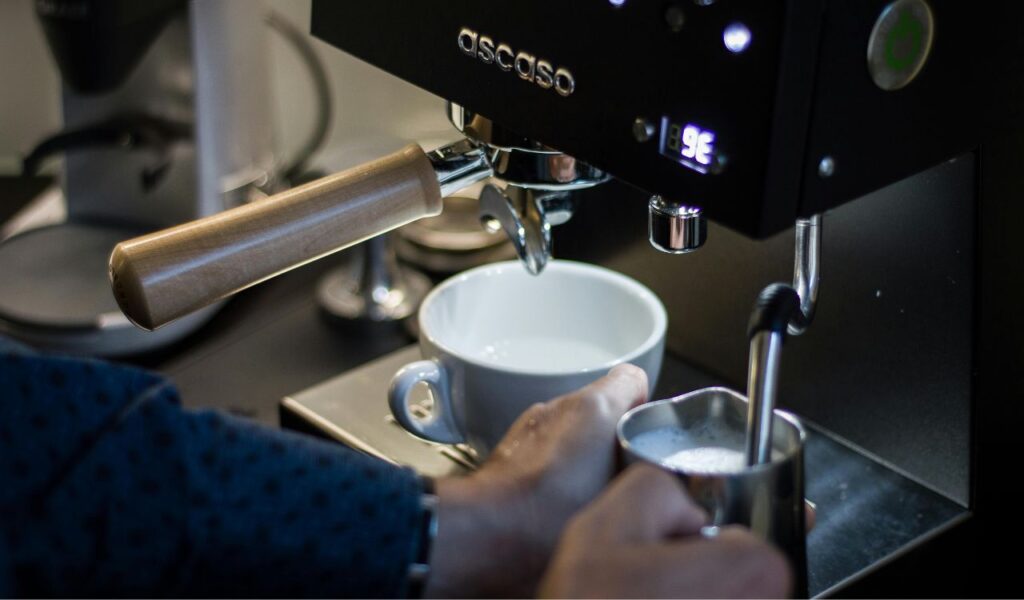
A built-in espresso machine creates a café-like experience in the kitchen. The sleek design appeals to homeowners looking to impress. However, these machines often require complex cleaning routines and frequent descaling. Missing one step can damage the device or impact beverage quality.
Householders who try these appliances find usage inconsistent. Many family members prefer standard coffee makers or single-serve pods due to ease and speed. The frequency of daily use is often lower than expected, leaving a high-maintenance machine sitting idle. While the aesthetic is attractive, the daily practicality does not always justify the cost, maintenance, and kitchen space consumed.
3. Expensive Pantry Pull-Outs
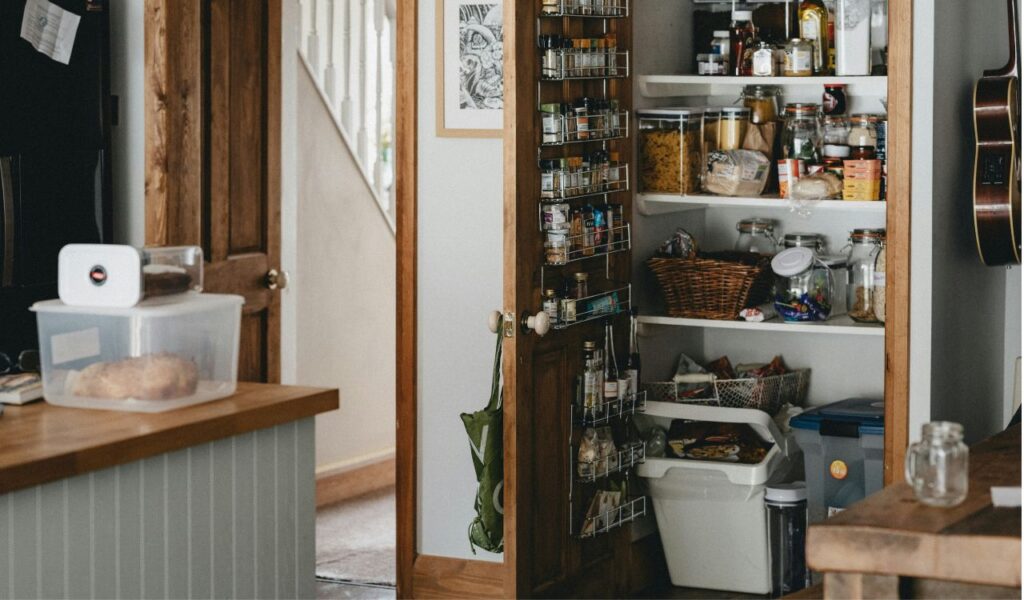
Custom pantry pull-outs promise maximum storage efficiency. They slide out smoothly and allow visibility of every item. In reality, frequent bending, heavy lifting, and rearranging can turn these features into minor annoyances. Items at the back still require careful attention, and shelves can jam under the weight.
Many homeowners report using pull-outs less often than imagined. Smaller items still get lost, and bulky groceries are harder to manage than open shelving. Installation costs are high, and maintenance adds to household chores. While visually organized, pull-outs rarely transform day-to-day routines as dramatically as advertised. The perceived convenience is often offset by the physical and mental effort required to use them effectively.
4. Automated Pet Feeders
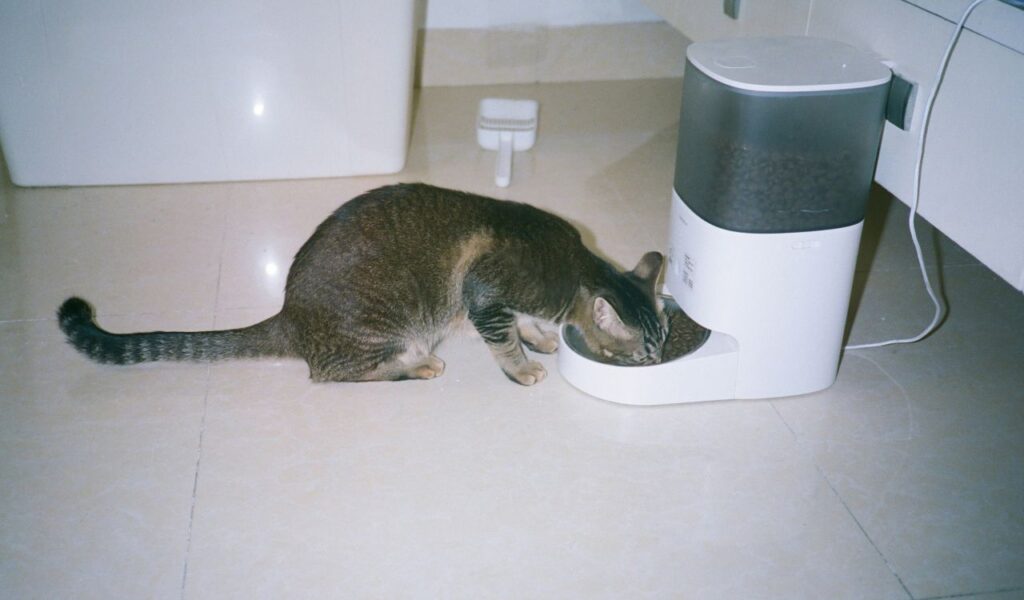
Automated pet feeders promise consistency and freedom for busy households. They dispense precise portions at scheduled times. For some pets, these devices reduce begging and free the owner from strict meal timing. However, feeders can malfunction or jam, leaving pets hungry or causing overfeeding.
Many families discover their pets prefer human interaction during mealtime. Pets may paw at the device or ignore it entirely, defeating the purpose of automation. Regular cleaning is required to avoid mold or spoiled food. Even with proper setup, the devices demand monitoring and occasional intervention. What seems convenient on paper can become an added responsibility, highlighting the gap between marketed efficiency and real-world use.
5. Extra Deep Kitchen Drawers
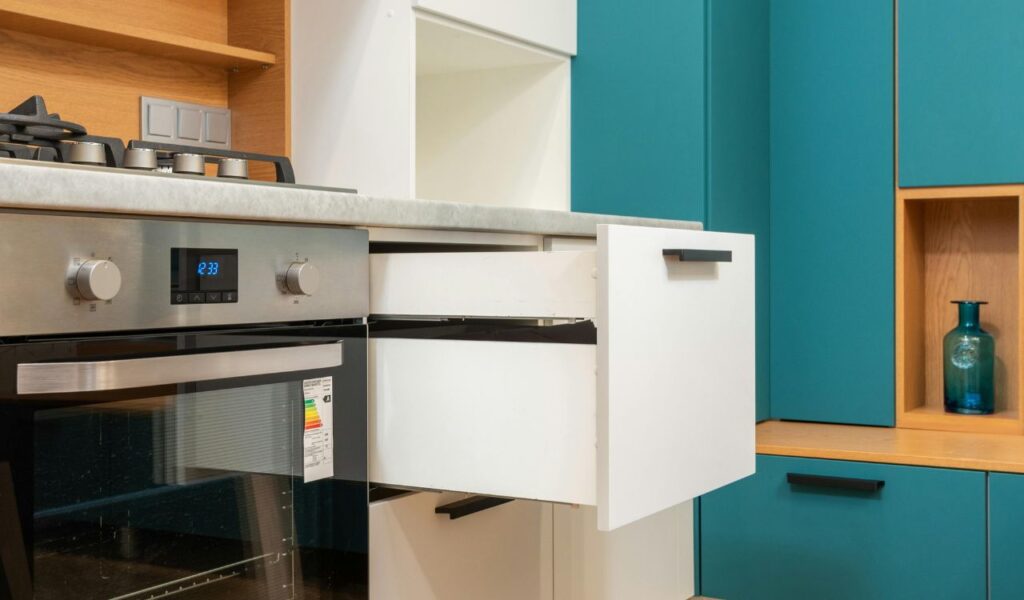
Extra-deep kitchen drawers promise storage for large pots, pans, and appliances. At first glance, they seem ideal for keeping bulky items organized. In practice, deep drawers require more bending and lifting. Reaching the bottom can be awkward, especially for heavier cookware.
Many homeowners find that frequently used items are easier to store in standard cabinets or on countertops. Deep drawers can become a catch-all for less-used gadgets, creating clutter instead of convenience. Sliding mechanisms may stick over time, adding to frustration. While visually impressive, these drawers often complicate daily cooking routines rather than simplifying them, leaving homeowners questioning the return on investment.
6. Indoor Herb Gardens
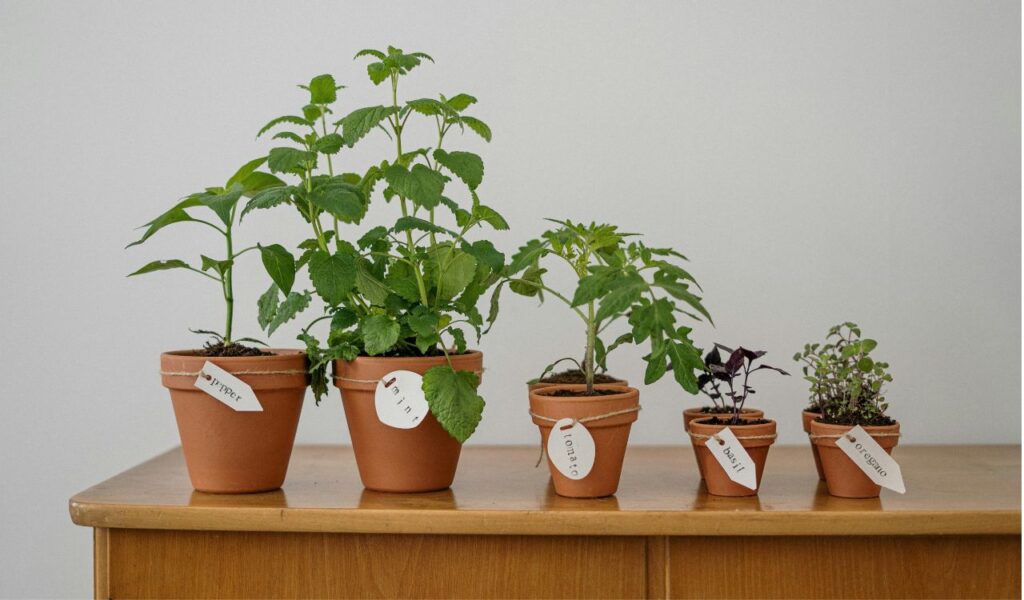
Indoor herb gardens offer fresh flavors year-round. They bring greenery into the kitchen and appeal to health-conscious households. However, maintaining consistent light, water, and temperature is challenging. Plants may wilt, dry out, or develop mold quickly if neglected.
Families often realize they use herbs less than anticipated. Many meals still rely on store-bought herbs for convenience and quantity. The time and attention required to keep an indoor garden healthy can outweigh its culinary benefits. While attractive and eco-friendly, these setups demand ongoing effort that busy households may not sustain. The initial excitement often fades, leaving herbs underutilized and plants neglected.
7. High-Tech Shower Panels
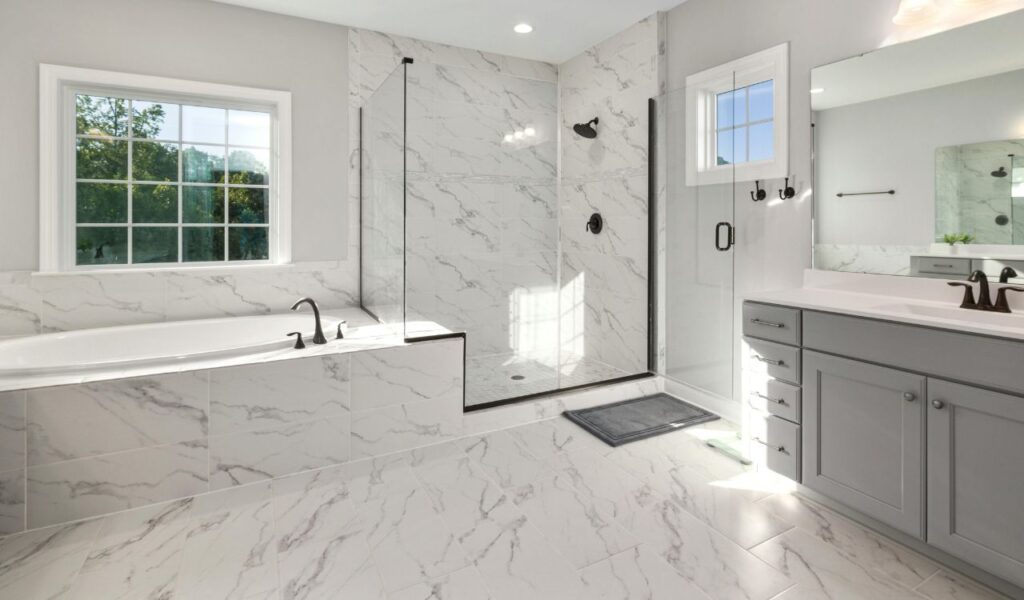
High-tech shower panels feature multiple jets, temperature controls, and digital displays. They promise a spa-like experience in the home. Despite their appeal, the operation can be unintuitive for household members. Adjusting multiple settings can take time, and maintenance is higher than for standard showers.
Even with regular care, mineral buildup and mechanical issues reduce performance over time. Many homeowners end up using only the basic settings, rarely taking advantage of extra jets or digital features. While luxurious in appearance, high-tech panels often add complexity without proportional daily benefit. For households seeking efficiency and reliability, traditional showers are frequently more practical.
8. Charging Stations Built Into Furniture
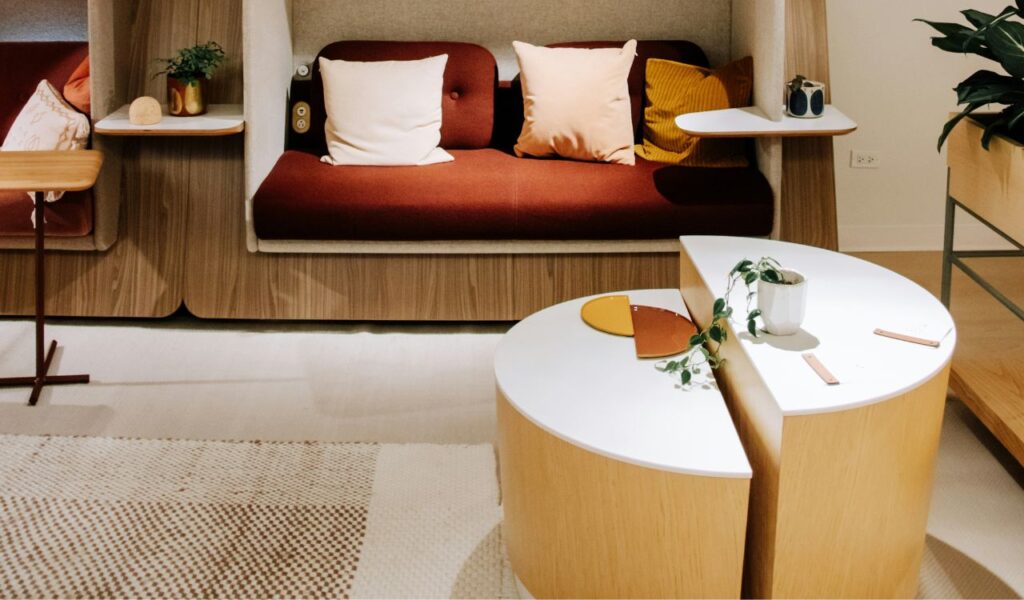
Built-in charging stations make devices accessible without cords cluttering countertops. They integrate neatly into desks, nightstands, or coffee tables. While they seem convenient, they require careful planning for placement and wiring. Devices vary in size, and some chargers are incompatible with built-in ports.
Families often find that built-in stations are underutilized. Phones, tablets, and other electronics are still left on couches, counters, or bedside tables. Over time, these stations can create clutter and limit furniture flexibility. While designed to streamline charging, they can add hidden complications. Many homeowners end up relying on traditional outlets, reducing the intended efficiency of the built-in feature.
9. Corner Desks With Shelving Units
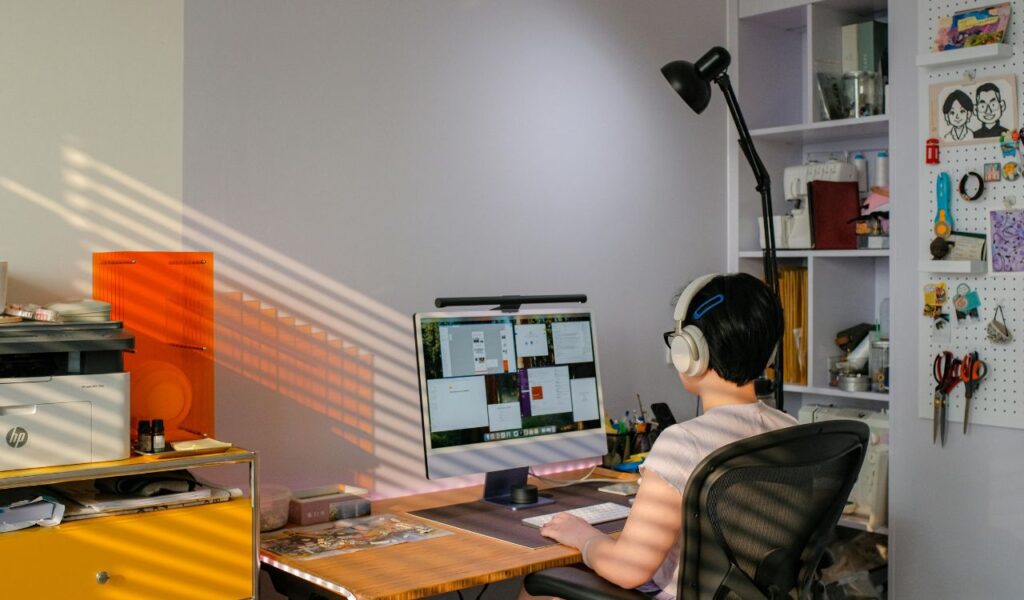
Corner desks with built-in shelving promise to maximize workspace and storage. They look efficient and modern in showrooms. In real life, accessing items on upper shelves requires stretching or a step stool. Clutter can accumulate quickly, negating the intended organization.
Many homeowners find that only a few shelves are used regularly. Items placed in the back are forgotten. Electronics and paperwork pile up, creating more stress than simplicity. While visually impressive, corner desks with shelving often demand more effort to keep tidy. The daily convenience is outweighed by the extra maintenance and awkward access that most people did not anticipate when buying the unit.
10. Wall-Mounted Tablet Holders in Kitchens
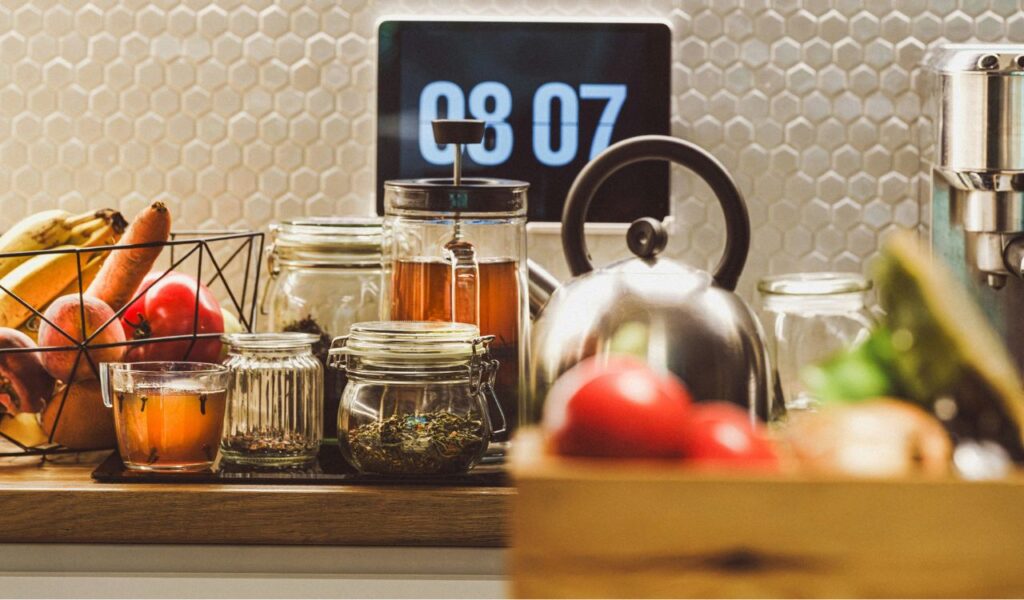
Wall-mounted tablet holders seem perfect for recipes, timers, and entertainment while cooking. They keep devices off counters and in view. In reality, they require careful positioning and frequent adjustments. Bright kitchen lights can create glare, making screens hard to read.
Families often find that devices are used only occasionally. Tablets still end up on counters or held in hands during cooking. The holders need cleaning from splashes, which adds another chore. While the design is neat, real-world usage falls short of expectations. These devices often add a small layer of hassle rather than improving efficiency, leaving homeowners questioning their usefulness.
11. Built-In Wine Refrigerators
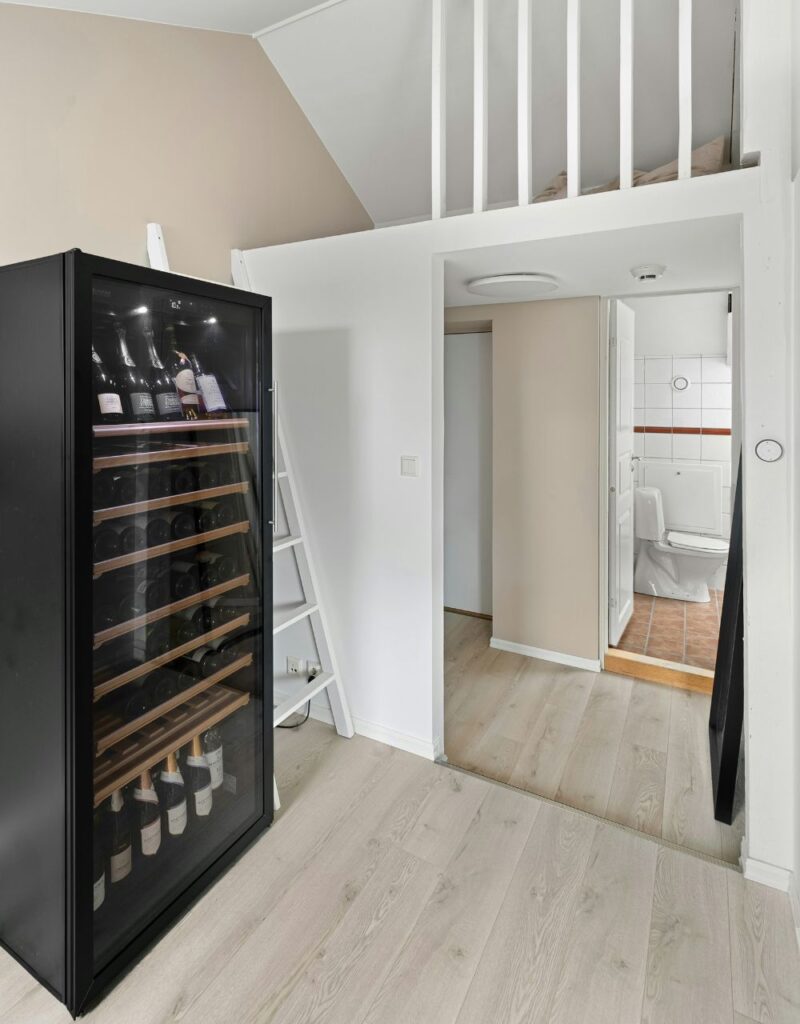
Built-in wine refrigerators are popular in modern kitchens. They offer temperature-controlled storage and a sleek, luxurious look. Many homeowners quickly discover they rarely reach full capacity, and frequent usage is lower than anticipated.
Maintaining these units requires monitoring temperature zones and cleaning filters. Some models are noisy, creating minor disturbances in open-concept homes. Families report that bottles are often stored elsewhere for convenience. While visually appealing, built-in wine refrigerators are underutilized in day-to-day life. They deliver more aesthetic value than practical benefit, proving that luxury features do not always translate into functional improvements.
12. Ceiling-Mounted Laundry Drying Racks

Ceiling-mounted drying racks are designed to save floor space and dry clothes efficiently indoors. They can be raised or lowered, offering a modern alternative to freestanding racks. In practice, raising, lowering, and balancing heavy loads of laundry is tedious.
Many households find that racks are used only for light items. Bulky towels or bedding are awkward to manage and may still need traditional drying methods. Regular maintenance is required to avoid wear on pulleys or cables. While appearing space-efficient, ceiling-mounted racks often create more effort than benefit. The promised convenience frequently gives way to minor frustrations and underutilization.