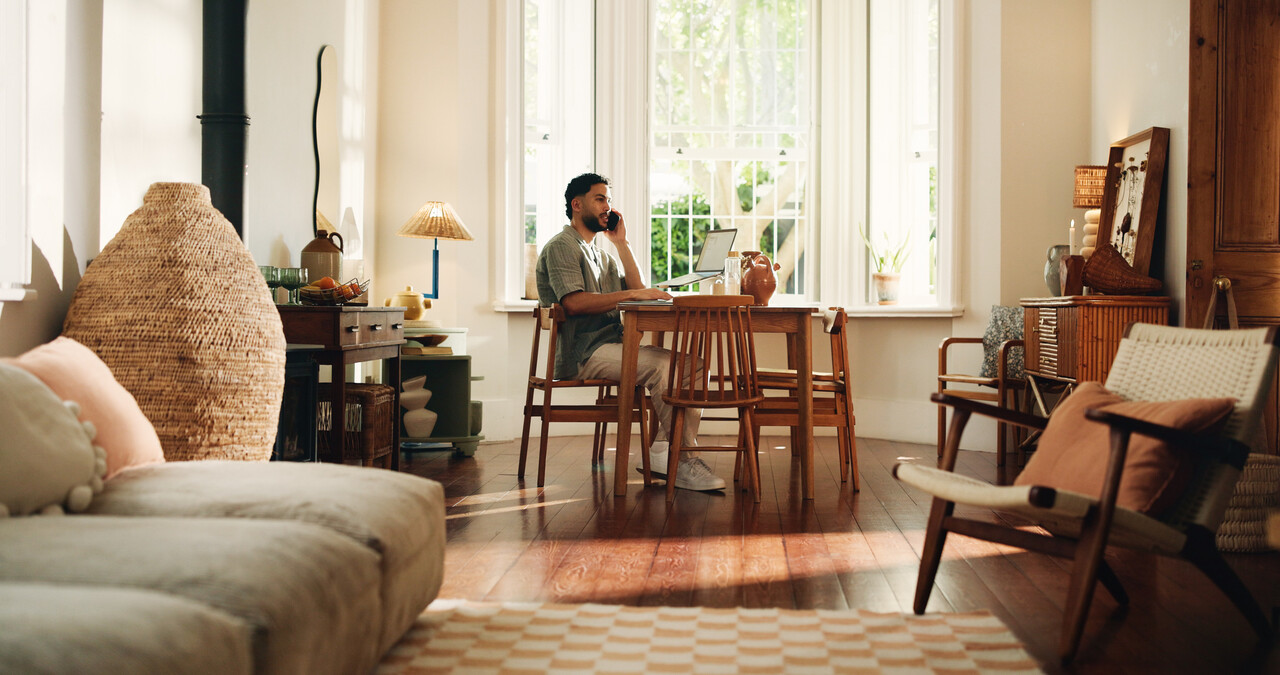
Ways People Set Up Their Homes to Reduce Mental Load
The judgments we must make on a daily basis are frequently weighed down by the burden of a home. Professional organizers define “mental load” as the cumulative stress brought on by visible clutter, misplaced objects, and ineffective systems that need ongoing troubleshooting in a home environment. A home that is designed to lessen this load functions as a silent companion that automates the routine so that the mind can concentrate on more important tasks. Often referred to as “cognitive ergonomics,” this design philosophy aims to create a high-functioning environment in which the layout solves questions before the brain does.
The most “peaceful” homes are those where the upkeep is ingrained in the design, according to interior designers and real estate agents. According to experts, you may establish a self-sustaining ecosystem of order by deliberately choosing where data is kept and how items are arranged. These eight techniques offer a methodical approach to anxiety reduction at home and are intended to be low-effort yet high-impact. You can recover your mental energy by using these professionally recommended configurations, which will turn your house into a peaceful, well-curated, and fully controlled haven.
1. Establishing a Primary “Information Hub”
The “scattered data” of a home, including grocery lists, appointment cards, and school paperwork, is a significant source of mental strain. Establishing a single, main information hub, typically in the kitchen or mudroom, is advised by professional organizers. Every member of the home will have access to the same information if you put a centralized calendar and a “to-do” board in a prominent location.
According to experts, this centralization removes the need to look for misplaced sticky notes or digital reminders and keeps the “mental load” from falling on a single individual. In order to minimize visual clutter, contractors and designers find that these centers function best when incorporated inside cabinetry or a recessed nook.
Realtors claim that a high-functioning household is characterized by a well-organized logistics hub. You can lessen the stress of everyday planning by making the “business of the home” visible and well-organized. This approach guarantees that the daily plan is always obvious, demonstrating that a modest amount of centralized coordination keeps life’s little nuances from becoming a major source of confusion.
2. Implementing “Zone-Based” Storage Kits

An entire task can be derailed by the mental exhaustion of looking for a particular equipment. “Zone-based” storage kits, in which every object needed for a particular activity is gathered in a single transportable container, are advised by interior designers and organizers. For instance, a “mailing kit” in the home office that includes envelopes and stamps, or a “cleaning kit” beneath the bathroom sink. According to experts, the cognitive step of gathering supplies is eliminated when goods are grouped by their goal rather than their category. With this configuration, your tools will be ready when you are.
To make these supplies quickly identifiable, professional organizers advise utilizing clear, labeled boxes. Professional chefs employ this “point-of-use” method to be productive in a high-pressure kitchen, according to hospitality consultants. The “return path” friction that causes clutter can be removed by maintaining your most used things in their original locations. It is a practical decor option that puts your time and effort first, making sure that your house encourages work rather than creating a number of annoying little roadblocks.
3. Creating a Permanent “Drop Zone” Entryway

An unruly arrival might make the rest of the evening difficult. Designers and realtors recommend a “drop zone” entryway that has a specific location for each item that enters the property in order to counteract this. Experts say that the “entryway explosion” that frequently spreads into the living room can be avoided by installing a strong bench for sitting and high-quality hooks for coats and bags. You establish a psychological barrier that indicates the end of the outer world and the start of the private house by designating a particular, recessed space for these transitional goods.
Because it takes care of the “heavy lifting” of organization, architects say a well-designed mudroom or entry zone is one of the most useful features a house can have. Experts advise classifying possessions by family member using cubbies or baskets.
You can also avoid having your transition goods strewn all over the dining table or kitchen island by centralizing them. This arrangement transforms a potentially tense entrance into a seamless, standardized custom. It keeps the rest of the house calm by ensuring that the “visual noise” of your possessions is kept to a minimum.
4. Automating Environmental Comforts
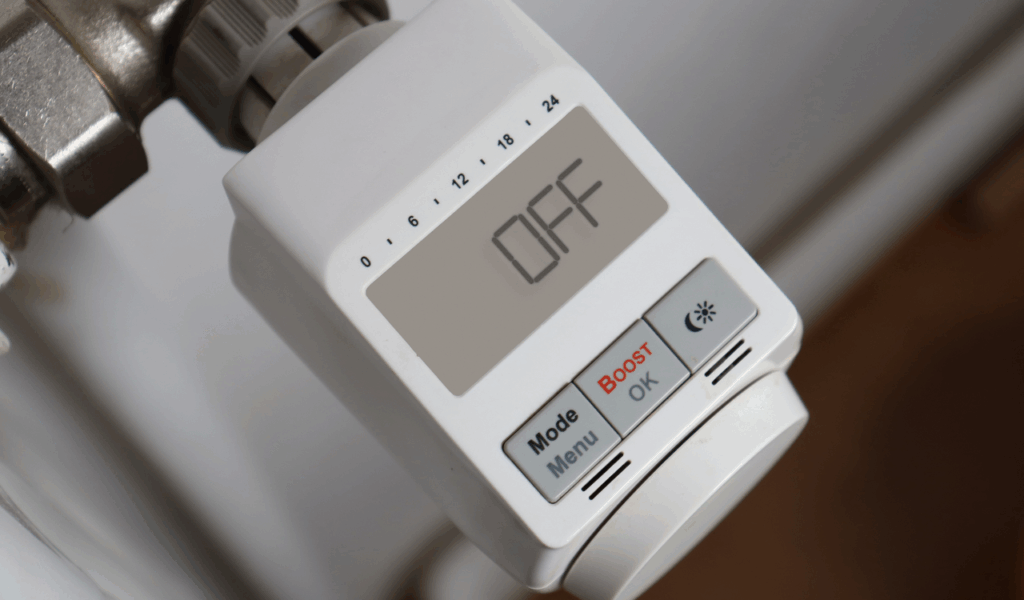
Small, recurrent adjustments like shutting the shutters or turning off the lights frequently make up mental pressure. Experts and designers in home automation advise incorporating motorized blinds, programmable lighting, and smart thermostats to lessen this load. Experts claim that scheduling these components enables the house to “respond” to your requirements on its own. To give privacy, for example, the shades may be lowered at dusk so you never have to get up. Your daily to-do list is reduced by dozens of small decisions thanks to this automation.
According to designers, “smart” enhancements work best when they blend in with the home’s background. Realtors say that a modern, “smart” home designed for today’s lifestyle should include integrated tech storage and automation. You can keep your surfaces looking neat and polished by concealing the “visual static” of cords and chargers. It is a subtle yet effective architectural decision that provides a clever solution to a contemporary issue, guaranteeing that your house will continue to be a highly functional space for rest and social interaction.
5. Adopting a “One-In, One-Out” Inventory Rule
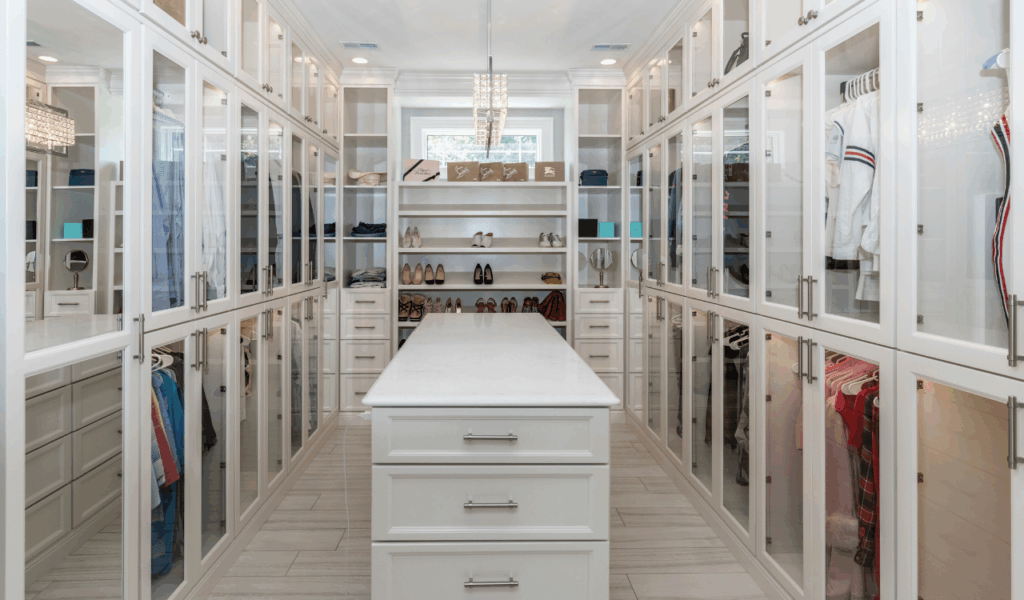
Many designers adhere to the “one-in, one-out” approach to keep the slow accumulation of possessions from overwhelming your storage and your thinking. According to this rule, one current thing must be taken out of the house for each new one that is brought in. According to experts, this ensures that your possessions never surpass the space in your closets by establishing a “static equilibrium” in your inventory.
By keeping a steady, moderate amount of goods, it enforces an intentionality that prevents impulsive buying and maintains the flow of your house. To make this approach simple, professional organizers advise maintaining a “donation bin” in a handy place, such a garage or laundry area.
Realtors claim that because these homes are never overloaded, they always appear spacious. You can avoid the “clutter creep” that ultimately results in a difficult and tiresome cleanse by consciously choosing to edit your belongings on a regular basis. It is a sustainable way of living that guarantees your house will always be a well-chosen representation of your present requirements, reducing the mental strain of management.
6. Using “Uniform” Pantry Organization

One major cause of “unconscious” stress is the visual confusion that results from mismatched commercial packaging in a pantry. Expert designers and organizers advise moving dry goods into standardized, clear containers. Experts claim that this enables “visual auditing,” in which you can quickly determine how much rice or flour you have left. The everyday task of meal preparation feels much more efficient and tranquil when the “marketing noise” of the packaging is eliminated, creating a calm, boutique-style setting.
To make the most of every inch of shelf space, designers advise using containers with square edges. Nutritionists claim that seeing nutritious basics in transparent jars also promotes healthier eating practices. A straightforward, standardized labeling system is advised by experts to maintain a polished and orderly appearance. You may enhance the kitchen’s flow by transforming a disorganized closet into a highly functional culinary station. A little visual consistency goes a long way, as demonstrated by this low-cost, high-impact practice that makes the “work” of the home more enjoyable.
7. Dedicating a “Zero-Grit” Transition Space
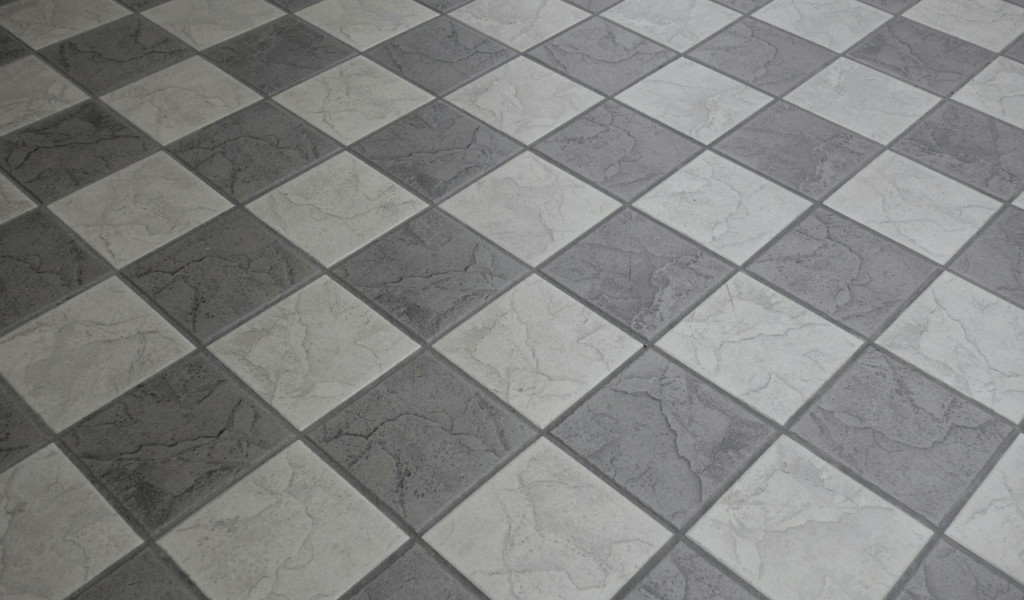
The continual struggle against dirt and outdoor waste can be mentally taxing in homes with lots of traffic. A “zero-grit” transition zone is advised by designers and contractors; this typically takes the shape of a mudroom or tiled entryway with surfaces that are simple to clean. Experts say that preventing outside allergens from being carried inside the house can be achieved by utilizing high-quality walk-off mats and designating a distinct area for shoe removal.
This arrangement drastically lowers the “maintenance load” of the house by reducing the frequency of floor cleaning. Expert flippers show that choosing the appropriate material for the entry is just as important as maintaining a consistent floor. A sturdy, dark-grouted tile in the foyer serves as a “buffer zone” to shield your more vulnerable hardwood or carpeted regions, according to designers.
You preserve the peace of your main living areas by keeping the “messy” facts of life in one convenient location. It is a technical marvel that makes life easier every day, demonstrating that the best designs eliminate problems and tasks before they even arise.
8. Preserving “Visual Silence” on Primary Surfaces
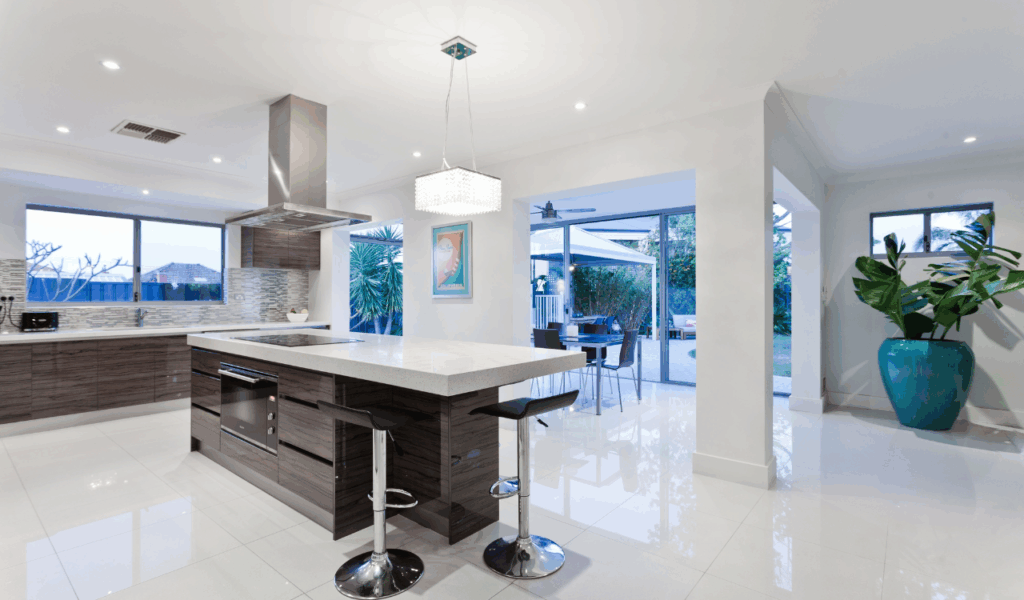
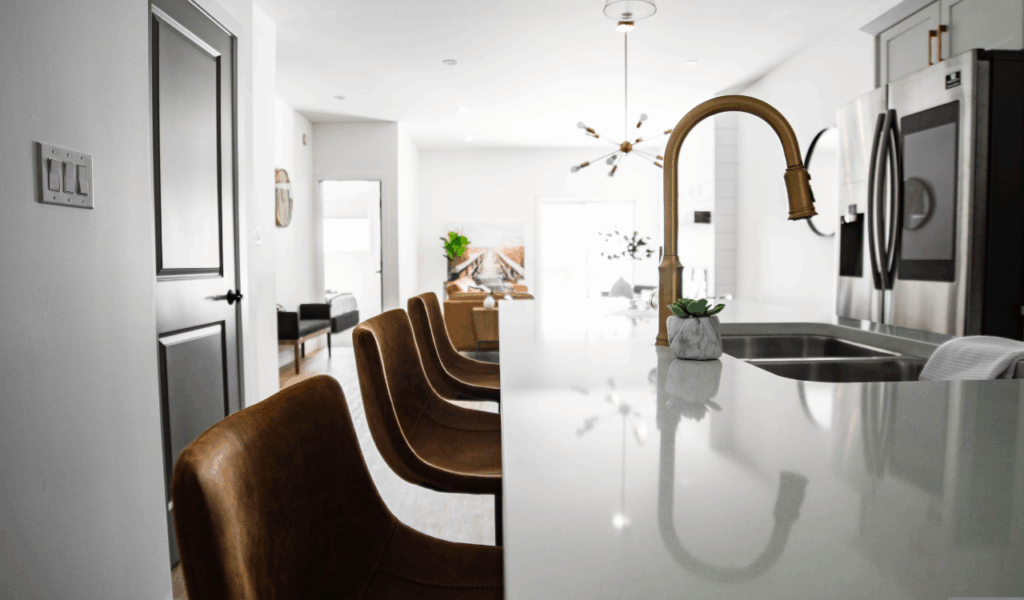
Preserving “visual silence” on major flat surfaces such as the dining table, kitchen island, and nightstands is the best method to reduce the mental burden of a home. It is advised by organizers and designers to keep these spaces 90% free of things. Experts claim that empty surfaces give the brain “psychological breathing room,” allowing it to unwind instead of continuously looking for objects. During hectic, stressful times, you can make the space feel larger and much more manageable by creating a “landing strip” for your attention.
High-sided trays are recommended by interior decorators as a way to “corral” the few things that must stay on a surface, transforming them from a disorganized jumble into a well chosen vignette. Realtors claim that one of the best methods to create an appealing atmosphere in a house is to use transparent surfaces, which offer a sense of visual tranquility. You may make sure you wake up to a fresh start by establishing a “ten-minute tidy” routine to clean these surfaces each evening. This strategy makes sure that the home continues to be a place of healing, demonstrating that the invisible is frequently just as significant as the visible.