Everyday Habits That Make Guests Feel Comfortable

The intricacy of the menu or the cost of the wine is frequently not the key to being a renowned host. True comfort for a guest lies in the “invisible” nuances that eliminate social friction and a feeling of stress, according to expert interior designers and hospitality experts. A home feels intuitive rather than threatening when it is prepared with the viewpoint of the visitor in mind. By lowering the psychological barrier to relaxation, these daily routines make sure that everyone who enters your environment feels instantly at peace.
Expert realtors and organizers frequently observe that the most hospitable homes are those that value the independence of their visitors. According to experts, you may let your guests know that the area is as much theirs as it is yours by putting in place simple, recurring procedures like an accessible beverage station or a special “drop zone” for luggage. By taking a proactive approach to hospitality, visitors may settle in without having to ask for the necessities, saving them the trouble of finding their way about. By following these professional-recommended practices, you can turn your house into a haven where each guest is treated like a valued insider.
1. Creating a Dedicated “Drop Zone” Near the Door

As guests wrangle umbrellas, coats, and luggage, the first few seconds of arrival are frequently the most hectic. Professional organizers and interior designers advise creating a distinct “drop zone” close to the main door. Experts say that having a strong bench for guests to sit on and good hooks for their outerwear makes the guest’s possessions accessible and arranged and avoids the “coat pile” on the sofa.
The physical clutter and the mental strain of not knowing where to put one’s belongings are instantly eliminated by this simple decision. The shift from the outside world into the home is further made clear, according to designers, by having a dedicated tray for shoes and a bowl for keys.
Realtors claim that a clearly defined entryway is a universal indicator of a well-run home. You can preserve the flow of the rest of your house while making sure the visitor feels at ease and rooted from the minute, they enter by taking care of these “transition items” at the door. It is a practical habit that subtly enhances the home’s hospitality by making the beginning of each visit seem smooth and well-planned.
2. Setting Up an Accessible Beverage Station
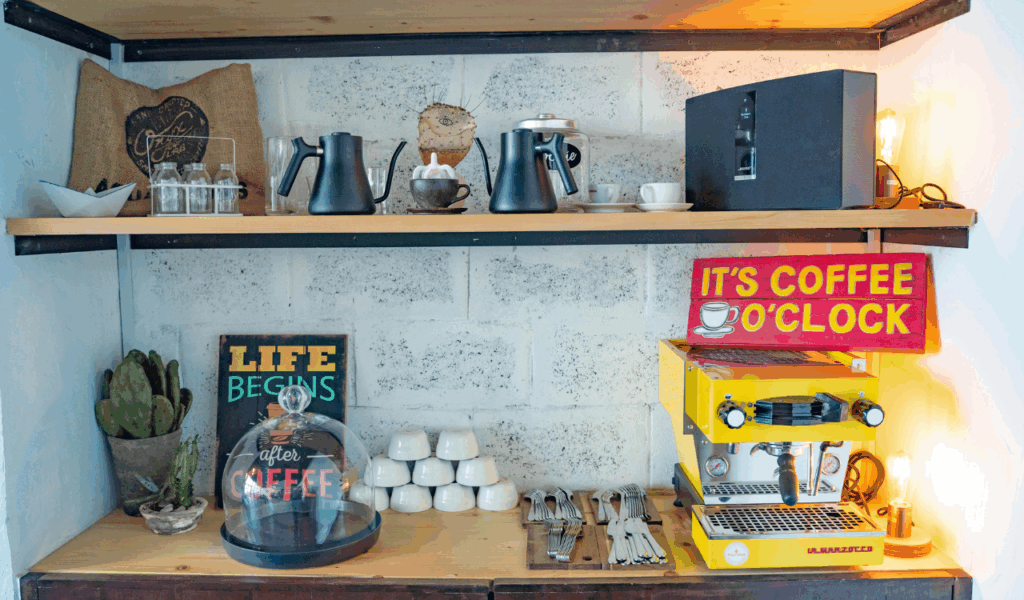
Asking for a drink is one of the most frequent causes of mild nervousness in visitors. An accessible beverage station in the kitchen or dining area is suggested by designers and hospitality experts as a solution to this problem. By keeping coffee supplies, a water carafe, and glasses in a prominent and self-contained location, you encourage visitors to assist themselves during their visit. According to experts, this “self-service” concept gives guests more control and eliminates the anxiety associated with asking the host for a simple refill or glass of water.
To keep these things organized, professional cooks and kitchen designers frequently advise using a small tray or a special counter nook. This system, according to the organizers, allows guests to feel taken care of while avoiding the “work zones” of the kitchen. You foster a feeling of community by making the mugs, tea bags, and coffee pods visible and accessible. The best hospitality is the kind that anticipates a basic need before it is ever spoken, as seen by the simple habit that transforms a house into a home for a visitor.
3. Providing the “Basics” in the Bathroom
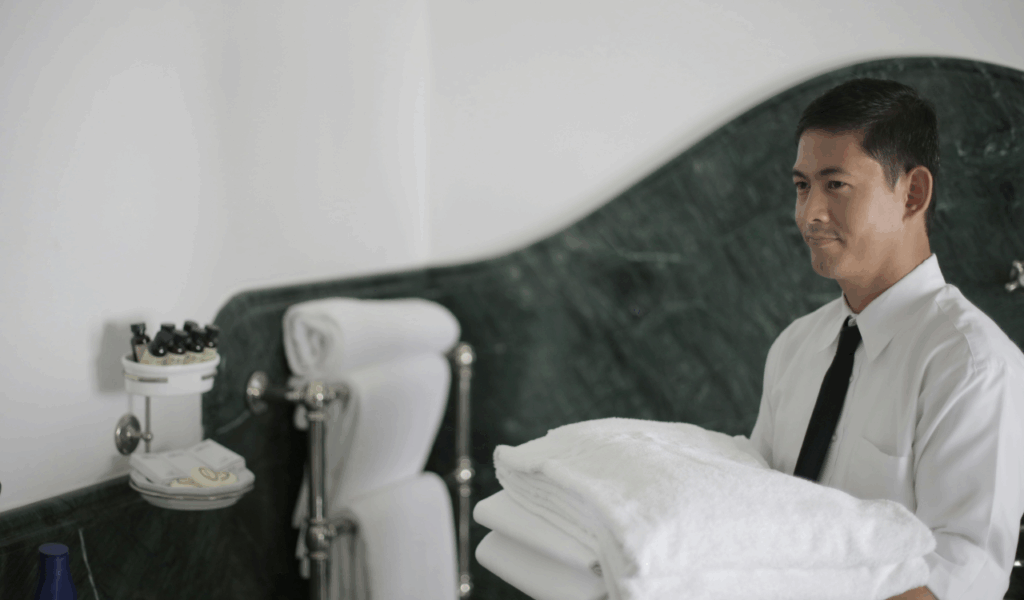
It should never be necessary for a guest to look through your personal cabinets to get basic essentials. Professional flippers and designers frequently stress the value of having a “guest-ready” bathroom, which includes clean towels that are visible and a small basket filled with essentials like additional soap, tissues, and a new toothbrush.
Experts in the hospitality industry claim that placing these things on show on a floating shelf or counter eliminates the unpleasantness of having to request them. It is a simple yet effective method to let them know you have planned for their arrival. In order to provide guests a feeling of security and privacy, contractors and designers also advise making sure the bathroom has a functional lock and enough illumination.
Organizers claim that the guest bathroom feels more like an exclusive hotel suite when it is free of your own everyday clutter. You can make sure that your house continues to be a place of comfort rather than a riddle for guests to solve by keeping it at this baseline level of preparedness. It is a sophisticated and trustworthy option that ensures a certain degree of decorum and consideration for your guests’ individual demands.
4. Layering Lighting for Different Moods
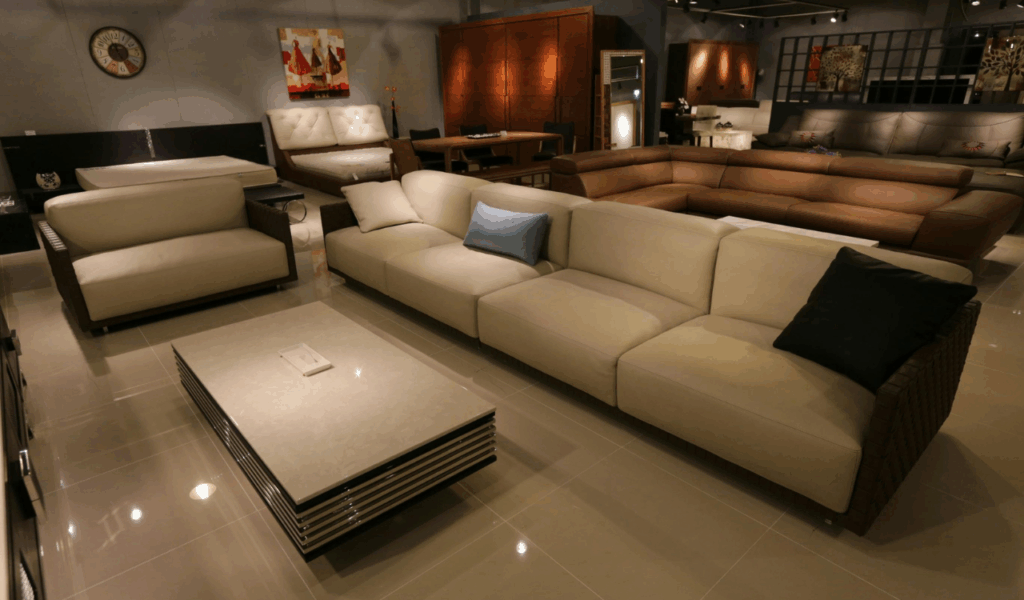
One bright overhead light, according to lighting experts, might make a visitor feel exposed rather than at ease. Designers advise using layered lighting, which includes floor lights, table lamps, and dimmer switches, to create a cozy atmosphere. Experts claim that gentle, dim lighting in the evening tells the brain it is time to relax. Giving visitors the ability to modify the lighting in their immediate surroundings gives them a degree of environmental control that greatly improves their comfort level.
According to interior decorators, a modest lamp placed on an entry console or in a guest bedroom serves as a “welcoming beacon” for people who arrive after dark. One of the best ways to create an appealing ambiance in a home, according to realtors, is to use warm, layered light. Breaking the pattern of only using the “big light,” you add depth to the architecture and a feeling of comfort. The home will always feel soft and atmospheric thanks to this technical decision, creating a calm atmosphere that encourages both quiet rest and animated conversation.
5. Sharing the Wi-Fi Password Discreetly
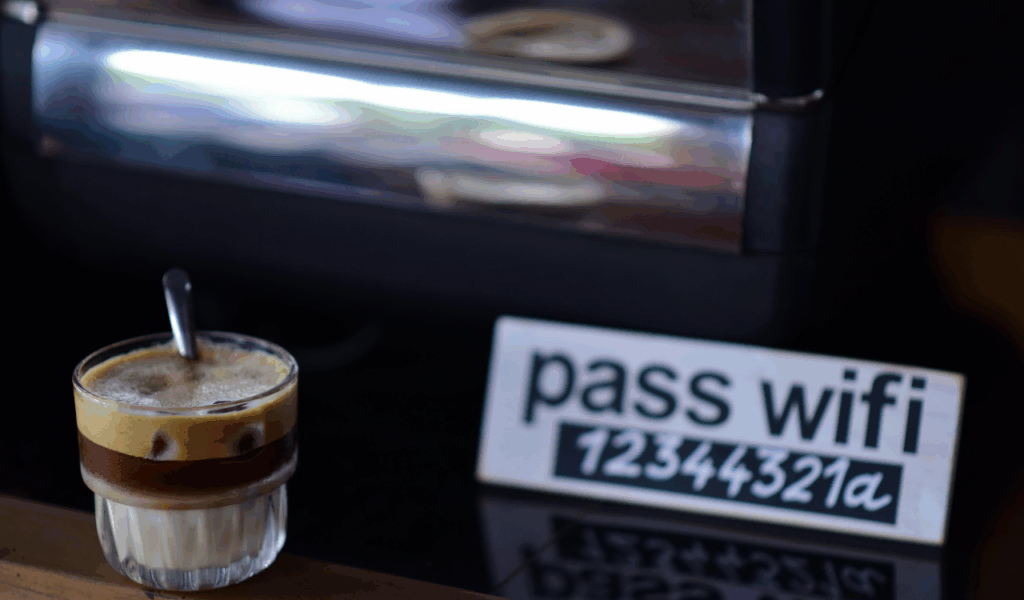
Nowadays, it can seem like a bother to ask for the Wi-Fi password, even though it is frequently a guest’s top priority. Expert planners and designers advise subtly disseminating this information via a chic card or a little, framed sign that is set on a side table or in the visitor room. Experts claim that the proactive sharing of digital “keys” gives the visitor the impression that they are completely a part of the house.
They can connect their gadgets whenever it is convenient for them and the “tech talk” is eliminated. To guarantee that the information seems as an intended component of the room’s design rather than an afterthought, designers advise selecting a frame that complements your décor.
A modern, “smart” home is characterized by integrated tech-friendly amenities, according to realtors. You show that you appreciate the visitor’s need to stay connected by giving this information without being asked. It is a modest yet effective information storage solution that solves a contemporary issue with an elegant solution, guaranteeing that your house will continue to be a very functional space for your guests.
6. Keeping the “Visual Noise” to a Minimum
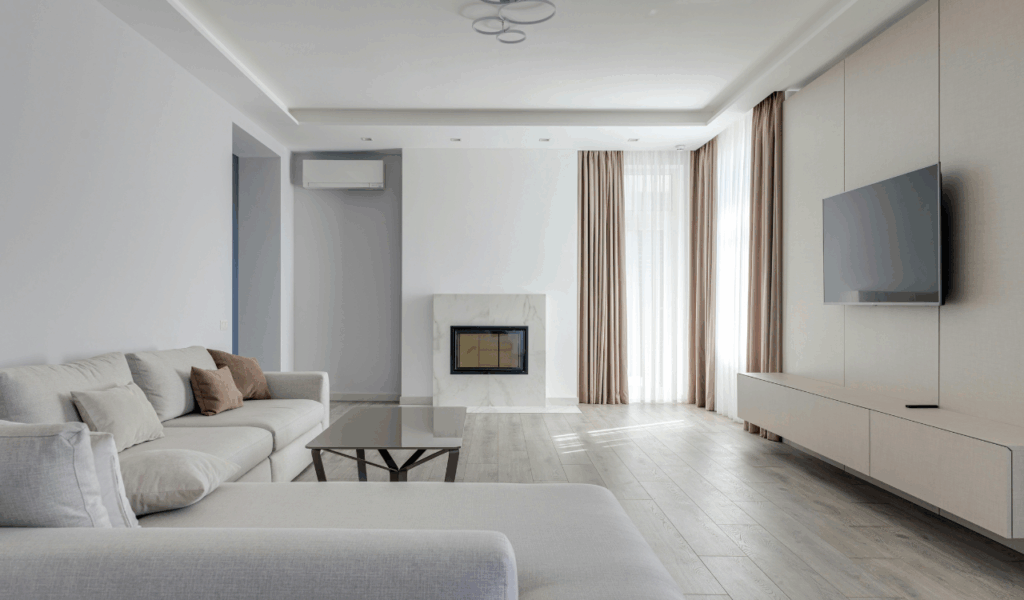
Even though a home where people live together is a wonderful place to be, having too much personal clutter might make visitors feel as though they are prying into your personal space. Professional organizers and designers advise avoiding “visual noise,” such as strewn devices, laundry, or stacks of mail, in public spaces. Experts say that a clean surface gives the visitor’s personal belongings, like a phone or a book, “breathing room” You may make the space feel larger and much more livable by removing the horizontal surfaces.
A “clean-surface” strategy is one of the best strategies to make a house appear more upscale and guest-ready, according to professional flippers. Realtors claim that a home that is decluttered makes the architecture and main décor stand out. You may bring peace and order back to the house by establishing a “ten-minute tidy” routine before visitors arrive. This guarantees that the setting feels deliberate and well-curated rather than overpowering. The overall layout feels more logical and inviting because of this small habit that puts the visitor’s visual tranquility first.
7. Offering a variety of “Soft Goods”
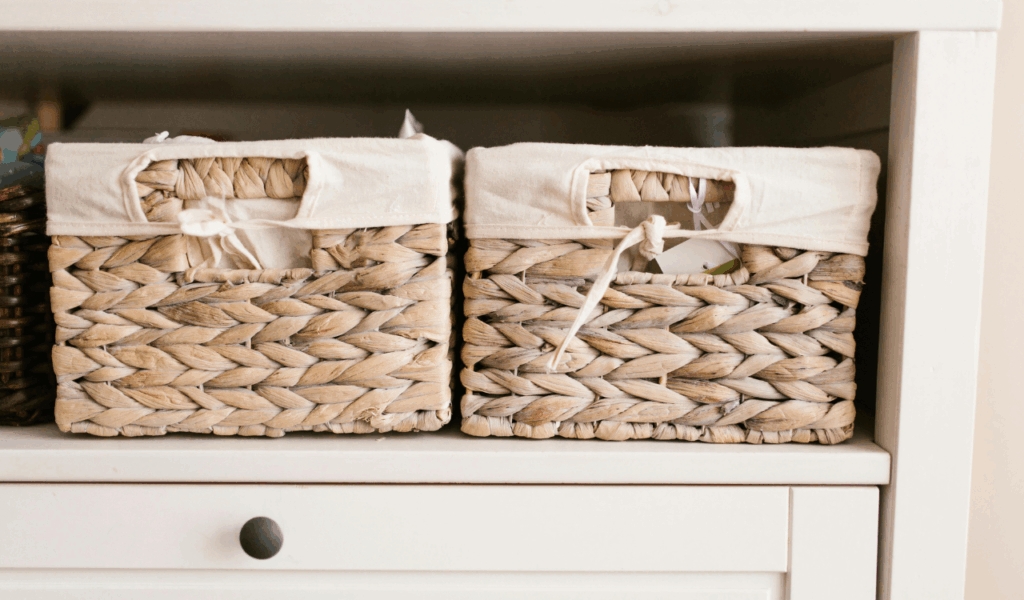
Temperature regulation is frequently a factor in comfort, and designers advise that providing a range of “soft goods” such as throw blankets and additional pillows is crucial for a visitor’s pleasure. Everybody has a distinct “ideal” temperature, so offering layers lets guests personalize their stay without requiring you to change the thermostat, according to hospitality experts.
You can create a tactile and emotional sense of security by setting an extra duvet at the foot of the guest bed or a woven basket of blankets in the living room. Designers advise selecting soft, high-performance textiles, such as wool blends or cotton knits, to give the space texture and fulfill an essential functional purpose.
Realtors claim that a comfortable throw is a global representation of a home that is cozy. You eliminate the necessity for the visitor to shudder in silence by making these levels visible and reachable. It is a considerate practice that foresees a physical need, demonstrating that the most prosperous homes are those that serve as a silent partner in the comfort and rejuvenating sleep of their visitors on a daily basis.
8. Practicing the “Empty Drawer” Strategy
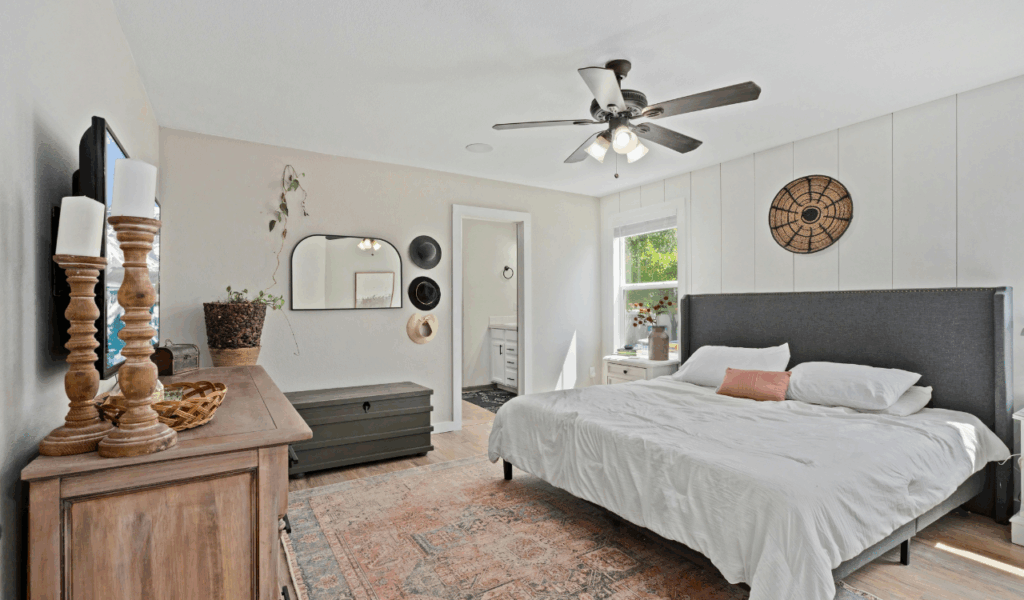
Expert organizers and designers advise using the “empty drawer” method when entertaining guests for multiple nights. You can give the visitor a specific area to unpack their items by organizing at least one dresser drawer or a few inches of closet space. Experts say that being able to store their belongings makes visitors feel more like locals and less like “travelers.” It eliminates the “living out of a suitcase” mentality, which is a significant cause of anxiety during extended visits.
A guest room with a designated storage area is frequently mentioned by realtors as a noteworthy feature that conveys a carefree and purposeful lifestyle. According to experts, a basic luggage rack or over-the-door hook can significantly alter how a visitor views the area. By offering this “recovered” area, you give the visitor time to get comfortable. It is a practice that shows a great regard for the privacy and daily routine of the visitor, making your house a real haven for anyone who stays there.