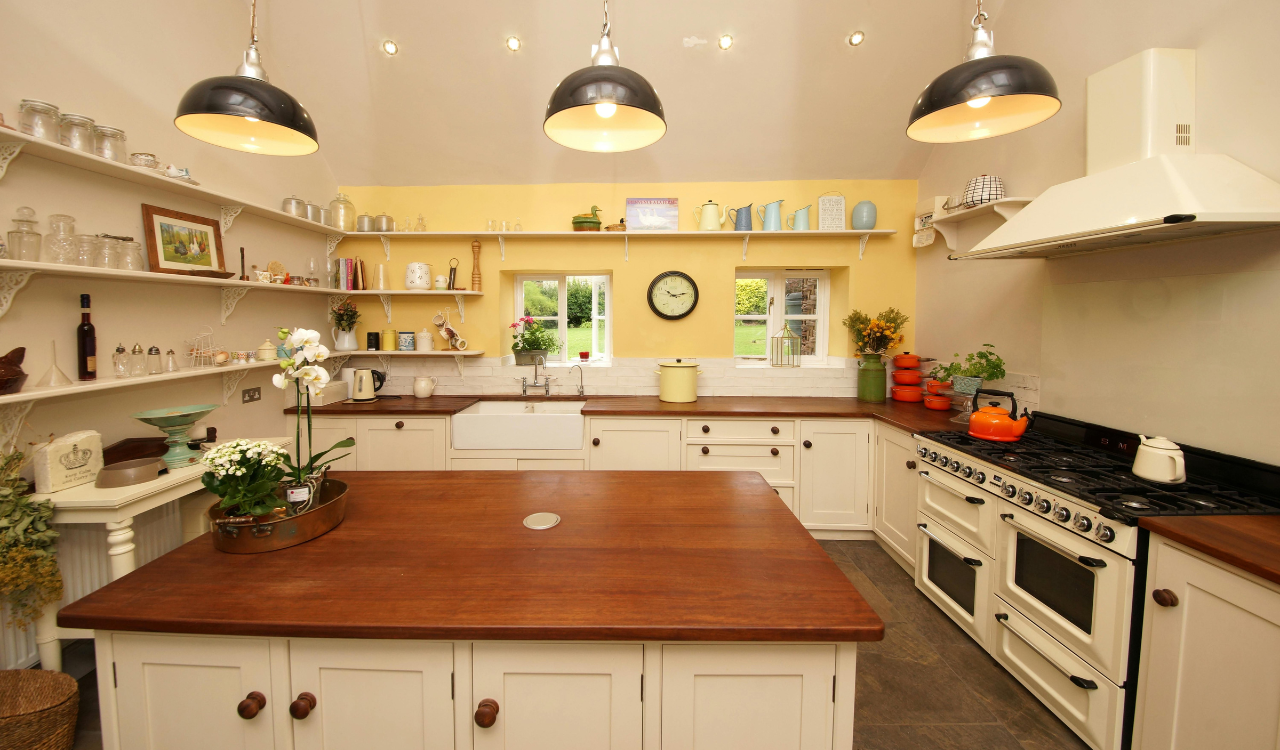
Household Patterns That Keep Things Running Smoothly Without Effort
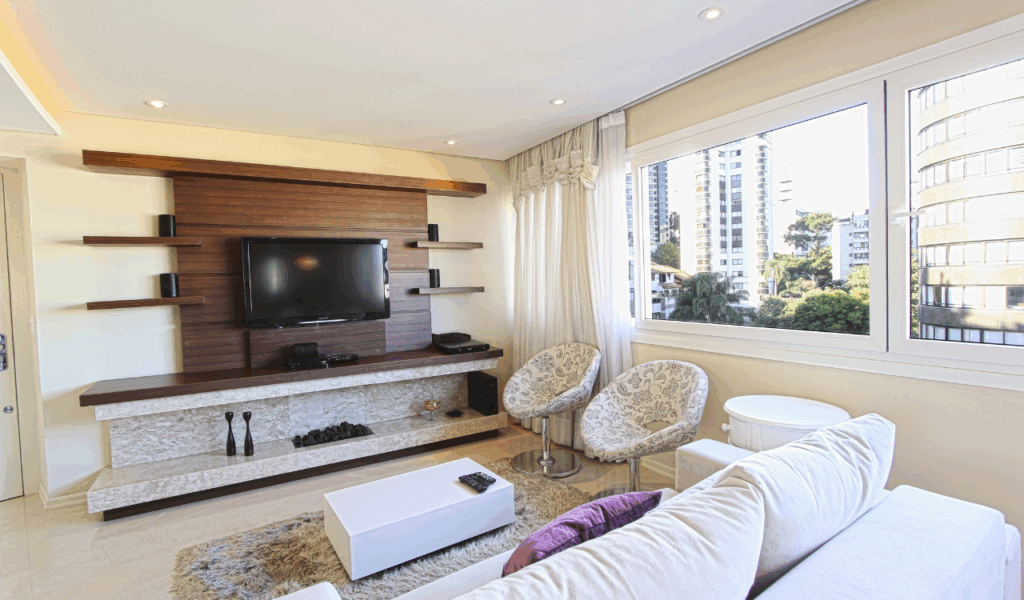
Implementing “low-friction” behaviors that deal with duties as they arise is the key to a home that remains organized, not a weekly deep clean. Expert organizers claim that the most prosperous households follow “micro-routines” that are ingrained in daily life to the point where they finally take no conscious effort.
You can get rid of the “delayed decisions” that cause chaos and clutter by adjusting your physical surroundings to match your natural motions. When these routines become automatic, the house stays in a constant state of preparedness, freeing the occupants to concentrate on living rather than upkeep.
Realtors and interior designers frequently observe that the most “livable” homes have systems that are both efficient and unseen.
Experts say choosing where things are “dropped” or how chores are batched might create a self-sustaining order environment. These nine patterns show how to organize the home in a natural and enduring way. By following these professional tips, you can protect your home from the daily stream of items and create a peaceful, focused area that supports your lifestyle.
1. The “Point-of-Use” Storage Rule
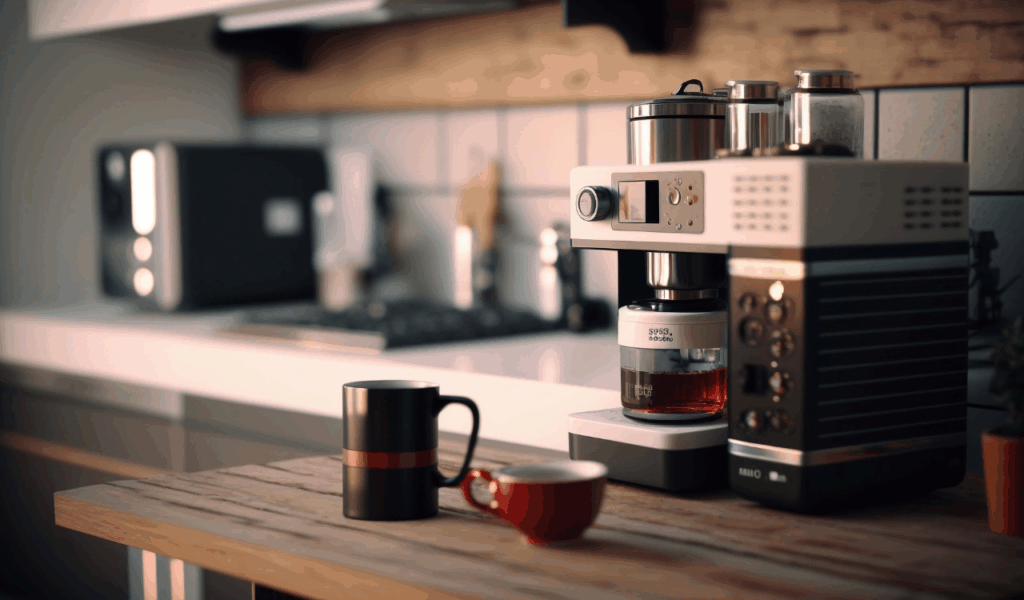
Keeping things exactly where they are needed is one of the best habits for a well-functioning home. Professional organizers say that “clutter” is often simply anything that is too hard to put away. You can eliminate the task’s physical friction by setting the cleaning supplies beneath the sink they are intended to be used in or the coffee pods right next to the machine. According to experts, the “migration” of goods across the house is prevented when an object’s “return path” is brief and rational. This makes the practice of putting things back automatic.
Designers advise analyzing your everyday activities to determine the areas where things tend to gather. Realtors claim that because the surfaces of these homes are always free of “homeless” items, they always feel larger. By establishing these specific “zones of activity,” you make sure that the necessities of your everyday life are constantly accessible without getting in the way. This practical decor option puts your time and energy first, demonstrating that the most well-organized houses are those that anticipate your motions and give each item a sensible place to live.
2. Implementing a “One-Minute Rule”
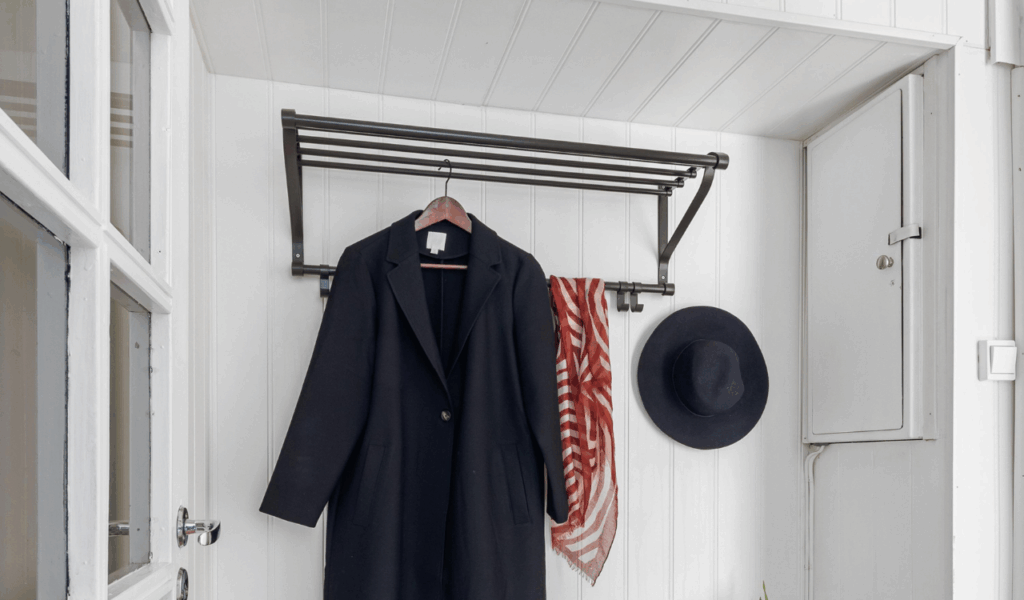
A psychological pattern known as the “One-Minute Rule” states that a task must be completed right away if it takes less than sixty seconds. This holds true whether you are filing a piece of mail, cleaning a bowl, or hanging up a coat, according to productivity experts and organizers. According to experts, you can avoid the “accumulation effect”—in which dozens of small jobs become a daunting weekend project—by taking care of these small duties as they arise. This routine maintains the “baseline” level of cleanliness in the house without ever needing a special cleaning session.
According to interior decorators, this guideline is the main cause of certain homes’ constant “staged” and immaculate appearance. Realtors claim that the visual calm that clear surfaces offer greatly reduces tension in the home.
You can shield your future self from the stress of a disorganized environment by making this initial action a habit that cannot be changed. It is a low-effort method that yields a significant psychological return, guaranteeing that your house continues to be a place of recuperation rather than a place of fatigue or an ever-increasing to-do list.
3. The Nightly “Kitchen Reset” Ritual
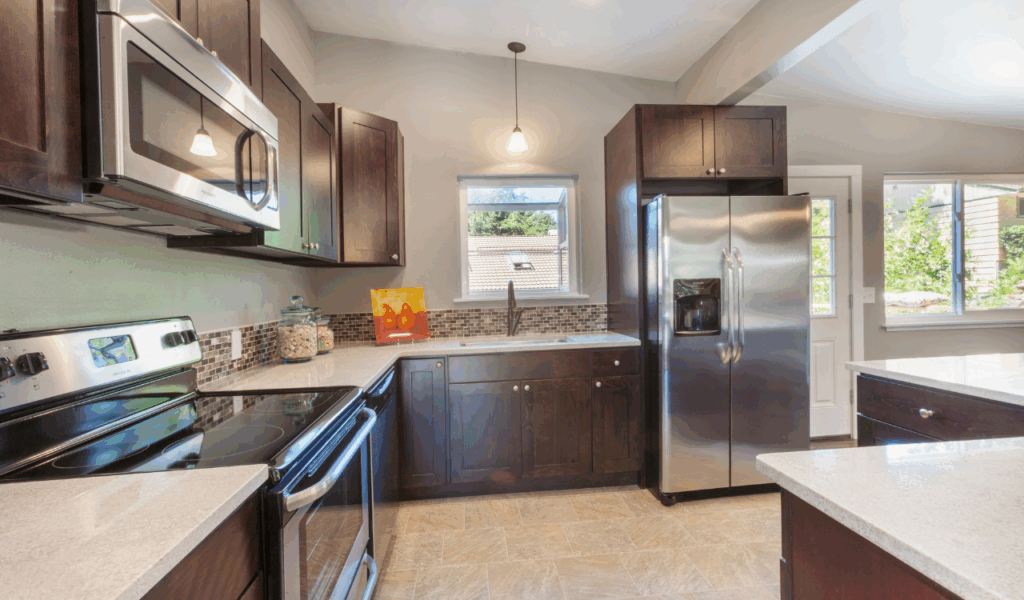
Chefs advise following the “closing duties” practice used in restaurants to ensure that the morning shift starts with a fresh start at home. The morning “scramble” that creates a hectic mood for the day is avoided with a ten-minute reset every night that includes cleaning the counters and loading the dishwasher. Professional organizers claim that the best method to reduce anxiety in the home is to wake up to a clean kitchen. Instead of being instantly faced with the dishes from the previous day, it enables you to concentrate on your morning routine.
According to designers, this reset is even quicker and more enjoyable when counters are free of superfluous devices. Experts claim that a tidy kitchen creates a “visual silence” that permeates the entire house and serves as a focal point for the family. You create a habit that safeguards your morning tranquility by making this a non-negotiable aspect of your evening. You are giving yourself a gift of clarity every night, demonstrating that a little regularity in the evening results in a far more serene and manageable start to each day.
4. Establishing a “Launchpad” Entryway
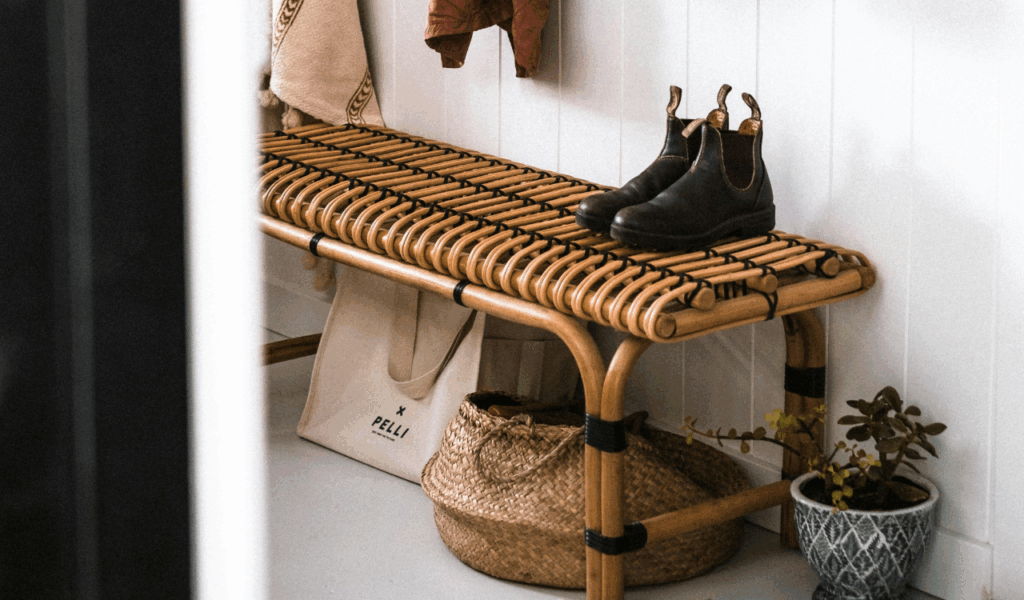
A hasty morning departure can leave a mind frazzled and a house in ruins. Professional organizers advise using the “launchpad” pattern to counteract this. Each night, you collect all of the items you will need for the following day, including work supplies, bags, and keys, and store them in a specific location close to the entrance.
Experts claim that this lets you leave the house in peace by doing away with the “morning hunt” for misplaced items. You can preserve the order of your arrival and the flow of your morning by preparing the exit the night before.
Designers advise defining and containing this area with a chic bench or a wall-mounted organizer. A thoughtfully designed “drop zone” is one of the most useful elements a contemporary house can have, according to real estate agents. You can also avoid having your transition goods strewn all over the dining table or kitchen island by centralizing them. A potentially tense changeover is transformed into a seamless, dependable routine by this technique. It keeps the rest of the house calm by ensuring that the “visual noise” of your possessions is concentrated in one sensible location.
5. Systematic “Batch” Laundry Processing

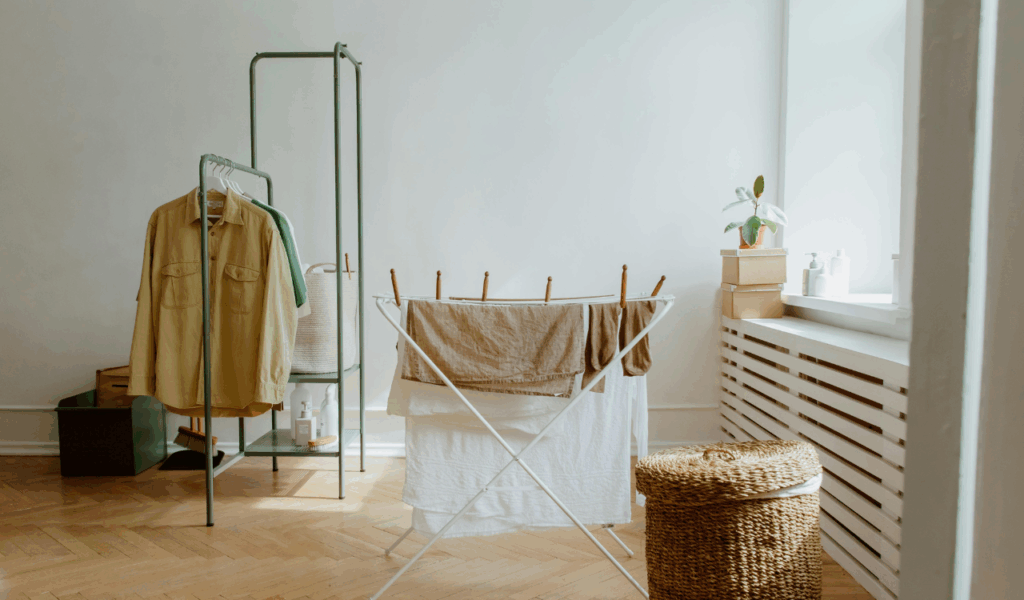
If a household does not have a defined plan for handling the endless cycle of laundry, it may soon become overwhelming. Instead of performing short, sporadic loads, professional organizers advise a “batch processing” strategy. By designating particular days for particular categories—like “Towels Wednesday”—you establish a dependable routine that guarantees nothing is ever overlooked. To keep the “laundry mountain” from building up on the sofa, experts advise doing the entire cycle—wash, dry, fold, and put away—in a single day.
To save time on washing day, designers advise pre-sorting clothing by color in a multi-compartment hamper. A regular linen schedule guarantees that the house always feels clean and stocked, according to hospitality professionals. You can regain your furniture and your mental space by making laundry a planned activity instead of a continuous background chore. By giving the work a distinct start and finish, this strategy keeps it from becoming an overwhelming, ongoing part of your everyday routine.
6. The “One-In, One-Out” Inventory Policy
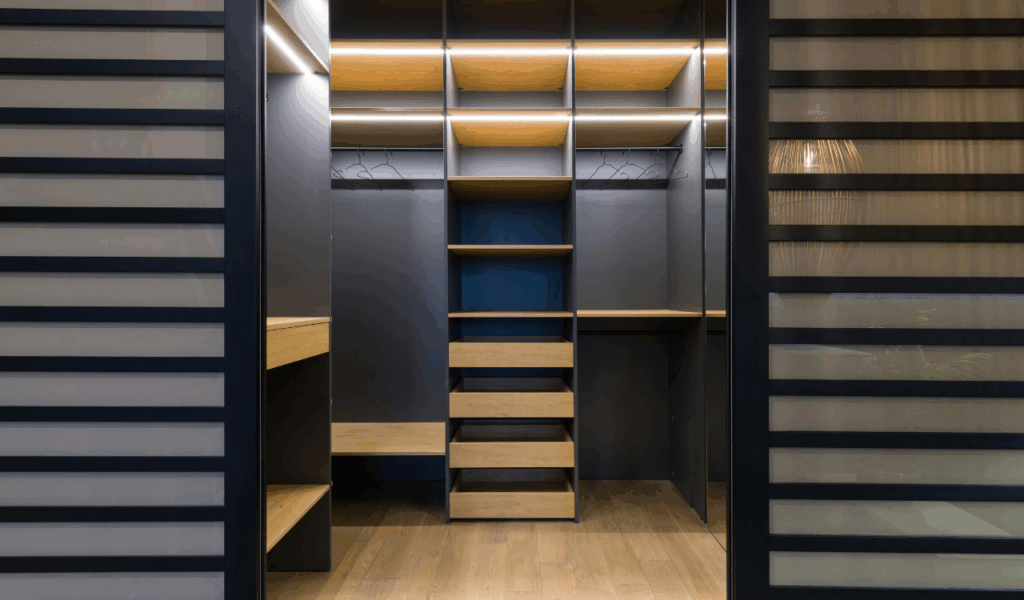
The “one-in, one-out” method is used by many minimalists and designers to keep the slow buildup of possessions from filling your storage. According to this rule, one current thing must be taken out of the house for each new one that is brought in. According to experts, this ensures that your possessions never surpass the space in your closets by establishing a “static equilibrium” in your inventory.
By keeping the amount of items in your home constant, it enforces an intentionality that prevents impulsive buying and maintains the flow of your house. To make this procedure quick and easy, professional organizers advise maintaining a “donation bin” in a handy place, such a closet.
Because they are never over these procedure quick and easy, professional organizers realtors, always appear roomy. You can avoid the “clutter creep” that results in a tiring cleansing by consciously choosing to edit your possessions on a regular basis. Your home will continue to be a well-considered representation of your present requirements rather than a storage facility for your past thanks to this sustainable approach to consuming.
7. Using “Catch-All” Baskets for Quick Tidying
Designers swear by lidded woven baskets for this reason, as the “one-minute tidy” is only feasible if you have a place to store items immediately. Experts say that the ideal “stealth” storage option for living rooms is a closed basket. It has a sizable capacity for storing toys or blankets, yet the top makes sure the contents are totally hidden. This stops soft products’ visual clutter from “bleeding” into the design of the space. To quickly restore order during a hectic week, you can “sweep” the room into a basket.
To catch things that need to be climbed later, professional organizers advise setting up a basket at the bottom of the steps. Realtors claim that wicker’s organic texture serves a crucial practical purpose while also adding coziness to contemporary settings. By designating a specific “safety valve” for transition detritus, you can stop chaos from spreading throughout your floors. It is a practical decor option that recognizes the realities of a hectic existence and offers a chic way to keep your space feeling organized when you are pressed for time.
8. Digital-First Document Management

Physical paper is frequently the main cause of excessive clutter and mental strain in a modern home. Professional organizers advise a “digital-first” document management style to counteract this. You can trash the hard copies and take back shelf space by scanning crucial documents right away and storing them in a safe cloud-based folder.
Because you can utilize search features to quickly locate what you need instead of rummaging through dusty filing cabinets, experts claim that a “paperless” house is much easier to navigate. To make this process quick and easy, designers advise utilizing a specialized phone app or a tiny, high-speed scanner. Realtors claim that a home office might appear twice as large and much more contemporary by getting rid of heavy filing cabinets.
You can also safeguard your data from physical harm like fire or water by digitizing your archives. By eliminating the “weight” of paper from your house, this method keeps your important information secure and easily accessible while creating a tidy space that reflects the efficiency of the digital age.
9. Creating a “Command Center” for Logistics
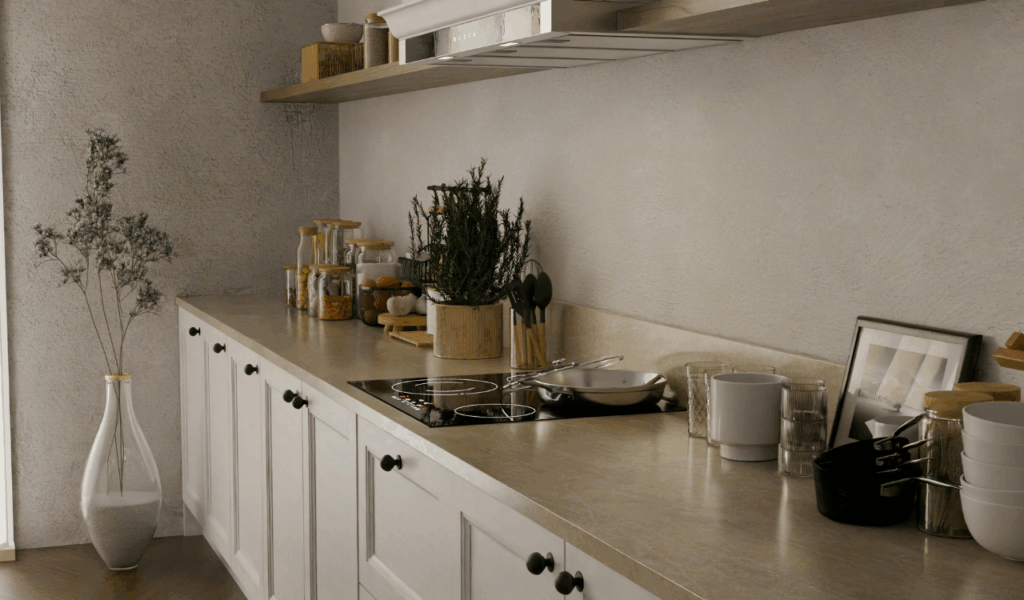
A central nervous system for menus, timetables, and reminders is necessary for a smoothly functioning home. Designers and planners advise setting up a “Command Center” in a busy space, such as the entryway or kitchen. Every household member will be in agreement if you have a calendar, food list, and “to-do” board in one location. According to experts, this centralization removes the dispersed sticky notes that clutter your fridge visually and keeps the “mental load” from landing on one person.
According to contractors, these centers function best when they are incorporated into the architecture, as in a recessed nook or a cabinet door painted with chalkboard. Realtors claim that a high-functioning household is characterized by a well-organized logistics hub. You can lessen the stress of everyday planning by making the “business of the home” visible and well-organized. This pattern guarantees that everyone is aware of the plan, demonstrating that a modest amount of centralized coordination keeps life’s little nuances from becoming a major cause of misunderstandings or missed deadlines.