8 Po’ Boy Shops Tourists Rate Higher Than Locals
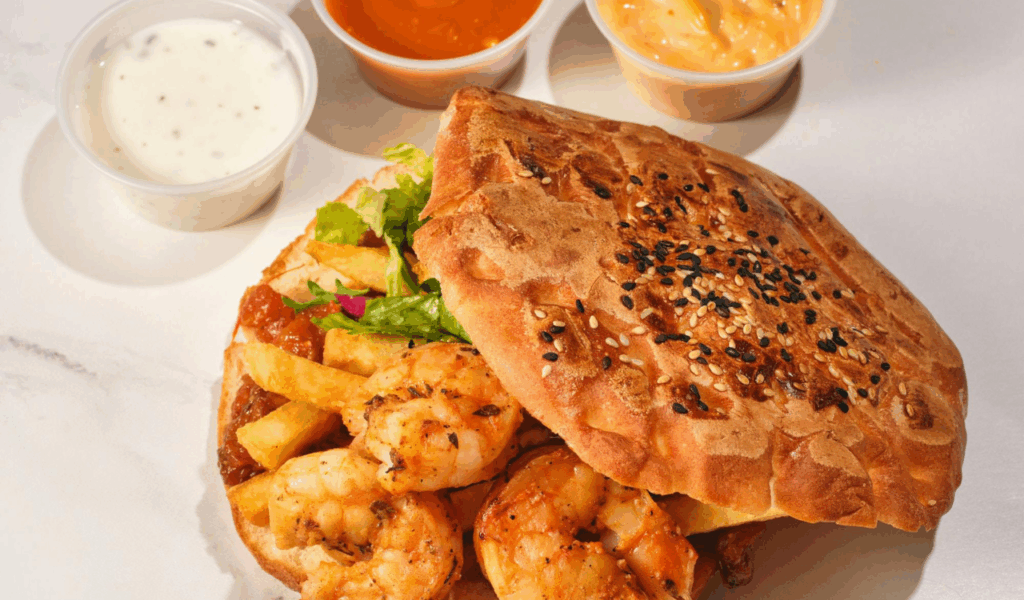
The po’ boy is more than just a sandwich; it is a very important cultural artifact of the Gulf South. It was created during a streetcar strike in 1929 and is best enjoyed on light, crispy French bread. But since New Orleans and the coast around it have become popular places for food lovers from all over the world to visit, a big gap has opened up between the “tourist trail” and the “local line.”
Famous places get thousands of five-star ratings from travelers, but locals often complain about increased pricing, smaller portions, and what they see as the “commercialization” of the sandwich. Experts argue that the real flavor of a po’ boy comes from the way a Leidenheimer loaf crunches and the quality of the “debris” sauce. This flavor can often get lost when a cook has to make a lot of them for tourists.
Food historians and people who live in the area say that “tourist favorites” typically rely on celebrity endorsements and their historic standing, whereas locals care more about the toughness of a corner business. Professional trendsetters in the restaurant industry say that many famous places have changed their menus to make them faster instead of sticking to the slow-cooked styles of the past.
Because they can hold a lot of people and have beautiful interiors, culinary tour guides often take groups to these famous places. We found eight regional po’ boy places where locals and experts agree that the tourist frenzy frequently overshadows the real quality of the sandwich served. This will help you navigate the coastal food scene like a local.
1. Mother’s Restaurant (New Orleans, LA)
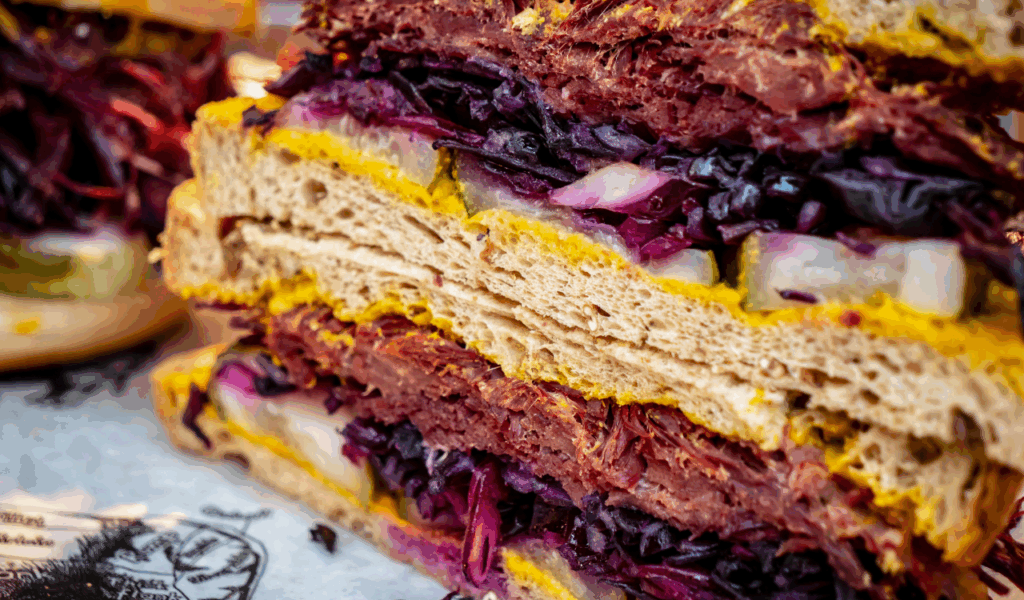
Mother’s is probably the most talked-about name in New Orleans food history. It is famous, but some people don’t believe it. In the hot and humid Central Business District, tourists line up for blocks to taste the “Ferdi Special,” which is a mountain of roast beef, ham, and debris gravy. People who have been there say it’s a “bucket list” destination and love the real pandemonium of the cafeteria-style service. However, locals typically stay away because the “tourist tax” rates are exorbitant and the wait times are long, which don’t seem worth it for the meal. Experts claim that the cuisine is still good, but the value has changed a lot in the last ten years.
Many professional chefs in New Orleans say that the “debris” at Mother’s is what makes it so popular, but regulars in the area say that you can get better gravy-soaked beef for half the price at any little store. Food critics, who are like landscapers for the city’s food scene, say that the restaurant has become a victim of its own popularity, needing a level of industrial production that can suck the life out of a sandwich. If you’re looking for a real “working man’s” lunch, the people who put on local food crawls say you should stay away from the queues at Mother’s and go somewhere else where the menu isn’t printed on overpriced souvenir t-shirts.
2. Acme Oyster House (French Quarter, New Orleans)
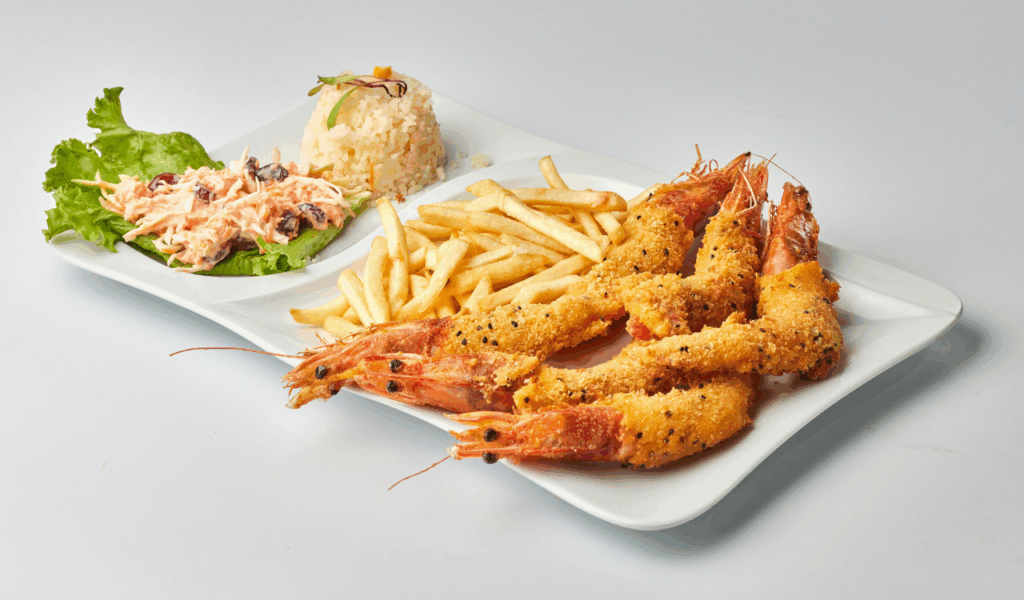
Many people say that Acme Oyster House is the best place in the French Quarter to have fried seafood. The neon sign is a beacon for travelers who say that the fried shrimp and oyster po’ boys are the best part of their journey to Louisiana. Many people think the original site is a “tourist trap” because of the long lines and rushed ambiance of a busy kitchen, even though locals respect Acme’s 100-year legacy. According to experts in the restaurant business, the Quarter location is so busy that the delicate technique of frying fish can often turn into a typical, assembly-line procedure.
People who live in the area are far more likely to go to the “Bucktown” location or smaller, less well-known neighborhood places where the seafood-to-bread ratio is often better and the vibe is more laid-back. Designers of real eating experiences say that the French Quarter site does better because it is close to Bourbon Street than because it has better food. Experts note that even while the oysters are fresh, the “po’ boy experience” at Acme is sometimes interrupted by the need to clear your table for the next batch of tourists. For a local, the charm is in a quiet bar where they serve po’ boys without having to deal with a lot of people.
3. Parkway Bakery & Tavern (Mid-City, New Orleans)
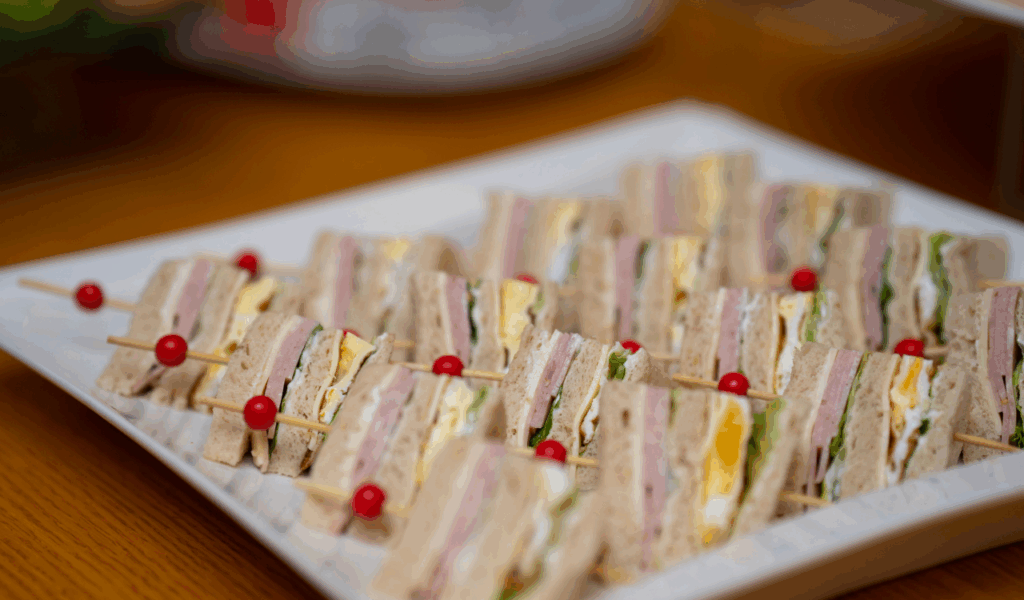
Parkway is special because both parties enjoy it, but there is still a definite division in how it is seen and judged. Because it is often shown on national television and visited by famous politicians, tourists often say it is the best place in the city. Even while many in the area still love the roast beef, they often complain about the “Parkway effect.” This means that a sleepy local hangout has become into a huge destination that needs a full-time security officer for the parking lot and a complicated ticketing system for orders.
People who plan events in the area say that Parkway’s huge popularity has made it a little less charming. Professional chefs say that when a kitchen has to make hundreds of sandwiches an hour, the “hand-dressed” quality of a po’ boy can go down. Experts suggest that people in the area now see Parkway as a place to take visitors from out of town instead of a place to eat lunch every day. Culinary landscapers say that while the quality is still great, the “neighborhood” atmosphere has been replaced with a polished, high-traffic efficiency that is designed just for the thousands of tourists who come by tour bus every week.
4. Johnny’s Po-Boys (French Quarter, New Orleans)
Johnny’s is one of the oldest family-owned stores in the French Quarter. Travelers adore the nostalgic, checkered-tablecloth vibe and the building’s history. Tourists give it very high scores for its huge selection of fillings and its “old school” atmosphere, which makes it feel like it’s stuck in time. But locals often say that the food isn’t always good during busy tourist seasons when the kitchen is under a lot of stress. Many people in New Orleans think that Johnny’s is a good backup, but it has become more of a “monument” to the po’ boy than the gold standard.
Designers of classic New Orleans menus say that the bread at Johnny’s may sometimes be a problem. If it isn’t brought fresh many times a day, it loses its trademark “shatter” crust. Experts claim that people who live in the area are often unhappy with the rising prices at this Quarter institution, which seem to be aimed at tourists with a lot of money. Flippers who work in the restaurant stock market say that Johnny’s depends a lot on its reputation. The “locals’ choice” prize has long since moved to the outskirts of the city, where the cuisine is the only thing that matters, even though it is still a nostalgic favorite for many.
5. Old Tyme Grocery (Lafayette, LA)
Old Tyme Grocery is the best place to eat for anyone who is coming through Lafayette in the heart of Acadiana. Visitors love the “authentic Cajun” vibe and the “Old Tyme Special,” which is a blend of meats. Many Lafayette residents say that the business has become a victim of its own renown, even if people still go there. Professional cooks in the neighborhood say that the surge of college students and visitors has made things move faster, which sometimes leads to sandwiches that aren’t quite right.
Local bloggers who cover the Cajun food scene say that many people now prefer the heavier-seasoned sandwiches that are sold at smaller, less-promoted petrol stations and delis deeper in the parish. Experts suggest that Old Tyme’s popularity has made it a “default” choice, but it may not be the best choice anymore. People who plan regional food festivals say that the bread is great, but the fillings at some of the less well-known “plate lunch” places have a stronger flavor. Old Tyme is the “safe” choice for tourists, but the best food is still buried in the rural fringes of the city, according to a local.
6. Domilise’s Po-Boy & Bar (Uptown, New Orleans)
Almost every major travel show has shown Domilise’s, a little, famous yellow cottage in Uptown. Even though it’s one of the most famous and well-documented sandwich businesses in the world, tourists often call it a “hidden gem.” People who have been going to the bar for forty years occasionally have trouble with the flood of tourists from other countries and the price increases that come with it. Professional restaurant flippers say that “Domilise’s experience” has become a meticulously maintained brand that serves people all around the world.
Some locals think the “Surf and Turf” sandwich has become a little too “precious” compared to the messy, overcrowded versions they used to eat when they were younger. Designers of real dining places say that the bar’s tiny, congested atmosphere, which tourists find “charming,” often inhibits residents from going there for a fast lunch. Experts claim that the quality is still there, but the “neighborhood” feel has been replaced by a “museum” feel. Many people who live in Uptown now see the po’ boy as a luxury item instead of the cheap staple it was meant to be.
7. NOLA Po-boys (Bourbon Street, New Orleans)
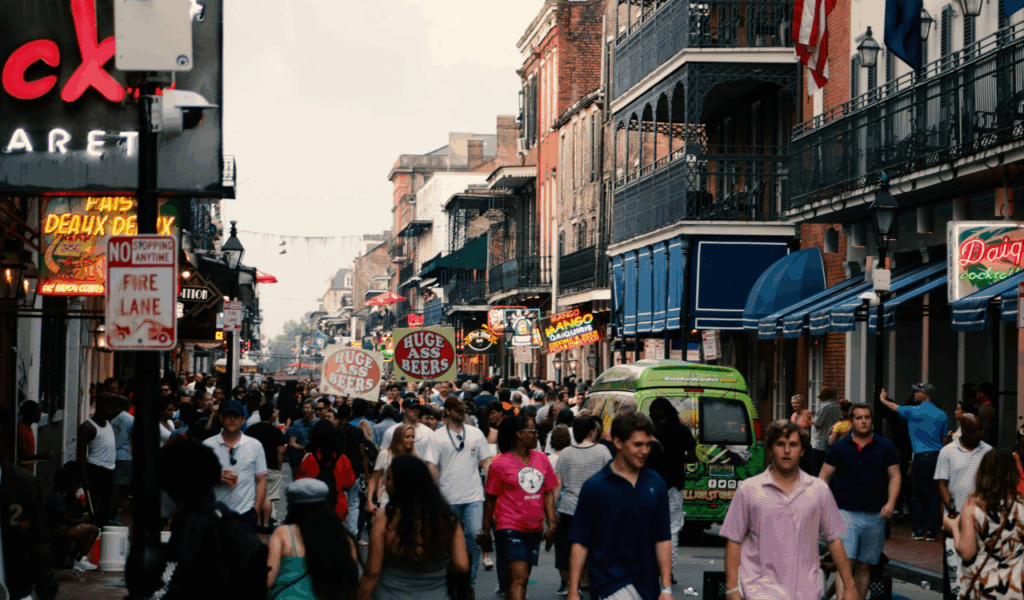
This place is right on Bourbon Street, which is lit up with neon lights. It’s a great place for tourists who don’t want to leave the party to eat. People love it because it’s easy to get to late at night and looks amazing on social media because it appears “overstuffed.” On the other hand, most locals stay away from Bourbon Street for meals because they see it as a place to get cheap, low-quality food. A native would say that a po’ boy from this area is like a “theme park version” of the genuine thing: it fills you up and is good enough, but it doesn’t have the soul or the right kind of bread.
Professional chefs say that the bread served in Bourbon Street restaurants doesn’t always have the right amount of moisture and “airiness” that a conventional French loaf has. Experts believe that the seafood is typically frozen instead of being harvested fresh, which is a big no-no in South Louisiana. People who work in the local restaurant business say that NOLA Po-boys serves a crowd that might not recognize the difference between a “dressed” po’ boy and a regular sub sandwich. If you want to get a real feel for the city, organizers of culinary excursions say you should go to the Ninth Ward or Gentilly to visit the stores where the inhabitants really trust their meals.
8. Bayou Blue Po-Boys (Houma, LA)
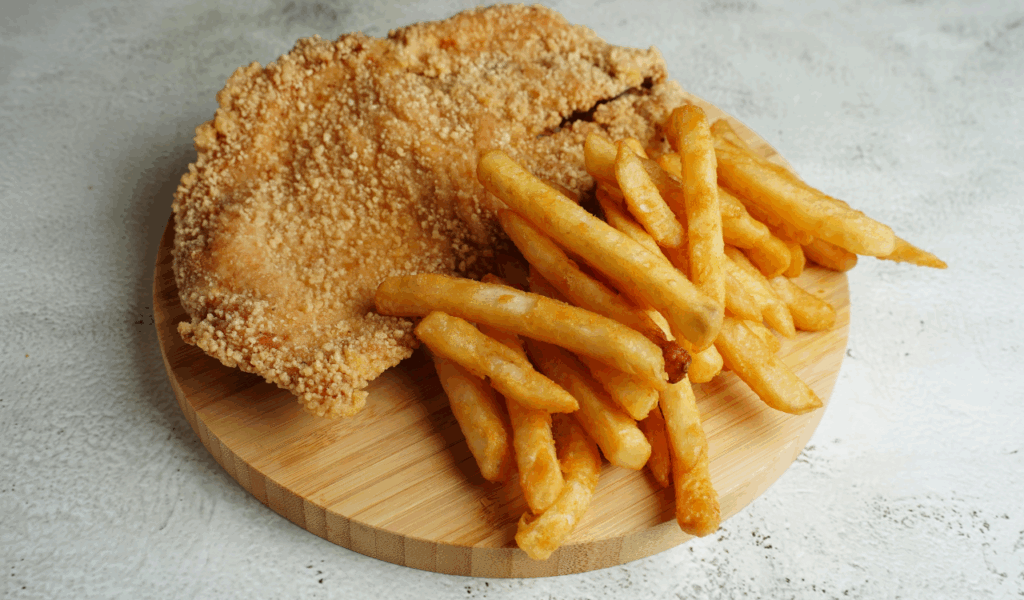
This Houma restaurant is a favorite with tourists who want to see the “South Louisiana” environment outside of New Orleans. Tourists love it for its “swampy” authenticity and rustic roadside appeal. But in the very competitive world of Cajun lunch counters, some residents say that Bayou Blue has put too much emphasis on being a “destination.” Experts who follow area culinary trends say that the quantities at Bayou Blue have grown more typical for a wider audience, removing some of the “over-the-top” generosity of smaller bayou shops.
People in Terrebonne Parish often say that other, less well-known bayou eateries nevertheless serve bigger amounts of local fish like blackened catfish or boudin-stuffed loaves that are just for people who know about them. Experts agree that Bayou Blue is still a good choice, but it’s not as “secret” as it used to be. Designers of regional food maps say that the tastiest Cajun sandwiches are often at gas stations where the cook is also the owner. For a local, the “tourist rating” of Bayou Blue means it’s time to move on to the next hidden gem deeper in the marshlands.