The 10 Items You’re Not Legally Allowed to Bury in Your Backyard (Though Many Still Do)
The backyard is like a private kingdom for many homeowners, and the regulations of the outer world stop at the fence line. Many people think that because you own the land, you can throw away trash on it. But environmental regulations and local rules are meant to keep groundwater and public health safe. Experts say burying illegal items can result in large fines, environmental damage, and criminal punishment. Knowing your soil’s legal limitations is crucial for property safety while cleaning out an old shed or renovating.
Realtors say that finding hidden dangers during a home inspection can completely stop a deal and lower the property’s market value by a lot. Professional flippers say that cleaning up contaminated soil usually costs a lot more than getting rid of it the right way at a registered facility. Burying non-biodegradable items might make it difficult to plant and drain water in the future, which can be costly to remedy. This article covers the most common things people bury by mistake, along with expert explanations of why these actions are frowned upon and illegal in most places.
1. Traditional Household Batteries
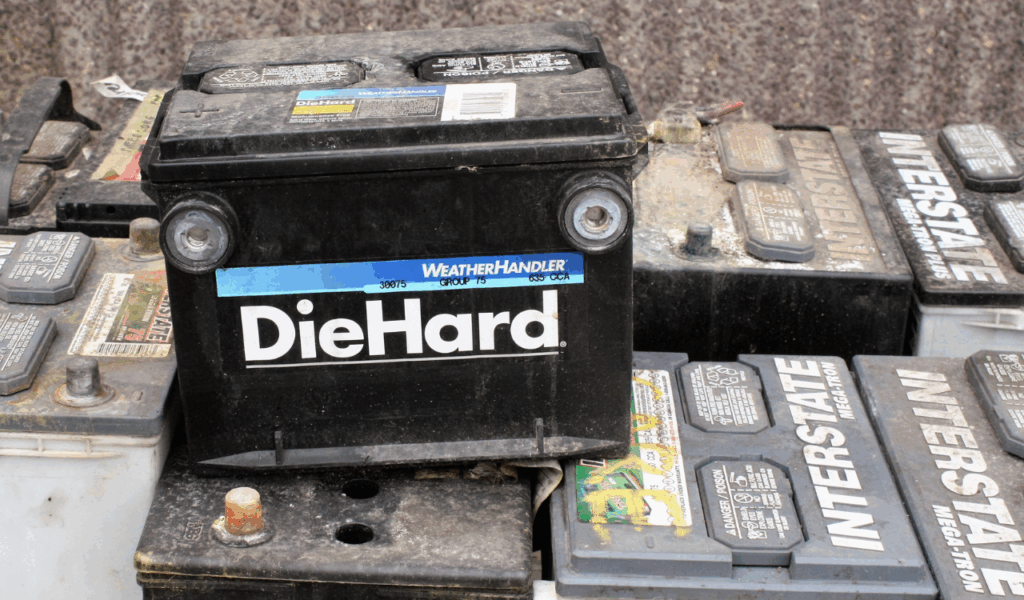
It could be tempting to throw away some dead alkaline or lithium batteries when gardening, but it would be against the law and bad for the environment. Experts warn that batteries have heavy elements in them, like mercury, lead, and cadmium, that leak into the ground over time. Once these poisons get into the ground, they can readily reach the water table, which is the water that people drink or use for irrigation. Environmental contractors say that even a few batteries can make the soil poisonous in a tiny area, which is hard and expensive to fix.
Professional organizers recommend recycling old batteries instead than burying them. Landscapers warn battery breakdown chemicals can kill nearby root systems, resulting in dead grass or drooping trees. Realtors said soil testing during a property sale sometimes discover high metal levels, requiring costly cleanups. By properly disposing of e-waste, you protect your family from dangerous toxins and maintain your property healthy for future generations.
2. Large Scale Construction Debris
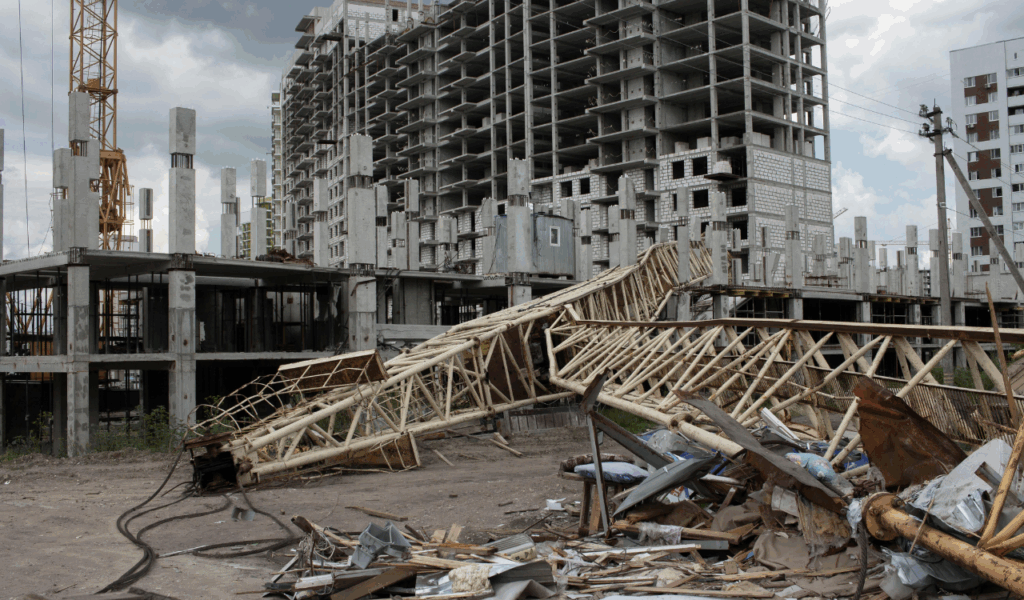
It might be hard to deal with the pile of leftover drywall, shingles, and pressure-treated wood after a big house remodel. Some homeowners bury these things to avoid paying to have them taken away, but expert flippers say this is a huge mistake. Experts believe that pressure-treated wood has arsenic and copper in it to keep it from rotting, but these chemicals are quite dangerous when they seep into the ground. When drywall is buried in a wet, oxygen-poor place, it can also release hydrogen sulfide gas, which smells bad and is very bad for your health.
Contractors say that burying construction debris might cause the ground to settle unevenly over time, which can lead to strange sinkholes or problems with the structure of future outdoor buildings. Realtors say that finding buried trash during a site survey is a huge red flag that the home hasn’t been well taken care of generally.
Many places have severe “clean fill” ordinances that say you can’t bury anything other than natural soil and rock on residential lands. Always hire a registered waste management provider that keeps records of where all of your restoration materials and heavy construction waste go. This will keep you on the right side of the law.
3. Old Rubber Tires
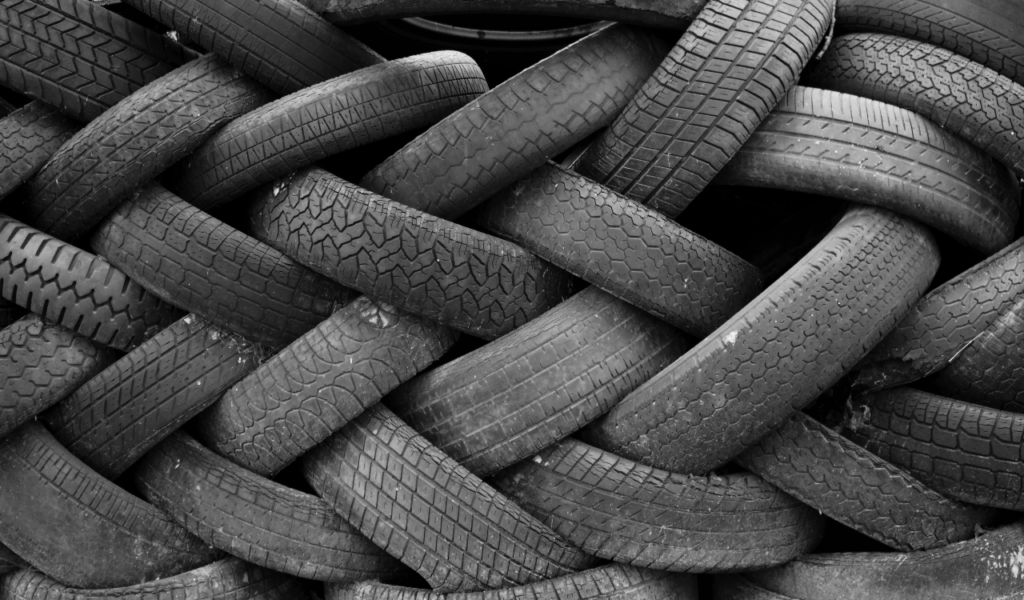
People used to bury old tires to get rid of them, but environmental rules now say that this is not allowed. Experts believe that tires don’t break down in the environment and have a bothersome habit of “floating” back to the surface over time. This happens because tires hold methane gas and air, which makes them migrate up through the soil as the earth changes with the seasons. Landscapers say that a surfaced tire can damage expensive lawn tools and make it very dangerous for kids and pets to play in the yard.
Professional flippers say that if buried tires aren’t thoroughly compacted and sealed, they make great places for insects and rats to breed. This is almost impossible to do in a backyard. Realtors say that buried tires might be seen as an unlawful landfill, which means that local environmental regulators can charge you a lot of money every day. Most local governments should have free or low-cost tire recycling days all year round, according to experts. The only way to make sure you don’t make a long-term mistake that will come back to harm the worth of your property is to use these programs.
4. Used Motor Oil and Chemicals
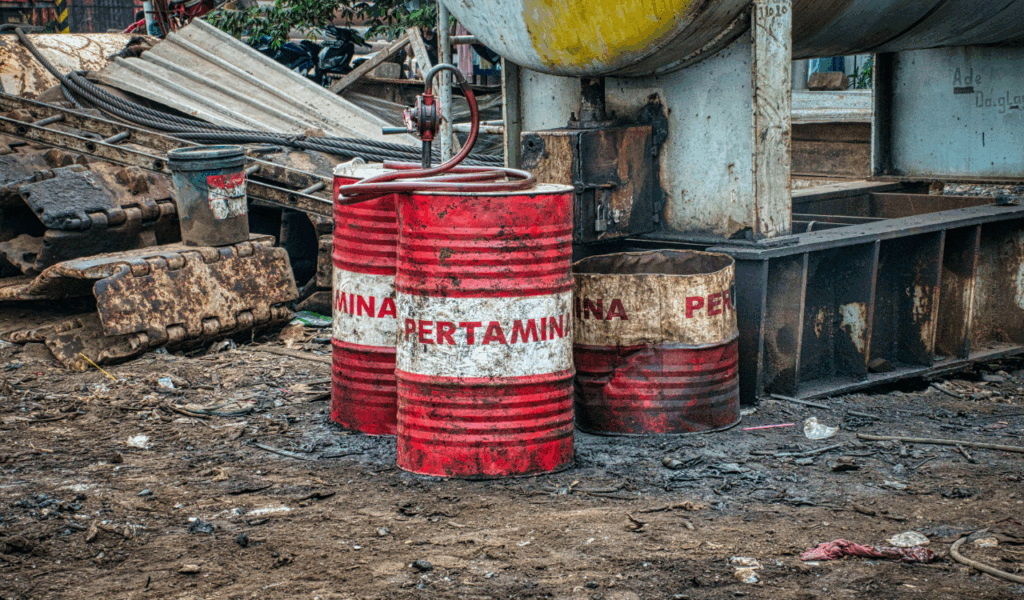
One of the worst things a homeowner can do for the environment is pour spent motor oil or household chemicals into a pit. Experts believe that just one gallon of oil can pollute up to a million gallons of clean water. Contractors say that the legal consequences for intentionally contaminating soil are high and typically include the cost of hiring professional hazmat crews to dig up and replace the damaged earth.
These chemicals can swiftly travel through porous soil, which could impact other properties and cause complicated, costly legal fights between homeowners. Landscapers say that oil and chemical spills cause “dead zones” where nothing will grow for years, no matter how much topsoil or fertilizer you add. Professional flippers say that smart purchasers often seek for indicators of soil discoloration or chemical smells when they check out a property’s past.
Real estate agents say that the owner is still responsible for a contaminated location, even if the burial happened years ago. Experts say that you should take all of your car fluids and garden chemicals to a hazardous waste collection location where they can be properly and legally neutralized or repurposed according to local environmental rules.
5. Non-Biodegradable Plastic Waste
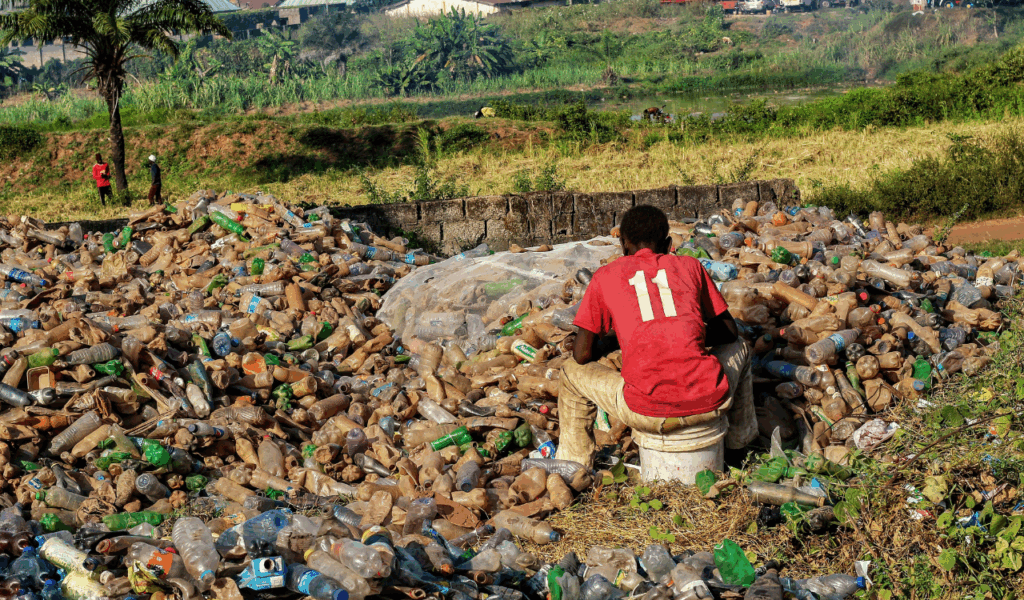
Plastics are useful in the present, but if you bury them in your lawn, they create a permanent legal problem. Experts explain that most common plastics take hundreds of years to break down. As they do, they let tiny bits of plastic and chemicals into the soil. Landscapers say that plastic sheets or containers buried in the ground can block the flow of water and nutrients, which can cause drainage problems and “perched” water tables that kill plant roots. Most places don’t allow you to use your yard as a private plastic dump for rubbish or packaging materials.
Professional organizers say recycling is the only legal way to handle plastic waste. Realtors say plastic waste is the first thing noticed after landscaping, indicating negligence. Plastic waste can attract rats that dig burrows and reside amongst buried goods, say professional flippers. Instead of burying plastic or other synthetic things, experts recommend organic compost to improve soil. Keep your soil clean to produce a garden and avoid environmental issues with your property title.
6. Appliances and Electronics
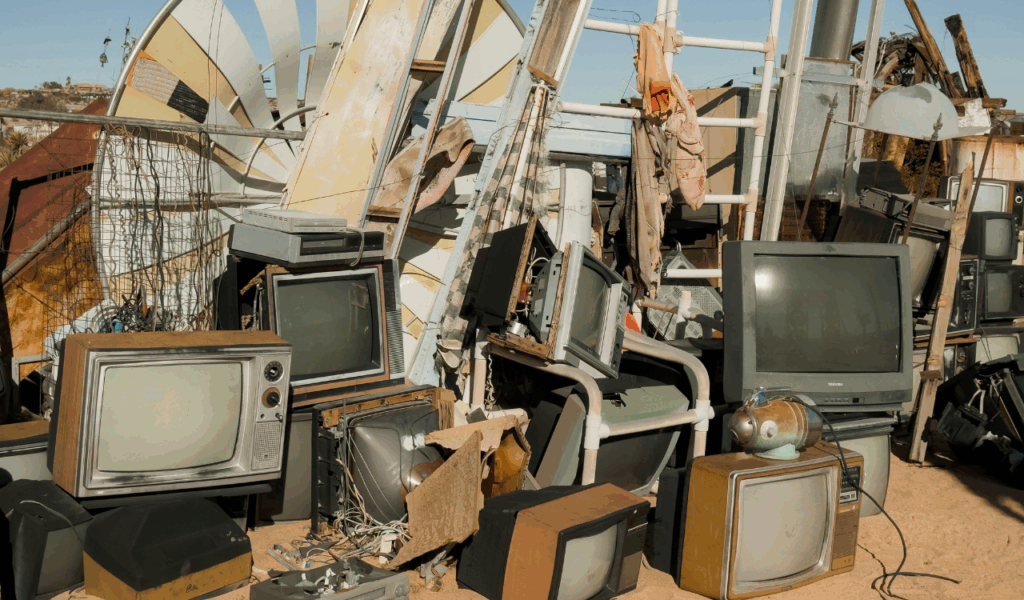
Refrigerants, mercury, and lead are just a few of the dangerous chemicals that may be found in old refrigerators, TVs, and microwaves. Experts claim that it is against both municipal and federal waste management laws to bury these things. Contractors say that the metal casings will ultimately rust through, letting pressurized gases and poisonous chemicals leak directly into the ground. Professional flippers say that e-waste burial is a regular find on rural properties.
It can take tens of thousands of dollars to clean up before the area can be sold or developed.
Realtors say that ground penetrating radar or magnetic scans can find buried appliances during high-end property inspections. Landscapers say that the sharp edges of broken appliances can ultimately come to the surface, making it dangerous to work in the yard.
Experts say that most electronics stores and cities have special “take back” systems that make sure these products are taken apart for valuable metals and thrown of securely. Choosing these lawful paths keeps your property from becoming a hazardous graveyard for old equipment that could contaminate the local ecosystem for decades.
7. Treated or Painted Lumber
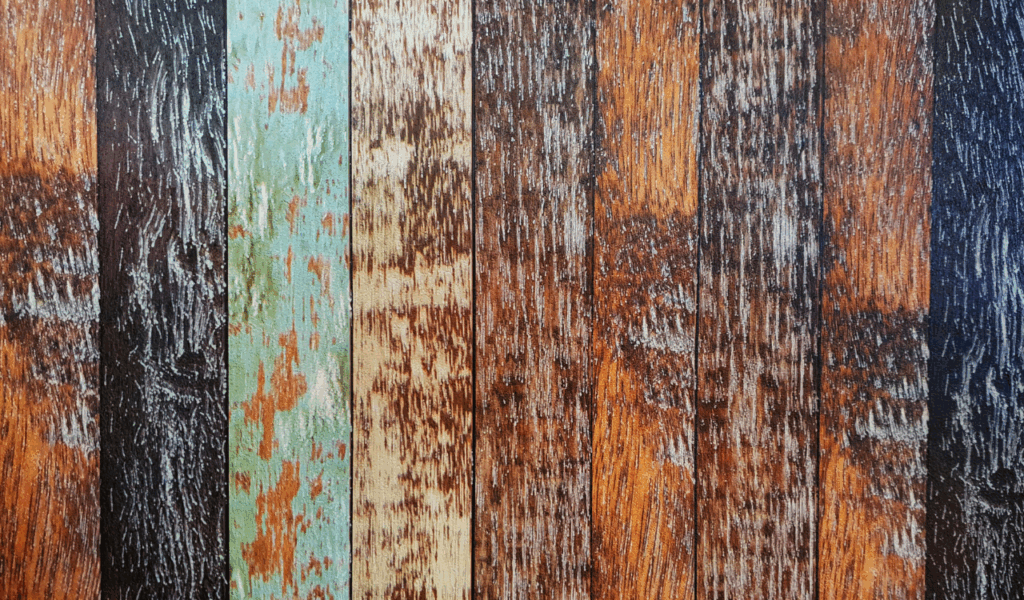
It may appear like wood is a natural material that belongs in the earth, but treated or painted wood is a different story. Experts believe that the chemicals used to protect wood for outdoor usage, including chromated copper arsenate, are meant to combat the insects and fungus that cause rot. When buried, these chemicals seep into the ground and destroy helpful bacteria and earthworms that are important for a healthy yard. Landscapers say that burying treated wood can make the soil sterile, making it hard for even the toughest weeds to grow.
Contractors say that painted wood often has lead-based pigments in it, especially in older homes. This can make your soil a permanent lead danger. Because buried scrap wood might attract termites to a property’s foundation, professional flippers always look for it. Realtors claim new environmental rules require homes to disclose non-organic burials. To comply, dispose of treated or painted wood at a “Class C” landfill, according to experts. This prevents garden pollution.
8. Large Quantities of Animal Waste
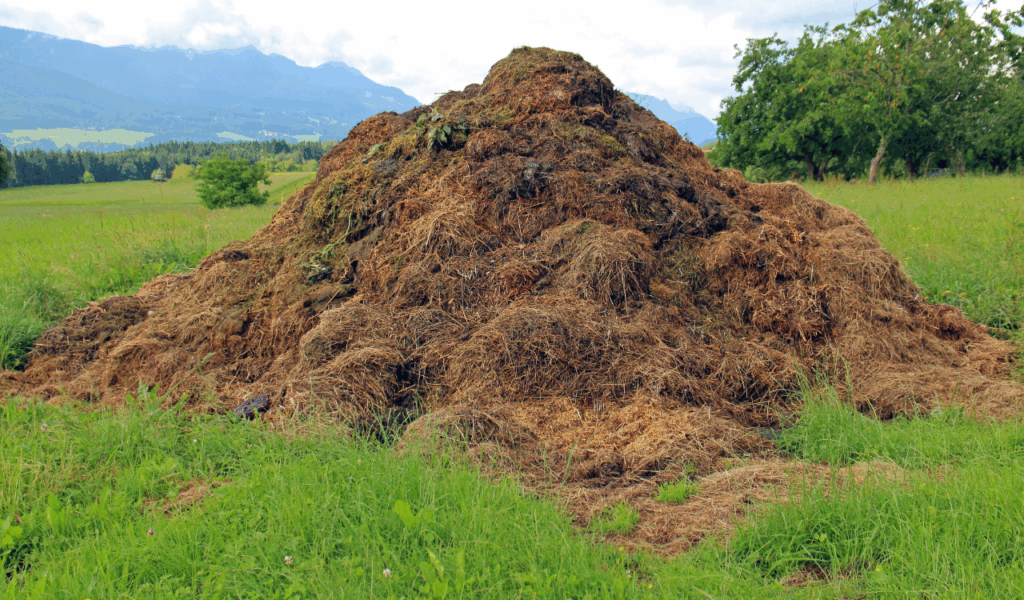
Many people think that putting a lot of pet waste or animal dung in the ground is a wonderful method to fertilize the yard. Experts claim that large amounts of animal manure can hold deadly germs like E. coli. coli, Giardia, and other parasites that can live in the soil for a long time. Landscapers say that putting too much trash in one place might cause a “overload” of nitrogen that actually “burns” plant roots instead of helping them flourish.
Local health rules in many cities and suburbs strongly forbid burying large amounts of animal waste. Professional flippers say that burying trash the wrong way can cause smells that last a long time and get worse when it rains. Real estate agents believe hidden rubbish can contaminate vegetable fields.
Pet waste should be composted or removed by a professional disposal service that fulfills local health standards, according to experts. This keeps your yard smelling fresh and safe for your family to enjoy without soil-borne infections or public health violations.
9. Metal Containers and Drums
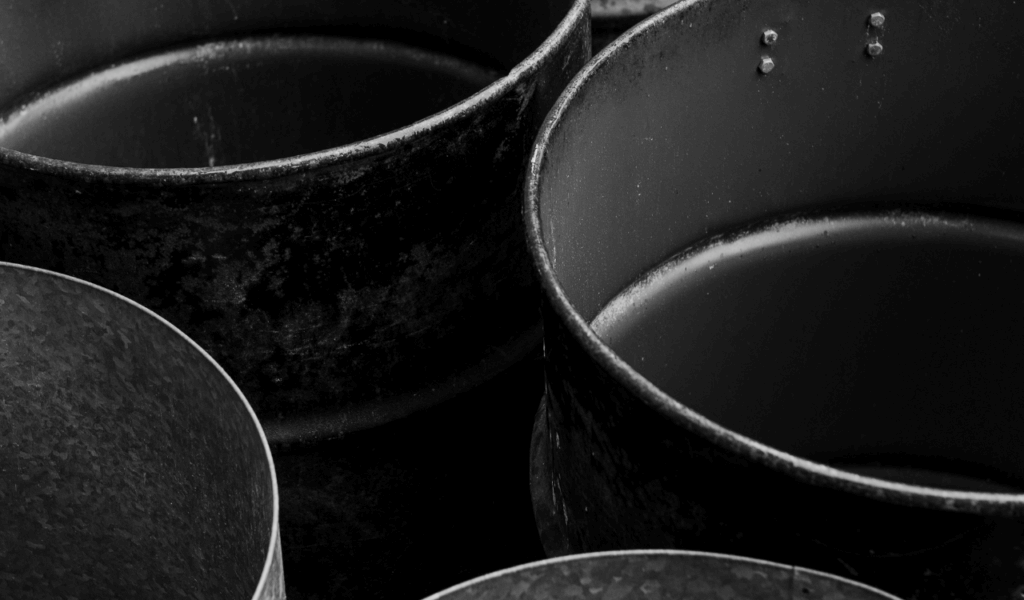
Burying old metal drums or big storage containers is something that people often do when they are “prepping” or dumping trash, however it is against the law. Experts claim that even “clean” metal containers will ultimately rust, which will cause the ground to crumble and sinkholes to form when the structure fails. Contractors say that the empty spaces inside buried drums might hold pockets of explosive gases or dirty water, which can make your lawn a ticking time bomb. Because of these long-term safety issues, many local zoning ordinances say that you can’t bury heavy metal objects.
Professional flippers say that digging up a hidden metal drum is a very expensive and difficult job that needs special heavy machinery and soil testing in the area. Realtors say that if a property has a history of buried metal, it can be very hard for a future buyer to get a regular loan. Landscapers say that the rust from metal that is breaking down can change the pH of your soil a lot, making it hard for many types of attractive plants to grow. Experts say you should sell large pieces of scrap metal to a recycler who can securely process the metal and give you a legal receipt for disposal.
10. Deceased Large Pets or Livestock
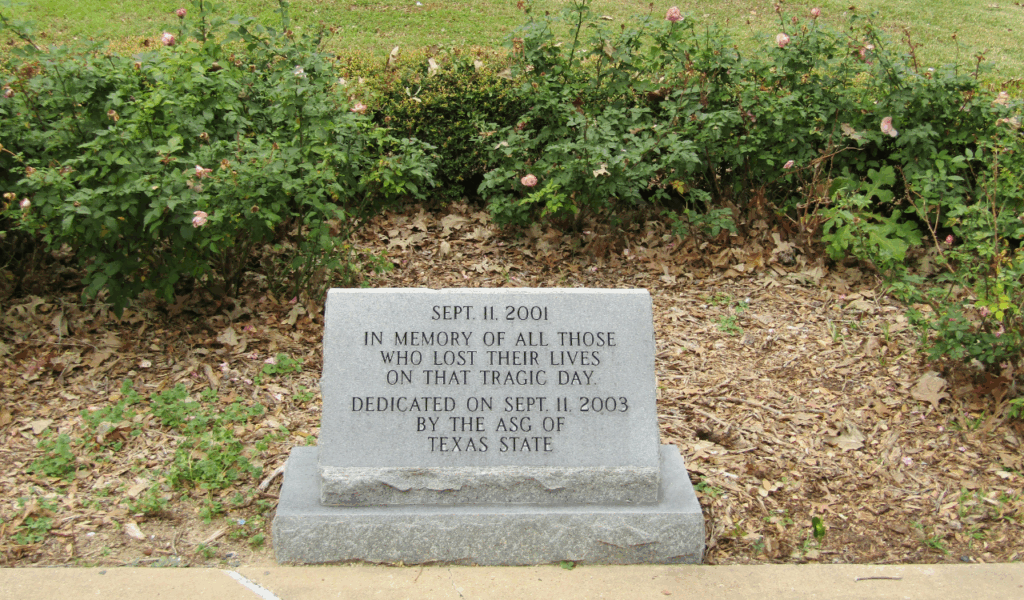
Burying big animals in the garden is against the law in many places, even if it is a very emotional matter. Experts believe that a lot of suburban towns and cities don’t allow animals over a particular weight to be buried since it can pollute groundwater and spread disease.
Landscapers say that if the grave is not deep enough or in the right place, the decomposition of a large animal might attract scavengers and cause big problems with drainage and smell. In a lot of places, you need a permission or a certain depth to make sure the public is safe.
Realtors believe “pet cemeteries” might be contentious during a sale. Professional cremation or animal disposal for large pets is often the most legal and respectful option, according to experts.
Contractors claimed accidentally disturbing a buried pet when installing a pool or deck is typical and sad. Follow local regulations and consider hiring professionals to give your loved one a polite, safe goodbye. This benefits the ecosystem and the emotional health of future landworkers.