6 Fast-Casual Chains That No Longer Feel Fast or Casual
Fast-casual dining was supposed to be the best of both worlds: faster service than sit-down restaurants and better food than regular fast food. But over time, a lot of well-known brands have moved away from that sweet spot. Many customers have had a different experience because of higher costs, longer wait times, bigger menus, and more complicated ordering procedures. People who shop typically have to wait longer, pay more, and use computerized kiosks or applications that don’t feel casual at all. These chains are still doing well, but the day-to-day experience might be slower and more formal than you might think. People who eat there are now wondering if the phrase “fast-casual” really suits or if it has become more of a marketing word than a true description.
1. Chipotle Mexican Grill
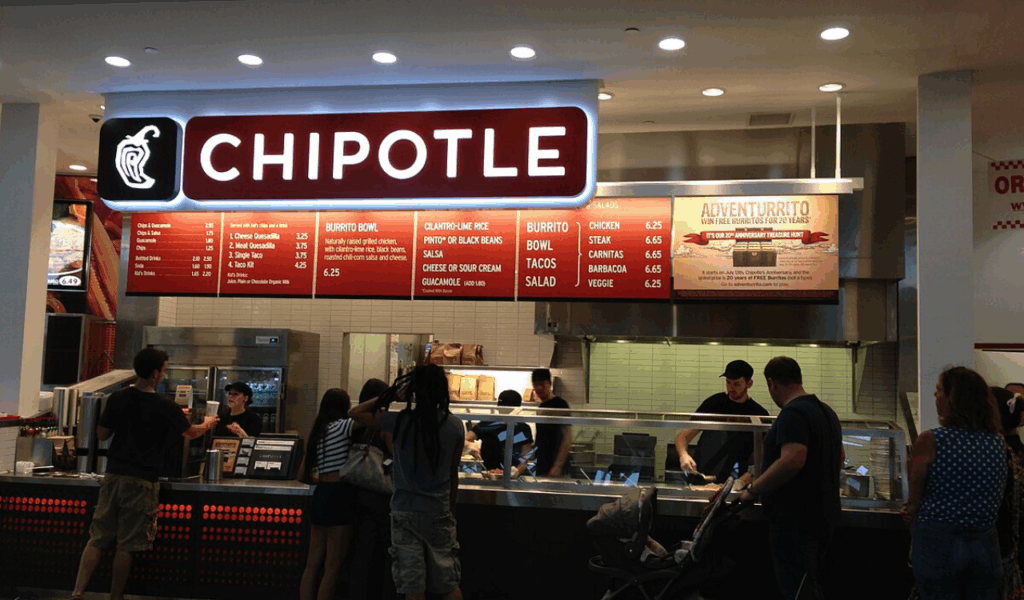
People used to like Chipotle because of its fast assembly lines and the fact that customers could make their own dishes right in front of them. In the last few years, many diners have said that they have to wait longer, especially during busy times, because there are more online orders and delivery requests. There are often a lot of people waiting in line at the store, and mobile pickup shelves are regularly full. Prices have also gone up steadily, which makes a simple supper feel less like a spontaneous outing and more like an outlay that was planned. Inconsistent portions and a lack of ingredients make things even more frustrating. Many people still come for the cuisine, but the whole experience can feel rushed and long, which goes against the initial promise of fast, comfortable dining.
2. Panera Bread
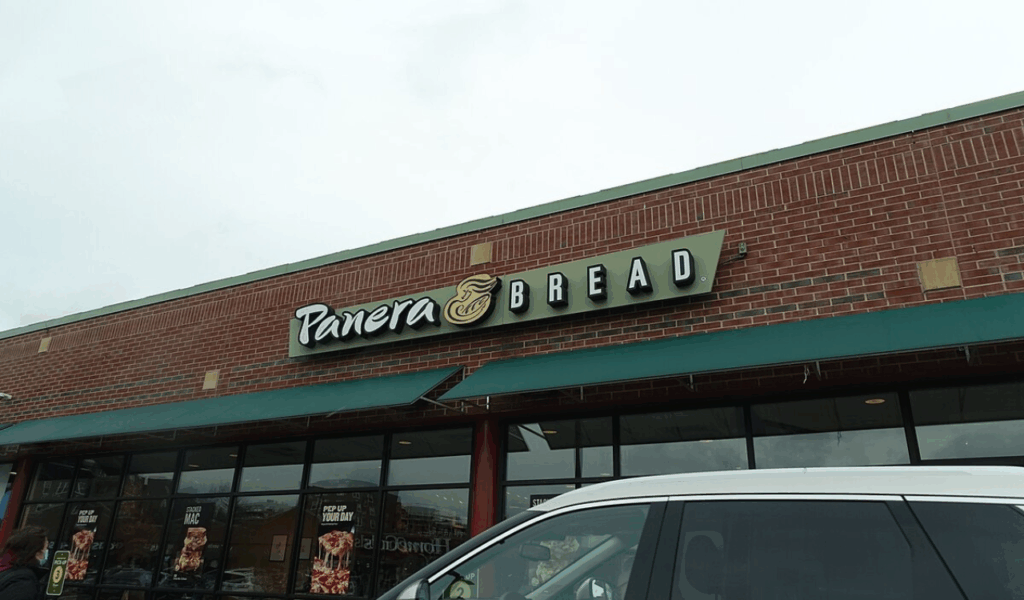
Panera Bread became known for serving quick comfort meals in a café setting. Customers often say that service is slower now because of complicated menus, too many customizing options, and a big focus on buying online. Ordering kiosks and app-based pickups can be confusing, especially when staff are trying to handle dine-in customers, takeaway orders, and delivery orders at the same time. Prices have gone up, and people often think that the portions are smaller, which makes meals feel less casual and more fancy. Some places still have the peaceful café vibe, but most of the time the experience is more regulated and slower than what fast-casual diners expect.
3. Shake Shack
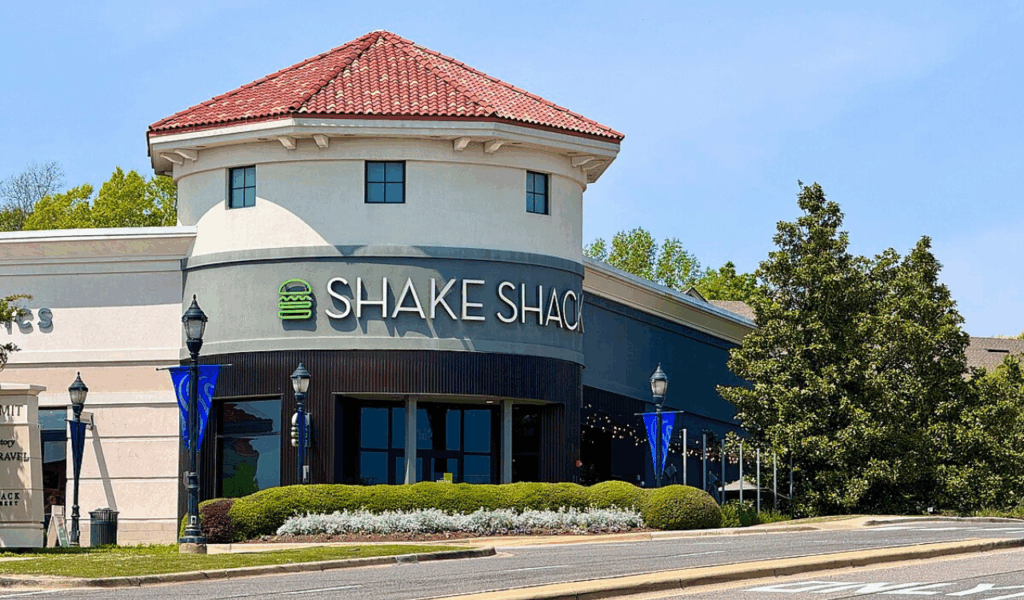
Shake Shack began as a modern, upscale version of typical fast food, with simple menus and fresh ingredients. As more people wanted it, the wait times got longer, especially at busy places. Because of high demand and delivery integration, customers often have to wait in long lines, deal with crowded pickup areas, and have their orders delayed. Prices for shakes, fries, and burgers have gone up, making a quick meal more expensive. Seating places can feel crowded and busy instead of relaxed. The cuisine is still good, but the time and money involved make it feel more like a full-service meal than a quick, casual meal.
4. Five Guys

People know that Five Guys has fresh-cooked burgers and big amounts, but the service is usually slow. It takes longer for orders to be ready than most people expect from a fast-casual business because they are only made after they are placed. Lobbies at busy places are often full of people waiting for their names to be called. Prices are also substantially more than those at other fast food places, especially when you add extras. The lack of combo meals and the uncomfortable seating make the experience even less like informal dining. A lot of consumers like the meal, but they don’t think the time commitment fits with the fast-casual name anymore.
5. Sweetgreen
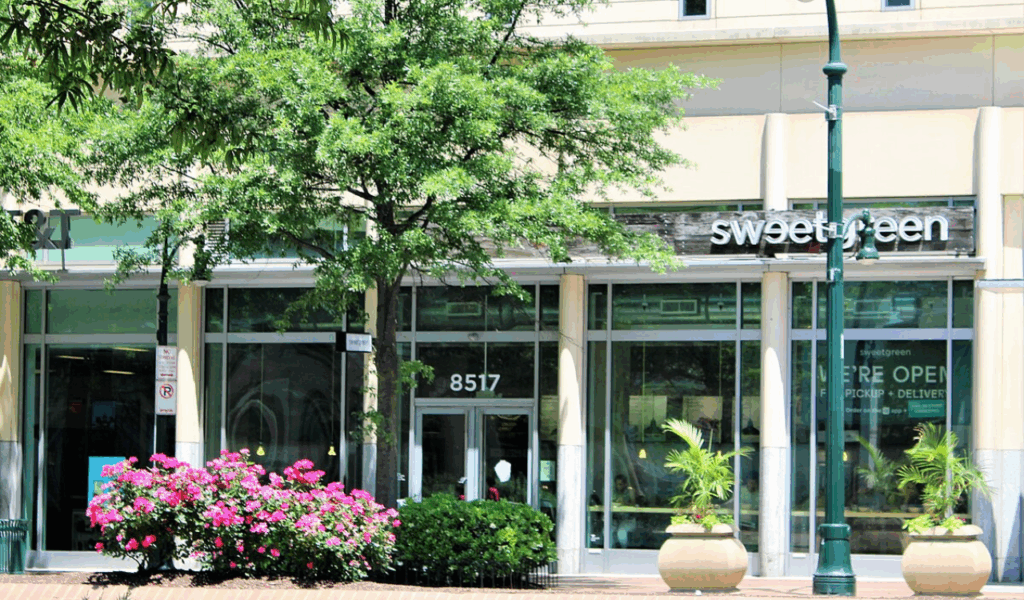
Sweetgreen marketed itself as a fast-casual place to eat that focuses on health, uses seasonal foods, and lets customers customize their bowls. Many places have seen service slow down as menus have grown and more people have started ordering online. Because of the many choices of ingredients and particular demands, lines in stores often move slowly. When you order online, your orders can build up, which can cause delays and busy pickup areas. Prices have gone up, so a simple salad now feels like a luxury item instead than a normal lunch. The clean, modern look is still appealing, but the whole experience often feels planned and takes a long time, which goes against the idea of quick, casual meals.
6. Noodles & Company
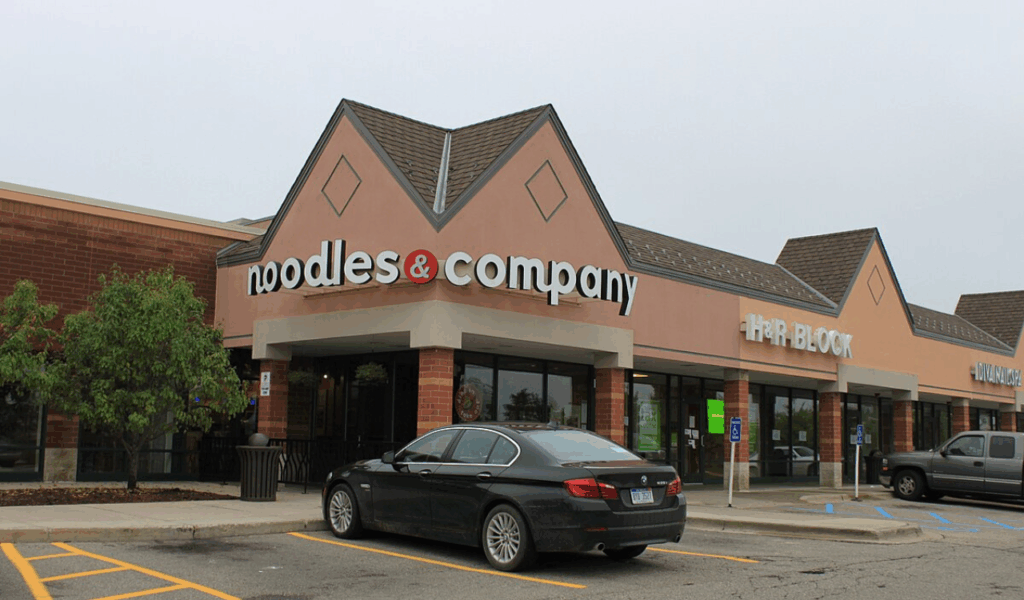
Noodles & Company wanted to serve cheap, fast noodle recipes from throughout the world. Over time, the menu has gotten more complicated, and the stages to get ready in the kitchen have been longer, which means higher wait times. Customers often say that the speed of service and the size of the portions are not the same at all locations. Prices have also gone up, which makes the value appear less casual and more planned. There are so many ways to customize your order, sauces, and extras that it might be hard to choose. The idea is still easy to understand, but the experience frequently misses the quickness and simplicity that made fast-casual dining popular in the first place. This makes some customers feel like the brand has outgrown its category.