3 Vintage China Sets Worth Thousands That Collectors Still Chase
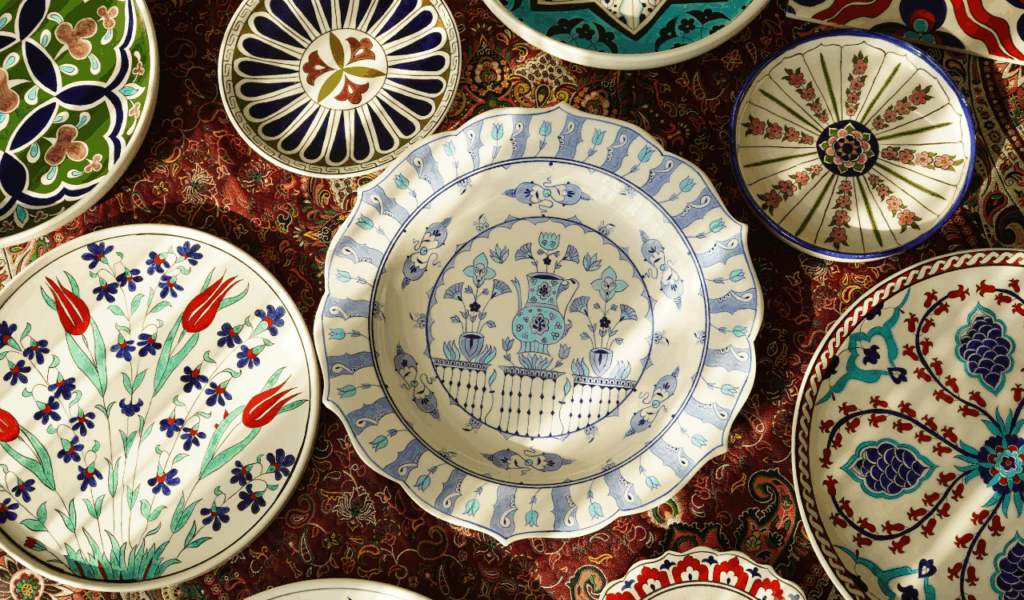
In the realm of high-end collectibles, vintage china is one of the rare things that has both historical significance and creative skill. For devoted collectors, a dinner set is more than simply dishes; it’s a carefully chosen investment that reflects the “white gold” craze of centuries past.
Designers say that a well-preserved antique set can bring together the old-fashioned elegance of the past with the sophisticated luxury of today. Experts believe that while many family heirlooms are important to the family, only a few legendary patterns sell for the huge amounts of money that are commonly seen at high-end auction houses.
Realtors and expert flippers say that finding a full, genuine set from a top-tier manufacturer can greatly increase the value of an estate’s contents. Organizers say that the best way to keep these investments worth thousands of dollars is to carefully store them and know a lot about the maker’s insignia.
These three china sets are the best examples of porcelain workmanship, from royal commissions to alchemical advances. Collectors want them not only because they are rare, but also because they provide a lot of history and style to a modern dining table.
1. Royal Copenhagen: The Flora Danica Series
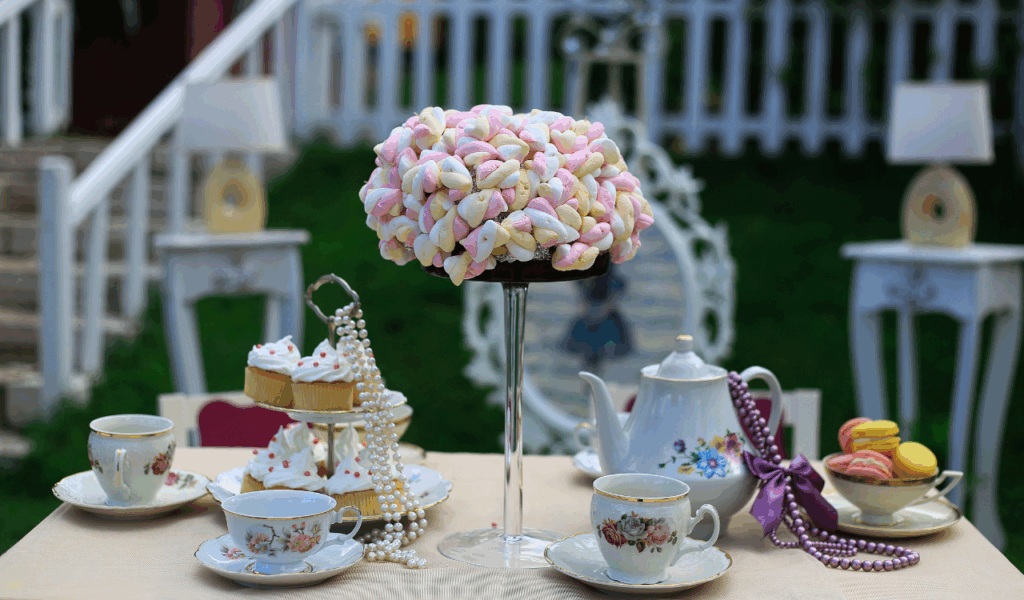
Many people think that Flora Danica is the best and most expensive dinner service in the world. Catherine the Great of Russia ordered the set in 1790 as a major diplomatic gift, but she died before it was finished. Designers suggest this series because of its unmatched hand-painted botanical realism, with each leaf and petal based on life-sized pictures from the botanical encyclopedia of the same name.
Experts say that the service is so important to Danish culture that the Danish Royal Family still uses some of the original pieces for official banquets.
Professional flippers say that a single dinner plate from this set may sell for more than $1,000, and complicated serving pieces like soup tureens or ice domes can sell for between $9,000 and $40,000. Each piece is carved by hand and has detailed 24-carat gold gilding along its jagged “serrated” edges.
To be sure the item is real, collectors should search for the three blue waves and the artist’s signature on the back. Because each motif is different, no two pieces are precisely the same. This set is a true work of art that collectors all over the world are still looking for with great interest.
2. Meissen: The Dragon and Chinoiserie Patterns
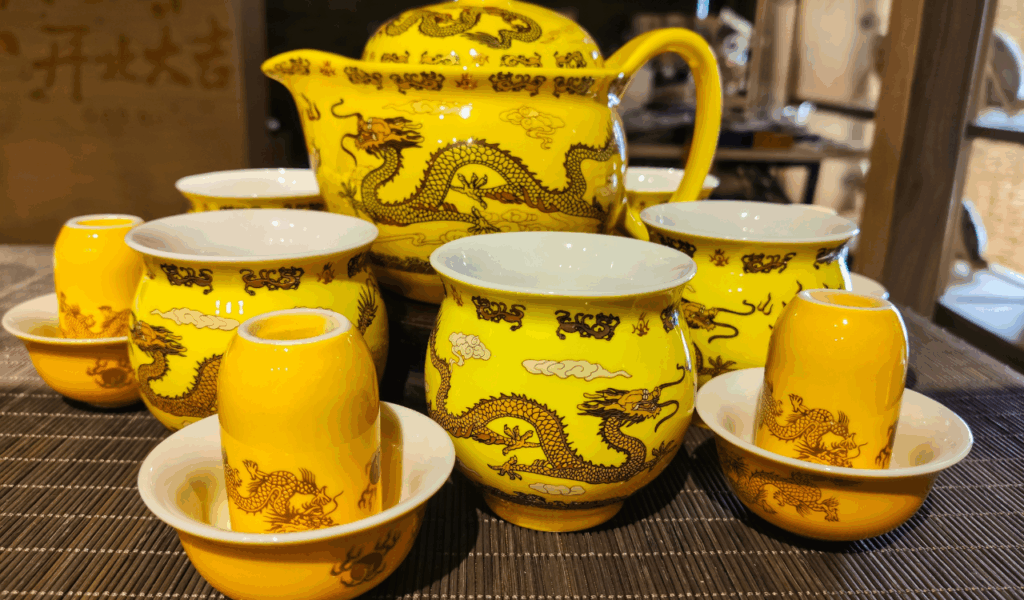
Meissen is a remarkable site for wealthy collectors because it was the first European factory to learn how to make hard-paste porcelain in 1710. Designers say that the brand’s “Ming Dragon” and “Court Dragon” motifs are famous status emblems. They show hand-painted mythical animals that wrap around the porcelain in bright reds, greens, and golds. Experts agree that Meissen pieces from the early 18th century are the most valuable, notably those made during the “Golden Age” when master modeler Johann Joachim Kändler was in charge.
Realtors who deal with high-end estates say that a full Meissen dinner service from the 18th or 19th century can easily be worth tens of thousands of dollars on the market. Professional flippers say that the “Augustus Rex” insignia, which is an interwoven AR, means that the piece was made for the King’s palace and is very uncommon.
Organizers say that the famous crossed swords insignia is the best way to tell something apart, but it needs to be looked at closely to make sure it is hand-painted and from the right time period. For a lot of people, having Meissen is more than just owning porcelain; it’s owning a piece of the alchemical discovery that revolutionized European art history forever.
3. Wedgwood: Fairyland Lustre and Black Basalt
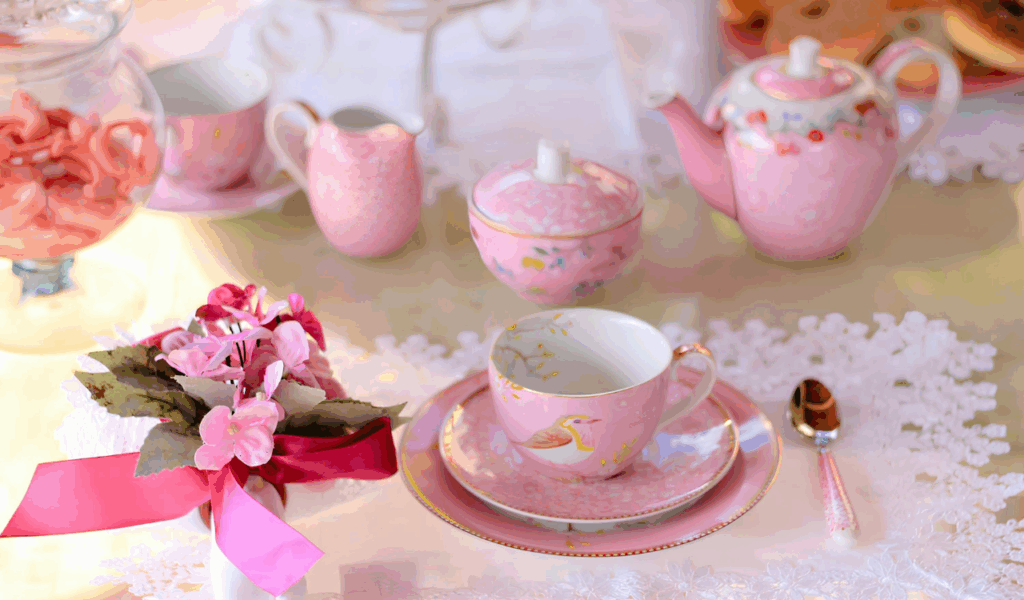
People go crazy bidding on the rare Fairyland Lustre series, even though Wedgwood is known for its blue Jasperware. Designer Daisy Makeig-Jones made these sets in the early 20th century. They have hauntingly beautiful, psychedelic scenes of ghosts, fairies, and goblins set against iridescent, metallic glazes. Designers say these items are great because they have a particular Art Deco spirit that is very different from regular flower motifs. Experts believe that these fun patterns were only made for a brief time, so it’s hard to find full sets now.
Professional flippers say that big, famous pieces of Fairyland Lustre can go for more than $10,000 at special auctions. People who like neoclassical minimalism also want Wedgwood’s “Black Basalt” tea sets, which are noted for their matte, volcanic stone look. Realtors say that these sets are often the best pieces in a collection because they show how Wedgwood pushed the limits of ceramic technology.
Organizers say that condition is very important with lustreware because any chips or fading in the beautiful metallic glaze can greatly lower the item’s value. These sets are still quite popular with collectors who want a mix of fantasy and high-end English history.