12 Quiet Luxury Farmhouses with Smart Kitchens
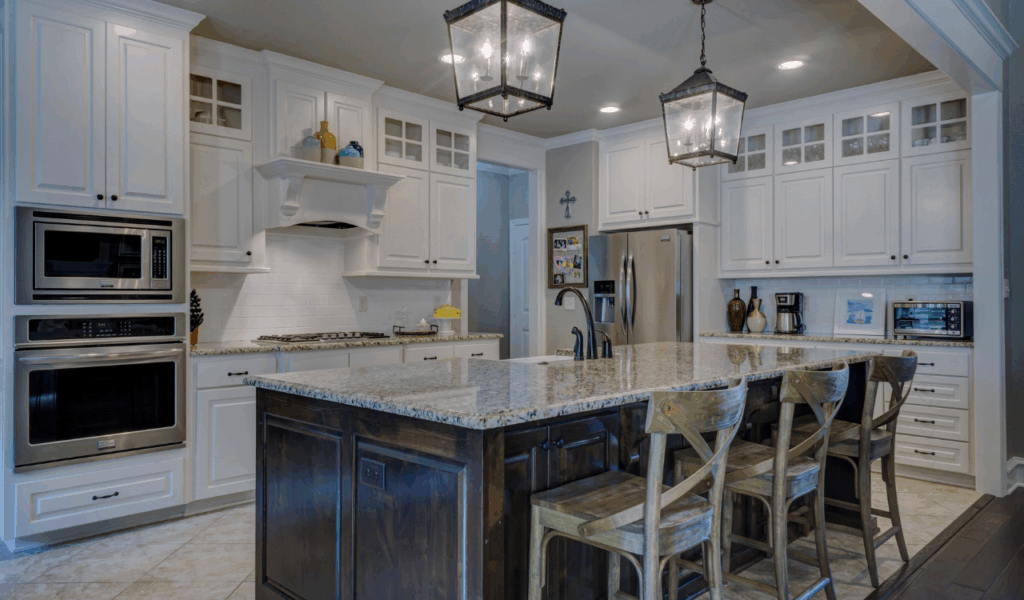
Realtors believe that quiet luxury farmhouses are changing what it means to live in the country by combining simple materials with very useful design. These homes don’t have flashy finishes; instead, they focus on workmanship, proportion, and kitchens that perform as well as they appear. Designers say that in this case, smart kitchens aren’t about dazzling screens; they’re about technology that makes life easier while keeping a quiet, grounded look.
Architects and kitchen planners say that the farmhouse kitchen has changed into a command center that nevertheless seems warm and timeless. Natural stone, oak cabinets, and gentle lighting increasingly hide sensors, automation, and energy-efficient technologies. Experts argue that the real sign of luxury is when technology disappears into the background and helps people cook, congregate, and move around the area without getting in the way.
Professional flippers say that customers who like quiet luxury want kitchens that are self-sufficient, anticipate requirements, and get better with age. These farmhouses show that smart living can seem warm and welcoming instead of cold and sterile. They have climate-controlled pantries and lighting sets that make sense.
1. Limestone Farmhouse with Climate-Smart Pantry
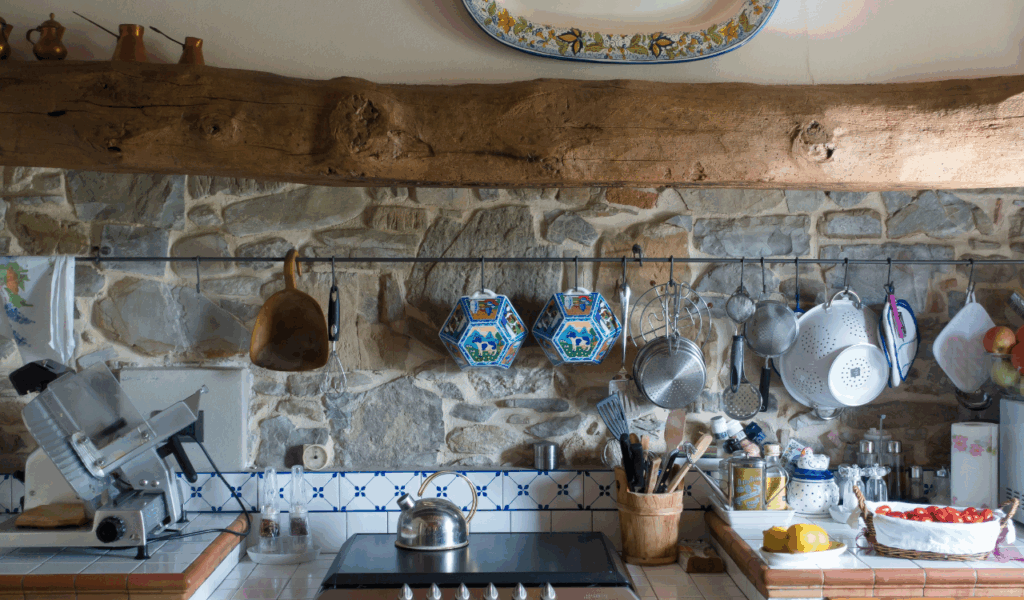
For peaceful luxury farmhouses, designers like limestone because it is hefty, durable, and has a lovely texture without being too cluttered. Peaceful luxury living’s long-term attitude is reflected in limestone’s character. This is unlike trend-based finishes. The smart kitchen’s climate-controlled pantry maintains the proper temperature and humidity year-round. This preserves dry goods, produce, oils, grains, and special ingredients longer than cabinets or walk-in pantries, according to kitchen experts.
Climate-smart pantries keep products fresh and reduce last-minute modifications due to degradation, chefs claim, making cooking more efficient every day. The system’s sensors monitor internal conditions and automatically adjust for even minor changes. When a door is left open or the temperature changes unexpectedly, the alarms are quiet and infrequent. To maintain the farmhouse’s tranquil visual rhythm and comfortable vibe, all devices are hidden inside traditional cupboards.
Real estate agents say buyers who value sustainability, longevity, and smart engineering favor old stone buildings and sophisticated food preservation. The building’s limestone exterior indicates durability and quality. The smart pantry, however, provides a hidden pleasure that simplifies daily activities.
2. Timber-Framed Retreat with Voice-Free Smart Controls
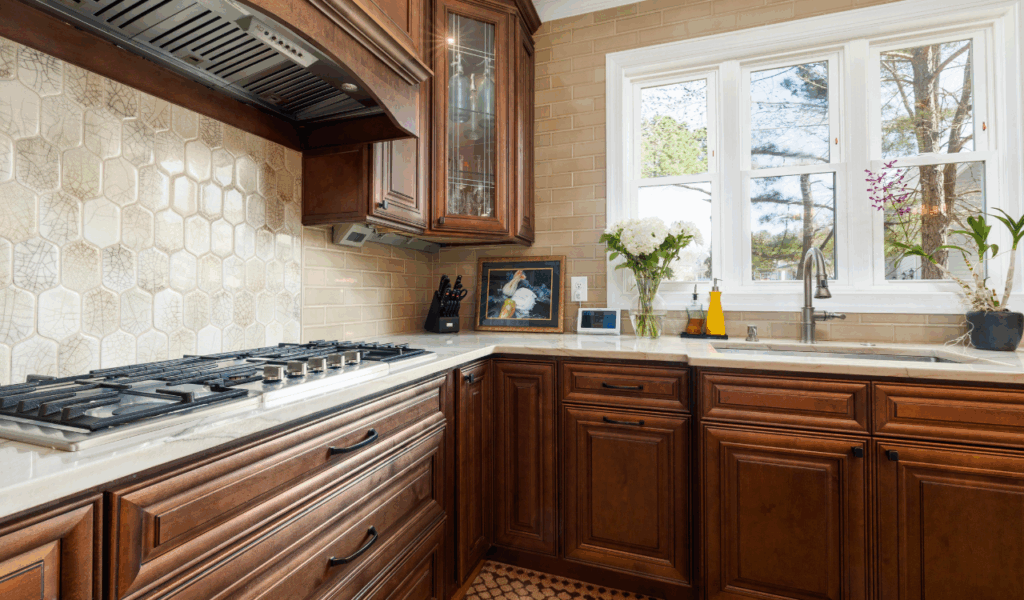
Interior designers claim many calm luxury farmhouse kitchen owners shun voice assistants because continuous audio reminders can disturb the peace. The gesture-based, app-controlled, and sensor-driven systems in this timber-framed retreat work silently. Lighting, ventilation, and appliances function nicely without control panel sounds or lights on beams and natural wood patterns.
Taking away continuous aural feedback reduces clutter, especially in open-plan farmhouse layouts where the kitchen is directly connected to the dining and living spaces, according to experts. Motion sensors only activate task lighting when people are present. Cooking zones automatically activate ventilation based on heat and steam production. The experience feels human rather than digital.
Professional flippers say that customers who care about their privacy are asking for more smart features that don’t use microphones or devices that are always listening. This farmhouse offers modern conveniences while also enhancing the feeling of retreat, safety, and personal space that many people associate with living in the country.
3. Stone Courtyard Farmhouse with Intelligent Ventilation
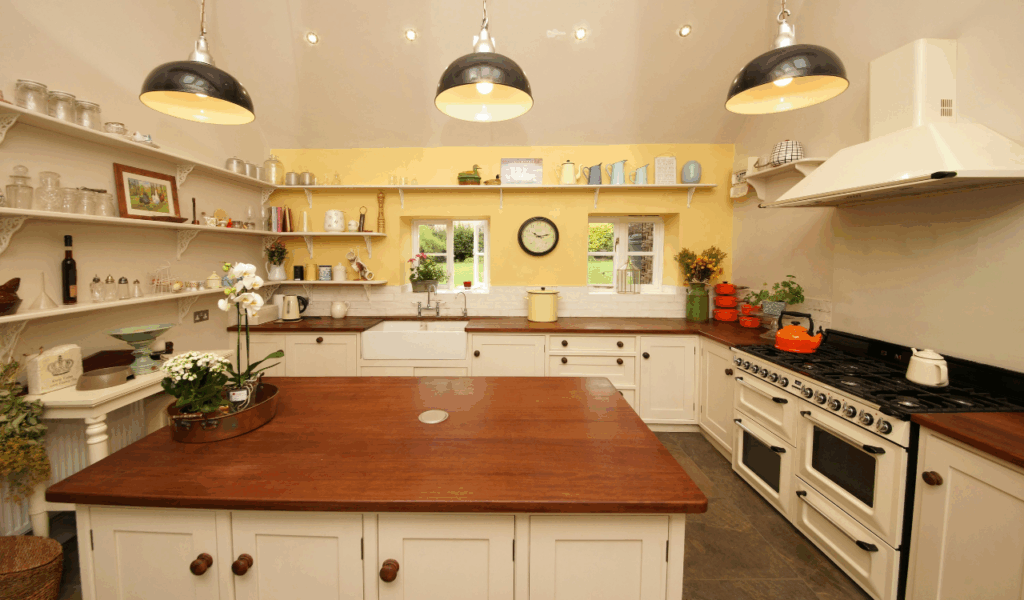
Architects say that old stone farmhouses generally have trouble with airflow, controlling moisture, and keeping the temperature stable since their walls are thick and their layouts are walled off. This design, which is focused on a courtyard, uses smart ventilation techniques to solve such problems discreetly and effectively. Sensors keep an eye on humidity, smoke, and heat all the time, and they automatically change the airflow without loud fans, visible vents, or exposed ductwork getting in the way of the building’s design.
Builders say that clever ventilation is especially useful in kitchens that lead directly to outdoor courtyards. The system keeps the air pressure inside and outside the house in balance to keep drafts from happening and cooking smells from spreading to other rooms. Homeowners don’t have to worry about managing airflow very much because modifications happen right away.
Designers argue that this method keeps both short-term comfort and long-term materials safe. Proper ventilation keeps wood cabinets, stone surfaces, and finishes from getting too wet. Even though complex processes run all the time behind the scenes, the kitchen feels organically fresh and balanced.
4. Modern Barn Conversion with Adaptive Lighting Scenes
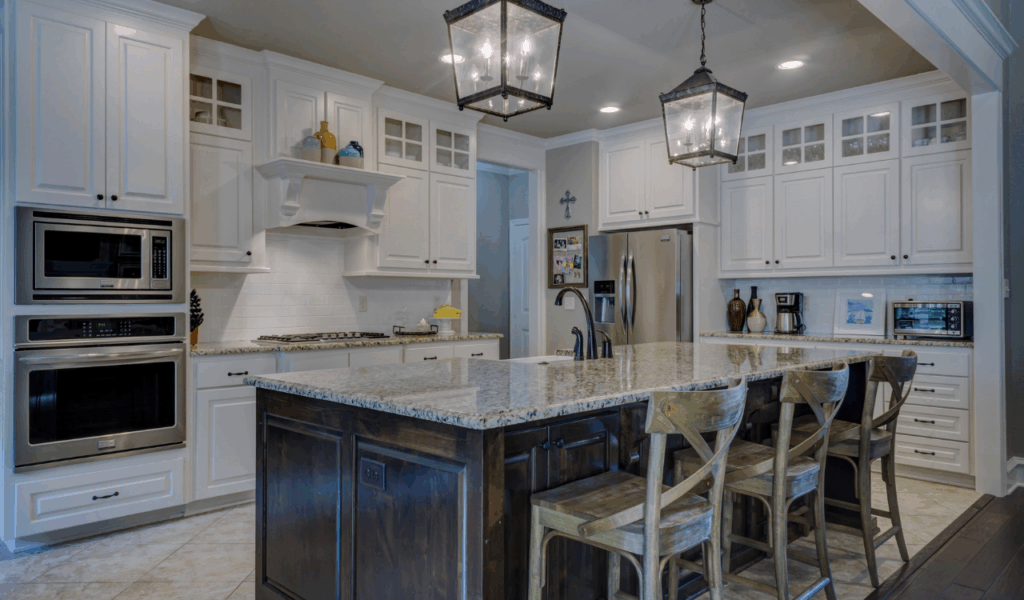
Lighting designers say that adjustable lighting is a good choice for farmhouse kitchens that are used for both everyday cooking and bigger events. This modern barn conversion has smart lighting scenarios that change the brightness and color temperature of the lights throughout the day to fit the activities and the amount of natural light. Morning scenes help you stay awake and focused on your tasks, while evening scenes slowly change to warmer colors that help you relax.
Experts suggest that adaptive lighting helps keep your body’s natural cycles in sync and eases eye strain when you have to cook or prepare food for a long time. Sensors change how they work based on the amount of daylight, so artificial light never seems too bright or harsh. Controls are hidden in walls or cabinets so that they don’t make the room look cluttered or have big switches.
Realtors say that purchasers see these kitchens as properly put together rather than overly high-tech. Lighting brings out the lines of buildings, the grain of wood, and the textures of stone, which supports the idea of calm elegance while also making things more comfortable and useful.
5. White Oak Farmhouse with Smart Induction Cooking

Chefs are recommending induction cooking more and more for quiet luxury farmhouse kitchens because it is safe, precise, and efficient. Induction surfaces blend in perfectly with the stone counters in this white oak farmhouse, so they don’t stand out. Experts say that these systems provide quick, controlled heat while being cool to the touch, making busy kitchens safer.
Sensors automatically optimize energy use by detecting the size and positioning of cookware. Without any manual modifications, the cooktop talks to the ventilation systems to control steam and smells. This makes cooking smooth and without interruptions, especially when making foods that are complicated and have several steps.
Designers think that the simple look of induction fits perfectly with the idea of quiet luxury. The kitchen still seems calm, but new cooking technology helps you get professional-level results at home.
6. Earth-Toned Farmhouse with Predictive Appliance Maintenance
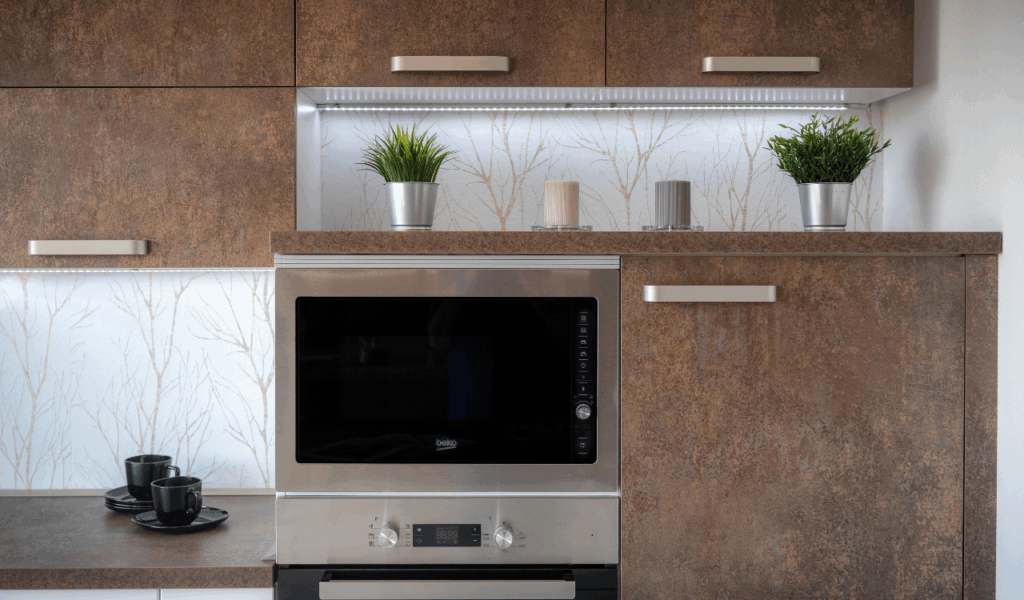
Appliance repair experts say that predictive maintenance is becoming a key aspect of high-end smart kitchens. This farmhouse in earth tones has gadgets that silently keep an eye on performance, energy use, and wear patterns. Refrigerators, stoves, and dishwashers can find problems long before they cause problems.
Experts suggest that early warnings can stop expensive breakdowns and lower the cost of repairs over time. Notifications only come when something needs to be done, so homeowners may plan service ahead of time. The technology works without making noise, so you don’t have to deal with repeated prompts or annoying alarms.
Realtors say that this feature attracts buyers who want peace of mind and reliability. The kitchen feels calm and reliable, which supports the idea that true luxury is often having fewer problems instead of more obvious features.
7. Glass-Gabled Farmhouse with Smart Water Management
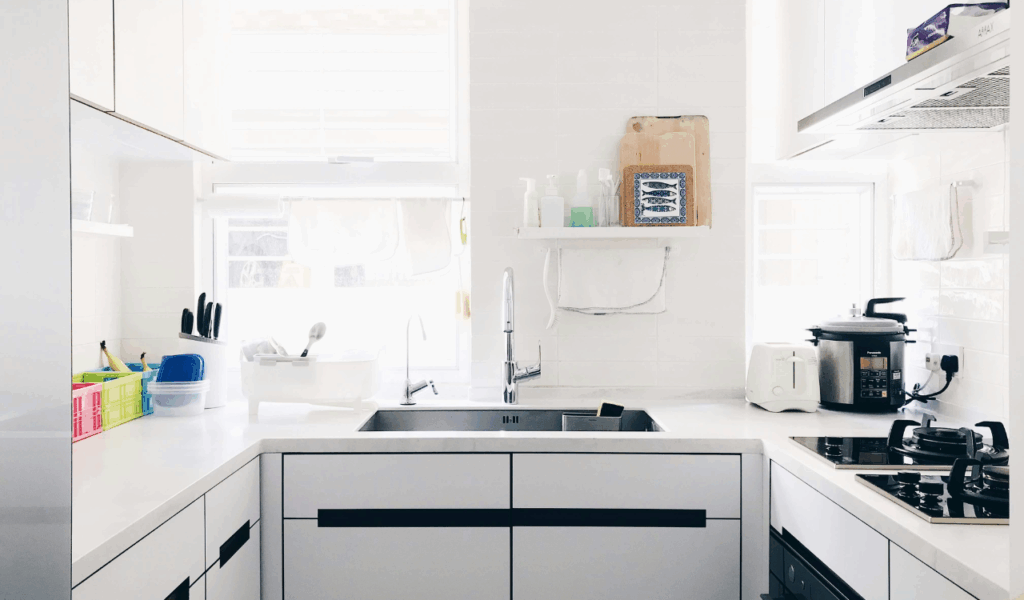
Water economy is crucial in modern farmhouse kitchens, say plumbers and sustainability experts. This glass-gabled design uses smart water management technologies to monitor water use, control pressure, and detect leaks. These techniques reduce waste and protect finishes, according to experts.
Designers say unobtrusive integration keeps smart devices out of the kitchen’s visual flow and material language, keeping it classy. This farmhouse’s water management system is so effectively integrated that homeowners can enjoy its benefits without comprehending it.
With clean lines and natural light without hardware, the kitchen is attractive and open. Hidden technology preserves one of the home’s most valuable and vulnerable resources.
Plumbers say that these systems do more than just stop leaks. They also assist control pressure and usage patterns over time, which lowers the stress on fixtures and cabinets over time. Alerts are meant to be helpful, not scary, and to make you feel calm instead of rushed. This way of thinking is part of a larger idea of “quiet luxury,” where safety and performance are present without obvious signs.
8. Heritage Farmhouse with Discreet Smart Refrigeration
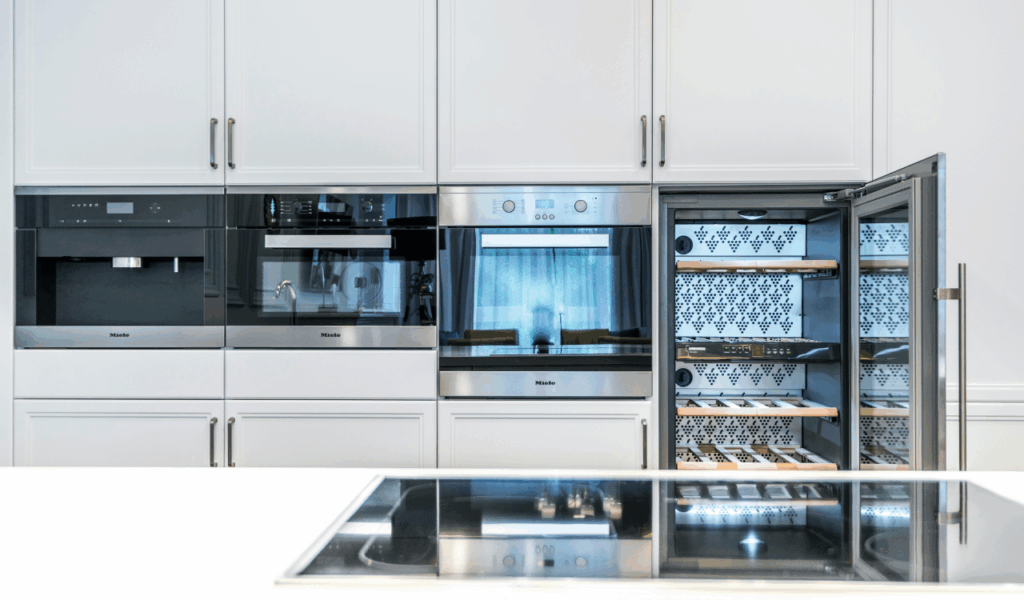
Kitchen designers say that big stainless steel freezers can make classic farmhouse kitchens look out of place, especially in older homes where proportion and material consistency are quite important. Smart refrigeration is hidden behind custom panels that match the cabinets in the kitchen, which helps the kitchen look like it belongs in the time period.
Appliance experts believe these hidden gadgets offer commercial-grade temperature zoning, humidity management, and inventory tracking.
Freshness, indoor climate, and energy use are constantly monitored and adjusted via sensors. Alerts notify residents only of emergencies like an open door or an unusual temperature change. Improved food safety and energy efficiency occur without visible distractions or notifications.
This strategy appeals to buyers who want a historic property that works well and is reliable, according to realtors. Because technology operates softly beneath classic finishes, the kitchen feels real. Smart refrigeration improves life every day by keeping things fresh, saving energy, and making things more pleasant without compromising the farmhouse theme.
9. Meadow-Set Farmhouse with Automated Waste Sorting

Sustainability experts say that big farmhouse kitchens should have clever waste systems. This house sits in a meadow, and the cabinets hide the compost, recycling, and trash sorting, which keeps the kitchen’s serene visual rhythm. Sensors find materials and help with disposal without making things more complicated.
Experts claim that automation makes things easier on the body and better for the environment over time. Sealed compartments and good ventilation help keep smells to a minimum. This makes cleaning up after cooking or hosting guests faster and easier. The approach lets you keep up with your habits without having to pay attention to them all the time or sort them by hand.
Designers say that appropriate waste management fits nicely with the ideas of quiet luxury since it shows care and intention instead of show. The kitchen helps with thoughtful living, sustainability, and order without adding to the clutter in your head or on your walls. This reinforces the idea that true luxury often seems quietly responsible instead of showy.
10. Minimalist Farmhouse with Energy-Optimized Cooking Zones
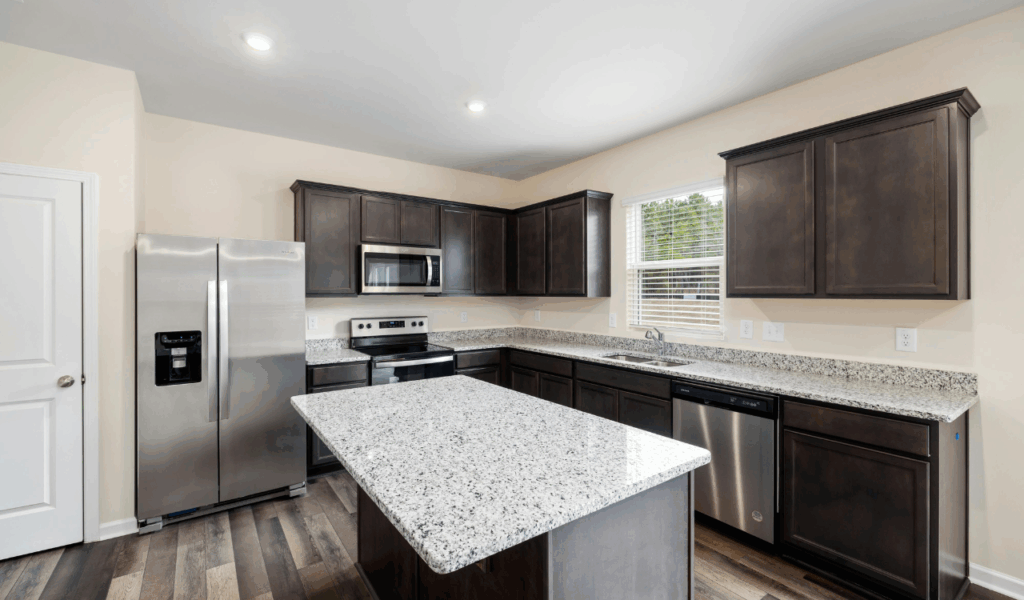
Smart energy management is becoming more important, according to energy experts. This simple home has kitchen areas that use power in the most efficient way possible. Appliances talk to each other to keep energy use steady and loads balanced.
Energy specialists claim this optimization lowers monthly power bills and protects the home from escalating energy prices and system instability. They prioritize peak load control. They switch between solar, battery backups, and regular electricity in real time and relocate energy-intensive operations to off-peak hours. Even when demand changes or supply is low, performance remains consistent.
More purchasers desire energy-efficient kitchens because they want to be green and lasting, say realtors. In listings, traditional homes with smart energy design stand out, especially for eco-conscious purchasers who don’t want to sacrifice flair. Smart energy zones subtly emphasize the idea that everything—visible or not—affects a kitchen’s performance and beauty over time.
11. Hillside Farmhouse with Smart Storage Optimization
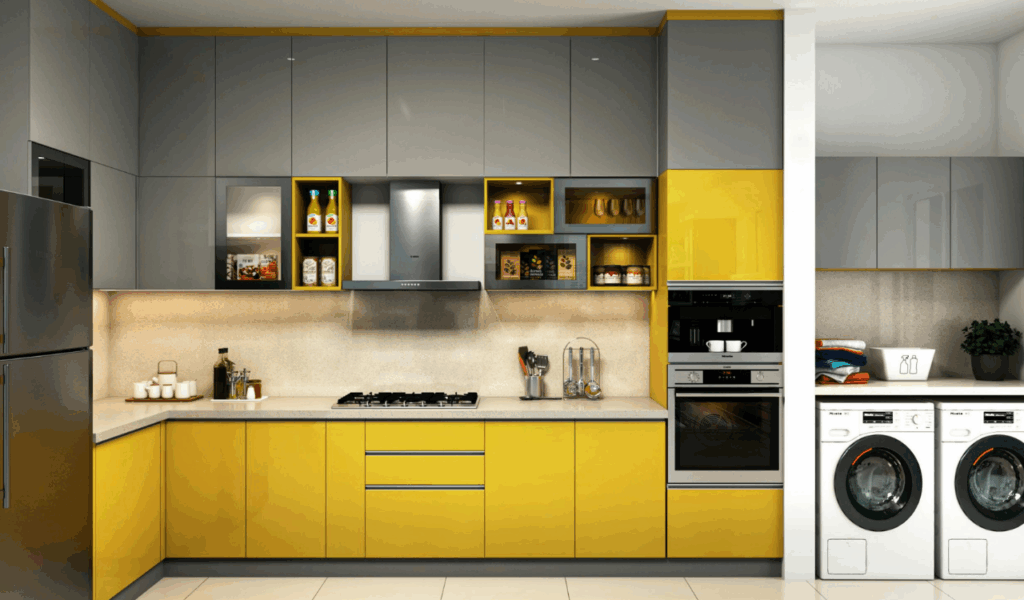
Smart storage is needed in huge farmhouse kitchens because typical organizing methods don’t always work, say experts. In this hilltop mansion, drawers and cabinets have sensors that detect how often they are used and learn from it. Usual tools and ingredients migrate closer to prep areas, while rarely used ones travel to secondary zones. This simplifies daily tasks and huge occasions.
Adaptive organization reduces clutter, wasted motion, and promotes healthy mobility, say experts. A light touch opens drawers and shelves, and soft-close reduces noise. Without glare, motion-activated lighting improves visibility. Particularly useful in the morning and evening. It feels natural and straightforward since storage solutions seem to know what you need.
Designers say that this kind of hidden intelligence keeps the kitchen looking calm while making it more useful. Storage works quietly in the background, enabling not only access but also rhythm, which is very important in houses where design should never get in the way of function. In the end, the system captures the essence of quiet luxury: elegant, understated, and very useful.
12. Courtyard Farmhouse with Integrated Kitchen Ecosystem
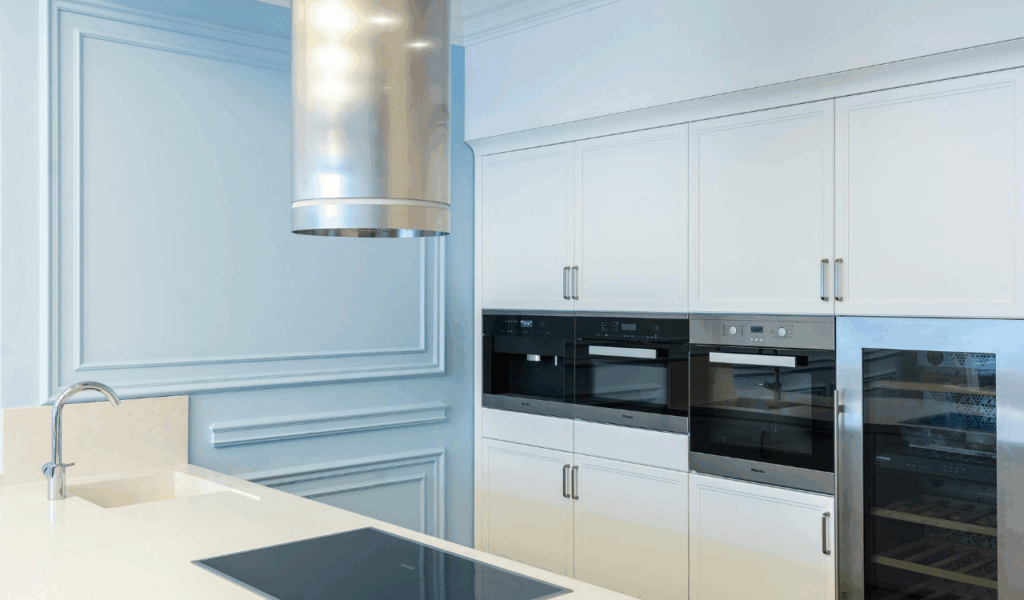
Smart home integrators say that the most advanced quiet luxury kitchens work as cohesive ecosystems. This farmhouse in the courtyard links all of its appliances, lights, ventilation, and climate into one system. Automatically, each part reacts to the others.
Deep integration makes the kitchen more pleasant and adaptable, according to experts. The proper ventilation starts automatically based on temperature and humidity when cooking. The lighting and climate control adjust to improve visibility and mood based on how many people are in the space and what they’re doing. Homeowners feel that their home is alive and intuitive, with a fluid flow that makes managing home systems easier without thinking about them.
Realtors say that kitchens like this are soon becoming the new gold standard for high-end living. They are popular with picky purchasers who want a space that is both beautiful and technologically advanced, with smart technology that operates in the background. The technology in these kitchens is never showy; it’s almost invisible and works with natural materials and architecture to make living better while keeping the farmhouse’s individuality at the center of attention.