11 School-Year Meal Trends Parents Wouldn’t Repeat

During the school year, social media makes lunch boxes and after-school snacks sound like fun undertakings, but certain trends leave kids hungry, preoccupied, or full of sugar. Parents and dietitians are talking more and more about how certain ideas that seem smart online don’t work in the real world, where mornings are busy, lunch breaks are short, and people need real nutrition. Kids don’t eat or stay alert in class when meals are too complicated to make, unbalanced, or made to seem wonderful in images. These school lunch trends are ones many families would skip next year. It also proposes simpler, healthier options kids will appreciate and finish.
1. Picture perfect lunches that take too long

Lunch boxes with fancy food art can be pretty, but they frequently take too long to make on weekday mornings when most families don’t have the time. Parents say that fragile designs fall apart during transport or are overlooked in loud cafeterias, where kids only have a few minutes to eat. Nutritionists say that balance and consistency are more important than looks. They say that a simple mix of fruits, vegetables, whole grains, and protein is better for daily life. Parents may feel more anxious trying to cook social media-worthy meals, but they don’t consume more. Simple, familiar pairings often work better for kids.
2. Overstuffed lunch boxes “just in case”

It may seem nice and thorough to pack a lot of different snacks or extremely large servings, but it can be too much for kids during brief lunch intervals. Studies and parents say that kids generally pick at a few things they like and leave the rest, which causes food waste and makes it hard to know how much they really eat. Dietitians say that kids should eat the proper amount of food for their age, appetite, and school schedule. They should prioritize nutrient-rich foods over volume. If you send home half-eaten meals, the box may be too full. Small, balanced meals let kids focus on eating instead of finishing a container.
3. Refined carb heavy “energy” meals
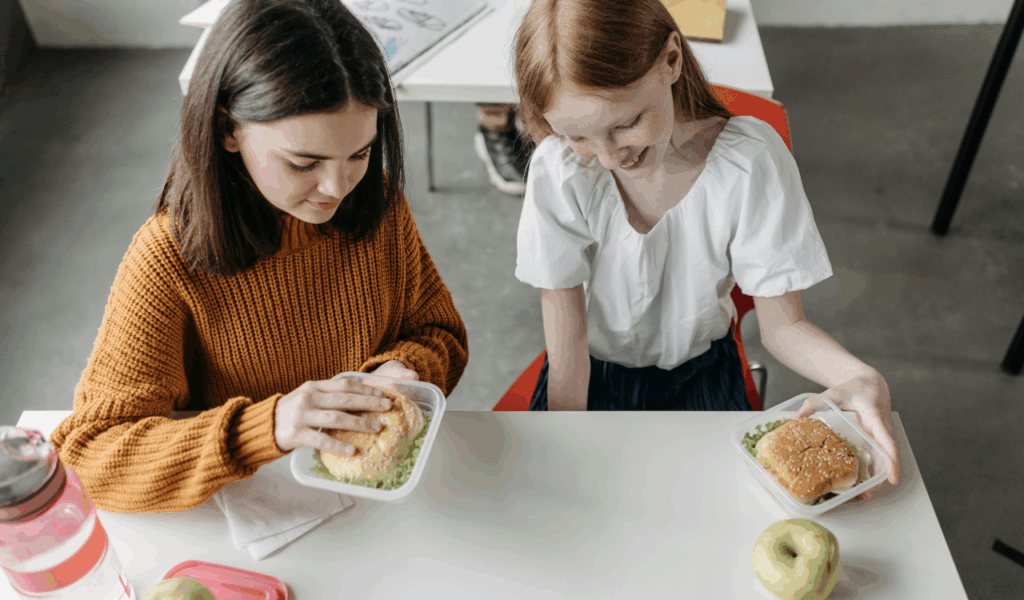
Some school meals include mostly white bread, chips, cookies, pastries, and sugary cereals, which give kids a temporary rush of energy and then make them sleepy. Nutrition authors say that meals with a lot of refined carbohydrates can make kids feel hungry again soon and may not give them enough fiber, protein, or minerals. Over time, this behavior can make it harder to focus and make your overall diet worse. Instead, healthy school lunches include whole grains, lean proteins, fruits, and vegetables. Replacement of processed foods with whole grain bread, crackers, or brown rice may boost energy throughout school and after-school activities.
4. Daily sugary drinks in the lunchbox

Many health organizations say not to pack flavored drinks like fruit drinks, juice boxes, sports drinks, and sweetened waters in lunch boxes all the time. These drinks include a lot of sugar and acid but not the fiber that whole fruit has. This can lead to tooth rot and getting too much energy. Advice on school lunches always says that water is the best drink every day, along with milk or a fortified replacement in the right amounts. Parents who converted from sugary drinks to water and fruit often say that their kids’ lunchboxes are less sticky and they worry less about cavities. This simple change can improve school lunch nutrition.
5. Constant novelty foods with little familiarity

It’s important to try different meals, but some fads say to pack fresh things every day to keep lunches interesting. In real life, kids might not eat anything at all on a hectic school day if they don’t like the taste of something new. Lunchbox mishap articles say that lunchtime isn’t always the best time to try new things that could go wrong. Experts say that instead, you should first provide new foods at home in tiny amounts with dishes that are already popular. Once a youngster accepts a new item, it can be used on a regular basis. This method acknowledges how comfortable kids are while still adding variety throughout the school year.
6. Dessert style snacks as everyday fuel

Cookies, candy bars, chocolate spread sandwiches, and other snacks like these have become popular for lunch lately, sometimes as a quick energy boost. Health guidelines include these foods in the “occasional” category because they are usually heavy in sugar and saturated fat. If you eat dessert-style snacks every day, you could not choose healthier options and develop a taste for excessively sweet flavors over time. When possible, munch on fruit, yogurt, almonds, seeds, or veggie sticks with a dip, say dietitians. Reserve sweets for special events. This regimen keeps your teeth and energy levels constant in the afternoon.
7. Highly processed meats as the main filling

Some common lunch foods are easy-to-pack processed meats like salami pieces, some cured sausages, or meat sticks that kids like. Nutritionists say that these foods can include a lot of salt and some preservatives, so it’s best to use them just now and then instead of every day. Over term, eating these meats as your main source of protein may not be good for your heart. Parents should switch up the choices they provide their kids, like cooked chicken, beans, lentil spreads, eggs when they can, or cheese in little amounts. This variety lowers sodium intake and adds a wider range of nutrients throughout the week.
8. Completely nut free homemade alternatives without checking policies

Some parents try to make complicated homemade substitutes for nut-based spreads or snacks since they are aware of allergies. They don’t check school rules or think about the overall balance. Safety is important, but schools usually provide explicit lists of foods that are okay to eat. Overly elaborate replacements can still overlook important nutrients or textural preferences. Healthy lunch articles advise checking the guidelines and then choosing simple, approved protein sources instead of experimental spreads. Seed butters (if allowed), hummus, legumes, and dairy products provide protein and healthful fats without common allergens.
9. Monotonous “winning” combos all year

When parents find a lunch that their child brings home empty, they want to do it every day. But after time, kids can get bored, and food that hasn’t been eaten silently comes back. Lunchbox advice columns say that doing the same thing over and over is a common mistake and suggest using a small number of menus that change every week. Changing out the fillings, fruits, and snacks keeps meals interesting and adds more nutrients without having to come up with new recipes all the time. You can achieve this by varying the same fundamental elements throughout the week. Dietary monotony can lead to food aversions, thus diversity helps prevent them.
10. Snack box lunches with little real protein
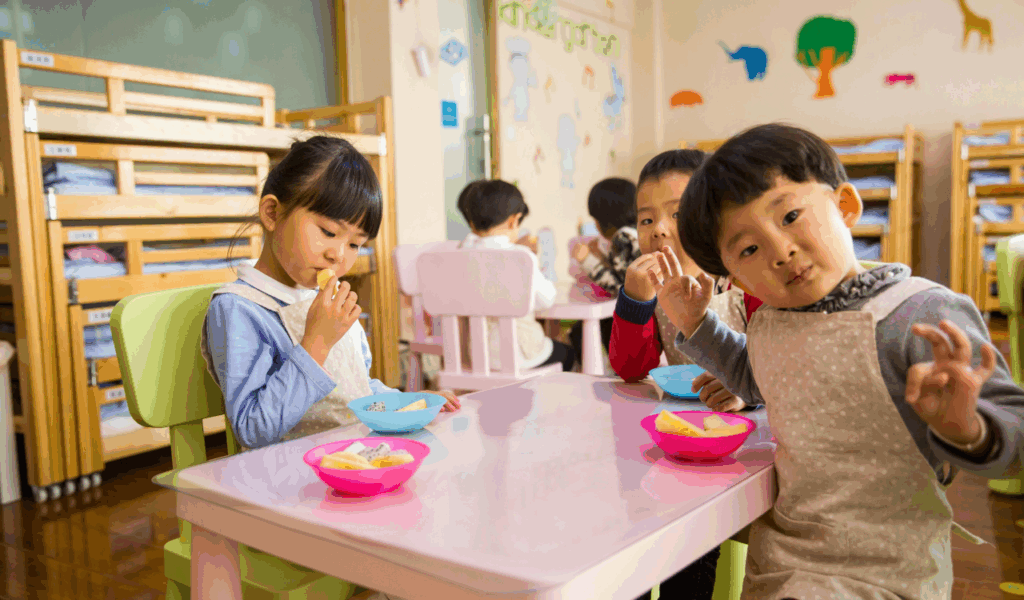
Snack box lunches made of crackers, pretzels, little candies, and a few pieces of fruit look good and seem quick, but they might not have enough protein or healthy fats to keep kids full. Nutrition experts say that school lunches should have a good amount of protein to help kids grow, stay focused, and have steady energy. Kids could feel hungry quickly after eating and go to vending machines or eat too much after school if they don’t have it. You can turn a snack-type box into a full meal by adding things like boiled eggs, yogurt, hummus, beans, or slices of cheese. This keeps the fun, mix-and-match approach.
11. Copying viral bento ideas without balance
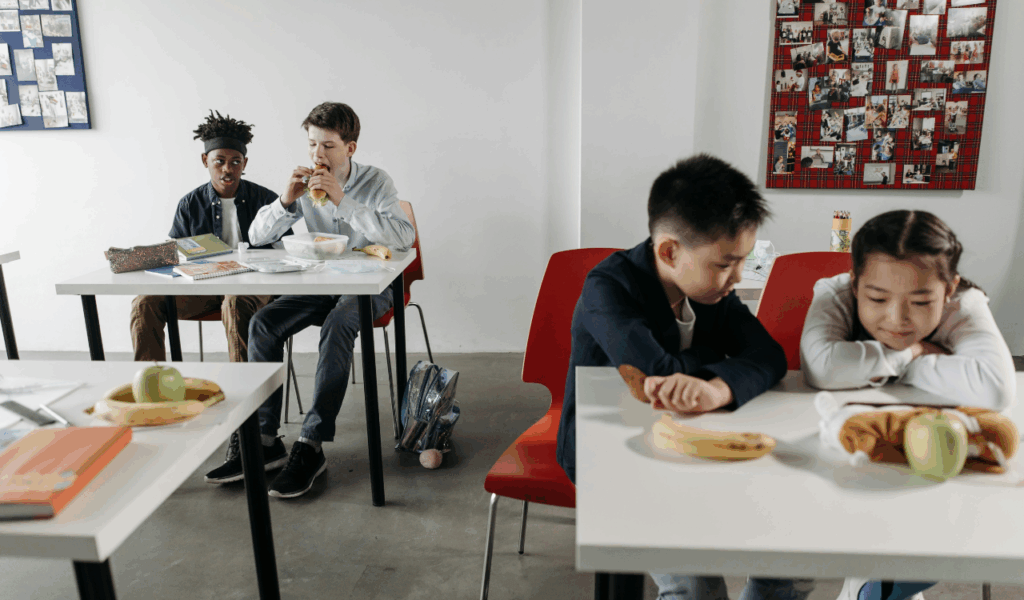
Bento-style lunch boxes can help you regulate your portions and add variety to your meals, but some viral versions focus more on pretty forms and goodies than on nutrition. Dietitians and children’s nutritionists recommend filling each compartment with a different food type, such protein and veggies. Boxes of processed carbohydrates and beautiful sweets may not give youngsters enough nutrients for a busy school day. Instead of trying to mimic online looks, using the bento arrangement to serve bright fruits and veggies, nutritional grains, and high-quality protein makes the trend sustainable.