Are These 9 Home Layouts Designed to Encourage Comfort
A home’s design acts as the unseen underpinning for our everyday health, impacting everything from our stress levels to the quality of our sleep. Comfort is firmly anchored in the flow and spatial logic of a floor plan, according to interior designers and architects. It is not just about luxurious furnishings. The psychological desire for seclusion and connection, as well as human mobility and natural light, are given top priority in a comfortable home arrangement. When these factors are in balance, the house becomes a natural setting that seamlessly supports the residents’ way of life.
The most effective plans, according to residential architects, acknowledge the home as a multipurpose haven. Experts say that “unseen” factors, such the positioning of windows to capture the afternoon sun or the distance between the kitchen and dining room, are frequently where comfort may be discovered. According to experts, the need for “grounded” layouts that promote presence and relaxation has never been greater as our lives become more digital and hectic. By comprehending the fundamentals of ergonomic flow, homeowners may turn even the most basic area into a peaceful retreat.
1. The Open-Concept Social Hub
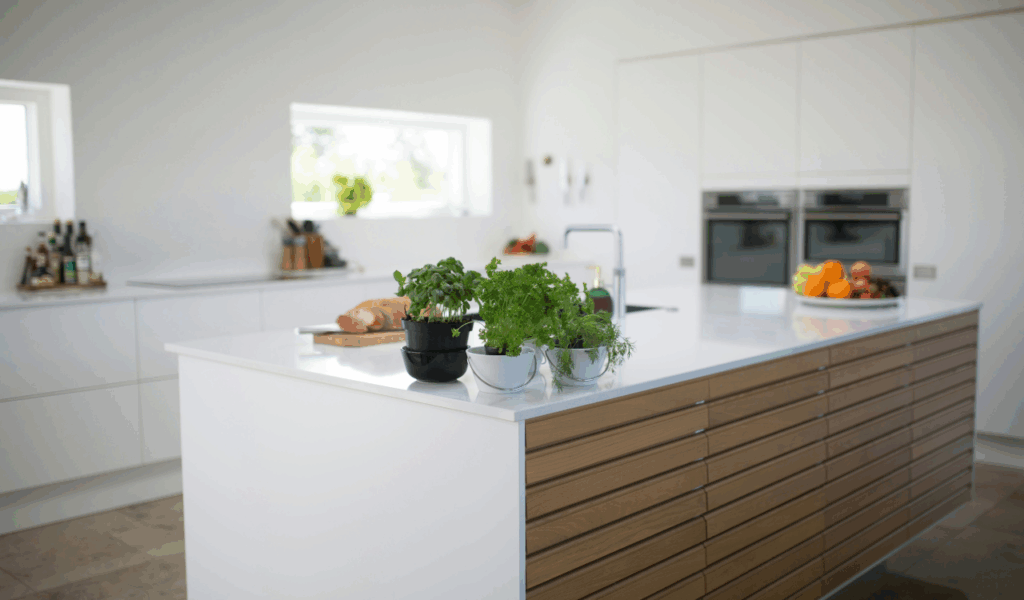
The open-concept layout is still popular because it maximizes the sense of space and promotes social interaction. In order to facilitate smooth interaction during daily activities, partitions between the kitchen, dining room, and living area have been removed. For families who prefer community living, the designers suggest this layout since it allows the “chef” to maintain interaction with visitors or kids.
According to experts, an open floor plan’s abundance of shared light greatly improves the home’s general atmosphere and vitality. Interior designers claim that the utilization of “visual zones” produced by lighting and furniture is essential to creating a cozy open-concept area.
Large spaces can appear crowded or unorganized if there are no defined boundaries, according to contractors. Experts find that defining functions while preserving the airy sense can be achieved by utilizing a kitchen island as a transition point or by placing an area rug beneath the dining table. The home feels both spacious and cozy because to this zoning practice, which strikes the ideal balance for a contemporary, social lifestyle.
2. The Private Primary Suite Wing
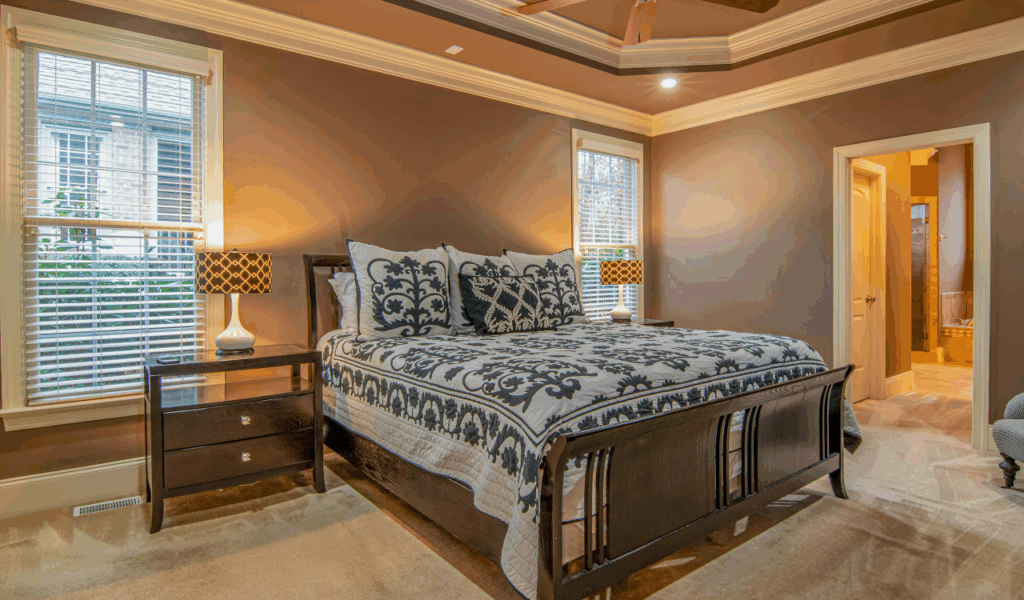
High-end comfort is characterized by a design that divides the main bedroom from the major living areas and subsidiary bedrooms. These “wings” are frequently created by architects to operate as a psychological and physical barrier against the commotion and noise of the rest of the house. For people who value a peaceful sleeping environment and a feeling of personal sanctuary, designers suggest this arrangement. The main suite’s location at the end of a peaceful hallway naturally promotes relaxation and a slower pace.
According to experts, adding a separate changing area or a tiny seating nook to the suite adds to its “resort-like” atmosphere. Realtors claim that because of their practical zoning and solitude, homes with separate bedroom wings are highly prized. Soundproofing the walls between the suite and the communal rooms is a crucial step in this plan, according to professional builders. This design decision guarantees that there is always a peaceful haven for self-care and relaxation, even in a busy home.
3. The Central Courtyard Layout
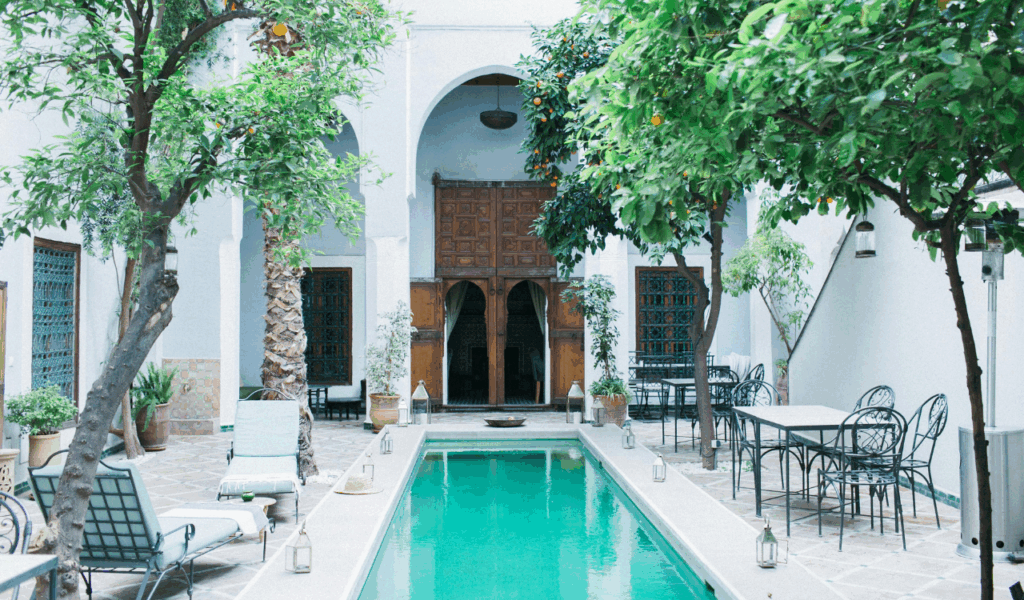
The atrium style, often known as the central courtyard layout, is an old architectural tradition that is becoming more popular in contemporary ecological design. By arranging the house around an outdoor area, each room has direct access to natural flora and fresh air. This layout’s special ability to bring the “outside in” while preserving complete privacy from the street is why designers suggest it.
A courtyard serves as both a visual anchor for the entire house and a natural cooling system, according to experts. The courtyard functions as a “private sky” that offers a secure outdoor space for play or relaxation, according to landscapers and architects. The visible link to nature from several rooms, according to experts, lowers stress and fosters a sense of calm that a typical backyard cannot match.
According to contractors, the distinction between the inside and the courtyard can be entirely eliminated by utilizing huge glass sliding doors. For people who like a safe, peaceful environment where they may sense a connection to the natural world, this arrangement is perfect.
4. The Functional Mudroom Transition
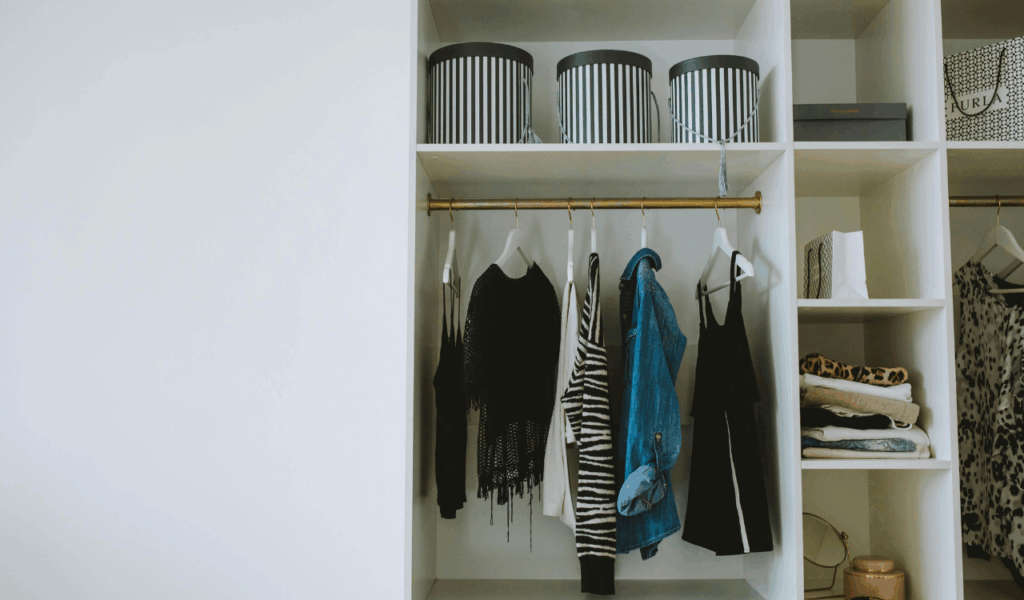
To ensure comfort and order, a home’s plan must incorporate a mudroom, or designated transition space, between the outside and the inside. To act as a filter for the remainder of the house, architects frequently position these areas close to the garage or back entrance. A well-designed mudroom, according to organizers, keeps shoe, coat, and bag “clutter creep” from encroaching on the main living spaces. According to experts, setting aside a specific area for “outside things” keeps the house tidy and promotes mental calm.
Interior designers say a cozy mudroom should have a seat to rest on, lots of hooks, and separate compartments for each member of the family. In this high-traffic area, designers advise utilizing flooring that is long-lasting and easy to maintain, such as slate or tile. According to experts, a functional entrance sequence minimizes the morning “scramble” by centralizing all necessary items in a consistent area. This arrangement guarantees that the home’s interior sanctuary continues to be a place of complete relaxation and artistic harmony by controlling the cacophony of transitions.
5. The Split-Level Zone Layout
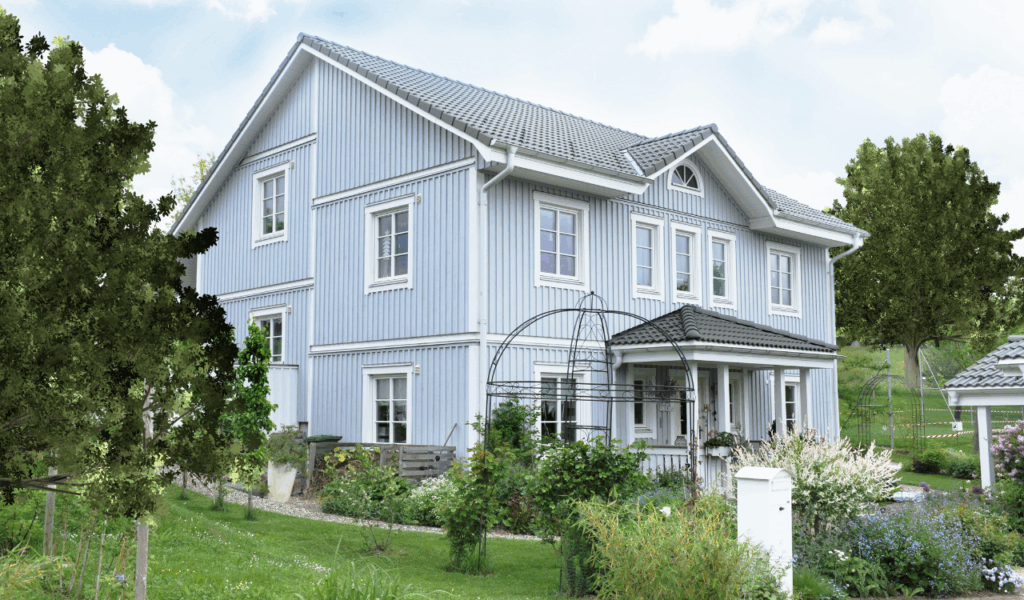
A innovative technique to create separate functioning zones without the need for long hallways or large footprints is to use a split-level architecture. This layout divides the “quiet” areas, such as bedrooms or home offices, from the “active” areas, such as the kitchen and living room, by using half flights of stairs. This arrangement is suggested by designers for families who desire a distinct separation of noise or for sloping lands.
According to experts, each level has an own personality due to the vertical displacement, which naturally directs the movement flow. Architects claim that split-levels provide a dynamic sense of light and volume that is frequently absent from conventional two-story residences. According to experts, the short staircases allow family members to be within “earshot” of one another while still maintaining sufficient physical separation for concentrated work or rest.
To create a unified impression, designers advise utilizing the same flooring throughout the levels. Living with multiple generations is made especially comfortable by this arrangement, which permits varying schedules to coexist without seriously upsetting the tranquility of the home.
6. The Galley Kitchen Efficiency Plan
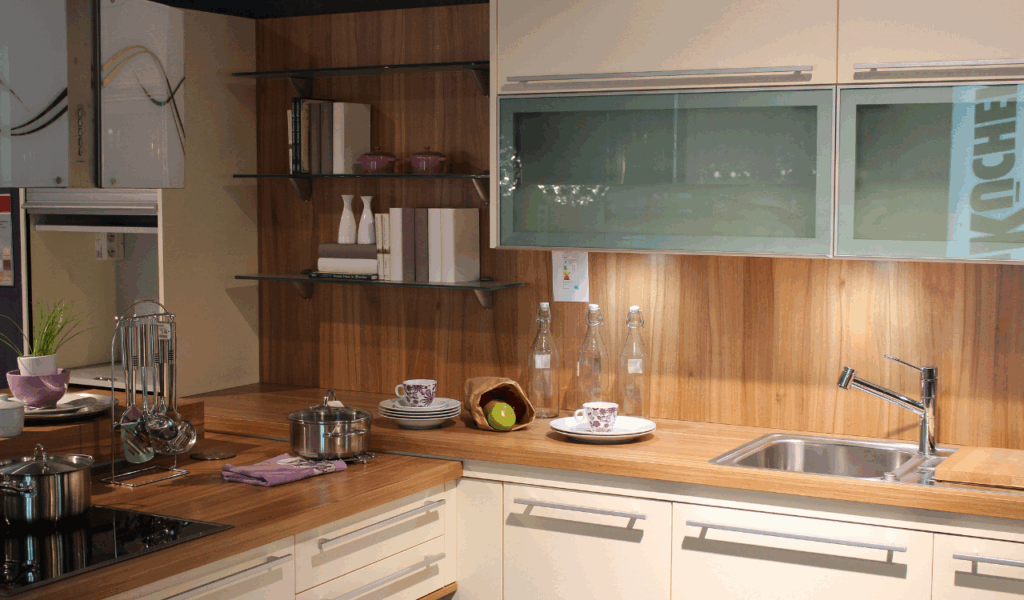
Professional chefs frequently claim the “working galley” plan as the most comfortable and effective for actual cooking, despite the popularity of huge open kitchens. With two parallel counters and a walkway between them, this arrangement makes sure that all of the ingredients and equipment are easily accessible. According to experts, a galley plan is the easiest way to perfect the “work triangle” between the refrigerator, stove, and sink. For homeowners who take their culinary art seriously and desire a focused space, designers suggest this.
Kitchen contractors claim that the galley plan reduces needless steps during meal preparation and maximizes vertical storage. Experts show that by converting one side into a peninsula with bar seating, a galley kitchen can be included into an open plan. To maintain the area seeming open and uncluttered, designers advise utilizing light hues and built-in equipment. By making cooking, the most common domestic chore, a streamlined, ergonomic experience that seems straightforward and professional, this arrangement makes daily living easier.
7. The Integrated Indoor-Outdoor Flow
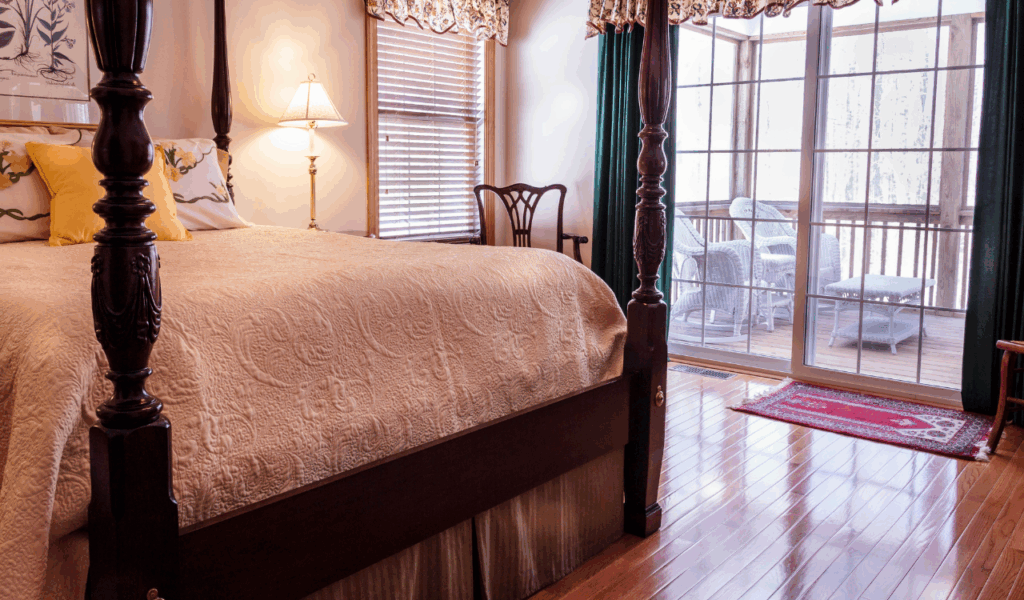
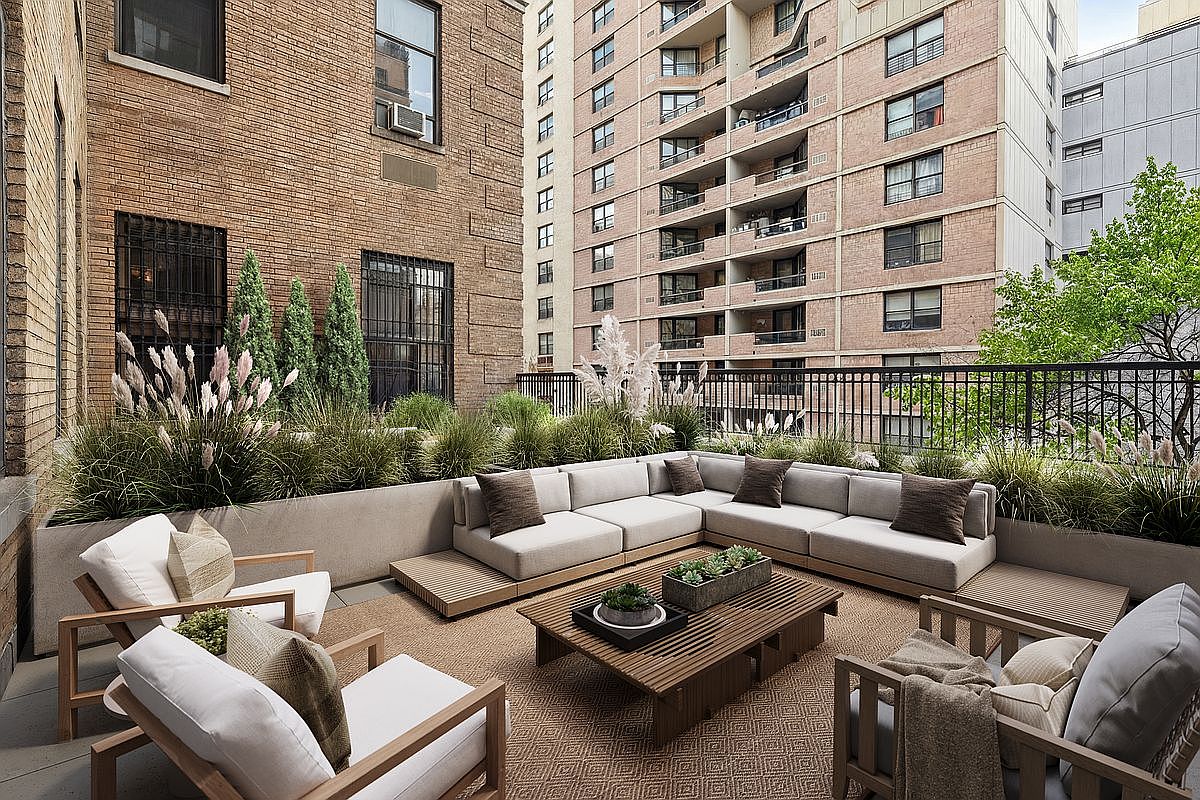
One of the best methods to increase living space and improve comfort is with a layout that highlights a smooth transition to the outside. Architects accomplish this by utilizing “pocket doors” or glass walls that extend from floor to ceiling and lead to a patio, terrace, or deck. To create a fully cohesive space, designers advise that the outdoor flooring be at the same level as the indoor floor.
According to experts, this design promotes “alfresco living,” which has several positive effects on both mental and physical health. An integrated outside space successfully creates a “seasonal room” in the house, according to real estate agents and landscapers.
Experts say that the additional light and the sound of birds or water features outside provide a soothing background for living inside. To strengthen the link, designers advise utilizing comparable materials and color schemes indoors and out. This arrangement is perfect for hosting guests and for people who prefer to feel “unbound” by conventional walls and enclosed spaces.
8. The Circular Flow Circuit
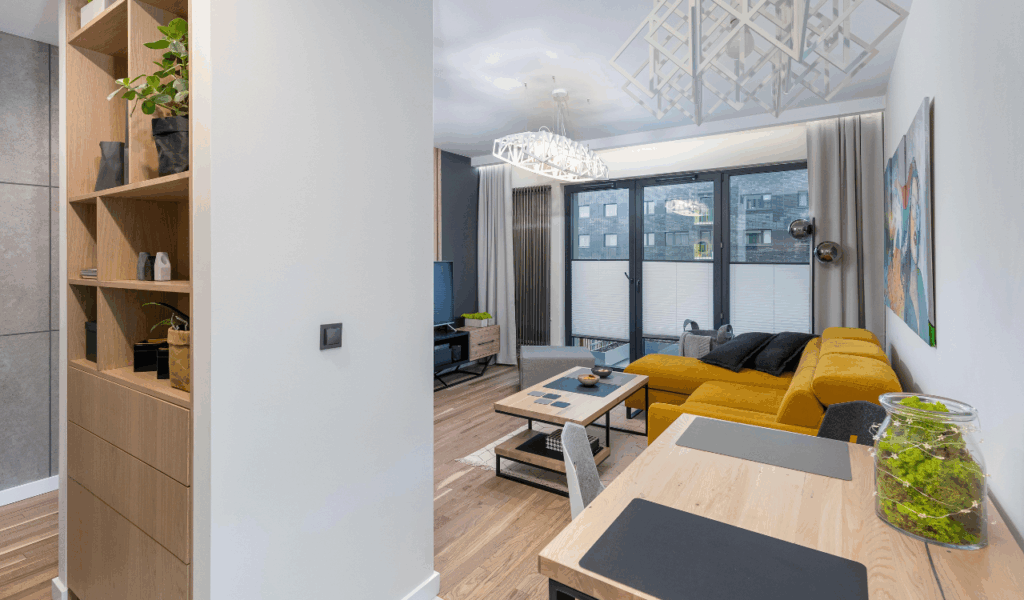
By making sure that the majority of the main areas are connected in a circle, the “circular flow” layout helps to prevent dead-end rooms. This idea is frequently applied by architects to avoid traffic bottlenecks in the house and to create a more comprehensible floor layout. This is advised by designers for families with kids since it facilitates “continuous play” and convenient mobility during hectic periods. Because the eye is always pulled to the next room or light source, experts claim that a circular arrangement makes a house feel larger.
The kitchen or a central staircase can be positioned as a hub around which other rooms revolve, according to interior designers, to create circular flow. Experts report that this arrangement promotes inquiry and learning in the house, transforming it from a collection of boxes into a flowing space. To preserve mobility, designers advise keeping the walkways open and free of furniture. Because it eliminates the annoyance of “backtracking” and permits a smooth, organic flow through life, this strategy is incredibly comfortable.
9. The Dual-Purpose Home Office Niche
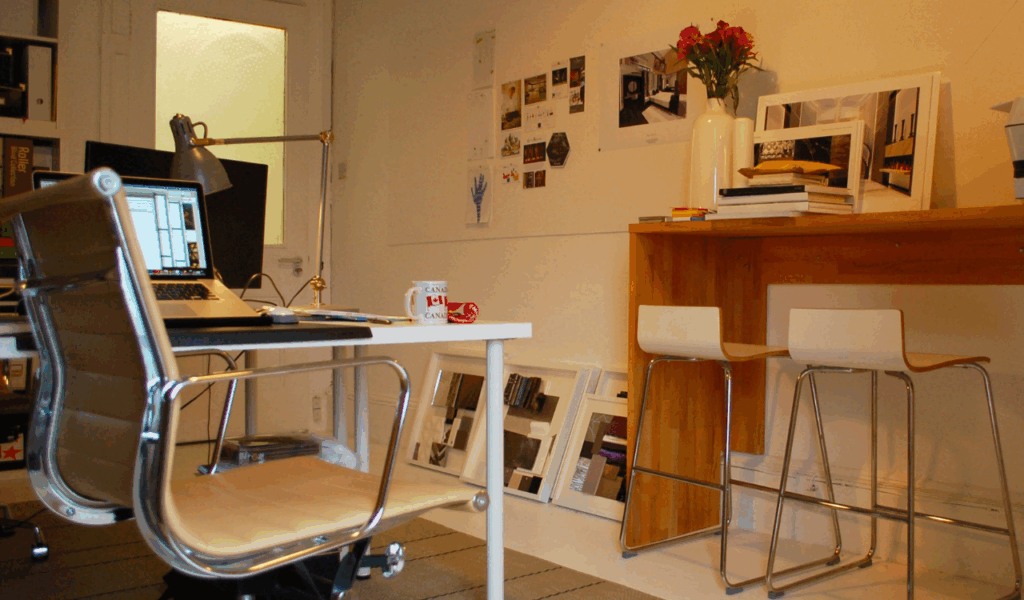
A design that offers a specific, peaceful area for work is crucial for home comfort in the age of remote work. More and more architects are creating “office niches” or “cloffices” (closet offices) that are hidden away from the main areas with plenty of traffic. Instead of working from the couch or the dining table, designers advise using these compact, concentrated spaces.
Having a distinct physical limit for work, according to experts, enables you to “shut the door” on your career at the end of the day. Even a little space at the end of a long hallway or beneath a stairway may be converted into a useful office, according to organizers and contractors.
Experts say that the two most crucial components of a pleasant workstation are ergonomic furniture and adequate task lighting. Built-in shelving is advised by designers to maintain a clear and orderly surface space. By dividing the “mental modes” of work and rest, this arrangement makes life easier while maintaining a designated area for family time and relaxation in the remaining parts of the house.