10 Decorating Habits That Simplify Everyday Living
A thoughtful approach to how items occupy space is necessary to create a home that serves as a haven; it goes beyond just visual appeal. It is common knowledge among interior designers that the most successful homes are those in which everyday routines are woven into decorating habits, making upkeep seem natural rather than laborious. When a living area is designed with simplicity in mind, it eases the residents’ mental burden and lets them concentrate on living rather than organizing their possessions. “Functional beauty” is supreme in contemporary home design, according to expert organizers.
A fundamental change in our perception of decor is the first step towards a simpler living, according to top house stylists. Decorations should be viewed as active participants in our everyday flow rather than as static adornment.
By forming certain routines, like selecting furniture with multiple uses or giving priority to empty space, homeowners can get rid of the conflict that frequently arises from a disorganized place. Experts find that a simple home design actively fosters improved mental health and greater productivity for all occupants, in addition to improving appearance.
1. Prioritizing Closed Storage Solutions
The preference for closed storage over open shelves is one of the best practices for keeping a calm house. Although open racks can appear lovely in magazines, expert organizers suggest that in everyday situations, they frequently attract dust and visual clutter. Designers advise spending money on closets, cabinets, and sideboards of superior quality so you can store commonplace stuff. This practice guarantees that the “visual noise” of mismatched objects is totally eliminated, resulting in a more harmonious and peaceful environment.
For busy families, locked storage serves as a safety net, according to interior designers. According to experts, a “ten-minute tidy” that truly works is made possible by assigning everything from electronics to art supplies to a specific, concealed location. You can quickly restore the room’s aesthetic integrity by just placing items behind a door rather than having to carefully arrange every item on a shelf. Because the outside is always neat and consistent regardless of what is going on inside, this practice makes life easier by lowering the need for constant perfection in organizing.
2. Implementing the One-In, One-Out Rule
The “one-in, one-out” rule for all ornamental objects is a fundamental practice for a minimalist home. Home stagers and professional flippers report that the gradual accumulation of modest items over time, rather than a single huge purchase, is often the source of tight rooms. You can maintain a “static volume” of decor by resolving to take out an old item each time a new one is added.
By doing this, the slow accumulation of clutter that may make a house feel cramped and challenging to clean is avoided. This practice, according to organizers, compels a greater degree of intentionality when purchasing.
You must determine which of your current items no longer meets your functional or aesthetic demands before investing in a new vase or throw cushion. According to experts, this approach guarantees that your home is free of a variety of “impulse buys” from various eras and only includes things you genuinely love or find helpful. Because there are fewer things to move, this habit improves your own style over time and speeds up daily cleaning considerably.
3. Choosing Performance Fabrics for Longevity
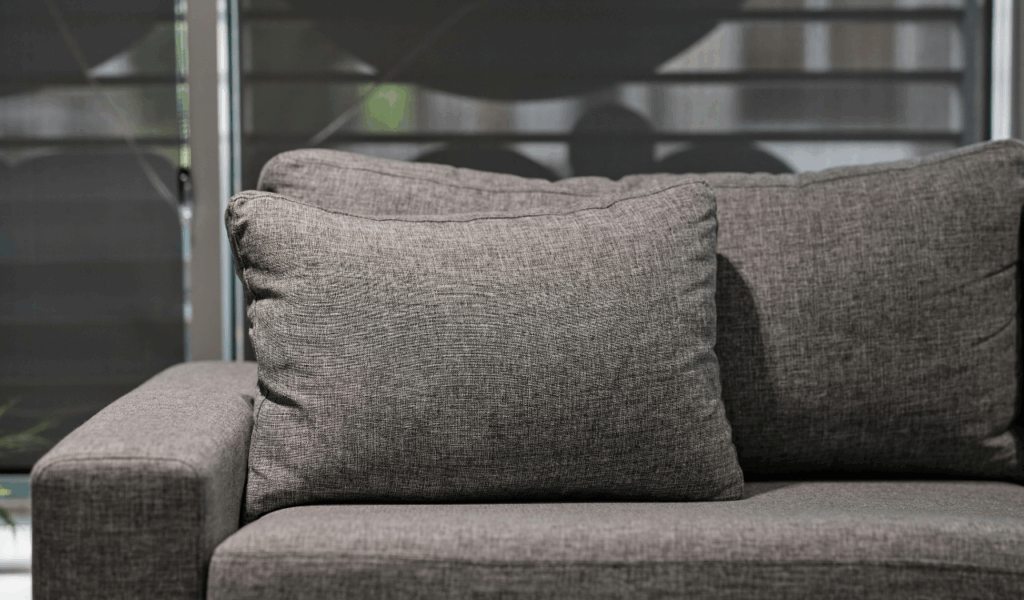
The selection of textiles is a decorating habit that can significantly simplify life for people who live in busy households. Performance fabrics that are impervious to spills, stains, and pet hair are advised by interior designers. According to experts, one of the main causes of everyday stress can be the fear of “ruining” a lovely piece of furniture. Choosing long-lasting fabrics such as microfibers, treated linens, or luxury synthetics eliminates the need for frequent attention to detail and specific cleaning procedures.
The practice of verifying material compositions and rub counts prior to purchase is crucial, according to contractors and renovators. A simplified existence, according to experts, is one in which you do not have to freak out if your pet jumps on the couch or a glass of juice falls. According to designers, if you choose high-quality textiles over bulky ones, your house will seem “new” for a lot longer with less work. Because of this practice, the emphasis is shifted from “protecting the decor” to “living in the space,” which is the real meaning of a reduced home environment.
4. Embracing the Power of Negative Space
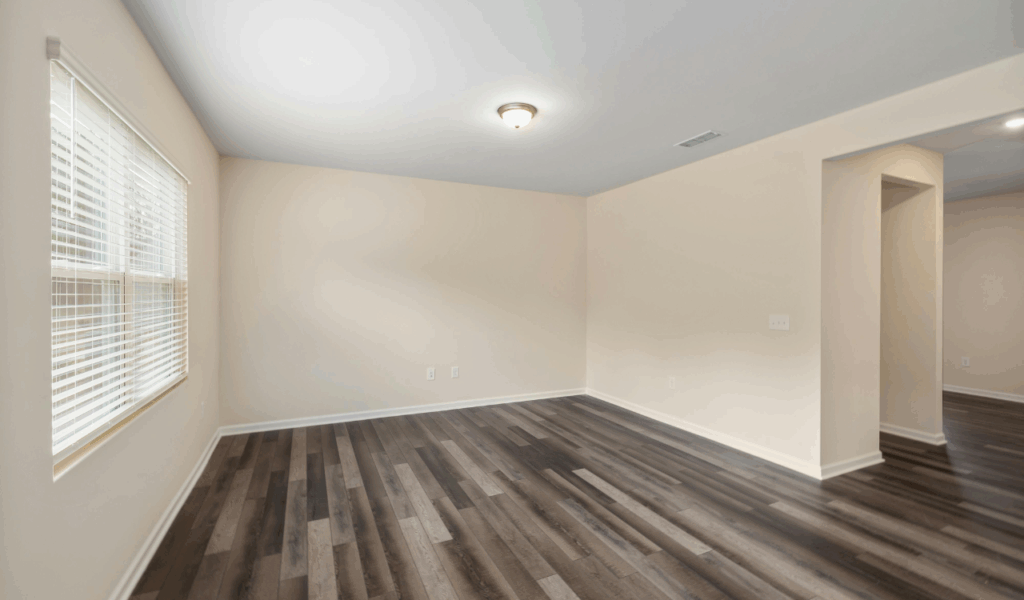
The temptation to cover every blank wall or empty corner is a common error made by many homeowners. The most advanced and manageable homes, according to experts, are those that purposefully leave “breathing room.” Instead of seeing empty space as a gap that needs to be filled, this decorating habit sees it as a design element in and of itself. To give the eyes a visual break, designers advise that each busy section of a room should have an equal amount of negative space.
Interior designers and psychologists claim that negative space makes a space feel larger and less stressful. There are less things to dust and maintain when there are fewer items on the walls and floor, according to professional organizers.
You can make the items you do own stand out and be appreciated by avoiding the tendency to overdecorate. The “less is more” principle is the foundation of a streamlined home, where light and architecture are allowed to shine without being overshadowed by extraneous clutter.
5. Integrating Hidden Charging Stations
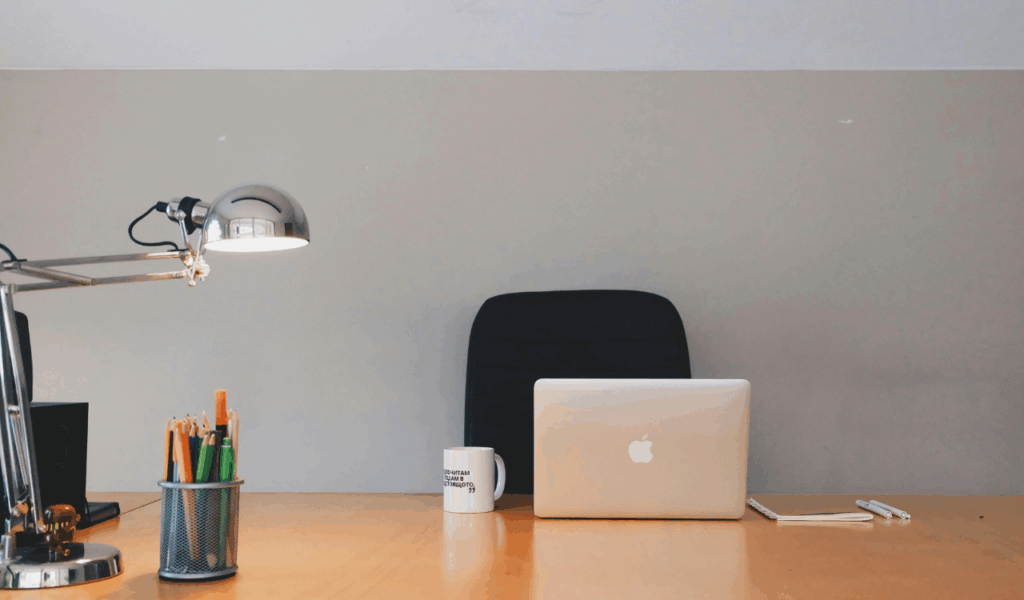
The tangle of charging cords is a major source of both functional and cosmetic clutter in our modern society. Integrating hidden tech hubs is a crucial decorating habit for a simpler lifestyle. In order to store phones, tablets, and laptops while they charge, contractors advise converting drawers or cabinet shelves with integrated power strips. According to experts, a home immediately feels more planned and organized when these “tech nests” are removed from obvious areas like nightstands or kitchen countertops.
Interior designers claim that a dedicated charging drawer protects pricey equipment secure from spills and eliminates the everyday hassle of looking for misplaced connections. Designers advise using elegant cable boxes to conceal essential connections or selecting furniture with “cord management” capabilities. This practice guarantees that your house does not appear to be a computer lab even when it is completely connected. Tucking the electronics away makes the space calmer and allows for a mental “unplugging” at the end of a demanding workday.
6. Curating a Neutral Foundation
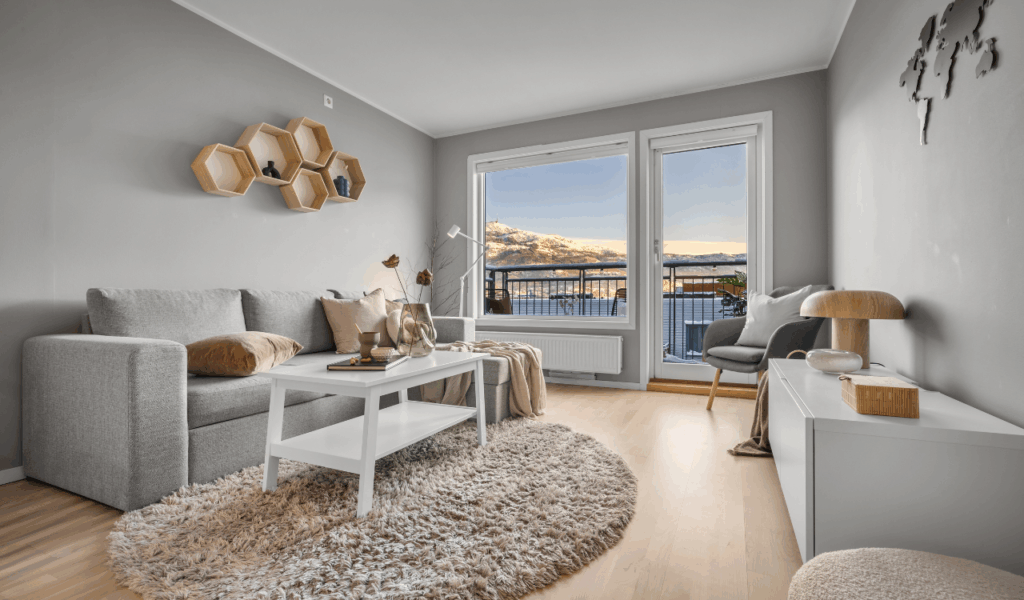
Creating a neutral color scheme for your house is a habit that makes decorating and everyday upkeep easier. For large-scale pieces like walls, couches, and rugs, designers advise utilizing whites, beiges, and gentle grays. According to experts, a neutral foundation creates a unified style that can be easily updated with seasonal accessories without needing a complete makeover. The burden of “color matching” is removed by this practice, which also guarantees that the house is constantly clean, light, and airy.
Realtors claim that during stressful times, a neutral home appears larger and more aesthetically pleasing. According to experts, neutral hues are less likely to exhibit mild deterioration than bright or dark hues, which could accentuate or fade dust.
To keep the room from seeming chilly, designers advise incorporating texture with natural textiles, stone, and wood. This practice saves you the trouble of constantly renovating when trends unavoidably shift by producing a classic look that never goes out of style.
7. Using Trays to Categorize Surfaces
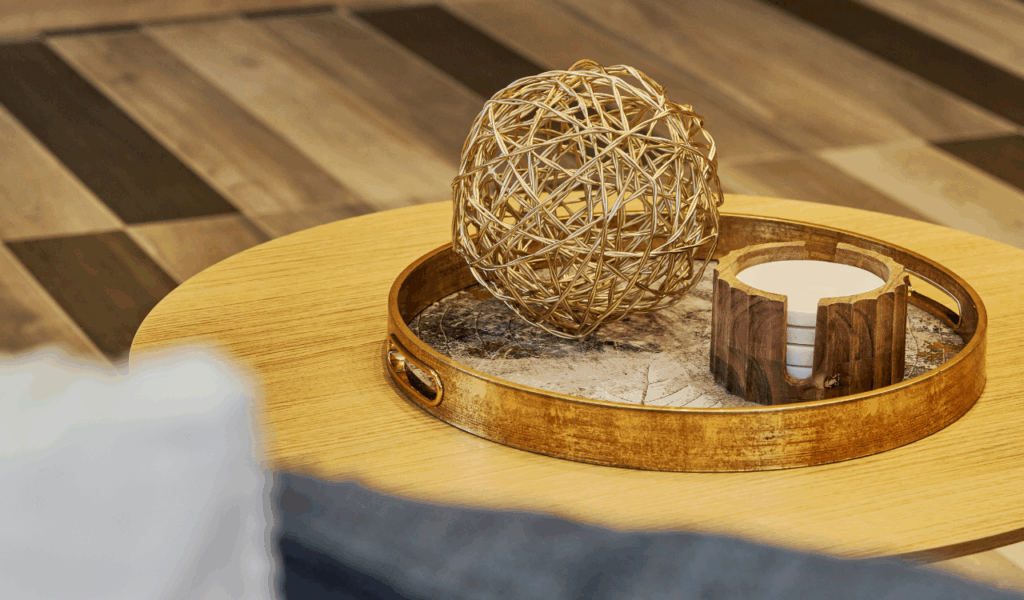
Using trays to “corral” smaller items on flat surfaces is a straightforward yet incredibly effective decorating habit. Trays give items a distinct border whether they are placed on a coffee table, kitchen counter, or bathroom vanity. The brain interprets objects arranged on a tray as a unified entity rather than as a collection of disparate pieces of clutter, according to organizers. Professional interior photographers and home stagers love this visual “grouping” technique.
Trays, according to experts, also greatly simplify the utilitarian parts of daily life. Instead of shifting each item separately, designers say it is easy to raise the entire tray to clean the surface underneath. This practice is especially helpful for products like skincare products, remote controls, and salt and pepper shakers. By establishing these “micro-zones,” you stop clutter from spreading over the entire surface and make sure that your house stays neat during the hectic workweek with little effort.
8. Opting for Multi-Functional Furniture
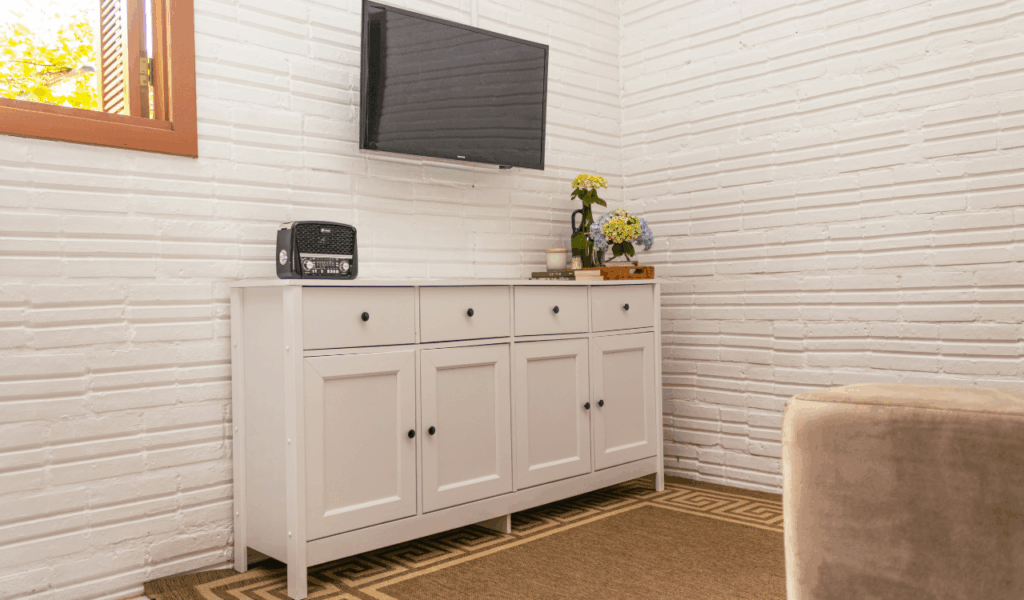
For simpler living, the practice of choosing furniture with two or more uses is revolutionary. Designers suggest items like nested tables, ottomans with concealed storage, and guest beds with drawers underneath. According to experts, multipurpose furniture lets you keep the functionality of a larger house in a smaller space. This practice lowers the overall quantity of furniture required in an area, making it easier to move around and maintain.
Contractors claim that multipurpose components are particularly useful in mudrooms and foyers. According to experts, “hallway creep,” in which shoes and bags progressively occupy the walkway, can be avoided with a seat that has shoe storage underneath.
Designers advise searching for “smart” furniture—like a dining table that can be used as a workspace—that can be modified to suit various purposes. By removing unused space and lowering the total number of things you have to handle, this practice makes sure that every square inch of your house is working for you.
9. Streamlining Window Treatments
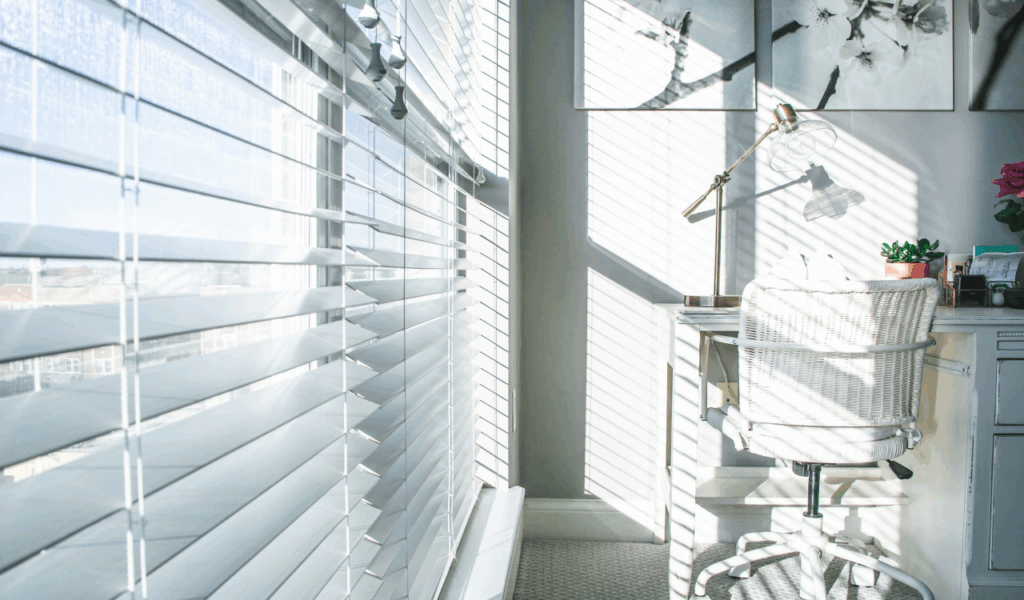
Heavy drapes and intricate curtains can be dust-collecting and require expert cleaning, making them expensive maintenance. A simple decorating habit is the adoption of streamlined window treatments, such as high-quality shutters, Roman blinds, or roller shades. These choices are suggested by designers due to their clean, architectural appearance and ease of use and maintenance. Motorized shades, according to experts, are an even better investment for people who want to make their regular morning and nighttime rituals easier.
Simple window treatments, according to interior designers, let more natural light into the house, which has been linked to increased productivity and happiness. Experts say light-filtering blinds offer solitude without feeling “heavy” like traditional fabric drapes. Choosing materials that are easy to vacuum or wash clean is advised by designers. This practice not only updates the appearance of your house but also eliminates one of the most tiresome cleaning chores from your seasonal to-do list, resulting in a healthier atmosphere.
10. Designing for a “Drop Zone” Entryway

The entrance door is where the most crucial decorating habit for avoiding everyday mess occurs. Professional organizers and architects strongly advise creating a “drop zone” as a tactic. There should be mail trays, hooks for bags, and a special place for keys in this section. According to experts, the majority of household clutter originates at the entrance; if objects do not have a place to settle right away, they move to the dining table or kitchen island, producing a “clutter waterfall” effect.
A well-designed doorway serves as a filter for the remainder of the house, according to designers. Experts find that having a designated “outbox” in this section for things that must leave the house, such as returns or library books, makes running errands easier and helps to avoid missed chores.
According to organizers, a slender ledge and a few wall-mounted hooks can fit in even the smallest flat. This practice guarantees a smooth transition between your home and the outside world, maintaining the clarity and tranquility of the remainder of your living area.