10 Restaurants Known for Staying Consistent Over Time
Not just one exceptional moment is what distinguishes a genuinely great dining place; it is the consistent ability to provide the same superior experience day after day, decade after decade. Maintaining consistency is often cited by culinary professionals as possibly the most challenging task in the hospitality sector since it calls for strict discipline, a strong sense of tradition, and a firm grasp of supply chains.
A restaurant is transformed from a simple dining establishment into a cultural institution that generations can depend on for comfort and quality when it keeps its cuisine, service, and ambience consistent for more than 50 years. Experienced chefs and restaurant critics claim that “institutional memory,” where staff members operate with military-like precision and recipes are revered as holy books, is the foundation of consistency.
These eleven eateries have perfected the “steady hand,” guaranteeing that a customer today will savor the same subtleties in their meal as their parents did four decades ago. From the busy kitchens of old European towns to the fragrant street-side icons of Asia, these locations demonstrate that genuine excellence endures forever, even as culinary fads come and go.
1. Figlmüller, Vienna
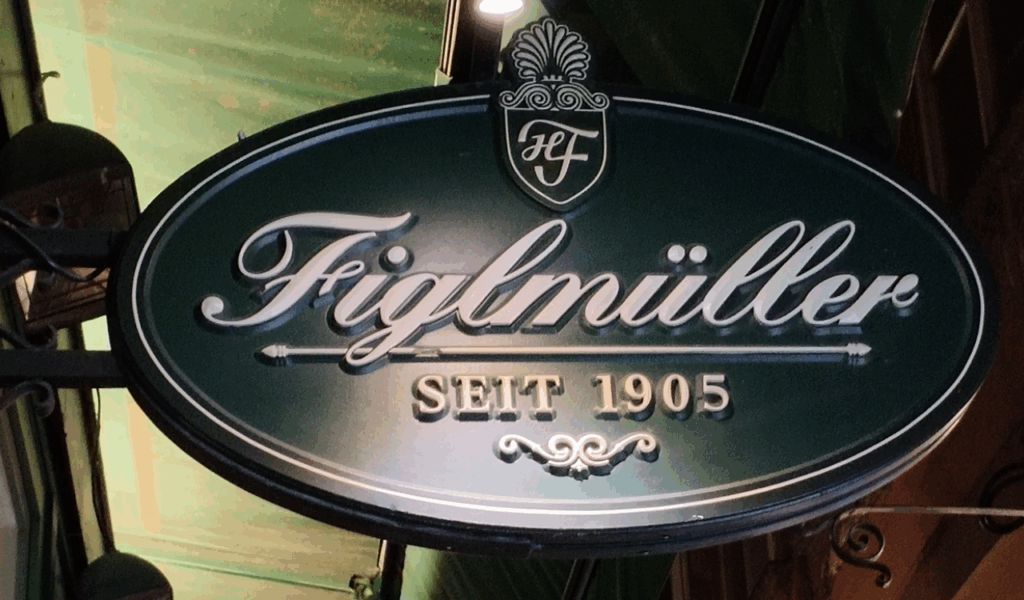
Since 1905, Figlmüller has been the undisputed origin of the schnitzel, upholding a standard of excellence that has come to represent the pinnacle of Austrian cooking. The restaurant’s reputation stems from its insistence on sticking to a certain, time-consuming cooking method that entails crushing the pork to an exact thinness, according to culinary historians. Because of this commitment, each plate is delivered with the same lightness and crispiness as it was more than a century ago.
Since they avoid the “menu bloat” that frequently lowers quality in newer enterprises, experts believe that their hyper-focus on a single, traditional dish is the key to their longevity. This is because it prevents them from going out of business. Through the use of beef that has been sourced from the same local suppliers for decades and the implementation of a unique breading procedure, they have produced a flavor profile that cannot be replicated. Despite the fact that the world of cuisine is always changing, the experience continues to serve as a reliable reminder of tradition for travelers who are in Vienna.
2. L’Antica Pizzeria da Michele, Naples
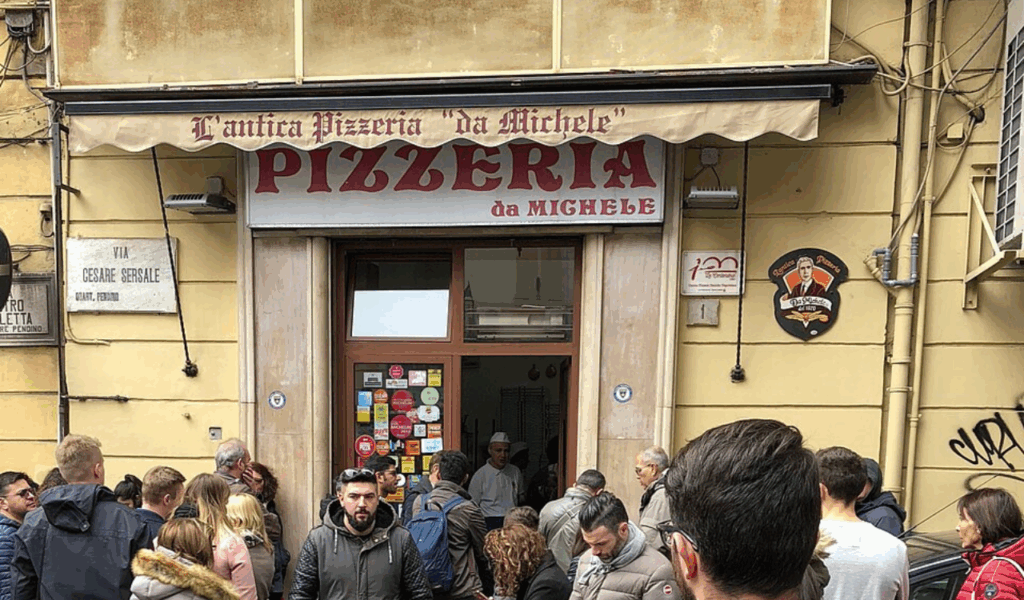
Famously, this iconic Neapolitan restaurant has only offered two varieties of pizza since 1870: margherita and marinara. Since there is nowhere to conceal errors in dough fermentation or ingredient quality, expert pizza makers disclose that having such a small menu is the ultimate test of consistency.
Locally grown San Marzano tomatoes and wood-fired oven methods that have distinguished the brand for five generations are still used at the restaurant. The space’s “no-frills” ambiance, which has mostly remained the same in order to maintain the cuisine as the primary draw, is something that designers and architects usually find appealing.
They believe that the restaurant’s operational skill enables it to accommodate enormous daily crowds without compromising the creaminess of the mozzarella or the char of the crust. This is according to those who are closely involved in the industry. Additionally, it continues to be a destination for those individuals who are looking for pizza in its most genuine form.
3. Hofbräuhaus München, Munich
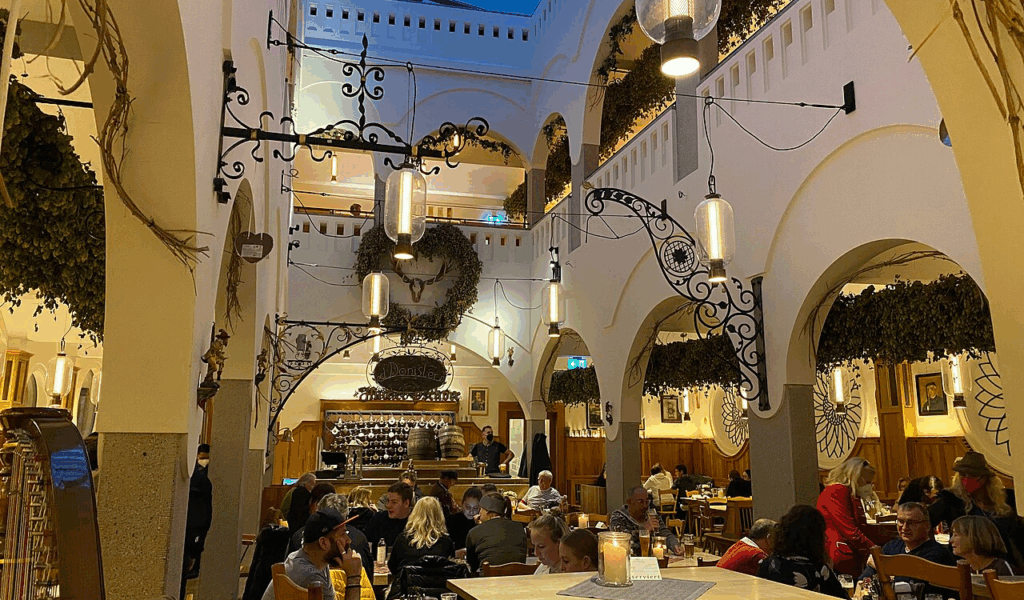
The Hofbräuhaus has been in operation since 1589, and it is more than just a beer hall; it is a foundational institution of Bavarian culture. Local culinary critics emphasize that the restaurant upholds a stringent level for its traditional dishes, particularly the Schweinshaxe (pork knuckle), despite the fact that it feeds thousands of tourists on a daily basis. Their recipe for slow-roasted, crackling skin has remained mostly unchanged throughout the years, and it has become an indispensable component of the city’s traditional cuisine.
Analysts in the hospitality industry claim that the restaurant manages its large scale through a combination of modern logistics and the more traditional method of apprenticeship. Experts believe that this consistency is maintained by the “Stammtisch” culture, which translates to “regulars’ table.” In this culture, local customers would soon notice and protest to any reduction in the quality of the sourdough pretzels or beer. The social agreement that exists between the kitchen and its most committed customers ensures that the standards are always upheld at all times.
4. Peter Cat, Kolkata
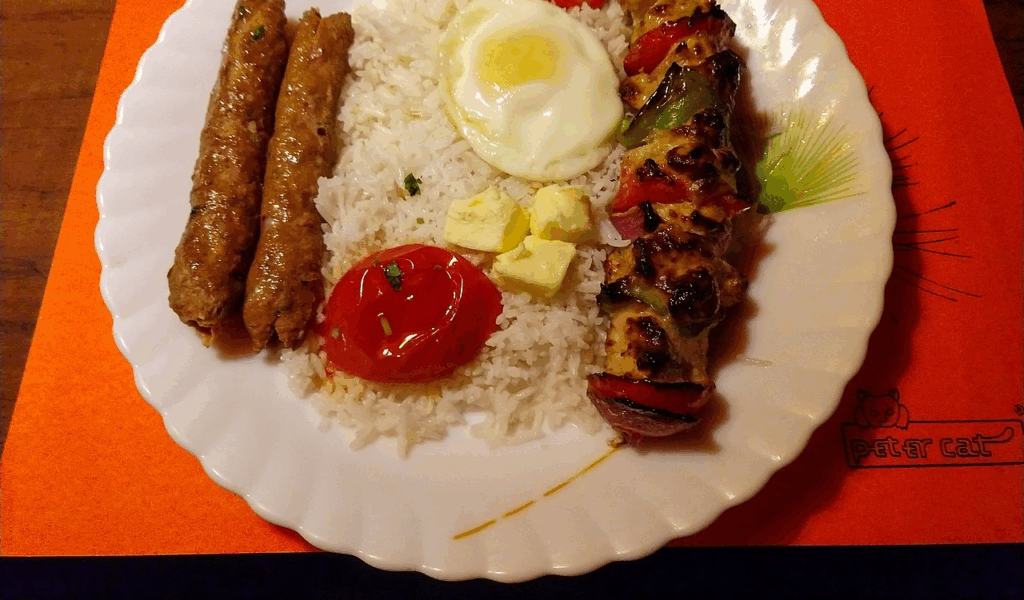
Due mostly to its famous Chelo Kebab, Peter Cat, which was founded in 1975 on the famous Park Street, has become a legend in the Indian food industry. In “signature dish marketing,” where a single dish is so consistently excellent that it keeps the restaurant afloat for decades, chefs frequently use the restaurant as a case study. Since its debut, the combination of buttered rice, minced beef, and a poached egg has maintained its flavor and appearance.
It is generally agreed upon by both long-term patrons and culinary critics that the restaurant’s atmosphere, which is characterized by its dim lighting and distinctive uniforms, creates a nostalgic sanctuary that results in a more pleasurable dining experience.
The active involvement of the owner and the owner’s reluctance to aggressively franchise the brand have been vital in sustaining the distinctive nature of the brand, according to experts. The consistent foundation of reliability that Peter Cat continues to provide in a city that is well-known for its competitive culinary scene still exists today.
5. Paragon, Kozhikode
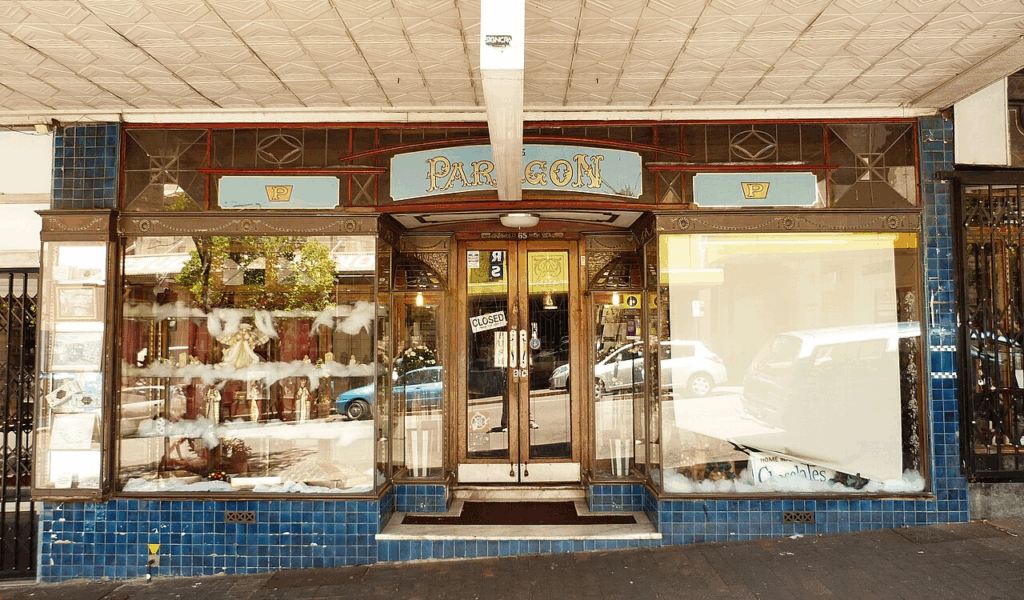
Paragon, which has been an icon of Malabar cuisine ever since it opened its doors in 1939, is frequently ranked among the most recognized restaurants in the world. Its biryani is regularly praised by culinary professionals as a masterwork of texture and spice balance, which is made possible by the traditional cooking techniques used in Dum cuisine. Over the period of eight decades, the primary tastes at the Kozhikode branch that was initially established have stayed quite stable, despite the fact that the business has spread to many different locations.
A rigorous devotion to acquiring geographically distinct rice and spice variants is the secret to Paragon’s success, according to the chefs who are among the most knowledgeable in the industry. According to those who keep an eye on the restaurant industry, the establishment has done a good job of bridging the gap between a highly professionalized cooking operation and a “family-run” atmosphere. This ensures that the final plate of the evening tastes exactly the same as the first, despite the fact that they serve thousands of meals each and every day.
6. The French Laundry, Yountville

While many of the world’s top restaurants are constantly reinventing themselves, Thomas Keller’s The French Laundry is recognized for its painstaking dedication to a certain style of American-French fine dining. In contrast, many of the best restaurants in the world are constantly reinventing themselves. The dish known as “Oysters and Pearls” has been a staple on the menu since the year 1994, which is a clear indication of the restaurant’s unwavering commitment to a certain culinary philosophy.
It is the careful “miso en place” ethos of the restaurant, which is so meticulous that it borders on obsessive, that experts believe is the explanation for the restaurant’s dependability. According to seasoned kitchen experts, the restaurant is a high-performance laboratory since every activity in the establishment is coordinated to eliminate variability. It is recommended by designers that the restaurant’s garden-to-table integration be examined as the best example of quality control.
This is due to the fact that the kitchen has direct control over its primary ingredients. The restaurant is able to maintain its three Michelin stars year after year as a result of the degree of vertical integration that operates within the establishment.
7. Wiltons, London

Due to the fact that it has been serving game, wild tall-shored fish, and oysters since the year 1742, Wiltons is considered to be one of the oldest and most reputable dining rooms in the United Kingdom. Foragers and fishmongers who are experts in the field have revealed that the continued existence of Wiltons is dependent on the company’s established links with specific British regions and coastal suppliers. The menu’s consistent commitment to the changing of the seasons provides a great deal of solace to the establishment’s high-profile clientele.
Etiquette experts assert that Wiltons’ “service style” is just as dependable as the restaurant’s cuisine, exhibiting a level of professionalism that is both formal and subtle, which has been lost in other places. The restaurant has been able to endure a great deal of turmoil and economic instability because it has managed to preserve its reputation as a protector of the culinary history of the United Kingdom. By avoiding modern gimmicks and putting more of an emphasis on “honest” preparation, it has successfully established itself as a long-term stalwart in London’s West End.
8. St. Peter Stiftskeller, Salzburg
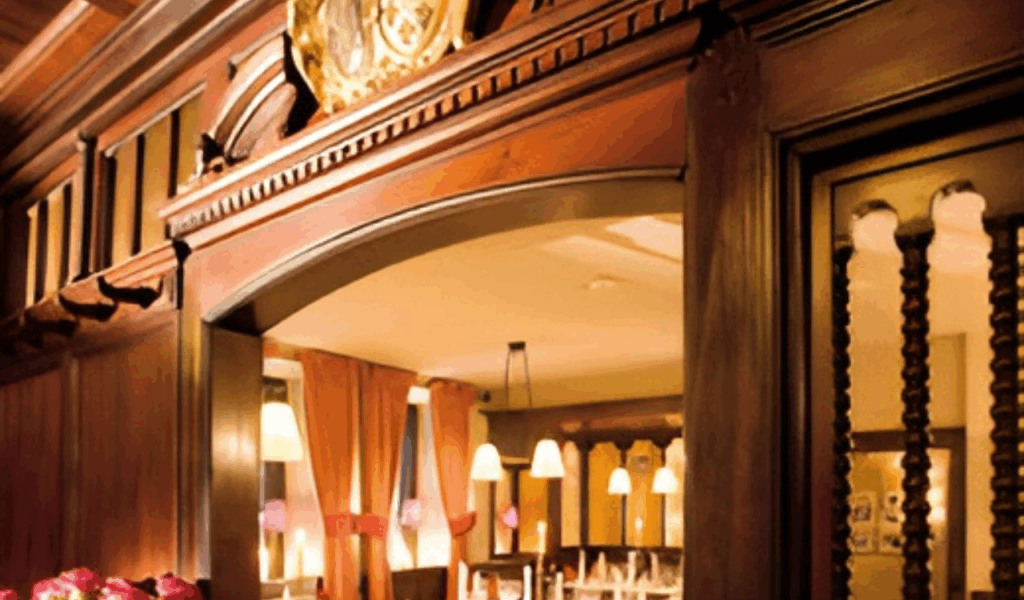
It is quite amazing that St. Peter Stiftskeller, which dates back to 803 AD, is still in business today. It is regarded as the oldest restaurant in Central Europe. The fundamental idea of “monastic hospitality” still forms the basis of the experience, even though the menu has been somewhat updated to suit modern preferences.
According to experts, the restaurant’s distinctive setting inside a monastery contributes to its ageless appeal, discouraging hurried, needless renovations. According to the management of the hospitality department, the restaurant regards each meal as a continuation of its 1,200-year history and uses its historical position as a baseline for quality.
In accordance with the opinions of travel experts, the utilization of regional delicacies, such as Alpine trout and local venison, on a consistent basis ensures that the cuisine remains faithful to its geographical roots. One of the few businesses that, rather than focusing on fiscal quarters, examines “consistency” in the perspective of centuries is this particular corporation.
9. Mavalli Tiffin Rooms (MTR), Bengaluru

MTR has been the authoritative source for South Indian “tiffin” culture since it first opened its doors in 1924. Although MTR’s creation of the Rava Idli during World War II is frequently cited by culinary experts as evidence of their inventiveness, its steadfastness in sticking with the original recipe has solidified their legendary status. Established more than a century ago by its founders, the restaurant continues to operate under a stringent code of ethics and hygiene.
The “MTR experience” is defined by a set order of service that has been a tradition for many generations of diners, according to food historians. Experts believe that the kitchen’s dedication to employing hand-ground spices and fine ghee is what keeps the flavors consistent despite the enormous number of customers who frequent the establishment. One of the most reliable connections to Bengaluru’s illustrious cultural and culinary history may be found in this bustling and technologically advanced city.
10. Eleven Madison Park, New York

Even though Eleven Madison Park has recently made a significant shift to a plant-based menu, many who are knowledgeable about the restaurant industry are in agreement that the restaurant’s “operational consistency” is still its greatest strength. The only reason the move was successful, according to professional restaurateurs, was because the personnel maintained the same rigorous standards of service and flavor development that had been characteristic of the restaurant throughout the previous era.
The extremely high-precision “DNA” of the restaurant was not altered in any way. Critics and designers believe that the Art Deco dining room of the restaurant serves as a repeating background that contributes to the establishment’s image as a New York institution.
The restaurant’s leadership is said to have proved their commitment to quality by ensuring that the establishment was able to retain a world-class level of service despite the significant changes that have taken place. Regardless of whether it offers meat or vegetables, the restaurant continues to be the undisputed leader in establishing the benchmark for what first-rate hospitality should always look and feel like.