8 Restaurants Known More for Consistency Than Flash
The most resilient restaurants in the food industry frequently steer clear of the limelight of viral trends in favor of a far more difficult objective: flawless repetition. Experienced restaurant advisors claim that a truly great restaurant is defined by its capacity to provide the same excellent experience every Tuesday for twenty years, rather than by a single outstanding dinner. Because they eliminate the element of risk associated with eating out, these “consistency-first” establishments end up becoming the pillars of their communities. A kitchen may create a foundation of trust that marketing cannot purchase by prioritizing menu mastery over ongoing innovation.
Expert chefs and reviewers frequently observe that while flash is simple, uniformity requires daily discipline. According to experts, successful restaurants provide a dependable haven for their patrons by mastering the operational “boring” parts, such as the proper seasoning of a signature sauce or the temperature of the plates. These establishments thrive because they offer a sense of security and history in a field characterized by significant turnover and changing tastes. Being the most reliable player in town is the ultimate competitive advantage, as demonstrated by the following eight restaurant categories, which epitomize this idea.
1. The Multi-Generational Steakhouse
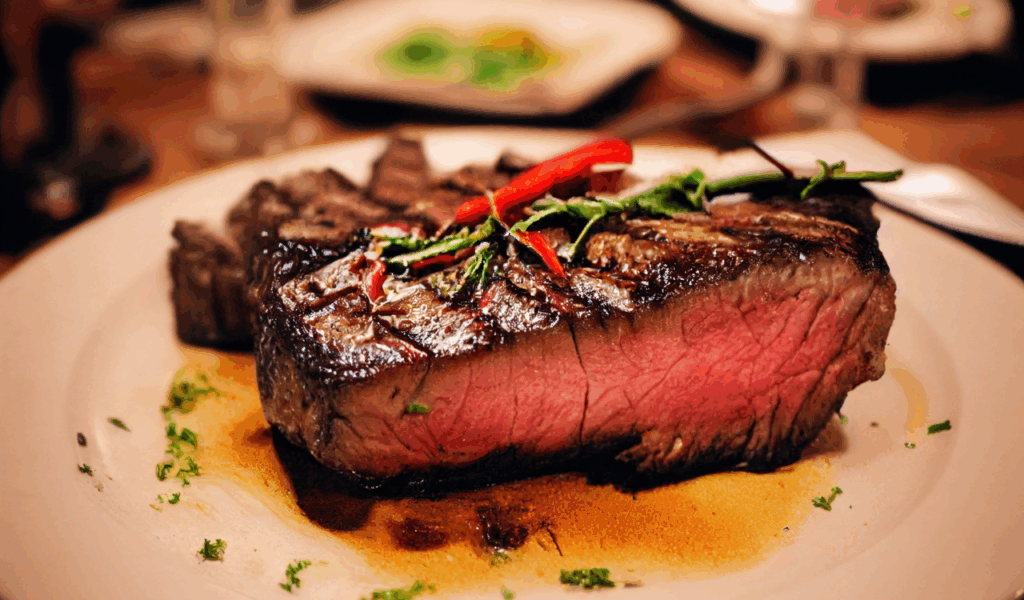
Unquestionably the king of consistency, the traditional steakhouse is the preferred location for graduations, business meetings, and anniversaries. Restaurant critics and real estate agents say that these establishments are successful because they provide a consistent, high-quality experience. They make sure that a ribeye ordered today tastes exactly the same as one ordered ten years ago by maturing its beef in-house and keeping exclusive agreements with particular ranches. They are a mainstay in the local dining scene because of their constant dedication to a particular standard of quality.
Expert chefs disclose that a workforce that views serving as a career rather than a transition is the key to the steakhouse’s longevity. Seeing the same waiter year after year fosters a strong sense of familiarity and trust, according to hospitality experts. Because the steakhouse removes the element of chance, patrons return when the stakes are high and a flawless dinner is unavoidable. These restaurants maintain a steady stream of business by concentrating on a small, well-honed menu and a classic service approach, demonstrating that dependability is the ultimate kind of luxury.
2. The Traditional French Brasserie
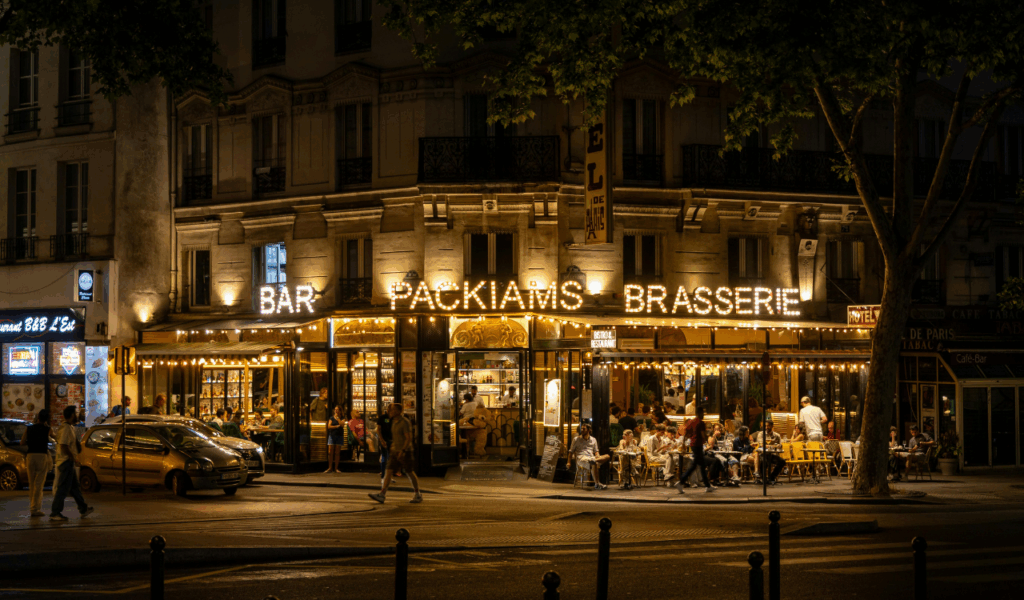
From lunch till late at night, a real French restaurant runs like a well-tuned machine, demonstrating a masterclass in high-volume consistency. Culinary experts claim that these restaurants maintain their popularity by perfecting a core menu of “mother dishes” like as oysters, steak frites, and onion soup. They provide a reassuring consistency that goes beyond food fashion by adhering to traditional methods and trustworthy sourcing. In any big city, a diner can enter a brasserie and know exactly what to anticipate: a busy setting, a spotlessly white tablecloth, and a traditional meal prepared with care.
Large-scale restaurant designers disclose that the brasserie model is based on “honest” food and efficiency. According to experts, these establishments guarantee a constant flow of customers by offering a menu that suits everyone, from lone travelers to big families. Once you have perfected the skill of a silky béarnaise sauce or the ideal omelet, there is no need for flash. The brasserie is a “third space” that belongs to everyone, according to food writers, offering a dependable, superior anchor for the community that is immune to the trendy cafés’ boom-and-bust cycle.
3. The Neighborhood Italian Trattoria
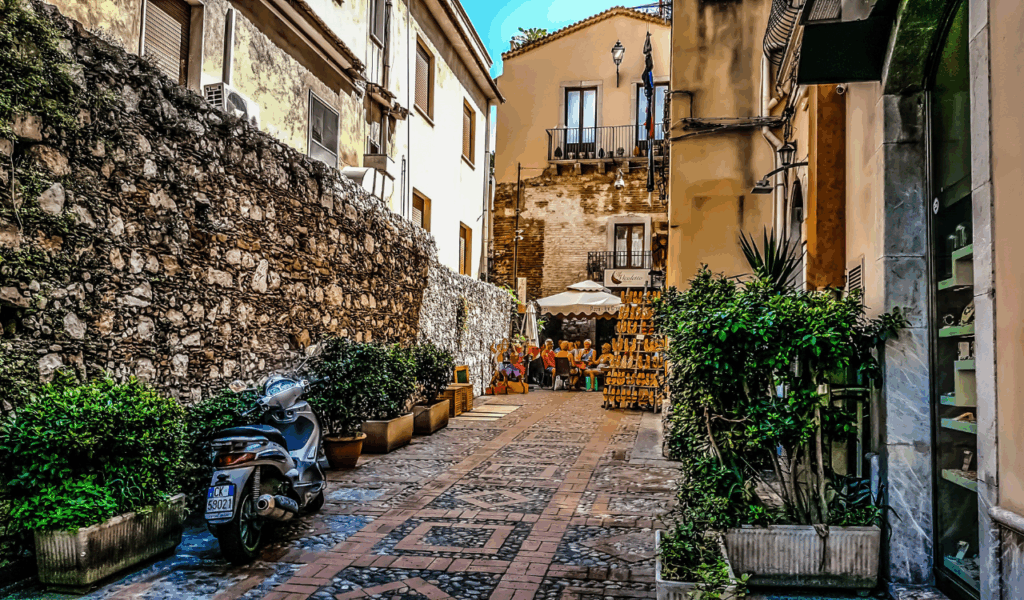
The strength of the “house specialty” and the coziness of the family-run setting are what make the neighborhood Italian trattoria so successful. Professional chefs claim that these restaurants maintain their popularity by providing a focused menu of regional specialties and handmade pastas that have the feel of home-cooked food. They give a consistent flavor profile that builds a devoted following of regulars by using the same tried-and-true recipes for generations. When you are trusted by the community to provide the best carbonara or lasagna in the area, there is no need to innovate.
A trustworthy trattoria can define the character of a residential complex, according to real estate agents. According to experts, these businesses frequently serve as the neighborhood’s “living room” where the owner is a conspicuous and hospitable figure. Here, the welcome is just as important as the cuisine in terms of consistency. By emphasizing genuine ingredients and a dedication to hospitality, the trattoria stays clear of the traps associated with “fusion” or “modern” adjustments. They stand for a reliable, successful business strategy based on the basic, shared human desire for a delicious bowl of pasta with loved ones.
4. The Established Seafood Institution
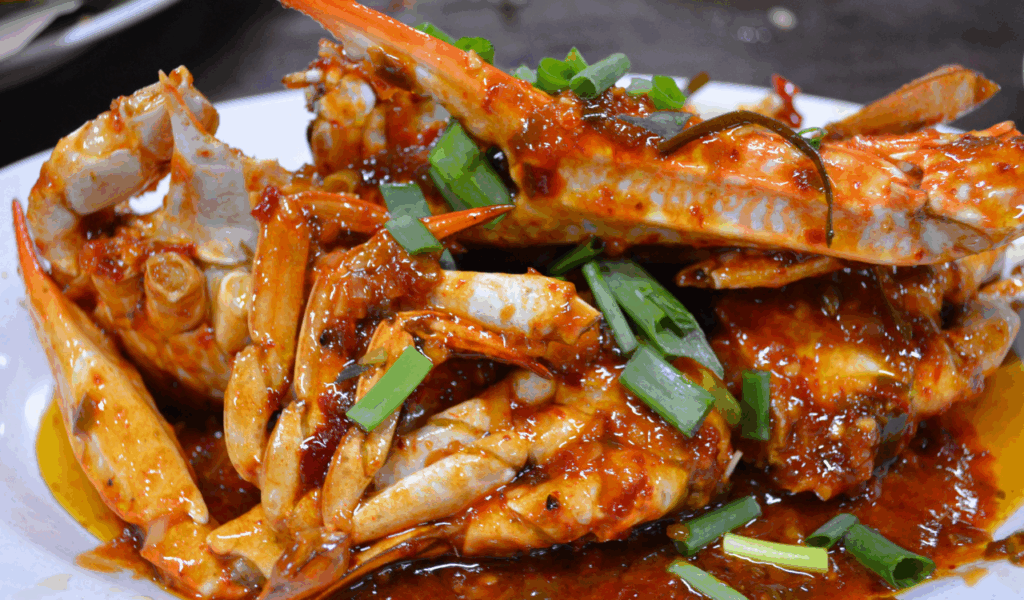
When it comes to seafood, freshness and simplicity are frequently equated with consistency. The best seafood restaurants are those that have been using the same local suppliers for decades, say seasoned chefs and fishmongers. These restaurants establish a reputation for honesty by allowing the quality of the catch to speak for itself, whether it is a traditional clam chowder or a grilled whole fish. Because they know the seafood will be flawlessly fresh and prepared with the deference that only an experienced chef can offer, patrons keep coming back.
Coastal destination designers disclose that these establishments frequently have a classic, nautical style that stays away from contemporary gimmicks. According to experts, by removing the formal aspects of dining, these locations let the abundance of the ocean shine. Realtors claim that a traditional seafood restaurant frequently turns into a landmark that serves as the backbone of the community’s economy. Because it is ingrained in the community and a must-visit location for anyone looking for a genuine, superior experience, the business stays stable. It is a success model founded on location and an unwavering dedication to freshness.
5. The Specialized Ramen or Noodle Bar
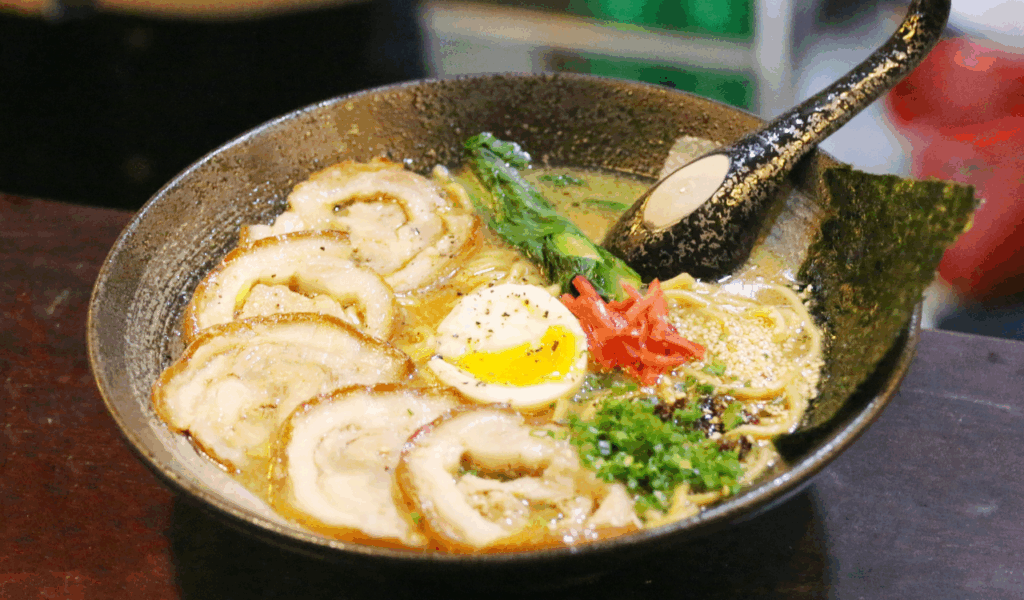
The success of concentrating on a single, intricate craft is demonstrated by the specialty noodle bar. A great ramen or pho business does not need flash, according to cooks trained in traditional Chinese or Japanese techniques, because the texture of the noodles and the depth of the broth are enough to create a cult following. These establishments frequently provide a relatively limited menu, which enables the chef to attain a standard of consistency that is simply unmatched by larger, more expansive eateries. When you just do one thing, you are forced to perform it flawlessly each and every time.
According to experts, this “specialization” strategy is among the most robust in the hospitality sector. A restaurant distances itself from general competition by being the indisputable master of a particular cuisine. Culinary experts claim that the openness of the process—often with the broth boiling in plain sight—creates a sense of sincerity and trust. Customers become lifetime supporters when they discover that they can receive the same satisfying bowl of noodles on a Tuesday as they did on a Saturday. Compared to any short-lived viral trend, this word-of-mouth reputation is significantly more potent and long-lasting.
6. The Classic Breakfast Diner
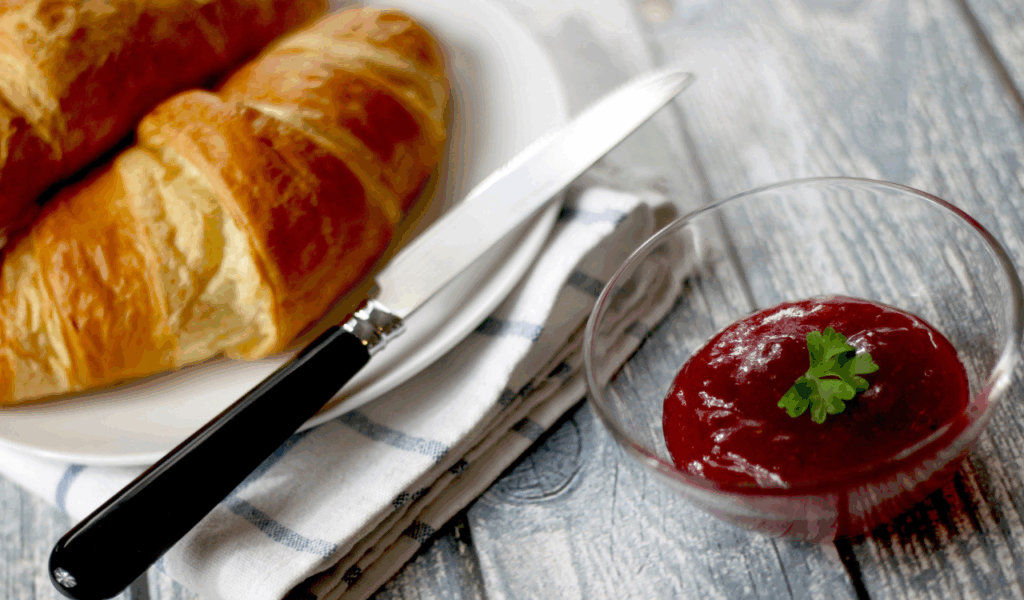
The speed of service is just as crucial as the caliber of the coffee at the neighborhood restaurant, which is a temple of morning consistency. Hospitality analysts claim that these establishments maintain their busyness by perfectly executing the day’s most crucial meal. People are drawn to the diner’s ritual and dependability, whether it is the perfectly crisp bacon or the ideal “over-easy” egg. Customers appreciate a quick, reliable plate of food above anything else during the morning rush, according to experts, and the diner consistently delivers on that.
The amazing short-order talents of diner cooks are generally admired by professional chefs. Food writers claim that the diner is still an approachable “third space” where its greatest strength is its lack of pretense. From sunrise until mid-afternoon, a constant flow of foot traffic is guaranteed by this accessibility. The diner establishes a foundation of recurring business by being the most dependable establishment in the community rather than depending on being “on trend,” by providing a steady beginning point for the day. The company’s foundation is the straightforward assurance of a hot dinner and a reusable coffee cup.
7. The Traditional Dim Sum Palace
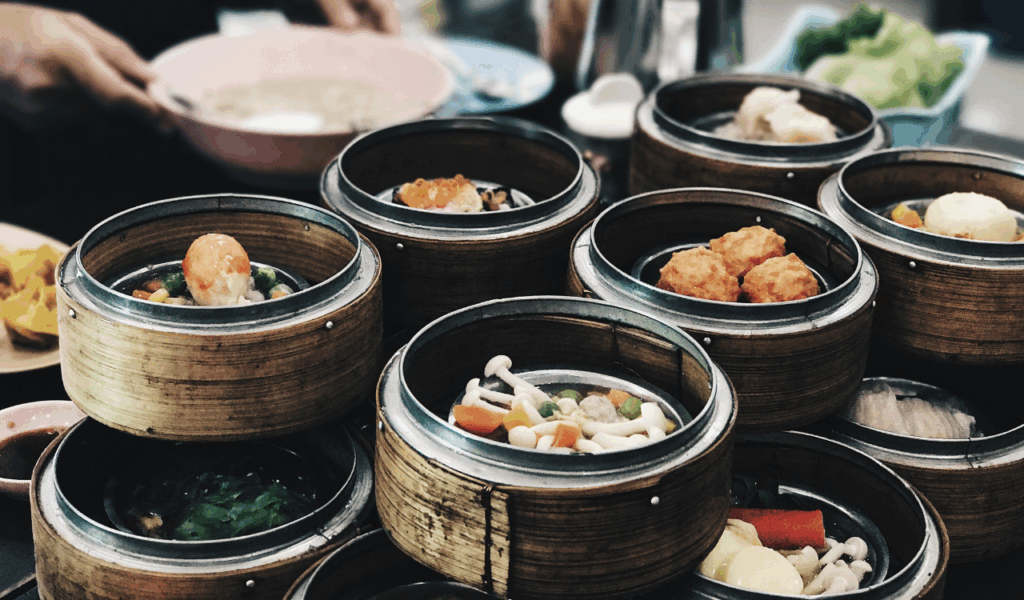
A weekend mainstay for entire villages, the dim sum palace is a wonder of high-volume efficiency. Culinary experts and travel writers say these places remain popular because they provide a consistently high-quality, participatory, communal dining experience. There is a sensation of wealth due to the carts’ continuous mobility and the wide range of little plates. Due to the large volume of freshly cooked food, there is a high turnover rate, which guarantees that every siu mai and chicken foot is served at its most flavorful.
Large-scale restaurant designers disclose that the “organized chaos” of a dim sum hall is actually a meticulously planned dance. According to experts, these halls make sure they are the main location for multigenerational events by offering a large menu that appeals to all ages. The custom of the tea and the carts has a sense of consistency that makes the experience cozy and nostalgic. A level of consistency that no “Instagram-worthy” cafe could ever hope to attain is provided by the local community’s loyalty, which has been cultivated over years of family brunches.
8. The High-End French Patisserie

Offering a daily dose of “affordable luxury” that takes a great deal of technical skill to sustain keeps a traditional French bakery busy. Pastry chefs and bakers claim that the use of high-quality ingredients like high-fat butter and the strict application of technique are what make these establishments successful. Since most people are unable to duplicate the technical feat of a delicate macaron or a perfectly laminated croissant, the patisserie is a daily stop. Although the pastry case’s aesthetic appeal is appealing, the regulars are drawn in by its reliable flavor and texture.
According to experts, the morning pastry “ritual” is a significant factor in attracting repeat business. Food writers claim that a patisserie establishes a decades-long reputation for quality. The neighborhood recognizes the commitment when a baker shows up in the middle of the night to make sure the bread is fresh. A level of respect that goes beyond marketing is produced by this dedication to the craft. The patisserie guarantees a steady flow of patrons who appreciate creativity and tradition over any contemporary gimmick by offering a tiny, superior treat that blends well into a daily routine.