6 Grocery Store Prepared Foods That Spoiled Too Fast
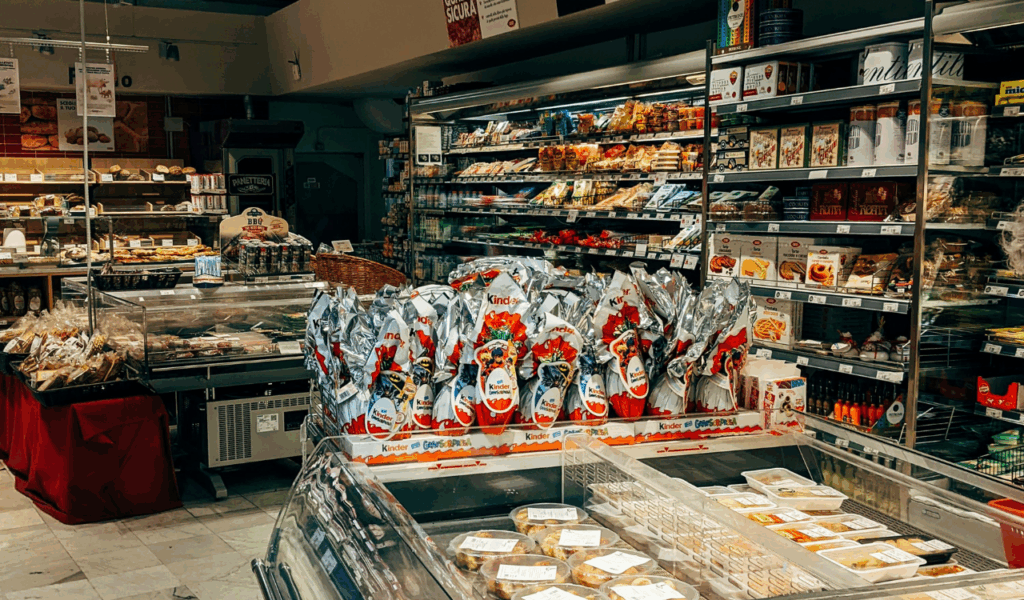
Modern grocery stores have a great selection of ready-made meals that claim to save us time and energy after a long day at work. We often grab these handy things believing they will stay fresh in our refrigerators for a few days, but many prepared foods don’t last as long as we believe they will. The migration from store-controlled displays to home kitchens may speed up delicate items’ deterioration. Due to repeated handling during preparation and packaging, many commodities degrade faster. Plan meals and prevent wasting expensive ingredients by knowing which foods are temperamental. Six popular meals deteriorate faster than expected.
1. Pre-Cut Fruit Medleys and Platters
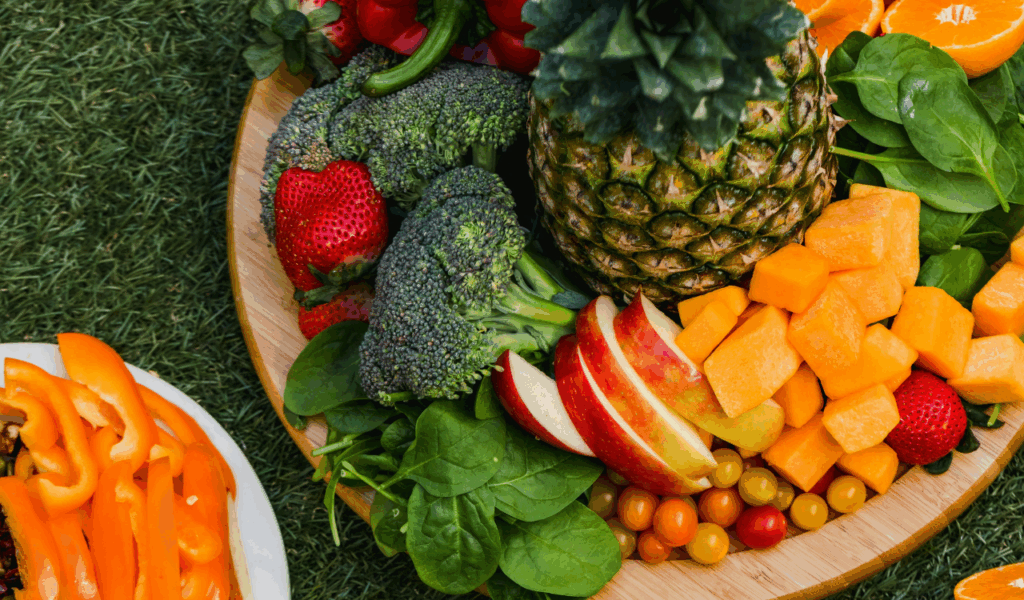
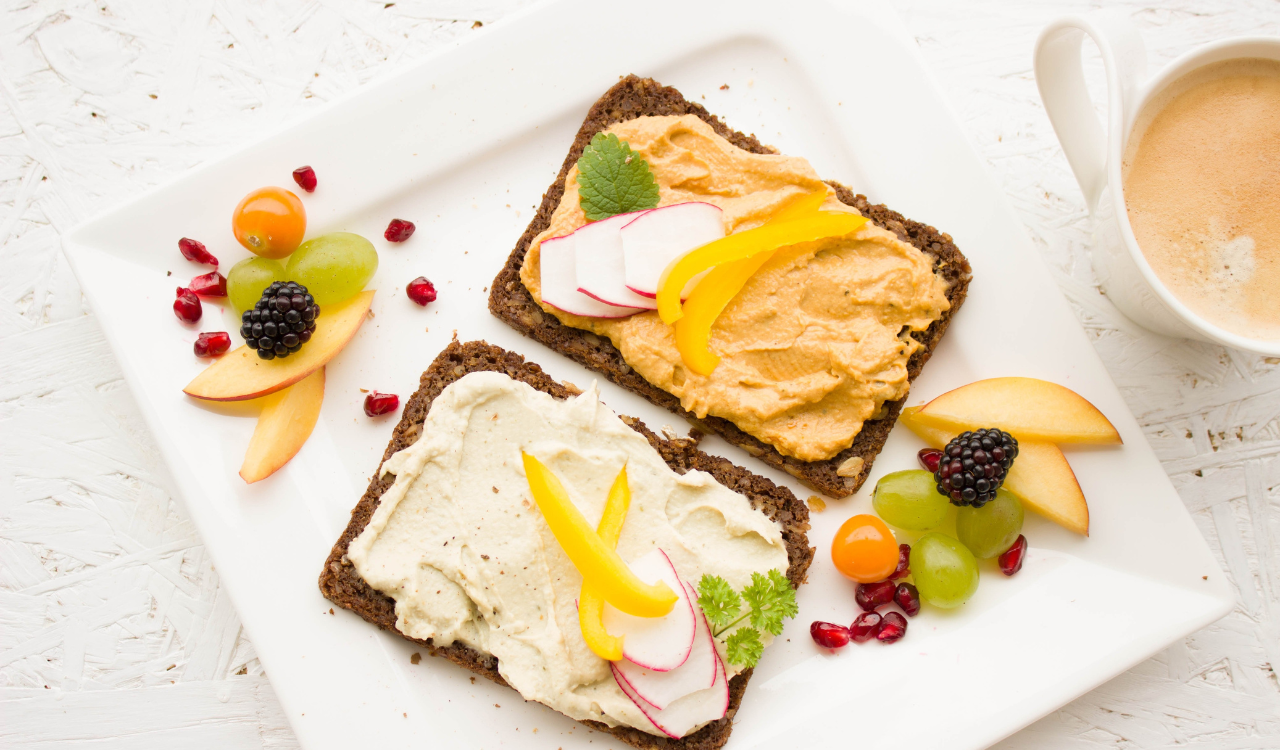
A colorful bowl of pre-cut melon, pineapple, and berries looks delicious, but it’s also one of the most fragile things in the produce aisle. When you cut the fruit, the protective cell walls break down, letting oxygen and light into the sweet within. This exposure causes quick oxidation, which makes apples turn brown and melons lose their sharpness nearly right away. Also, the natural liquids that collect at the bottom of the container make it a good place for yeast and mold to grow. Even at the appropriate temperature, these fruit concoctions smell bad or feel slimy after 48 hours. To ensure safety and taste, eat these platters the day you buy them.
2. Store-Made Sushi Rolls
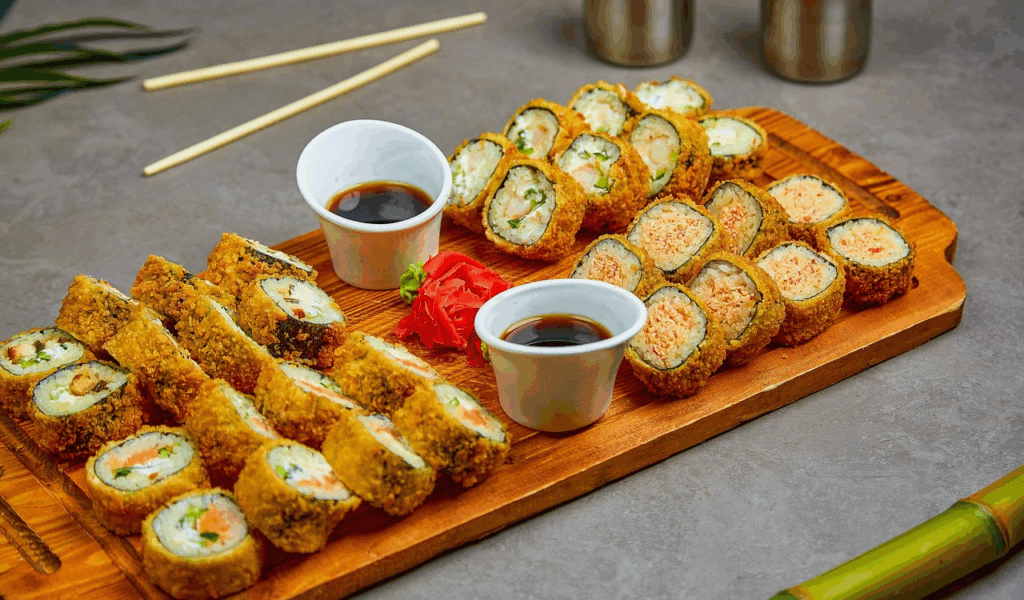
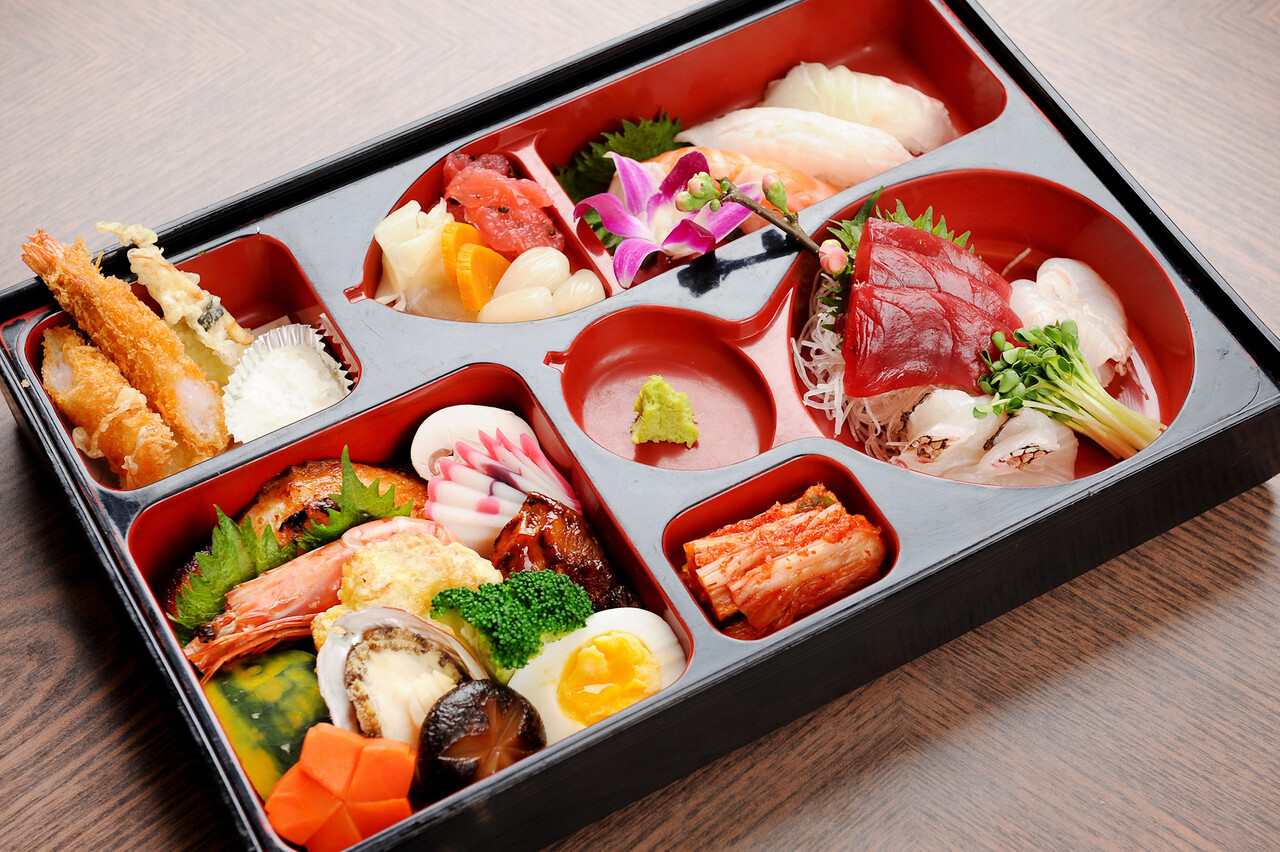
Sushi from the grocery store is a quick lunch favorite, but it has a very narrow time frame for safe eating. The rice is a big reason why the roll goes bad, whether it has raw fish or cooked things like imitation crab. Although sushi rice is flavored with vinegar and sugar, it is still a high-moisture carbohydrate that can grow bacteria if not kept cold. The nori, or seaweed wrapper, absorbs moisture from the rice as soon as the roll is prepared, turning from crispy to chewy. Importantly, uncooked fish in packaging degrades in hours. Experts recommend eating store-bought sushi within one or two hours. Storage overnight degrades food taste and raises sickness risk.
3. Deli-Style Mayonnaise Based Salads
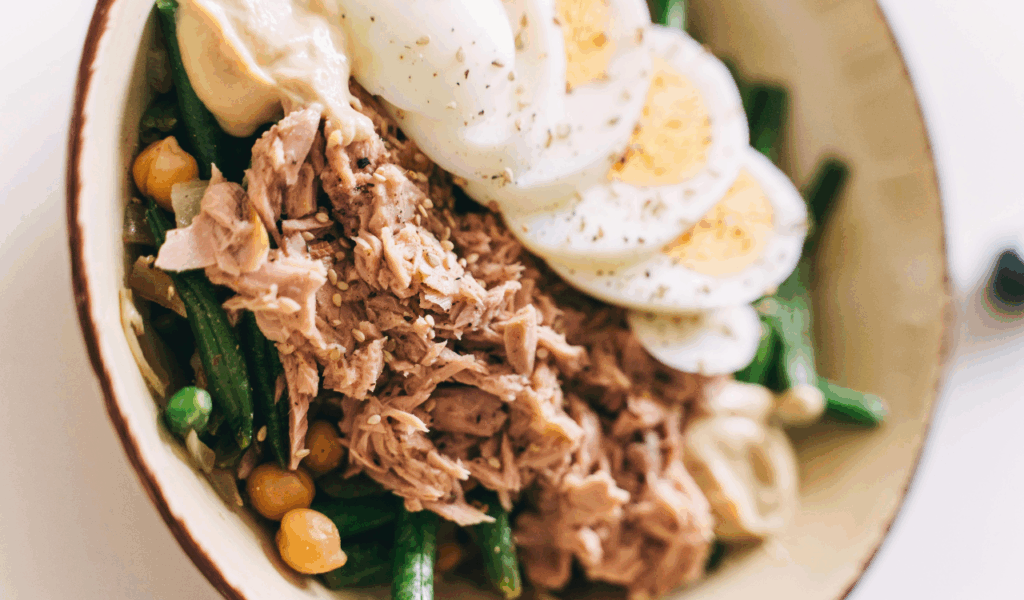
Creamy salads like potato, macaroni, or egg salad are popular at picnics and deli counters, but they go bad quickly. Mayonnaise has a lot of water and fat in it, which makes it a great place for germs to flourish, especially when the container is opened and closed a lot. You can control how fresh your home-cooked deli salads are, but store-bought ones have typically been lying in a display case for a day or two before you buy them. Once you break the seal at home, food spoils faster. The container may smell foul or divide into watery layers when materials break down. Eat all these creamy sides within two days to enhance them. They will remain tasty and secure.
4. Hot Rotisserie Chickens
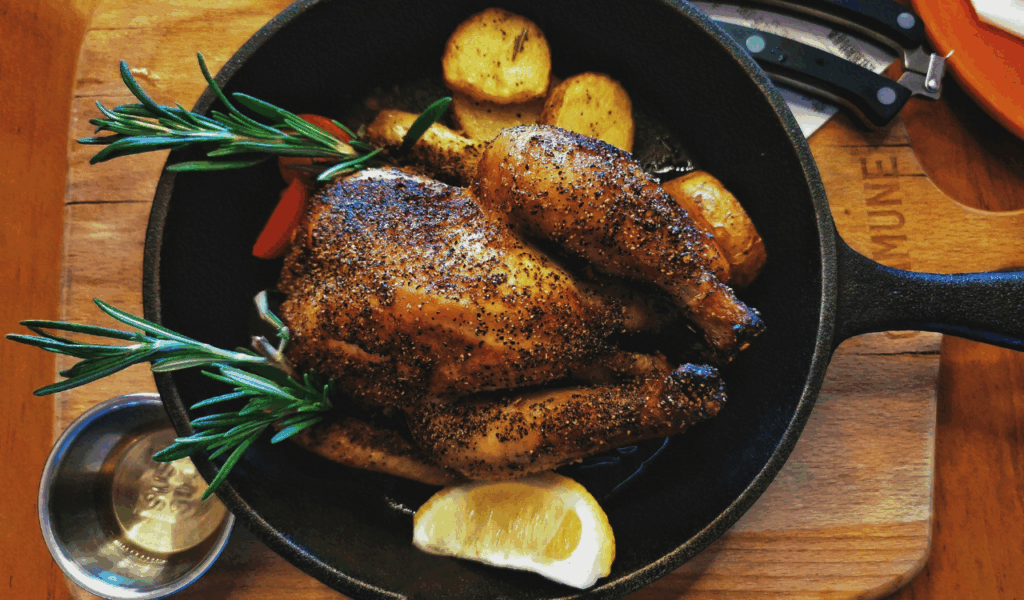
It’s hard to beat how easy it is to get a warm, pre-cooked rotisserie chicken, but many people don’t know how limited its shelf life is. These birds are kept under heat lights for hours, which can dry out the meat and make it less tender even before you get it home. To avoid the “danger zone,” where bacteria multiply quickly, be careful while transitioning heated chicken to cold at home. Even if you refrigerate the chicken immediately away, it may taste “off” after a few days. Commonly called “warmed-over” flavor. Because poultry fats oxidize. To maximize utilization, carve the meat off the bone immediately and consume it in salads or sandwiches within three days.
5. Pre-Washed Bagged Salad Mixes
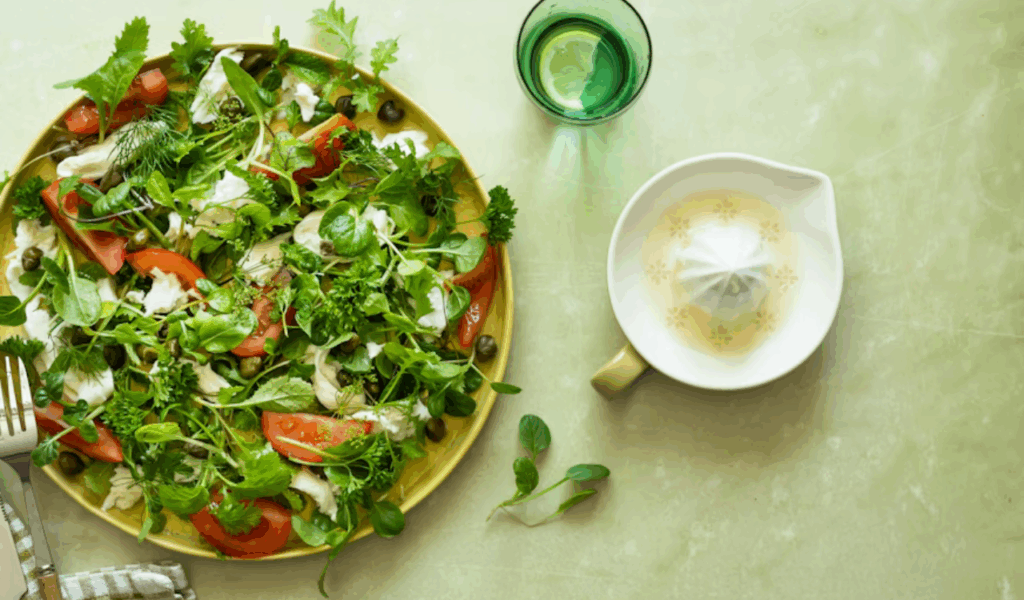
A lot of people use pre-washed salad packs to make eating healthy easier, but these greens can go bad very quickly. The leaves are often put through a harsh industrial washing procedure that might bruise the delicate leaves, which makes them more likely to wilt. When you put these bruised leaves in plastic bags, they give out moisture and gasses that have nowhere to go. This is what causes the “swampy” stench and sticky residue. Despite the label’s week-long promise, quality sometimes degrades within 24 hours. Add a dry paper towel to the bag to keep greens fresh. Use these simple mixes immediately for maximum crunch and health benefits.
6. Prepared Seafood and Crab Cakes
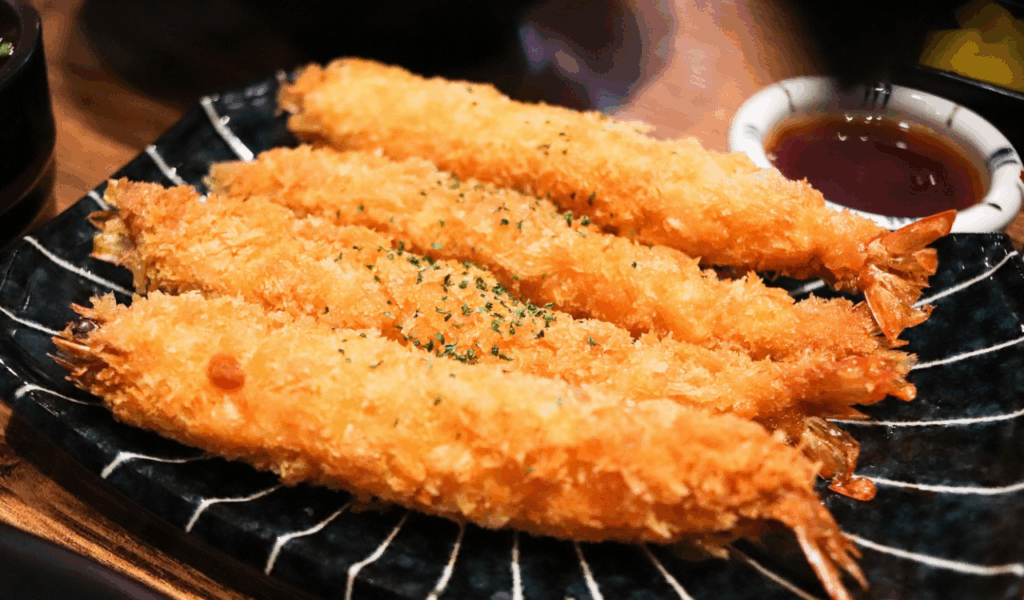
Crab cakes and breaded shrimp are two examples of ready-to-cook or pre-fried seafood that are quite fragile. Seafood has lipids and proteins that break down faster than beef or fowl. Even when these foods are breaded or seasoned, the moisture inside them can make the coating soggy and help bacteria that cause food to spoil thrive. Seafood cakes from the store often include binders like eggs and milk in them, which makes them even more likely to go bad. If seafood wasn’t harvested lately before cooking, it has a short freshness window. Look for clean ocean smell. If there is a “fishy” or sour smell, the proteins are breaking down and should be thrown out.