8 “Old Fashioned” Soda Fountains Serving Flat Syrup
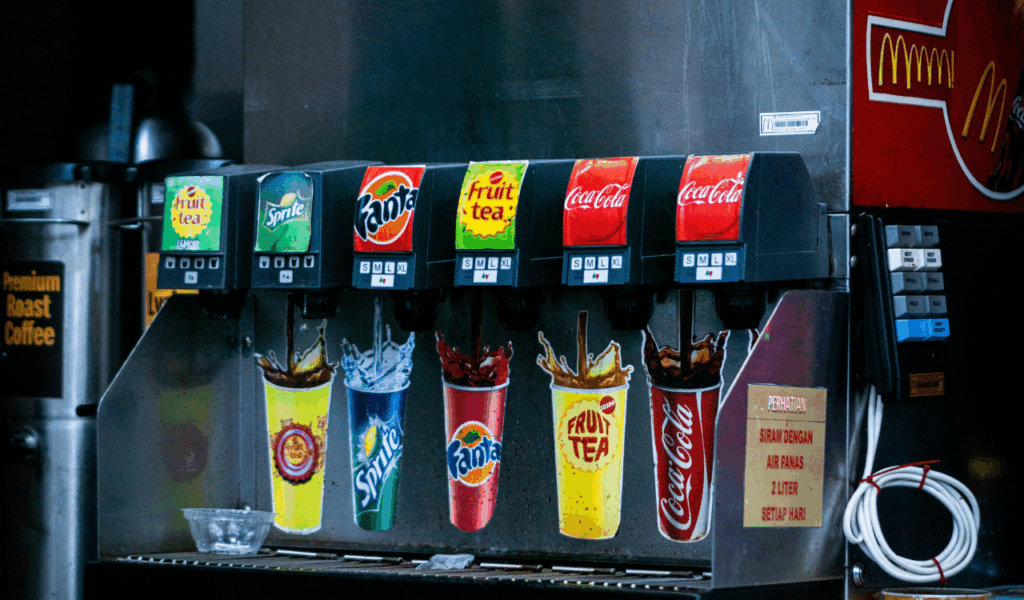
“Old-fashioned” soda fountains are often the best parts of nostalgic diners and old-fashioned ice cream shops. They promise a bubbly, crisp experience that takes customers back to the 1950s. But the truth behind the counter is often less bright. A lot of these places have old equipment that doesn’t carbonate the water properly, so the drink is basically just sweet, flat syrup. Interior designers who work on restaurant retrofits often say that the outside of a brass swan-neck drafter is beautiful, but the plumbing inside is often corroded and terrible, which makes the drinks taste bad.
Experts in beverage carbonation say that the “flat” problem is usually caused by a broken cold plate or a CO2 system that isn’t set up correctly. The water can’t hold the carbonation if it isn’t cooled to almost freezing before it hits the gas. This makes a limp, syrupy mess. Designers say that a lot of shop owners care more about how the fountain looks than how much work it takes to keep the high-pressure bubbles going. Experts say that a flat soda isn’t just a bad taste; it can also mean that the soda lines aren’t being cleaned properly, which can make them less sanitary overall.
The Decorative Brass Swan-Neck Drafter
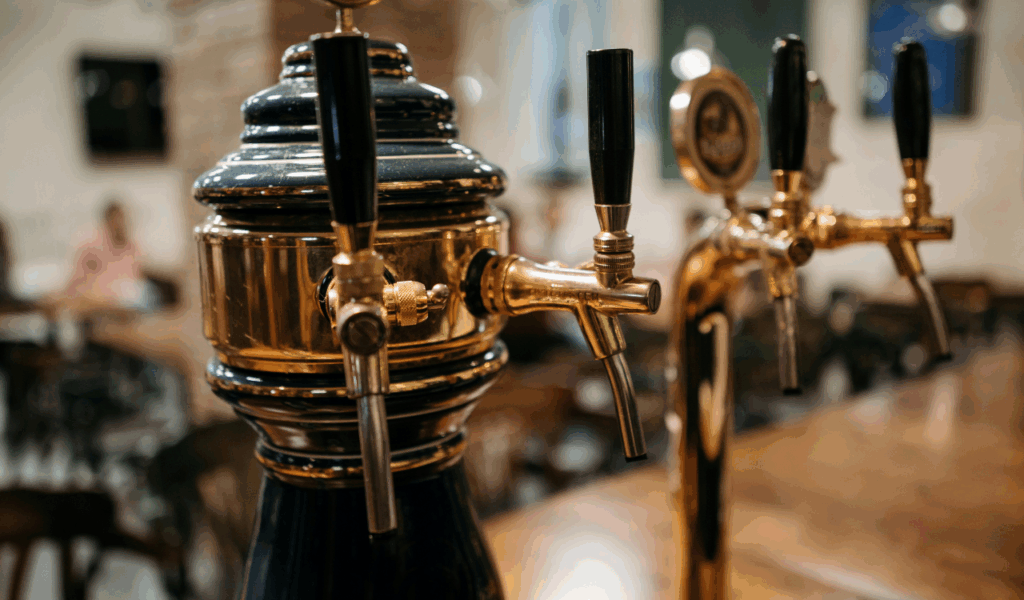
The famous swan-neck drafter is the main visual feature of a classic soda fountain, but its long, curved neck is one of the main reasons why soda goes flat. Restaurant contractors say that the distance the water has to travel from the carbonator to the nozzle lets the gas escape before it even gets to the glass.
The CO2 breaks down right away if the neck isn’t properly insulated or chilled. Before the firt sip, this leaves the customer with a glass of syrup and water that has lost all of its “bite.” Beverage experts say that these old fixtures were made for CO2 tanks and pressures that were different from what we have now.
Syrups made today are often thicker and need more carbonation to taste good. Designers say that if a fountain has these old heads, it needs to have a modern, high-performance chiller hidden under the counter. Experts say that without this, the fountain is just a “syrup dispenser” and not a real soda station, which makes for a boring experience that doesn’t live up to the vintage hype.
The Unrefrigerated Syrup Rail
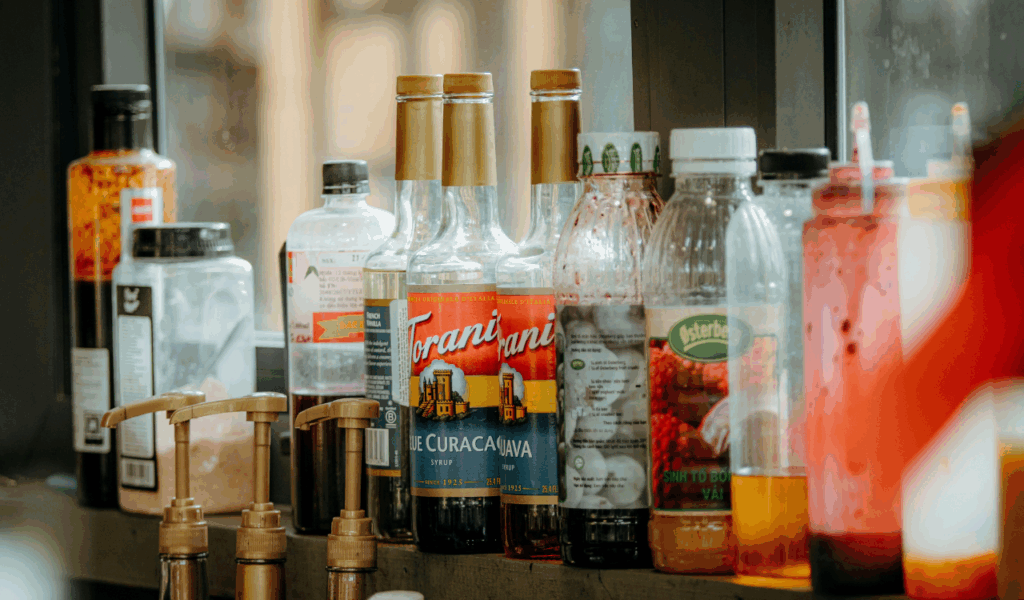
A “syrup rail” is a common feature of old-fashioned soda fountains. It is a place where colorful bottles of flavorings sit out in the open. Experts say that syrup that hasn’t been refrigerated is a recipe for a drink that tastes flat, even though this looks nice and handmade. When you mix warm syrup with carbonated water, the temperature difference makes the CO2 quickly expand and leave the liquid. Professional chefs say that the sugar in warm syrup helps “degass,” which is why your cherry cola may look bubbly for a second but then goes flat almost right away.
Food safety groups say that warm syrup rails also attract fruit flies and yeast. Even a small amount of fermentation in the syrup changes the pH level, which makes it even harder for the water to hold bubbles. Designers say that modern “old-fashioned” setups should use a refrigerated rail system to keep the flavorings at a steady temperature. Experts say that if you see syrup bottles on a warm countertop near a sunny window, the “fountain” soda will probably be a flat, sweet disappointment.
The Countertop Seltzer Siphon
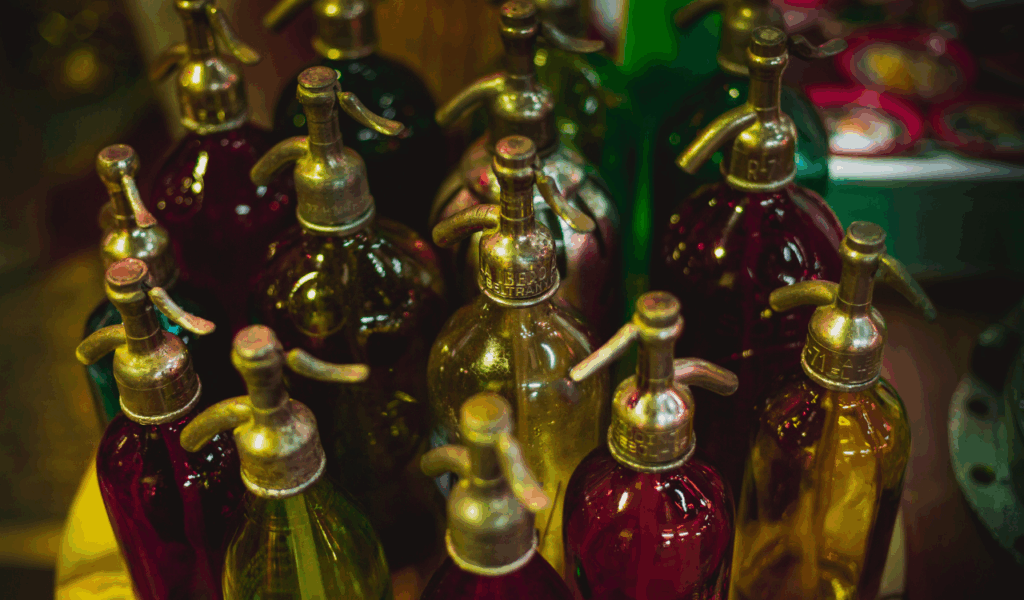
Some small shops use hand-held seltzer siphons to make soda at the table that is “custom” for each guest. The “hiss” sound that the siphon makes is exciting, but designers say that these tools don’t usually have enough pressure to cut through thick syrups. Professional bartenders say that the carbonation in a siphon is much weaker than that of a commercial-grade motor-driven carbonator.
The drink tastes more like “still water with a hint of sweetness” than a refreshing, tingly soda that cleanses the palate. Experts say that these siphons lose their pressure quickly after the first few sprays.
This means that the first guest might get a good bubble, but the second and third guests will get flat syrup. Beverage designers say that a motorized carbonator is a must-have for a real soda fountain experience. Consultants say that the hand-held siphon is more like a “prop” for a magic show than a serious drink program where the goal is to have a steady, high-pressure fizz that lasts until the glass is empty.
The Ice-Cooled Cold Plate System
A “cold plate” buried under a pile of ice is used by many old-fashioned fountains to cool the soda lines. This is the “real” way to do it, but contractors say that this system is very unreliable during busy shifts. The “bridge” between the ice and the plate breaks if the ice melts even a little, and the soda lines get warmer. Lighting designers often say that the heat from decorative bulbs above can make the counter even warmer, which makes the ice melt faster and the soda even flatter.
Professional flippers who update old diners say that the cold plate system is the first thing they change. It needs to be watched all the time and have a steady supply of fresh ice to work right. Experts say that if a restaurant doesn’t have a full-time “ice-man” to keep the bin full, the soda will turn into flat syrup by mid-afternoon. Designers suggest switching to an electric “power pack” chiller to keep the water at a steady temperature. This will keep the gas in the water and give it a crisp finish every time.
The Large-Batch “Premix” Fountain
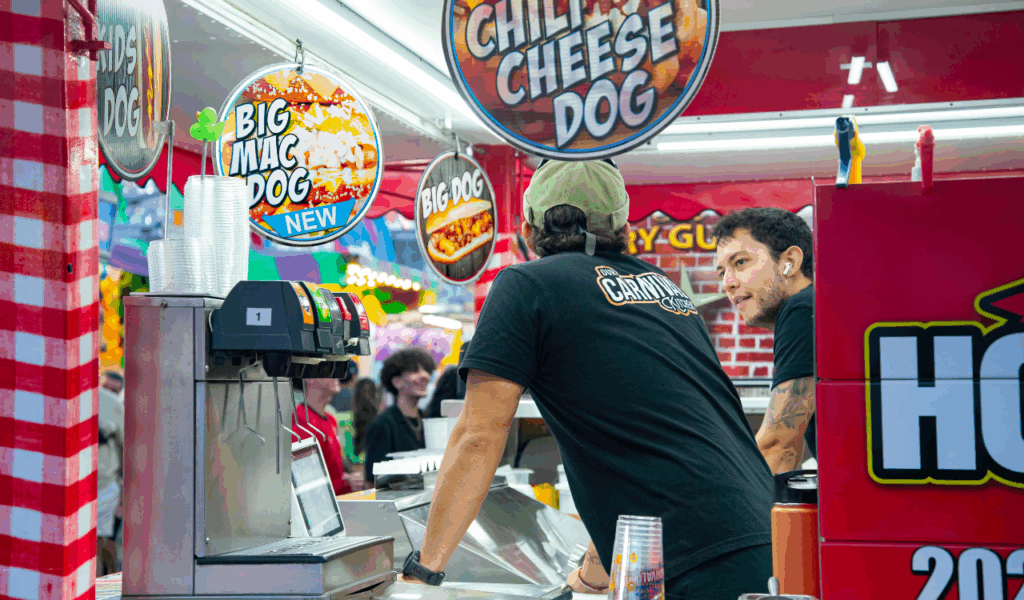
Some restaurants try to trick people into thinking they’re “old-fashioned” by using a premix system, which means that the soda and syrup are already mixed in a keg. People who work in the beverage industry say that this is the opposite of a real soda fountain. If the kegs aren’t kept in a walk-in cooler, the carbonation in premix can often go away on the long walk through the lines.
Professional organizers say that people often choose these systems because they are easier to use than they are good, which makes the drink taste like a “flat” version of a canned soda. Experts say that the “post-mix” ratio, which is where the water and syrup meet at the nozzle, is what makes a real fountain so special.
This makes a new reaction that gives it the “zing” that people love. Restaurant consultants say that the premix method is a “shortcut to sadness” for anyone who wants a high-quality, handmade soda. If you don’t see the separate lines for water and syrup at the fountain head, designers say you are probably getting a pre-packaged product that has lost its freshness while sitting in a plastic line.
The “Draft” Style Root Beer Barrel
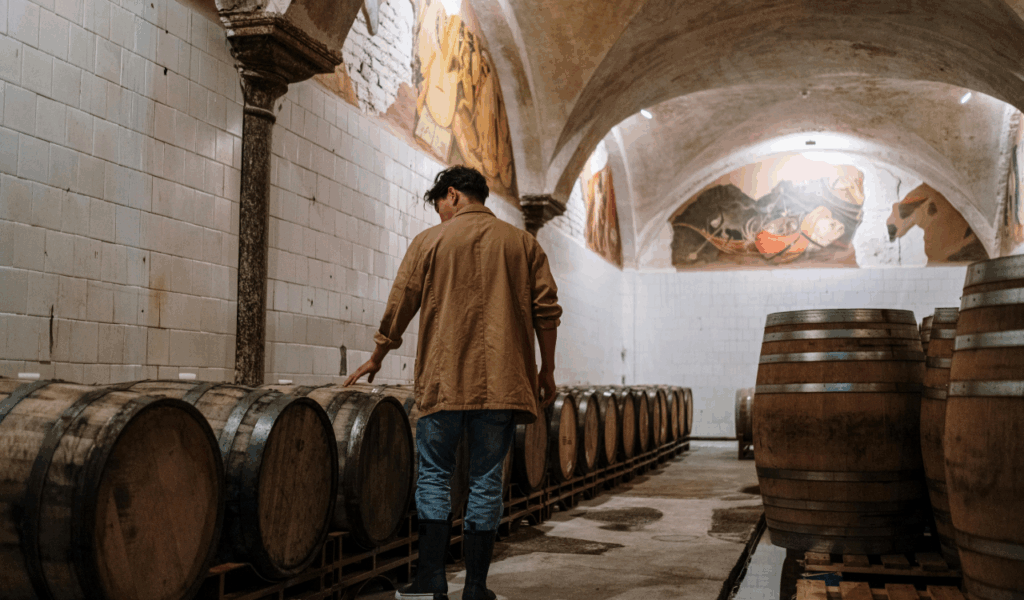
The wooden root beer barrel is a classic piece of nostalgia, but it is often just a shell for a low-pressure dispensing system. Interior architects say that these barrels often don’t have the insulation needed to keep the drink at the right temperature for carbonation. Root beer is naturally foamy, so many operators lower the CO2 pressure to stop “all-foam” pours. Experts say that this makes a drink with a thick head of foam and a body of liquid that is completely flat underneath.
Professional chefs say that a “flat” root beer loses its complex plant notes and only tastes like sugar and vanilla. Designers say that the barrel’s look is a great way to sell things, but when the mechanics inside break down, customers are often very unhappy. Experts say that “nitrogen-blend” gas is the best choice for these systems because it gives the head a creamy texture without losing the fizz in the drink. Without this specific setup, the barrel is often just a big container for warm, flat syrup that doesn’t have the usual “bite.”
The Hand-Pumped Chocolate Phosphate
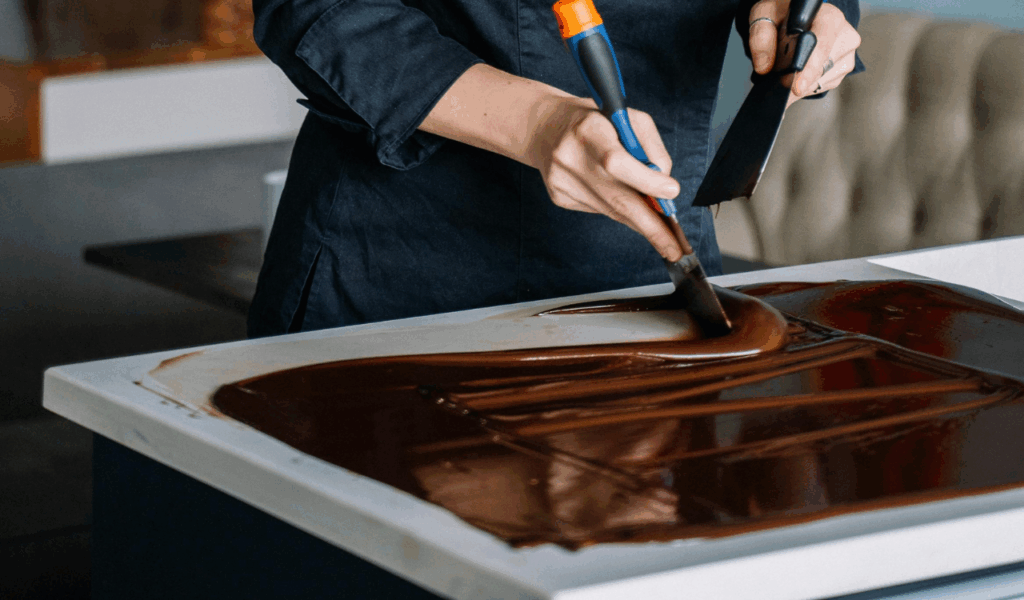
The “Chocolate Phosphate” is a famous fountain drink, but it’s the hardest to make because chocolate syrup is so thick. Cooks say that hand-pumped syrups are often too thick to mix well with carbonated water without a lot of stirring. But this stirring is what makes the bubbles go away.
Designers say that if the person running the fountain doesn’t have the “expert touch,” they will stir out all the bubbles, leaving the customer with a glass of flat, chocolate-flavored water. A lot of modern “soda jerks” don’t know how to do the delicate “two-step” pour that heavy syrups need, according to beverage consultants.
Experts say that if the syrup isn’t “shot” into the water with high-pressure seltzer, it will stay at the bottom. Professional stagers say that this makes the drink look layered and “sad” on the table. Designers say that restaurants should use a thinner, fountain-specific syrup that mixes easily. This way, the soda doesn’t need to be stirred too much, which makes it flat and lifeless.
The “Display-Only” Antique Carbonator
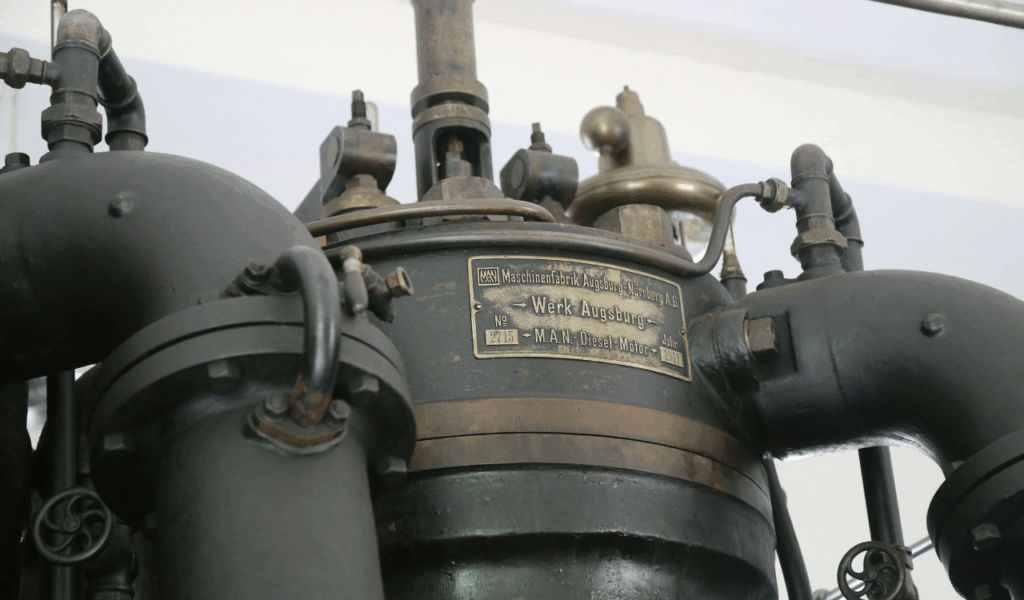
As part of their decor, many stores proudly show off a carbonator that is 100 years old. Some even try to use it every day. Restoration contractors, on the other hand, say that these old machines often have “pitted” interiors that make it hard for the gas to dissolve in the water. Experts say that the seals on these old machines are likely to have tiny leaks that let CO2 out slowly over the course of the day. The soda dies a “slow death” as it gets flatter and flatter every hour it is used.
Designers say that these old things are often made of materials that can leach “off-flavors” into the water, which makes the flat syrup taste even worse. Professional organizers say that taking care of an antique carbonator is a full-time job that most modern shop owners don’t have time for. Experts say that the old thing should be used as a “museum piece” and that a modern, high-efficiency carbonator should be kept in the back room. This lets the store keep its old-fashioned look while serving a soda that is cold, bubbly, and tasty.