14 Foods Everyone Pretends to Like Once January Becomes Miserable

January has a weird way of making meals less good. After the holidays are over and routines start up again, many suddenly eat foods they would ordinarily avoid. Cold weather, fewer days, and tiredness after a holiday make many people choose things that are useful, filling, or socially acceptable over things that are actually fun. People don’t really want these foods, even though they seem comforting on paper, sound nutritious when you talk about them, or fit with seasonal habits. People eat them nonetheless because January makes us value life over fun. Despite their reluctance and overconfidence, many people eat these meals during this melancholy month.
1. Plain Oatmeal
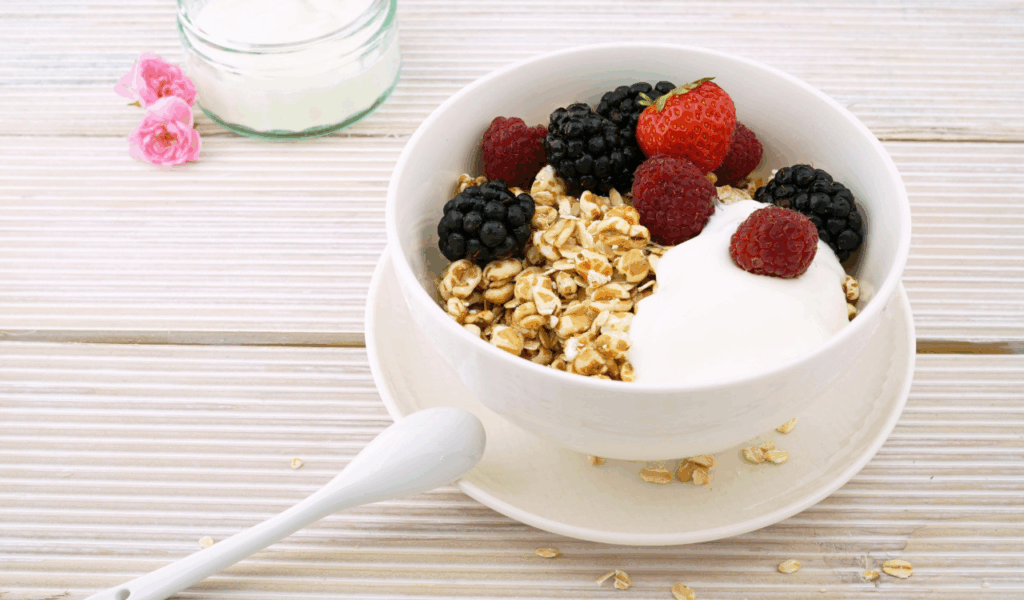
Plain oatmeal is a January staple mostly because it meets all the requirements, not because it makes anyone excited. It is warm, filling, cheap, and often associated with healthy habits that individuals promise themselves at the start of the year. But if you don’t plan ahead, it will be boring, mushy, and the same thing over and over. Many eat it quickly, topping it and stating they prefer its simplicity. It’s rare for oatmeal to taste excellent alone; it frequently carries other flavors. Since January teaches people that pragmatism is more essential than pleasure, oatmeal keeps coming back, and people tolerate it because it feels responsible.
2. Kale Salads
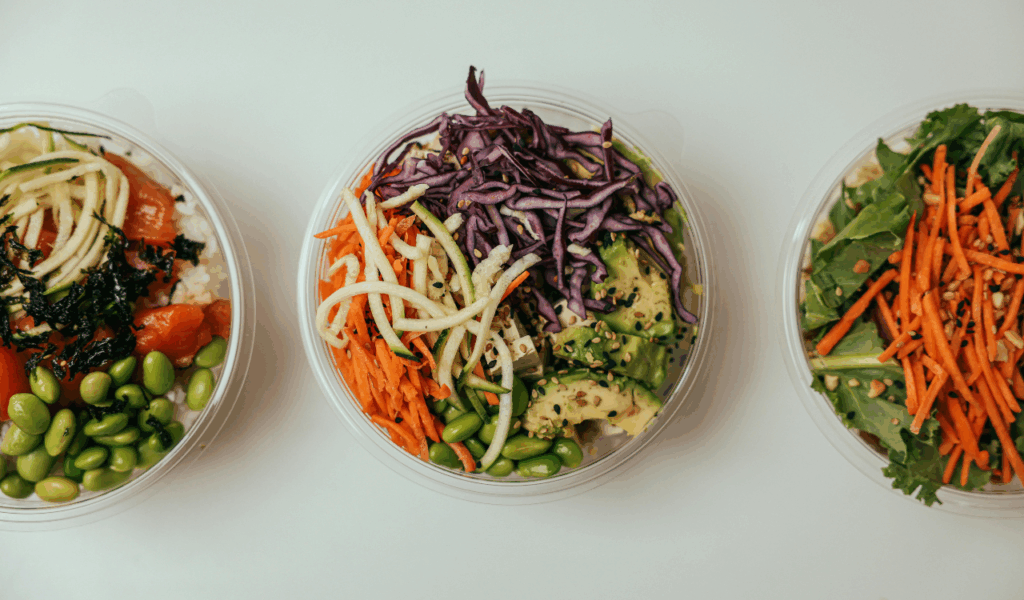
Kale salads become more popular in January because of detox culture and health resolutions, not because they taste good. If you don’t cook it right, raw kale can be rough, bitter, and hard to chew. A lot of individuals eat it while telling themselves that the battle is good. They rub it, dress it up a lot, and add things to make it easier to handle. Then they talk about how good it is instead of how it tastes. Even though leafy greens don’t taste good in the cold, kale salads are nonetheless popular in January because they make you feel like you’re making progress. People pretend like they like them to indicate that they really want to start again.
3. Black Coffee

In January, black coffee becomes popular again, especially among people who are cutting back on sugar or dairy. People say they like its strength and purity, yet many secretly miss the creaminess or sweetness. Black coffee has a reputation for being disciplined and mature, but the bitterness can be hard to take on cold winter mornings. It shows self-control, efficiency, and restraint, which are things people look for in vacations that are too much fun. Some individuals love it, but most tolerate it and promise to love it. Instead than a comfort, black coffee symbolizes determination in January.
4. Rice Cakes

Every January, rice cakes come back as a safe, low-calorie snack. They promise crunch without guilt, but they don’t usually make you happy. People chew them for longer than they need to because they are dry and airy. This is often followed by hunger a few minutes later. Most people eat them with spreads or toppings, pretending that the base is good. Rice cakes are more of a way of thinking than a cuisine. They stand for being simple and not too much during a month when everyone is trying to be in charge. People keep reaching for them and saying they’re fine, which is the best thing they can say.
5. Broccoli Soup
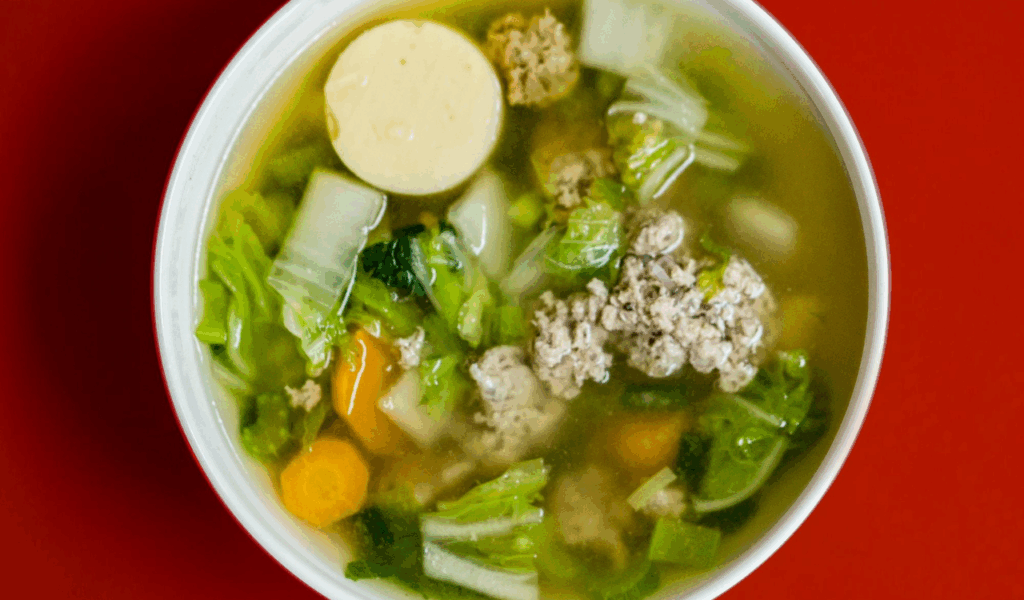
Broccoli soup sounds cozy, but basic varieties often let you down. It can taste green or watery if it doesn’t have enough seasoning or fat. Still, January makes me want to eat soups because they are warm, easy, and good for me. Broccoli gives the dish a green light for health, making it look like it’s good for you instead of bad for you. Even if the taste is bland, a lot of people take it because they think it will make them healthier. They think that being warm means being happy. In the cold, dark days of January, broccoli soup is okay, but not loved. People eat it more for comfort than for pleasure.
6. Bran Muffins

Bran muffins are a good alternative for breakfast in January after all the delicious holiday treats. They are thick, dry, and only slightly sweet at their best, so they don’t usually get people excited. But they are known for being fair and responsible. People eat them while praising how healthy they are, even though they are crumbly and don’t have any flavor. Bran muffins don’t taste as good as fresh baked goods. During the month of January, individuals are more likely to accept the compromise, giving the impression that they are content because the muffin satisfies their health goals rather than satisfying their appetites.
7. Celery Sticks
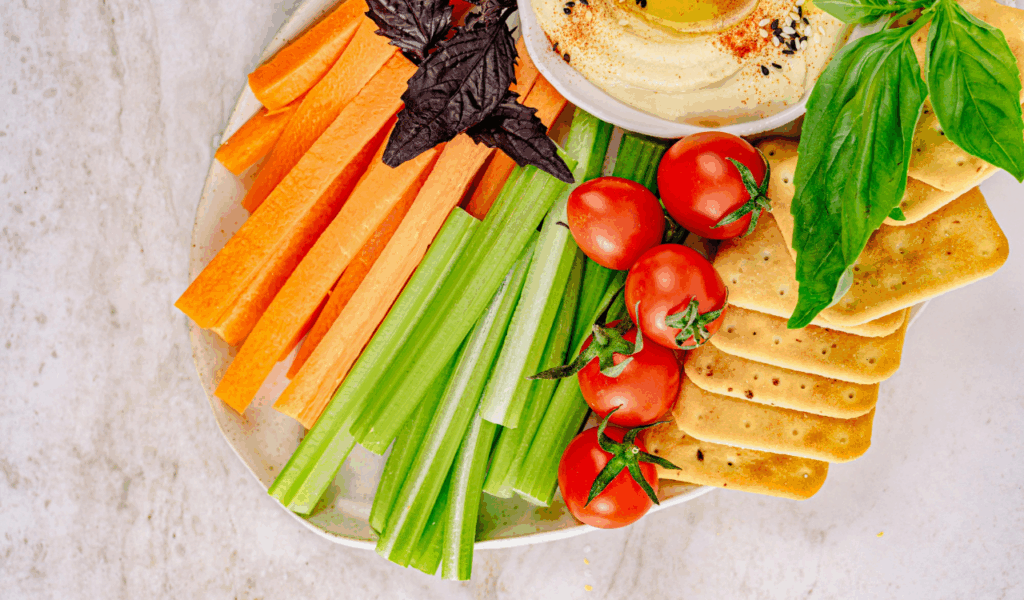
In January, celery sticks become popular again as a snack that is linked to cleanliness and discipline. They don’t taste very good and leave many people unhappy. People still eat them, though, and say they like how fresh they taste. People often eat celery between meals to fill them up, not because they like it. During the winter, the cool and crisp weather may be extremely uninviting; yet, the month of January transforms this discomfort into a positive experience. It is not because eating celery actually makes people feel better or happier that people eat it; rather, they eat it because they believe it to be responsible behavior.
8. Plain Yogurt
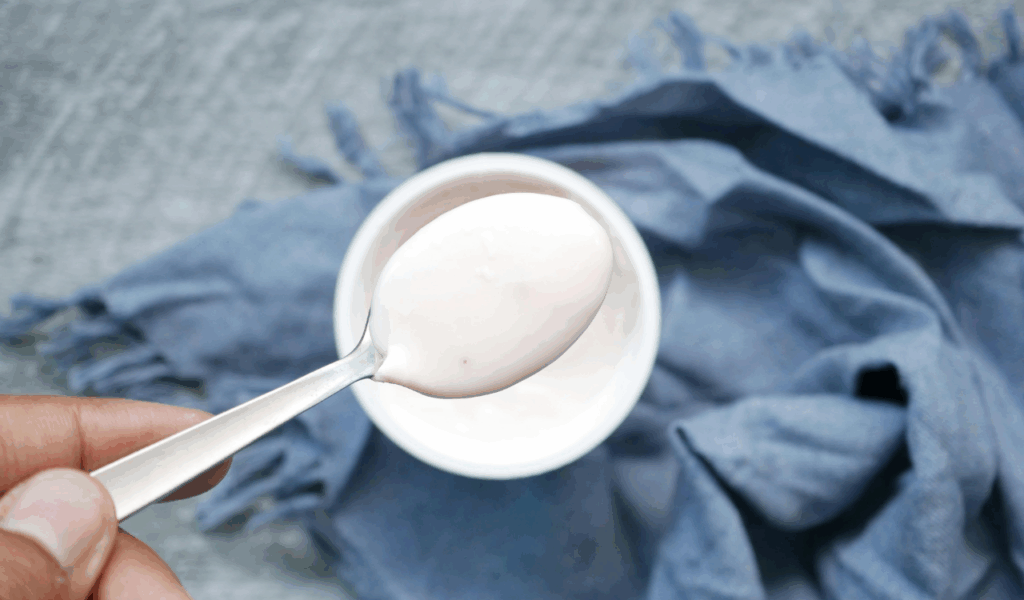
In January, people like plain yogurt for its protein and adaptability, but a lot of them think it’s too sour or plain on its own. People rapidly stir it up, add fruit or sugar, and then say they like the taste of it as it is. Rather of serving as the final destination, plain yogurt is typically employed as a foundation. Despite the fact that its cool texture may not be as appealing during the colder months, it continues to be popular because it is compatible with health objectives. Therefore, they consume yogurt without making any complaints since they believe that being tolerant means having pleasure in the month of January.
9. Lentil Stew
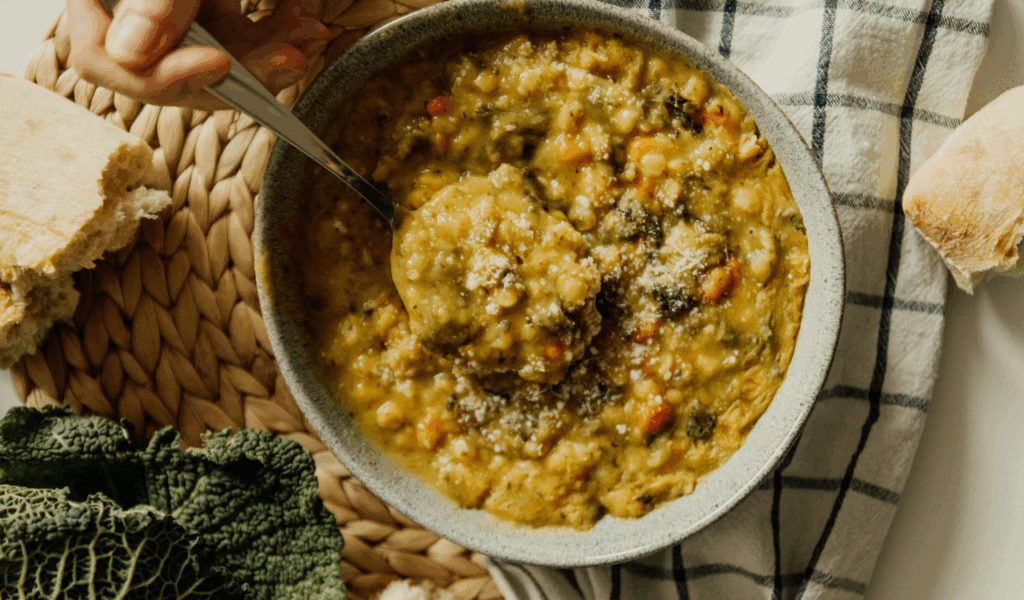
Lentil stew sounds like a filling and healthy meal, especially in the cold. But versions that aren’t well-seasoned can seem weighty and boring. A lot of people eat it since it’s filling, cheap, and part of a clean eating plan. Lentils are mild on their own, but they need spices to make them interesting. People don’t enjoy the stew as much when such flavors aren’t there. The month of January encourages this state of endurance by presenting lentil stew as a healthy source of energy. Over the course of a month in which everything remains the same, people tell themselves that they take pleasure in it because it represents consistency.
10. Steamed Fish
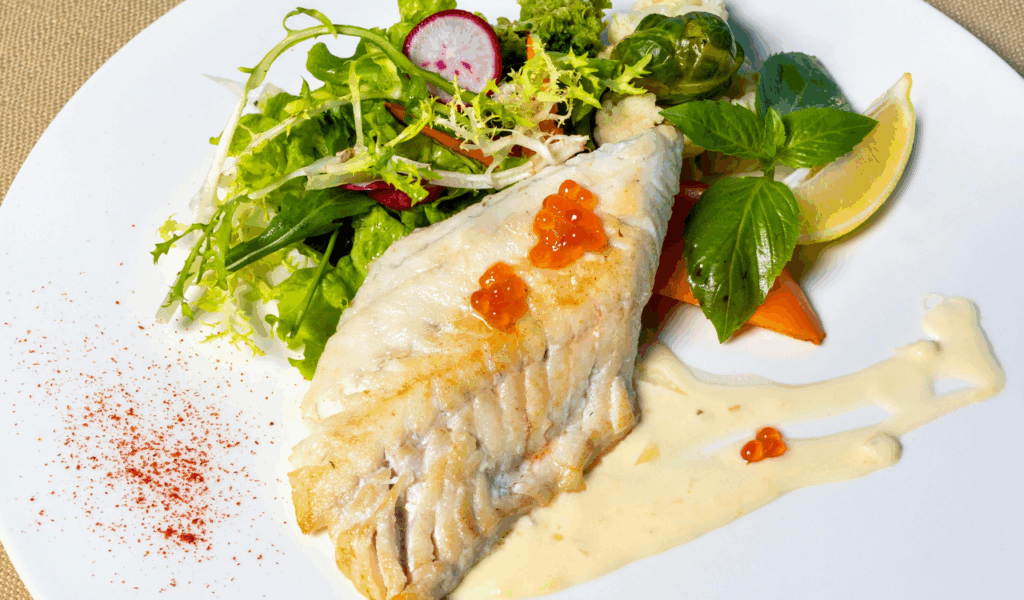
In January meal plans, steamed fish is a light, clean protein option. Gentle cooking keeps nutrients, but if you don’t season it well, it can also make food taste bland. A lot of people eat it and say they like how simple it is, even if they miss more complex dishes. When the temperature is low, the texture may have a dull and uninteresting feel. Despite this, steamed fish has a reputation for being a food that is both disciplined and kind. During the month of January, people tend to prioritize these characteristics, which gives the impression that they are enthusiastic about meals that taste more like a responsibility than a joy.
11. Green Smoothies

Every January, green smoothies come back as signs of new beginnings. They offer vitality and balance because they are full of leafy greens, but they often taste grassy or too much like vegetables. People drink them rapidly and tell themselves they like how fresh they taste. Smoothies that are ice aren’t as appetizing when it’s cold outside, but January is a good time to push through discomfort. Even if the taste isn’t great, drinking greens feels like it’s doing something. It is not because they truly desire them that many individuals drink green smoothies throughout the winter months; rather, they do it because they want to begin over.
12. Whole Wheat Pasta
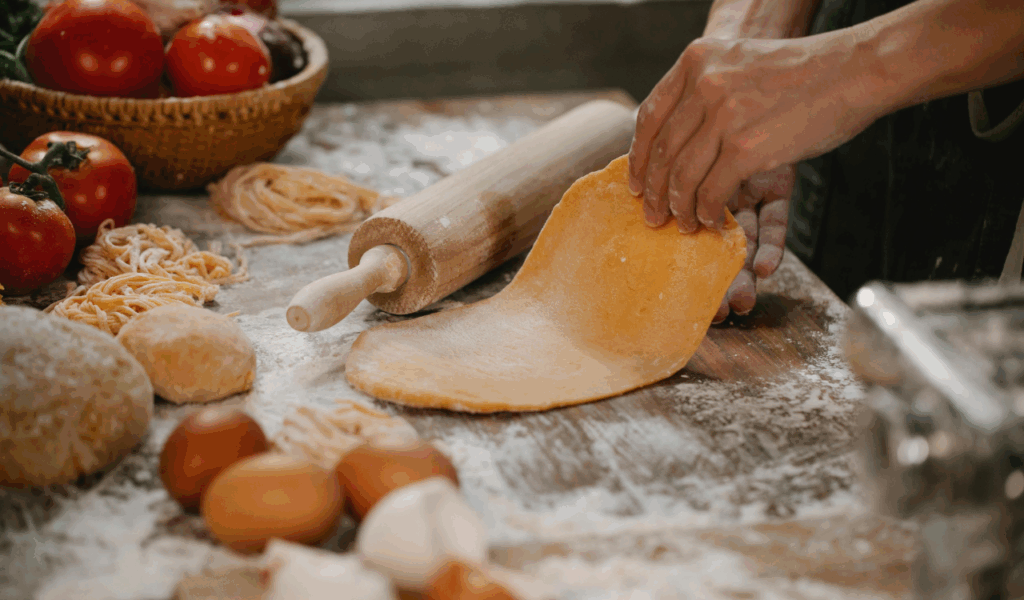
Whole wheat pasta becomes more popular in January as a healthy alternative, but its heavier texture and nuttier flavor can make it seem weighty. Some people like it, but a lot of people miss how soft refined pasta is. People often compliment the fiber content of sauces instead of their taste, which makes them work harder. In the winter, comfort usually comes from things that are soft, not chewy. January continues to make the choice to consume whole wheat pasta appear to be a wise one. It’s not because they truly enjoy it, but rather because they tell themselves that they like it because it helps them achieve their goals.
13. Vegetable Stir Fry
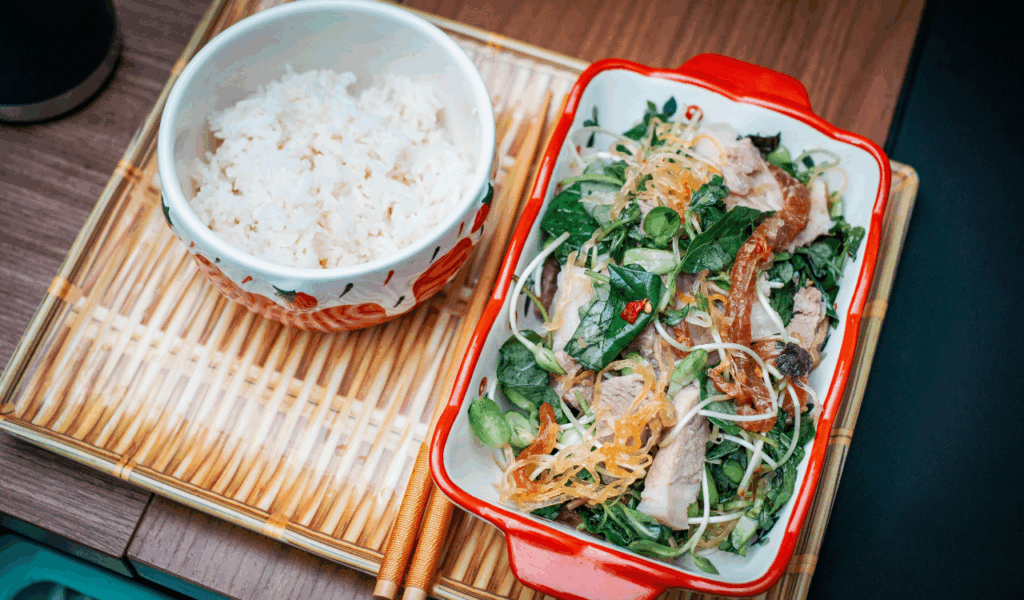
Vegetable stir fry is a popular dinner in January since it seems balanced and can be changed to fit your tastes. But if you don’t know how to cook them right, vegetables might get mushy or boring. A lot of people eat it and say they like how simple it is, even if the flavors are the same. Fruits and vegetables that are in season can be boring, which makes stir fries less enjoyable to eat. However, January makes you want to keep things straightforward and slow down. Because it is consistent with the concept of control and reset that is prevalent during this season, people act as though they are content with vegetable stir fry.
14. Herbal Tea
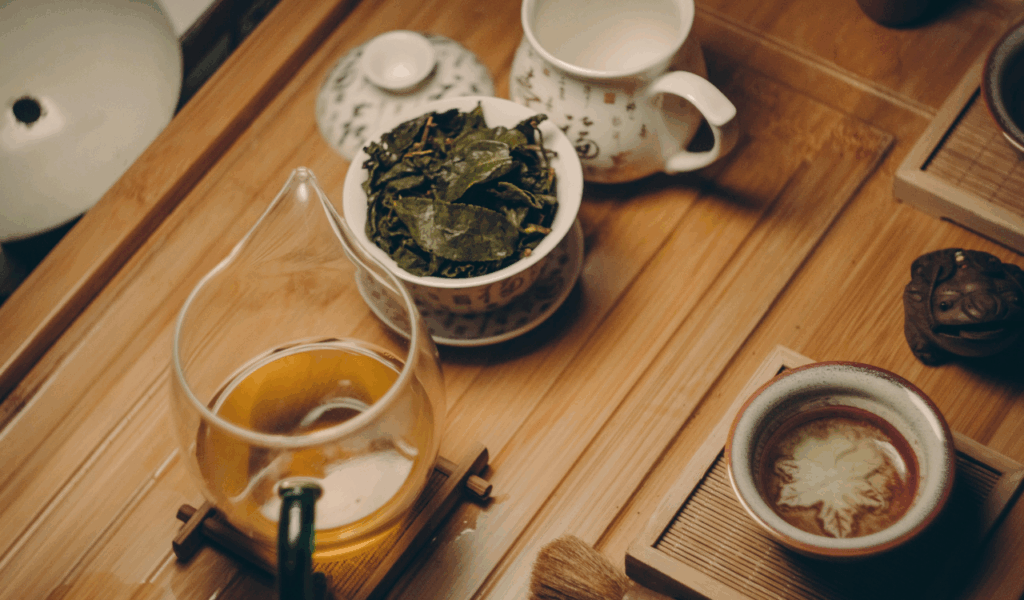
During the month of January, consumers opt to drink herbal tea rather than heavier beverages since they are attempting to reduce their consumption of sugar or caffeine. The majority of blends, despite the fact that they are calming, do not possess the same level of depth or warmth as coffee or spicy beverages. People take their time sipping it, persuading themselves they appreciate the quiet ritual. Herbal tea fills market gaps rather than meeting demand. This is allowed in January since kindness is portrayed positively. People say they use herbal tea to relax and heal from various ailments, even though they want something stronger.