8 Regional “Hot Chicken” Joints Outsiders Call Just Spicy
Nashville hot chicken has gone from being a secret in Tennessee to a global food fad, but the shift from being a local favorite to a popular dish has caused a lot of cultural confusion. A lot of people from outside the area come to these places expecting a dish with a lot of different flavors, but many leave saying it’s “pointlessly spicy.”
This disagreement often happens because real hot chicken isn’t just about making you feel bad; it’s a carefully layered mix of fat, cayenne, and certain spices that are meant to coat the tongue. But when regional eateries don’t balance these things, they unintentionally reaffirm the outsider’s bias that the dish isn’t really good.
Experts claim that the “paste,” a concoction that needs to be kept at the right temperature so the peppers don’t burn, is what makes hot chicken taste so good. Many restaurants that want to grow rely more on excessive Scoville levels than on the typical flavors of garlic, onion, and brown sugar, according to expert chefs who specialize in Southern food.
This change toward “stunt eating” has generated a split between locals who want to eat real food and tourists who think it’s more of a dare than a meal. If a restaurant promises a taste explosion but only gives you a chemical burn, it loses its standing as a regional jewel and becomes a warning for others who don’t know what to expect.
1. The Heavy-Handed Cayenne Trap
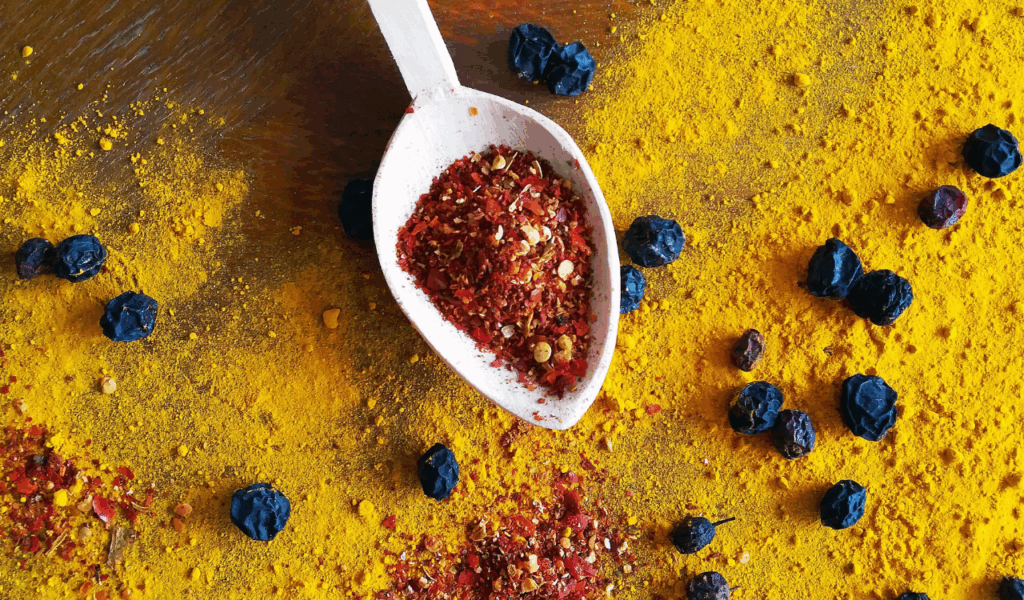
A thick mixture of cayenne pepper and hot oil is the main flavoring in many regional hot chicken places. If you don’t add other spices, this can easily become too strong. Culinary historians say that the first recipes were meant to be spicy and delicious, but a lot of modern versions only use a lot of pepper to make an impact.
When a kitchen uses a lot of cheap cayenne, the chicken loses its meaty flavor and starts to taste like bitter dust, according to experts. This is the main reason why people who aren’t from around here think the dish was just a one-dimensional salt and spice explosion.
Chefs say that the spice paste should be smooth and shiny, not gritty and dry. Food scientists say that if the oil used to make the spice coating is too old or too hot, it might get a bitter taste that hides the chicken’s natural sweetness. When tourists go to these places, they frequently expect the depth of a dry rub or buffalo sauce, but they get a wall of raw fire instead. This lack of balance is why so many people think the whole category is a gimmick and don’t recognize the skill that goes into making a well executed, lard-based regional glaze.
2. The Absence of Acid and Brine
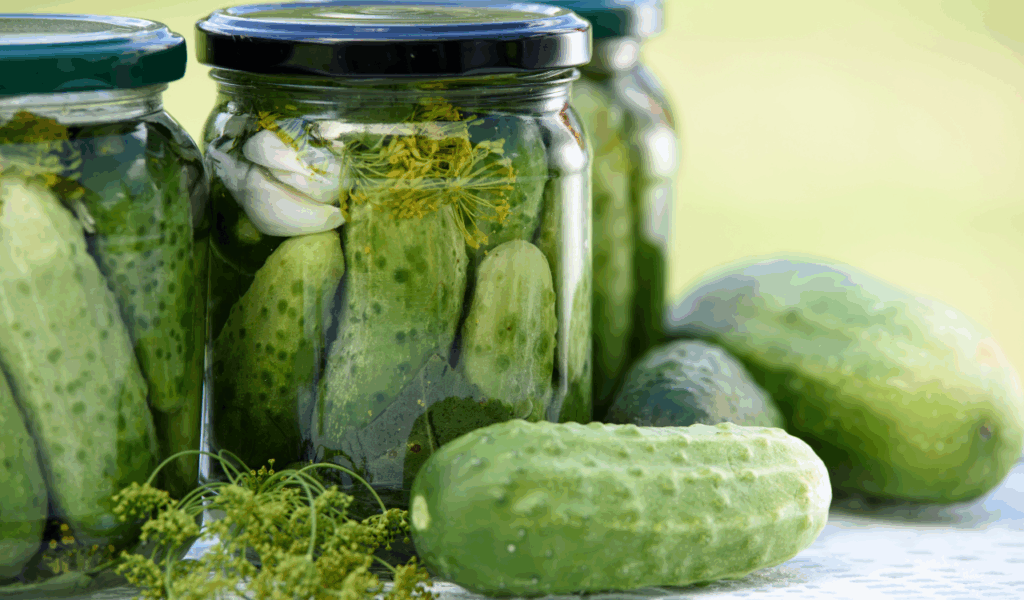
A lot of people who are new to regional hot chicken say that the fat and spice make them feel heavy and sick without any respite. Experts believe that the best restaurants marinate the pork in a strong pickle brine before frying it to keep it juicy and a little bit sour.
Professional food critics say that a lot of fast-casual places skip this time-consuming step, which makes the chicken hot on the surface but bland and dry on the inside. Because there isn’t enough seasoning within, the outside heat feels disconnected and aggressive. This is why people outside term the experience “just spicy” instead of “well-seasoned.”
The typical presentation of white bread and pickles is not just for show; it’s meant to cut through the fat in the meal. But modern menu planners typically don’t think about these things until the last minute, employing plain bread and jarred pickles that don’t have the right snap and vinegar punch.
Hospitality gurus say that if there aren’t any high-quality side dishes, there isn’t anything to reset the taste buds between bites of hot food. Without that acidic counterpoint, the spice builds up and makes the meal hard to stomach, which supports the claim that it doesn’t have the fine balance that other regional cuisines do.
3. Burned Spices and Bitter Pastes
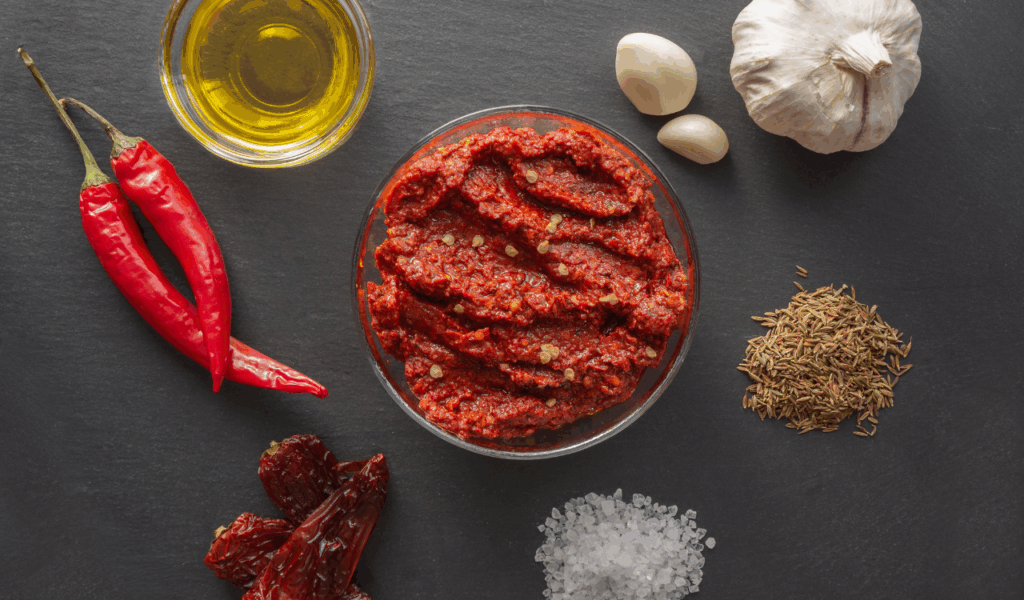
One of the most technical aspects of hot chicken is the “dip,” where the fried bird is submerged in a spiced oil bath. According to master fry cooks, if the temperature of the oil is even a few degrees too high when the spices are added, the peppers will scorch instantly. This results in a bitter, charcoal-like aftertaste that many outsiders mistake for “intensity” but is actually a culinary flaw. Experts say that this bitterness is often what people are referring to when they say a joint is just spicy; they are tasting the remnants of burnt spice rather than the intended flavor profile.
According to professional kitchen consultants, high-volume joints often struggle with this consistency, leading to batches of paste that vary wildly in quality throughout the shift. When a tourist happens to visit during a period of poor oil management, they receive a plate that tastes like singed earth and capsaicin.
This inconsistency is a major hurdle for regional brands trying to prove their worth to a national audience. If the kitchen staff isn’t trained to recognize the smell of burning cayenne, the restaurant will continue to underdeliver on the promise of a nuanced, savory, and deeply satisfying Southern meal.
4. The Marketing of “Instant Regret”

The “dip,” when the fried chicken is put in a bath of spiced oil, is one of the most technical parts of hot chicken. Master fry cooks say that if the oil is even a few degrees too hot when the spices are applied, the peppers will burn right away. Many people who don’t know better think this is “intensity,” but it’s really a cooking blunder that leaves a bitter, charcoal-like taste in the mouth. Experts claim that when people say a joint is only spicy, they are usually talking about this bitterness. They are feeling the scorched spice instead of the taste profile that was meant to be there.
Professional kitchen experts say that high-volume outlets often have trouble keeping this consistency, which means that batches of paste might be very different in quality during the shift. If a tourist comes to town while oil management is bad, they get a plate that tastes like burnt soil and capsaicin.
This discrepancy makes it hard for regional brands to show national audiences that they are worth their time. The restaurant will keep failing to deliver on the promise of a complex, tasty, and deeply gratifying Southern dinner if the kitchen staff doesn’t know how to tell when cayenne is burning.
5. Over-Battered and Under-Seasoned
The crust of a piece of hot chicken is supposed to hold the spice paste, however many regional places employ a batter that is overly thick and heavy. Professional fryers say that a “double-dredge” that is too thick can stop the spicy oil from getting to the meat and soak up too much grease.
Experts claim this makes the bite mushy and oily, with the sole flavor being the intense heat of the coating. This difference in the texture and flavor is one of the main reasons why people who aren’t from the area don’t like the meal or think it’s “just hot” without the crunch.
Culinary teachers say that the ideal hot chicken should have a light, shattering crispness that lets the spice paste stick without leaving the skin mushy. If a joint doesn’t do the fry technique well, the client ends up with a mouthful of spiced flour and oil. This makes the food seem heavy and bad, which hides any good ingredients the cook may have utilized.
Professional flippers of failing restaurant ideas often say that the first step in turning a “one-time tourist trap” into a revered local institution with staying power is to correct the fry-to-spice ratio.
6. Neglected Side Dishes
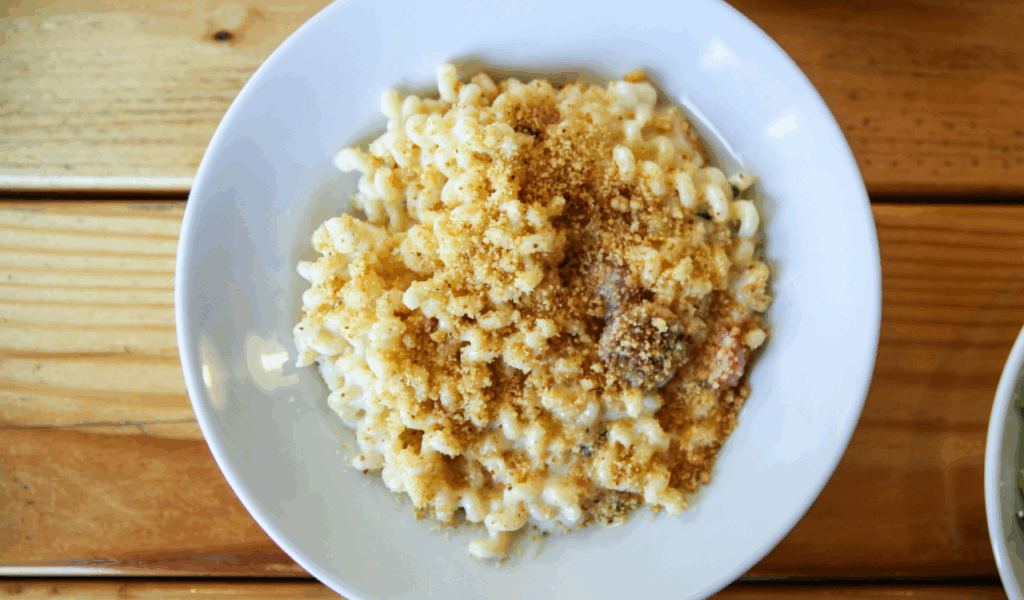
At many famous hot chicken places, the sides are just as vital as the chicken itself because they cool down the heat. Experts say that many newer regional restaurants use sides like mac and cheese or coleslaw as easy fillers, though. Professional menu planners for restaurants say that a bland, watery coleslaw or a box-mix macaroni dish doesn’t have the creamy texture that is essential to calm a burned mouth. When the sides aren’t good, the focus stays on the chicken’s spice, which makes the whole dish feel unbalanced and harsh.
Food experts say that a superb hot chicken place should feature sides that are unique, like “vinegar-forward” greens or “sweet-and-savory” baked beans. These parts are necessary to make a “complete” supper that people from outside will see as a real culinary tradition. Experts argue that when the sides are left out, the guest has to deal with the heat in a vacuum, which nearly invariably leads to the “just spicy” decision. To avoid this, the people who host these events need to make sure that everything on the plate works together to create a unified, multi-sensory experience that lives up to the anticipation.
7. The Lack of “Nashville Lard” Tradition
Traditionally, authentic hot chicken was prepared with lard, which gives it a unique texture and a subtle, delicious flavor that veggie oil can’t match. Experts note that a lot of modern restaurants have moved to cheaper seed oils for frying and making spice paste in order to save money and attract health-conscious customers.
Professional chefs say that this alteration is a big reason why people from outside the area think the food is bland. The heat doesn’t feel “round” and “soulful” on the tongue since it doesn’t have the richness of animal fat to convey the spices.
Hospitality experts say that the type of fat used is what makes a world-class regional joint different from a regular spicy chicken shop. Lard keeps the flavor stable, so the heat doesn’t sting right away. When a restaurant offers a traditional experience yet uses industrial oils, they don’t deliver on the dish’s essential essence. Experts say that to really appreciate why people in the area adore hot chicken, you need to go to a place that hasn’t changed where it gets its fat. The outsider can only look past the heat and taste the deep, rich flavor of the dish after that.
8. Frozen Chicken and Poor Sourcing
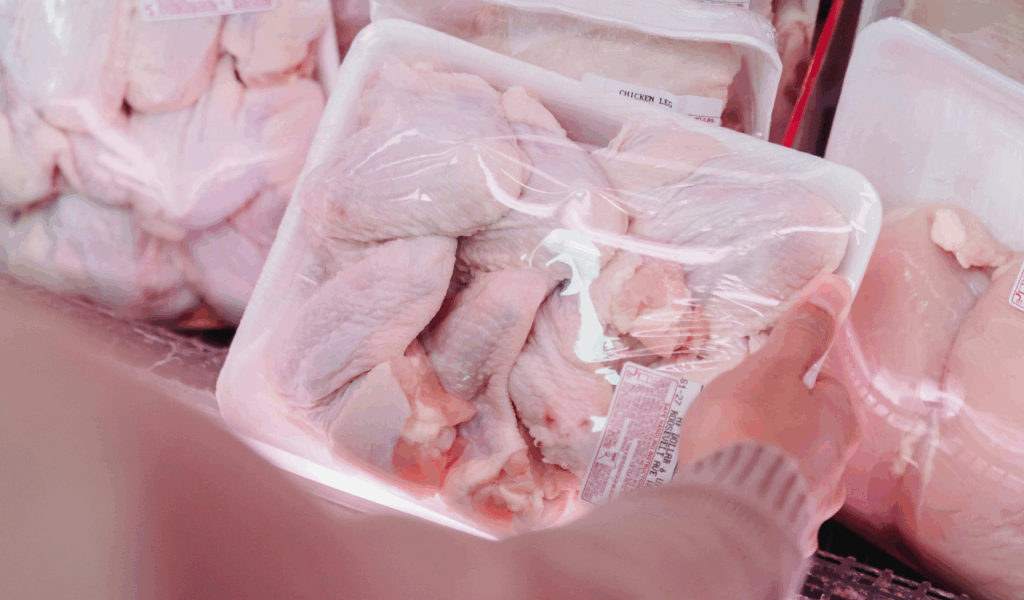
In the end, hot chicken is still chicken, and the quality of the bird is quite important. Experts argue that a lot of regional restaurants, especially those that have grown quickly, use frozen, mass-produced chicken that has been injected with saline solutions. Professional butchers say that this low-quality meat doesn’t have the natural fluids and structure to handle the severe frying and spicing process. The chicken ends up feeling “rubbery” or “stringy,” so the guest can only think about how hot it is because the meat itself is not satisfying.
Cooks say that if the main ingredient is bad, no amount of spice can make the dish better. People who are used to eating good chicken in other places would notice right away that the meat doesn’t taste well and will blame their displeasure on the “spicy distraction.”
Professional chefs say that to make sure the meat is delicious enough to compete with the cayenne, you should get fresh, air-chilled birds. If a host cares more about the Scoville scale than the quality of their meat, they are not delivering on the promise of a delicious meal. This makes people think that hot chicken is merely a spicy mask for bad ingredients.