9 “Chef’s Table” Experiences Hosts Overpromise and Underdeliver
The “Chef’s Table” is the most important status symbol in modern dining. It promises an intimate peek into the heart of the kitchen. Many restaurant owners and hostesses advertise these seats as a once-in-a-lifetime chance to see culinary magic up close, but the truth is that the experience typically doesn’t live up to the hefty price tag.
Instead of a one-on-one tutorial, customers often feel like they’re being neglected while the kitchen staff rushes around them. This generates a mental divide because the diner thinks they are the focus of attention, but the kitchen staff sees them as just another impediment in a tight path.
Experts claim that the real luxury is in the contact and the story behind the meal, but many restaurants treat the Chef’s Table like any other busy station. Top hospitality advisors say that the difference between marketing brochures and the actual dinner service is getting bigger. When the focus changes from the guest’s experience to just the practicalities, the enchantment goes away.
When the promised exclusivity turns out to be a crowded, noisy, and unpolished distraction from the meal itself, these high expectations can lead to significant disappointment. In the end, a host must close this gap by making sure the kitchen is ready for guests both physically and mentally, or they risk hurting their reputation.
1. The Myth of Direct Interaction
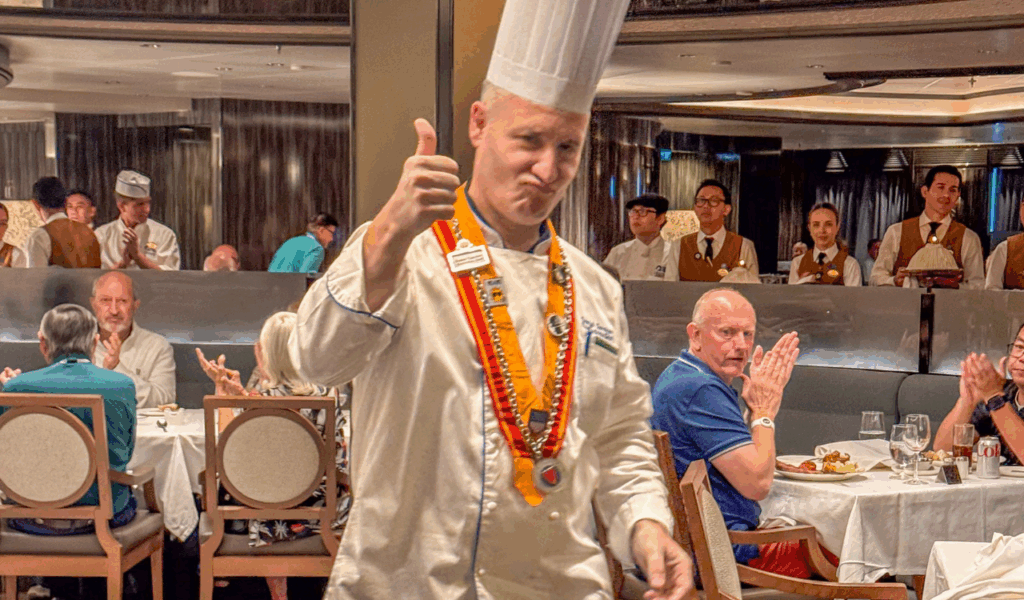
Many hosts say that guests will spend the night talking to the head chef, but experts say this is not usually the case. In a busy kitchen, the executive chef is often in charge of the pass or keeping an eye on many orders at once. Veteran kitchen managers say that the actual contact is often only a short nod or a rehearsed thirty-second introduction before the chef goes back to work on the line. The truth is that the person you came to see is busy guiding a group of people, not giving you a private tour of your table.
The disconnect happens because the kitchen staff is more concerned with getting things done than with making people laugh. The website might make it seem like everyone works together, but you will probably spend three hours watching the back of a sous chef’s head as they plate appetizers.
Designers say that if a host can’t promise the chef enough time to talk, they shouldn’t advertise it as an interactive event. Without that real personal connection, it’s hard for any diner to justify the high price, especially when they feel like they’re just sitting in a very nice chair and watching a bustling office.
2. Overwhelming Noise and Heat Levels
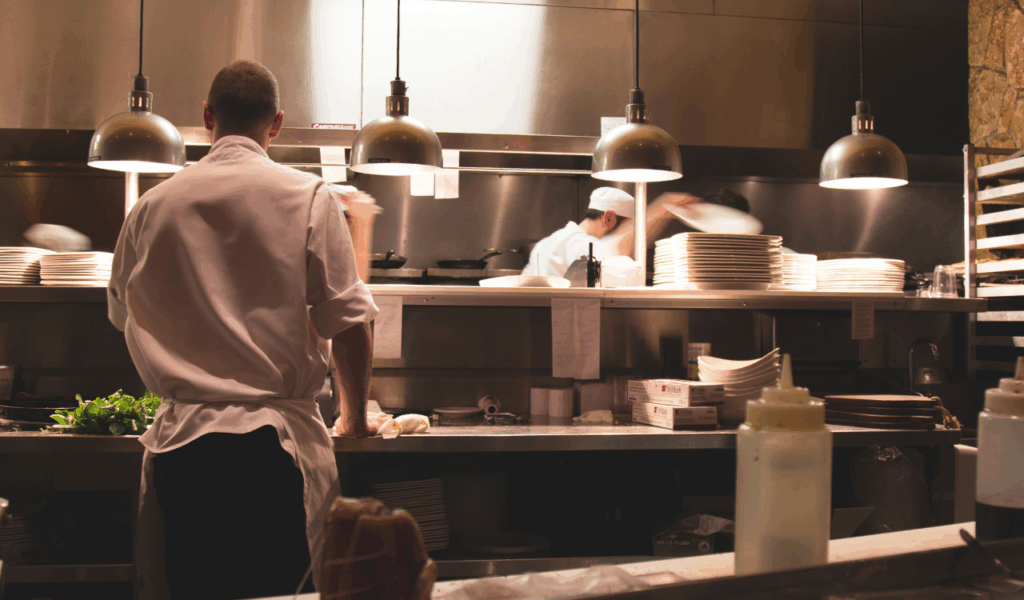
Dining in a kitchen sounds romantic until the reality of industrial ventilation and clanging pans sets in. Professional kitchen designers reveal that most commercial spaces are not acoustically treated for guest comfort. You might expect soft jazz and the gentle sizzle of garlic, but you are more likely to hear shouting, timers beeping, and the roar of a high powered exhaust hood that makes conversation nearly impossible. The sheer volume of a working kitchen can be jarring for those expecting a serene, high end atmosphere where every word is audible.
Experts say the physical environment is often the biggest letdown for those seeking a refined evening. The temperature near a professional range can soar, leaving guests feeling uncomfortably warm while they try to enjoy delicate wine pairings. According to hospitality organizers, hosts often forget to adjust the ambient conditions for the Chef’s Table area.
This lack of environmental control turns what should be a cozy, front row seat into a sweaty, loud, and ultimately exhausting ordeal for the guest. If the climate isn’t managed, the most expensive steak in the world won’t taste good to a diner who is overheated and frustrated.
3. The Performance vs. The Reality
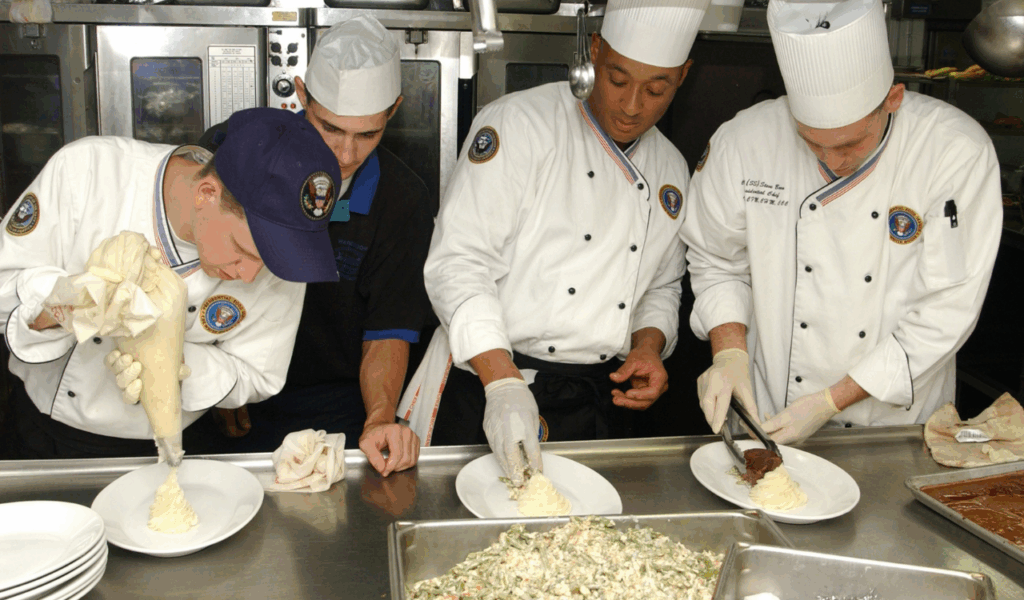
Hosts typically advertise the Chef’s Table as a show where every move is planned out for your delight. But expert chefs say that a real kitchen is untidy, boring, and even stressful. You might not see creative plating all night. Instead, you might see someone scrub a floor drain or hear a heated debate between the front of house and kitchen staff. The “theater” of the kitchen frequently consists of unplanned stressful moments that might make guests feel more uncomfortable than entertained or educated by the process.
According to etiquette experts, an open kitchen can be a bad idea if the staff forgets that paying clients are seeing them. A lot of restaurants don’t know how to straddle the line between real action and unprofessional chaos on a crowded Friday night. When a presenter promises a perfect show, the guest feels like they are an unwelcome guest at a high-stakes workplace. Designers say that if a kitchen isn’t ready for regular scrutiny, the host should think about not allowing such a close-up look, since reality is rarely as polished as the marketing photographs make it seem.
4. Generic Menus Without Customization
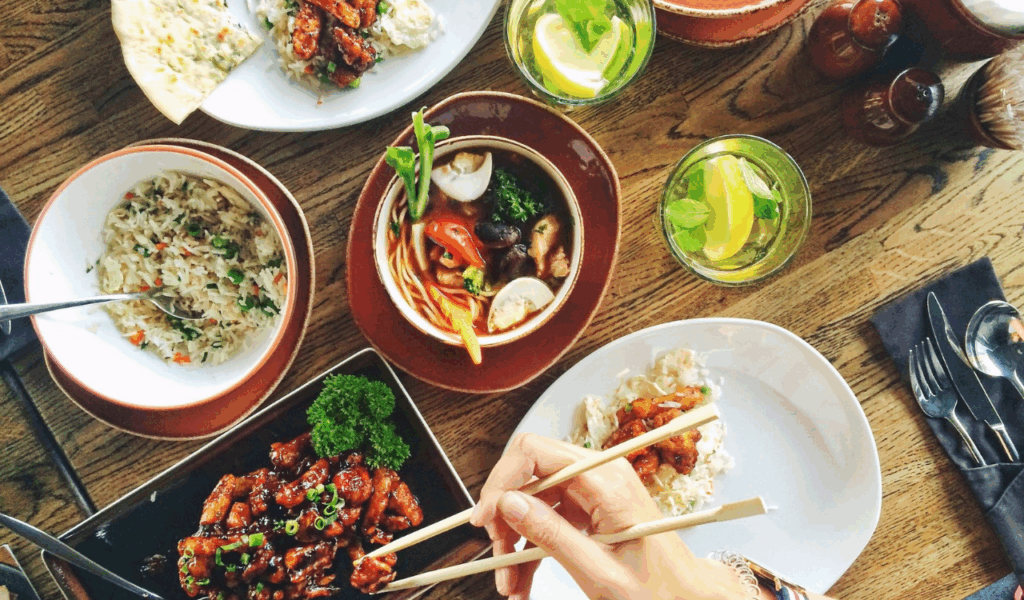
A real Chef’s Table should have experimental dishes or off-menu creations that are made to fit the customers’ tastes and the chef’s current ideas. Sadly, many experts say that restaurants often serve the same tasting menu as the regular dining room.
Professional food experts say that this lack of exclusivity is a big problem for people who spend a lot of money for the VIP seats. People expect to see into the chef’s head, yet they usually just see the same old corporate manufacturing line of meals.
When a host promises a “curated journey” yet gives you the same old food, the value proposition falls apart right away. Culinary experts say that the best experiences happen when the chef tries out new ingredients or tells personal stories through distinctive cuisine. Without these special touches, the Chef’s Table is just a typical supper with a less comfortable chair and more noise in the background. If the kitchen is too busy to come up with new ideas for a small party, the host is basically charging too much for a view that doesn’t really make the food taste better or make it more exclusive.
5. Intrusive Service Pacing

Pacing is a tricky skill, yet it’s one of the most common things that hosts don’t do well at the Chef’s Table. People that sit at this table often “course rush,” which means that when a dish is ready, they drop it right away without caring about how far along the guest is.
Experts believe that being too near to the source might spoil the flow of a meal and make it feel more like a food trial than a supper. You might get a new course while you’re still eating your old one.
Luxury travel planners say that one of the most prevalent complaints is that they feel rushed through the event to make room for the next seating. When customers can see the kitchen, they feel a subliminal need to eat faster to keep up with the staff’s frenzied pace.
The people in charge say that the host should teach the team how to keep the kitchen’s speed and the guests’ comfort separate. If the pace feels like a race, the pricey night rapidly stops feeling like a luxury and starts to feel like a chore. In a five-star hotel, a guest should never feel like they are on a timer.
6. Lack of Privacy and Comfort
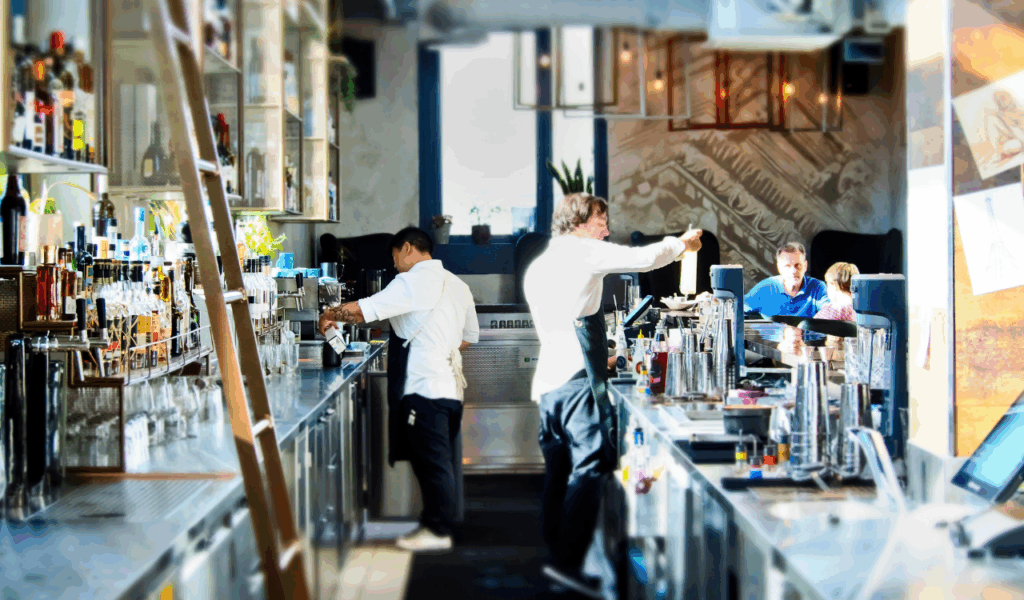
High-end diners often find that being in the heart of the action is not as fun as they thought it would be since they don’t have any privacy. Interior designers say that Chef’s Tables are usually in busy hallways where servers and porters walk by customers’ chairs all the time.
Guests typically want to have a private talk when they schedule a special event, but this lack of personal space might make it impossible. Everyone in the kitchen and every passing waiter hears your intimate anniversary discussion.
Experts argue that the “vibe” of the kitchen often comes before comfort. A lot of these tables have high chairs without back support, which can be very unpleasant for a long tasting menu with numerous courses. Physical therapists and ergonomic experts say that sitting like this can make you tired, which can take away from the skill of cooking.
When the physical setting is an afterthought, the guest’s memory of the night is marked by back ache instead of the flawlessly cooked scallops. A host who doesn’t care about ergonomics isn’t keeping their promise to be hospitable and relaxing.
7. The Distraction of Cleaning Duties
Cleaning is always going on in a professional kitchen to keep things safe, but it’s not always a pretty sight for diners. Experts say that hosts sometimes forget that guests at a Chef’s Table will see everything, even while they are cleaning up and disinfecting surfaces. People pay for a high-end experience, not to see a porter struggle with a large garbage bag or mop bucket just inches from their dessert. It shatters the fantasy of the gourmet world and replaces it with hard work.
Hospitality consultants say that the “behind the scenes” promise often contains items that the guest didn’t want to see or smell at all. Many hosts don’t think about how the smell of strong cleaning agents can quickly overpower the delicate smell of a great wine or a subtle truffle sauce.
During a Chef’s Table service, chefs say that cleaning schedules should be changed, although this doesn’t happen very often in a busy restaurant. This conflict between the real world of work and the high-end expectations is still a big reason why these experiences don’t live up to the high-end diner’s expectations.
8. Unprepared or Nervous Staff
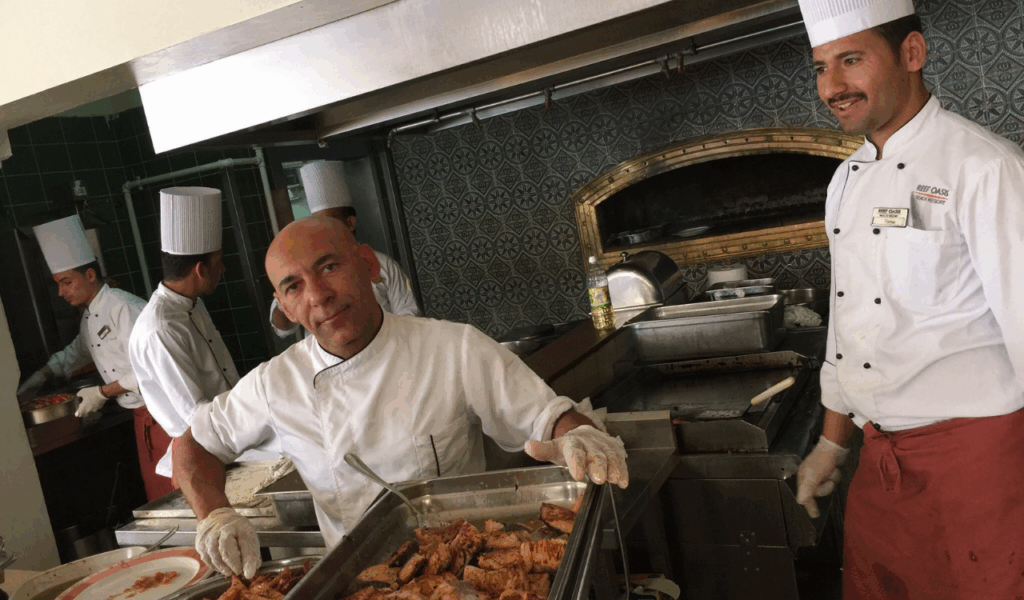
Not every cook is a performer, yet hosts often make their staff perform without giving them the right training. Experts claim that a lot of line cooks don’t like being monitored while they work, which makes the kitchen feel tense. Professional trainers say that this kind of social anxiety can make the service robotic, with staff members avoiding eye contact and refusing to answer queries. This is the opposite of what the host promised when they said the service would be “interactive.” You feel like you’re witnessing a bunch of individuals who really want you to leave.
If the crew isn’t equipped to deal with the public, things are uncomfortable for everyone. Designers say that only restaurants with staff that is ready to work on stage should try a Chef’s Table. If the cooks look stressed, angry, or annoyed by having visitors around, the dinner goes from being informative or fun to being awkward. When guests know they are bothering the personnel, it ruins even the best and most costly lunch right away. A staff that is as comfortable with people as they are with pans is what real hospitality is all about.
9. Lack of Educational Value
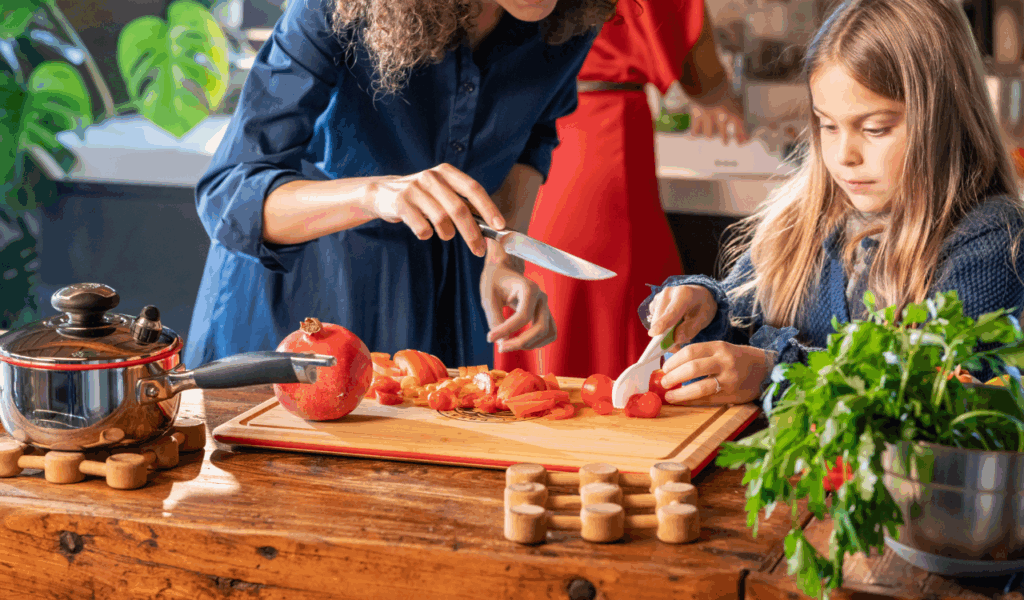
A lot of people schedule a Chef’s Table just to learn about the chef’s cooking style, sourcing, and procedures. But a lot of specialists think that presenters don’t do a good job of teaching, giving very little information about what’s on the plate. Culinary teachers say that just naming the ingredients on a plate doesn’t mean you’re really getting into the world of professional cuisine. Guests want to know why you used a certain type of wood to smoke or where you got a rare heritage veggie from.
When a host promises a “insider’s look” but doesn’t give any background information, the guest feels like they’re just watching instead of being involved. People who really know about cooking say that a good experience should involve demonstrations of certain talents or explanations of how complicated fermentations work.
The experience doesn’t have the depth it needs to be considered exceptional in the market without this layer of narrative and sharing knowledge. If you don’t learn anything new about the craft before you leave the table, the host has failed to keep the Chef’s Table’s main promise. The information is equally as vital as the food.