8 Types of Flocked Wallpaper That Don’t Hold Up in Humid Bathrooms
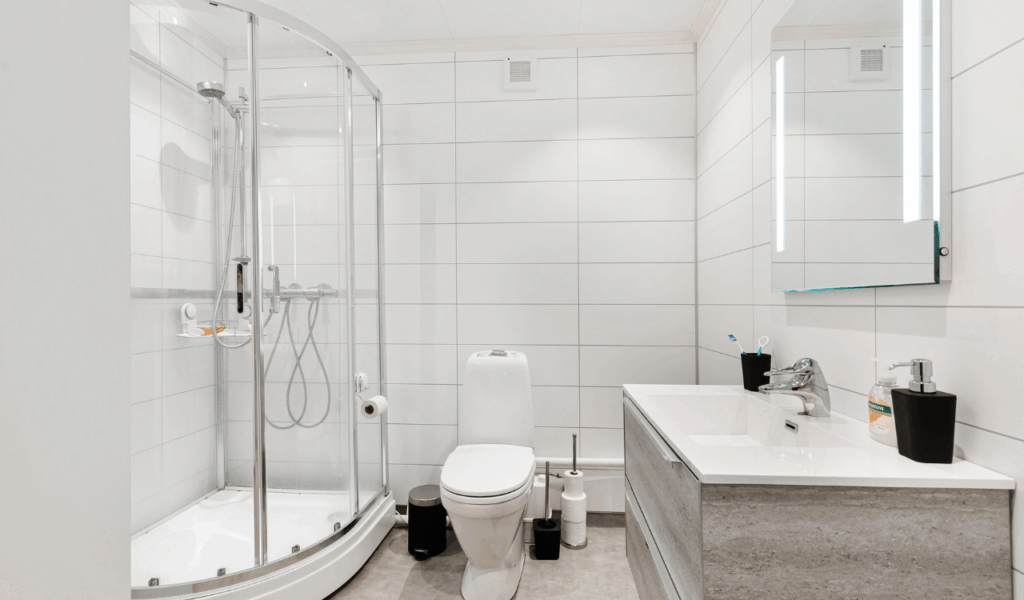
Flocked wallpaper, which is known for its soft, raised patterns and sumptuous feel, is making a big comeback in high-end interior design. It has a tactile beauty that flat paper can’t match, yet it is known to be quite sensitive to changes in temperature and humidity. A lot of people who own or rent homes put these velvet-textured sheets in their bathrooms to make them look like “jewelry boxes,” but they don’t always pay attention to how the material works. Interior designers say that flocking is just a bunch of small synthetic fibers attached to a backing. This makes it very easy for moisture to get in for the glue to fail.
Experts argue that the same texture that makes flocked wallpaper look good also makes it a bad choice for a humid place. Professional wallpaper hangers say that the fibers hold moisture against the paper backing, which makes the paste mushy and causes the seams to curl. When a host promises a spa-like getaway but utilizes regular flocked paper, they often don’t deliver because the edges start to loosen after a few months. This makes the bathroom look dirty and “fuzzy” for all the wrong reasons, turning a smart design choice into a maintenance nightmare that needs to be patched up all the time and needs professional help to keep it looking good.
1. Low-Quality Non-Woven Backings
A lot of new flocked wallpapers have a non-woven backing that is sold as “breathable” and easy to put up, but experts say this material can be an issue in bathrooms. Professional contractors say that non-woven backings are generally less stable than regular paper when exposed to very high steam. The backing expands and contracts at a different rate than the flocked fibers on top as the bathroom fills with hot steam. The wallpaper pulls away from the wall in the weakest spots, such the ceiling line and corners, because of this internal stress.
Designers say that if you have to use flocking in a bathroom, you should stay away from cheap non-woven choices that don’t have a core that is reinforced with vinyl. Interior designers say that the “thrift store” effect happens when the backing gets too wet and starts to sag because of the weight of the moist velvet finish.
Professional flippers say that after these sections have bent from being exposed to steam, it is almost impossible to re-adhere them. To avoid a peeling disaster, experts say to opt for “contract-grade” flocked materials that are specifically approved for locations with a lot of moisture. However, even these need careful installation and strong ventilation to last.
2. Incompatibility with Standard Cellulose Paste
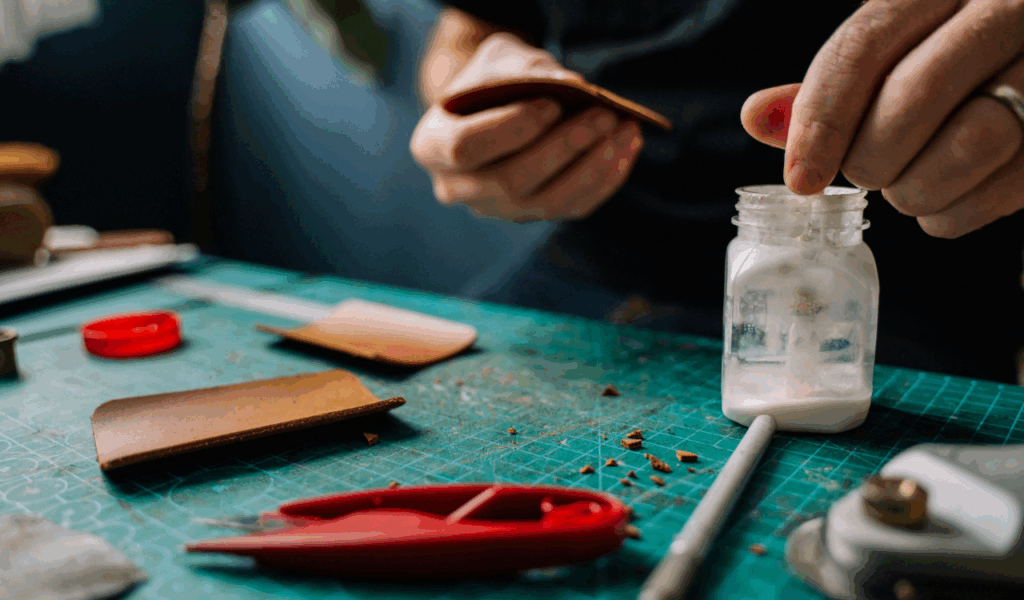
A lot of people who like to do things themselves and aren’t very good at hosting make the error of using regular cellulose-based wallpaper paste for large flocked designs. Experts believe that cellulose paste is too weak and dissolves too easily in water to hold the weight of flocked paper in a washroom that is always wet.
Professional paperhangers say that the steam from a daily shower acts as a solvent, gently breaking away the glue until the whole sheet falls off the wall. This makes things untidy and unsightly because the “luxury” wallpaper starts to look like a peeling sticker in a rental home that hasn’t been taken care of.
Hospitality experts say that using the wrong glue is the main reason why bathroom wallpaper projects fail early. They suggest using a strong, clay-based glue or a special “vinyl-over-vinyl” glue that makes a bond that doesn’t let water through. Organizers, on the other hand, say that these stronger glues are more difficult to get rid of later, so the project is a permanent commitment. If a host promises a rapid bathroom makeover but doesn’t use good glue, the guest is likely to see the wallpaper practically ripping apart at the seams while they are there, which completely undermines the high-end look.
3. Fiber Shedding in High-Traffic Areas
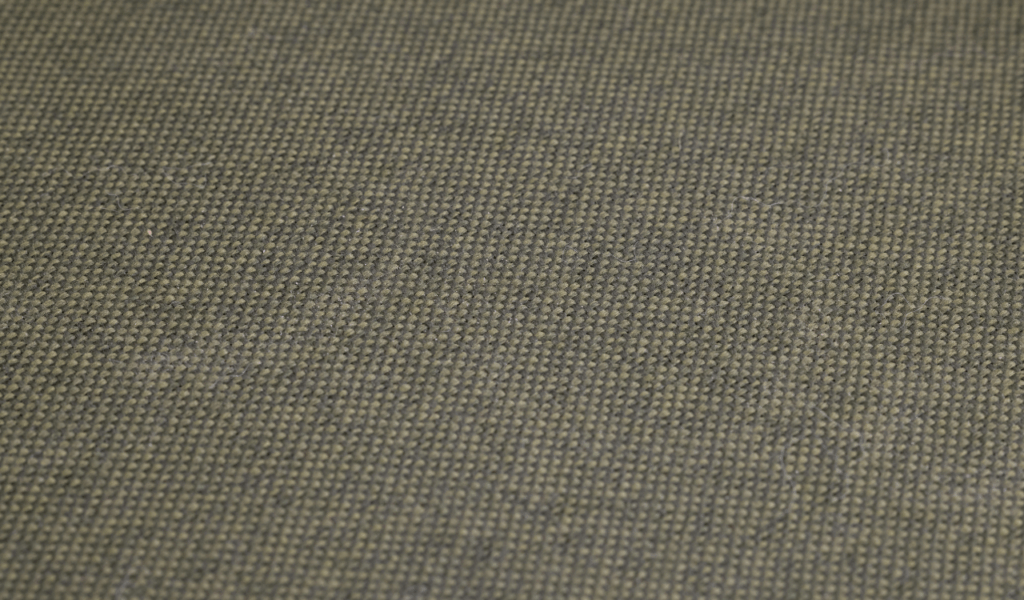
The adhesive that holds the flocked wallpaper’s velvet-like strands in place might break down when it gets wet and is touched a lot. Experts say that in small restrooms, guests often bump into the walls by accident, which makes the damp fibers rub off. Professional furniture restorers who work with comparable materials say that once the “flock” starts to come off, it leaves behind gleaming, bald patches on the underlying paper. This gives the place a worn-out, shredded aspect that makes even a brand-new restoration look like an old piece of junk from a thrift store.
Interior designers say that the “steam and dry” cycle of a working bathroom makes the shedding problem worse. The fibers keep expanding, which weakens their binding to the paper. This makes them slip off with the slightest touch or even during regular cleaning. Organizers say that flocked wallpaper should never be put near towel racks or cosmetic mirrors, where water splashes are common. If the host doesn’t take this wear and tear into mind, the wallpaper will quickly lose its soft texture and become a place for dust and dirt to collect, which is the contrary of the clean, polished look that most homes want.
4. The Trap of Poor Ventilation
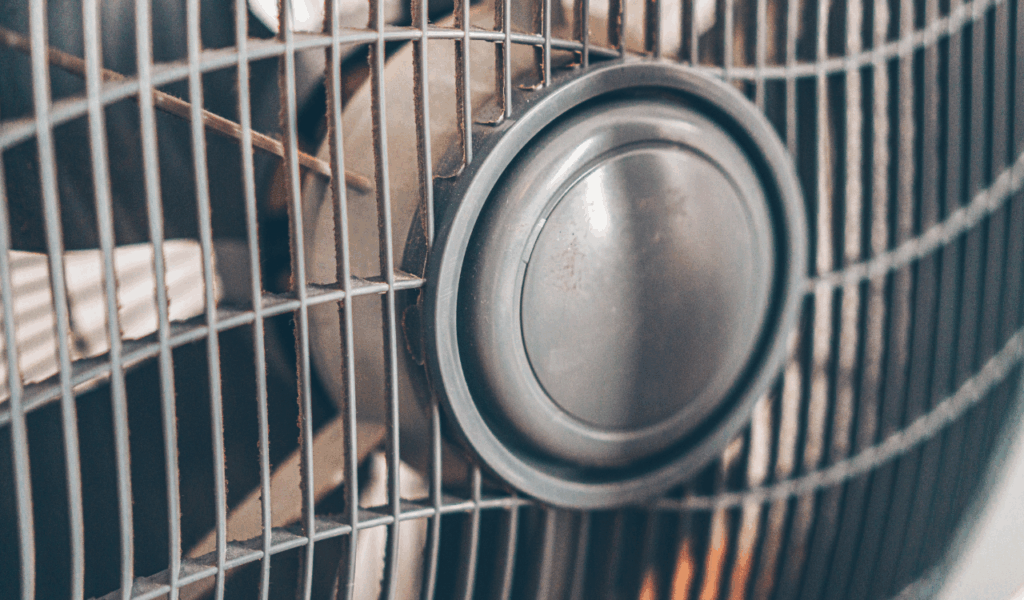
If the bathroom doesn’t have a high-cfm (cubic feet per minute) exhaust fan to draw moisture out of the air, even the best flocked wallpaper will fall off. Experts warn that a lot of older homes or guest rooms have “decorative” fans that aren’t strong enough to manage the steam from a modern rainfall showerhead.
If steam stays on the velvet surface for more than ten minutes, it starts to get into the fibers and reach the adhesive layer, according to experienced HVAC contractors. Because there isn’t enough air movement, the bathroom becomes a tropical greenhouse that is bad for any paper-based wall covering.
Hospitality designers say that a host who puts up flocked wallpaper without improving the airflow is dooming the project to fail. They say that fans should be set to run for at least twenty minutes after a shower to make sure the wallpaper is totally dry. Without this functional support, the flocked designs will have wet stains and start to peel within the first year. If you can’t feel a strong draft while the fan is on, experts say that your pricey flocked wallpaper is basically a ticking time bomb for mold growth and peeling edges.
5. Mold Growth Beneath the Velvet
Flocked wallpaper is thick and porous, so it can act like a sponge and hold moisture between the fibers and the drywall. Experts say that this makes the perfect dark, wet place for mold and mildew to grow without being detected. Professional house inspectors say that by the time you find black dots on the surface of the flocking, the colony is probably already well-established behind the paper. This is a serious health and safety issue that makes a stunning design choice into a dangerous place for guests and inhabitants to live.
Interior organizers say that the “thrift store” smell that old wallpaper typically has is actually the smell of dampness and microbes that have become trapped. They suggest putting on an anti-microbial primer before installing it to protect it, but even that won’t work all the time in a humid bathroom.
Designers say that if mold gets into the fibers of flocked paper, the whole installation has to be taken down and thrown away. If a host doesn’t think about the biological dangers of utilizing fabric-like materials in a wet room, they aren’t keeping their pledge to provide a clean and safe place for their guests.
6. Edge Curling from Heat Spikes
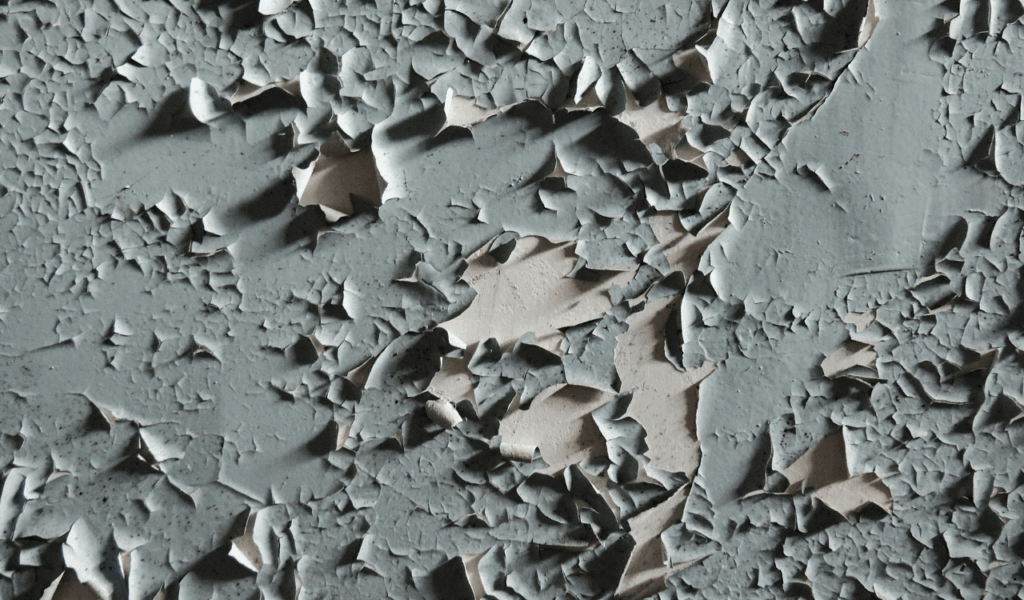
When you turn on the shower, the temperature in the bathroom can change quickly, moving from cool to quite hot in only a few minutes. Experts claim that flocked wallpaper is especially sensitive to these “heat shocks,” which make the paper expand quickly while the glue is still cold.
This physical stress almost often causes the edges to curl, which means that the seams of the wallpaper rise up and show the white wall underneath. Professional decorators say that these seams are a sign of a “cheap” installation, no matter how much the paper cost.
Furniture flippers and renovators say that edge curling is one of the hardest problems to solve since the paper often “remembers” its curled shape even after more adhesive is put on it. Designers say that to avoid this, the wallpaper should be “double-cut” before it is put up so that the seams are as tight as possible.
But even if you do everything perfectly, the heat in a small, steamy bathroom will win out in the end. Experts say that if you really want the look, you should use it in a powder room without a shower, where the temperature stays the same and there is a much smaller chance of peeling.
7. Staining from Water Minerals
Flocked wallpaper is well known for being hard to clean because you can’t just wipe it down with a wet towel without hurting the fibers. Experts say that in bathrooms with “hard water,” the steam brings minerals that settle into the velvet pattern and leave behind white or crusty deposits. Professional cleaners say that these stains are almost impossible to get rid of without taking the flocking off the paper completely. Even if the bathroom has recently been cleaned, this makes it look dirty and “stained,” which makes it look like it hasn’t been cleaned.
Interior designers say that the texture of the flocking can also trap hairspray, perfume, and other bathroom sprays, which can make the fibers sticky and matted over time. This buildup draws in dust, making the beautiful velvet look like an old carpet with a gray, fuzzy mess. If the host doesn’t want to spend hours dusting the walls by hand with a gentle brush, organizers say they should stay away from flocked materials in the bathroom. Flocked paper is hard to keep clean, which makes the bathroom look “shabby” instead than “chic.”
8. Fading and Discoloration from Dampness
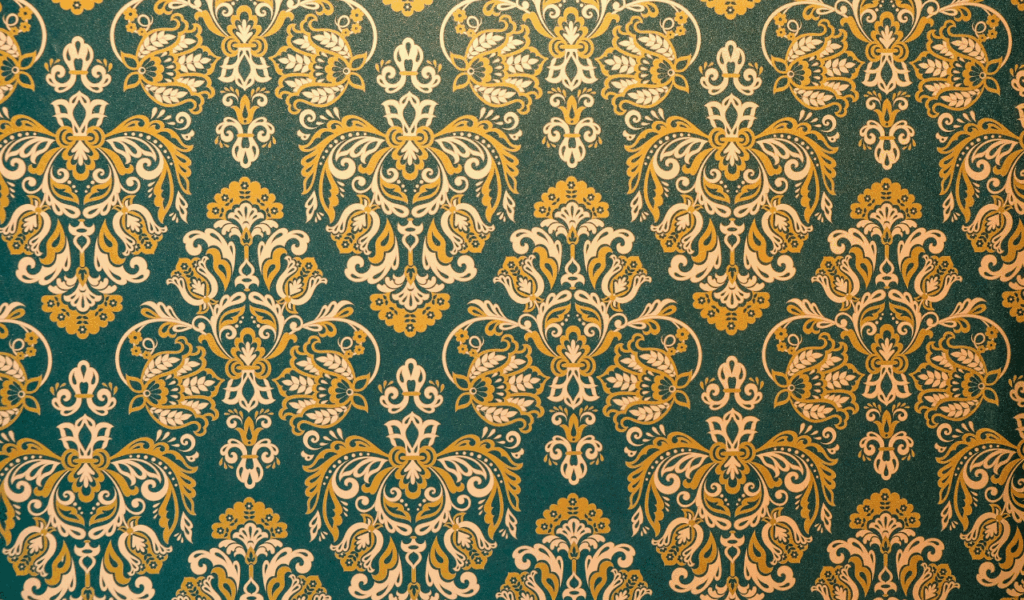
We usually think of fading as something that happens when something is in the sun, but persistent moisture may also make the colors in flocked wallpaper bleed or move. Experts explain that flocked designs often have deep, rich hues like burgundy, navy, or emerald. These colors are likely to “crock,” which means that the pigment rubs off on towels or clothes when the paper is wet. Professional textile specialists say that this color transfer means that the wallpaper is not chemically safe for a place with a lot of humidity. It makes the wallpaper look faded and inconsistent in hue.
Consultants in the hotel industry say that customers often get upset when they lean against a wet wall and get dye stains on their skin or expensive bathrobes. This is a big letdown for the promise of a high-end experience. Designers say that the steam can also break down the glue that holds the colors to the fibers, making the fabric look “mottled,” like something you would find at a cheap thrift store. Experts say that you should only use flocked paper in spaces with good air flow where it can stay bone-dry. This is because moisture is the worst thing for its bright, velvety feel.