9 Decorative Storage Pieces That Hold Almost Nothing
Decorative storage promises organization without sacrificing style, but many of these pieces deliver far more visual appeal than actual function. They’re designed to look tidy, intentional, and magazine-ready, yet fall apart the moment real life enters the room. Shallow shelves, tiny compartments, and fragile designs often mean there’s nowhere to put the things you actually need to store. Instead of reducing clutter, these items simply rearrange it or put it on display. Understanding which storage pieces prioritize aesthetics over usefulness can save space, money, and frustration.
1. Woven Wall Baskets That Look Functional but Store Practically Nothing

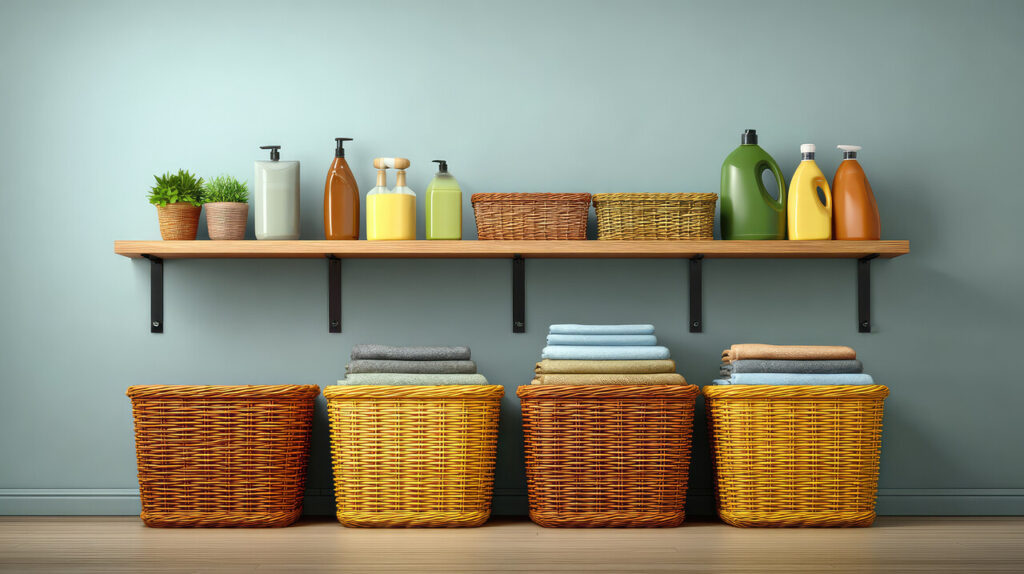
Woven wall baskets are often marketed as a clever storage solution for small spaces, but in reality, their usefulness is limited. Most are shallow, lightweight, and designed to sit flat against the wall, which severely restricts what they can hold. Keys, mail, or a pair of sunglasses might fit, but anything heavier or bulkier causes the basket to sag or pull away from the wall. Their open design also means contents are always visible, which defeats the purpose of storage for people trying to reduce visual clutter. Designers use them primarily as texture and wall decor rather than true organization tools.
2. Decorative Trays That Create the Illusion of Organization

Decorative trays on coffee tables, vanities, or consoles promise to corral clutter, but their actual capacity is minimal. Most trays are shallow and sized to look balanced on a surface, not to hold meaningful amounts of everyday items. Once you place a candle, a small plant, or a book inside, there’s little room left for anything else. They also tend to collect random objects rather than organize them, becoming a holding zone instead of a system. Trays work visually by signaling intention, but they rarely reduce mess in practice. Instead of storing items out of sight, they simply group clutter and keep it on display.
3. Accent Storage Boxes That Are Too Small to Matter
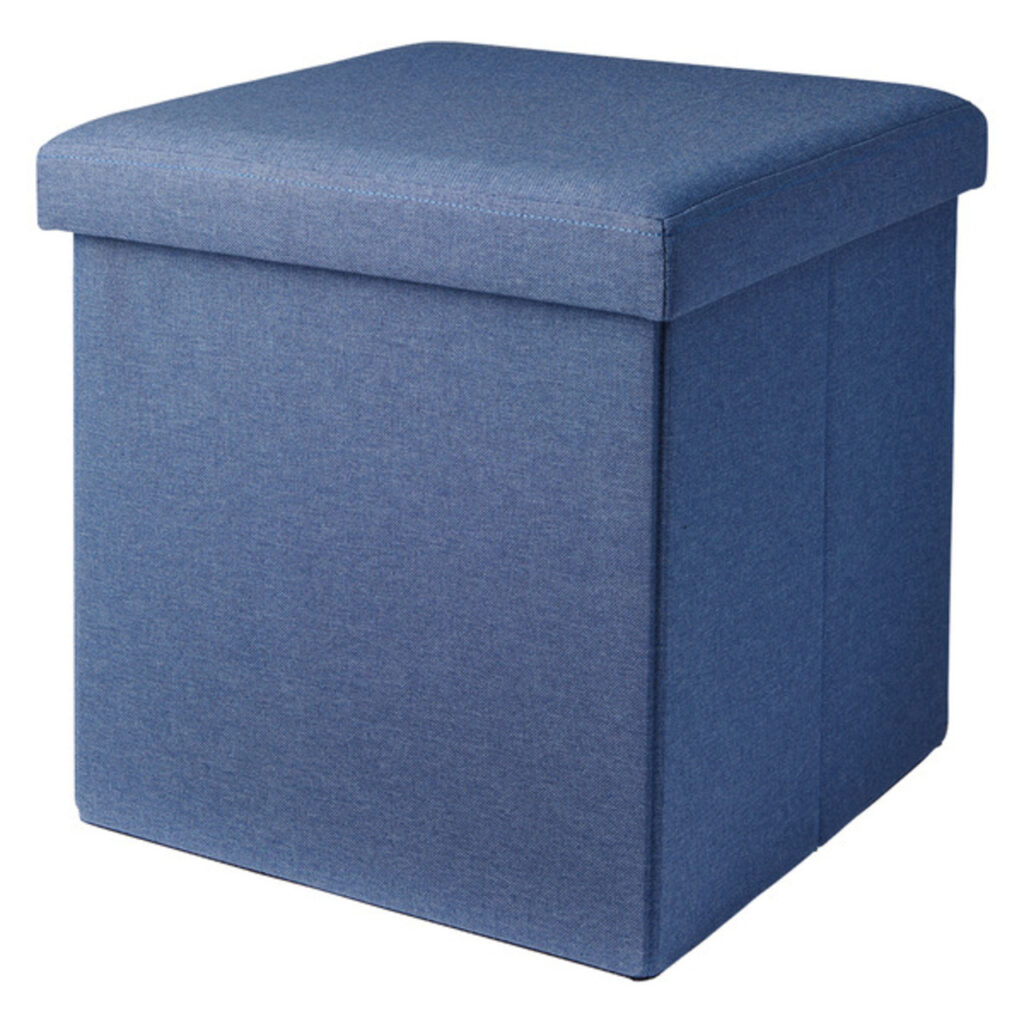
Decorative boxes are popular because they feel discreet and stylish, yet most are sized for jewelry, letters, or keepsakes rather than practical household items. Their interiors are often irregularly shaped or lined in ways that limit capacity even further. Once filled, they become difficult to access, discouraging regular use. Many homeowners end up storing boxes empty or using them purely as decor. While they can hide a few small items, they do nothing for larger storage challenges like paperwork, cables, or everyday tools. The box itself takes up more shelf space than the items it holds, making it a poor tradeoff for functional storage.
4. Slim Floating Shelves That Can’t Handle Real Weight
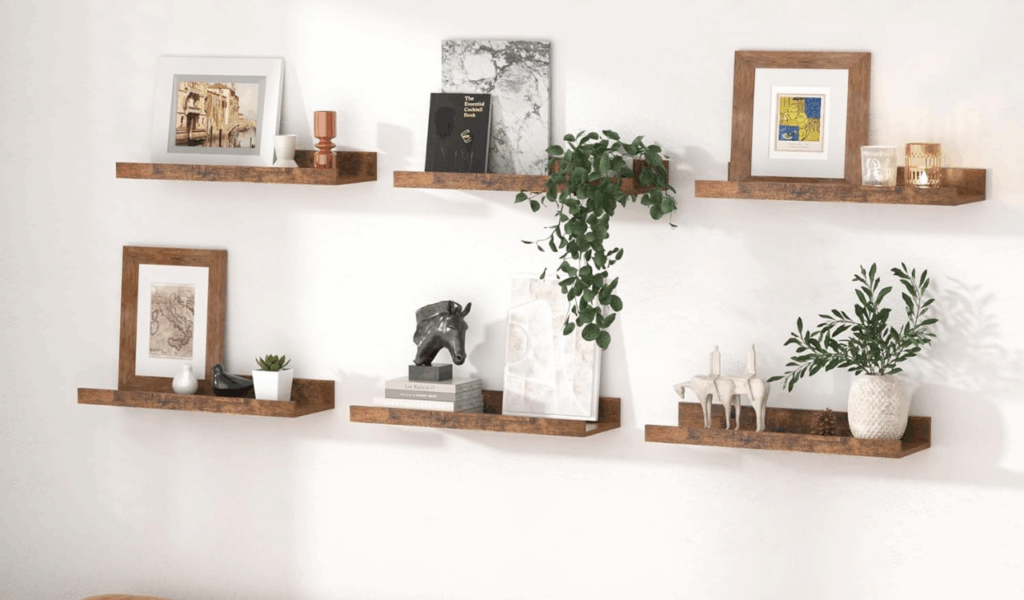
Floating shelves are visually appealing and make walls feel styled, but many are too narrow or shallow to store anything substantial. They’re often engineered for light decorative objects rather than functional loads. Books, baskets, or storage bins may technically fit, but doing so risks sagging or instability. As a result, homeowners restrict these shelves to plants, frames, or small ornaments. That limits their usefulness as storage and turns them into display surfaces instead. In small spaces where every inch matters, floating shelves frequently disappoint by offering presence without capacity.
5. Lidded Jars That Store More Air Than Items

Glass or ceramic lidded jars are often sold as storage, but their real role is decorative. Their narrow openings and limited volume restrict them to cotton balls, matches, or wrapped candy. Anything irregularly shaped becomes awkward to store and retrieve. Once placed on a counter or shelf, they’re rarely moved or refilled, making them static decor pieces rather than working storage. Because they’re transparent or semi-transparent, they also demand neat contents, which further limits use. The jar ends up consuming space while contributing almost nothing to the organization.
6. Mini Cabinets That Prioritize Charm Over Capacity
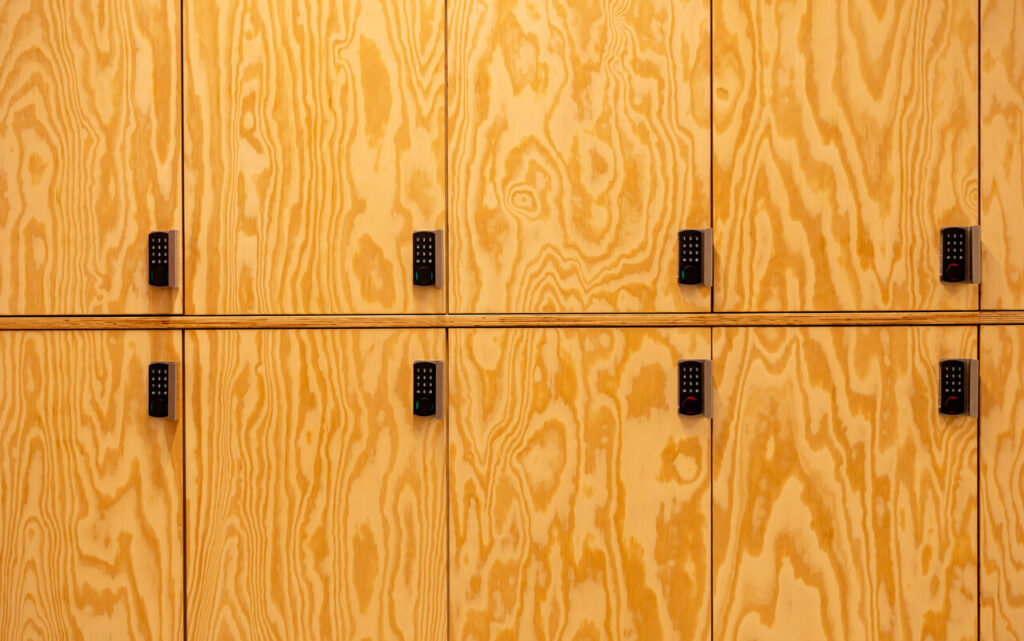
Small accent cabinets promise hidden storage, but their internal dimensions rarely support real needs. Shallow drawers, narrow shelves, and decorative hardware reduce usable space significantly. Many are designed to look proportional in a room rather than functional, which means they can’t hold common household items like folded linens, shoes, or supplies. Opening and closing them often feels more ceremonial than practical. Homeowners quickly realize these cabinets serve as visual anchors rather than problem solvers. The footprint they occupy outweighs the storage they provide, especially in tight rooms.
7. Sculptural Hooks That Suggest Storage Without Delivering It
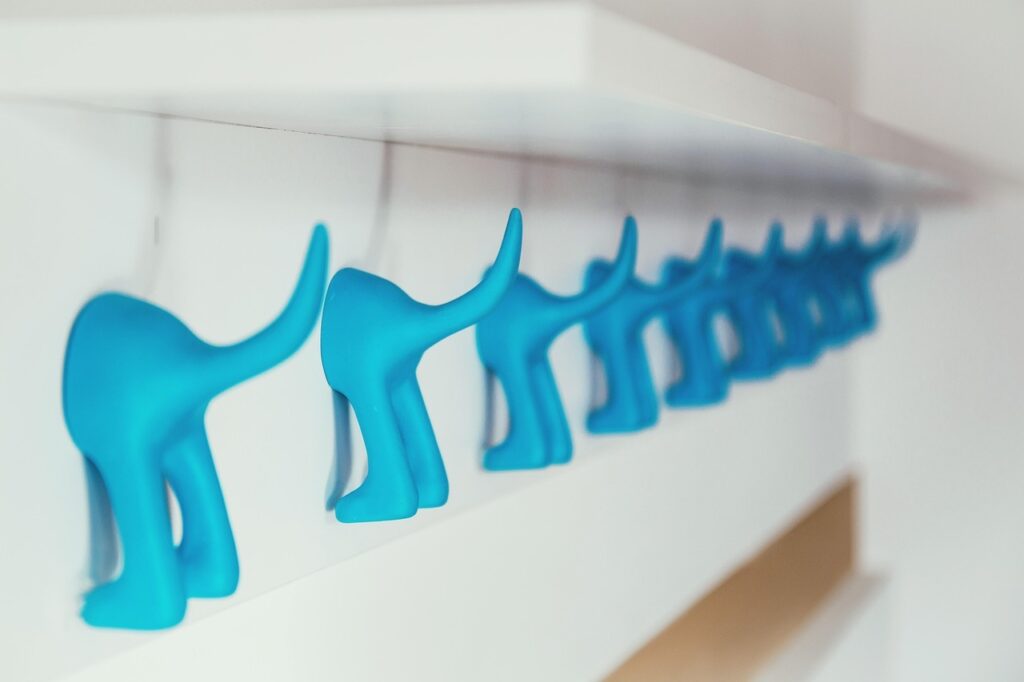
Statement wall hooks often promise simple organization, but their usefulness rarely matches their visual impact. Most decorative hooks are designed to look balanced on a wall, not to carry the weight or volume of everyday items. Once you hang more than a light jacket or a single bag, they start to feel crowded and chaotic. When hooks are installed for symmetry, spacing becomes impractical, leaving too little room for real use. Everything stays fully visible, which adds visual noise instead of reducing it. Over time, hooks encourage piling items on top of one another rather than thoughtful sorting.
8. Glass Display Cases That Store Things You Don’t Touch
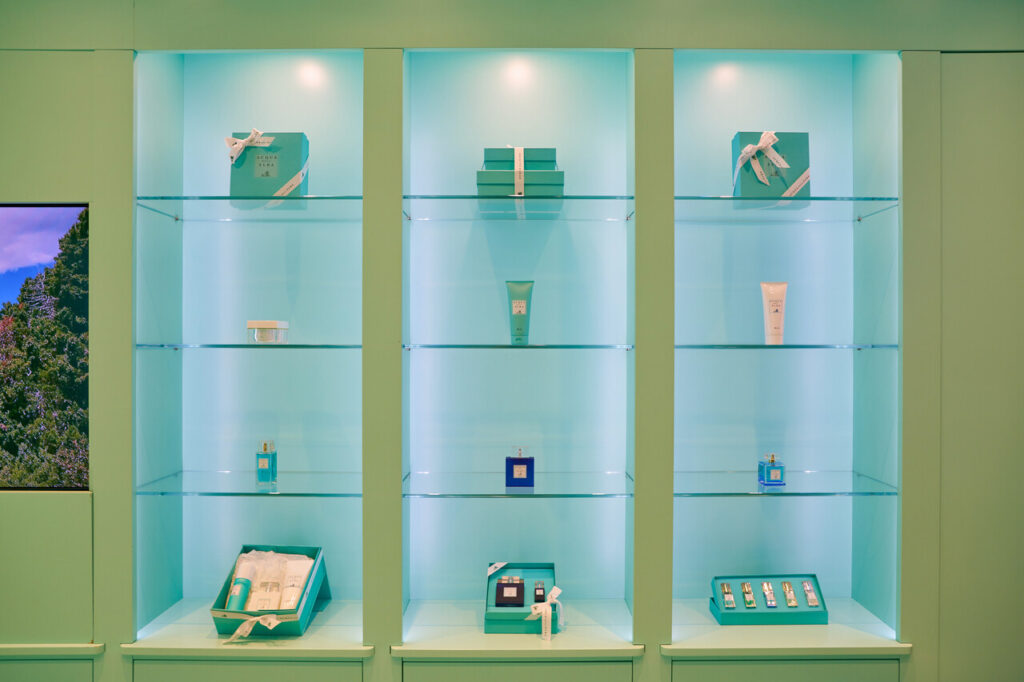
Display cabinets may count as storage on paper, but their purpose is almost entirely visual. Glass doors, interior lighting, and delicate shelving make it clear these pieces are meant to showcase, not serve everyday needs. Storing practical items inside feels wrong because everything must look intentional and perfectly arranged at all times. That pressure discourages regular use and turns the cabinet into a static display for collectibles, glassware, or objects that rarely move. In smaller homes, this becomes a real problem. Display cabinets take up valuable floor space that could support closed storage or multi use furniture. Instead of hiding clutter or improving organization, they demand constant styling and deliver little efficiency in return.
9. Narrow Console Tables With Token Shelving
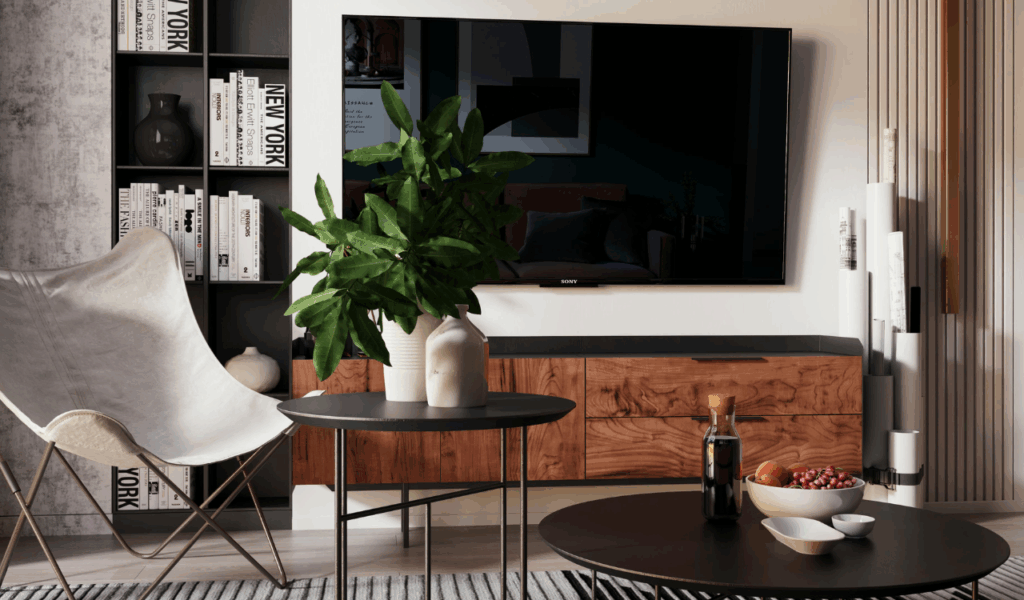
Slim console tables are often sold as a smart storage solution for narrow spaces, but their design rarely supports real organization. The lower shelf is usually positioned too close to the floor and built too shallow to accommodate practical items. Standard baskets don’t fit, and anything small enough to slide in tends to look awkward or forgotten. Meanwhile, the top surface quickly becomes a magnet for decor, keys, mail, and random drop zone clutter. Because these tables are designed around visual balance and clearance rather than capacity, they contribute more to styling than storage. In practice, they add another surface to manage instead of solving any actual organizational problem.