8 “Farmers Market” Tomatoes Vendors Admit Came from Distributors
Farmers markets are well-known for giving consumers with the ability to directly engage with farmers, as they focus on selling fresh fruit that is farmed in the immediate area. Recent disclosures, on the other hand, have shined light on a secret that has been kept inside the industry: some of the merchants at these markets are obtaining their tomatoes from distributors rather than farming vegetables themselves.
As a result of this revelation, concerns have been raised regarding the genuineness of the products that are offered at such markets as well as the way in which customers see the products. In light of the fact that an increasing number of vendors are caught in the act of reselling, it is essential to investigate the effects that this has on consumers, farmers, and the overall faith that is placed in farmer’s markets.
1. The Growing Trend of Sourcing from Distributors
In recent years, a significant number of vendors at farmer’s markets have become increasingly reliant on wholesalers as their primary source of food. Because of the growing demand for fresh produce and the limited availability of local crops, vendors have been turning to third-party suppliers, as stated by industry experts. Historically, these markets have served as a venue for farmers to sell their homegrown goods.
However, due to the combination of these two factors, vendors are now turning to third-party suppliers. “Farmers markets are evolving, and the expectations for a variety of goods are higher than they have ever been,” says Sarah Thompson, an expert in the field of local food systems.
The tomatoes that these distributors bring in are frequently sourced from far-flung regions, including large-scale farms that are able to satisfy the demand. However, this raises the question of whether or not customers are being mislead regarding the origins of the products that they purchase, despite the fact that this is convenient for sellers.
Greg Miller, an expert on food policy, makes the observation that when consumers go to a farmers market, they anticipate experiencing authenticity. “It can be disappointing to find out that what they thought was local might not be.”
2. The Impact on Consumer Trust
The practice of obtaining tomatoes via distributors has resulted in a substantial alteration in the view that consumers have of certain products. Many consumers have faith in farmer’s markets because they believe they are encouraging the growth of local agriculture and purchasing product that is more recently harvested.
Some customers, however, experience a sense of betrayal when vendors reveal that they are reselling commodities, such as tomatoes, that were obtained from another location. “I always believed the tomatoes were from local farms, but knowing that they came from distributors feels like a scam,” said Emily Watson, who has been a frequent shopper at the farmers market for a long time.
While there are those who maintain that the quality of these tomatoes may still be high, there are others who believe that the dishonesty damages the integrity of the market. According to Watson, “There is a level of trust in these markets that there is a high probability of being broken.” When it comes to retaining customer loyalty, offering openness regarding the origin of the produce is really necessary.
3. The Consequences for Local Farmers
Additionally, the increased tendency of reselling tomatoes that were purchased from distributors has substantial implications for the farmers in the surrounding area. The majority of farmers who operate on a smaller scale rely on farmer’s markets as their principal source of income.
Due to the fact that merchants are now obtaining tomatoes from distributors, the market space is no longer as supportive of local agriculture as it once was. There is a possibility that this technique will put pressure on local farmers, who may have difficulty competing with tomatoes that are mass-produced and sold at reduced prices.
“I understand why some vendors are turning to distributors—they need to meet consumer demand,” says Linda Grant, a local farmer who sells at a nearby market. “It’s because they need to meet the demand placed by consumers.” When larger distributors are able to provide reduced pricing for tomatoes that are just as good, if not better, it is difficult to compete with them. She stresses the significance of providing assistance to local farmers who are contending with growing production costs and difficult market conditions through her words.
4. The Ethical Debate: Is Reselling Acceptable?
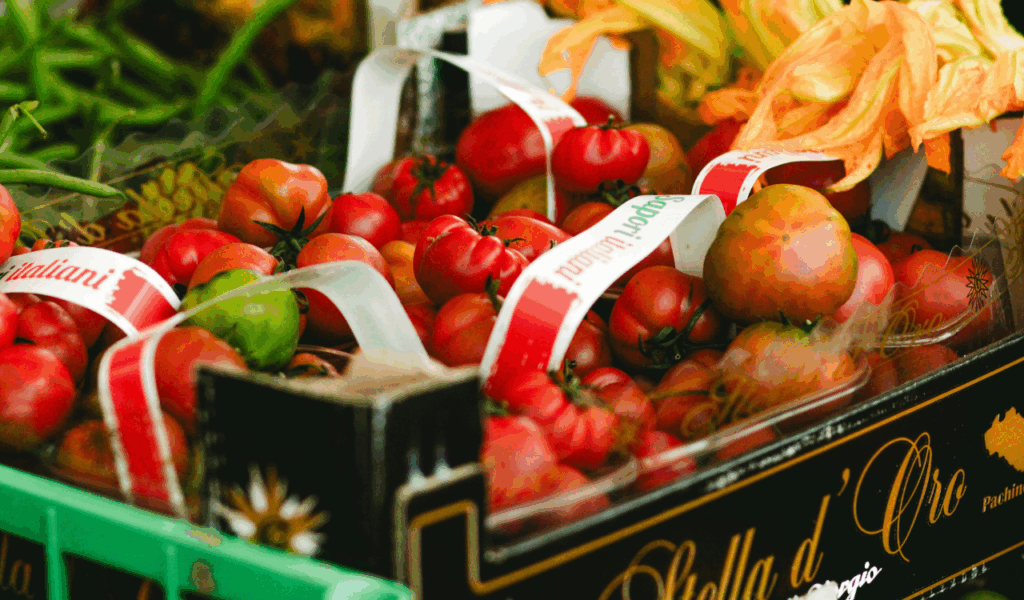
A discussion is still going on about whether or not it is morally acceptable for vendors at farmer’s markets to resale tomatoes that were obtained from distributors. There are some merchants who say that reselling is a practical option to meet the demands of customers, particularly during periods when local crops are either unavailable or insufficient. Some people are of the opinion that it undermines the credibility of the farmers market and can result in the spread of false information.
In the end, it is the job of vendors to be truthful with their clients, according to Dr. Jane Wilson, a specialist in the field of food ethics. They should make it obvious when they are reselling and provide as much information as they can about the provenance of the produce that they sell. According to Dr. Wilson, consumers have the right to request information regarding the origin of the tomatoes they buy, including whether they are cultivated locally or whether they are obtained from a distributor.
5. The Role of Regulation in Farmers Markets
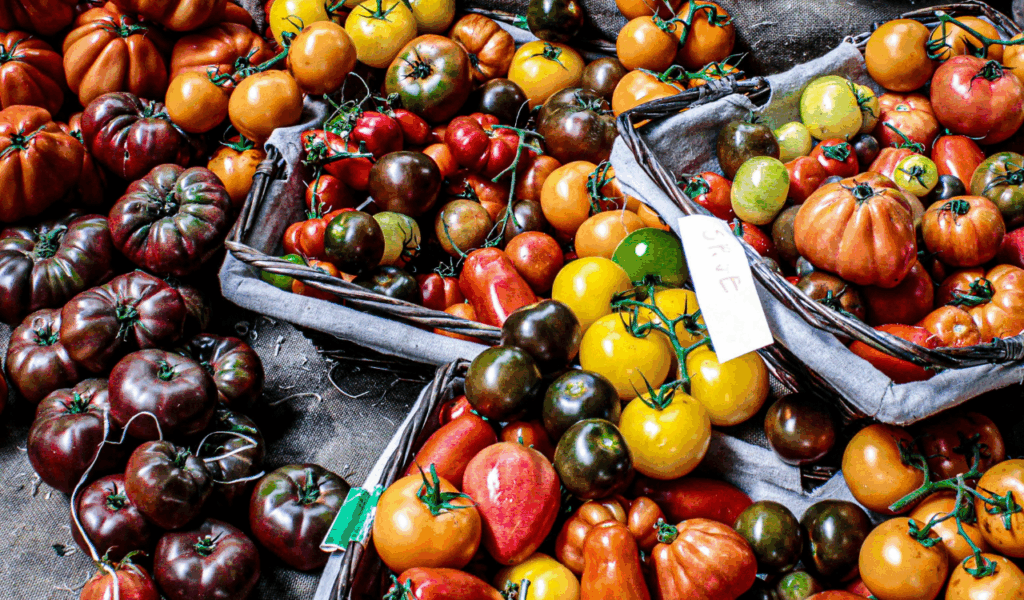
There is a lack of oversight in many farmer’s markets, which is one of the reasons why the practice of reselling tomatoes that were obtained from distributors has been permitted to continue unchecked. Certain markets are subject to stringent restrictions and regulations concerning the kind of goods that can be offered, whereas other markets are run with a minimal amount of control. When it comes to reselling items, this lack of regulation provides for more discretion, and merchants may not feel the need to identify their origins because they do not comply with the regulations.
The manager of the market, Nancy Brooks, adds that there are some farmer’s markets that just do not have the resources necessary to monitor all of the merchants in a comprehensive manner. On the other hand, the regulations are more lax in other places, enabling vendors to obtain their produce from any location. It is up to the customers to make choices based on accurate information. Reselling tactics are likely to continue if there is not a tighter control system in place, which will leave customers in the dark.
6. Transparency Is Key to Consumer Loyalty
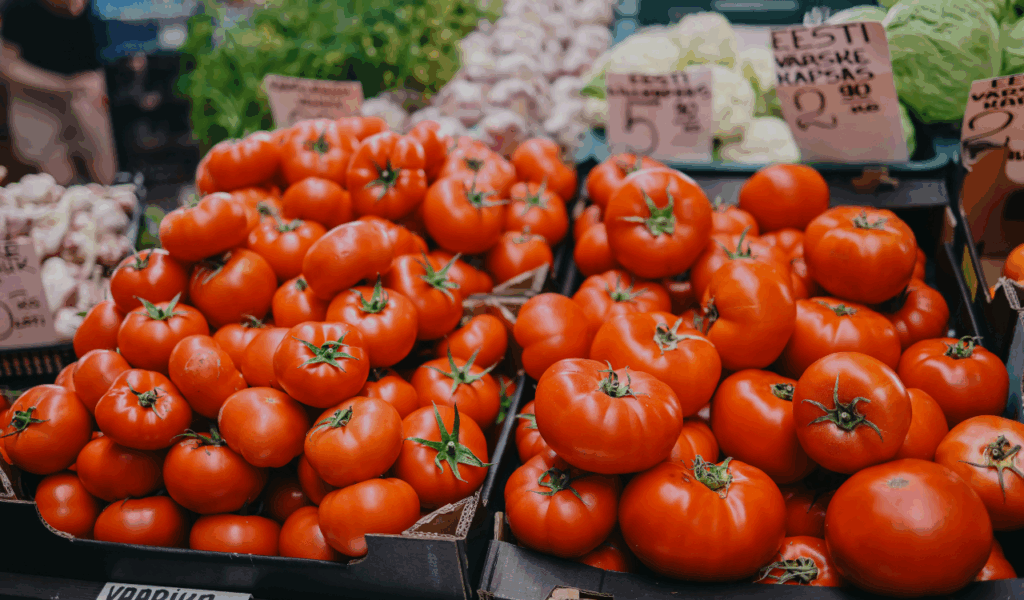
To ensure that customers continue to have faith in their neighborhood farmer’s markets, transparency is going to be an extremely important factor. Experts recommend that farmers market administrators create stronger restrictions and urge vendors to reveal the source of their goods in light of the growing number of instances in which sellers have been found reselling tomatoes that were originally purchased from distributors. Brooks believes that if businesses be transparent and truthful about the origins of their products, they will be able to regain the confidence that has been lost.
As an example, some merchants have begun to display signs that make it abundantly evident whether the tomatoes they sell come from local suppliers or distributors. This is done in order to provide customers with transparency. Despite its relatively minor nature, this modification has been welcomed with excellent comments, which demonstrates that customers place a high value on honesty.
7. The Impact on Pricing and Market Competition
A further factor that can have an impact on the pricing structure at farmer’s markets is the habit of obtaining tomatoes from distributors. The economies of scale that distributors enjoy allow them to frequently provide lower costs, which means that tomatoes obtained from them may be more affordable than tomatoes grown in the immediate area.
This pricing disparity can create an unequal playing field between local farmers and vendors who rely on wholesalers, who may pass the savings on to their clients instead of passing them on to the farmers themselves.
Linda Grant adds that this disparity in pricing has the potential to be detrimental to local farmers since they are unable to compete with the prices of tomatoes that are sourced from distributors. She is of the opinion that the market as a whole needs to acknowledge the significance of reasonable pricing in order to maintain the viability of local agriculture.
8. The Future of Farmers Markets and Sourcing Practices

When we look into the future, we can see that there will most certainly be a greater emphasis placed on ethical sourcing procedures and openness in the way that farmers markets operate. Consumers are growing increasingly aware of the sources of the food they consume, and they anticipate that merchants will supply them with truthful information regarding the origins of the products they sell. There are still circumstances in which it may be necessary to obtain supplies via distributors; nevertheless, the trend is moving in the direction of increased transparency and regulation.
According to Sarah Thompson, “I believe that there will be a greater push for accurate labeling and practices regarding sourcing.” “Trust, transparency, and providing support to local farmers should be the foundation upon which the future of farmer’s markets is built.” In the event that suppliers and markets are able to fulfill these objectives, they may be able to regain the confidence of customers while simultaneously preserving a business model that is profitable.