9 Storage Ottomans That Broke Under Light Use

Storage ottomans should be useful and elegant. They should include a hidden compartment to store things and also serve as extra seating or a footrest. But not all ottomans are as good as they should be. Some break down quickly, even when they aren’t used much. Some models just can’t take everyday life, whether it’s because they were poorly built, made with cheap materials, or have design problems. In this article, we talk about nine storage ottomans that broke after only a little use. This guide will help you find warning signs before you buy so you don’t end up disappointed and can buy furniture that lasts and works well.
1. Faux Leather Models With Weak Hinges
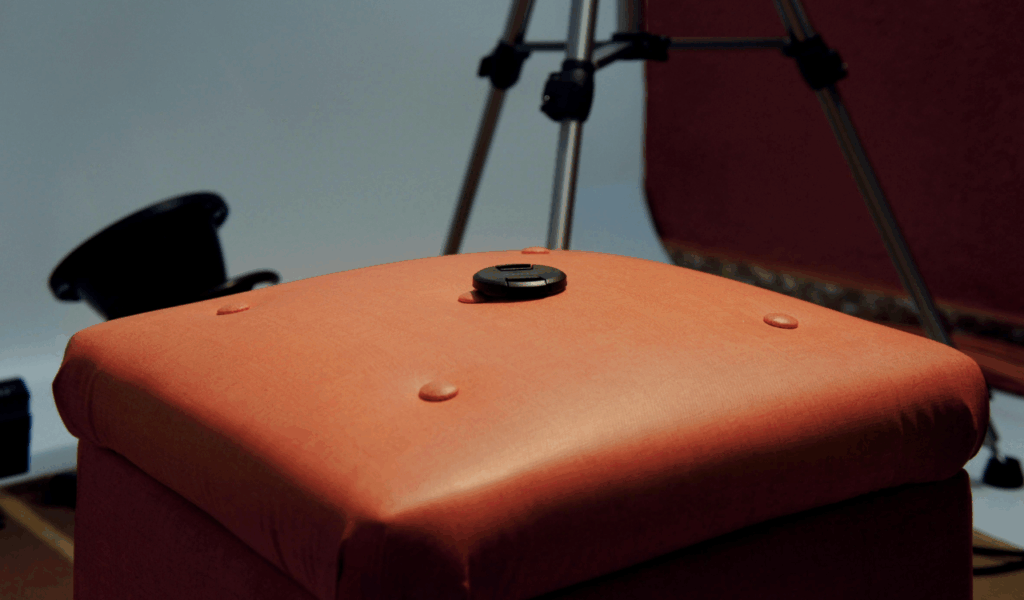
Faux leather ottomans may look nice at first, but some versions with poorly made hinges have fallen apart or come apart after only a little use. Many people say that the lid stops lining up right after a few weeks, especially if you just use it once or twice a day. The material might also start to crack or peel easily, which affects how it works and how it looks. These ottomans are cheap, In general, however, they do not have the additional support within that is necessary to maintain the hinges’ stability over time. If you intend to use the product for a lengthy period of time, choose alternatives that have metal hinges and corners.
2. Lightweight MDF Frames That Warp
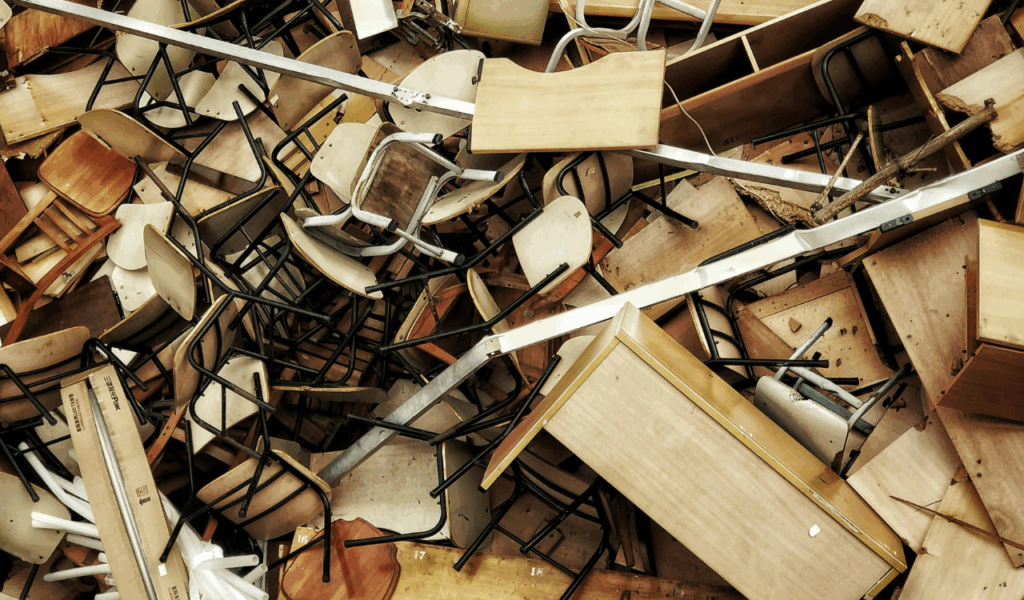
Ottomans built with medium-density fiberboard (MDF) can be cheap, but some are too light and bend quickly, especially when they are wet or heavy. Some brands have employed MDF panels that are too thin, which might cause the base to droop or the corners to break. Customers have said that sitting on the ottoman has left permanent dents or made loud breaking noises. In order to make them endure longer, you should look for frames made of sturdy wood or MDF that have additional internal bracing. By utilizing these additional choices, they are able to maintain their shape and support without incurring excessive costs.
3. Button-Tufted Lids That Pop Off
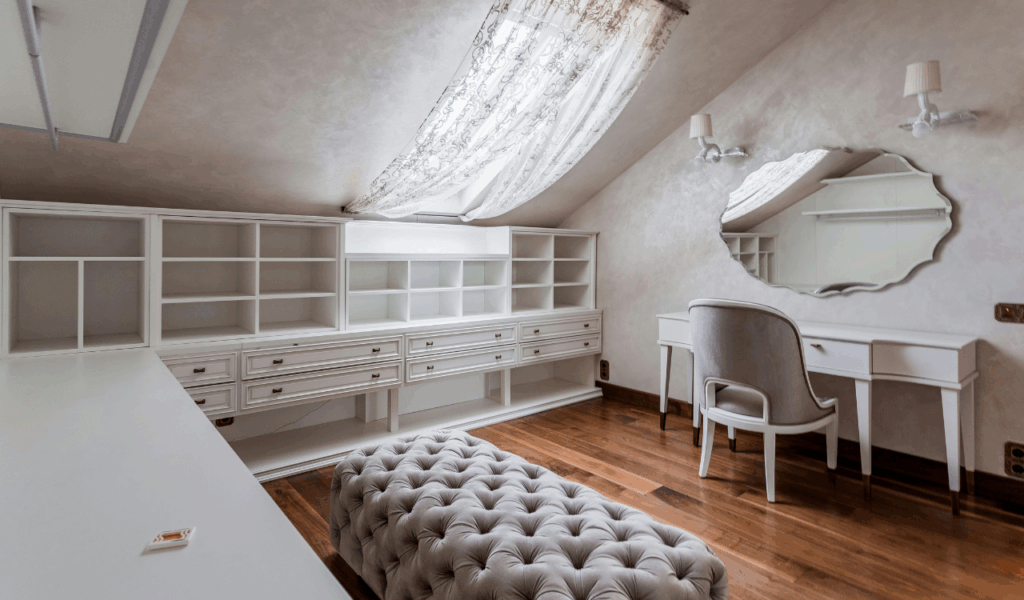
Button-tufted ottoman lids may seem nice, but they aren’t always made to be opened and closed often. In less expensive models, the tufted details are often glued or stapled instead of sewed through properly. Because of this, the cloth can come loose from the lid frame or the buttons can come off after a short time of use. It is possible that this may make it difficult or even unsafe to open the ottoman because the surface will be uneven. Ottomans that have both hand-stitched and reinforced tufting are less likely to lose their shape if you intend to make frequent use of the storage space.
4. Folding Ottomans With Collapsing Walls

Foldable storage ottomans are made to be easy to use, but some of them can fall apart even when they are not under a lot of pressure. The side walls are usually made of cardboard or thin particleboard, which can bend outward or fall inward after a few people sit on them. Many reviews say that the sides don’t stay up anymore, which makes the storage space useless. These problems happen more often with cheap flat-pack versions. In the event that you require the ability to move them around with ease, select foldable designs that have panels that are more robust and linings that are more substantial. This will assist in extending the lifespan of the construction.
5. Poor Stitching Around Seams
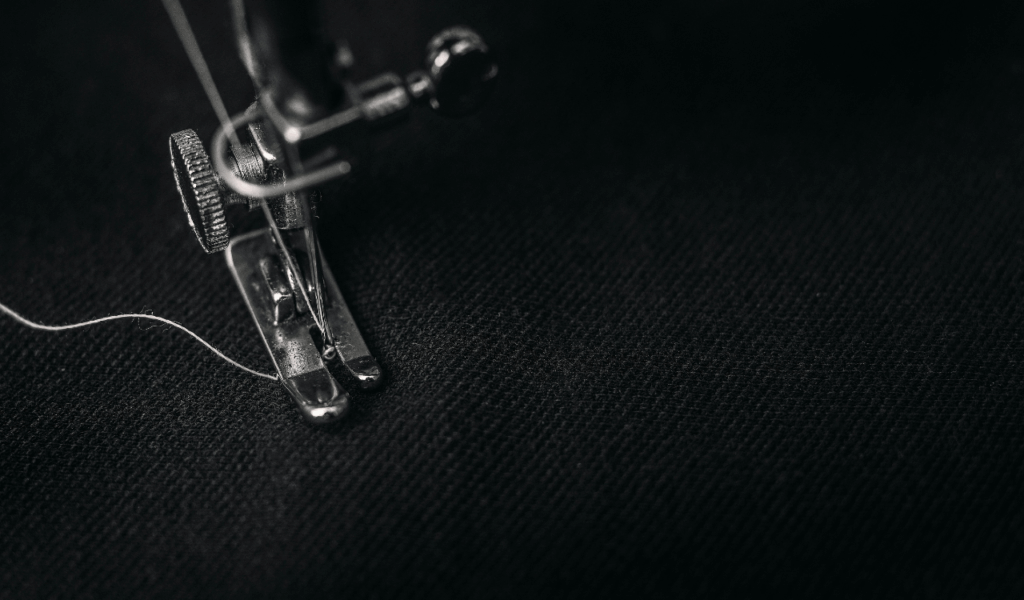
The seams are quite important for keeping everything together in many ottomans, especially those with upholstery. Some badly constructed choices have flimsy stitching that starts to come apart or unravel within weeks. The ottoman might lose its shape quickly if the seams near the lid or base start to come apart. The fabric may sag or move, which might make it hard to open and close the storage compartment easily. If you want your ottoman to last, always look for seams that are double-stitched or reinforced. Although cutting corners on stitching could save money, it almost always results in the item not lasting as long or being as robust as it could have been.
6. Plastic Legs That Snap Off
Some ottomans include plastic legs that may be screwed in or fastened right to the base. These might be good for decoration, but the legs might crack or break with very little pressure when they are utilized. It is common for this to occur whenever the ottoman is moved or seated on, and this occurs even when the user is at a balanced weight. Under some conditions, the object could lose all four of its legs at the same moment, rendering it completely useless. Especially if they are attached with bolts rather than glue, legs made of wood or metal are safer and endure longer than legs made of other materials.
7. Upholstery That Sheds or Tears Easily
Some storage ottomans are covered in cheap fabrics that seem good when you first buy them but don’t keep up well to constant use. Some velvety fabrics or synthetic mixes start to lose fibers, pill, or tear after only a little brushing or cleaning. This might make the ottoman seem bad and perhaps show foam or seams. People who write reviews generally say that these models are “delicate” or “not made for daily use.” Choose upholstery that has tight weaves, sturdy materials, and resistance to stains rather than just looking at it if you are concerned about how long something will endure before it needs to be replaced.
8. Lids Without Proper Weight Support
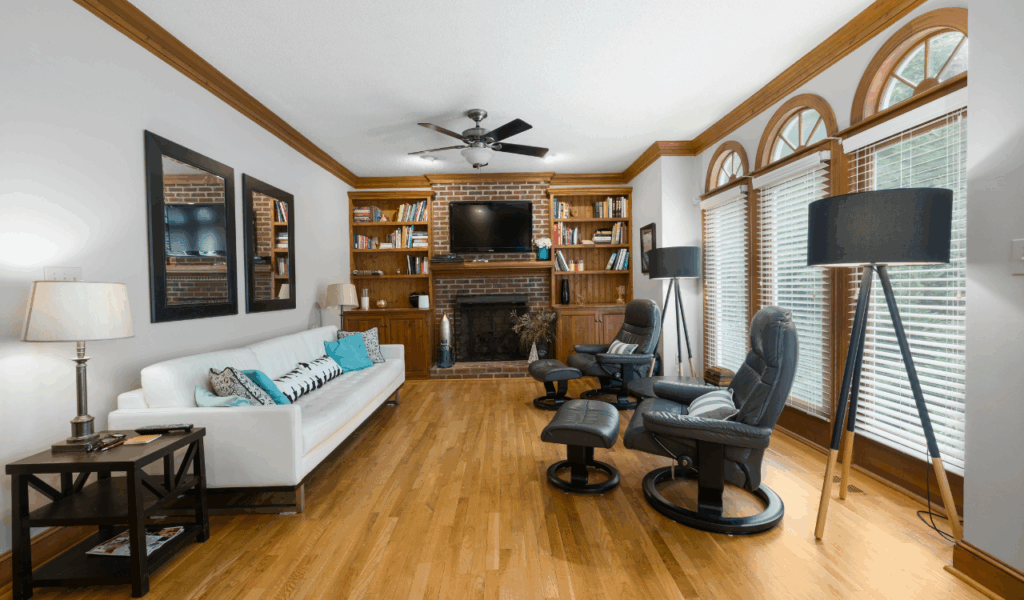
Some ottomans have covers that are hollow or not well padded, so they can’t hold weight, even if they are touted as dual-use for seats. The lid caves in or the hinges flex when someone sits on them or even puts their legs up. The fact that this is happening is not merely bothersome; it could even be harmful. There are even lids that have a plywood panel built into them so that they can better withstand pressure. When searching for lids, look for ones that feature internal frame or support for weight distribution. You should avoid getting hollow lids at all costs if you intend to utilize the ottoman for purposes more than just storing.
9. Hidden Defects in Assembly Hardware
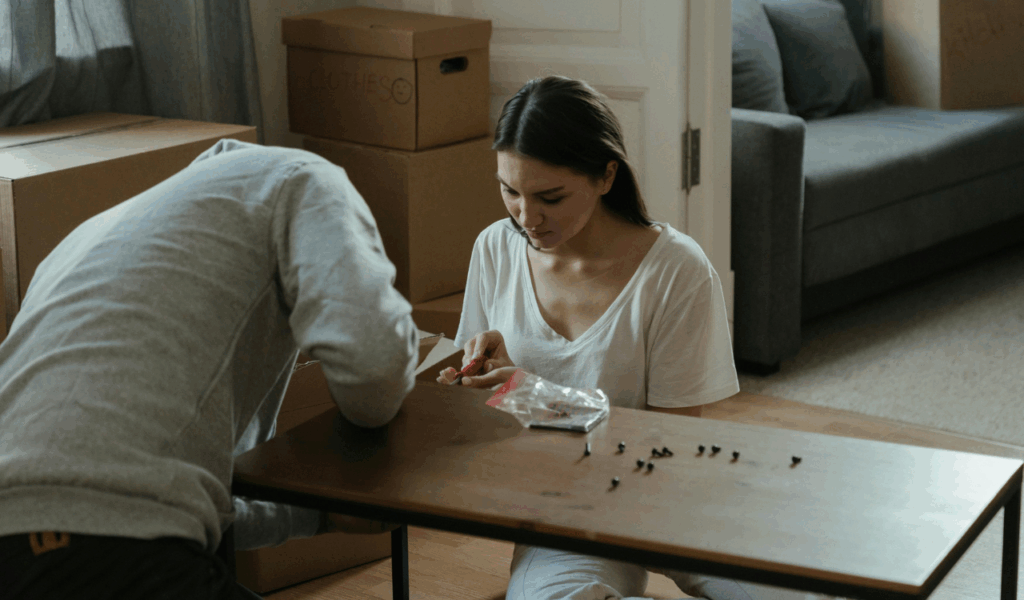
A lot of ottomans come flat-packed and say they are “easy to put together,” but if the hardware is cheap, they may not be solid from the start. An ottoman might wobble or break under little pressure if it has loose screws, weak brackets, or missing washers. Some models still shift when they are moved or used, even after being tightened again. Many reviews say they tried to put it together several times before giving up. Choose models that come with bases that have already been completed or that come with high-quality assembly kits, and do not forget to check that the hardware is reliable and compatible with the model at all times.