10 Grocery Store “Fresh” Items That Sit for Weeks
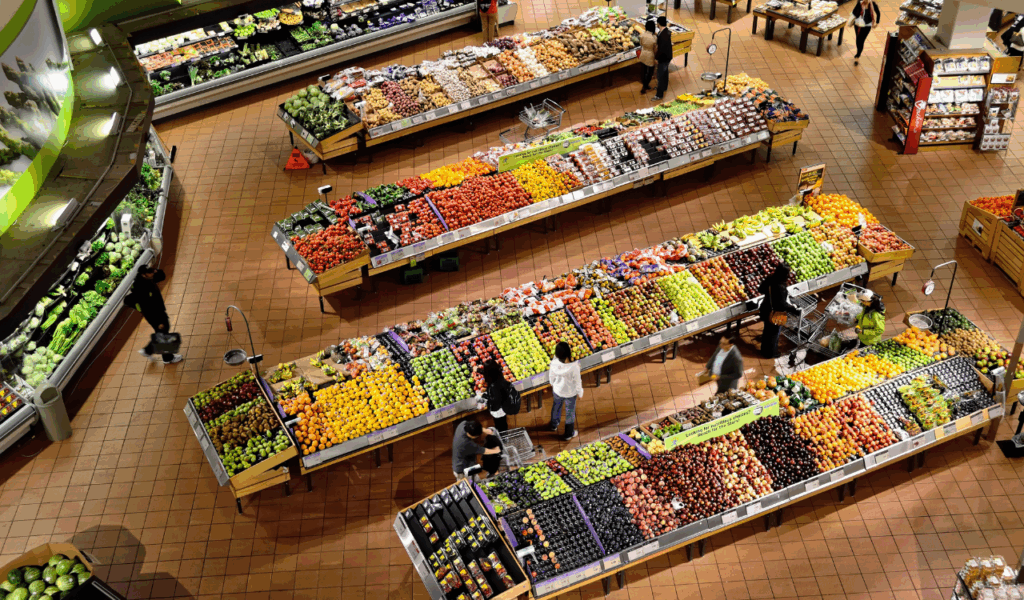
The shiny mist in the fruit aisle and the warm smell of the bread department are meant to make shoppers think that everything they see was picked or made only a few hours ago. But the truth about how food is delivered today is very different. A lot of things that are labeled as “fresh” have actually been stored, shipped, or on the shelf for a long period in a climate-controlled environment.
Experts believe that the grocery store business uses advanced preservation procedures to keep food looking fresh long after its nutritional peak has past. People who wish to make the healthiest and most cost-effective choices for their families need to know these timelines.
Food safety experts and chefs say that the word “fresh” is more of a marketing term than a real representation of time. People who run big food supply chains say that they often use gasses or waxes to stop things from getting old. Grocery store layout designers carefully put these things under certain lights to hide colors that are getting dull or flowers that are starting to wilt.
This article reveals ten everyday things that might be much older than they seem. It also gives useful information from experts in the field about what is really new and what has merely been well maintained.
1. Apples in the Produce Bin
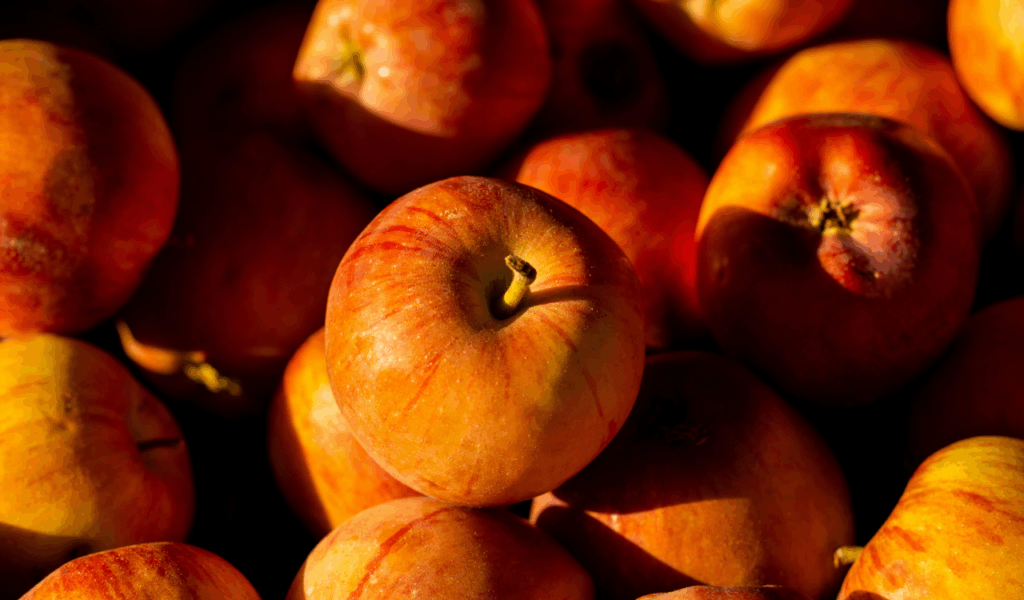
Apples are probably the most well-known “fresh” fruit that can be almost a year old by the time you get them. Experts explain that apples are commonly gathered in the fall and then put in controlled environment storage right away. This lowers the oxygen levels to stop the ripening process. This lets stores sell apples from the US all year long, even when they aren’t in season. Even while the fruit is still safe to consume, the levels of vitamins and antioxidants can slowly go down during these long months of hibernation.
Professional chefs say that the feel of an apple is the best way to tell how old it is. As apples get older, their interior cell structure breaks down, making them mealy or soft. The people in charge of agricultural logistics say that a little layer of food-grade wax is put on the fruit to restore the natural oils that are lost when it is washed.
This helps the fruit stay lustrous and moist for weeks on the shelf. To make the shine stand out, supermarket display designers employ bright, cool lighting. This makes it hard for the ordinary buyer to tell the difference between a day-old harvest and an apple that has been in a cold room since last fall.
2. Hard Cheeses in the Deli Case
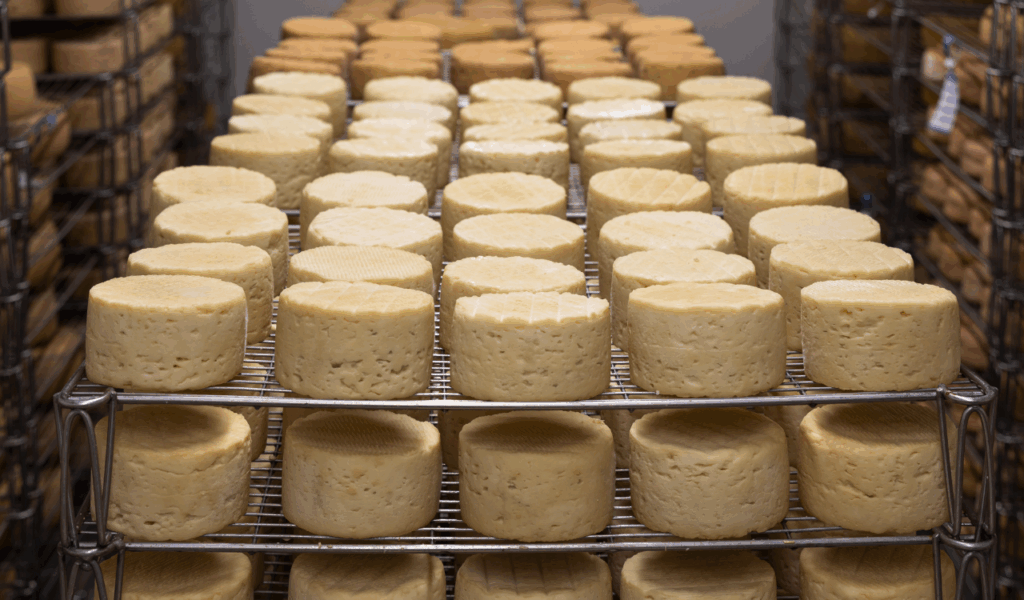
It’s vital to remember that when you see a wedge of hard cheese like Parmesan or sharp Cheddar in the “fresh” deli section, these are aged products on purpose. But they can still sit for a few weeks after being chopped and wrapped in plastic at the store. Experts argue that hard cheeses are naturally resistant to bacterial growth since they have minimal moisture content. This is why stores keep them on display longer than softer cheeses. They don’t go bad very quickly, but the taste can get dull or taste like the plastic they come in.
Professional chefs say that a white, chalky layer on the cheese’s surface is a clear sign that it has been in a refrigerator for a long time. Deli department managers say that if the plastic on a pre-cut wedge starts to look bad, they just rewrap it, which makes it last even longer. Designers of specialized food sections typically utilize rough wooden boards to make these foods look like they were made by hand and freshly cut. Experts say that the best way to get the best quality is to ask the deli counter to cut a fresh wedge from a full wheel instead of grabbing one of the pre-wrapped ones.
3. Pre-Packaged “Fresh” Ground Beef
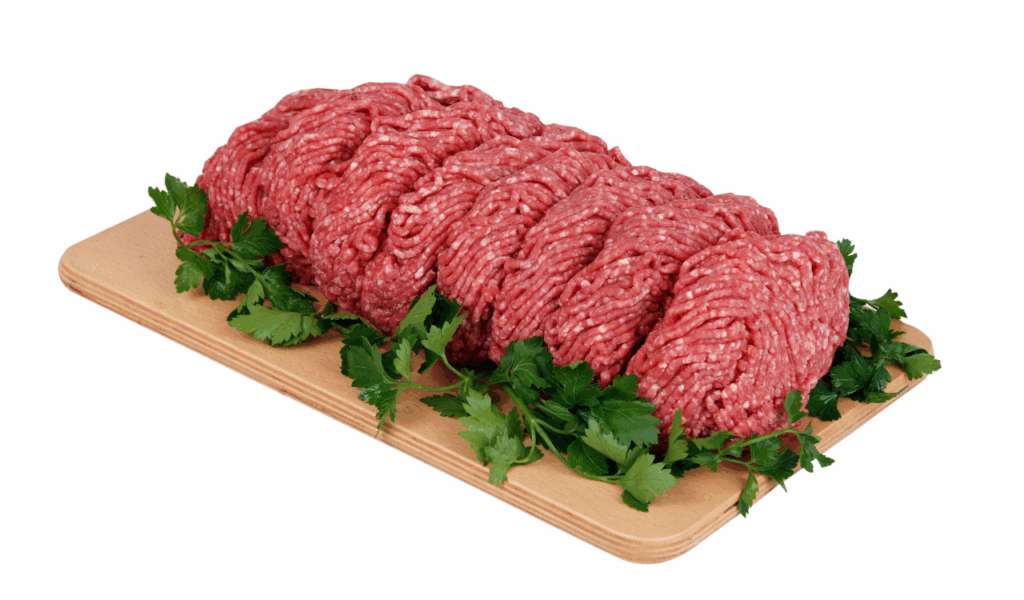
People often think that the brilliant red color of ground beef in a styrofoam tray means it is very fresh, but this isn’t always the case. Experts suggest that a lot of meat departments employ carbon monoxide or high oxygen packing to preserve the beef red for up to a few weeks. Oxidation would cause ground beef to turn a grayish brown in a day or two without these treatments. The color stays bright, but the meat’s quality and taste may be getting worse behind the scenes as it gets closer to its sell-by date.
Food safety experts say that the “pack date” is the best method to tell how fresh ground beef is, not just the color. Professional chefs say that meat ground by a local butcher is nearly always better than the pre-packaged tubes or trays you may find in big stores.
Organizers of meat departments said that occasionally they turn unsold ground beef into pre-seasoned patties or “gourmet” blends to hide the symptoms of age. Experts say that to acquire the freshest beef, you should opt for beef that was ground on the day you buy it and hasn’t been shipped vast distances in air packaging.
4. Bottled “Fresh” Cold-Pressed Juices
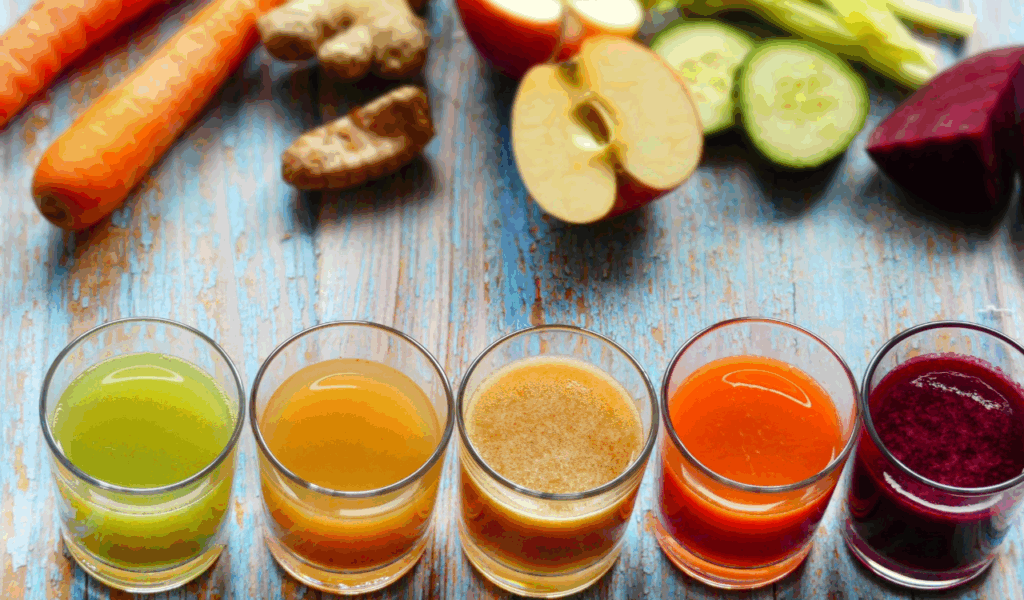
People say that cold-pressed juices are raw and living, but a lot of the ones you see in the fridge have been handled with High Pressure Processing (HPP). Experts suggest that HPP keeps these juices “fresh” and unpasteurized by heat for 30 to 45 days on the shelf. This method keeps more nutrients than boiling, but the juice is definitely not the same as something you squeezed that morning. Over the course of a few weeks, the delicate flavors and some of the most sensitive enzymes can start to break down.
Nutrition experts say that the separation of liquid in the bottle is normal, but it might also mean that the juice has been sitting for a long period. Professional chefs say that to get the most nutrition for your money, you should opt for juices that don’t last long. People who run health food sections say that these bottles are typically put to the front of the shelf so that they sell before the month-long window closes. Designers employ bright, simple labels to show that the juice is pure, but the fine print often shows that the juice will last far longer than most people think it will.
5. Whole Carrots in Plastic Bags
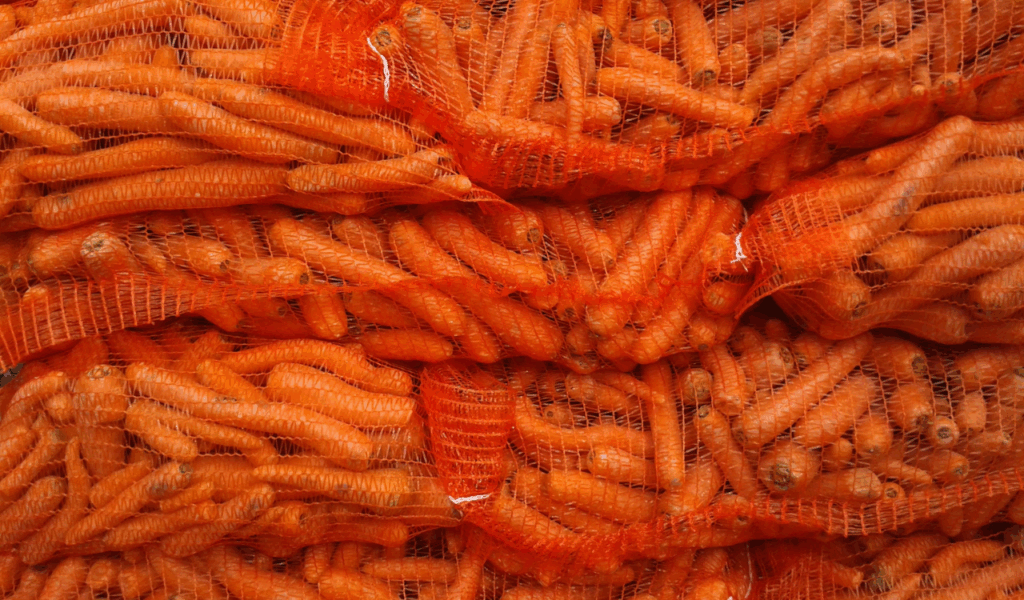
Carrots are very tough root crops that can last for months in storage if the conditions are correct. Experts claim that the entire carrots you buy in bulk bags that label “fresh” on them were probably picked months ago and maintained in chilly, humid facilities to keep them from drying out. They keep their crunch and color quite well because their skin protects them and they are kept at temperatures close to freezing. But if they sit on the grocery shelf for too long, they can get a “whiting” on the surface, which means they are drying out.
Professional chefs say that carrots that have been stored for too long may lose part of their natural sweetness as their sugars slowly turn back into starch. People who run produce departments say that bagged carrots don’t sell as quickly as loose bunched carrots with the green tops still on them.
Landscapers who cultivate their own food say that after the greens are taken off, the carrot goes into a dormant state that lets it be sold weeks after it leaves the ground. To select the freshest carrots, seek for ones that are firm to the touch and stay away from ones that feel rubbery or have a lot of moisture in the bag.
6. Commercial “Fresh” Baked Artisan Bread

The bakery area of a grocery store often has loaves that appear like they came straight from a Parisian oven, but a lot of them are “par-baked” somewhere else. Experts say that these loaves are baked to around 80% done at a central plant, frozen, and then sent to the store, where they are finished in the oven for a few minutes. The store can say that the bread is “baked fresh daily,” even though the dough may have been made weeks or even months ago. The end result is a loaf that smells nice but goes bad far faster than real artisan bread.
Professional chefs say that par-baked bread often has a “crumbly” texture and a crust that comes off easily compared to loaves that have been fermented the old-fashioned way. People who run bakery departments say that this strategy is utilized to keep things the same at hundreds of sites while cutting down on the necessity for highly qualified bakers on site.
To give these areas a rustic, farmhouse atmosphere, designers often employ open wicker baskets and soft amber lighting. If you want bread that hasn’t been frozen before, experts say you should look for a small independent bakery or check for signs that say “made from scratch” in the grocery store.
7. Pre-Cut Fruit and Melon Platters
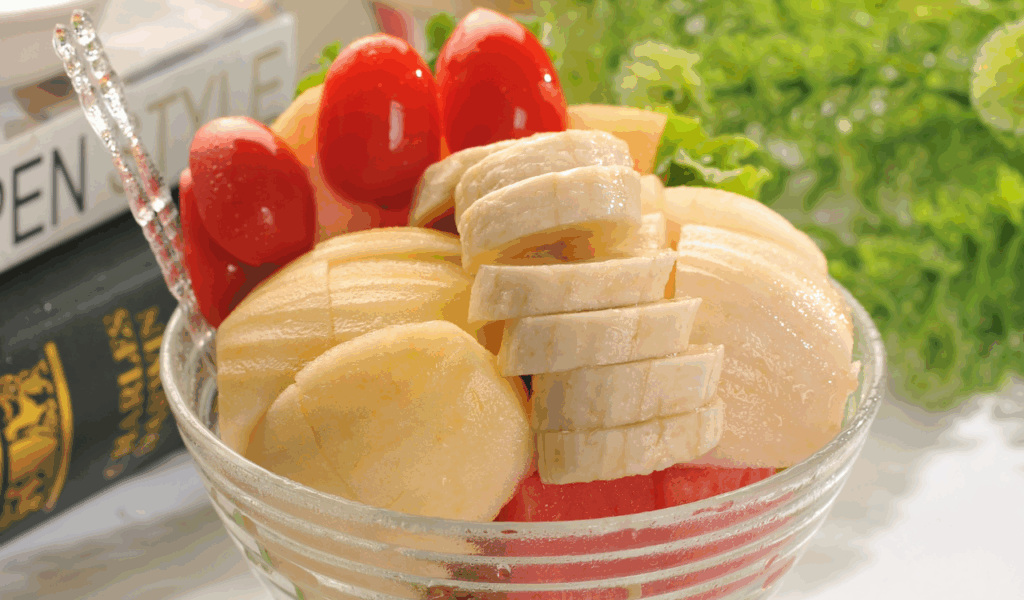
There is a price to pay for convenience, both in terms of money and the age of the item. Experts believe that fruit platters that are already sliced up are typically created from fruit that is about to go bad and can’t be sold as whole fruit anymore. As soon as the skin of a melon or pineapple is broken, the clock starts ticking quickly.
However, these containers can stay in the fridge for up to a week. Some processors employ a little citric acid wash to keep the fruit from turning brown, which can hide the fact that it is steadily losing its flavor and structural integrity.
Food safety experts say that pre-cut fruit is one of the most dangerous foods for bacteria to get into since it has a larger surface area and is handled more. Professional chefs say that pre-cut fruit typically tastes “flat” compared to fruit that is chopped right before serving. People who run produce sections say that these platters are high-margin items that are often made in large quantities to save on labor costs. This means they stay in the display case longer. Experts say that to acquire the freshest fruit possible without the hidden preservatives or the high price, you should buy whole fruit and cut it yourself at home.
8. Citrus Fruits Like Lemons and Oranges
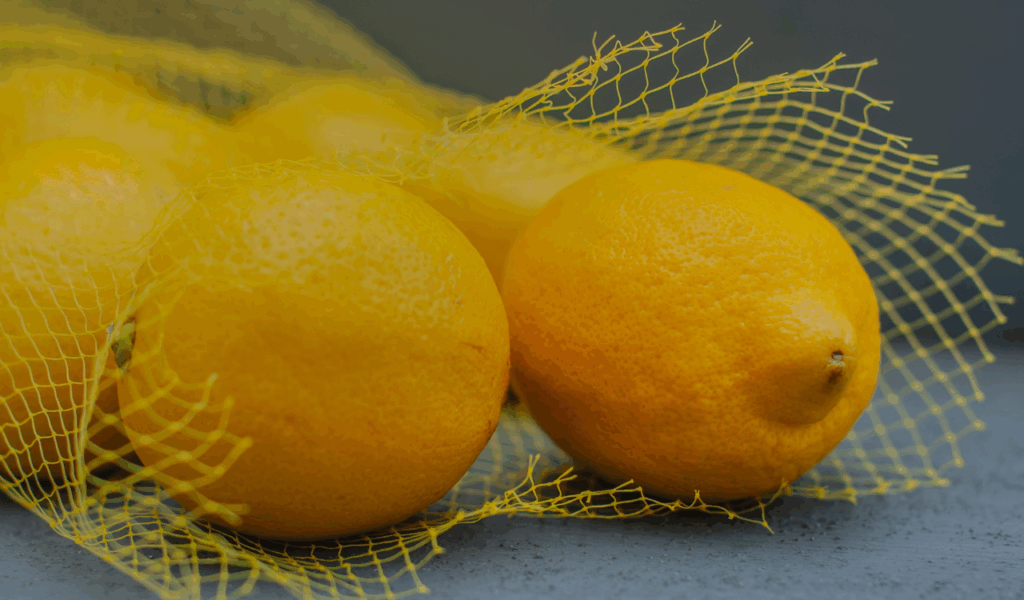
Because their thick, oily rinds keep the juice within for a long time, citrus fruits are great at hiding their age. Lemons and oranges can be kept in cold storage for weeks or even months before being sent to a store, according to experts. To keep them looking bright, farmers often use fungicides and waxes that stop mold and dehydration throughout the long trips from warmer areas. The fruit within may still be fresh, but the rind might get tough and the flavor can lose its bright, zesty acidic punch over the course of many weeks.
Professional chefs say that a fresh lemon should feel hefty for its size and have a thin, aromatic skin. If a citrus fruit feels light or has a very thick, rough rind, it may have been stored for a long time. People who work in produce departments say that citrus is often considered like a “commodity” item and doesn’t sell as quickly as delicate berries.
Designers use bright green or yellow containers to help the fruit stand out, but the smell often fades with age. Experts say to look for fruit that “gives” when you press it, because rock-hard citrus means it’s old and dehydrated.
9. Cured Meats and Salami at the Deli
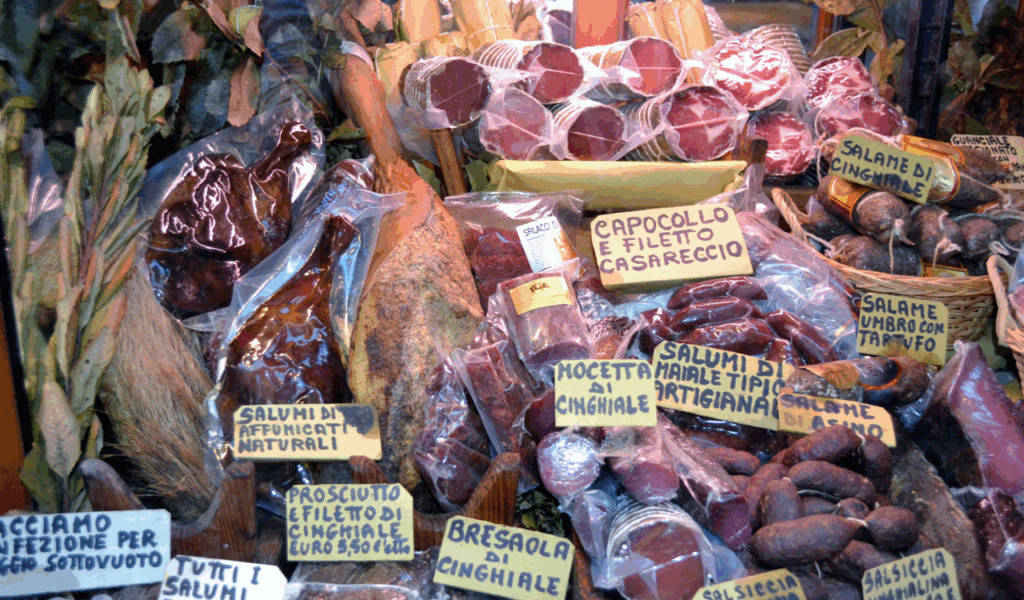
Salami and other cured meats are meant to stay fresh on the shelf, yet they are sometimes sold as “fresh” goods in the deli case. Experts claim that salt and nitrates are used in the curing process to keep the meat from going bad. However, once a big piece of meat is cut, it starts to oxidize and lose its best flavor. These things can stay in the deli case for weeks, and the outside slices will get dry and change color. A lot of businesses would just cut off the ends and keep selling the rest of the log, which means that the meat you buy may have been open for a long time.
Professional chefs say that the fat in cured meats can go bad if they are left in the sun and air for too long. This can make them taste bitter or metallic. People who run deli counters say that high turnover is the only way to guarantee quality, although specialty meats that don’t sell as quickly can stay on the shelves for a whole month. The people who made these parts used slate boards and glass cases to make the presentation look fancy and European.
Experts say that you should look for meats that are sliced to order instead of pre-sliced stacks. You should also pay close attention to any darkening of the margins of the meat, which is a sign that it has been exposed to air for a long time.
10. Farm-Raised Salmon in the Seafood Case
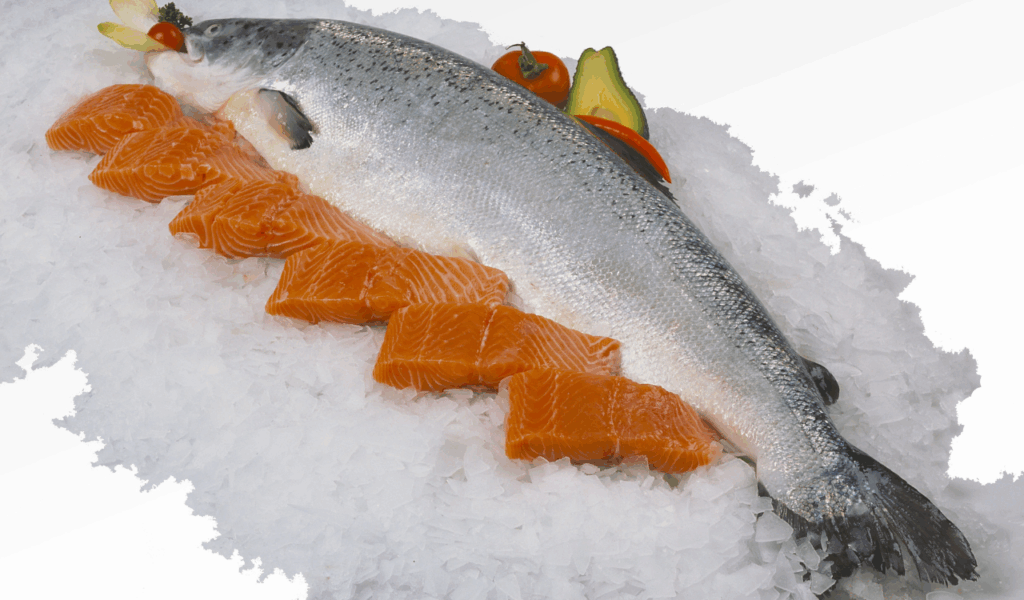
The “fresh” fish on a bed of ice in the seafood department is not as young as it looks. Experts believe that it normally takes at least a week for a farm-raised salmon to get from the farm to a store in a non-coastal area. To keep the fish looking fresh, it is often treated with antioxidants and stored at temperatures slightly above freezing. Also, the bright pink hue of farmed salmon comes from astaxanthin added to their feed. Farmed fish don’t eat the crustaceans that give wild salmon their color.
Professional chefs say that fresh fish should smell like the ocean and not like “fish.” When you press on the flesh, it should spring back. People who run seafood departments say that a lot of the salmon they sell is “previously frozen.” This is something that has to be made clear, but it is often disguised in small type.
Designers employ blue lights and real ice to make the room feel chilly and fresh, which hides the truth about the supply chain. To find out exactly how many weeks have elapsed since the fish was swimming in the sea, experts say you should ask the fishmonger for the harvest date or the “frozen on” date.