
12 Italian Classics That Bring a Taste of Tuscany to Your Table
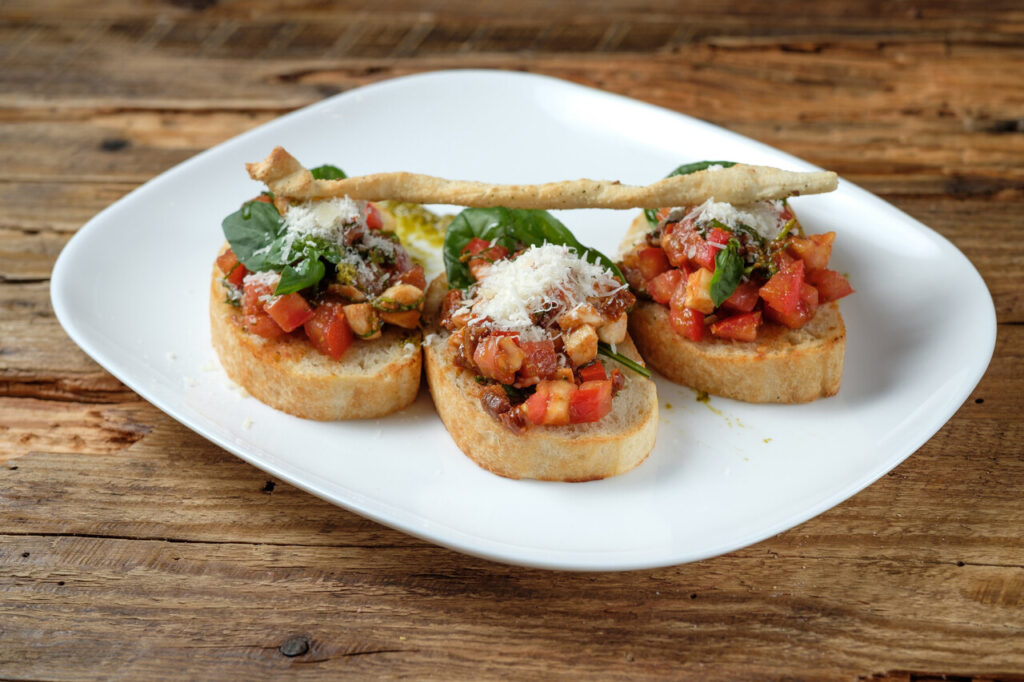
Here’s the thing about Tuscan food. It isn’t trying to impress you with complexity. Instead, it wins you over with ingredients that taste like the region itself: earthy olive oil, fragrant rosemary, sweet tomatoes, beans cooked low and slow, and bread that turns humble dishes into something memorable. Every recipe feels grounded in tradition yet completely accessible, which is why cooking Tuscan classics at home instantly changes the mood of your kitchen. It brings in warmth, patience, and a sense of connection that lingers long after the meal ends.
1. Ribollita
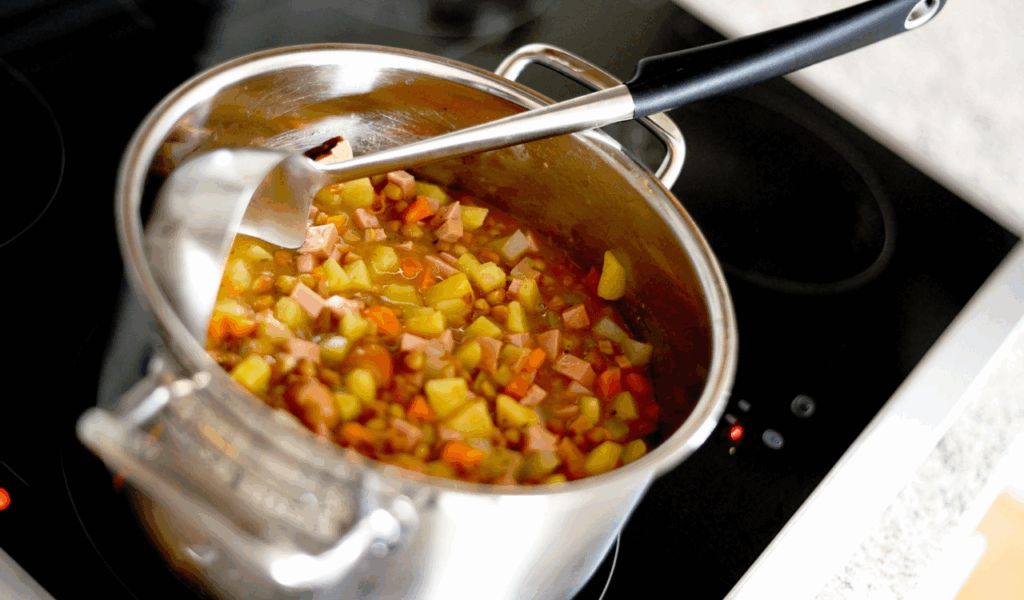
Ribollita is the kind of dish that tells you exactly what Tuscan cooking is about: thrift, patience, and deep flavor from simple ingredients. Traditionally built from leftover vegetable soup thickened with day-old bread, it turns cannellini beans, cavolo nero, carrots, celery, and onion into something far more than the sum of its parts. The name means “reboiled,” because the soup is cooked, cooled, then heated again, which helps the bread break down, and the flavors concentrate. Good olive oil is essential here, often poured generously over the bowl just before serving.
2. Pappa al Pomodoro
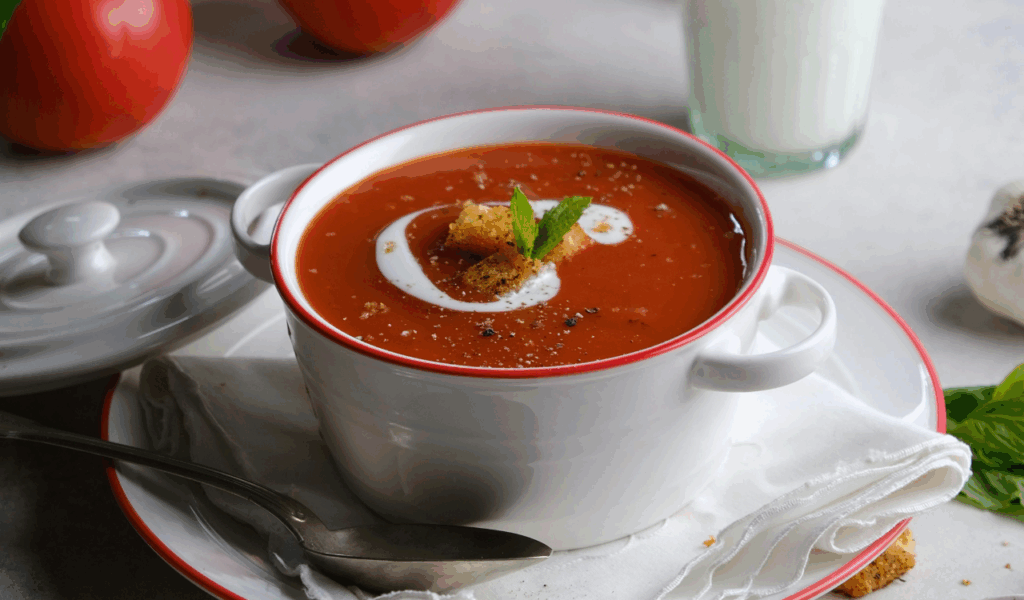
Pappa al pomodoro shows how seriously Tuscans take bread and tomatoes. Instead of a thin soup, this is more like a savory porridge where stale bread is not an afterthought but the main structure. Ripe tomatoes, garlic, basil, and olive oil are simmered together, then torn bread is added until the mixture thickens into a soft, spoonable mass. The bread absorbs the tomato juices and oil, so every bite is saturated with flavor rather than floating in broth. It is usually served warm or at room temperature, sometimes with an extra drizzle of oil and a few fresh basil leaves. The beauty of the dish lies in its modesty.
3. Panzanella
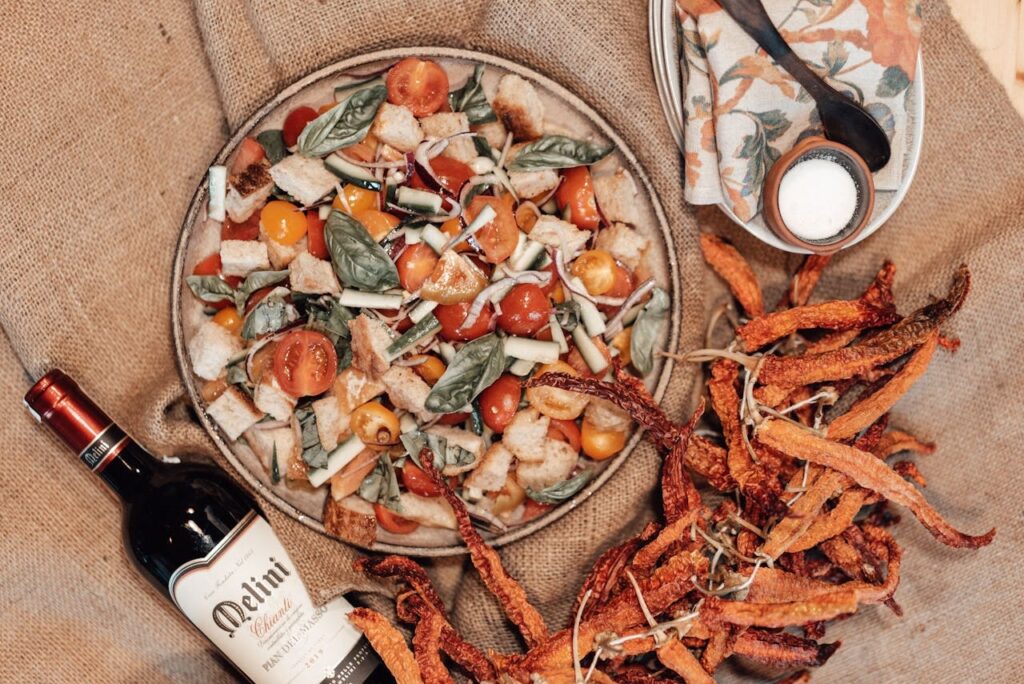
Panzanella is what happens when a salad respects bread as much as vegetables. Built from cubes or torn pieces of stale Tuscan bread soaked just enough to soften, it is mixed with ripe tomatoes, red onion, cucumber, and plenty of basil, then dressed with a simple combination of olive oil, vinegar, salt, and pepper. The key is balance. The bread should be moist but not soggy, firm enough to hold its shape while still soaking up the juices that collect at the bottom of the bowl. Traditionally served in summer, panzanella relies on peak-season produce and good oil rather than complicated technique.
4. Cacciucco
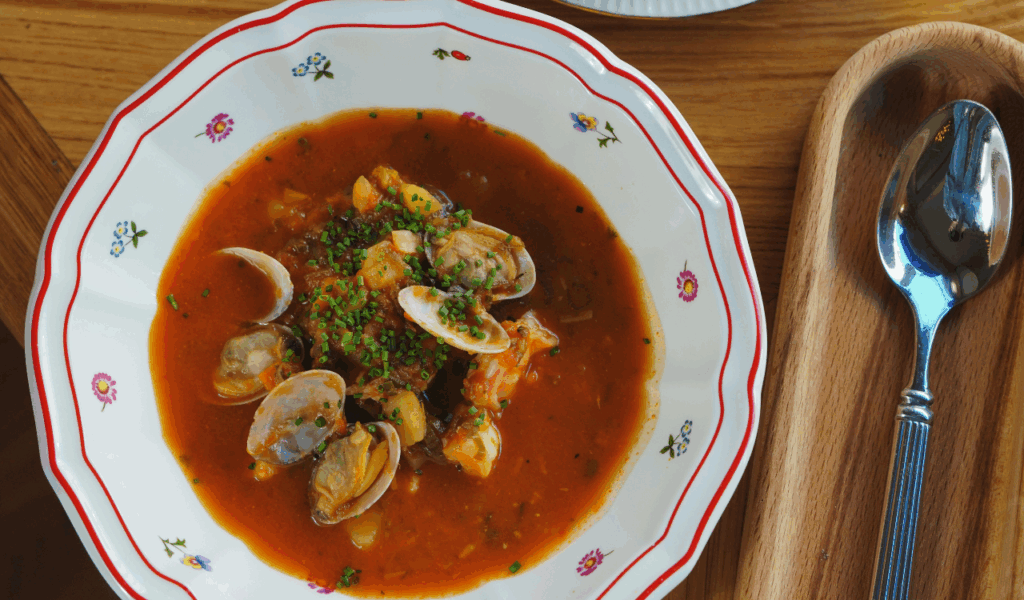
Cacciucco is Tuscany’s answer to a serious seafood stew, shaped by the coastal towns around Livorno. It is built from a mix of fish and shellfish, often including less glamorous cuts and small species that benefit from long simmering. These are cooked in a tomato and wine-based broth that gets fragrance from garlic, herbs, and sometimes chili. Thick slices of toasted bread rubbed with garlic are placed in the bowl first, then the stew is ladled over, so the bread absorbs the broth without disintegrating completely. The dish reflects a “use everything” ethos from fishing communities, turning varied catch into a deep, briny, satisfying meal.
5. Bistecca alla Fiorentina
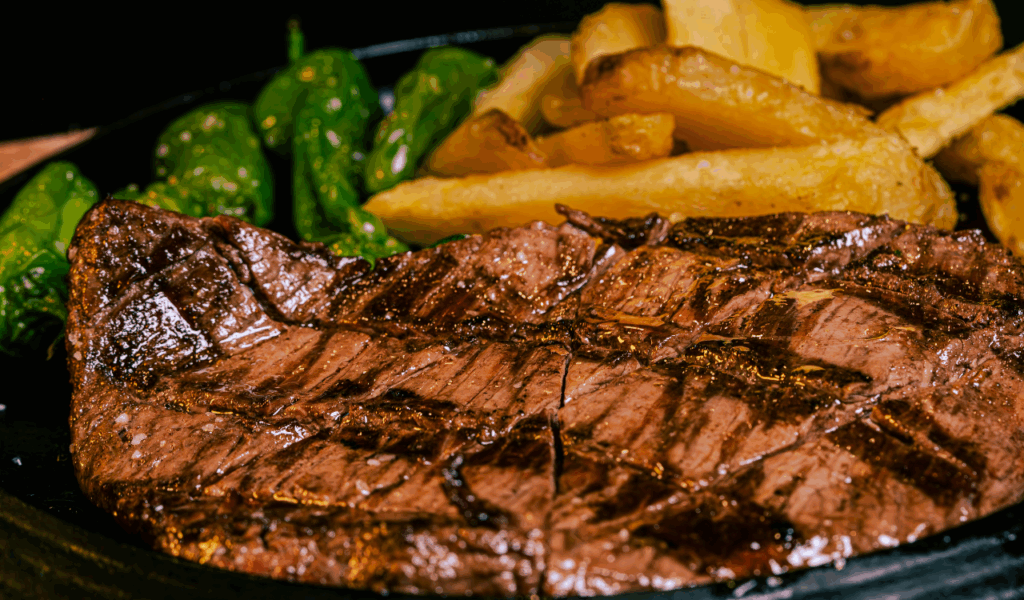
Bistecca alla Fiorentina is less a recipe and more a ritual centered around one exceptional ingredient. Made from a thick cut T-bone or porterhouse steak, traditionally from the Chianina breed, it is seasoned simply with salt, sometimes cracked pepper, and grilled over very hot coals. The outside develops a smoky crust while the inside stays deeply rare, often closer to what some diners would consider barely cooked, which is part of its identity. After grilling, it rests, then is sliced and shared rather than served as a single portion. Olive oil may be added at the table, but sauces are rare.
6. Pici al Ragù di Cinghiale
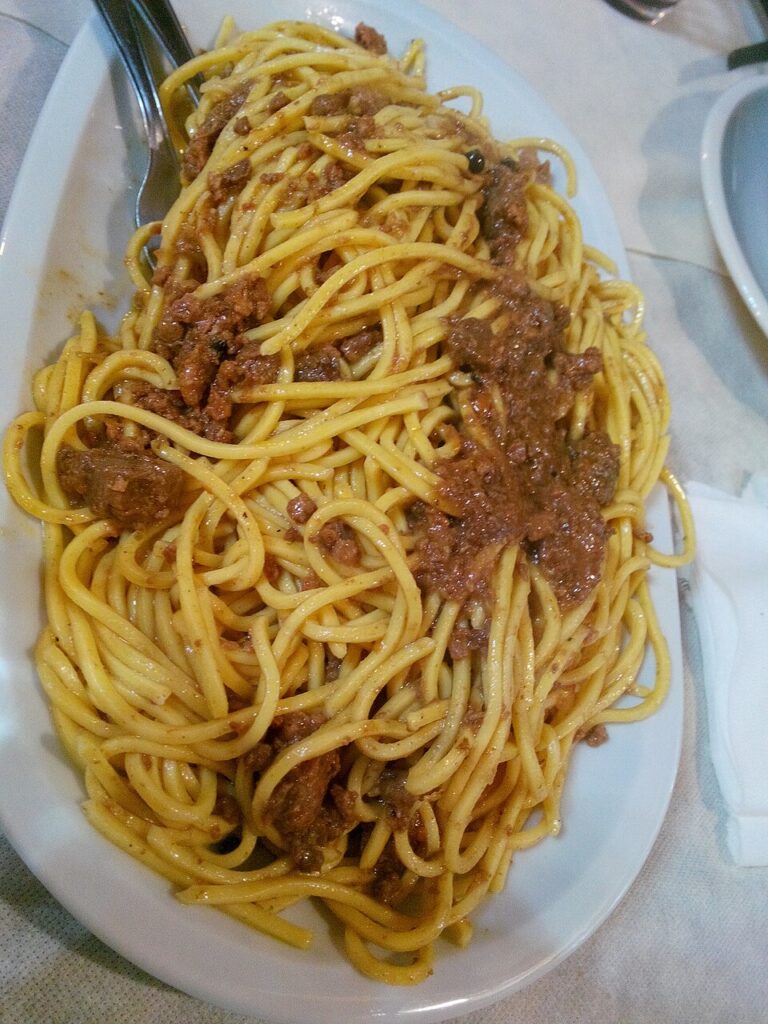
Pici al ragù di cinghiale brings together handmade pasta and slow-cooked wild boar, a combination that captures Tuscan hills and forests in one plate. Pici are thick, hand-rolled strands, similar to very fat spaghetti, made simply from flour and water. Their rustic surface holds onto sauce especially well. The ragù starts with marinated wild boar meat, then builds flavor through long simmering with red wine, tomato, herbs, and aromatics until the meat becomes tender and shreddable. The result is a dark, complex sauce that clings to every curve of the pasta. This is not a quick weekday dish.
7. Fagioli all’Uccelletto
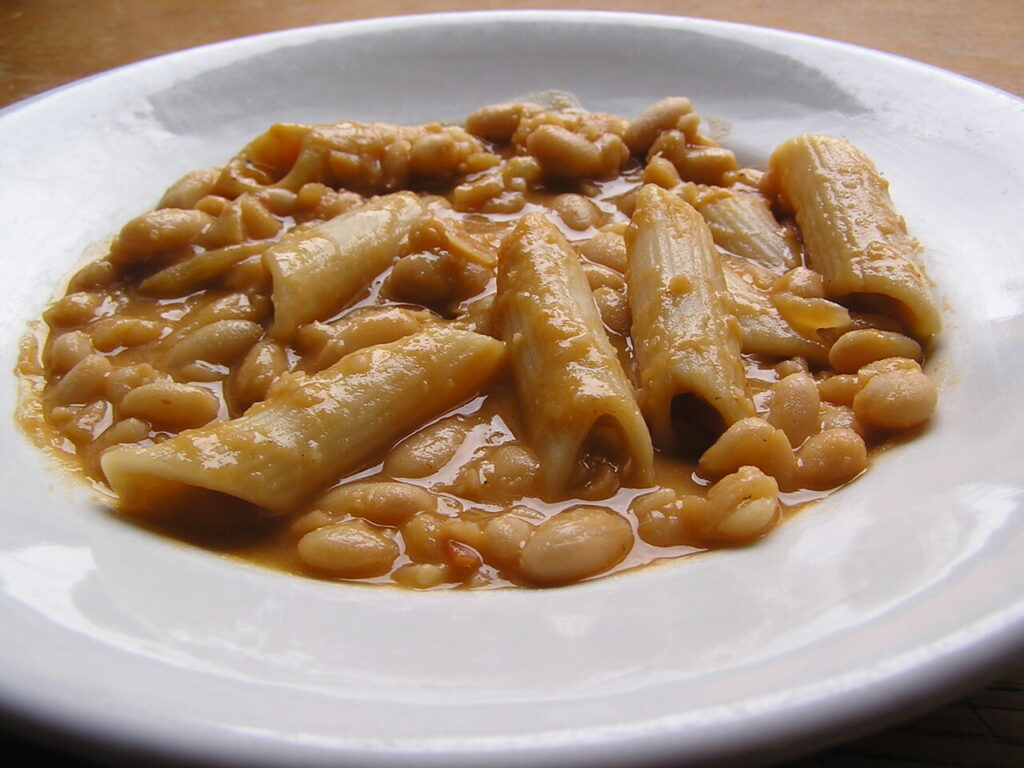
Fagioli all’uccelletto is a dish that proves beans can carry a meal when treated with care. Cannellini beans are simmered with sage, garlic, and tomato until the sauce thickens and coats them in a glossy layer. The odd name, which loosely connects to “little bird style,” refers more to the seasoning combination than to anything avian on the plate. The flavors echo those once used for small game, now applied to humble legumes. The dish is often served as a contorno or side, but in generous portions with bread, it easily becomes a main. It pairs especially well with grilled sausages or simple roasted meats, anchoring a plate with comfort and substance.
8. Acquacotta
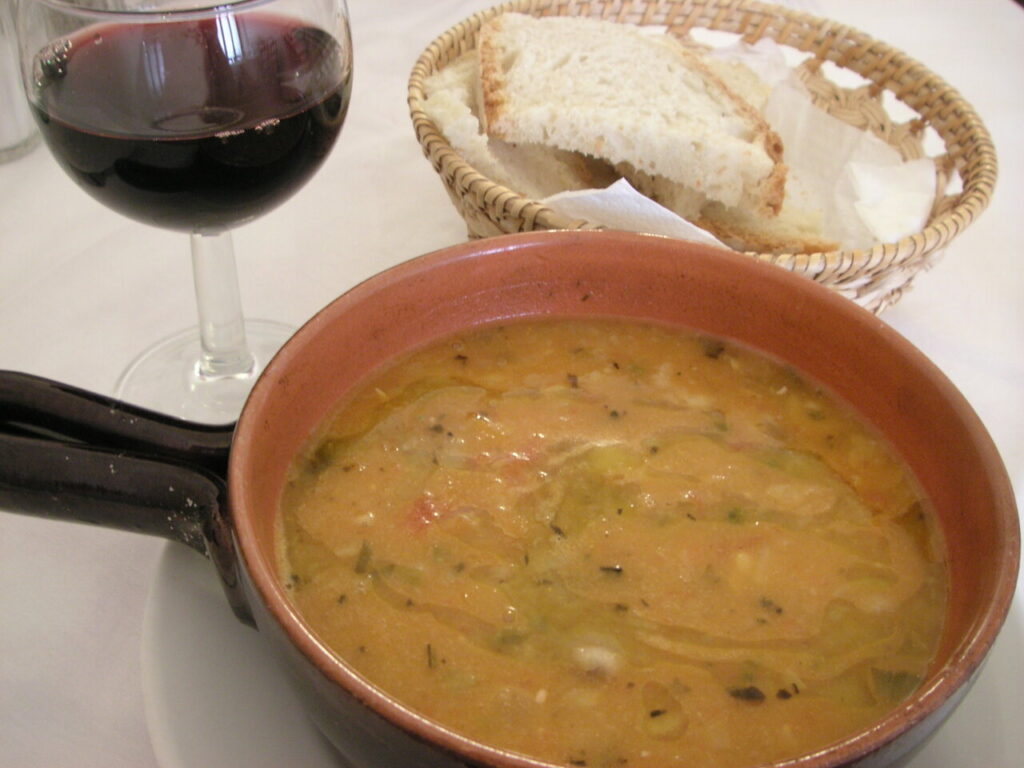
Acquacotta literally means “cooked water,” a name that hints at its peasant origins in the Maremma region of southern Tuscany. Historically, it was a way for shepherds and farm workers to turn limited ingredients into something warming and filling. The base is a broth of water or light stock simmered with onions, tomatoes, and whatever vegetables were available, sometimes enriched with a little cheese. Day-old bread is placed in the bowl first, then the hot soup is poured over, softening the bread and thickening the dish. Often, a poached or lightly cooked egg is added on top, which breaks into the soup when stirred.
9. Bruschetta all’Aglio e Olio
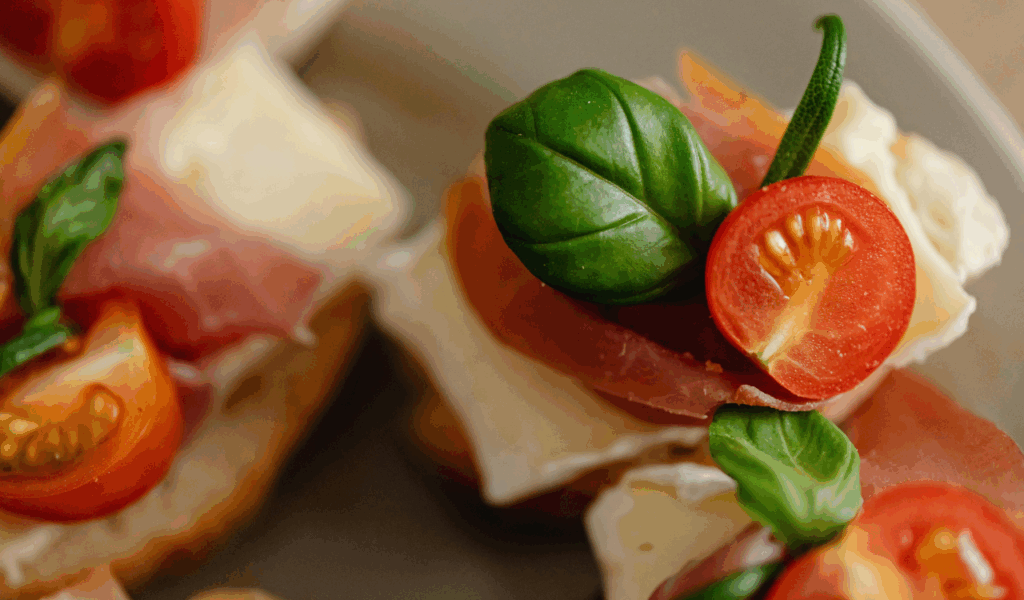
Bruschetta all’aglio e olio is one of the purest expressions of Tuscan bread and olive oil. Thick slices of rustic bread are grilled or toasted until crisp on the outside and still a little chewy inside. While still warm, they are rubbed with a cut clove of garlic so the surface picks up just enough pungency, then drizzled generously with extra virgin olive oil and finished with a sprinkle of salt. That is the entire preparation, yet when the bread and oil are excellent, a little more is needed. Bruschetta can carry other toppings, but in this basic form, it serves as an introduction to a meal, a way to taste the new season’s oil, and a reminder that quality ingredients can stand almost alone.
10. Fettunta
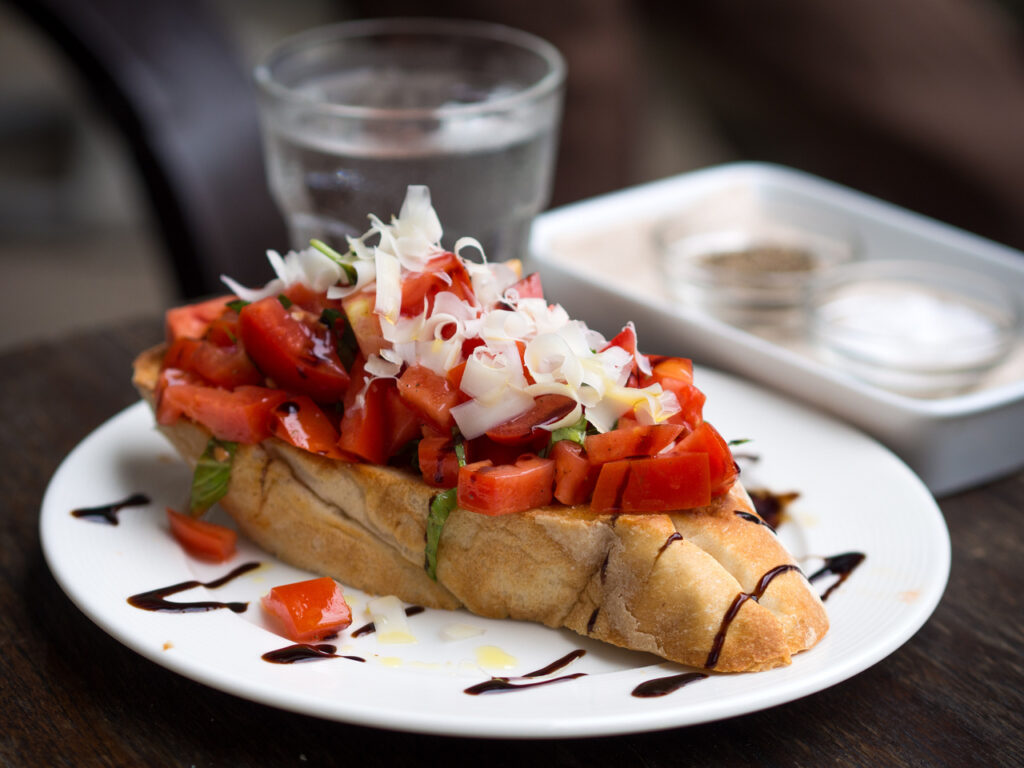
Fettunta is closely related to bruschetta, but it has its own tradition and timing. The name roughly translates to “oily slice,” which is meant as a compliment. Typically served when the new olive oil is pressed in late autumn, it uses grilled bread as a canvas to show off the freshest oil’s peppery, green flavors. Sometimes garlic is used, sometimes only oil and salt. The bread is usually unsalted Tuscan bread, which lets the oil and salt do the talking. Eaten quickly while still warm, fettunta often appears at tastings and simple meals on farms and in homes that produce oil. It is both a snack and a small ceremony around one of Tuscany’s most important products.
11. Tuscan White Bean And Escarole Soup
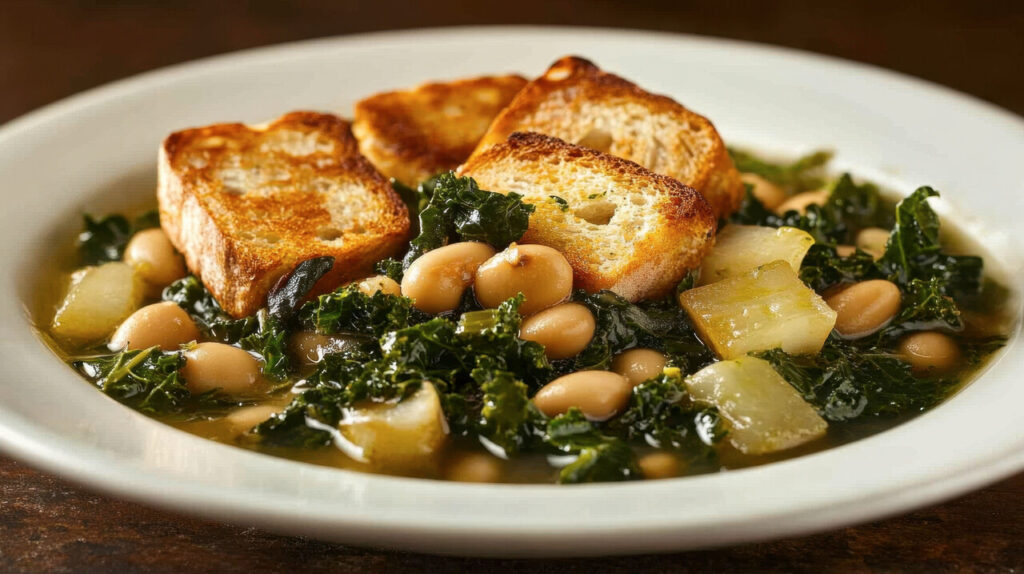
Tuscan white bean and escarole soup is exactly the sort of steady, practical cooking that anchors many Italian households. Cannellini beans provide protein and a creamy base, especially if some are mashed into the broth. Escarole, slightly bitter and sturdy, softens as it cooks but does not disappear, giving the soup both texture and a balancing edge. Carrots, celery, onion, and herbs round out the flavor. The soup can be kept brothy or thickened with bread, depending on preference. Served with a drizzle of olive oil and perhaps grated cheese, it feels complete without meat, yet it also works well alongside grilled sausages or roasted poultry for a fuller meal.
12. Lampredotto
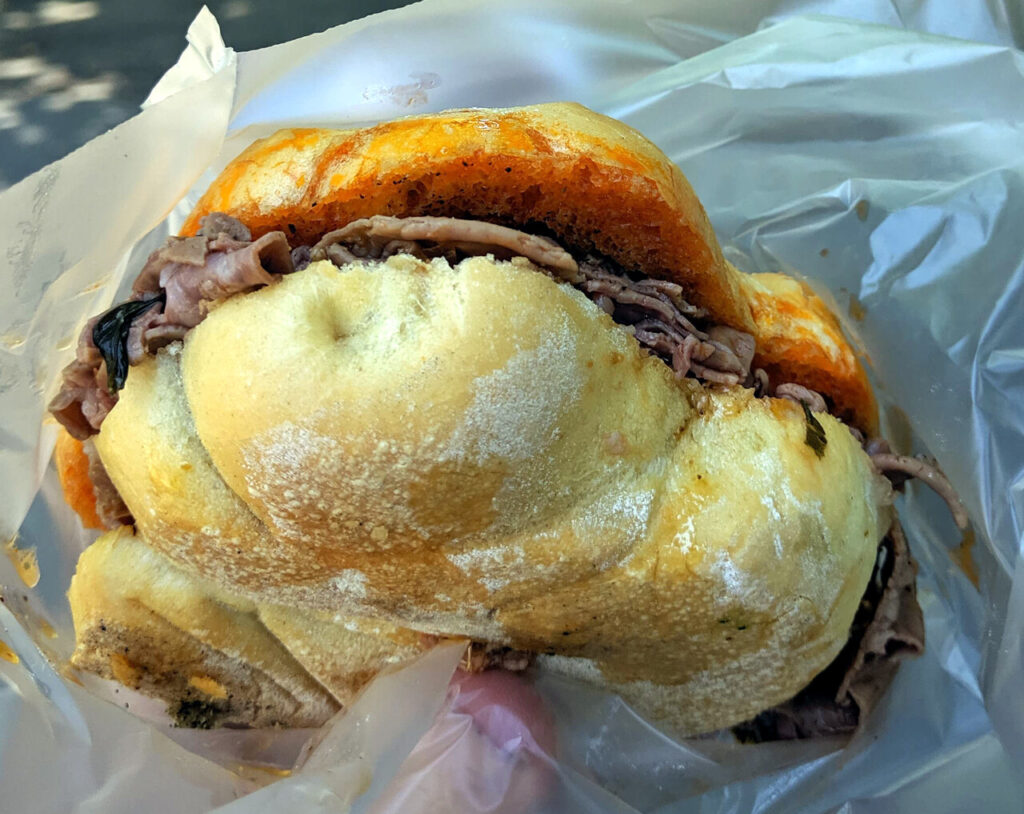
Lampredotto is a dish that speaks to Florence at street level. Made from the fourth stomach of the cow, it is cleaned, slowly simmered in an aromatic broth with vegetables and herbs, then sliced and served most often in a crusty roll. The meat is tender and deeply flavored from the cooking liquid, which is often spooned over the sandwich to keep it moist. Green herb sauce or a spicy red sauce can be added, along with a splash of broth to soften the bread. For many locals, lampredotto is less a novelty and more a regular lunch, rooted in a tradition of using every part of the animal.