8 Paint Finishes That Show Every Flaw on the Wall
Paint finish is one of those choices that seems simple until it’s already on the wall. Many homeowners focus on color and overlook sheen, only to realize later that the wrong finish can make perfectly normal walls look uneven, dented, or poorly done. Light reflection, wall texture, and everyday wear all play a role in how paint behaves once it dries. Some finishes amplify flaws rather than hide them, turning small imperfections into constant visual distractions. Understanding which finishes are unforgiving can save time, money, and frustration before the first coat ever goes on.
1. High-Gloss Walls That Reflect Every Imperfection
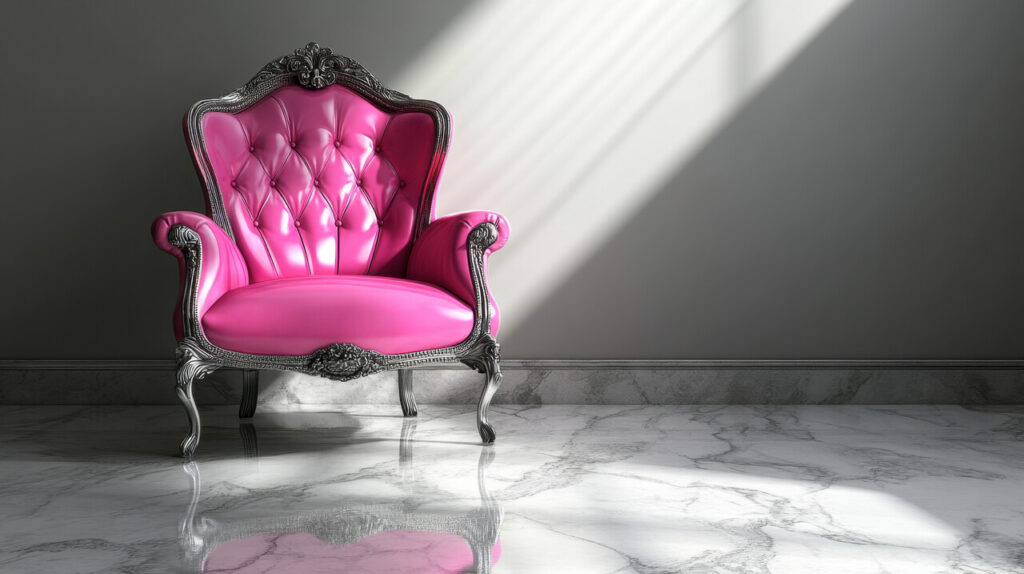
High-gloss paint promises drama and durability, but here’s the reality most homeowners discover too late: it turns walls into mirrors. Because this finish reflects the highest amount of light, it magnifies every flaw beneath it. Tiny dents, uneven drywall seams, roller marks, and even subtle waves in the wall surface suddenly become impossible to ignore. Achieving a smooth high-gloss wall requires near-perfect prep, including extensive sanding, patching, and priming. While high-gloss works well on doors and trim designed to be flawless, using it on large wall surfaces often results in a shiny showcase of imperfections rather than a polished look.
2. Semi-Gloss Finishes That Expose Texture Problems
Semi-gloss sits just below high-gloss, but it still reflects enough light to reveal wall issues quickly. Homeowners often choose it for durability and ease of cleaning, especially in kitchens or hallways. The downside is that semi-gloss highlights dents, nail pops, and uneven textures created during drywall installation. Light glances across the surface and emphasizes every ridge and depression. Even careful painting can leave visible roller overlaps. Unless walls are professionally skim-coated and perfectly smooth, semi-gloss tends to make rooms feel busy and unfinished rather than crisp and clean.
3. Satin Paint That Reveals Application Mistakes
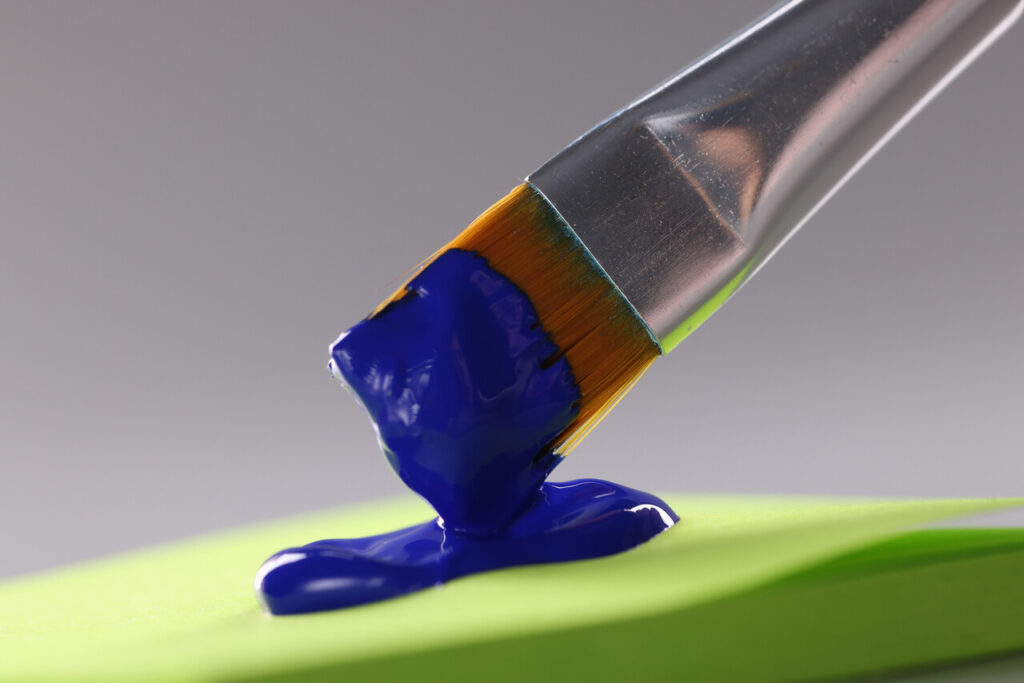
Satin paint is often marketed as the safe middle ground between matte and glossy, but it still comes with risks. Its soft sheen reflects light just enough to highlight inconsistencies in the wall and in the paint application itself. Brush strokes, lap marks, and uneven pressure from rollers show up once the paint dries. Walls that looked smooth before painting can suddenly appear patchy under angled light. Satin works best on walls with excellent prep and consistent lighting. In average homes, it often draws attention to flaws homeowners did not know existed.
4. Eggshell Finishes That Emphasize Subtle Variations
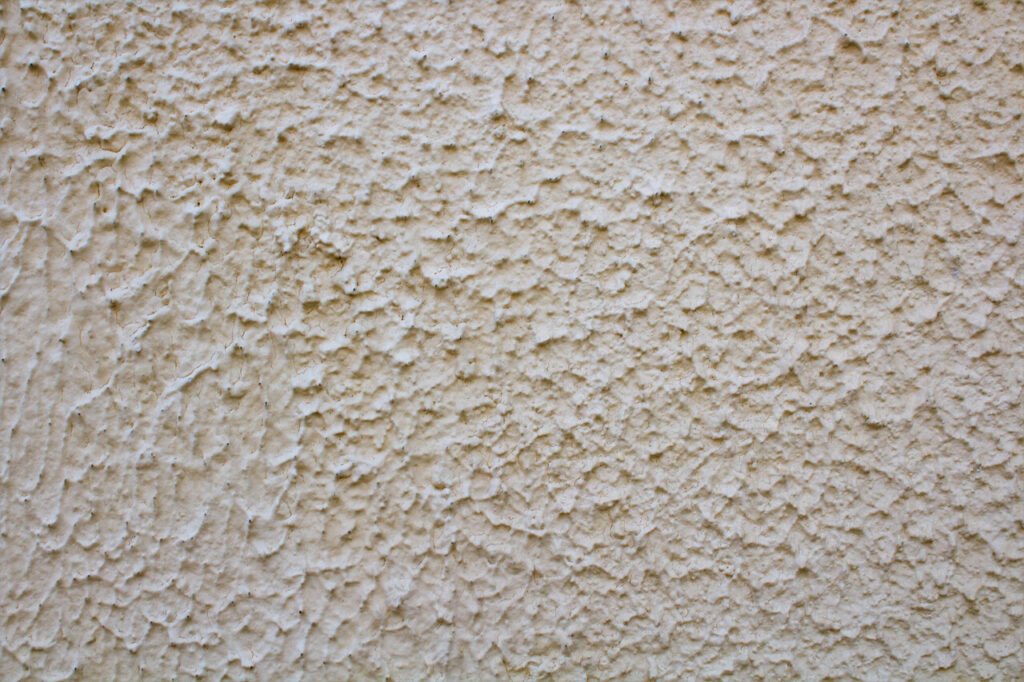
Eggshell finishes are popular because they feel understated and more forgiving than satin, yet they are not flaw-proof. The slight sheen means eggshell still reflects light across the wall surface, which can exaggerate minor texture differences. Areas that were patched or sanded unevenly become visible once painted. Even variations in drywall paper can show through. While eggshell hides more than satin, it does not fully mask wall imperfections the way flat paint does. Homeowners expecting a smooth, seamless look are often surprised by how much eggshell reveals in real lighting.
5. Metallic and Pearl Finishes That Spotlight Uneven Surfaces

Metallic and pearl finishes create visual interest by reflecting light in shifting patterns. That same effect makes flaws stand out dramatically. Any dip, bump, or uneven section catches light differently, creating a mottled appearance across the wall. These finishes require expert surface preparation and professional application to look intentional. Without that level of care, walls appear streaky and inconsistent. While metallic paints can be stunning as accents, covering large wall areas often results in a finish that feels chaotic rather than luxurious.
6. Textured Paints That Freeze Mistakes in Place

Textured paints are sometimes used to hide flaws, but they often do the opposite. Once texture is applied, any unevenness becomes permanent. Heavy textures cast shadows that exaggerate wall inconsistencies, making rooms feel rough and visually noisy. Poorly applied texture looks accidental rather than designed. These finishes are difficult to repair or repaint smoothly later, locking imperfections into the surface. What starts as an attempt to disguise flaws can quickly become a long-term design regret.
7. Gloss Accents That Highlight Adjacent Wall Issues
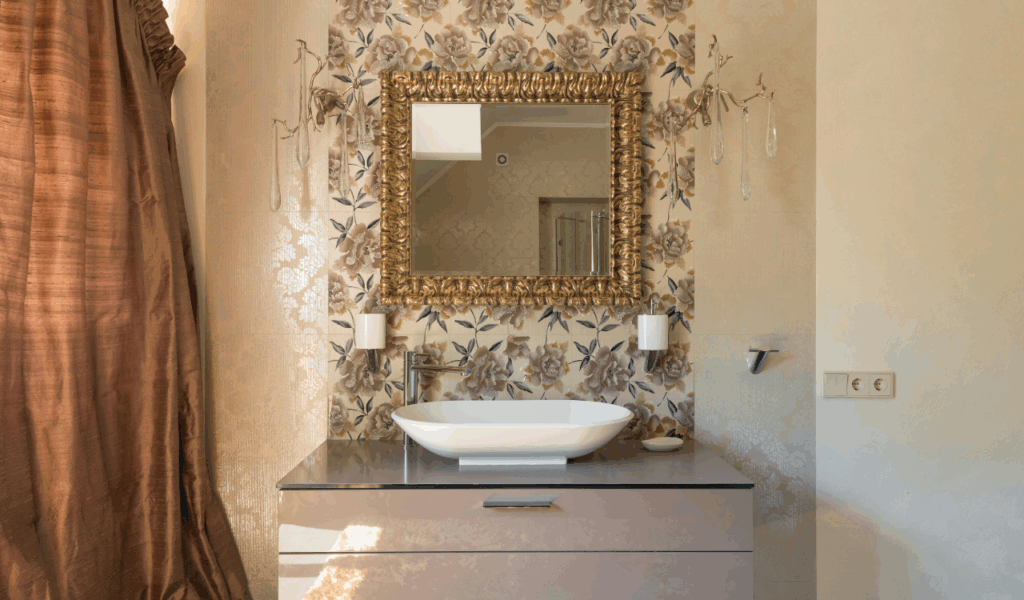
Even when glossy paint is limited to accent areas or trim, it can still expose nearby flaws. High-sheen accents reflect light sharply, drawing attention to the transition between finishes. Any uneven edge, misaligned corner, or imperfect wall surface nearby becomes more noticeable by contrast. This is especially true around doors, windows, and feature walls. The eye naturally moves toward shine, and imperfections in surrounding surfaces suddenly stand out, undermining the overall look of the room.
8. Semi-Gloss Walls in Brightly Lit Rooms

Lighting plays a major role in how paint finishes behave. In rooms with strong natural light or bright overhead fixtures, semi-gloss paint becomes especially unforgiving. Light rakes across the surface, revealing every ripple, dent, and repair. Walls that look acceptable at night may appear dramatically flawed during the day. Homeowners often mistake this for poor painting when it is actually the interaction between sheen and light. In bright spaces, flatter finishes usually provide a calmer, more forgiving result.