9 Vinyl Floors That Bubble and Peel in Kitchens

Parquet-style luxury vinyl tile (LVT) is a huge design trend right now. It has the exquisite beauty of herringbone or chevron wood designs but is touted to be as strong as plastic. But flooring examiners say that the kitchen is a “proving ground” where low-quality vinyl degrades nearly right away. Even though they are sold as waterproof, the complicated seams in a parquet arrangement let in moisture in thousands of places. “Bubbling” happens when steam from a dishwasher or a spilled drink hits a cheap adhesive or a weak core. This causes the ornamental layer of the vinyl to rise up, and “peeling” happens at the delicate corners of the design.
Professional flooring installers say that the “parquet” look is often made with thin, flexible strips that don’t have the hard core (SPC) that is needed to cover up small flaws in the subfloor. These thin strips expand and contract at various rates in a kitchen, which is hot and humid. This makes the adhesive shear. Interior designers say that a lot of cheap “peel and stick” parquet choices are really just stickers that can’t handle the cleaning cycles that a kitchen needs. We found nine types of parquet vinyl that experts warn will bubble and peel before the end of the year. This can help you avoid making a costly error in your kitchen.
1. Peel-and-Stick Thin Gauge Strips
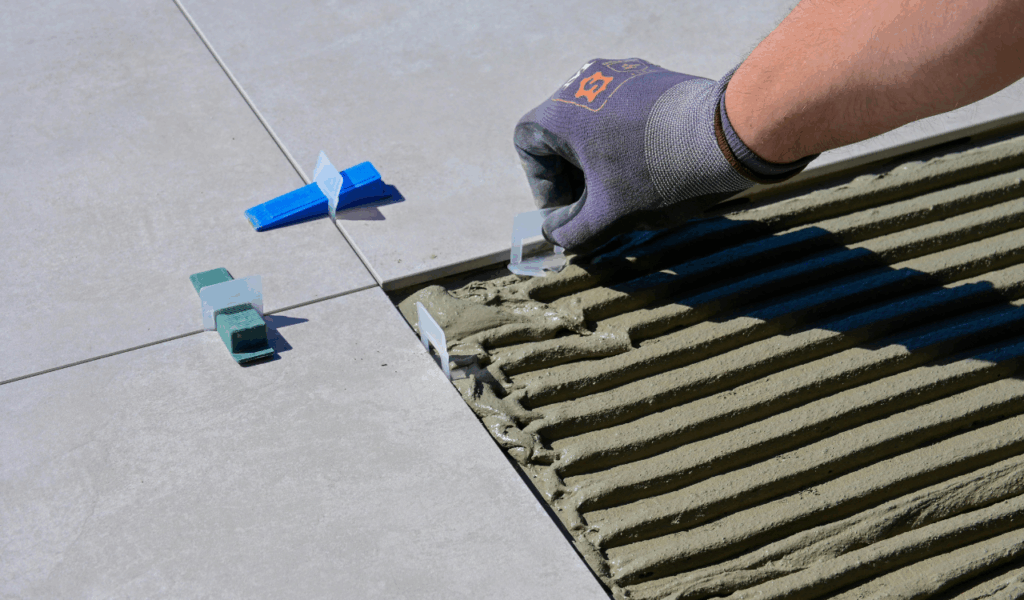
The thin, self-adhesive strip is the easiest way to get into the parquet trend, but contractors say these are the “lowest common denominator” of flooring. These strips frequently don’t have a structural core, thus they rely on the glue that was already there. In a kitchen, this glue gets softer while the oven is on or the water is boiling. The edges of the parquet pattern start to “curl” after the glue loses its grip. This makes it easy to trip and lets dirt build up underneath.
Professional organizers say that once these floors start to peel, it’s almost impossible to maintain them clean. When moisture gets beneath the elevated corners, it makes a place for mold to grow between the vinyl and the subfloor. Experts suggest that these stickers will fall off in a few months unless you use a professional-grade, spreadable glue. The frequent foot movement in a kitchen puts sideways strain on the thin strips, which eventually moves them out of line and breaks the “waterproof” seal.
In the end, these products are meant for “accent” areas with little foot traffic, not for productive workspaces. Designers say you shouldn’t use any parquet vinyl that is less than 3mm thick since it doesn’t have the “body” to stay flat on a subfloor. If the product is sold as a “weekend DIY sticker,” it’s probably a quick repair that will come off the first time you spill something big or clean it well. The only way to make sure the parquet pattern stays sharp and unbroken is to buy a thicker, click-lock variant.
2. Low-Density Fiberboard (LDF) Cores
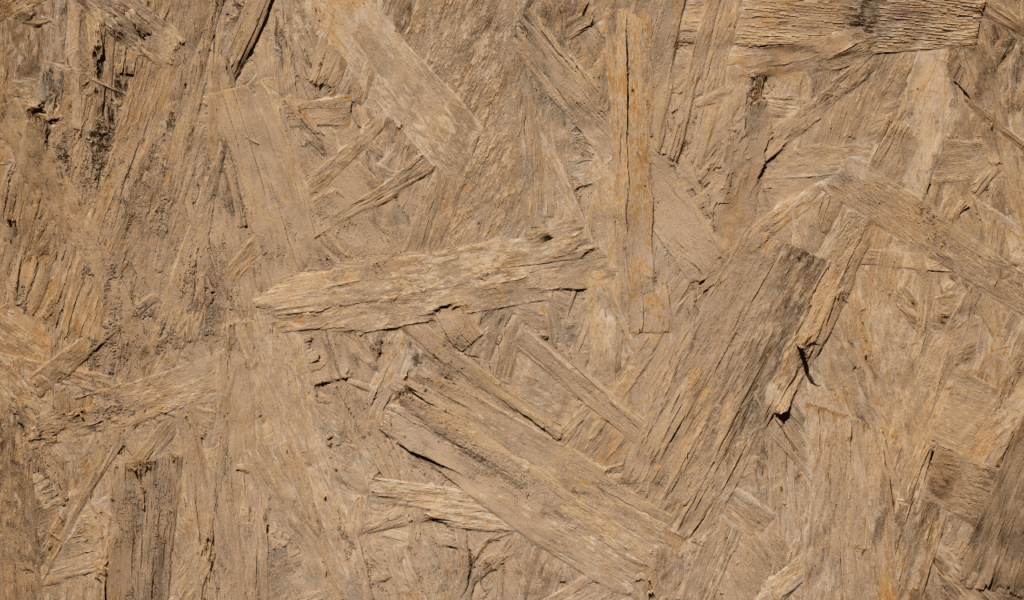
A lot of “wood-look” vinyl items are actually hybrids that have a thin vinyl veneer on top of a compressed wood-fiber core. Experts say that even though they look like parquet, these are really “sponges” in a kitchen. The LDF core absorbs water and expands as it hits the seams, which are easy to find in a herringbone pattern. As it pulls away from the swollen core, the top layer of vinyl “bubbles.” When an LDF core expands, it never goes back to its original shape, unlike solid vinyl.
Flooring contractors, who are the interior landscapers, say that these hybrid products are typically promoted as “water-resistant,” which is a word that is commonly confused with “waterproof.” Water resistance isn’t adequate to deal with a leaking fridge or a sink that splashes in the kitchen. Experts explain that the growing core’s internal pressure eventually causes the seams to “peak,” which makes jagged edges that rip away the decorative coating. Instead of seeming rustic and charming, the floor looks worn and broken.
Designers say that to avoid this, you should search for labels that say “Rigid Core” or “SPC” (Stone Plastic Composite). The core of these materials is made of limestone powder, which makes it completely waterproof. If you can see a “brown” or “fiber-like” center when you look at the edge of a plank, it is not safe for the kitchen. A solid, gray or white core is a sign that a product can handle the humidity and spills of a busy kitchen without bubbling.
3. 6-Mil Wear Layer “Bargain” Tiles
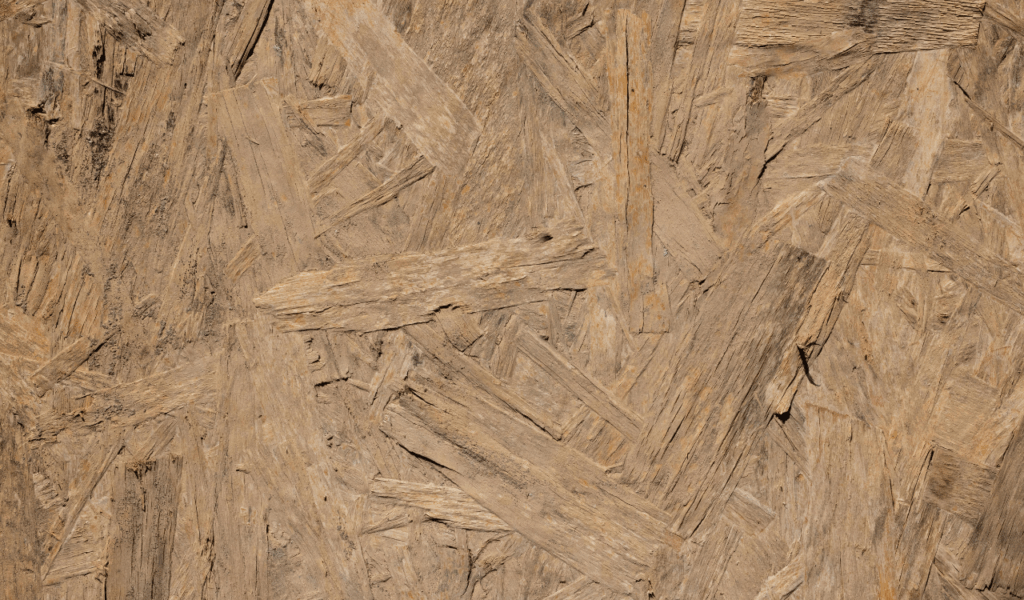
The “wear layer” is the clear protective layer on top of the vinyl. For a kitchen, anything less than 12 mil is a risk. A lot of cheap parquet tiles have a 6-mil layer that is only as thick as a piece of paper. Professional flippers say that this layer is so thin that a dropped knife or dragged chair can easily break through it. When the wear layer is broken, moisture gets into the printed “wood” image layer, which causes it to delaminate and peel off in sheets.
Experts say that the “bubbling” that happens on inexpensive vinyl is usually the wear layer coming off the print layer. In a kitchen, the friction from a lot of foot movement speeds up this process. If you have kids or pets, designers say you should insist on a 20-mil wear layer for your parquet floor to last a long time. The 6-mil “bargain” tiles are frequently meant for bedrooms or closets where they won’t be exposed to the rough “grit” and dampness that are common in kitchens.
Also, these thin wear layers often have a “glossy” appearance that displays every scratch and scuff. As the scratches build up, they make it easier for cleaning solutions to break down the adhesive bond. Landscapers in the flooring business say that a thicker wear layer with a matte or “hand-scraped” texture offers superior protection. Your lovely parquet design will practically peel away under the weight of daily life and kitchen tasks if you don’t have a good barrier.
4. Non-Acclimated “Floating” Parquet
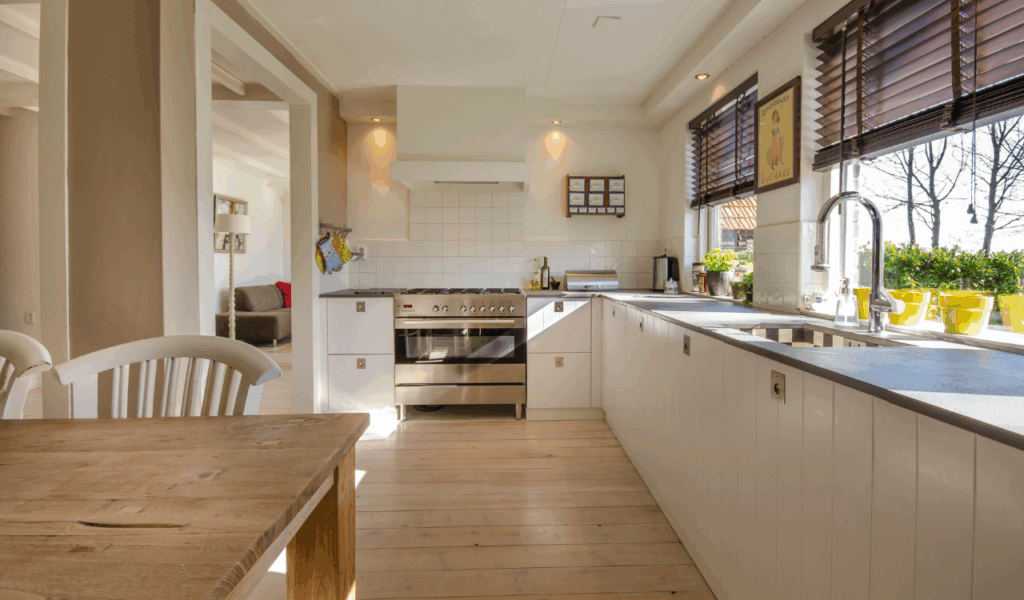
Vinyl flooring is known for expanding and contracting when the temperature changes, which is much more noticeable in a sophisticated parquet pattern. Experts say that if you don’t “acclimate” the vinyl to the kitchen’s humidity for 48 hours before putting it in, it will bubble up and cause a disaster. If the floor is put down “tight” when it’s cold, it will expand when the kitchen warms up from cooking. This will make the planks “buckle” and rise off the subfloor in big, humped bubbles.
Professional installers say that the complicated “locking” systems on parquet-style vinyl are not very strong. These seams can break if the floor grows too much, which can make the corners of the herringbone pattern pop up and peel. Designers say that there should be a strict 1/4-inch space around the edges of the room that is hidden by the baseboards. The floor can’t handle the load inside it without this “breathing room,” which makes the surface wavy and unstable.
The people in charge say that the “bubbling” in these circumstances is not air, but bodily stress. When the vinyl can’t move, it “peaks” at the seams, which subsequently become places where it wears down and peels. Experts claim that the kitchen is the space in the house that changes temperature the most, thus acclimatization is a must. If a contractor tries to put down your parquet vinyl right off of a chilly truck on a humid day, the floor will almost definitely fail during the first change of season.
5. Solvent-Based Adhesive Overlays
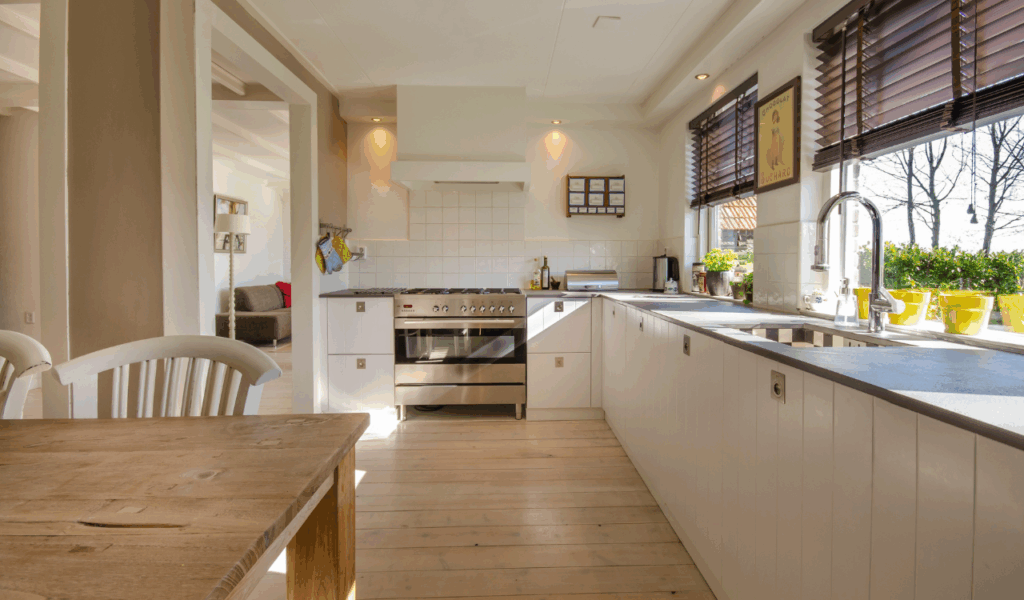
When utilizing “glue-down” parquet vinyl, the type of glue you use is just as crucial as the flooring itself. Experts say that using cheap, solvent-based glues can cause a chemical reaction with the vinyl backing, which is called “plasticizer migration.” This reaction makes greasy bubbles that float to the top of the floor, which makes the vinyl soft and peel. This chemical breakdown happens faster in a kitchen, where the floor is often heated, making a sticky, bubbling mess.
Professional flooring inspectors say that a lot of “all-purpose” glues don’t work with new premium vinyl. Designers say that you should only use water-based acrylic adhesives that the manufacturer has approved and that are made for “non-porous” backings. Home landscapers, or contractors, say that moisture from the flooring can also react with the improper glue, causing “hydrostatic pressure” that makes the vinyl lift. This happens a lot in kitchens that are built on concrete slabs that haven’t been sealed properly.
Experts say that before any glue is put down, you should do a “moisture test” on the flooring to stop this from happening. The adhesive won’t fully cure if the moisture levels are too high, which will cause the floor to “shift” and peel at the edges. For a good installation, you need a moisture barrier or a specific glue that can handle the wet conditions that are common under a kitchen sink or near a dishwasher. If you don’t take these steps, the glue will eventually turn into a liquid and stop working.
6. Large-Format Rigid Sheets
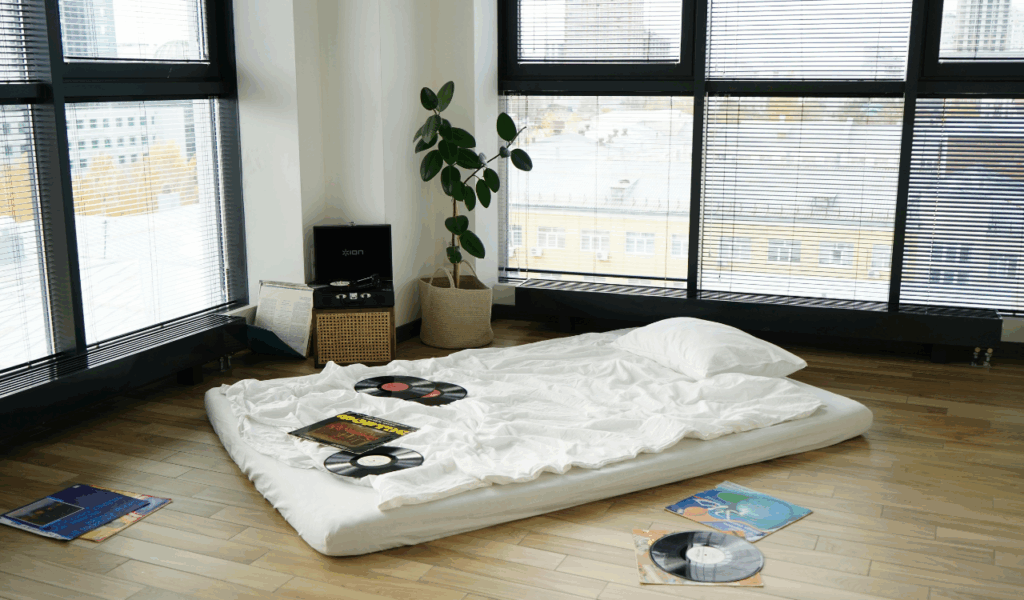
People typically think of sheet vinyl as a “seamless” alternative to tiles, but when it has a parquet design printed on it, it causes a whole other set of challenges. Experts say that when you install large-format sheets, you could get “trapped air bubbles.” When the floor gets hot from the sun or appliances, these bubbles get bigger in the kitchen. A bubble in the middle of the sheet might make the “parquet” print look funny and possibly crack, which can cause the phony “grout” lines to peel.
Professional flippers say that the difficulty with sheet vinyl is that if one part bubbles or peels, the whole floor usually has to be replaced. You can’t just switch out a broken herringbone portion like you can with tiles. Designers say that if you choose the sheet option, you should utilize a “full-spread” adhesive method instead of merely taping the borders. “Perimeter-bonded” sheet vinyl is known for moving and getting wrinkles (bubbles) under the weight of a hefty refrigerator in a kitchen.
Also, “cushion-back” sheet vinyl is especially prone to damage from “point-loading.” If you drag a heavy chair across the floor, it can rip the vinyl, letting moisture into the core and starting the peeling process. Landscapers for the inside say that sheet vinyl is cheaper, but it isn’t as strong as individual planks. The best way to get the “parquet” look in a kitchen is to use firm tiles that can be replaced one at a time if they start to bubble.
7. Recycled “Mystery” Plastic Backing
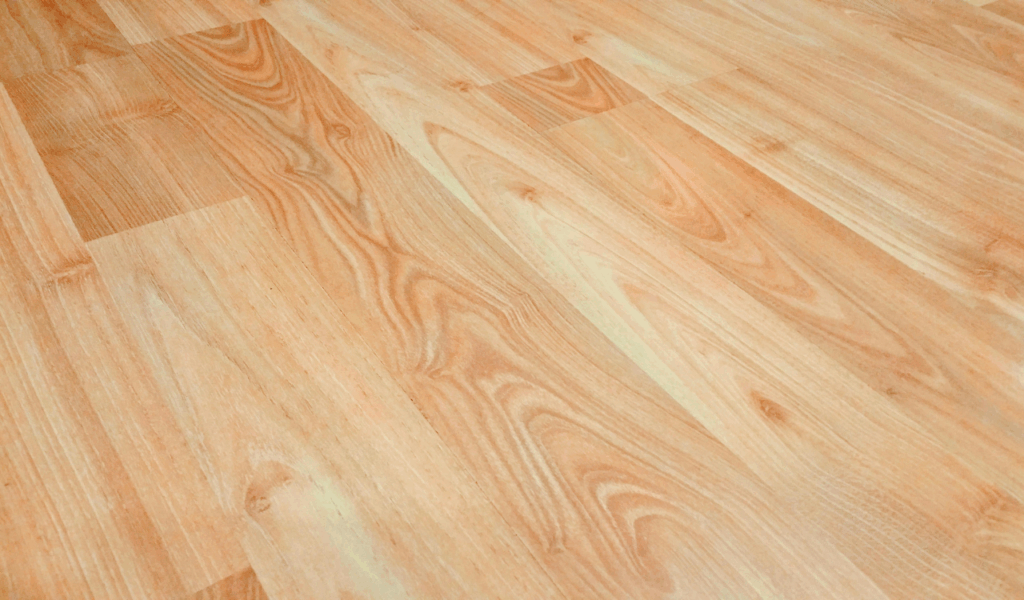
Not all vinyl is the same, and cheap parquet options often use “recycled” PVC that has a lot of contaminants in it. Experts say that these “mystery” backings are not stable and can “off-gas,” which can make the top layers of the vinyl bubble. These cheap plastics can break and “de-bond” from the ornamental print layer in the humid air of a kitchen. The layers split and peel, which makes the floor feel “crunchy” as you walk on it.
Professional flooring inspectors say that “virgin PVC” should be used for high-quality vinyl to make sure it stays stable and consistent. Designers say to look for “FloorScore” or “Greenguard” certificates, which show that the product has been evaluated to see if it is chemically stable. Landscapers in the business say that a lot of “off-brand” parquet choices marketed in big-box retailers use these recycled fillers to keep costs down, but they don’t have the thermal stability needed for a room with an oven and a dishwasher.
The “click” joints in the parquet tiles are more likely to break when the backing is unsteady. When the joints break, water can get past the “waterproof” surface and destroy the glue or the flooring. Experts claim that the “bubbling” that happens in these items is often a sign that the structure inside is breaking down. If the back of the tile looks “dirty” or smells strongly of chemicals, it means that it is a low-quality recycled product that will probably peel and warp in a kitchen that gets a lot of use.
8. High-Gloss “Piano Finish” Parquet
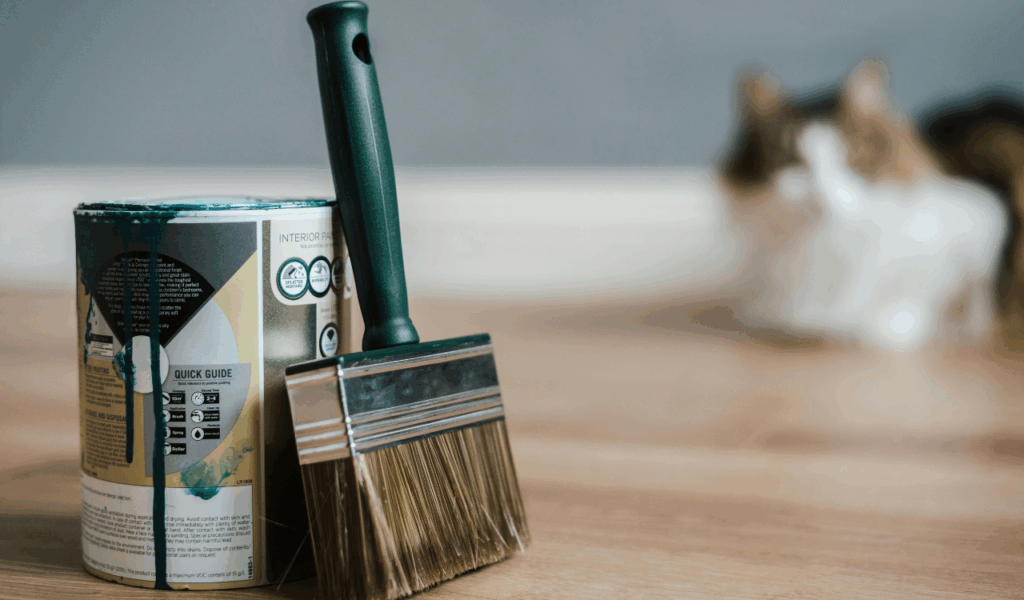
Experts say that a high-gloss finish can make a parquet pattern look like a polished ballroom floor, but it is the least durable choice for a kitchen. The glossy topcoat is a distinct layer that can become “blisters,” or little bubbles, when it gets too hot in the kitchen. Also, if there is any moisture on the surface, it can produce “clouding” and peeling as the finish reacts with the water. Professional decorators say that these floors reveal every fingerprint, wet spot, and scrape, which makes cleaning them a headache.
Designers say that high-gloss vinyl frequently doesn’t have “texture,” which is what usually hides small bubbles and peeling. These floors are risky when wet since they don’t have a slip-resistant texture. This is especially true in the kitchen, where spills are common. “Embossed-in-Register” (EIR) treatments are recommended by flooring landscapers. With this type of finish, the texture follows the grain of the wood. This not only makes it look more authentic, but it also makes the bond between the protective layer and the print stronger.
Organizers say that glossy flooring also show off any “telegraphing” in the subfloor, which is when every bump in the concrete shows up as a bubble or dent. Experts suggest that a “low-sheen” or “satin” finish is significantly easier to clean in a kitchen. The “piano finish” parquet is better for a formal dining room or a corridor that doesn’t get a lot of traffic because it won’t be exposed to the rough cleaning and continual wetness that can cause the surface to peel.
9. DIY “Loose-Lay” Without Tape
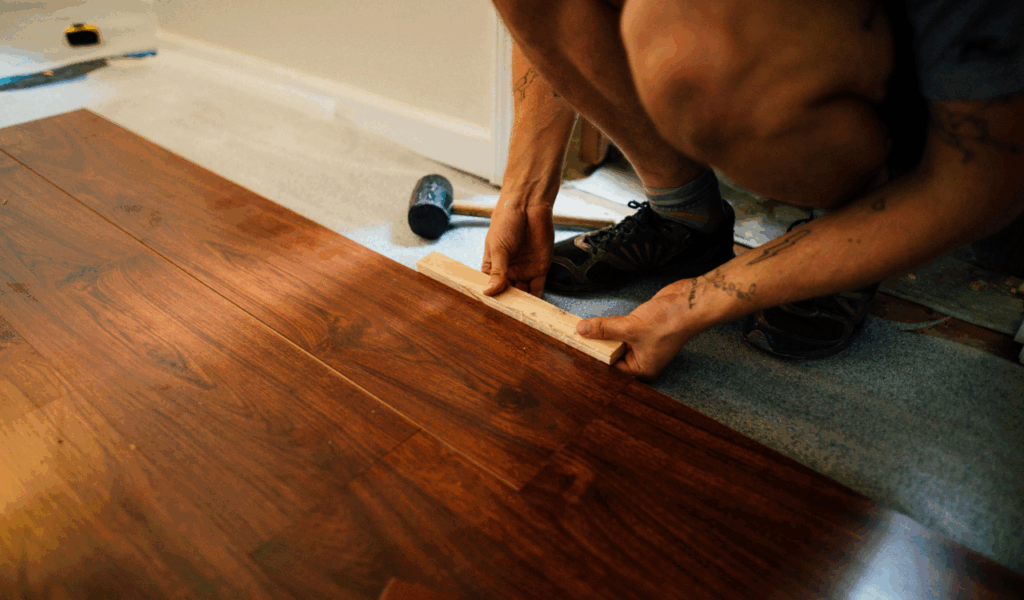
“Loose-lay” vinyl is sold as a floor that keeps in place because of its own weight and a backing that creates a lot of friction. However, experts believe that this is a prescription for disaster in a kitchen parquet plan. A parquet pattern is made up of many little pieces, therefore without a solid link, the pieces might “creep” and gap over time. In the kitchen, these holes quickly fill with oil and water, which then get under the tiles and make the edges bubble and the backing peel.
Professional installers say that the “suction” backing of loose-lay vinyl can stop working if the subfloor is even a little bit dusty. The tiles start to “pivot” as the suction goes away, especially in the tricky corners of a herringbone design. Designers say that even “loose-lay” items should be held down with a “pressure-sensitive” glue in the kitchen. This stops the “shifting” that causes seams to open and the parquet pattern to break down.
According to flooring landscapers, “loose-lay” is a common shortcut that DIYers take to avoid the mess of glue. However, it makes the floor “breathe” too much moisture from the subfloor. The margins of the parquet tiles will pull up if the kitchen is humid and there is no sealed perimeter or full-spread bond. If you want a floor that doesn’t bubble or peel, experts say you need to choose a secure installation procedure that keeps the design in place for good.