7 Sheepskin Rugs That Get Lumpy and Smell Bad When Wet

People have always loved Cheviot sheep for their strong wool, which is great for making tweed and heavy hosiery. But interior designers say that when this tough wool is turned into fashionable “luxury” carpets, it doesn’t always live up to the expectations of homeowners who don’t know better. A good sheepskin rug should stay soft and smell well, however many mass-produced Cheviot rugs tend to “clump” and keep a strong, damp animal smell. This is mostly because the Cheviot breed has a coarser fiber diameter than the silky Merino, which makes it more likely to mat when it is in a home or apartment with normal humidity levels.
Experts in textiles and rug cleaning say that the “clumping” problem happens when the wool’s inherent helical crimp gets squashed underfoot without proper industrial finishing. When these strands get tangled up, they make tight knots that hold dust and moisture deep inside the hide. People that flip homes for a living say that cheap Cheviot rugs typically omit the important steps of cleaning and degreasing to save money on labor. We have found seven types of Cheviot sheepskin rugs that will clump and smell like a damp barn after just one season of use. This will help you avoid a shed-like scent and a messy living room.
1. Non-Scoured “Raw” Fleece Runners
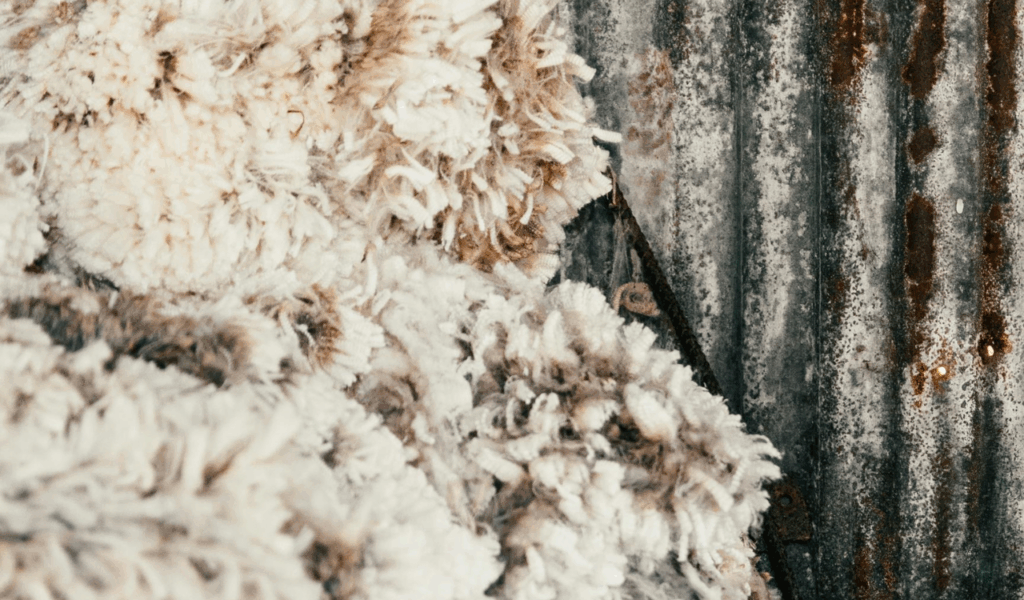
People often say that raw fleece runners are the best way to live “boho-chic” and naturally, but people who work in the textile sector say they are a maintenance nightmare. People often sell these carpets with little processing to keep the “natural” look of the Cheviot wool. However, professional rug cleaners say that not cleaning the wool well enough leaves behind a lot of lanolin and suint. When these natural sheep fats come into contact with moisture in the air, they give off a strong, musky smell that can fill a whole room. Experts claim that the rug will constantly smell like a wet pasture if it isn’t professionally cleaned.
Designers say that you shouldn’t use these runners in hallways that get a lot of foot traffic since the fibers are really “grabby” when they aren’t processed. When you walk on the rug, the raw fibers hook into each other, making clumps that can’t be brushed off with a regular sheepskin rake. People who plan luxury spaces say that these rugs often become “dirt magnets” because the leftover grease on the wool attracts every speck of dust in the air. The rug loses its creamy white shine and becomes a gray, matted strip that feels sticky to the touch and needs a deep clean that costs a lot of money and is done by a professional.
2. Low-Grade Acid-Bleached Hides
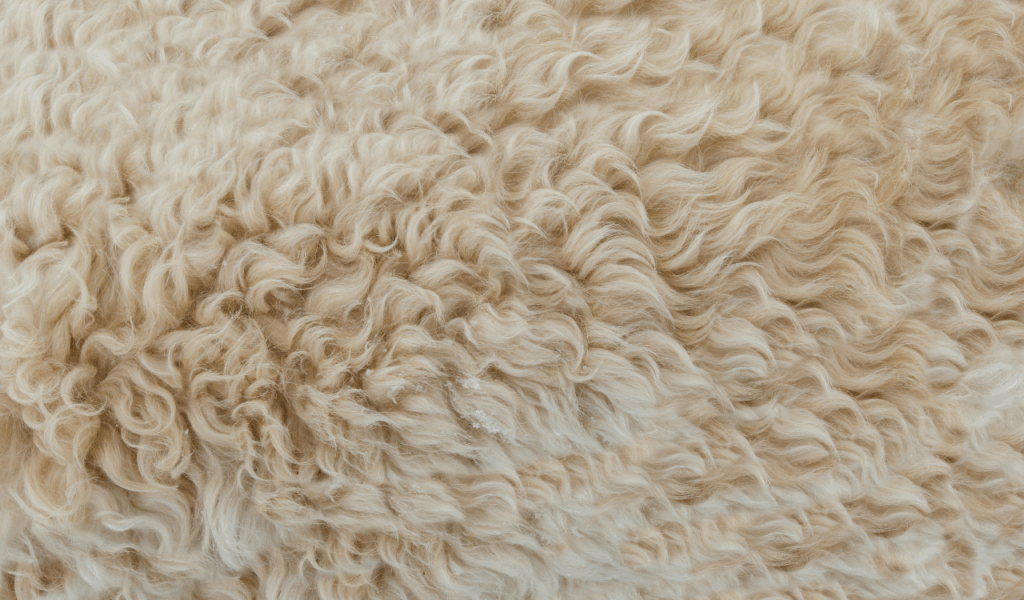
To get the brilliant, blinding white look that many people want, manufacturers often use harsh acid bleaching on low-quality Cheviot skins. Textile experts say that this procedure chemically destroys the wool’s protective cuticle, even though it looks great on the showroom floor. This makes the fibers porous and brittle, which means they soak up moisture from the air like a sponge. Professional decorators say that these bleached rugs smell the most like wet dogs. When the broken fibers retain moisture, it starts to degrade the organic hide from the inside out.
Also, the chemicals degrade the wool and make it less elastic. The fibers are so weak that they break and get tangled when you tread on them, which causes a big clump in the middle of the rug. Professional flippers say that these bleached hides frequently feel “crunchy” instead of soft and supple. If a rug looks too white and feels a little stiff, experts say it has probably been over-processed. You should pick a natural, unbleached cream hide that keeps its shape and doesn’t smell bad even when it’s wet.
3. Bonded “Faux-Back” Cheviot Tiles
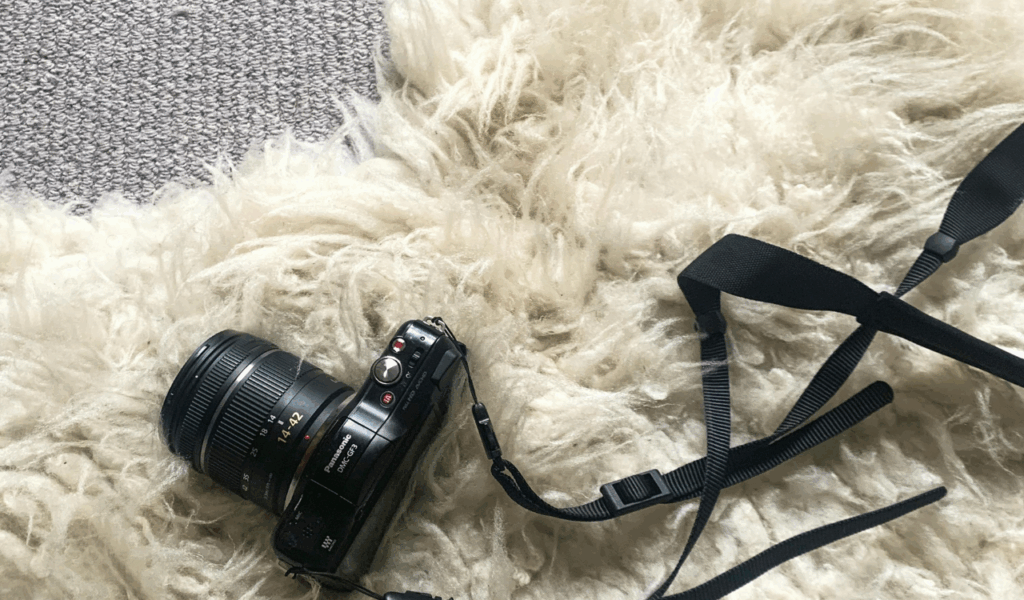
To make bonded carpets, little pieces of Cheviot wool are glued to a backing made of synthetic fabric or leatherette. This makes the rug cheaper, but designers say that the glues used in this procedure don’t always let air through. Wool has to “breathe” to be dry and fresh, thus this lack of ventilation is a disaster for it. Contractors say that moisture gets stuck between the wool and the glue, making a “micro-greenhouse” for bacteria. This is the main reason why these cheap bonded materials typically smell like “wet wool” or foul.
People who plan high-end residences say that bonded tiles can also “patchy clump.” The wool might peel away from the backing and mat together at the seams since it is not part of a single, continuous hide. Experts claim that these rugs don’t have the “weight” and drape of real skin, which makes them slide and bunch up, which speeds up the matting process. Experts say that if you want a rug that stays soft, you should get a single-hide piece. Bonded versions are a classic example of “fast furniture” that people will probably throw away if the stench gets too strong.
4. Thin-Skinned “Seconds” from Industrial Farms
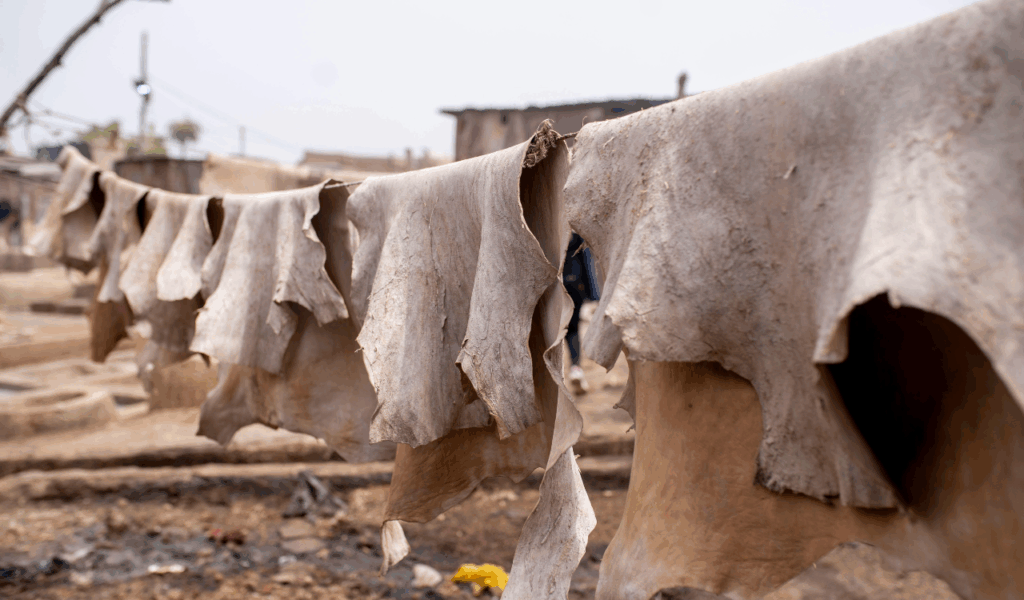
In the world of sheepskin, “seconds” are hides that luxury brands don’t want because they are too thin or have structural problems. A lot of these end up in inexpensive home stores with the label “genuine Cheviot.” However, expert rug graders say that a thin epidermis doesn’t have enough substance to hold up a thick coat of wool. When the skin is too thin, it can’t hold the Cheviot’s naturally rough fibers in place. This causes too much shedding and “clumping,” which is when the wool rips away from the hide in little tufts and sticks together on the surface.
Professional stagers, who are like landscapers for the inside world, say that these thin-skinned rugs often “pucker” when they get wet. The dampness makes the skin shrink and expand, which pushes the wool together and makes ridges and clumps that make the rug look bumpy. Experts claim that a good Cheviot rug should feel hefty and dense. It won’t last during a rainy season if the hide feels like thin parchment paper. These “bargain” hides are known for acquiring a persistent, musty smell because the thin leather lets moisture through to the floor, where it stays trapped.
5. Formaldehyde-Tanned “High-Gloss” Rugs
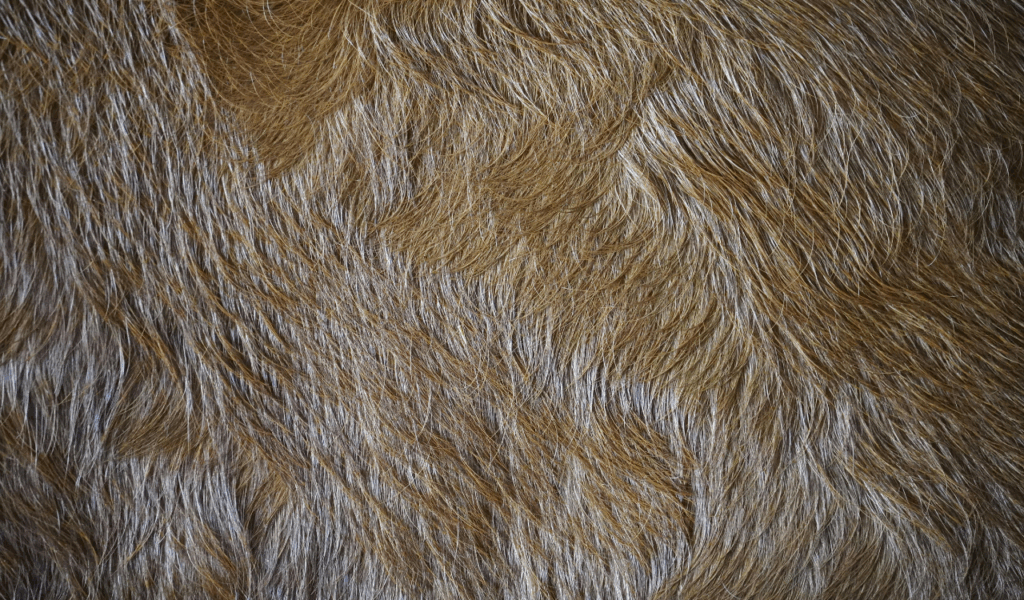
Some companies employ formaldehyde to give the naturally matte Cheviot wool a high-gloss, smooth feel during the tanning process. This gives the rug a very high-end look, but designers say it’s really a temporary chemical “mask.” Health and safety experts say that these rugs can “off-gas” for months, making a strong, chemical smell that doesn’t mix well with the smell of the sheep. When the rug becomes wet, the formaldehyde might react with the water, making the stench worse and making the shiny strands cluster together and feel “slimy.”
Professional rug cleaners say that washing rugs that have been browned with formaldehyde is almost impossible without destroying the finish. When water removes the chemical coating, the wool underneath goes back to its rough state and mats right immediately. Experts argue that the “high-gloss” look is a sign that a lot of chemicals have been used. A really good Cheviot rug should have a natural, low-sheen shine. If you choose a vegetable-tanned or eco-tanned rug, you can be sure that it will stay safe in your house and won’t smell like wet chemicals when the humidity levels rise.
6. Dyed “Deep Tone” Cheviot Shags
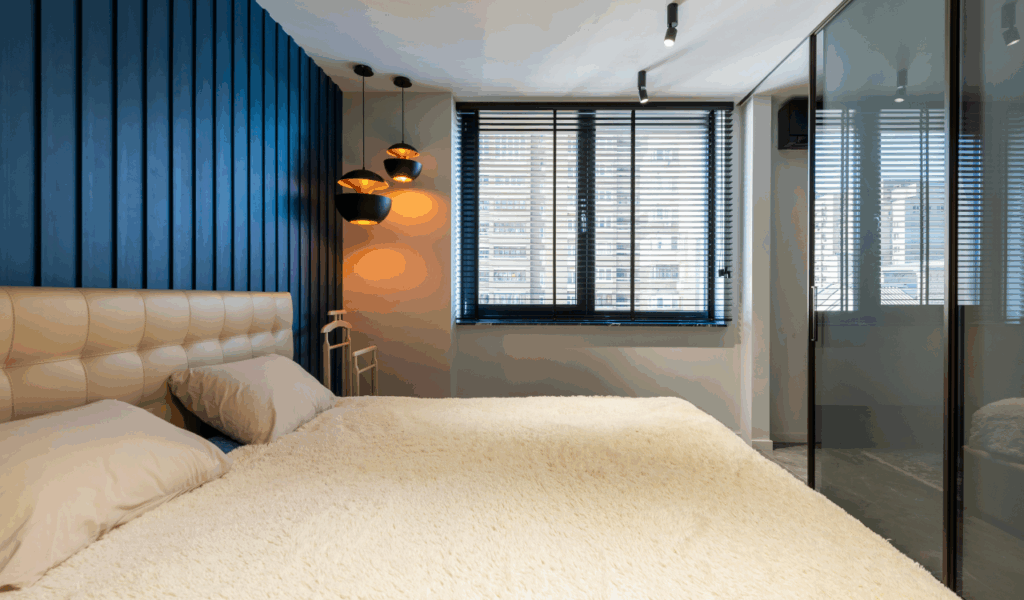
Deeply dyed rugs in colors like charcoal, navy, or forest green are trendy in modern decor, but they can be very dangerous. Textile specialists say that the strong colors used on coarse Cheviot wool might make the fibers weaker and block the wool’s natural pores. This stops the wool from controlling moisture, which makes it feel “heavy” and damp even in dry rooms. Professional flippers say that these colored rugs typically have a lasting “ink” scent that, when mixed with the smell of genuine wool, makes for a really disagreeable fragrance.
Designers say to be careful because the dye can also stick hair and dust together. The colored fibers lose their natural slipperiness and start to “tangle-clump,” which makes matted regions that display all the dirt. Also, if the rug becomes wet, the dye might “bleed” into the hide or your floor, making it impossible to clean the wool without making it worse. Experts say that if you really want a colorful sheepskin, go for “tip-dyed” ones that keep the base of the wool natural. This lets air flow better and lowers the chance of clumping and smell by a lot.
7. Non-Lined “Open Pore” Cheap Imports
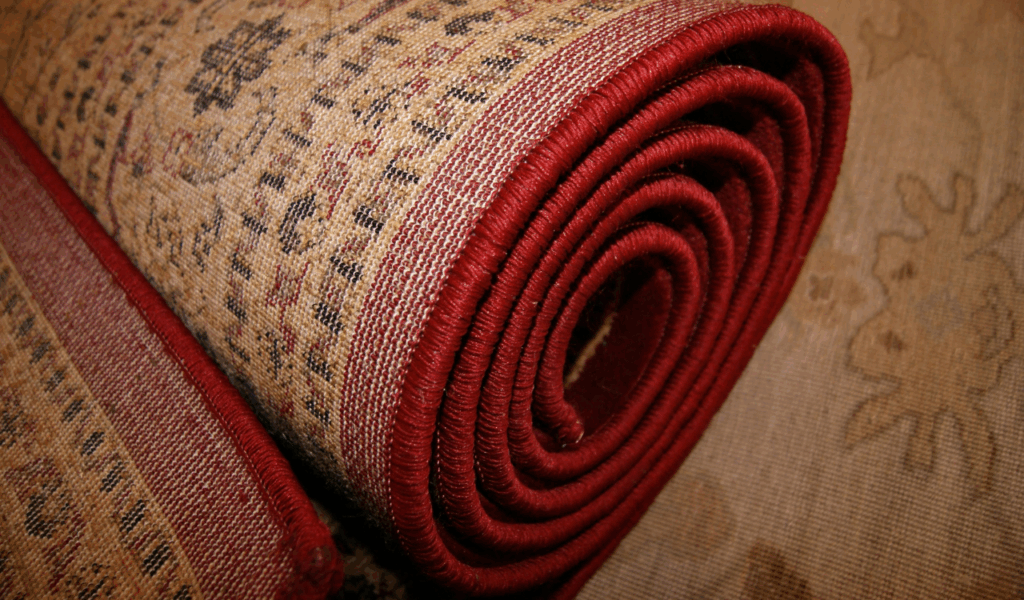
To save money on materials, many imported Cheviot carpets don’t have a fabric lining on the back. Experts say that while this is sold as “raw and authentic,” it leaves the leather’s “open pores” fully exposed to your floor. Contractors say that technique lets the hide soak up moisture from the flooring, especially when it is on concrete or tile. This moisture then moves up through the hide and into the wool, where it stays and makes a scent that won’t go away. This is called “wicking” by experts, and it’s the main reason why rugs without a lining don’t work in basements or on the ground floor.
Professional organizers say that a fabric liner is an important buffer that gives the hide shape and keeps it from becoming scratched. If you don’t have it, the Cheviot rug will stretch and warp, which will make the wool on the surface bunch up and clump together when you move your skin. Experts suggest that a good sheepskin should always have a clean, soft back like suede or a high-quality cotton inner. If you find raw, unfinished leather on the bottom, the product was made to be cheap, not to last in a genuine home.