9 Diner “Blue Plate Special” Meals Where Cooks Change Ingredients Every Day
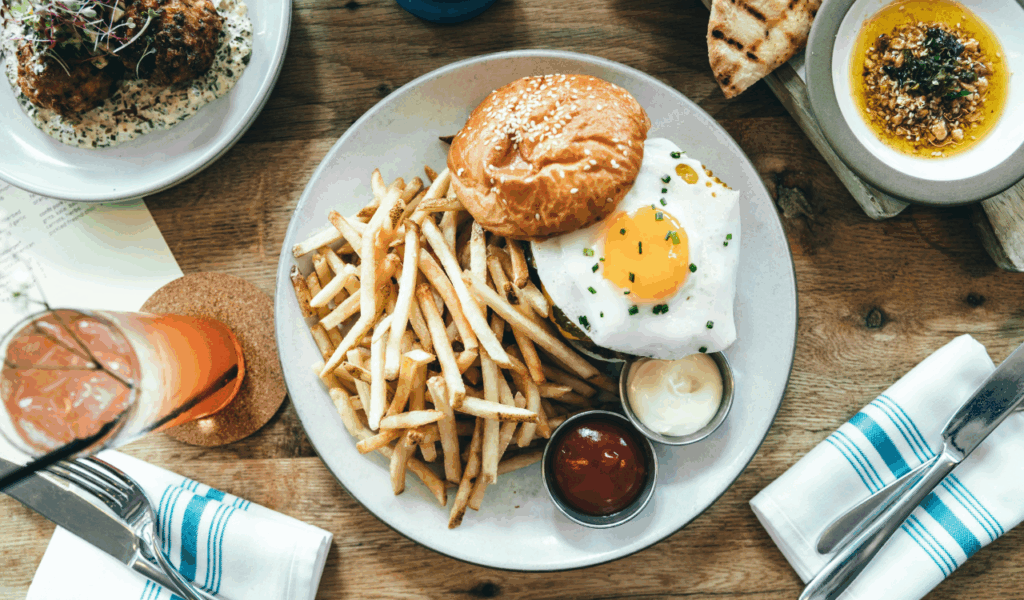
The “Blue Plate Special” has been a symbol of American comfort food for a long time. It is a rotating deal that promises a delicious, home-cooked dinner for a low price. But experienced restaurant consultants and short-order cooks say that these daily specials are often a smart way to keep track of stock.
The menu board could make it seem like you’re getting a carefully planned meal, but in truth, it’s often a planned effort to get rid of food in the walk-in refrigerator before the next shipment comes. This method, which the industry calls “rotating the stock” through the guest’s stomach, includes trading high-quality parts for others that are about to go bad.
Professional chefs say that the blue plate is magical because you never know what will happen next. But that same quality lets kitchens disguise ingredient changes under thick gravies and strong spices. Food stylists, who are like landscapers for the dinner plate, say that a thick ladle of brown sauce may hide everything from a lesser grade of beef to a vegetable that has lost its crispness.
Restaurant menu designers say that these specials have the largest profit margins since they use up the “odds and ends” in the pantry. We found nine traditional specials on the diner chalkboard that experts suggest cooks are most likely to change the ingredients of every day based on what they have left over in the kitchen.
1. The Classic Monday Meatloaf
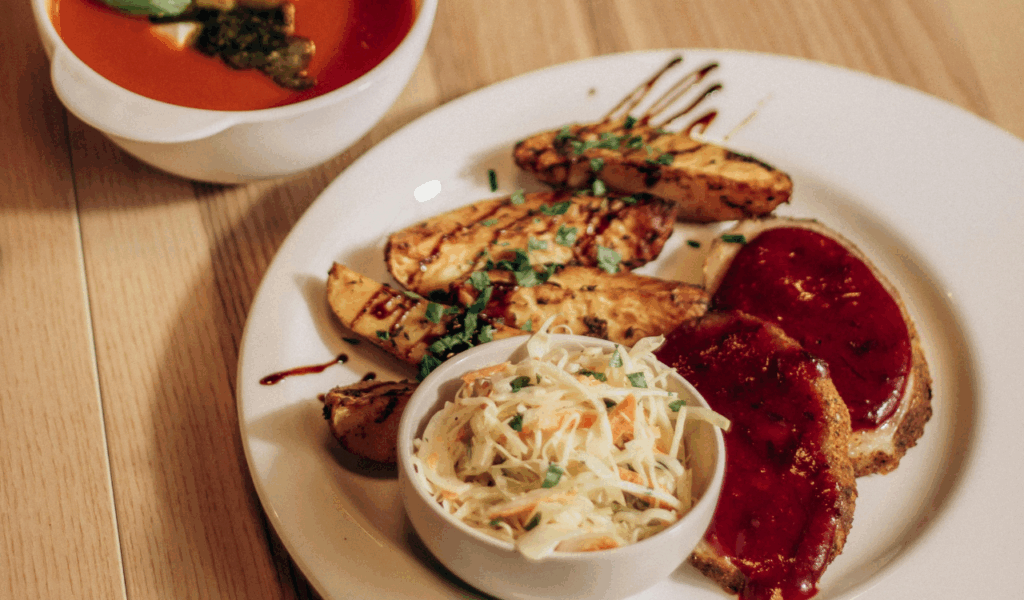
Monday is known as the “cleanup” day for diner kitchens following a busy weekend. Professional chefs say that the meatloaf special is the best way to use up proteins that didn’t sell on Saturday or Sunday. Experts note that even though the menu says “100% ground chuck,” cooks often mix in leftover sausage, burger patties, or even finely chopped roast beef. This makes sure that nothing goes to waste, but it also means that the texture and flavor of your meatloaf might fluctuate a lot from week to week, depending on what you have left over from the weekend.
People who run commercial kitchens said that the binders in Monday’s meatloaf are also routinely switched out. If the kitchen ran out of regular breadcrumbs, cooks may use crushed crackers, biscuits that were made the day before, or even breakfast cereal to hold the loaf together. According to the people who make diner menus, the thick glaze on top is not just for taste; it is also a tactical barrier that hides a combination of different meat colors. Experts say that asking if the bread was “made fresh today” is a good way to tell if you’re receiving a planned recipe or a creative way to use up leftovers.
2. The “Chef’s Choice” Soup of the Day
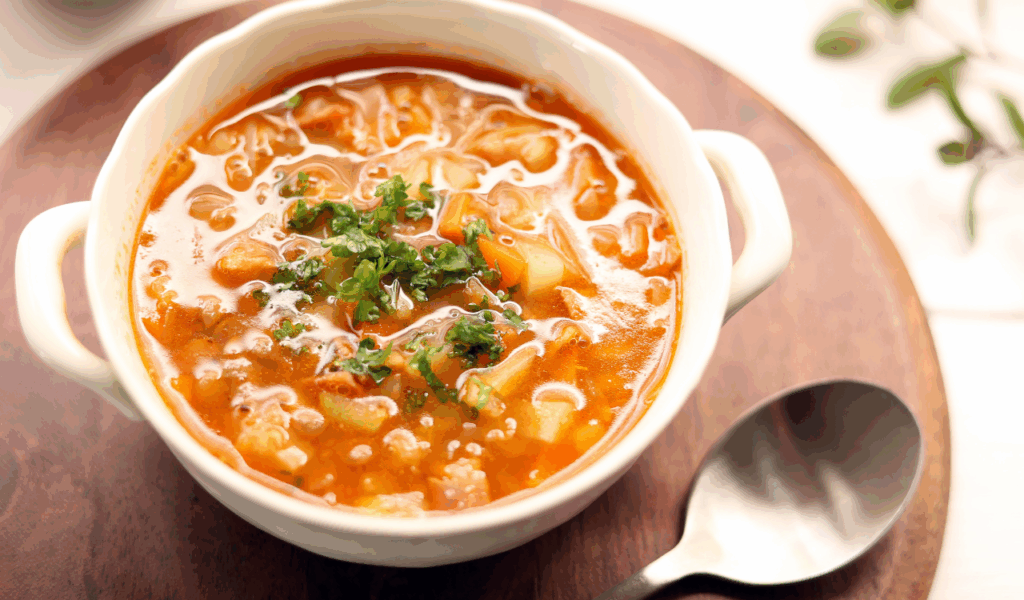
Professional restaurant stock flippers say that the “Soup of the Day” is rarely a planned masterpiece. Instead, it’s often a place to store any vegetable or starch that looks like it’s about to go bad. Experienced cooks say that if there are too many baked potatoes left over from the night before, the special will always be “Loaded Potato” soup. Experts note that cream-based soups are especially suspect because the heavy dairy and thickeners hide the wilted look of broccoli, celery, or carrots that have been in the crisper drawer for too long.
Executive chefs, who are like landscapers for the culinary world, say that the sodium levels in these daily soups are routinely raised to keep the flavor of old ingredients. If the soup tastes really salty, it’s probably because the base has been cooking for a lot longer than just one morning. Designers of seasonal menus say that “Vegetable Medley” is the most prevalent code name for “whatever was left in the bin.” These soups can be very good, but the kitchen staff has to play a daily game of musical chairs with the ingredients to keep their food costs down.
3. Tuesday’s Hot Turkey Sandwich
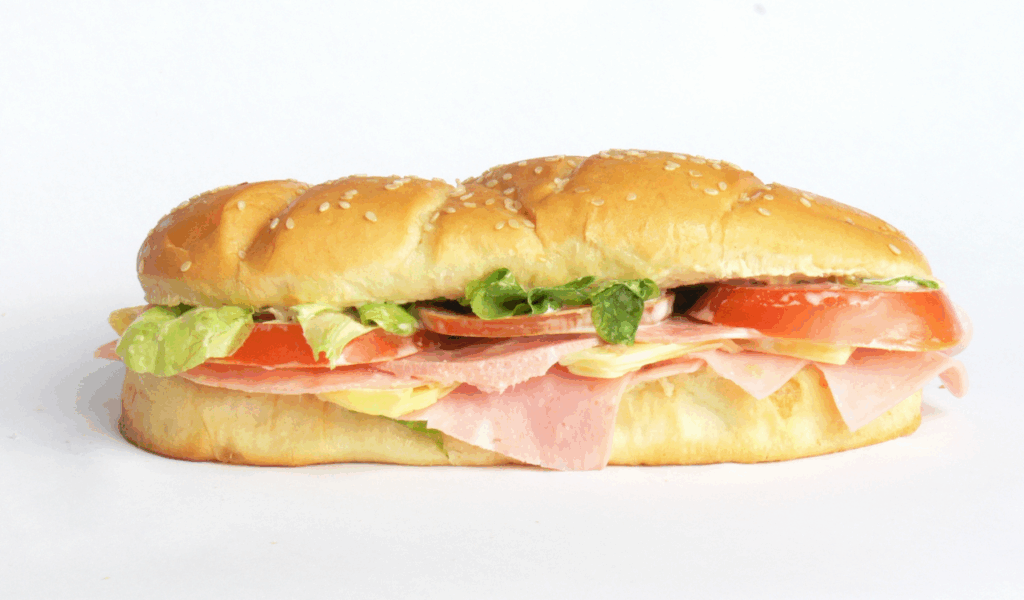
The hot turkey sandwich is a classic diner dish, but experts say that if the kitchen runs out of whole birds, they often use processed deli meat or “pressed” turkey buns instead. Professional organizers say that having too much gravy is a big warning sign. Experts believe that real roasted turkey should have a different grain and skin, but when cooks switch things up, they commonly use thin-sliced cold pieces heated in a pan of broth to make them feel like a fresh Sunday roast.
Food sector contractors say that the bread used for these delicacies is generally the oldest bread in the home. Because the bread will be saturated in gravy, cooks will use heels or slightly stale slices that would not be good for a cold sandwich. Designers of comfort food say that the “mashed potatoes” on the side are another place where you can switch things up every day. Depending on how busy the prep cook is, they might switch between real potatoes and quick flakes. Experts say that to make sure you’re getting a real roast, you should search for turkey chunks with bones in them.
4. The Wednesday Salisbury Steak
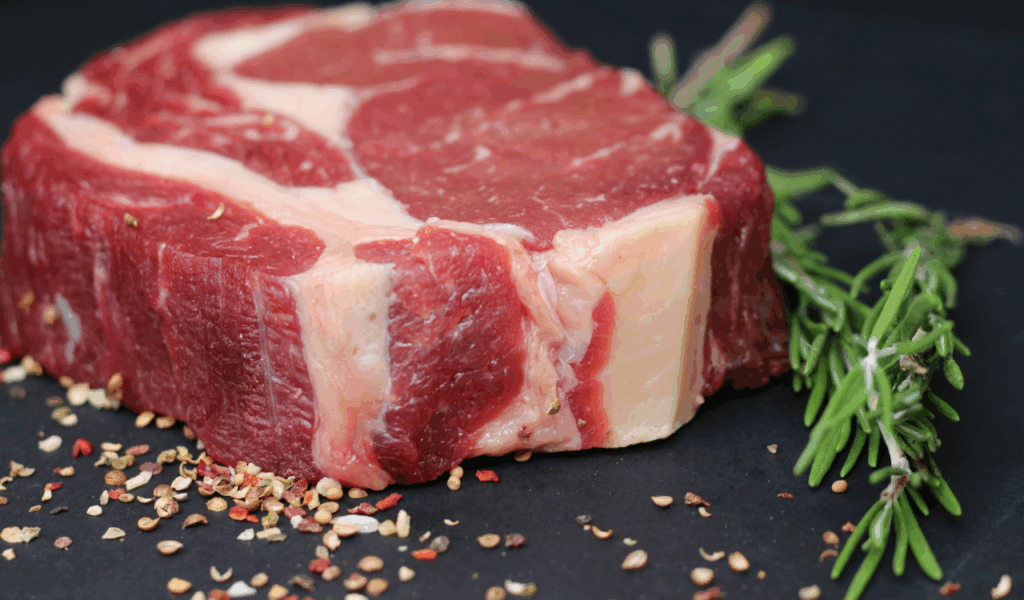
Many people think of Salisbury steak as a fancy burger, but chefs say it’s the best way to hide “mystery” ground meats. Salisbury steak recipes usually call for fillers, which makes it easier for cooks to switch out pork, veal, or even turkey without the client knowing. A hamburger, on the other hand, is supposed to be 100% beef. Professional chefs say that the mushroom gravy is used to provide moisture to meat that has been frozen and thawed many times. This meal is a favorite among cooks who need to use “off-cuts,” according to experts.
Landscapers of the dinner plate say that the mushrooms in the sauce are often canned instead of fresh, especially when the delivery of fresh produce is late. Designers of restaurant menus say that the nutritional value of this special can change a lot because the “steak” is typically padded with a lot of sodium-rich breading. If the patties look exactly even, the organizers say they are probably frozen pre-made pucks instead of hand-formed steaks. This is a classic “inventory mover” that lets the kitchen disguise a lot of different meat-based substitutes, according to experts.
5. Thursday Chicken Pot Pie
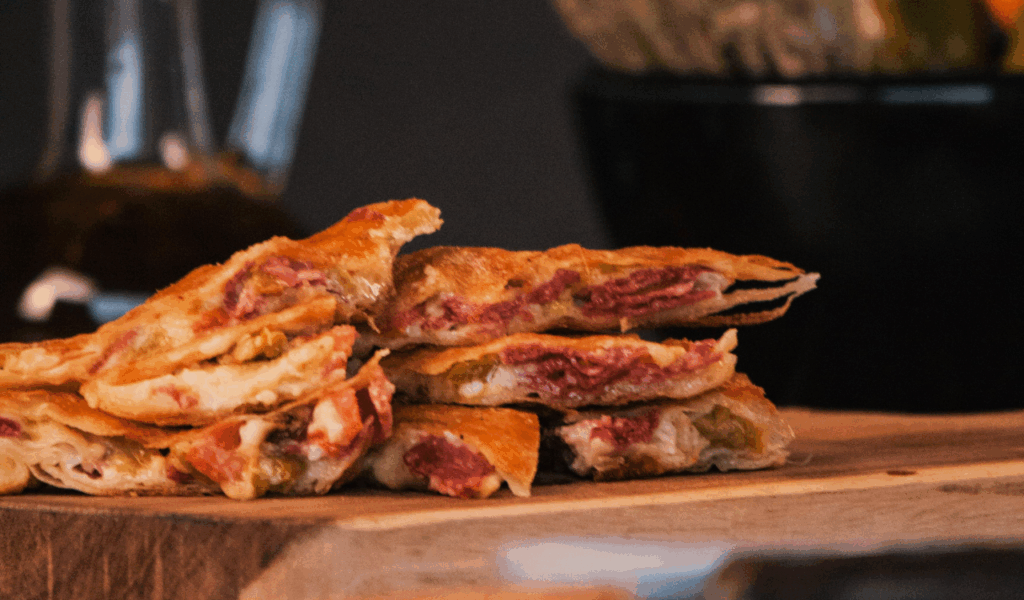
Experts argue that chicken pot pie is the best “leftover trap” and a favorite comfort food. According to people who flip kitchen inventory for a living, the chicken utilized in these pies is usually invariably the leftovers from earlier in the week’s “Rotisserie Chicken” or “Fried Chicken” specials. Experts claim that once the meat is taken off the bone and put in a thick white sauce, the person eating it won’t be able to distinguish if the chicken was cooked fresh that morning or used from Tuesday’s dinner service.
Designers of traditional recipes say that the “mixed vegetables” within are often a frozen bag of peas and carrots that were used instead of the fresh vegetables that were promised on the menu. The crust can also be different from a scratch-made pastry to a frozen lid that was bought ahead of time, depending on how many people are working in the kitchen that day. The people in charge say that this dish is meant to be a “catch-all” for the kitchen. It satisfies the need for a warm supper, but it doesn’t usually show off fresh ingredients. Instead, it uses up the week’s supply of chicken in a smart way.
6. Friday Fish Fry Extravaganza
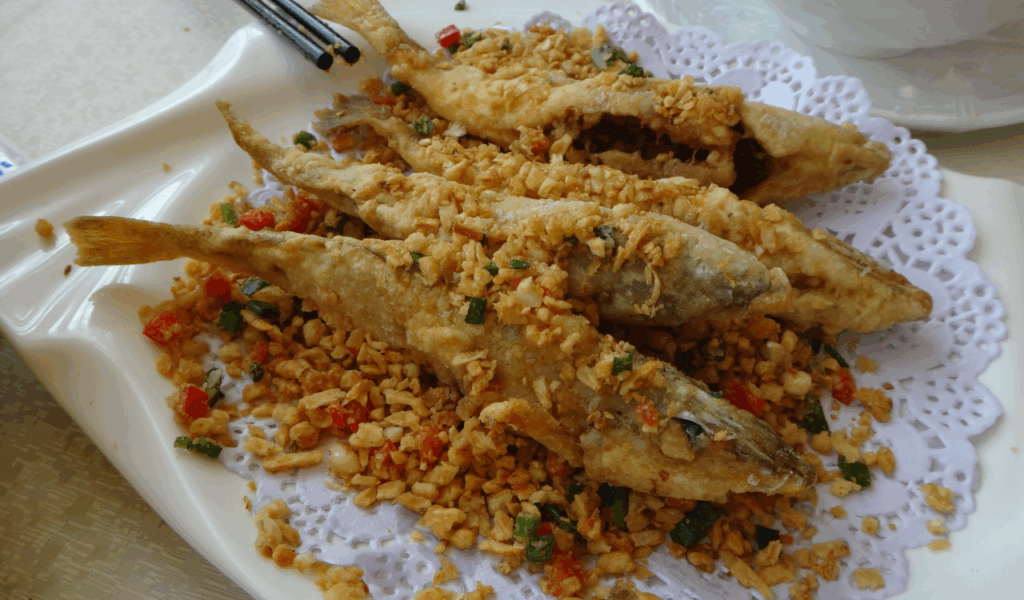
Many places have Friday fish deals, however experts say that the “Catch of the Day” is often just a different type of whitefish that was the cheapest at the market that morning. If the shipping costs went up, expert chefs say that “Haddock” or “Cod” may be replaced by “Swai” or “Tilapia.” Experts claim that the thick batter or breading used in a fish fry is used to mask the fact that lower-quality fillets are thin or don’t taste good. This lets the restaurant keep prices low while yet offering a “special.”
Fishmongers, who work at the seafood counter, say that the “freshness” of Friday fish is often only an illusion manufactured by lemon wedges and tartar sauce. If the fish tastes “muddy” or too fishy, it’s a hint that the cook switched out a fresh fillet for one that has been in the cooler since the delivery on Wednesday. People who make restaurant menus say that the “coleslaw” that comes with the meal is typically created from cabbage that was shredded days before. Experts say that to avoid getting a cheaper substitute, you should ask what kind of fish is being served.
7. The Weekend “Western” Omelet
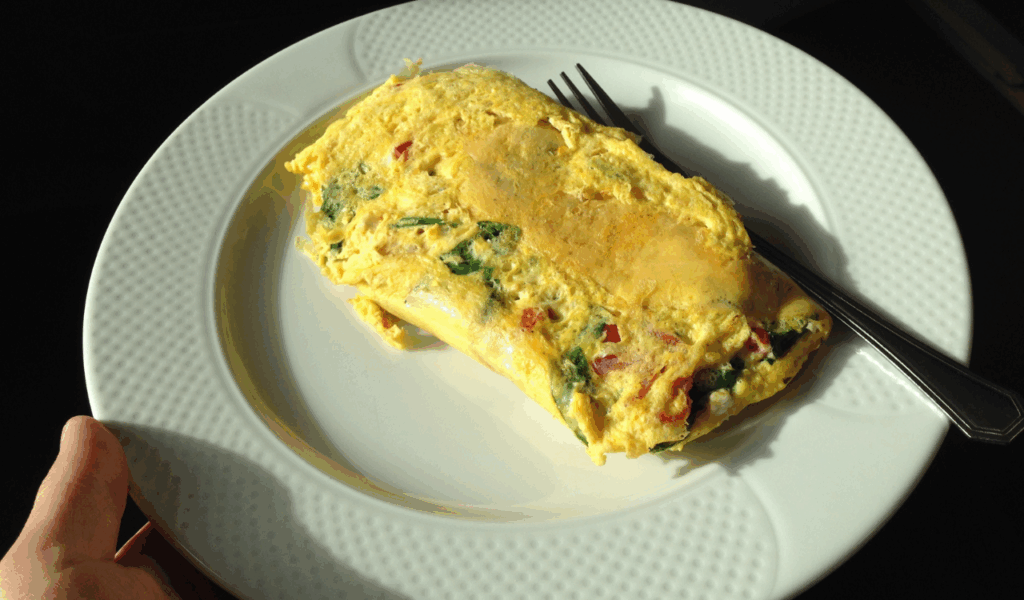
The “Western” or “Denver” omelet is a popular brunch dish, but the people who make it say it’s a method for the kitchen to use up the “diced” remnants from the week’s prep labor. According to professional cooks, the ham, peppers, and onions are rarely sliced fresh for the order. They are actually the extra toppings from the pizza or salad bar that weren’t consumed over the week. Experts claim that the way the ingredients are sautéed together and incorporated into the eggs makes it easy for customers to not notice that the vegetables have lost some of their crispness.
Breakfast menu designers say that the “cheese” in these omelets is regularly switched out for cheddar, Monterey Jack, or even American cheese, depending on which block is closest to its expiration date. Chefs who work on the breakfast meal say that even the eggs may be switched out, going from fresh cracked shells to liquid cartons when things become busy. Experts believe that a Western omelet is a filling dinner, but it’s really just a “kitchen sink” dish. It lets the cook clean up the prep line of little containers of pre-cut materials before the kitchen closes for the weekend.
8. Saturday Night Prime Rib Ends
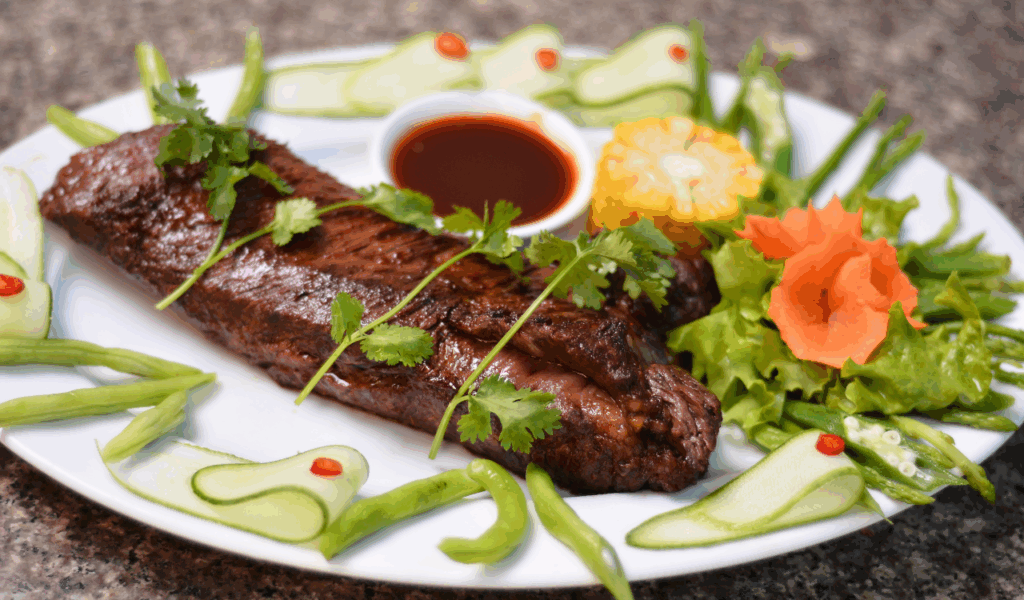
Experts say that Saturday’s “Beef Tips” or “Open-Faced Roast Beef” specials are really the “ends” and “caps” that were taken off of the prime rib roast from the night before. Professional restaurant margin flippers say that the kitchen can’t offer the fatty or overdone ends of a roast as a high-quality steak. Instead, cooks cut these pieces up and boil them in gravy to make a “new” delicacy. Experts claim that the meat is good, but the way it was made is clearly a way to save money.
Designers of steakhouse menus say that the “Au Jus” that comes with these specials is often a strong base that is used to rehydrate meat that has dried out under the heat lamp. If you see “Beef Stew” on a Saturday or Sunday, the people who run the dining rooms say that you are most likely eating the leftovers from the steak meal on Friday night. Experts argue that this is a good way to cut down on food waste, but people should know that they are paying for “repurposed” premium cuts instead of a dish made from scratch with fresh-cut vegetables.
9. The Sunday “Country Fried” Anything
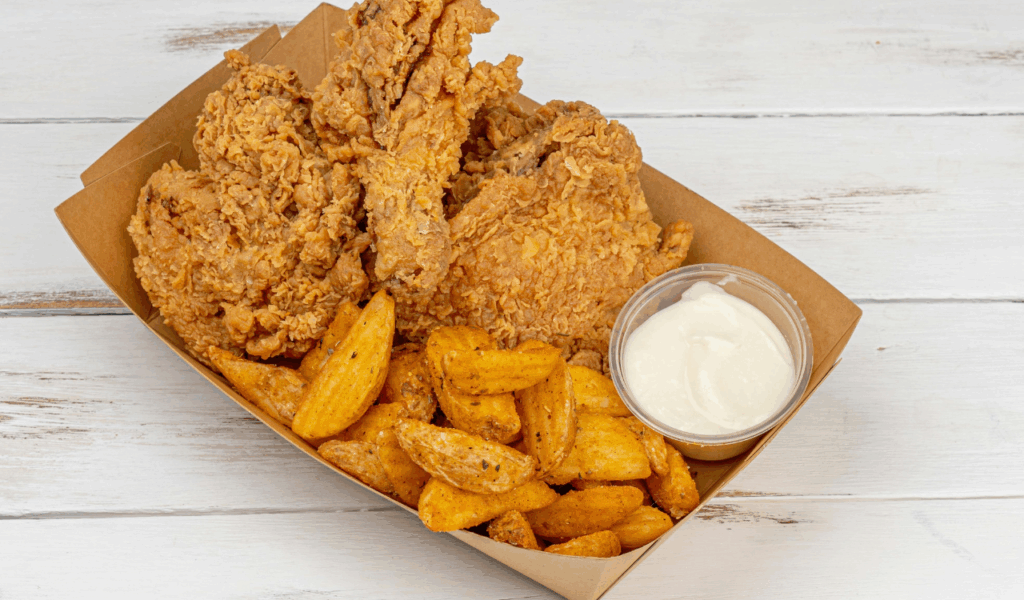
The words “Country Fried” or “Chicken Fried” mean that cooks can use any protein that needs to be moved fast. Professional chefs say that the thick “sawmill” sauce and heavy breading make beef, chicken, or even hog look completely different. Experts believe that a mallet is often used to tenderize tough or low-quality portions of meat, and then they are fried until they are crisp to mask their original texture. This lets the kitchen sell a “special” that uses meat that would be too difficult to serve any other way.
Southern kitchen landscapers, or cooks, say that the white gravy is often a blend of fat and flour that can cover different kinds of milk or cream. “Country Fried” is the best all-purpose food item, according to people who make diner menus. It may make a bad piece of steak into a successful Sunday special. Experts say that if you want a good source of protein, you should stay away from anything that is “smothered and covered,” because the sauce is usually there to mask a daily kitchen change.