
7 Decorative Trays That Just Add Surface Clutter
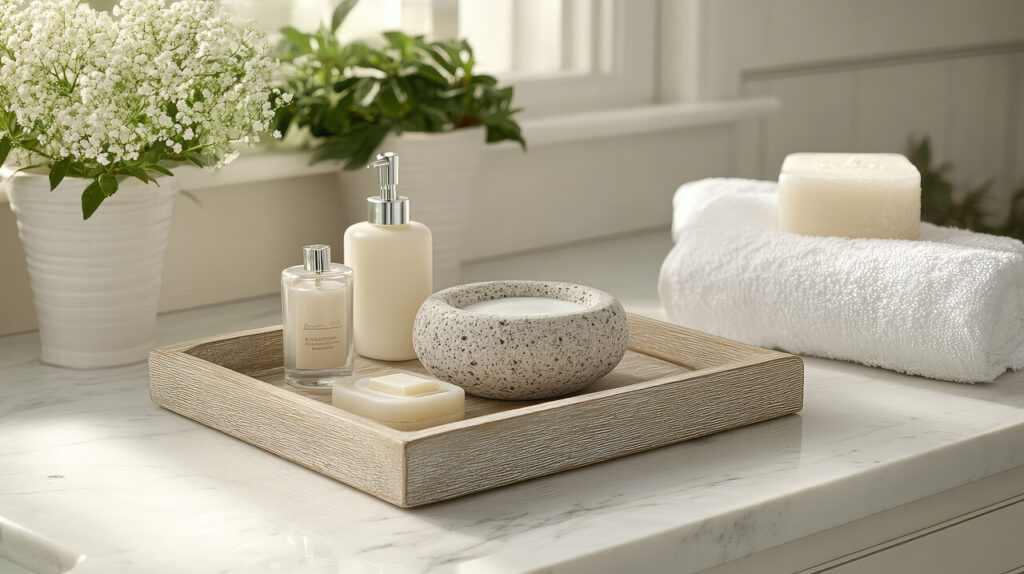
Decorative trays are often marketed as the easiest way to make a surface look polished and intentional. The idea is simple: group a few items together and suddenly the space feels styled rather than messy. In real homes, though, trays often do the opposite. Instead of controlling clutter, they create a designated zone where random objects quietly accumulate. Keys, candles, mail, remotes, and half-used décor pieces all end up corralled together without any real organization. What starts as a styling trick slowly becomes a clutter magnet. Without clear purpose or limits, many decorative trays add visual weight and make surfaces feel busier than before.
1. Ornate Gold Filigree Tray
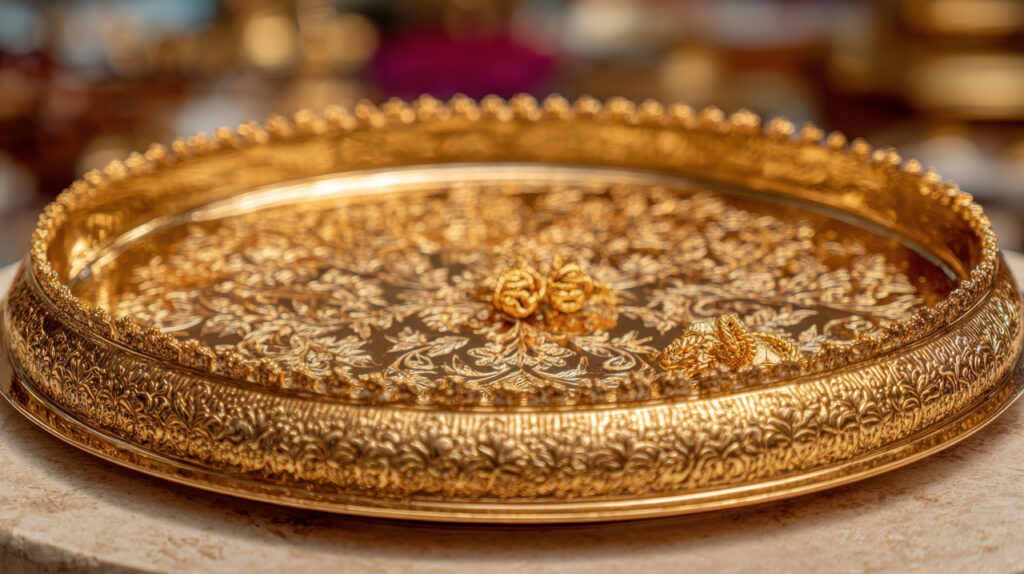
An ornate gold filigree tray promises elegance, but in everyday homes it often works against organization. The intricate cutwork and decorative edges leave little usable flat space, which means items sit unevenly or spill outward. Instead of guiding what belongs on the surface, the tray becomes a visual magnet for anything without a clear home. Keys, mail, remotes, and candles all end up tossed together because the tray looks decorative enough to justify the clutter. Over time, the delicate detailing competes with surrounding furniture and draws attention to mess rather than order. These trays also limit flexibility, since their bold style dictates what can sit on them.
2. Marble Vanity Tray
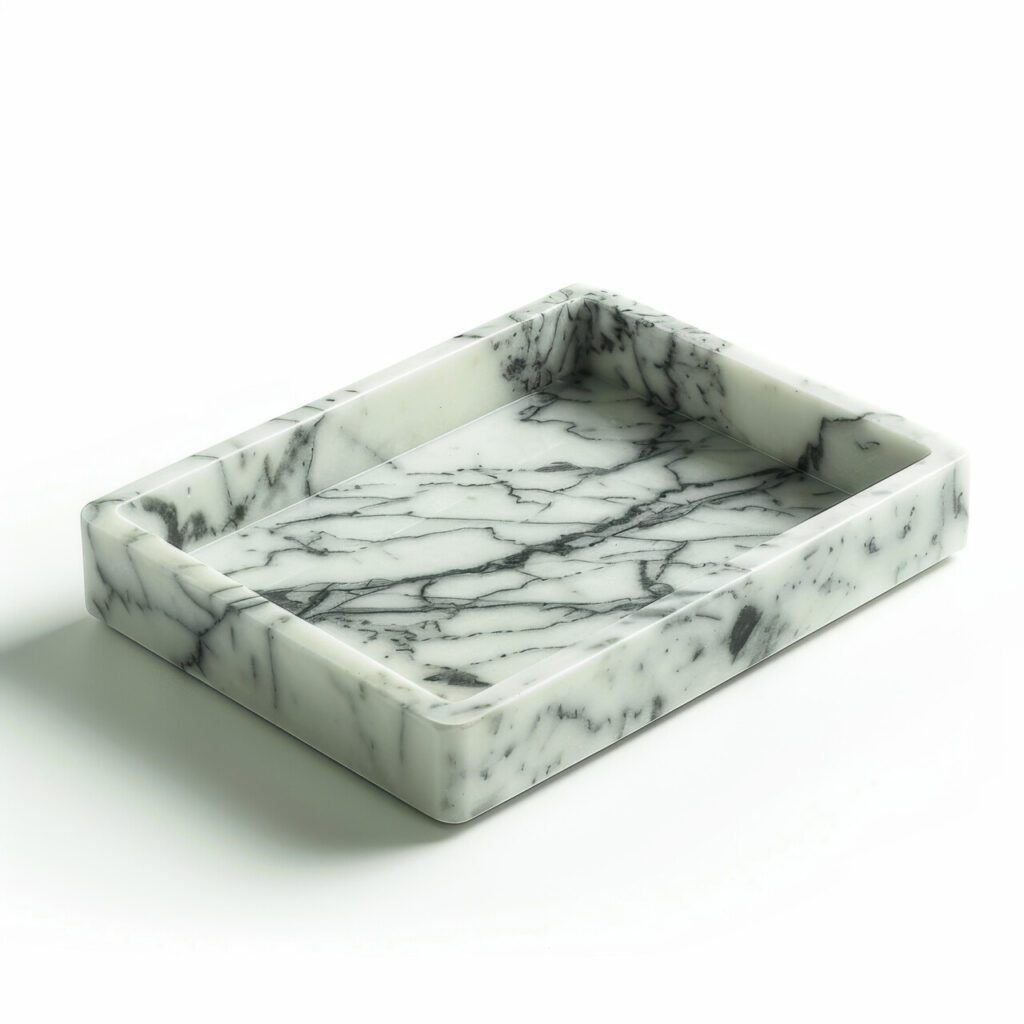
Marble vanity trays project luxury, but in practice they often make bathrooms feel more crowded. Their solid, unbroken surface offers no internal organization, so bottles and tools overlap in a way that looks chaotic. Because marble is visually heavy, even a small collection of toiletries feels amplified when grouped together. These trays also encourage overdisplay, since everything placed on them remains fully visible. Instead of tucking items away, the tray showcases every product label and mismatched container. Maintenance adds another issue, as water spots and residue quickly dull the surface.
3. Oversized Wooden Ottoman Tray
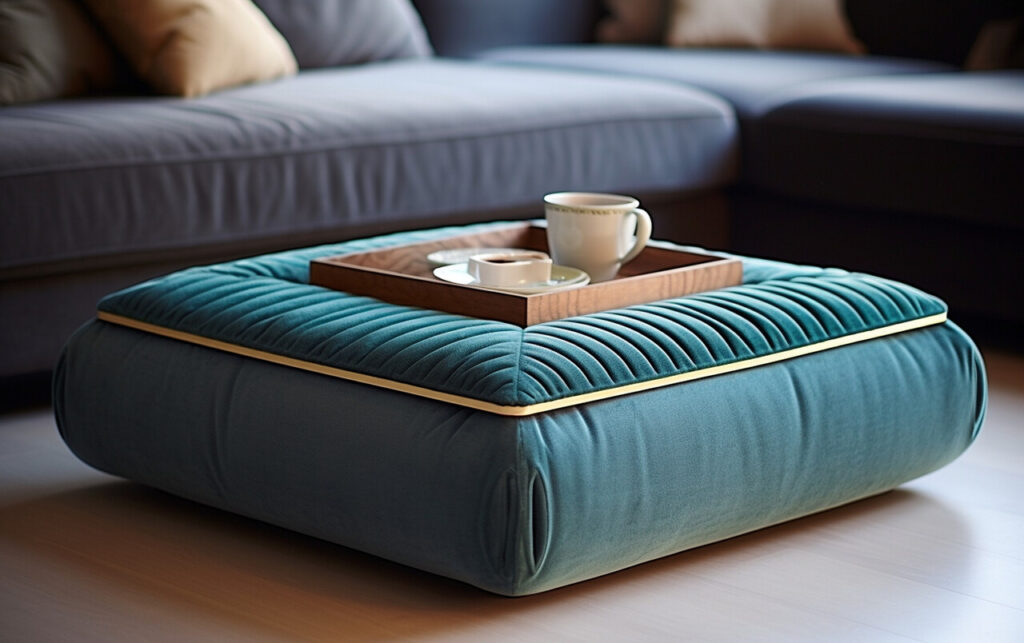
Oversized wooden trays on ottomans are marketed as practical, but their scale often invites excess. The large surface encourages people to leave multiple items at once, from books and mugs to snacks and electronics. Instead of defining limits, the tray expands them. Because ottomans are meant to be flexible seating or footrests, the tray also disrupts how the furniture is used. Visually, the heavy wood adds bulk, making living rooms feel more crowded. Rather than streamlining the space, the tray becomes a landing zone for everything temporarily set down. Without built-in divisions or purpose, it turns into a clutter hub that’s difficult to reset, undermining both comfort and organization.
4. Mirror Glass Accent Tray
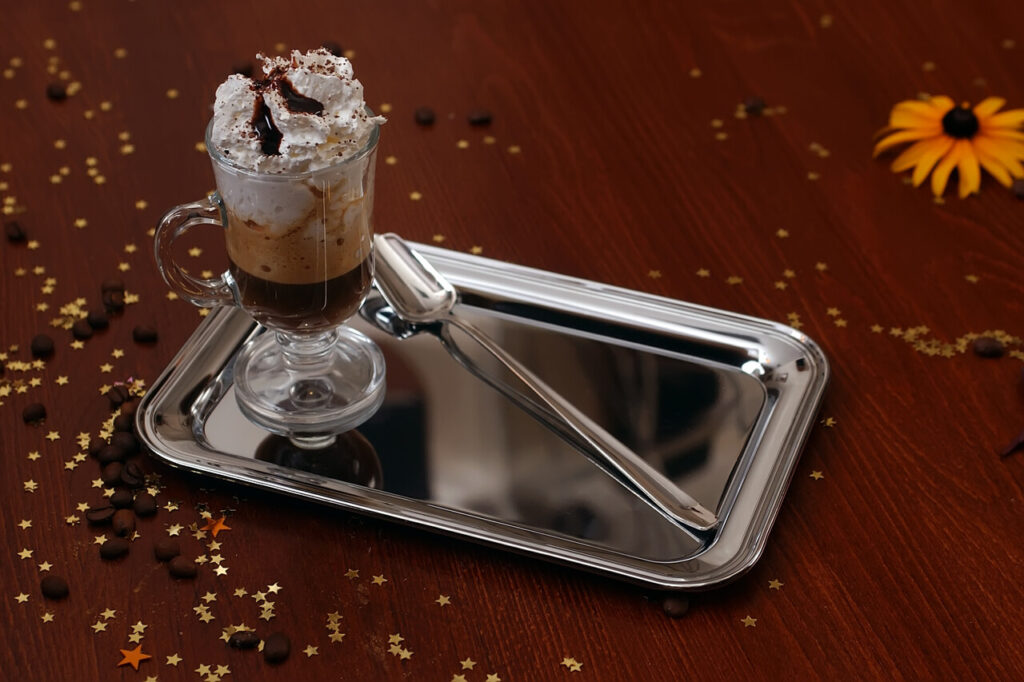
Mirror glass trays rely on shine to make an impact, but that same reflectivity magnifies mess. Dust, fingerprints, and smudges show instantly, requiring constant upkeep. When objects are placed on top, the mirrored surface visually doubles them, making even a few items feel excessive. Instead of calming a space, the tray adds visual noise through reflection. Scratches accumulate quickly, especially when used for candles or metal décor. In lived-in homes, this type of tray highlights wear rather than hiding it. What begins as a glamorous accent often becomes a reminder of clutter and maintenance, making surfaces feel busier instead of refined.
5. Decorative Floral Print Tray
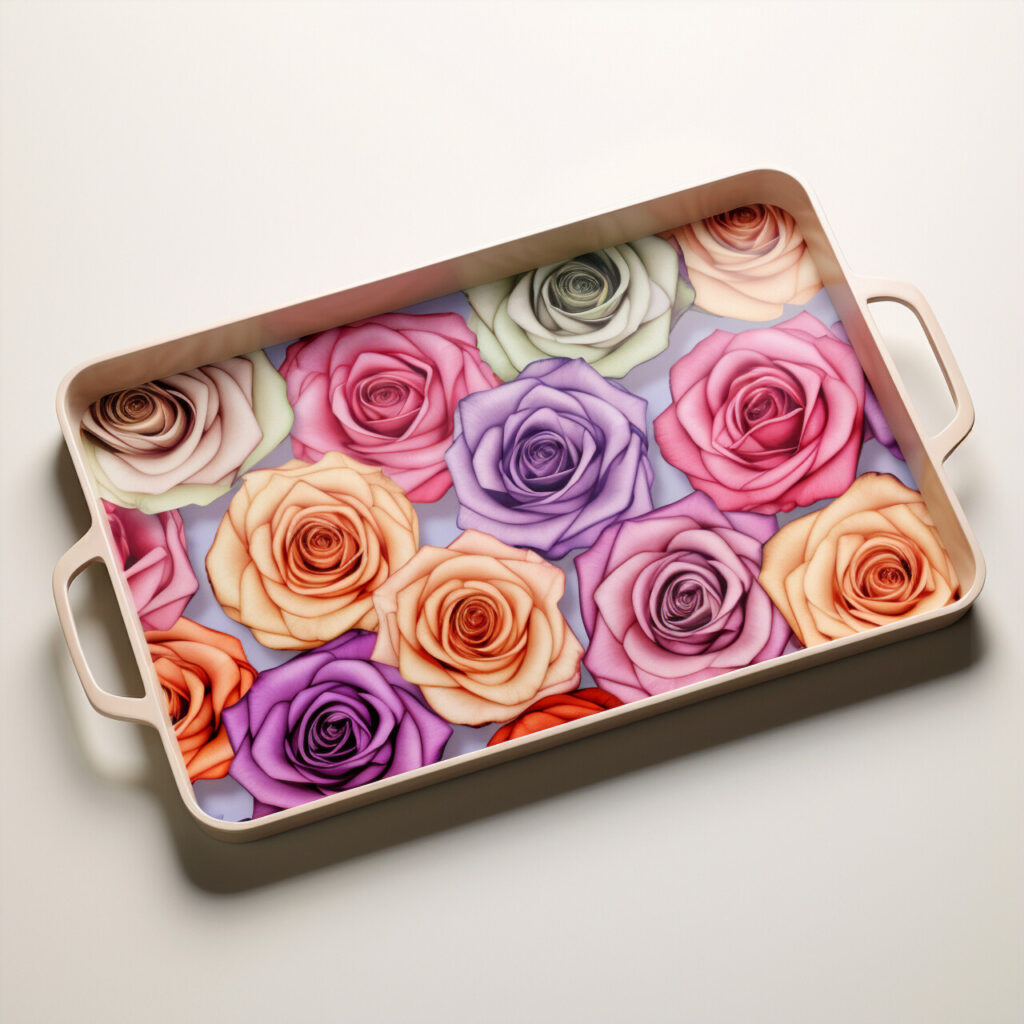
Floral print trays bring color and personality, but their busy patterns often overwhelm surfaces. The tray itself competes for attention, which means the items placed on it rarely feel cohesive. Everyday objects like mail, glasses, or small décor look scattered when set against strong prints. In neutral or minimalist rooms, floral trays introduce visual tension that disrupts balance. Instead of organizing clutter, they frame it, making randomness feel intentional when it isn’t. Over time, homeowners realize the tray dictates the look of the surface rather than supporting it. This makes seasonal or trend-based designs especially limiting, as they age quickly and lock clutter into a decorative spotlight.
6. Nested Tray Sets Without Clear Purpose
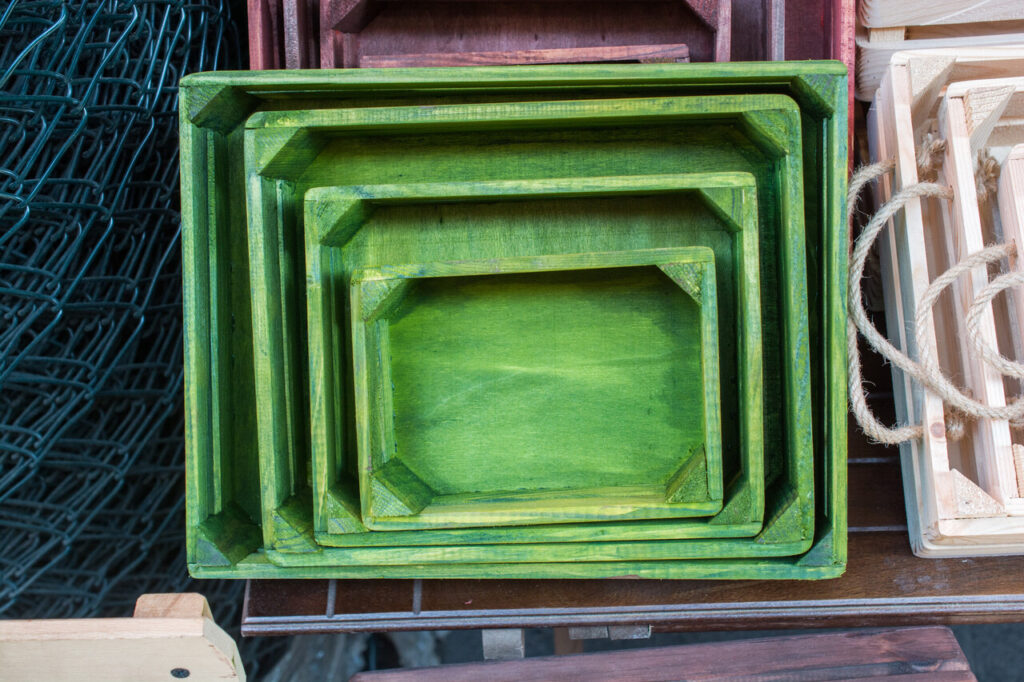
Nested tray sets promise versatility, but without a clear plan they often spread clutter across multiple surfaces. Each tray becomes a mini catch-all, holding unrelated items simply because it exists. Instead of consolidating belongings, the trays fragment them. One tray ends up on the coffee table, another on the console, another on a dresser, each collecting small objects that never return to proper storage. Visually, this creates repeated clutter points throughout a home. Functionally, it reduces accountability, since nothing has a defined place. What was meant to organize instead multiplies disorder, proving that more containers do not automatically mean better storage.
7. Seasonal Themed Decorative Tray
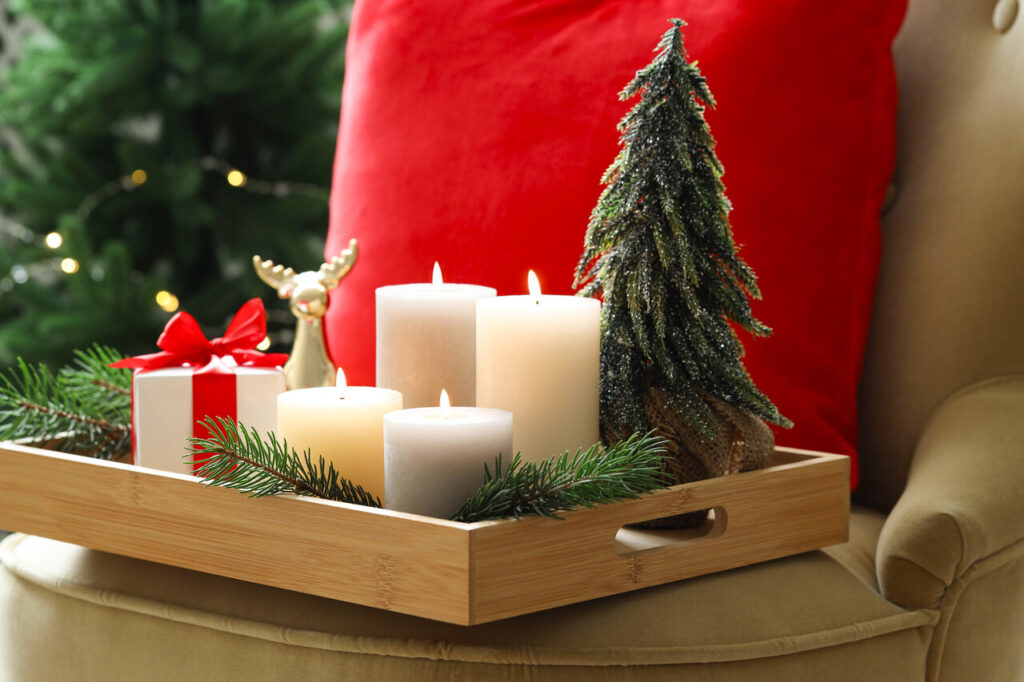
Seasonal trays feel festive at first, but they quickly become permanent clutter anchors. Once the season passes, the tray often remains, holding random items simply because it’s already there. Themed designs draw attention to themselves, which makes everyday clutter feel more noticeable. Instead of rotating out, these trays tend to linger, mismatched with the rest of the décor. They also encourage keeping unnecessary items visible, since removing the tray leaves an awkward empty spot. Over time, the tray stops feeling intentional and starts feeling obligatory. Rather than supporting organization, it locks clutter into place under the disguise of decoration.