9 Back-to-School Snacks That Came Home Uneaten
Packing a school snack feels simple until it keeps coming back home untouched. Many parents choose foods that look healthy, practical, or trendy, only to discover that kids make decisions based on taste, texture, smell, and how easy something is to eat in a short lunch period. School days are busy, social, and rushed, which means snacks that require effort, feel unfamiliar, or lose freshness fast are often ignored. Over time, the same well-intended choices end up in backpacks day after day, untouched and wasted. These back-to-school snacks reveal how good intentions don’t always line up with what kids actually want to eat.
1. Plain Veggie Sticks Without Dip
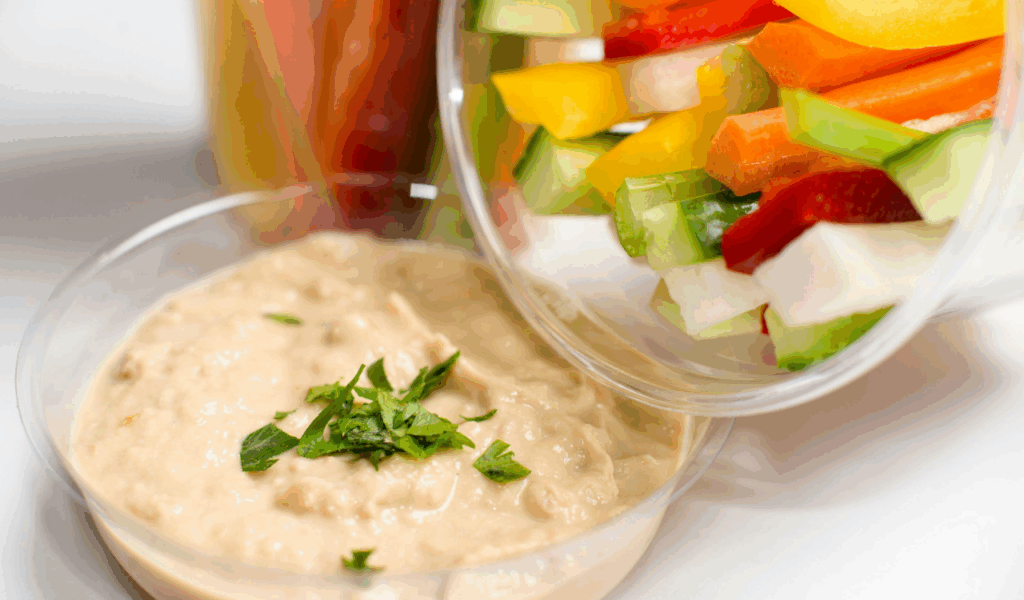
Raw carrots, celery, and bell peppers look like the responsible choice, but without a dip, they often miss the mark with kids. Texture plays a big role here. Crunchy vegetables require effort to chew and don’t offer much reward on their own. In a busy school day, kids gravitate toward foods that are easy and comforting, not ones that feel like work. Veggie sticks also dry out quickly in lunchboxes, especially if they’re cut the night before. Once they lose freshness, their flavor drops fast. Without hummus, ranch, or another familiar dip to add moisture and taste, these vegetables often come home untouched, signaling that nutrition alone doesn’t guarantee appeal.
2. Unseasoned Hard-Boiled Eggs
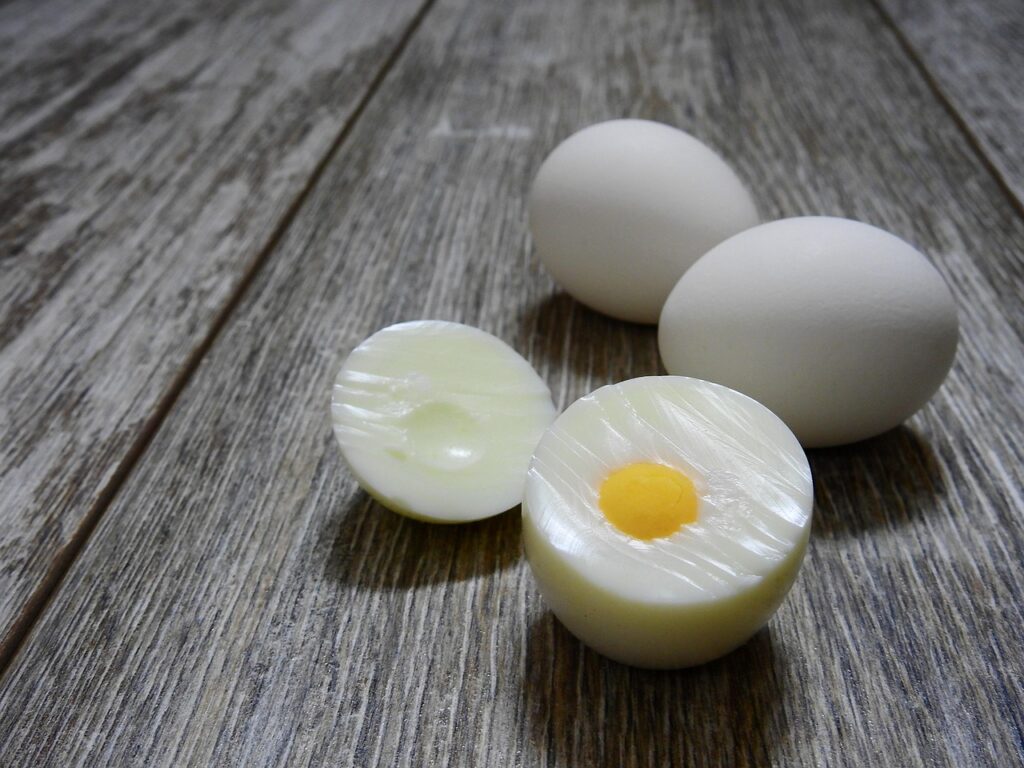
Hard-boiled eggs check every box for adults: protein-rich, portable, and filling. For kids, they’re often a sensory challenge. The sulfur smell can become stronger as eggs sit for hours in a warm lunchbox, making them less appealing by lunchtime. Texture is another issue. The firm white and crumbly yolk can feel dry without seasoning or pairing. Many kids also associate eggs with breakfast, not snacks, which creates resistance. When eggs are packed plain, without salt or a favorite accompaniment, they tend to feel bland and uninviting. Even kids who eat eggs at home often ignore them at school, where peer influence and limited time shape choices.
3. Overly Dry Granola Bars
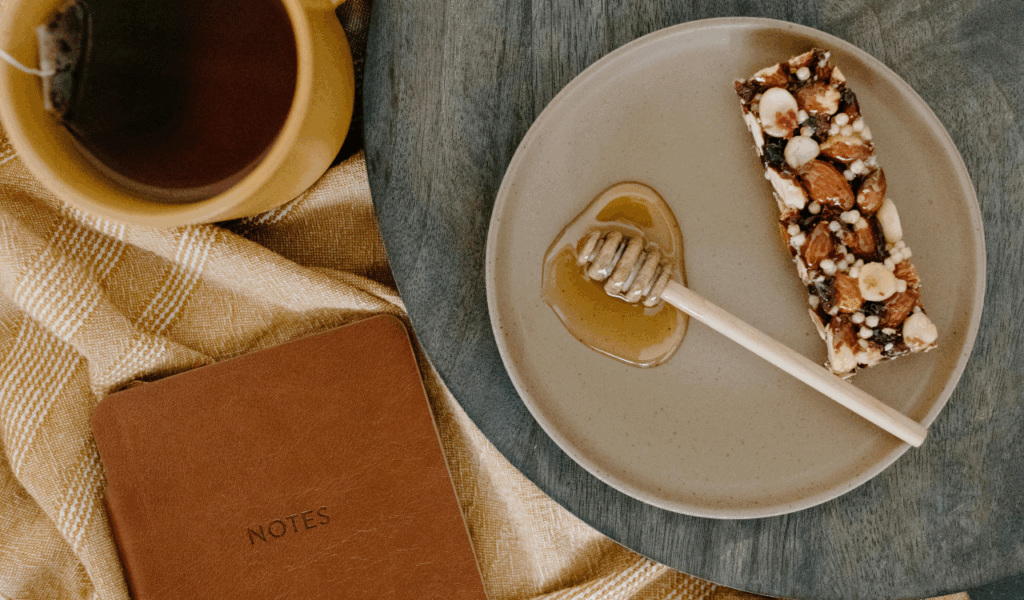
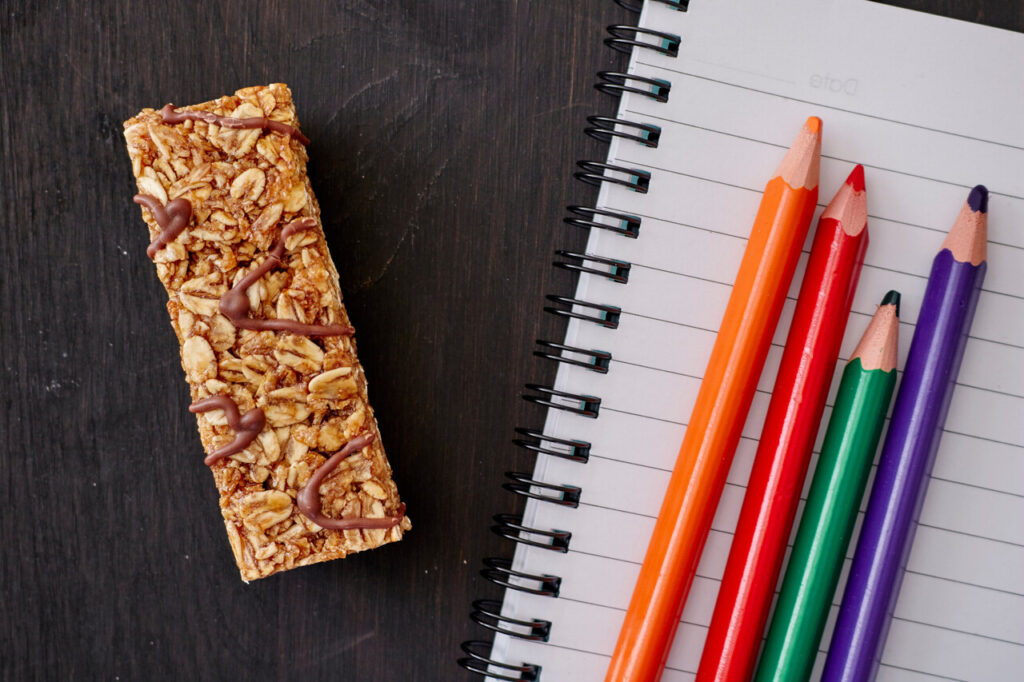
Granola bars seem like a safe bet, but not all are created equal. Bars that are high in oats and low in binding ingredients often crumble or feel chalky when eaten. Kids notice texture immediately, and dryness is a common deal-breaker. Some bars are also packed with seeds or whole grains that stick in teeth, making them awkward to eat quickly. Flavor matters too. Subtle or lightly sweetened bars don’t compete well with more exciting options in a lunchbox. When a bar requires multiple bites to feel satisfying or leaves crumbs everywhere, kids often abandon it halfway or skip it entirely, sending it back home intact.
4. Plain Yogurt Without Mix-Ins

Plain yogurt offers protein and probiotics, but its tangy flavor can be polarizing. Many kids are used to sweetened yogurts with fruit or honey blended in. When plain yogurt is packed alone, it can taste sour by comparison. Temperature also plays a role. Yogurt that warms slightly before lunch can develop a sharper flavor and thinner texture. Without granola, fruit, or a swirl of something sweet, plain yogurt feels unfinished to many kids. They may take one spoonful and decide it’s not worth continuing. What looks like a healthy choice often fails because it doesn’t match kids’ expectations of taste and comfort.
5. Rice Cakes With No Toppings

Rice cakes promise crunch with minimal ingredients, but they struggle to win kids over on their own. Their airy texture dissolves quickly, leaving little sense of fullness. Flavor is another problem. Plain rice cakes rely almost entirely on added toppings to be interesting. Without peanut butter, cream cheese, or another spread, they taste bland and dry. They also break easily, turning into crumbs by the time lunch rolls around. Kids tend to prefer snacks that feel substantial and satisfying. When a rice cake doesn’t deliver either, it’s often ignored in favor of something more familiar and filling.
6. Sliced Fruit That Turns Brown
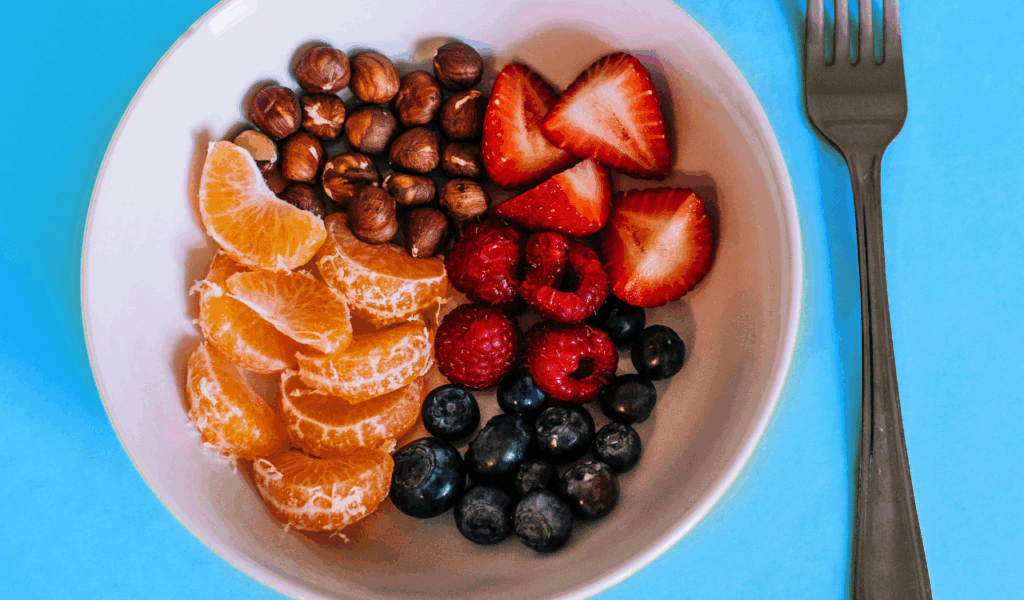
Fresh fruit is a lunchbox staple, but appearance matters more than many parents expect. Apples, pears, and bananas oxidize quickly once cut, turning brown and soft. Even if the fruit is still safe to eat, kids often interpret browning as a sign that it’s old or unappetizing. Texture changes compound the problem, as fruit can become mushy after hours in a container. Without lemon juice or another method to slow browning, sliced fruit loses its visual appeal fast. In a setting where kids eat with their eyes first, discolored fruit is easy to skip and just as easy to bring home untouched.
7. Cold Pasta Salads Without Sauce
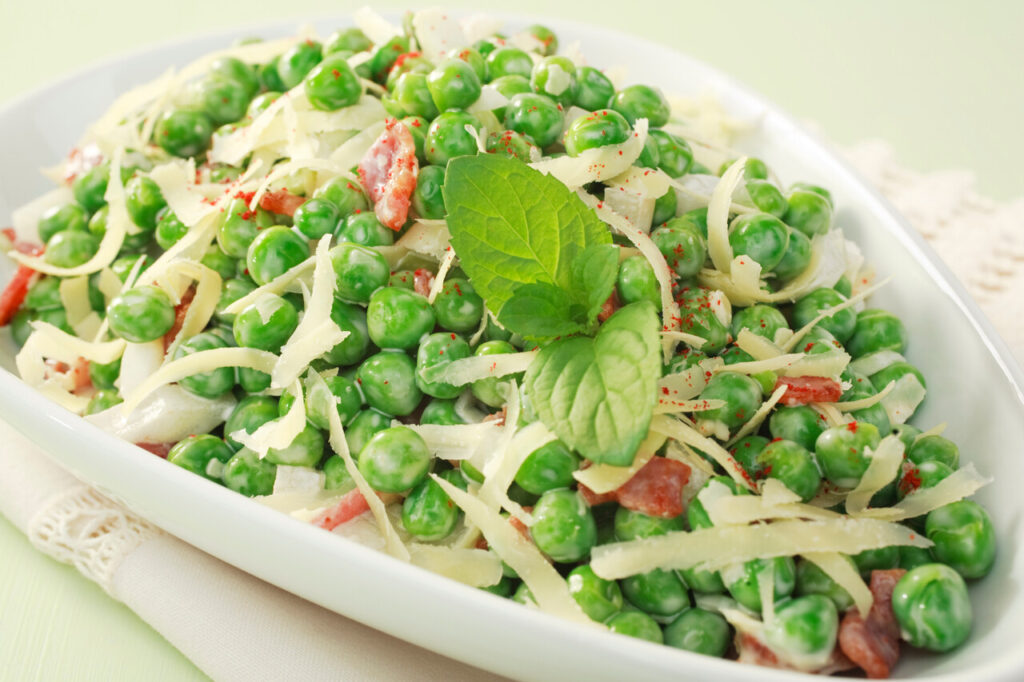
Pasta salads sound appealing, but when they’re underdressed, they fall flat. Pasta absorbs moisture as it sits, so salads that start lightly coated can become dry and sticky by lunchtime. Cold temperatures also dull flavors, making plain pasta taste even more bland. Kids expect pasta to be comforting and flavorful. When it shows up cold and sparse, it feels disappointing. Add-ins like vegetables or protein don’t help much if the base lacks seasoning or sauce. Without enough moisture to keep it tender, cold pasta salad often ends up half-eaten or completely ignored.
8. Vegetable Chips With Weak Flavor
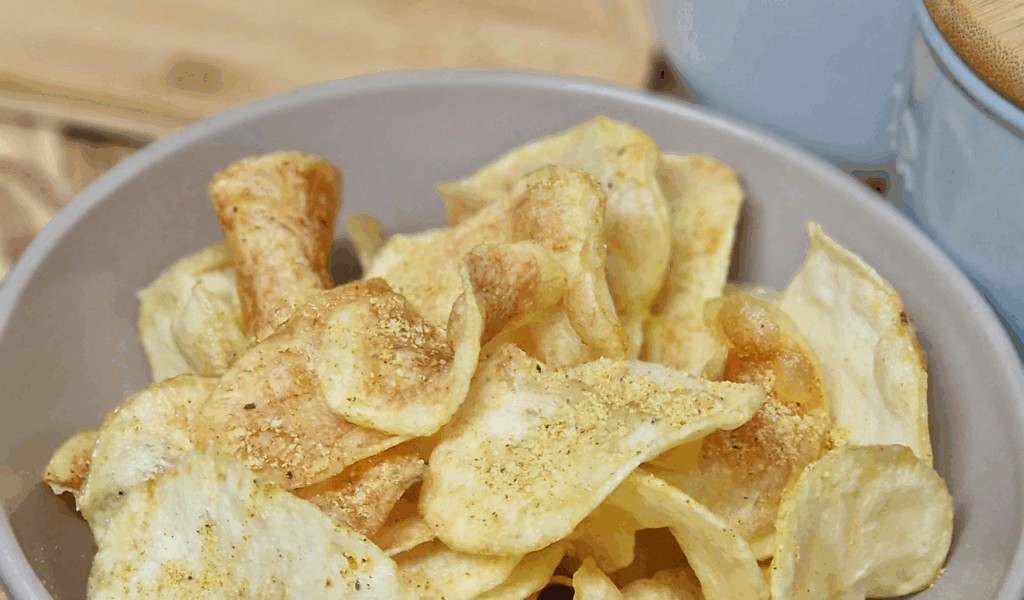
Vegetable chips promise a healthier twist on a familiar snack, but many miss the mark on taste. Kids compare them directly to regular chips, and when vegetable versions lack salt or crunch, the difference is obvious. Some vegetable chips also have a powdery texture that coats the mouth, which can be off-putting. If the flavor doesn’t deliver immediately, kids lose interest quickly. In a lunchbox with limited options, they’ll skip snacks that don’t feel rewarding. What’s marketed as a better alternative often comes home uneaten because it doesn’t satisfy the same cravings.
9. Protein Packs With Unfamiliar Items
Protein packs combine nuts, cheese, meats, and extras, but variety can backfire. When packs include unfamiliar items, kids may not know where to start or may avoid the whole thing. Strong flavors like olives or certain cheeses can overwhelm sensitive palates. Portioning also matters. Small compartments can make the pack feel fussy rather than fun. Kids often prefer snacks they recognize and can eat quickly. When a protein pack feels complicated or includes just one disliked item, the entire pack may be rejected. Convenience for adults doesn’t always translate to appeal for kids, especially during a rushed school lunch.