9 Over-Styled Homes That Feel Like Short-Term Rentals
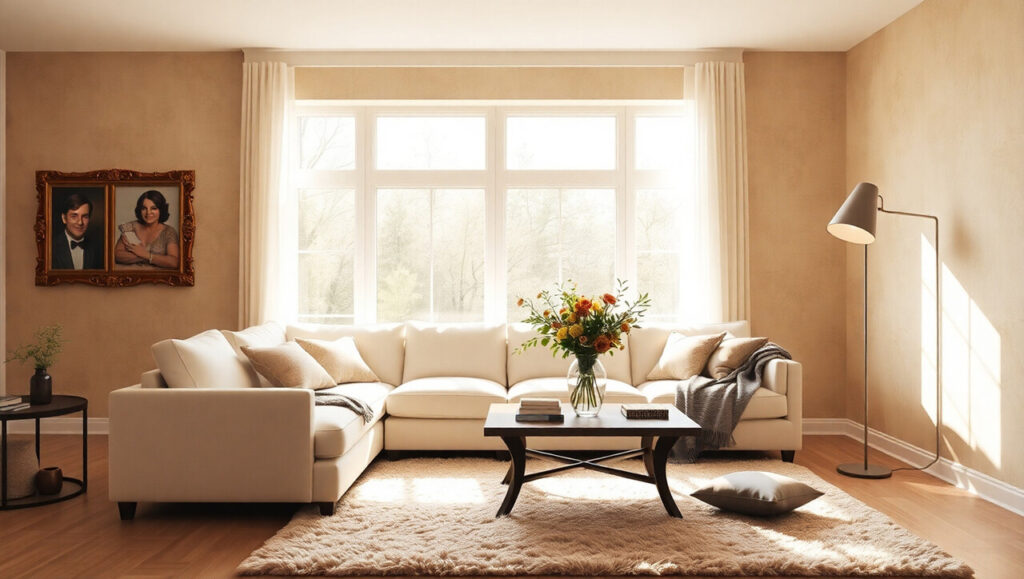
Homes designed to impress at first glance often borrow heavily from short-term rental and boutique hotel trends. These spaces are styled for photos, not for real life. While everything may look coordinated and polished, the result can feel oddly impersonal. When décor choices prioritize themes, symmetry, and visual impact over comfort and individuality, homes start to resemble places meant for temporary stays. Over time, homeowners realize that warmth, flexibility, and personal history matter more than perfectly staged rooms. These over-styled interiors show how easily a home can lose its sense of belonging.
1. Theme-Heavy Coastal Vibes
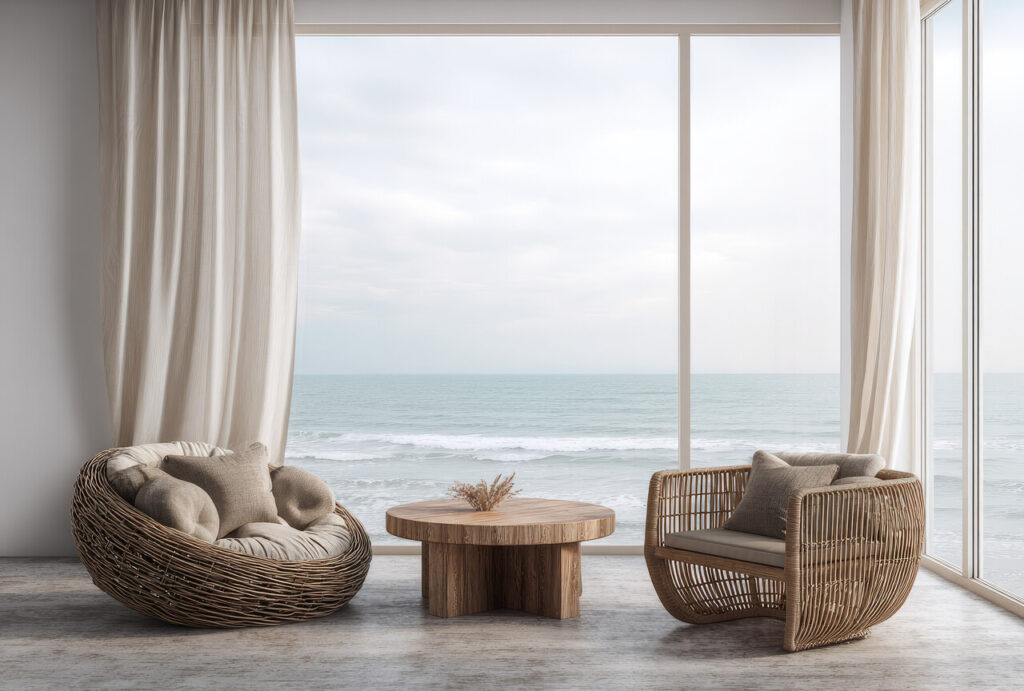
Coastal interiors are meant to feel relaxed and breezy, but when every surface leans hard into shells, anchors, rope details, and navy stripes, the space starts to feel more like a themed rental than a home. These rooms are often styled for instant recognition rather than long-term comfort. The problem is repetition. When the same motifs appear on pillows, wall art, lamps, and accessories, there’s no room for personal expression. Homeowners often realize the look feels frozen in time, unable to evolve as tastes change. What works for a weekend stay quickly feels restrictive when you live with it daily, especially if the décor references a place you don’t actually live near.
2. All-White Minimalist Boutique Style
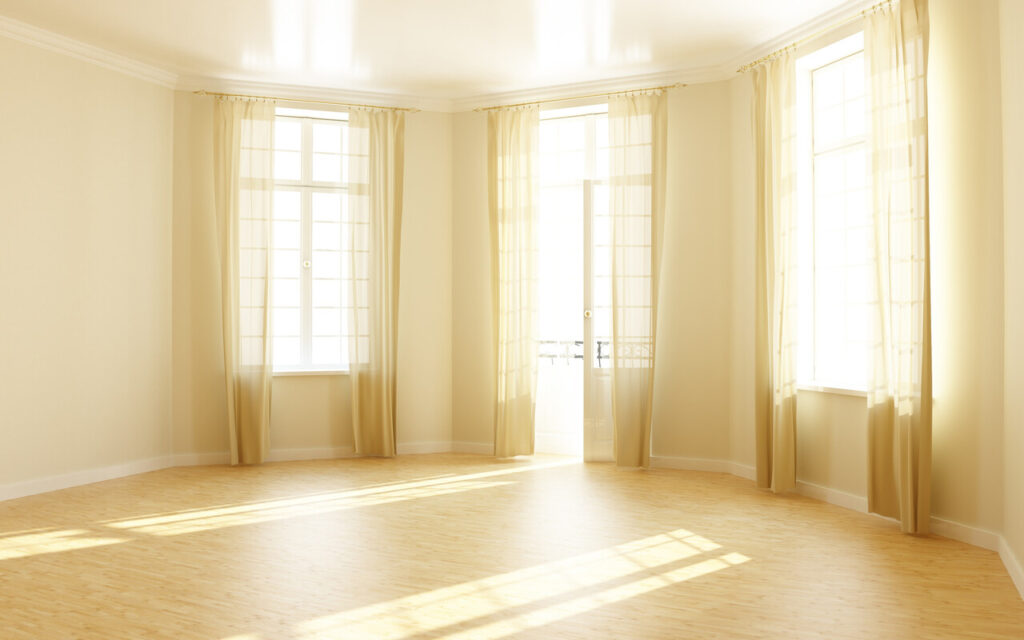
All-white interiors photograph beautifully, which is exactly why they’re popular in short-term rentals. In real homes, though, they can feel sterile and unforgiving. White walls, white furniture, white textiles, and minimal accessories leave little visual warmth. Everyday life shows up quickly through scuffs, stains, and wear, which creates stress rather than calm. Without variation in texture or tone, these spaces lack depth. Many homeowners find that instead of feeling serene, the rooms feel more like hotel lobbies where no one is meant to relax fully. Over time, the absence of color and softness makes the space feel impersonal.
3. Color-Coordinated Perfect Palette Rooms
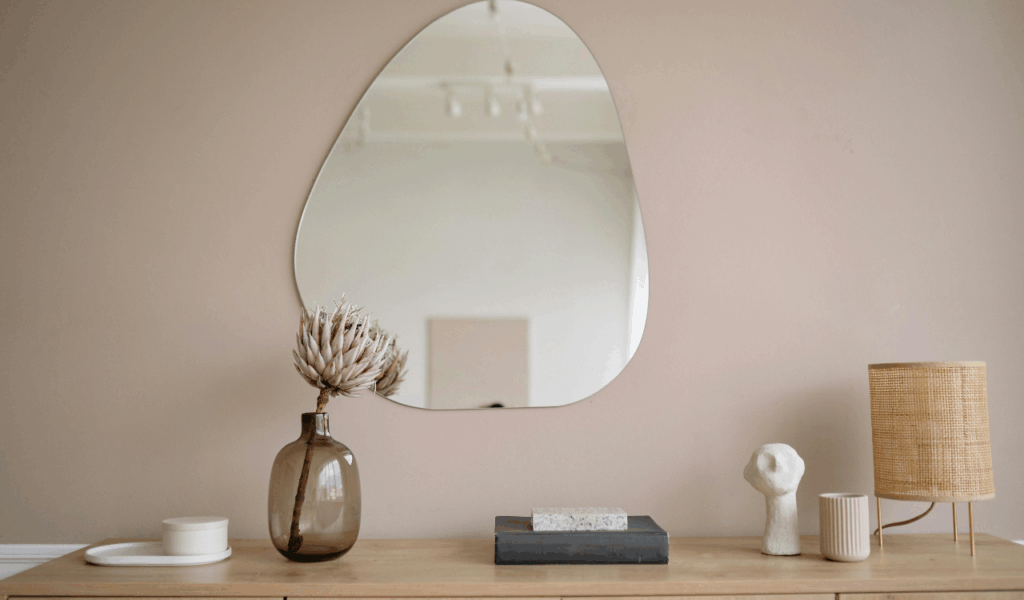
Rooms designed around a rigid color palette often look impressive at first glance, but they rarely feel comfortable long term. When every object matches precisely, from cushions to books to décor accents, the space feels staged rather than lived in. This approach leaves no room for organic additions like inherited furniture, travel finds, or evolving tastes. Homeowners often feel pressure to maintain the look, removing anything that doesn’t fit the scheme. Instead of reflecting real life, the room becomes a display. That sense of constant curation is what makes these spaces feel like temporary accommodations rather than personal homes.
4. Eclectic Global Souvenir Displays
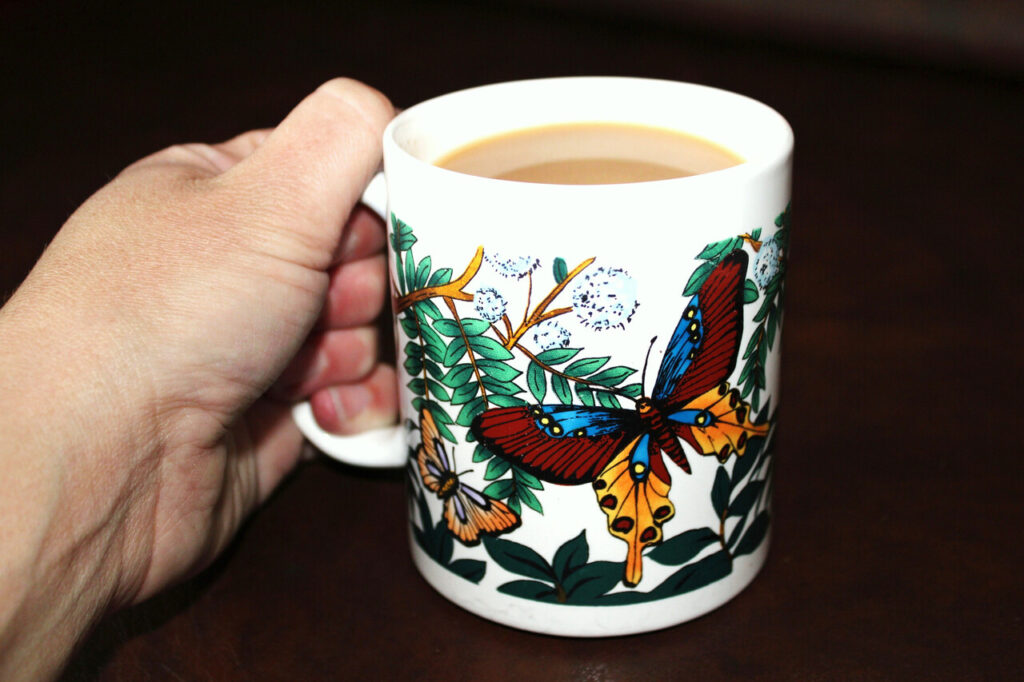
Travel-inspired décor can tell a story, but when it’s overdone, it starts to resemble a showroom rather than a lived space. Shelves packed with masks, baskets, textiles, and artifacts from multiple cultures often lack cohesion. In short-term rentals, this style suggests worldliness without depth. In a real home, it can feel disconnected and busy. Without context or restraint, the pieces lose meaning and become visual clutter. Homeowners frequently realize that instead of showcasing memories, the collection overwhelms the room and leaves no space for new experiences to be added naturally.
5. Over-Themed Boutique Hotel Bedrooms
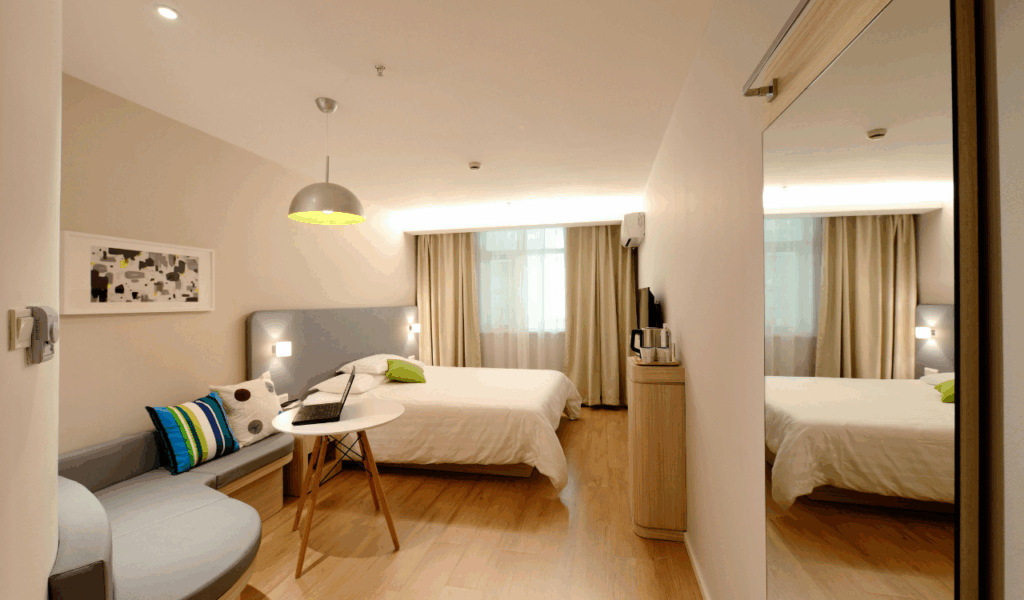
Bedrooms designed to mimic boutique hotels often prioritize mood over comfort. Statement headboards, dramatic lighting, and coordinated décor sets can look polished but feel restrictive. These rooms are built to impress overnight guests, not to support daily routines. Storage is often limited, seating is impractical, and personalization feels out of place. Homeowners may find the space visually appealing but emotionally distant. When a bedroom feels like it belongs to anyone, it starts to feel like it belongs to no one. That lack of intimacy is what makes it feel temporary rather than restful.
6. High-Contrast Statement Walls Everywhere
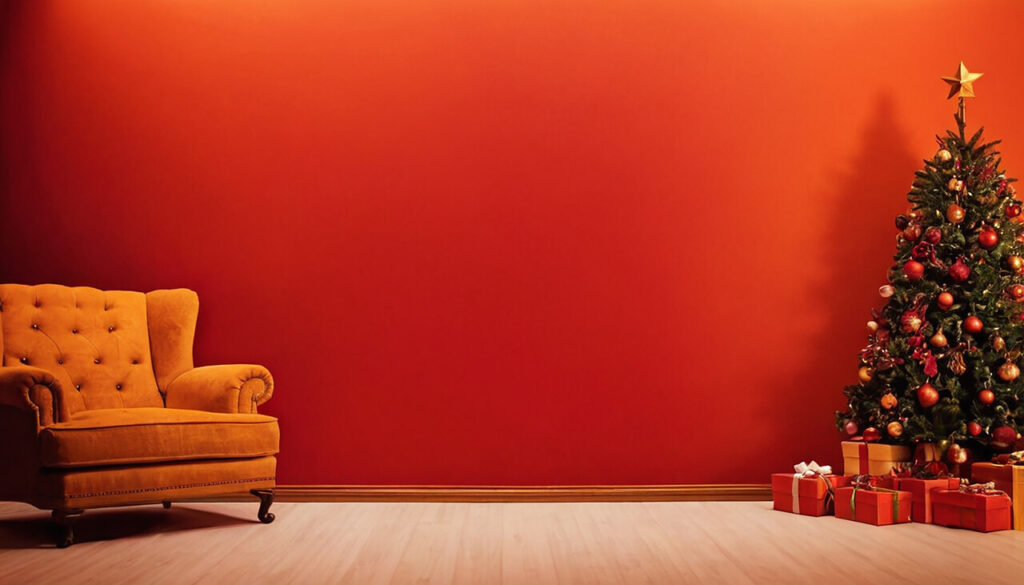
Accent walls can add interest, but when nearly every room features a bold contrast wall, the home begins to feel disjointed. This approach is common in rentals where visual impact matters more than cohesion. In lived-in homes, constant contrast can feel jarring. It limits furniture placement and restricts future design changes. Homeowners often discover that these walls dominate the space instead of supporting it. Over time, the house feels more like a series of styled backdrops than a unified environment designed for daily life.
7. Oversized Art in Small Spaces

Large art can be powerful, but when scale isn’t considered, it overwhelms a room. Oversized prints in small apartments often mimic hotel corridors or staged listings, where bold visuals are used to distract from limited space. In real homes, these pieces can crowd walls and make rooms feel smaller. They also leave little flexibility for rearranging or adding meaningful items. Homeowners frequently realize that the art defines the room too aggressively, leaving no room for personal layers to develop over time.
8. Matchy-Matchy Furniture Sets
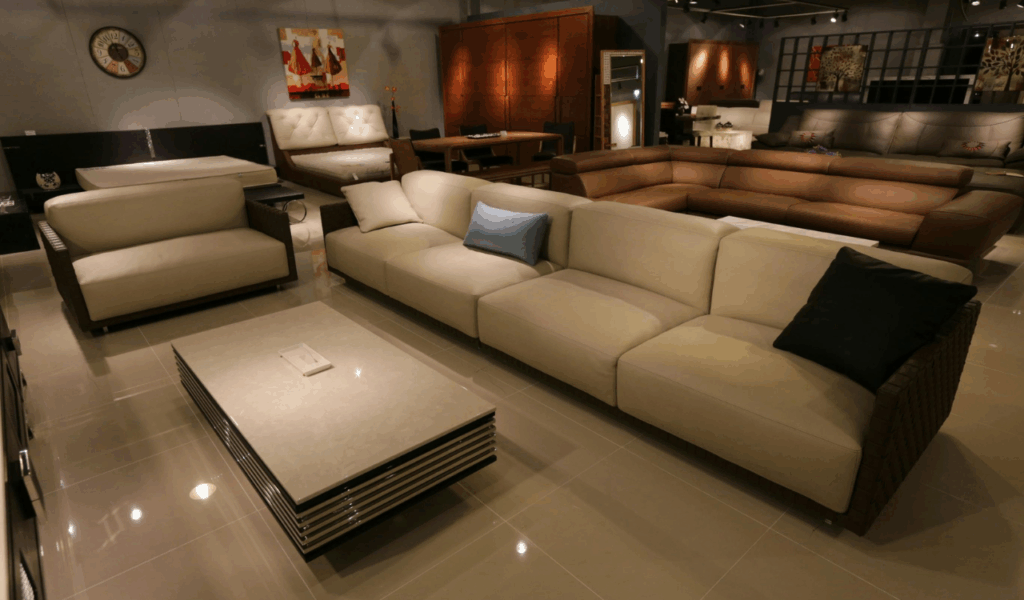
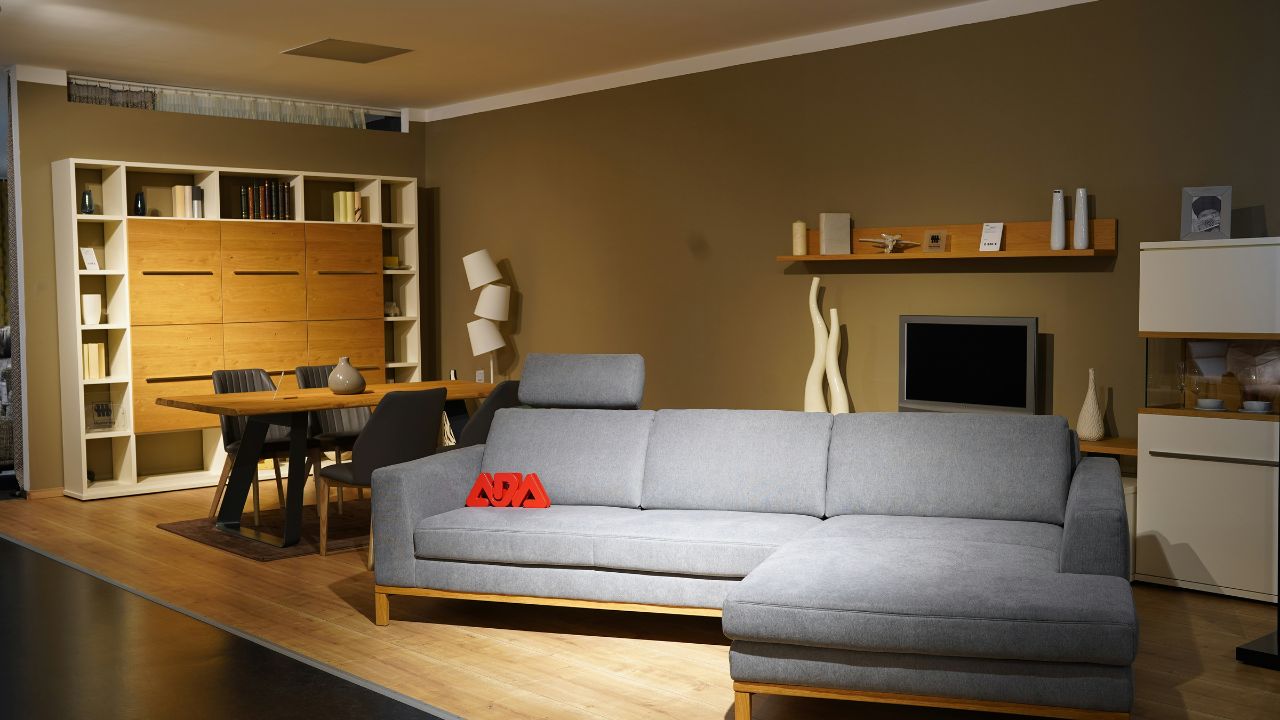
Furniture sets purchased all at once can make a room feel polished, but they also remove individuality. Living rooms where the sofa, chairs, tables, and accessories all match perfectly tend to resemble model units or rental listings. There’s no sense of evolution or story. Over time, homeowners often feel disconnected from the space because nothing reflects their history or preferences. Mixing styles and eras creates warmth. Uniformity, while convenient, often reads as temporary and impersonal.
9. Trophy Décor and Filler Accessories
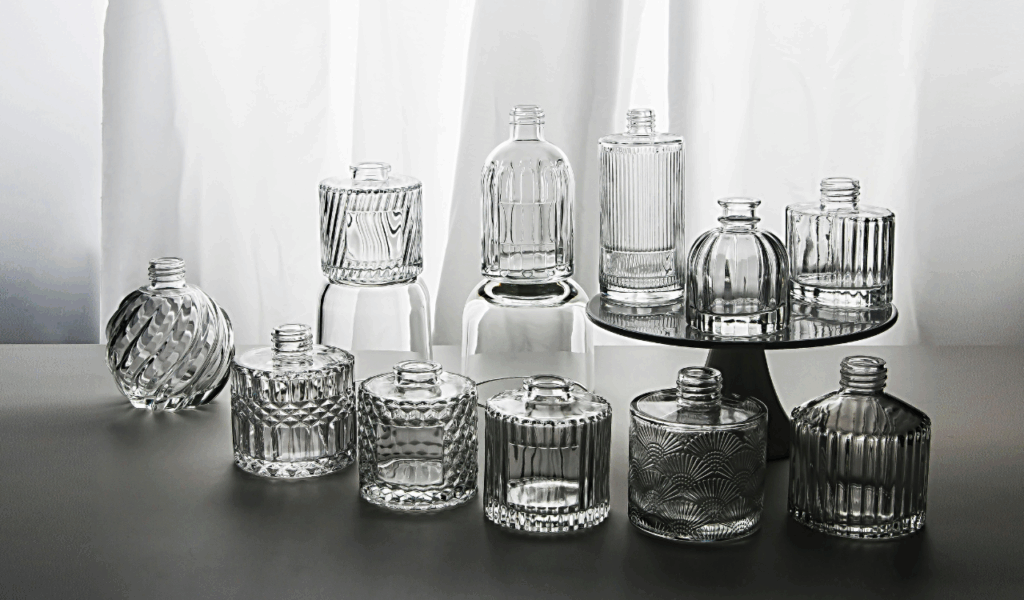
Homes filled with generic décor objects often feel curated for appearance rather than meaning. Bowls, vases, books, and sculptures placed purely to fill space are common in short-term rentals. In real homes, they add visual noise without purpose. These items rarely connect to the homeowner’s life, making the space feel anonymous. Over time, the lack of functional or sentimental pieces becomes noticeable. A home feels lived in when objects have stories. Without that, the space risks feeling like a place meant to be passed through, not settled into.