8 Vintage Home Fixtures Worth Thousands That Collectors Still Hunt For
For collectors and design enthusiasts alike, certain vintage home fixtures aren’t just decorative; they’re prized investments that can fetch thousands of dollars on the resale market. Much like fine art or rare automobiles, these pieces blend craftsmanship, history, and scarcity. While mass-produced fixtures dominate modern renovation catalogs, authentic vintage pieces from specific eras and makers reveal much more about architectural and decorative trends, materials, technology, and cultural values. Interior designers, antique dealers, and preservationists consistently point to a handful of fixtures that outperform others in both desirability and price.
Industry experts say the appeal of these items lies in authenticity and character. Unlike reproductions or retro-inspired designs, original fixtures carry patina, provenance, and tangible links to the homes and eras that produced them. They also reflect the evolution of craftsmanship, from handcrafted metalwork to the golden age of American manufacturing. Many collectors hunt them not just for their monetary value but for the rare opportunity to own a tangible piece of design history, often integrating these finds into restorations, curated spaces, and bespoke interiors.
1. Art Deco Brass Door Hardware
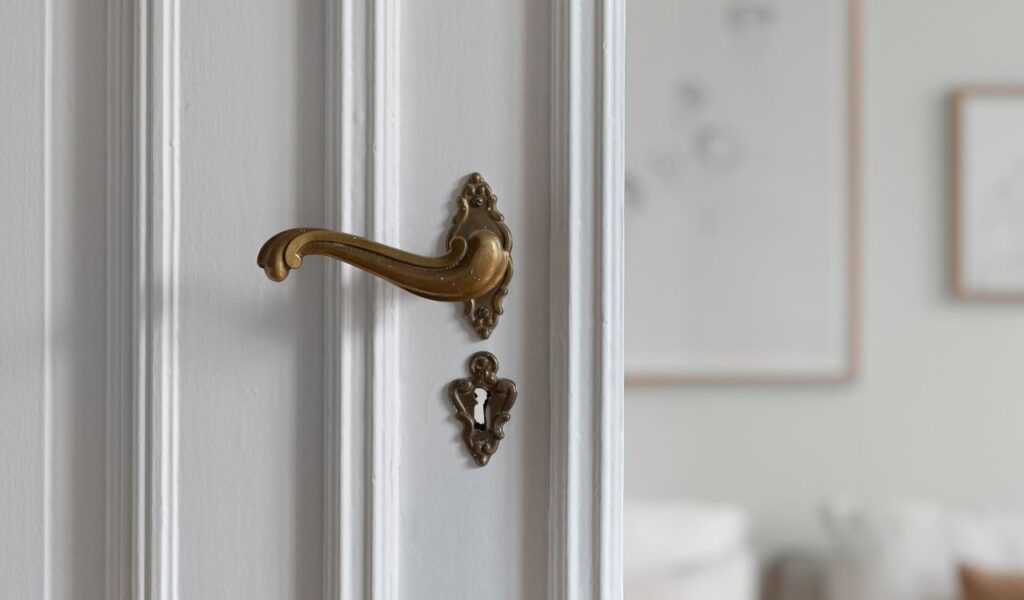
Art Deco period brass door hardware from the 1920s and 1930s continues to command high prices among collectors and renovators. These pieces, often sourced from landmark hotels and high-end residences, feature geometric patterns, stepped forms, and sleek profiles that epitomize the bold optimism of the era. Authentic Art Deco hardware was usually cast in solid brass and finished by hand, giving it a depth of detail that machine-stamped reproductions cannot replicate. Dealers note that intact sets with original backplates and matching escutcheons can sell for several thousand dollars, depending on condition and maker.
Interior restoration specialists explain that provenance dramatically impacts value. A matched set removed from a known Frank Lloyd Wright house, historic theater, or celebrated apartment block can attract six-figure offers, as buyers seek both aesthetic and historical significance. Even standalone knobs, pulls, and hinges from prestigious manufacturers like Corbin or Russell & Erwin consistently outperform generic vintage hardware at auctions. For collectors, the combination of artistry, robustness, and association with early twentieth-century modernism makes Art Deco brass door hardware a fixture worth hunting.
2. Mid-Century Modern Sconces
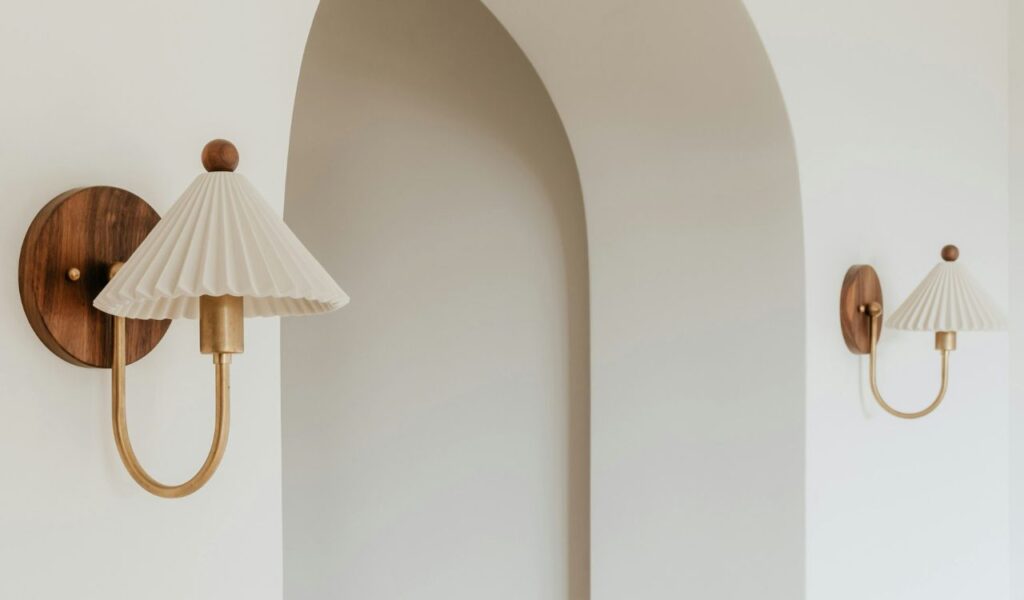
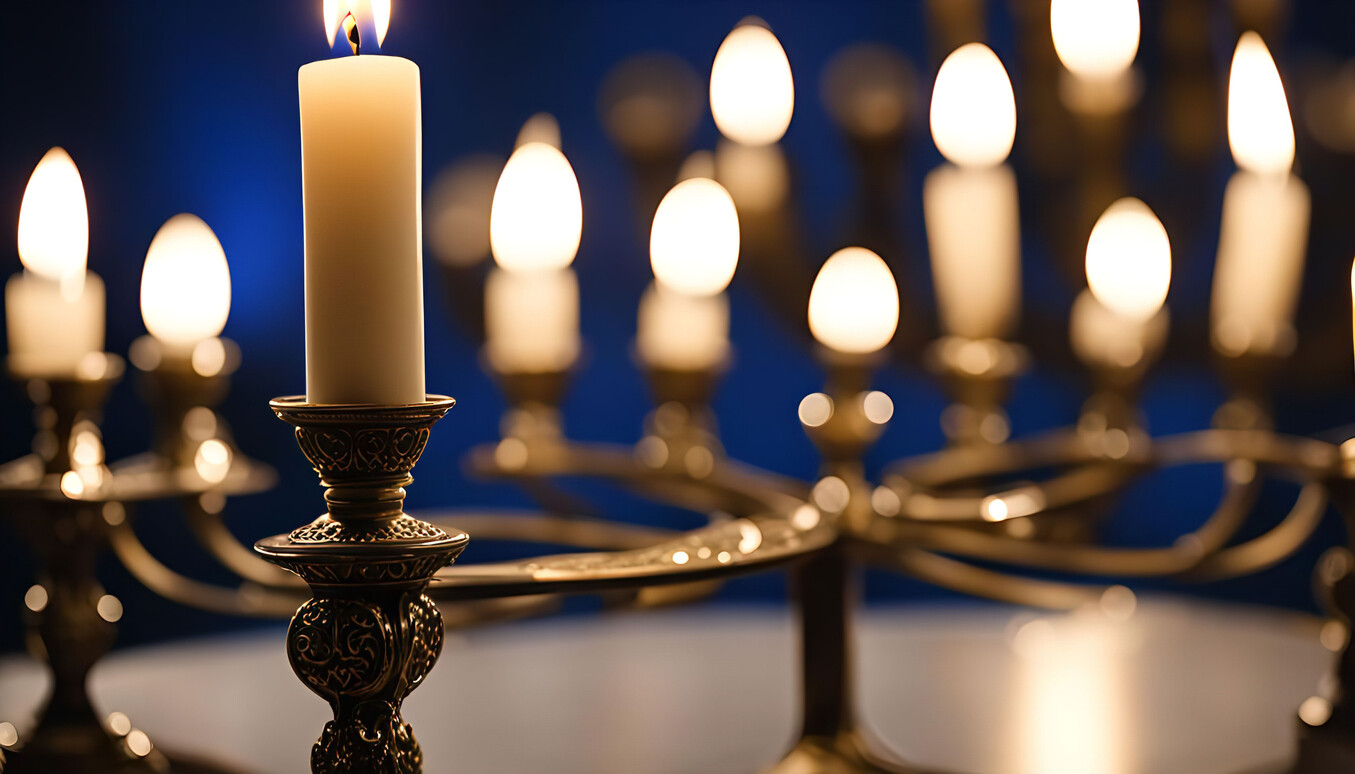
Mid-Century Modern lighting, particularly wall sconces designed in the 1950s and 1960s, has surged in demand among collectors and designers. Iconic examples crafted by manufacturers such as Stilnovo, Arredoluce, and Lightolier combine sculptural form with innovative materials like blown glass, brass, and anodized aluminum. Authentic sconces from this period feature balanced proportions and quality wiring that, when restored, bring both visual elegance and practical illumination to interiors. Original pairs in excellent condition can fetch $2,000 to $10,000 or more at reputable auctions and design fairs.
Lighting historians emphasize that the postwar era ushered in a fusion of industrial production and artisanal design. Mid-Century Modern sconces are not merely functional; they embody a design philosophy that prioritized simplicity, flow, and integration with architectural forms. Pieces with signed labels, documentation, or identifiable maker markings see increased collector enthusiasm, especially when accompanied by restored shades or diffusers.
True vintage fixtures are rare because many were discarded in later remodels, making surviving examples prized finds for both residential installations and museum collections.
3. Victorian Cast Iron Radiator Covers
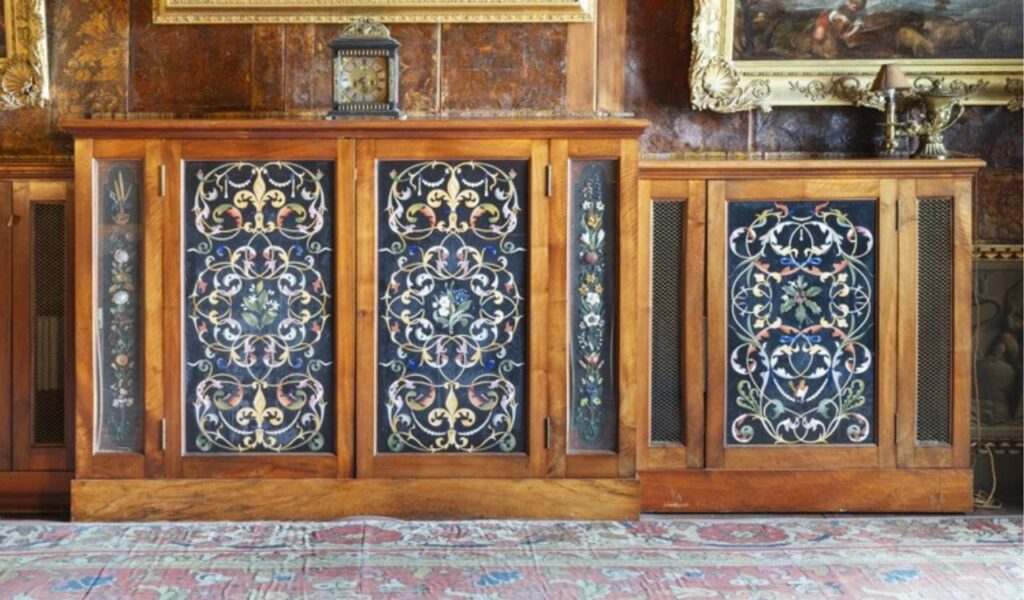
Victorian cast iron radiator covers, especially those cast with intricate floral and scrollwork motifs, remain sought after for restoration projects and period homes. These covers often combine utility with decorative craftsmanship, turning heating elements into focal points rather than eyesores. Collectors and preservationists say high-relief patterns, original paint, and intact grilles significantly boost value. Panels or complete covers from stately homes and heritage buildings can reach several thousand dollars apiece when sold through specialty dealers or heritage auctions.
Architectural salvage experts point out that the durability of cast iron means many of these pieces survive in basements or attics long after the radiators themselves are removed. Sourcing original mounting hardware and ensuring compatibility with modern heating systems increases desirability. Buyers looking to preserve historical integrity often pursue these covers to complement period woodwork and plaster details. Because demand outstrips supply, Victorian radiator covers are frequently featured in curated salvage collections and heritage interior showcases.
4. Hand-Blown Glass Light Fixtures
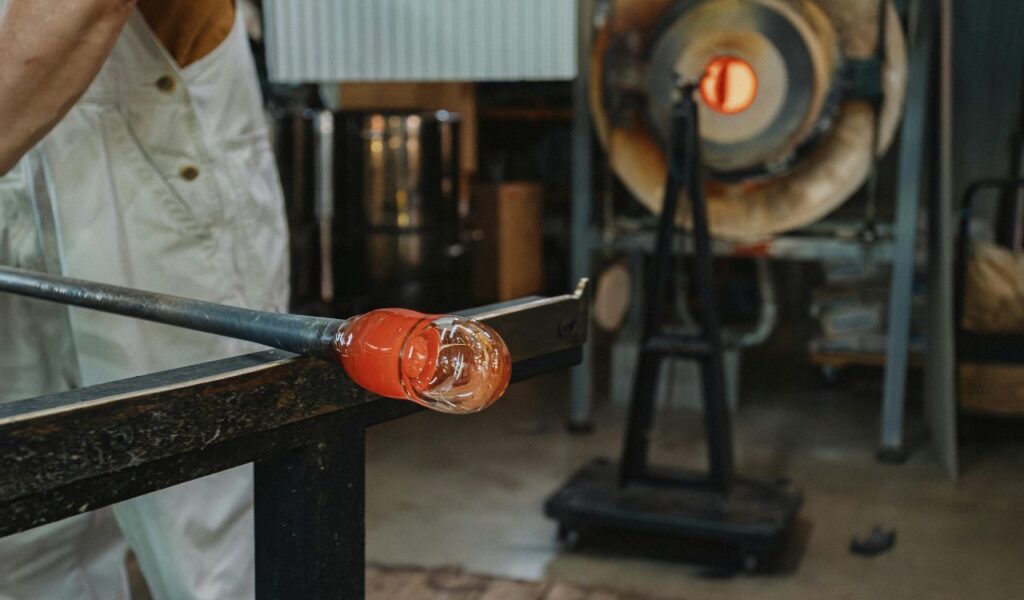
Hand-blown glass light fixtures from the late 19th to early 20th century are prized for their uniqueness and artisanal quality. Makers such as Tiffany Studios and Handel produced shades and fixtures that feature complex glasswork, layered colors, and organic motifs that are difficult to replicate today. Authentic hand-blown pieces with original hardware command high premiums at auctions, with rare examples exceeding $15,000 depending on condition and rarity.
Glass art historians note that the appeal lies in the individual character of each piece. Unlike stamped or pressed glass, hand-blown shades show subtle variations in thickness, color transitions, and surface texture that reflect the skill of the artisan. Collectors often seek documented provenance or surviving showroom tags to confirm authenticity. When integrated into modern or historic interiors, these fixtures serve as both lighting and conversation pieces, blending functional performance with artistic value.
5. Retro Porcelain Bathroom Sinks
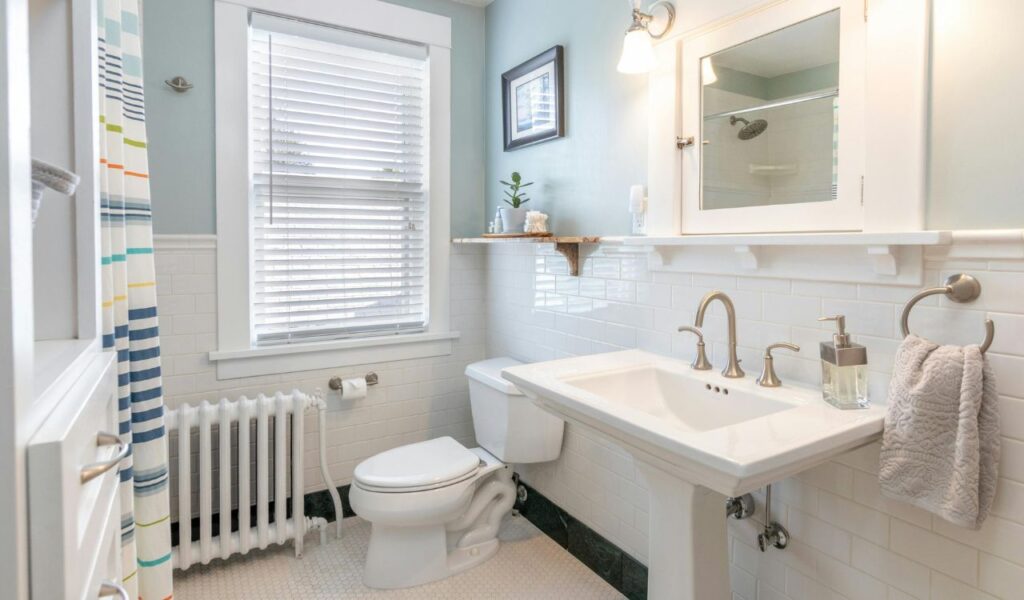
Vintage porcelain bathroom sinks from the 1920s to 1940s remain highly sought for their elegance and durability. Collectors favor models with pedestal designs, integrated backsplash features, and original chrome or nickel-plated faucets. Authentic sinks from makers such as Kohler or American Standard retain their value because they were crafted with thick, high-quality porcelain that resists chipping and staining. Depending on size, condition, and provenance, restored examples often sell for $1,500 to $5,000.
Interior restoration experts emphasize that sourcing original mounting brackets and faucets significantly boosts desirability. Many homes undergoing historical renovation seek these sinks to maintain architectural integrity. Beyond utility, the sculptural forms, gentle curves, and subtle detailing reflect early twentieth-century design priorities, making them as much decorative elements as functional pieces. For collectors, finding sinks that retain their original glaze and hardware is a rare and valuable opportunity.
6. Antique Brass Bathtubs
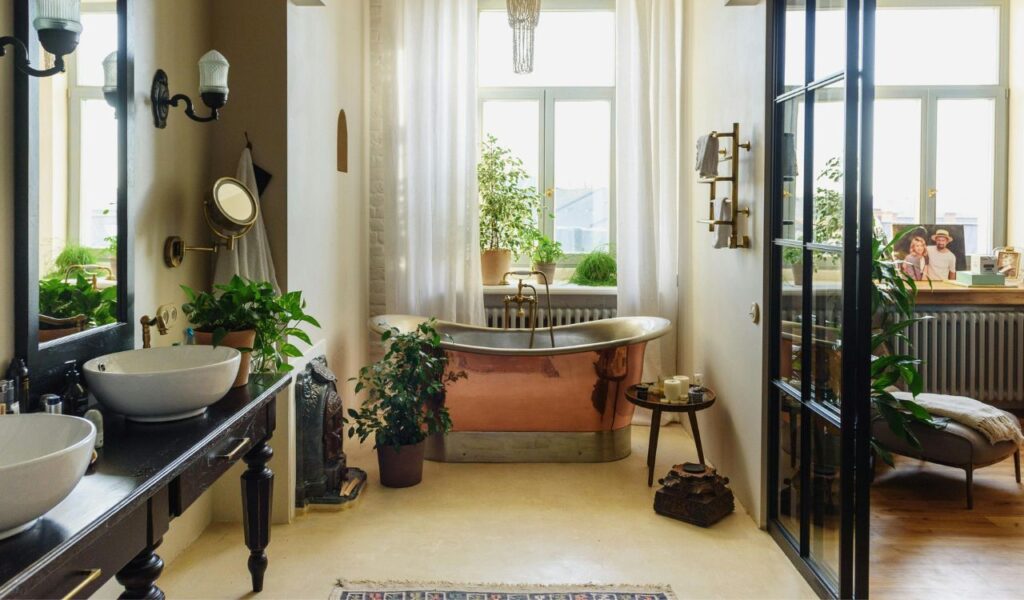
Brass bathtubs from the late 19th and early 20th centuries are prized by collectors and restoration specialists alike. These freestanding tubs often feature clawfoot designs, rolled edges, and hand-polished finishes that combine luxury with durability. Original examples from premium manufacturers can reach $10,000 to $25,000 in top condition, particularly if they retain their original fittings and patina. Brass was valued for its resistance to corrosion and ability to hold heat, giving these tubs practical advantages alongside visual appeal.
Salvage experts explain that rare finishes, such as nickel-plated or enameled interiors, dramatically increase value. Restorers often invest in careful polishing and plumbing updates to integrate these tubs into modern bathrooms without compromising their historical charm. Because production of high-quality brass tubs ceased decades ago, surviving examples are limited. Collectors prize them not only for their aesthetic impact but also for the craftsmanship and materials that cannot be replicated in contemporary cast iron or acrylic models.
7. Stained Glass Cabinet Inserts
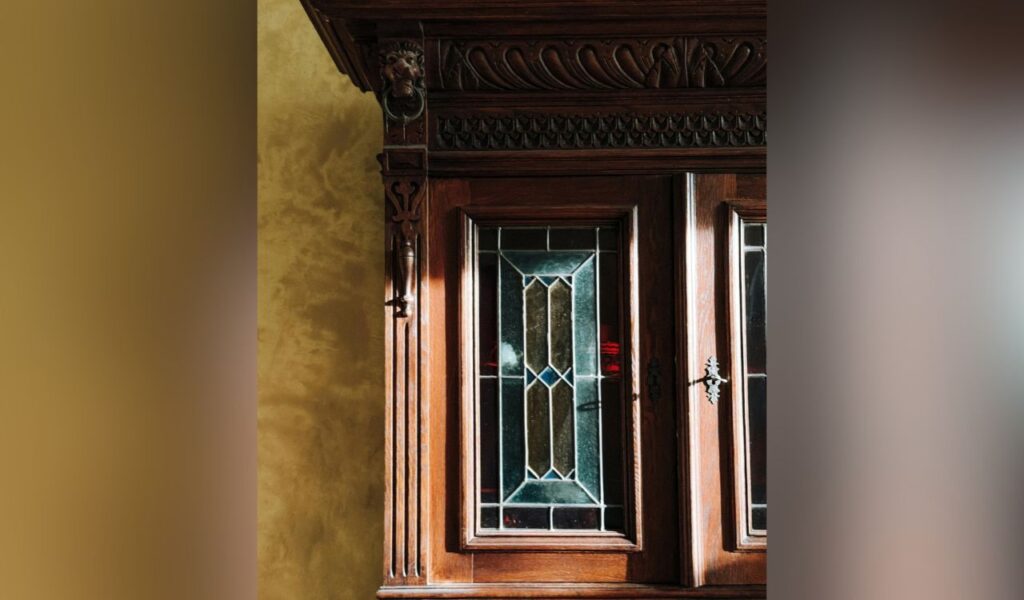
Stained glass cabinet inserts from the early 20th century remain popular for collectors and homeowners seeking artistic flair in kitchens, libraries, and living rooms. These inserts often feature intricate floral, geometric, or abstract motifs with jewel-toned glass pieces joined by lead came. Originals produced by local artisans or well-known studios such as Duffner & Kimberly or Tiffany’s smaller workshops can command $2,000 to $8,000 per panel, depending on complexity, condition, and provenance.
Design historians note that stained glass adds both color and texture to interiors, transforming ordinary cabinetry into focal points. Collectors often seek panels with intact lead joints, original glass, and no restoration cracks. Even partial cabinets with authentic inserts are valued highly for resale or integration into custom furniture. The scarcity of high-quality pieces and the difficulty of recreating hand-cut glass work make these inserts highly coveted for restoration and curated interior design projects.
8. Vintage Ceiling Light Fixtures
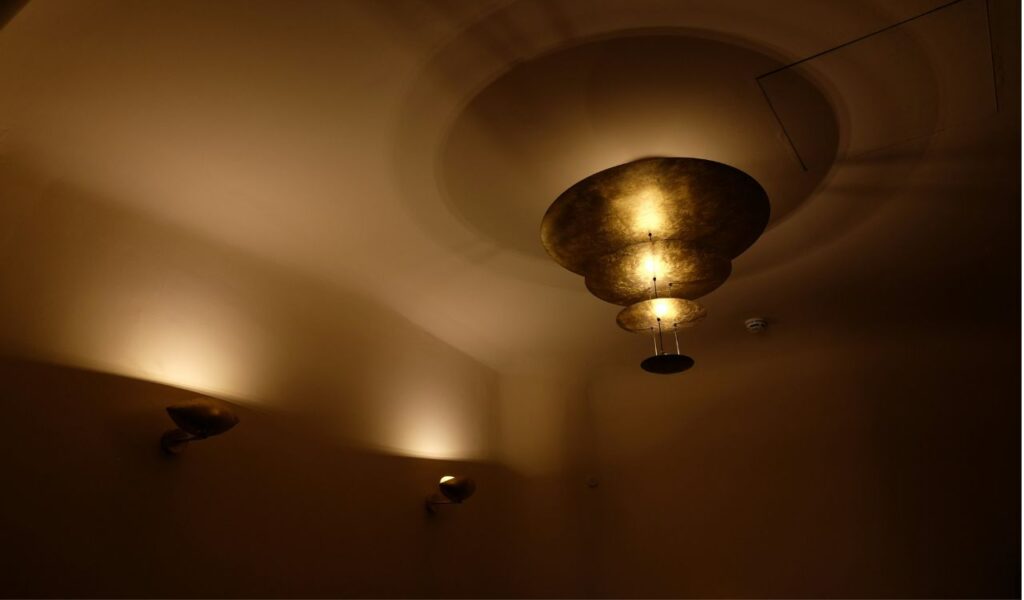
Vintage ceiling light fixtures, including pendant lamps, chandeliers, and flush mounts from the 1920s through the 1950s, continue to attract collectors and interior designers. These fixtures often combine brass, bronze, or nickel metals with hand-blown or molded glass shades. Authentic examples, especially those with maker markings from companies like Tiffany Studios, Revere, or Holophane, can sell for $5,000 to over $20,000, depending on rarity and condition.
Lighting experts highlight that the combination of material quality, craftsmanship, and historical design context drives value. Surviving wiring is often updated for safety while maintaining the original aesthetic. Collectors prize fixtures with original patina, intact shades, and minimal repairs. Because many vintage fixtures were removed during renovations or discarded, authentic ceiling lights are rare, making them desirable for both high-end restoration and collectors seeking to preserve the character of mid-century or early twentieth-century interiors.