6 Restaurants That Replaced People With Screens Too Quickly

Restaurants once thrived on small human moments. A smile at the counter, a quick recommendation, or a server noticing you looked confused. In the rush to automate, many places replaced those moments with screens, kiosks, and apps before customers were ready. While technology promised speed and savings, it often delivered frustration and distance instead. Diners now find themselves tapping, scanning, and troubleshooting when they expected to be welcomed. These restaurants show what happens when efficiency overtakes hospitality too quickly.
1. McDonald’s Made Ordering Feel Like a Task, Not a Welcome
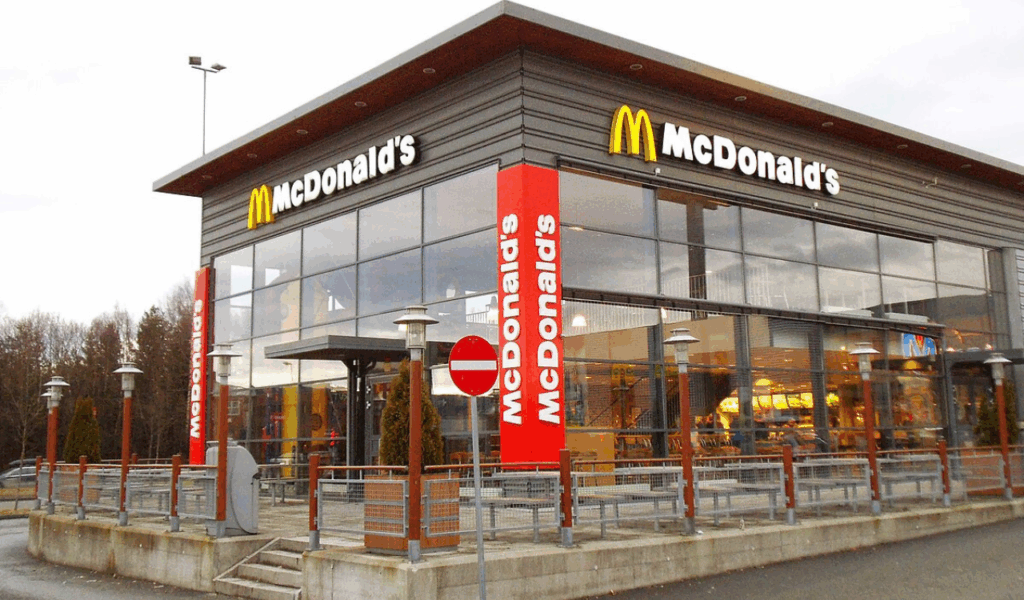
McDonald’s leaned hard into self-service kiosks, mobile ordering, and automated drive-thru systems long before many customers were ready to let go of human interaction. What was meant to speed up service often slows it down for families, older customers, or anyone placing a customized order. Kiosks break, apps glitch, and customers are frequently redirected back to screens even when staff are available. The dining room experience now feels transactional rather than hospitable. Many diners say they miss simple eye contact, quick clarifications, and the sense that someone is actually listening. Efficiency improved on paper, but the emotional cost has been real.
2. Wendy’s Pushed Kiosks Before Fixing the Basics
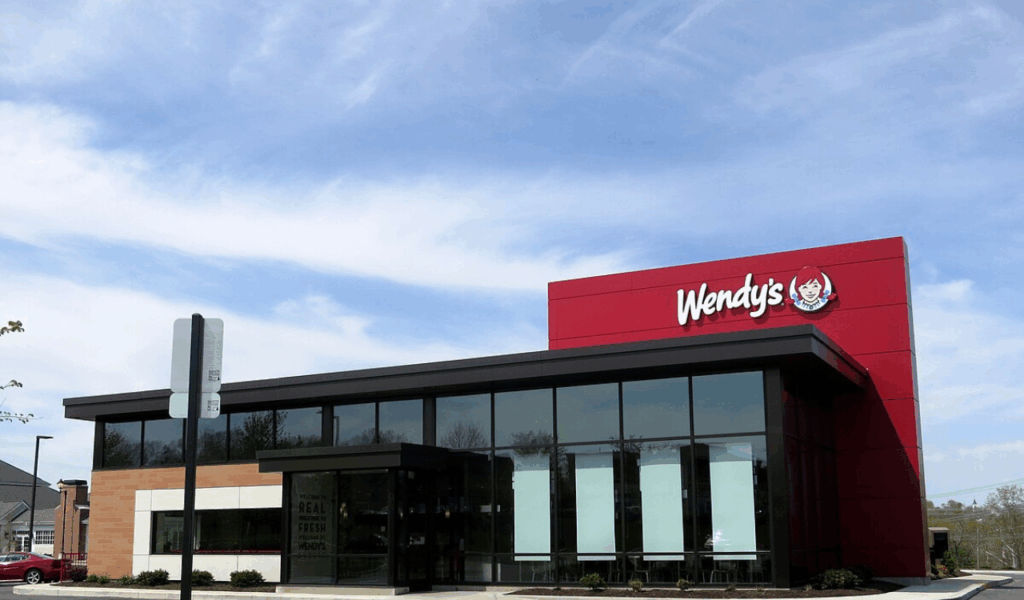
Wendy’s introduced ordering kiosks to reduce wait times and labor strain, but many locations rolled them out without adequate staffing or customer guidance. In practice, customers often stand unsure of where to order, while employees juggle troubleshooting screens instead of helping people. When kiosks replace cashiers rather than support them, the experience becomes colder and more confusing. Regulars complain that the brand’s friendly, approachable feel has been diluted. The technology may reduce payroll costs, but it also removes flexibility when something goes wrong. What should feel quick and casual instead feels rigid and impersonal.
3. Panera Bread Lost Its Café Soul to Screens
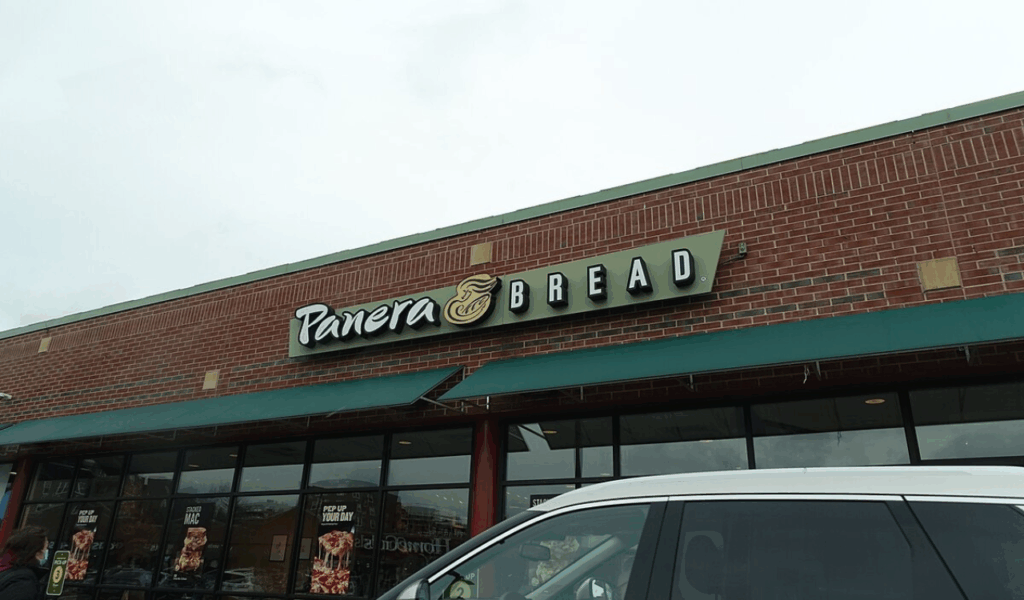
Panera once built its reputation on warmth, comfort, and community. As kiosks, apps, and digital ordering took over, that atmosphere quietly disappeared. Customers are now funneled toward screens even when they prefer counter service. Ordering feels less conversational and more procedural. Staff spend more time managing systems than engaging with guests. For a brand built around lingering with coffee and bread, the shift feels jarring. Many longtime customers say the food hasn’t changed as much as the feeling of being welcomed. The café now feels like a tech platform that happens to sell soup.
4. Eatsa Proved Full Automation Misses the Point
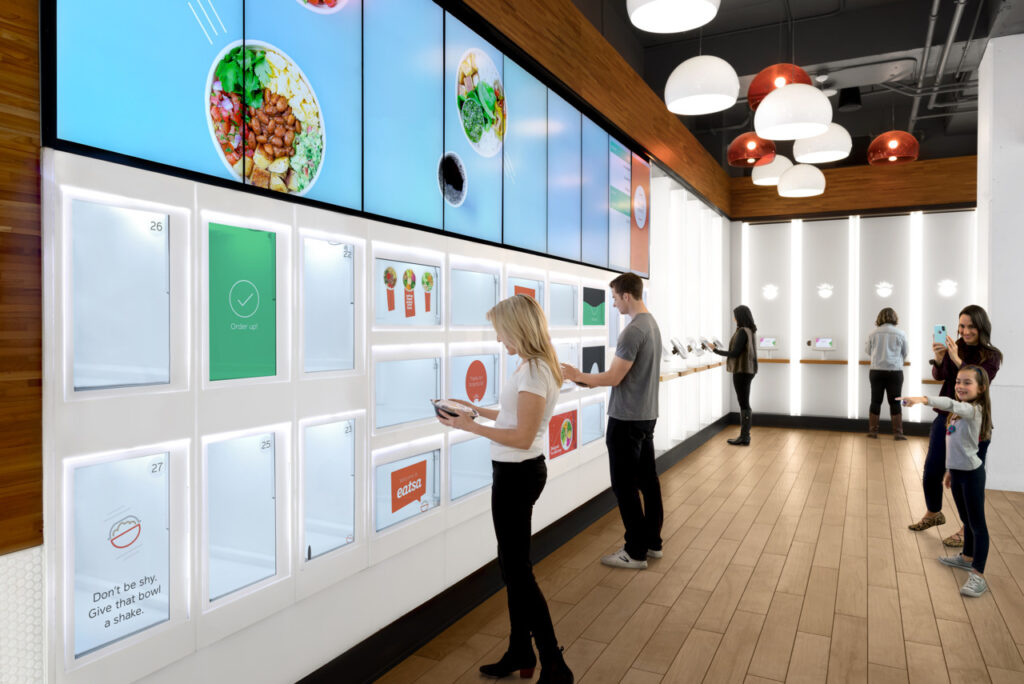
Eatsa removed human interaction almost entirely, replacing staff with tablets and pickup cubbies. While innovative, the concept revealed a major flaw. People don’t just eat for efficiency. They want reassurance, help, and a sense of care. When orders were wrong or delays happened, there was no one to ask. The novelty wore off quickly, and customers felt disconnected from the experience. Eatsa showed that removing humans removes accountability and warmth. Its struggles became a cautionary tale for the industry. Technology can support service, but replacing people outright leaves diners unsatisfied.
5. QR-Only Casual Dining Turned Meals Into Homework
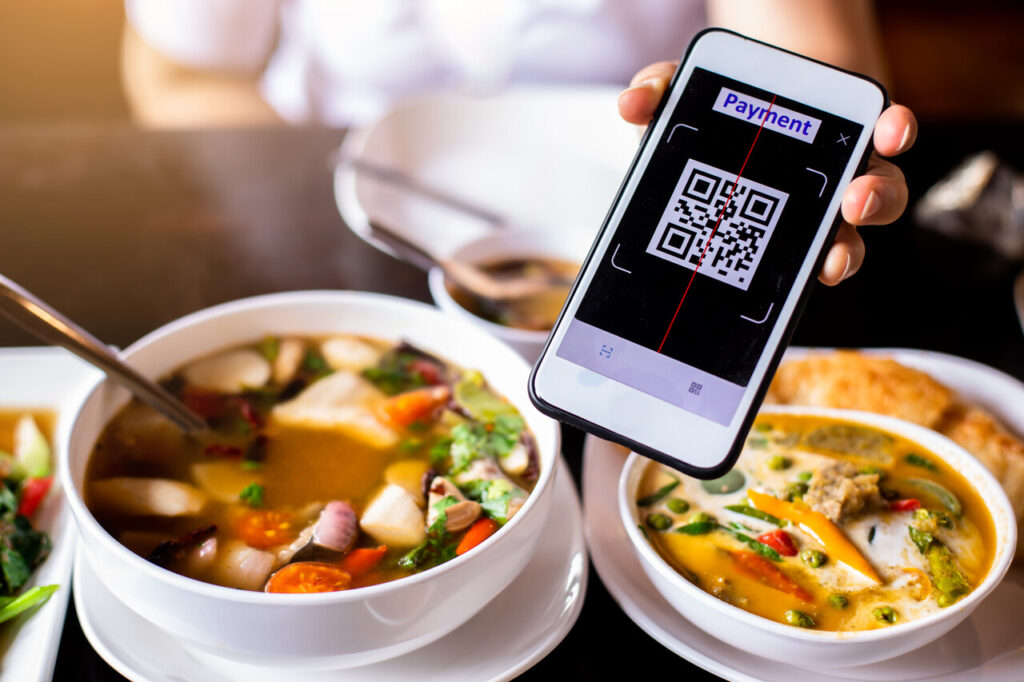
Many U.S. sit-down restaurants rushed into QR code menus and app-based ordering, especially after the pandemic. What started as a safety measure became permanent. Customers now sit down hungry and are told to scan, scroll, and sign in before ordering. Phones die. Wi-Fi lags. Older diners feel excluded. Instead of relaxing, guests troubleshoot technology. Servers become runners rather than hosts. The dining experience loses rhythm and hospitality. While costs drop for restaurants, frustration rises for diners who simply want a menu, a recommendation, and a human exchange.
6. Robot Servers Delivered Food but Not Service
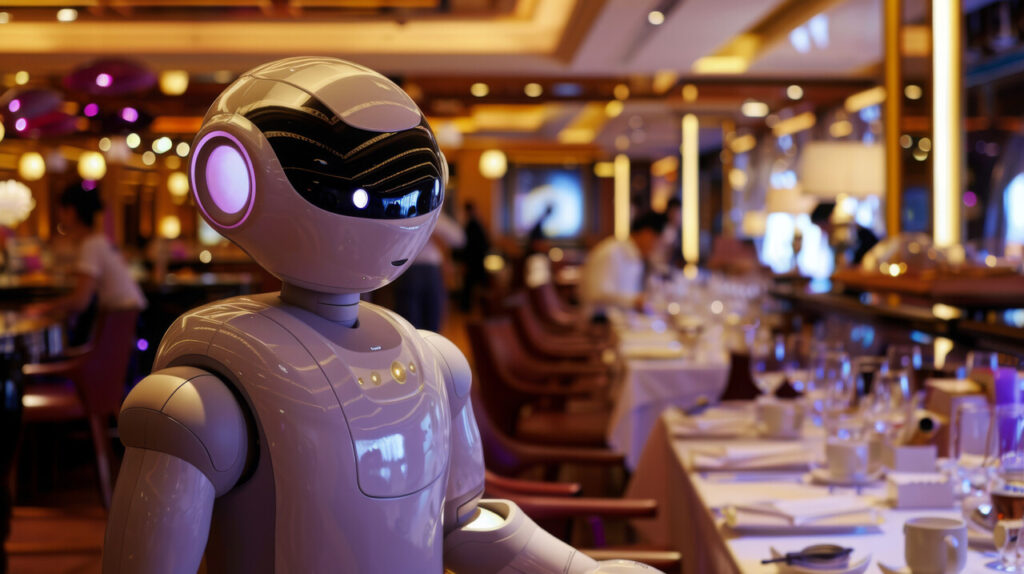
Robot servers grabbed headlines, but real dining rooms exposed their limits fast. Robots struggle with crowded spaces, special requests, and emotional cues. They cannot adjust tone, notice confusion, or recover gracefully from mistakes. When something goes wrong, customers still look for a human. Instead of delight, many diners feel awkward navigating around machines. The novelty fades quickly, leaving a service gap rather than an upgrade. Restaurants that adopted robots too quickly learned that hospitality relies on judgment and empathy. Screens and machines can assist, but they cannot replace genuine care.