9 January Home Trends That Felt Like a Letdown
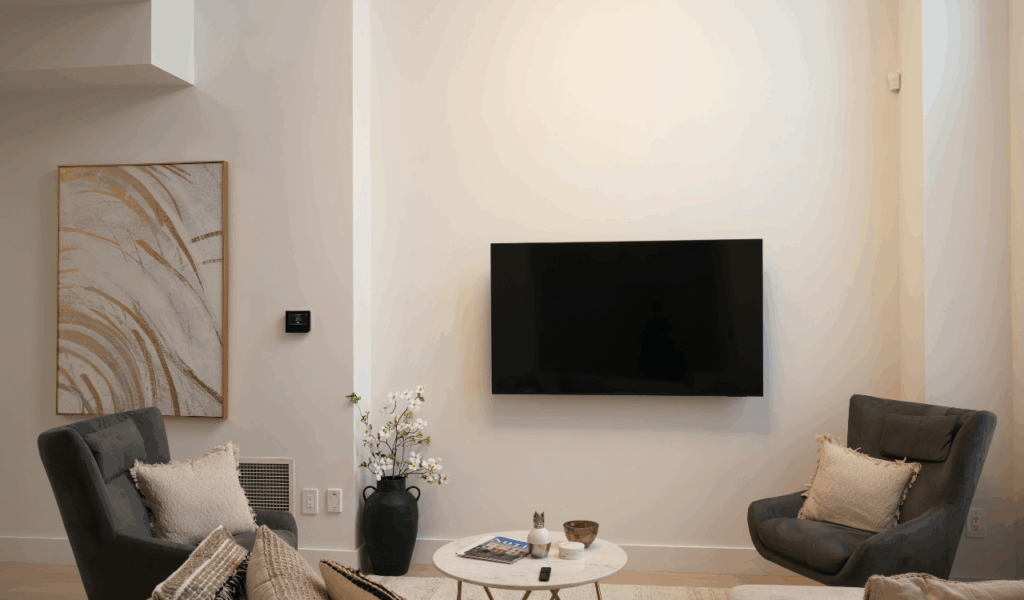
January is a time when many people start to think about home improvements because they want to be more organized, feel better, or just change the way their home looks. Many ideas that seem good online don’t work in real life, though. certain of the January house trends sounded better in theory than they did in real life. For example, certain materials were unworkable and some styles didn’t last long. These trends didn’t always take into account how people really use their spaces every day, how comfortable they are, or how long they last. Good house trends should make life simpler or add lasting value, not make it harder or make you regret it. These nine housing trends were popular in January but underperformed after the hype.
1. Overly Minimal White Interiors

People thought that all-white rooms would be serene and clear, but many rapidly found them to be frigid, impractical, and hard to keep clean. White walls, furniture, and fabrics reveal stains, dust, and wear nearly right away, which makes everyday life more hectic instead of peaceful. If you have kids, pets, or guests over often, you have to clean all the time. These areas might also feel bland and uninviting over time if they don’t have enough texture or contrast. What appeared to be tranquil in photographs frequently lacked much warmth or personality in real life, which turned a style that was supposed to be calming into a lot of labor.
2. Statement Furniture That Sacrificed Comfort

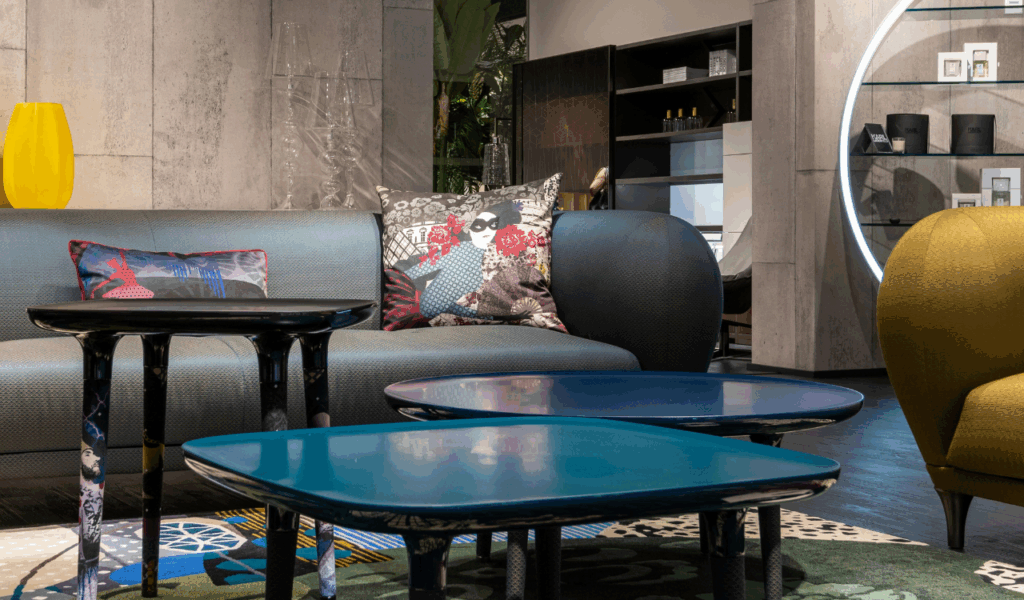
People liked bold, sculptural furniture because it looked striking, but comfort was often not a priority. A lot of statement chairs and sofas looked great, but they didn’t support your back well, had strange seating positions, or were made of hard materials. People should use their living environments every day, not merely look at them from afar. It’s annoying when furniture doesn’t let you sit back, read, or hang out with friends. People who owned these pieces learned that interesting shapes didn’t make up for being uncomfortable, so many of them replaced them sooner than they thought they would. This made the fad seem wasteful and short-lived.
3. Open Shelving Everywhere
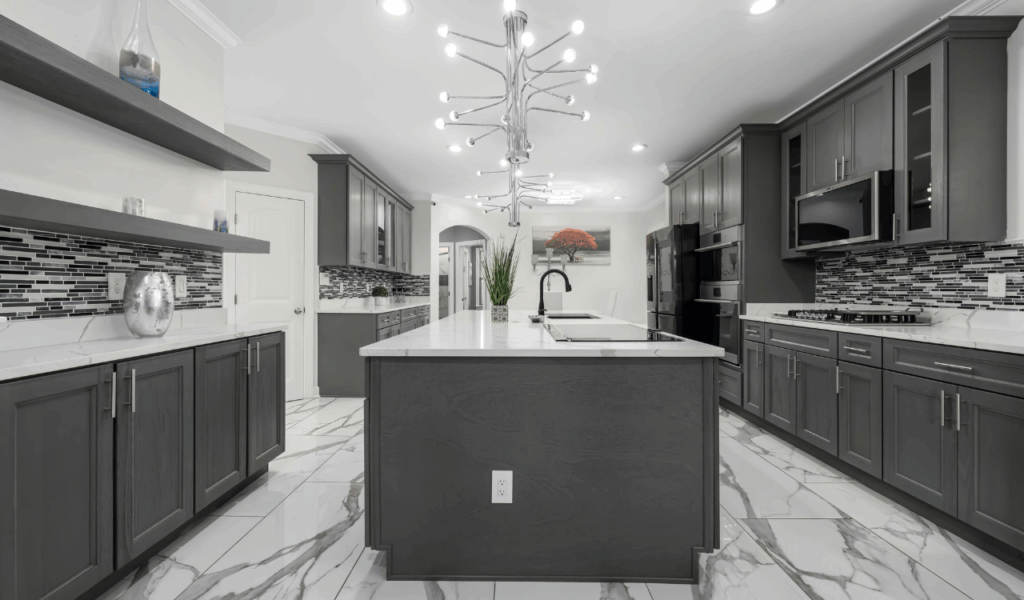
People said that open shelving might make kitchens and living rooms feel more open and approachable. In actuality, it needed to be cleaned and organized all the time. You can see dust, grease, and debris nearly right away, especially in kitchens where cooking residue settles quickly. What looked neat and stylish online often transformed into a mess in real life. It is possible that shelves will give the impression of being overcrowded rather than open if you do not have any rules in place. Numerous homeowners were under the impression that everything needed to be on display at all times, which led them to fail to recognize the practicality of closed cabinets.
4. Extreme Decluttering Challenges
People who took part in January decluttering challenges often got rid of things quickly and without much thinking. It’s good to simplify, yet some people threw away important things they subsequently needed because they went too far. Buying essential things again goes against the idea of living mindfully and might lead to more waste. It was also stressful when emotional or useful items were taken away too hastily. Sustainable organization works best when it finds a balance between being clear and meeting real needs. As a result of these difficult challenges, in many cases, quickness was prioritized over intention, which caused people to feel worse rather than better.
5. Trendy Accent Walls with Short Lifespans
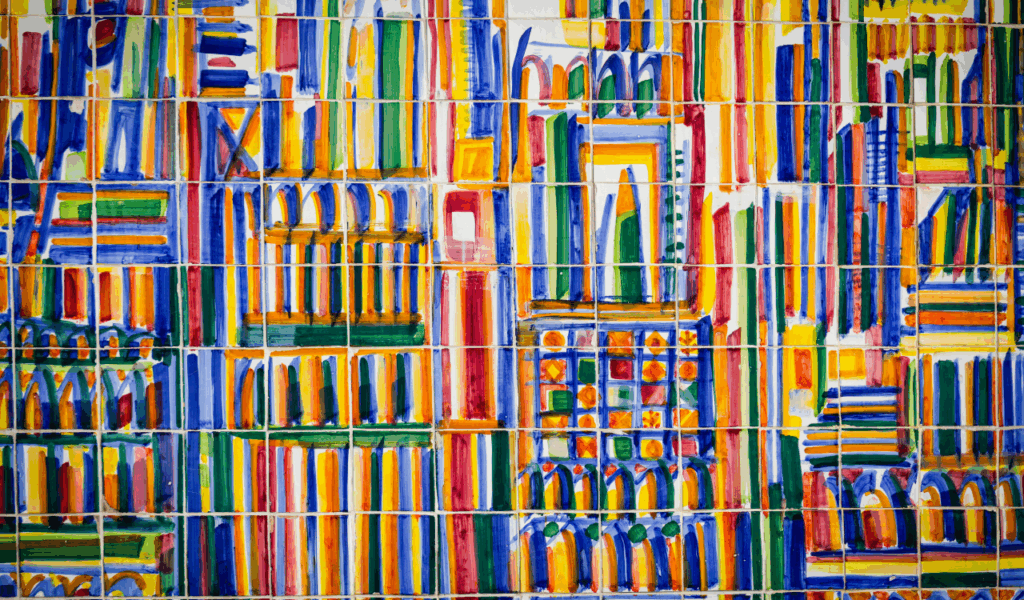
Bold accent walls in bright colors or intricate patterns were popular as easy ways to make a place look better. But once the initial thrill went off, many homeowners found them to be visually tiresome. Strong colors can take up a room, make it hard to find furnishings, and quickly feel out of style. It costs more and takes longer to fix design mistakes or repaint. What sounded like a fun change often turned into another project to fix. Having designs that were neutral or could be altered worked better, which resulted in these contemporary accent walls giving the impression of being a temporary repair rather than a change that would be permanent.
6. Low-Quality Smart Home Additions

Smart home gadgets promised to make life easier and more modern, but many of them didn’t live up to those promises. Users were angry because of problems with connectivity, programs that were hard to understand, and products that didn’t last long. When technologies broke or were out of date quickly, they made things more complicated instead of easier. Because systems didn’t work well together, simple tasks were harder than they used to be. These gadgets didn’t make routines easier; instead, they typically needed a lot of debugging. People who own homes learnt that making smart investments is more important than following every new tech trend that is sold as necessary.
7. Fast Furniture Purchases for Quick Makeovers

January discounts made people want to acquire furniture quickly so they could change their look right away. Sadly, cheap and quick furniture frequently isn’t very durable. Within a few months, materials may warp, coatings may wear off, and structural problems may show themselves. Replacing these things often costs more over time and adds to waste that isn’t essential. Many people learned that taking their time and buying well-made items will make them happier in the long run. When there were issues with the quality of the product, this tendency appeared to be rushed and disappointing because of the necessity to quickly refresh venues.
8. Overuse of Faux Luxury Finishes
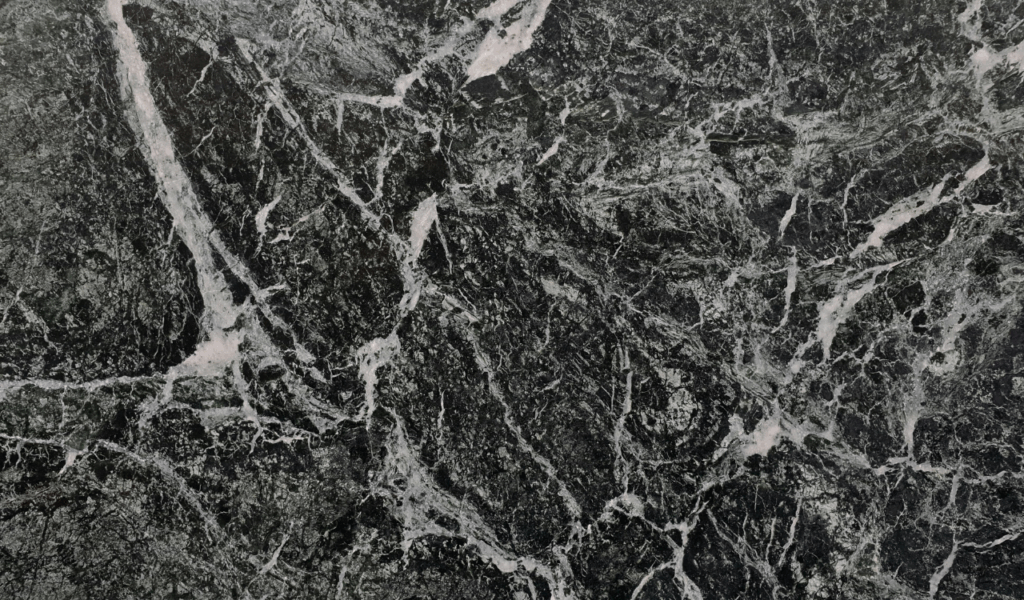
Fake marble, shiny surfaces, and metallic embellishments promised cheap luxury, but they often didn’t seem authentic or last long. The materials were clearly fake because scratches, peeling surfaces, and color changes happened quickly. Badly done finishes didn’t make a place appear better; they made it look worse. It was also hard to keep things clean because some materials didn’t respond well to regular cleaning. It was established by homeowners that finishes that were understated and well-made lasted significantly longer than flamboyant attempts at luxury that did not continue to hold up to normal use.
9. Highly Themed Rooms
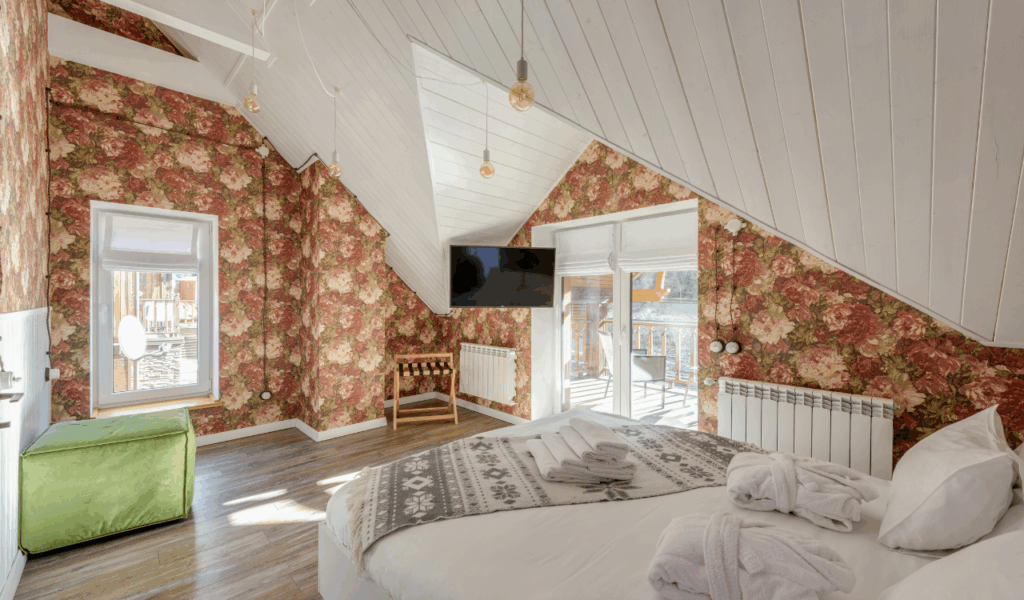
Rooms that were constructed around highly specific themes became popular as fun and creative concepts. But having a distinct theme every day can feel like a restriction. You can’t change the decor later without completely changing the place. Over time, what used to be fun may start to feel juvenile or boring. Homes are subject to change as a result of the preferences and needs of their inhabitants, and rooms that were overly themed were not very adaptable. A great number of people were aware of the fact that trends are subject to alter throughout the course of time, which makes this trend appear to be impossible for the long run.