9 Holiday Decorating Trends That Felt Like Chores
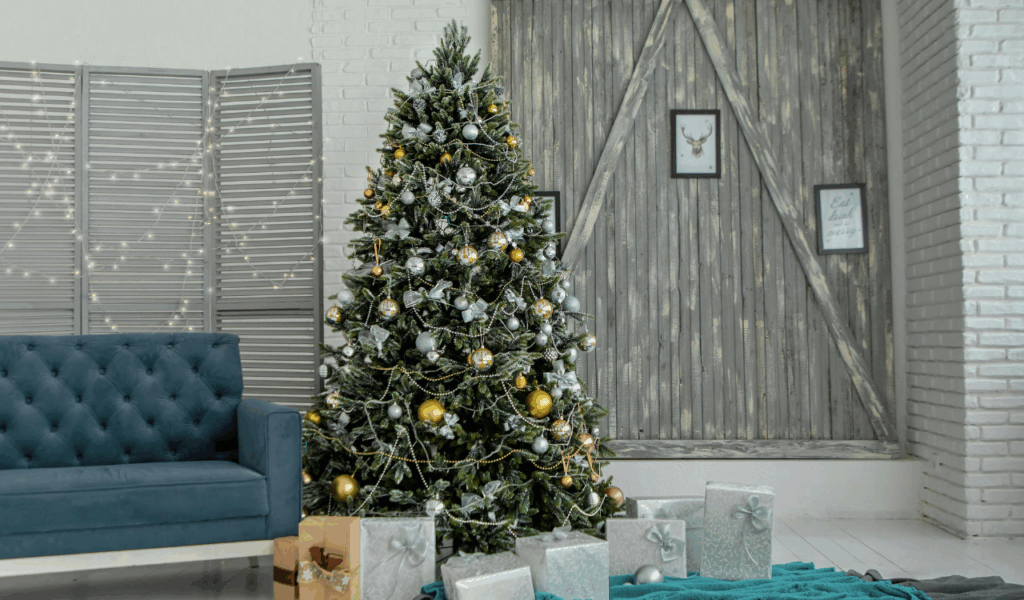
Some popular holiday decorating fads made the season feel more like a checklist than a celebration. What started off as a way to get creative sometimes turned into a long, expensive, and emotionally demanding process, especially when it seemed like perfection was expected. A lot of families found that these trends didn’t make things easier; instead, they required ongoing work, careful planning, and more money. The strain to “do it right” was greater than the fun, from decorations that needed daily care to setups that took hours to put together. When I look back, these decorating practices felt more like unpaid seasonal work than fun, making people rethink how much work holiday style should truly take.
1. Overloaded Tree Themes

Online, trees with matching ornaments, ribbons, and color schemes looked great, but making them was hard work. There wasn’t much room for emotional or mismatched ornaments because they all had to fit a rigid pattern. It took longer to decorate since spacing, balance, and color matching were more important than having fun. It was frustrating to have to redo parts that looked a little odd, and it was hard to store the ornaments because they couldn’t be mixed freely. Tree decoration used to be a pleasant family pastime, but it became a design project that required a lot of time, patience, and frequently several trips to the store to keep it looking perfect for photos.
2. Garland on Every Surface

Draping garlands along stairs, doorways, shelves, and cupboards made the holidays feel rich, but keeping them that way was a different matter. It took a lot of work to measure, secure, and fluff garlands, especially when using genuine greenery that shed needles and dried quickly. It was hard to dust around them, and to keep them even, I had to make changes all the time. After the season, storage was big and hard to get to, which often caused tangles. What appeared to be a simple task in staged images required a significant amount of time and effort to put up and clean up, which gave the impression that this trend was more related to home maintenance than seasonal decorating.
3. Coordinated Gift Wrapping Displays

Fancy present wrapping arrangements with matching paper, ribbons, and colorful tags looked nice, but they made an already busy time of year much busier. It took time to prepare and purchase for fabrics that fit properly, and faults in wrapping were easier to see. Wrapping took a long time and was stressful instead than quick and useful. After the gifts were unwrapped, a lot of the work went right into the garbage, which made the whole thing feel like a waste of time. The focus changed from considerate giving to beautiful presentation, making a straightforward chore into a difficult design challenge that took up a lot of time and attention.
4. Outdoor Light Overload

To cover houses with layers of lights, outlines, and glowing figures, you needed ladders, extension cords, and meticulous preparation. Sometimes it took a whole day or more to install, and worries about safety made it much more stressful. Burned-out bulbs meant having to troubleshoot portions over and over, and inclement weather made modifications hard. It felt even worse to take things down in the cold after the season. Despite the fact that the end effect was beautiful, the amount of effort and maintenance required for this trend made it feel more like a construction project than a holiday decoration.
5. Elaborate Table Settings
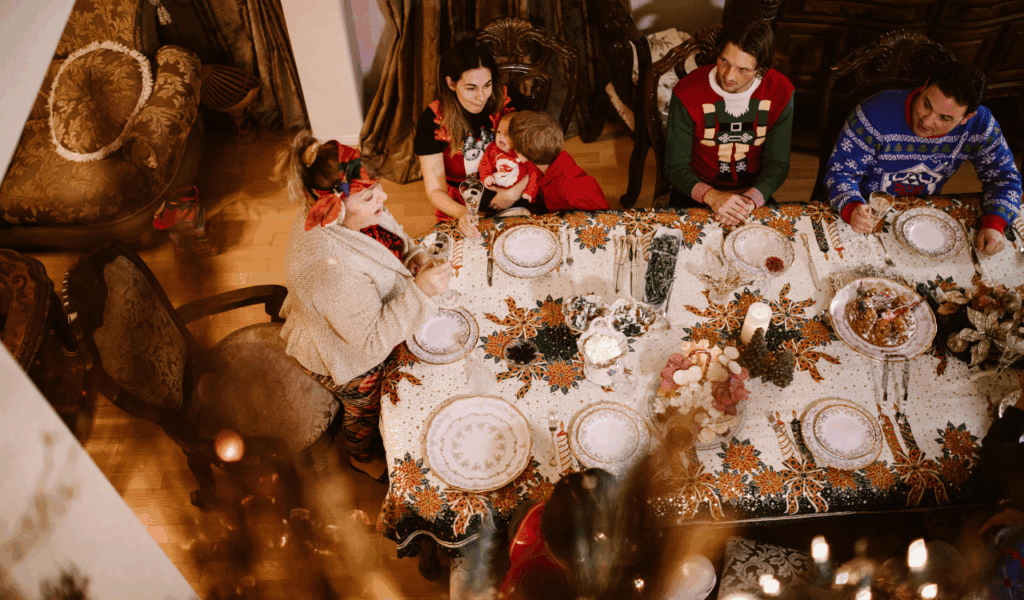
It was hard to put up holiday tables with layered linens, themed place settings, and gorgeous centerpieces that looked like they belonged in a magazine. From the way the napkins were folded to the way the dishes matched, everything had to be coordinated. Cleaning and storing delicate decorations was extra labor, and it was hard to eat at the table when it was fully decorated. These setups often felt impractical and stressful instead of bringing people together. It was difficult for hosts to enjoy conversations because they were required to maintain the décor. As a result, dinners became delicate balancing acts rather than relaxed and joyful get-togethers.
6. Daily Advent Displays
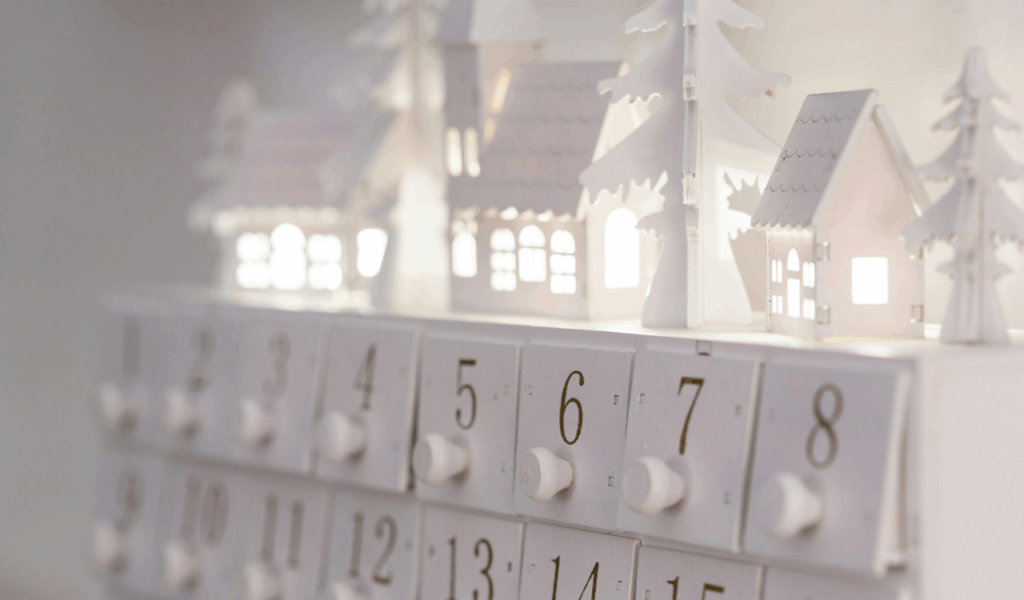
Advent calendars and countdown displays promised everyday fun, but they also needed forethought and regularity. For families attempting to keep the tradition going perfectly, forgetting a day was extremely frustrating. It took planning to refill reusable calendars, and buying new ones cost more money. Taking care of tiny things every day became another job during an already hectic time. On occasion, people experienced feelings of guilt or pressure as a result of something that was designed to stimulate excitement, particularly when their schedules were already packed. Due to this, the tradition came seen as more of a burden than a pleasurable activity to participate in.
7. Fully Decorated Every Room

Adding decorations to bathrooms, bedrooms, and corridors made the holiday feel more complete, but it also made the task much harder. Having extra rooms meant having to buy, put away, clean, and store more things. Decorations in places where people work often got in the way, making regular tasks harder. There is also the possibility that the constant visual stimulation is too much, rather than being reassuring. This trend did not create a more pleasant atmosphere in the house; rather, it was a drain on both time and resources, transforming the home into a project that required constant maintenance throughout the season.
8. Matching Stocking Sets

Uniform stocking displays appeared nice and planned, but they took away flexibility and increased stress. It was hard to find matching stockings for families with kids or pets, and if one stocking got damaged, you had to replace them all. When everything had to match perfectly, it felt like there weren’t many personal touches. They were difficult to keep since they were stiff and ornate stockings, and it needed a lot of work to hang them evenly and fill them to the perfect level. In the past, it was a straightforward tradition; however, it evolved into a planned display that required planning and maintenance, which resulted in it being less spontaneous and charming.
9. Perfectly Styled Mantels
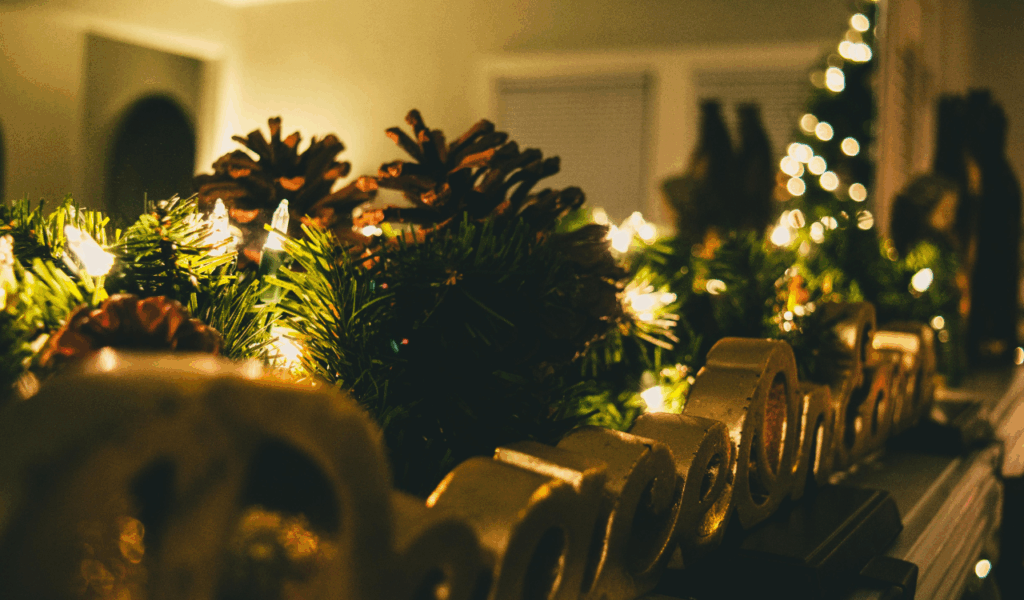
Mantels became the center of attention, with carefully organized ornaments, candles, mirrors, and plants. It required some trial and error to get the balance and symmetry right, and little changes were easy to see. Dusting and fire safety issues made maintenance even more important. Those who did not have mantels were required to create other focus displays, which resulted in an increase in the amount of effort. Instead of becoming a cozy centerpiece, the mantel turned into a style obligation that needed to be done throughout the season, which made it feel more like a burden than a pleasurable activity.