9 Cheap Flat-Pack Furniture Pieces That Didn’t Survive One Move

Lightweight panels, few joints, and cam-lock mechanisms are meant to be put together quickly, not taken apart or moved around. When you move, tilt, or put together furniture, stress builds up around screw holes and thin edges, which can cause cracks, wobbling, or complete failure. Cheap materials like particleboard and fiberboard soak up water and break readily, which makes damage worse when you move. This article talks about nine common flat-pack items that often break after just one move. It explains why they break and what usually goes wrong, so readers may make better choices when they buy or pack them for a move.
1. Basic Particleboard Bookcases
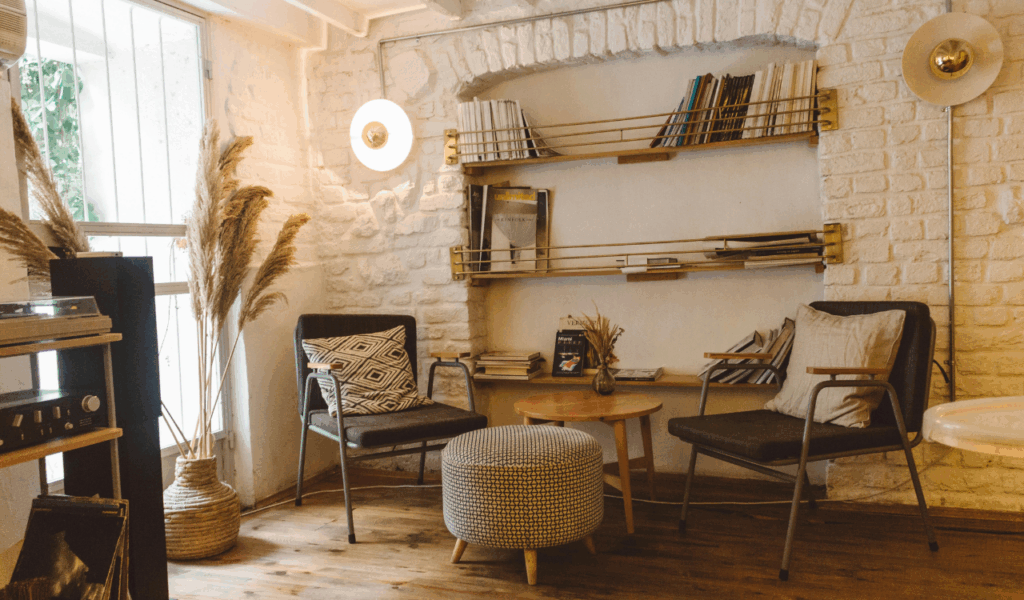
When moving, tall particleboard bookshelves are especially at risk since they need to stay absolutely square and uniformly supported to stay strong. When you take the shelves off or lay the unit on its side, the cam-lock fittings and wooden dowels inside the soft particleboard come away. This material doesn’t retain screws well, so each time you tighten it, the holes get bigger and the grip gets worse. Once broken, thin rear panels stapled or nailed together don’t offer much strength. Weight can bend lifted side panels. Reassembled bookcases sometimes slant, wobble, or fall over when loaded, making them unsafe.
2. Flat-Pack Wardrobes with Sliding Doors
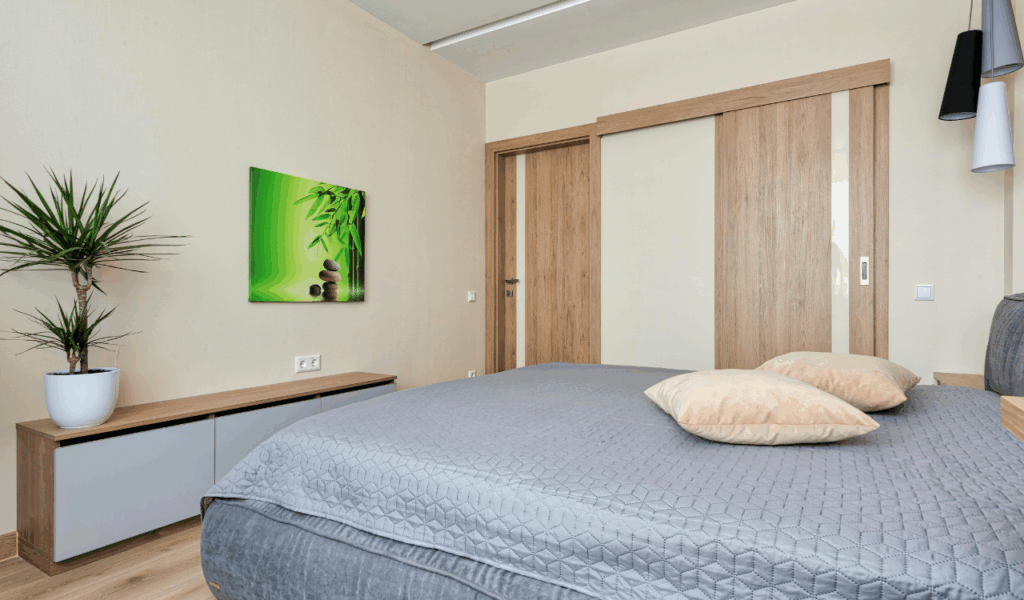
Budget flat-pack wardrobes with sliding doors use long, thin panels and lightweight metal or plastic rails that don’t hold up well to movement. Even a little bending of the side panels as they are being moved can knock the top and bottom tracks out of alignment. Then, sliding doors jump their tracks, scrape, or won’t close all the way. The inside is commonly made of particleboard with little bracing, so the screws that hold the rails and guides in place come off rapidly. After one move, panels may break fasteners, doors may not close, and the wardrobe may be unlevel. This makes storing, using, and staying safe tougher.
3. Low-Cost TV Stands with Hollow Panels
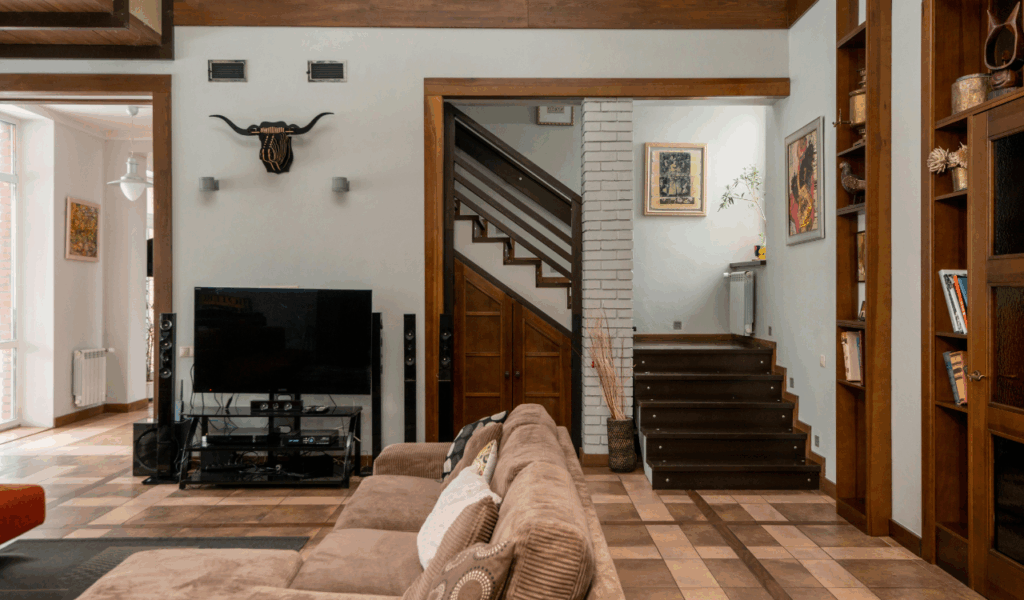
A lot of cheap TV stands are made with hollow-core panels, which are thin exterior shells that hold cardboard or other light materials. This design holds weight well when it is pushed down, but it is very easy to twist when it is lifted or carried. When pressured, corner joints can break, and cam fittings can pull through the thin surface material. After the unit is taken apart and put back together, the central shelves often sag or come loose. Damage may not always be seen right away, but the stand may become less sturdy over time. When supporting TVs and other devices, this instability makes it more likely that they will tip over or suddenly break.
4. Budget Flat-Pack Beds with Slat Frames

Cheap flat-pack beds sometimes break at the places where the side rails meet the headboard and footboard. Most of the time, these connections are made using bolts that are threaded into soft engineered wood. This wood loses strength when it is taken apart. Once the threads peel or compress, tightening them will not restore the previous hold. If slat frames aren’t adequately supported along their length, they might potentially distort or crack when being moved. After assembly, the bed may squeak, shift, or have gaps. The mattress becomes less comfortable, supportive, and functional for less time due to these issues.
5. Lightweight Desks with Minimal Bracing
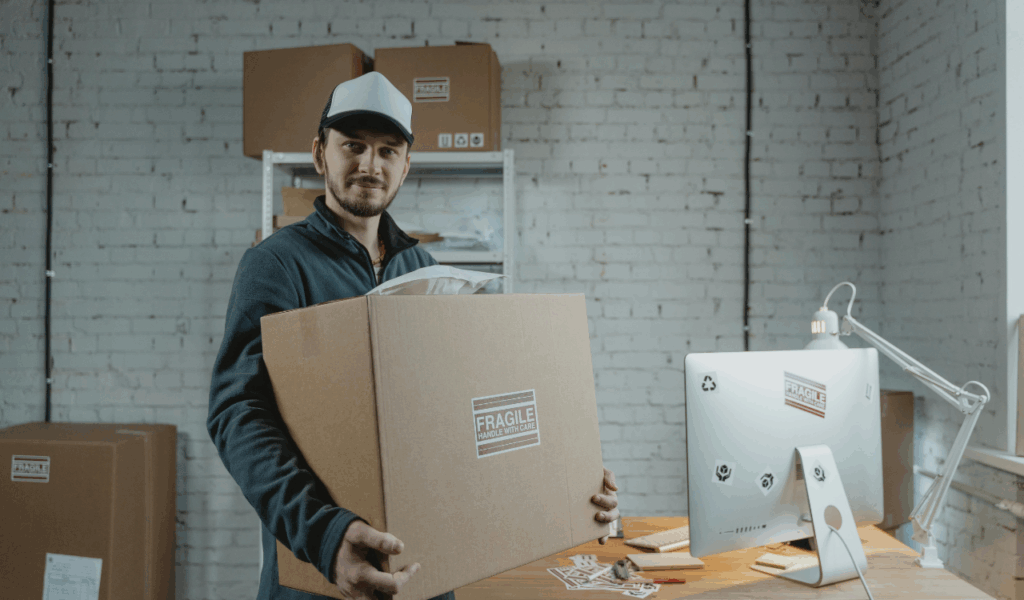
When it comes to stability, low-cost flat-pack desks frequently lack the necessary cross-bracing and instead rely on corner fasteners and thin panels. These joints become more slack as a result of sideways stresses during a transfer, and desks may bend or break in the vicinity of screw points. Rarely does reassembly result in the restoration of the desk’s previous rigidity; consequently, the desk may wobble when weight is placed on the surface or when typing. Chipping edges during shipment exposes material and weakens structure. When stability is needed for frequent tasks, these desks may be frustrating for work or study.
6. Cheap Drawer Units with Thin Bottoms
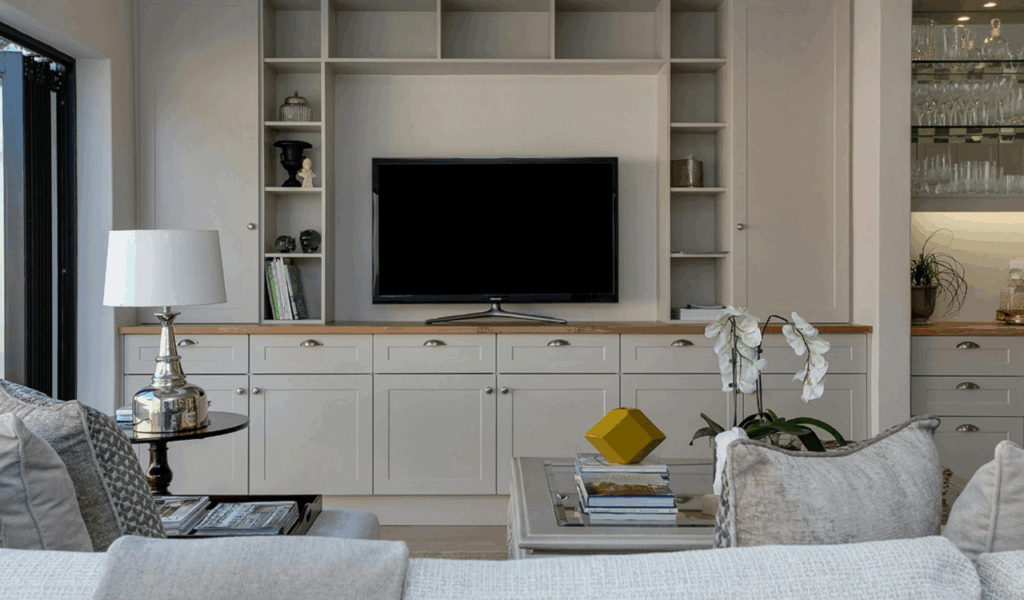
It is usual for inexpensive flat-pack drawer units to fail due to the fact that the drawer bottoms are thin and the runners are weak. It is possible for drawers to shift inside the frame while being transported, which might put stress on the joints and slides. It is possible for the bottom panels, which are typically built from thin fiberboard, to bow, break, or even completely separate. After reassembling, drawers may not operate smoothly or support common items without sagging. Sticking, unequal gaps, and decreased utilization can result from the external cabinet losing its square alignment. This can happen even with a healthy system.
7. Flat-Pack Shoe Racks and Entry Benches
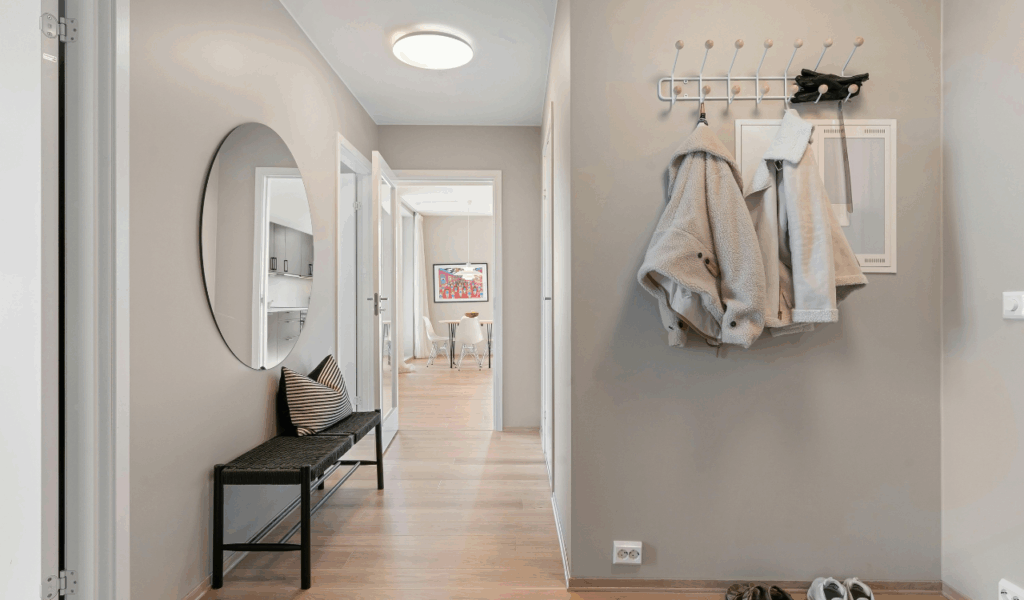
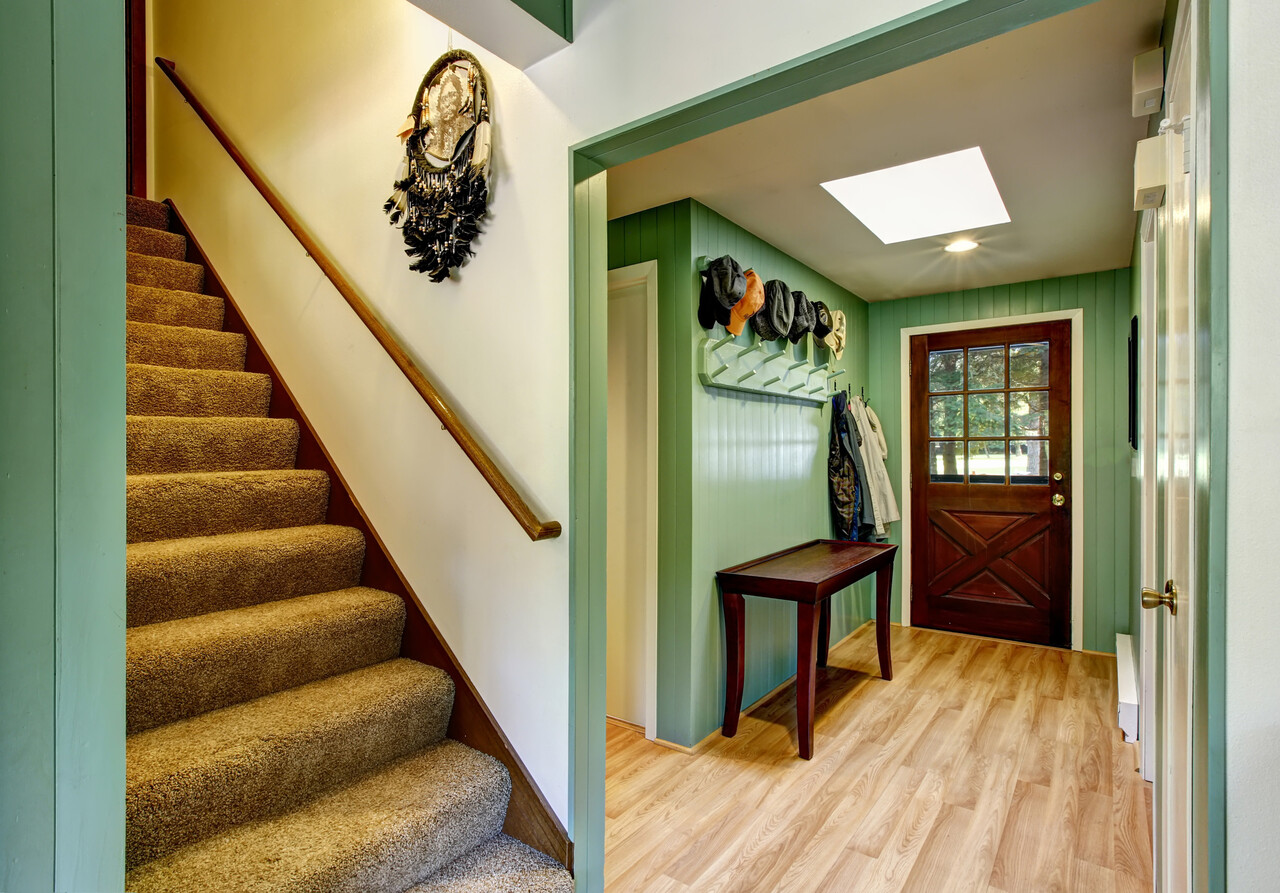
Floor-to-ceiling shoe racks and entry benches that are inexpensive are typically constructed with panels that are narrow, joints that are shallow, and minimum reinforcing. During maneuvers, these pieces are frequently raised by their tops, which places stress on joints that were not built to handle significant amounts of weight. Legs may become loose, screws may become stripped, and sitting surfaces may crack or break as a consequence of this. After being relocated, the bench may rock, creak, or feel unsteady. The framework may fail under normal person weight, making it unsuitable for daily entryway use.
8. Inexpensive Coffee Tables with Glass Inserts
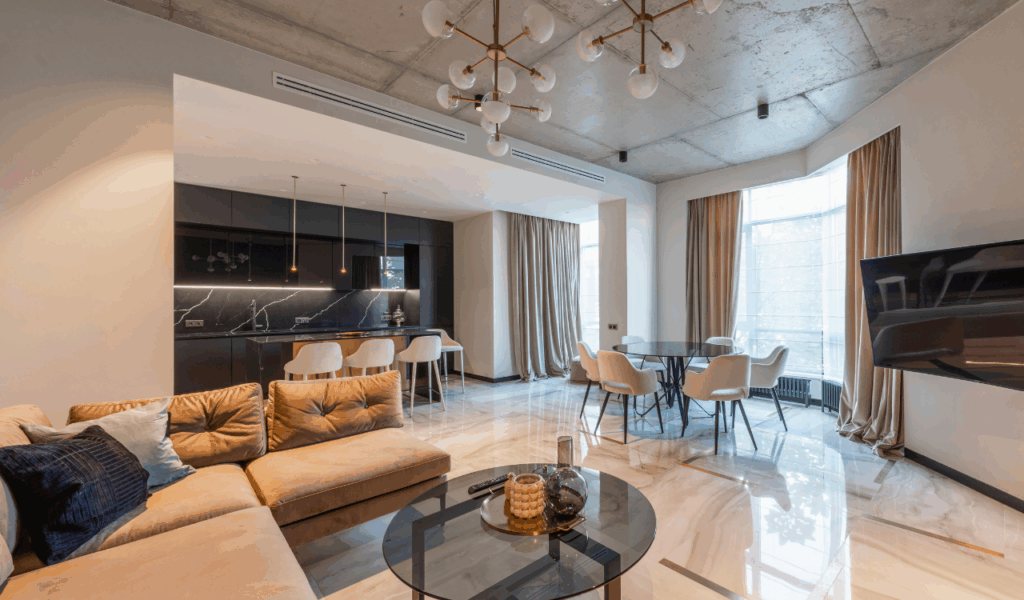
Coffee tables that are inexpensive and have glass inserts require exact frame alignment in order to ensure that the glass is kept secure. When frames are being transported, they may undergo small twisting, which alters the way in which the glass fits within the hole. It is common for corners to develop minor chips or fractures, and the ledges that support the structure may become loose or shift. The creation of pressure points could occur if the glass does not sit equally after assembly. The table is more likely to crack during normal use due to its unequal support, even if it seems OK from the outside.
9. Flat-Pack Dining Chairs Sold in Sets

One of the most probable objects to break during a relocation is a dining chair that comes in a flat-pack package and is inexpensive. The wood or manufactured material is typically soft, and their joints are small. Additionally, there are a limited number of fasteners. Dowel holes become weaker with repeated assembly, which results in legs losing their alignment. There is a possibility that chairs will wobble, creak, or break at stress spots where the legs meet the seat frame after them being relocated. Due to these issues, the chairs are uncomfortable and unsafe, especially when used repeatedly or on uneven surfaces.