9 Furniture Pieces Advertised as “Solid” That Definitely Aren’t

When looking for furniture, it is simple to be swayed by phrases such as “solid wood” or “premium construction,” only to be let down to discover that these phrases are not accurate. A significant number of the items that are sold as “solid” are, in reality, constructed with materials of inferior grade, but they are engineered to look like solid wood or other high-end materials. This deceit might cause the item to have a limited lifespan, lose value quickly, and even pose a health risk if dangerous ingredients are used in manufacturing. Understanding the differences between solid wood and other materials is crucial when buying durable furniture.
1. Particleboard Desks

Although particleboard desks are frequently marketed as “solid wood” or “wooden” products, it is important to note that these claims may not be entirely accurate. Instead of being built from actual wood, particleboard is constructed from compressed wood fibers, glue, and various chemicals. Despite the fact that it may have a look similar to that of wood, particleboard is significantly more prone to warping, cracking, and degradation with time, particularly when it is subjected to intensive use. Despite its low cost, it is not a long-term solution for anyone seeking a sturdy desk. Solid wood solutions last longer and are stronger, making them a better investment.
2. MDF Cabinets

MDF, which stands for medium-density fiberboard, is a material that is frequently used for cabinetry and is frequently promoted as an alternative to solid wood. The substance known as MDF is not solid wood, despite its dense and smooth appearance; rather, it is a composite material that is created by joining fibers with resin under high pressure. It is possible for MDF to absorb moisture, and if it is exposed to humidity, it may bloat or break. Solid wood cannot do this. MDF is cheaper than real wood and can be painted to seem like it, but it lacks the natural beauty and durability of solid wood, making it unsuitable for high-quality cabinets that last.
3. Veneer-Finished Tables

It is common practice to sell pieces of furniture that have a veneer finish as solid wood tables; however, the veneer is actually just a thin covering of real wood that is attached to a substrate that is less expensive, such as solid wood or particleboard. Despite the fact that veneer might create a lovely appearance, it is not as long-lasting or sturdy as a piece of wood that is made entirely of solid wood. It is possible for the veneer to peel or chip off over time, exposing the less expensive material that lies underlying. If you want to buy a table that will last, you should look for ones that are made entirely of solid wood, especially if they will be used a lot.
4. Plywood Furniture
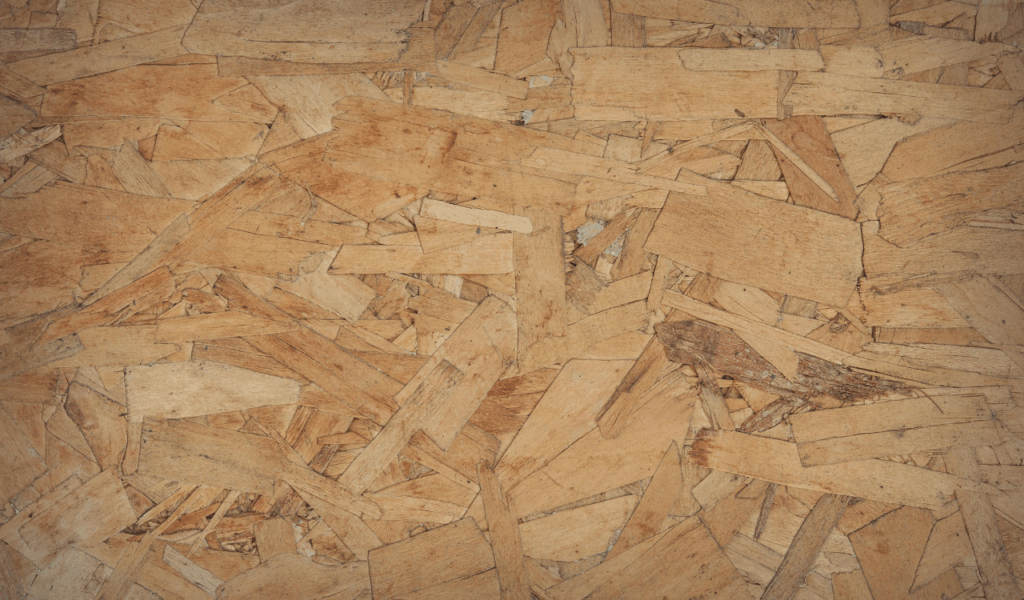
Another material that is frequently sold as a solid alternative is plywood, which is produced by piling thin sheets of wood that are cemented together by means of adhesive. Despite the fact that plywood is more durable than particleboard or MDF, it is not even close to being a pure piece of solid wood. It is possible that plywood furniture will initially be strong; however, it is more likely to delaminate or break, particularly if it is subjected to dampness or harsh circumstances. If you are looking for furniture that is constructed to last and will not deteriorate over time, solid wood is the superior choice because it provides both strength and a longer lifespan than other materials.
5. Softwood Chairs
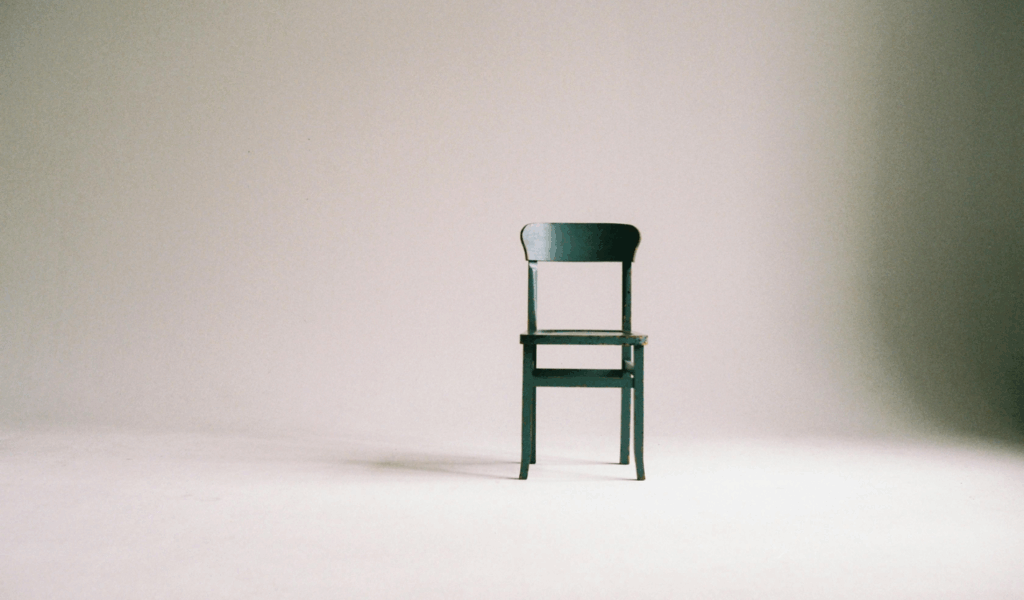
Pine and fir are examples of softwoods that are frequently used in the creation of furniture; nevertheless, these types of wood are not considered to be as long-lasting or durable as hardwoods such as oak with walnut. Chairs made of softwood are frequently sold as being made of solid wood, however they are susceptible to being scratched, dented, or destroyed by prolonged use. Softwood chairs may look nice and rustic, but they frequently need more care and don’t last as long as hardwood chairs. If you want furniture that will last, it’s better to choose chairs constructed of hardwood.
6. MDF Bed Frames
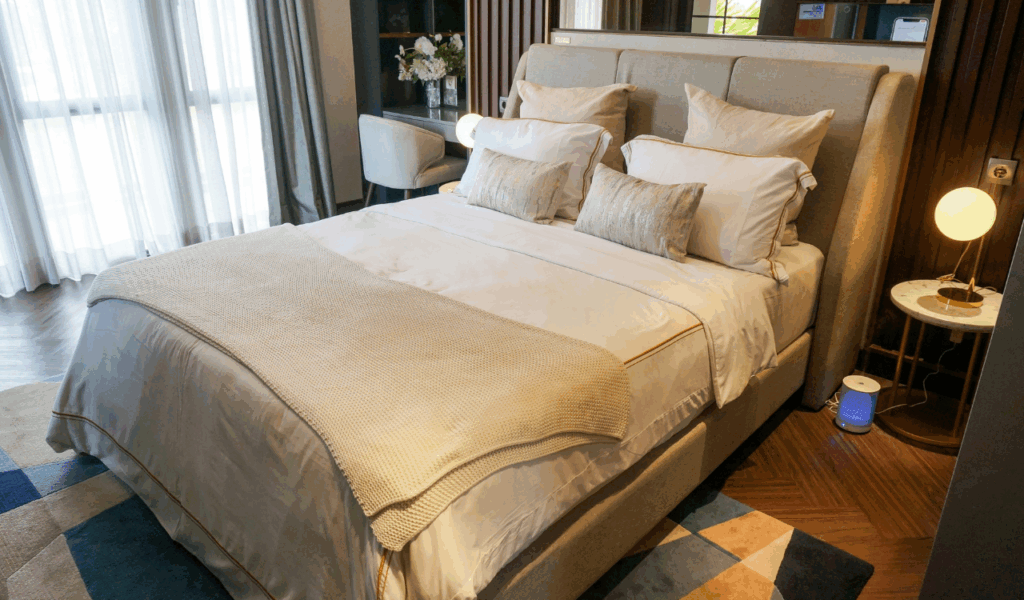
In the process of purchasing a new bed frame, it is necessary to determine whether the frame is made of genuine solid wood or whether it is just made of MDF and has wood-like finishes applied to it. The majority of bed frames are constructed out of MDF, which is then veneered or painted to give the appearance of solid wood. Despite the fact that this lowers the cost, it also degrades the frame’s rigidity and its capacity to last for an extended period of time. The mattress’s weight might cause the MDF to droop or rot, making sleeping uncomfortable. Solid wood bed frames are durable and robust.
7. Pressed Wood Bookcases

Pressed wood is frequently touted as a reliable alternative for bookcases, but in reality, it is not even close to being so. At first appearance, pressed wood furniture may appear to be made of solid wood because it is constructed from a mixture of wood chips and glue. However, it does not possess the same level of robustness and durability as true hardwood. The weight of books or other heavy goods causes it to be more prone to warping, bending, or even breaking than other materials. It is not the greatest option for bookshelves that will be used for a long amount of time or that will be subjected to a significant amount of weight, despite the fact that pressed wood is inexpensive.
8. Laminate-Finished Furniture
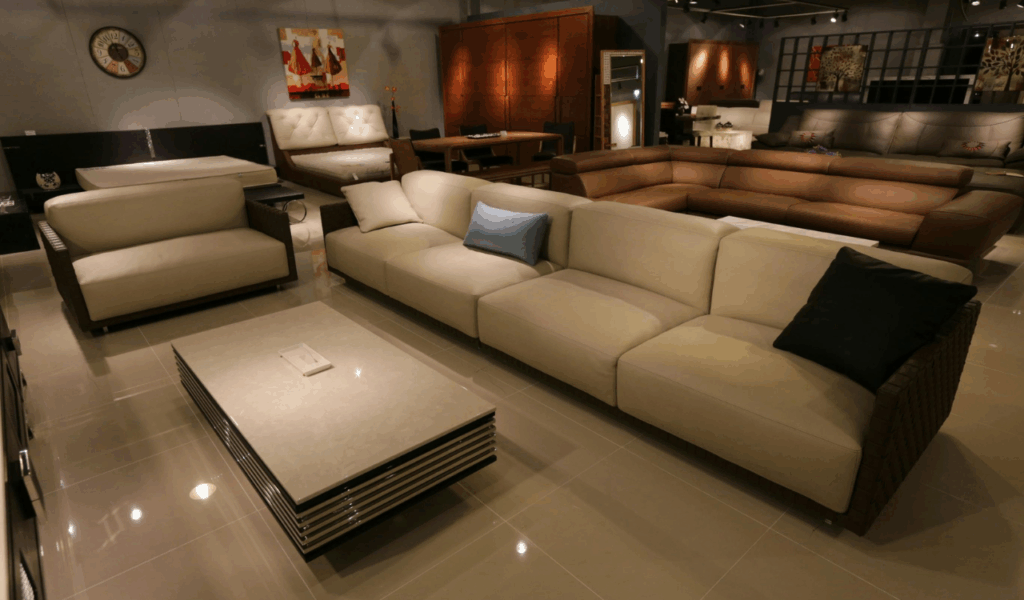
Another item of furniture that is frequently advertised as solid wood or high-quality is furniture that has a laminate finish. On the other hand, laminate is a synthetic surface that is applied on substrates that are less expensive, such as particleboard or MDF. Despite the fact that the laminate itself is long-lasting and can be cleaned with relative ease, the material that lies beneath it is not genuine wood. Laminated furniture may look good at first, but it may chip, peel, or delaminate, especially in high-traffic areas. If you want your furniture to last, buy strong wood pieces that can withstand daily use.
9. Low-Quality Leather Sofas
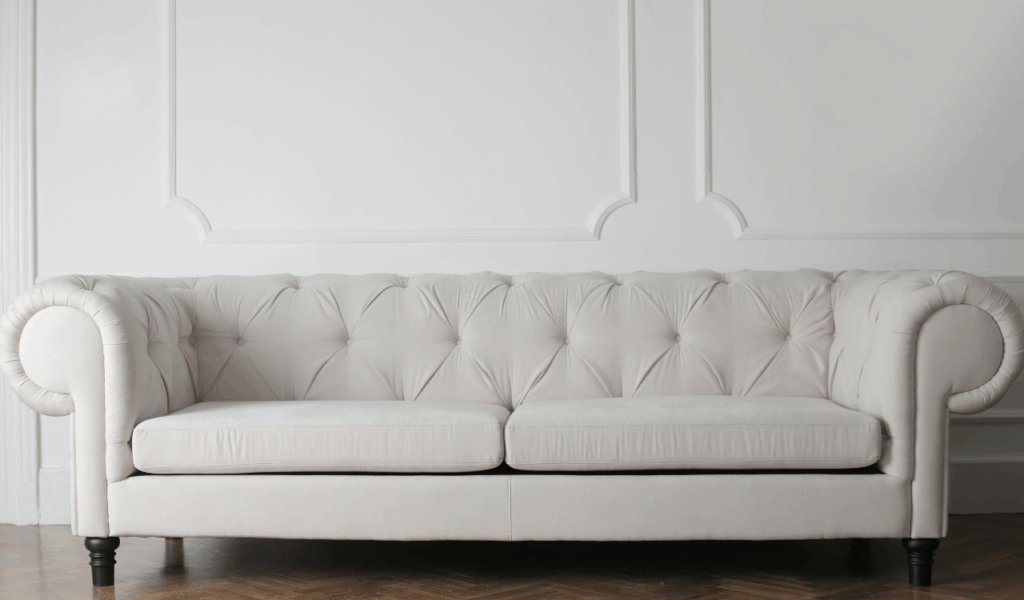
Sofas that are produced from leather or leatherette of low quality are sometimes sold as high-end pieces; however, they typically fail to live up to the “solid” claims that are made about them. Sofas made of genuine leather are quite pricey; hence, many manufacturers choose to use materials that are similar to leather, such as imitation leather, in order to get a similar appearance at a lesser cost. It is possible that these sofas will not last as long as real leather sofas because they are prone to cracking, peeling, or wearing out quickly, particularly when they are used frequently. Buy a durable sofa made of full-grain leather. This furniture is also very comfortable.