9 Menu “Chef’s Recommendations” Diners Suspect Are Just Lies
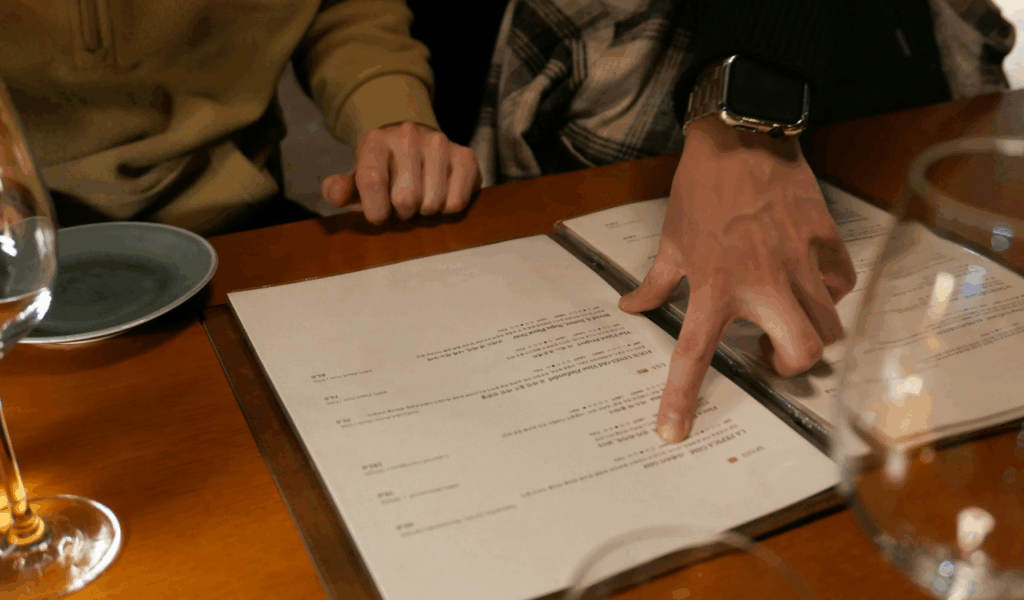
A menu with the “Chef’s Recommendation” seal is meant to show off the chef’s delight in their cooking and point out a dish that defines the kitchen’s personality. But a lot of experienced diners and those who work in the industry think that these gold stars are often put in certain places for reasons that have nothing to do with taste. Sometimes, the “recommendation” is a smart marketing tactic that helps the restaurant meet its logistical goals by getting you to want to eat more of the things with the highest profit margins.
Hospitality experts say that these highlights are typically used in menu design to help customers make decisions more easily. One professional menu engineer says, “Experts say that a diner is 20 percent more likely to order a dish if it is framed as a specialty.” Chefs say that while a lot of recommendations are their real favorites, some are just “workhorse” dishes that are quick for the kitchen to make when it’s busy. This makes it hard for guests to trust the house, and the true gourmet must learn to tell the difference between a great meal and a good way to make money.
1. The High-Margin “Market Price” Seafood Special
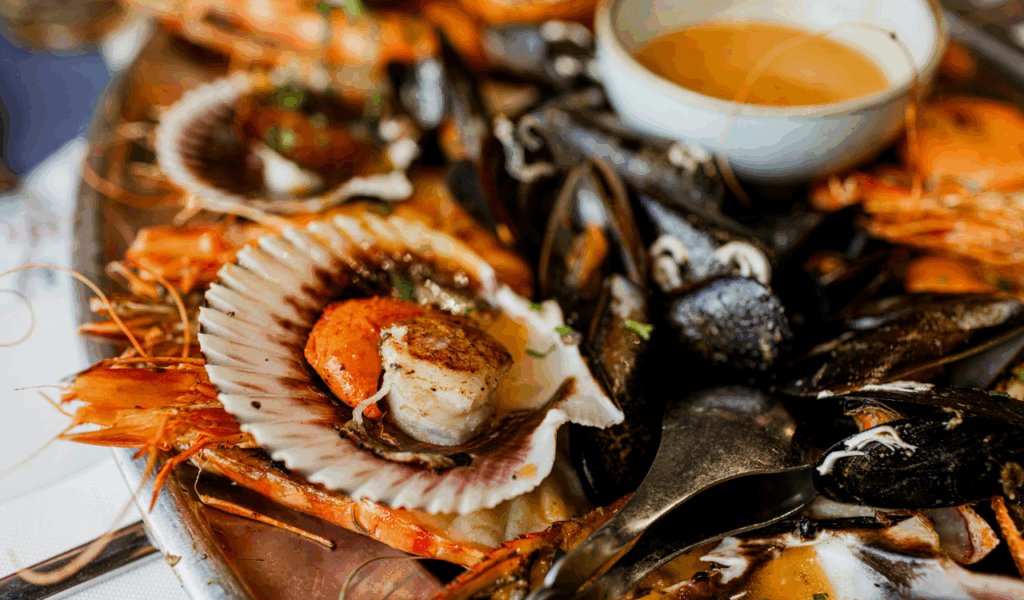
Seafood specials are often the chef’s favorite dish, but restaurant concept flippers say that these are often the most profitable things on the menu. Restaurants can charge a lot more than the cost of the ingredients since “market price” changes all the time. Experts argue that putting a recommendation on a regular salmon or sea bass means that the kitchen will sell a lot of pricey, perishable food. This cuts down on waste and brings in the most money each night from diners who think that the high price means a unique chef-driven experience.
Organizers of culinary tours say that a real fresh special should change every day based on what was at the docks that day. One critic from the business argues, “If the ‘Chef’s Recommendation’ seafood dish has been the same for six months, it is probably just a high-margin staple.” The upper right corner of the page is where the attention typically goes, so designers of profitable menus often put these things there. This strategic placement, together with a chef’s seal of approval, makes it a great way to raise the average visitor check.
2. The Slow-Cooked Stew Made from Yesterday’s Trimmings
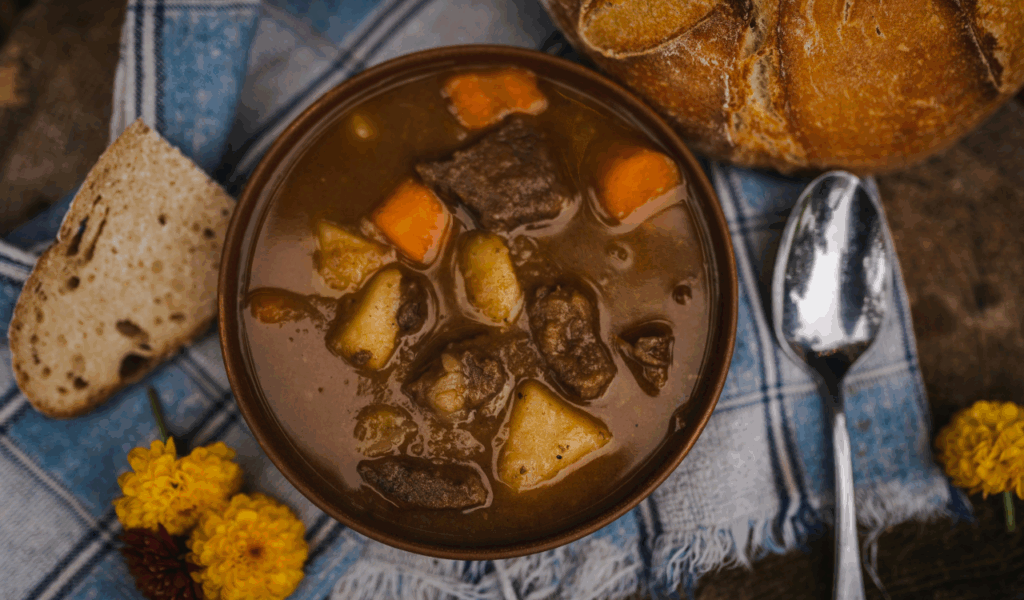
Because they are the best way to deal with food waste, kitchen managers and chefs typically suggest robust stews or braised dishes. A 12-hour braised beef cheek can be really tasty, but people who work in the restaurant business think it is typically a method to use up pricey scraps from the steak dish the night before. Experts argue that the “Chef’s Recommendation” sticker helps these pre-made batches sell rapidly before they lose their best quality. It is a great logistical approach that turns a possible loss into a famous dish that everyone loves.
Professional organizers in the food service sector say that “batch cooking” these dishes lets the kitchen serve visitors nearly right away, which is important for getting people to leave the table. “A kitchen consultant says that designers of efficient kitchens love these dishes because they don’t require any active cooking during the rush.” The recommendation is often made because the walk-in cooler needs to be cleared, even though the flavors may be deep and nuanced. This indicates that the diner is getting a dish that was probably made hours before they even walked in.
3. The Over-Seasoned “Signature” Pasta Dish
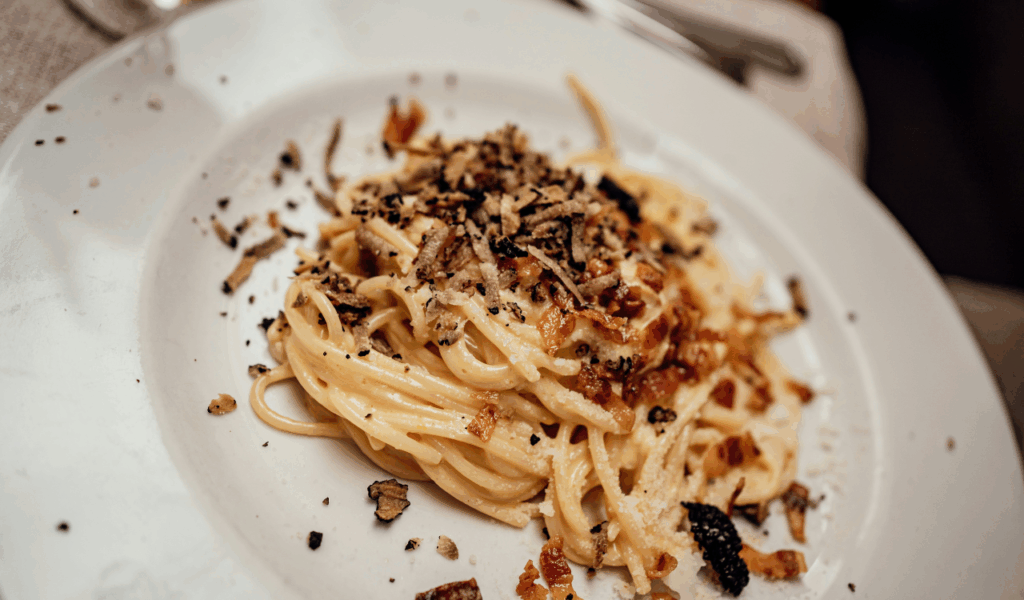
Because pasta is so cheap to make, it’s a good choice for a “Chef’s Recommendation” when the restaurant needs to make more money. A basic carbonara or pomodoro can become a signature dish that is worth a 300 percent markup by giving it a fancy name or a drop of truffle oil. Experts believe that excessive seasoning or rich sauces are often employed to hide the fact that the pasta is conventional dry pasta instead of the fresh, hand-rolled kind that diners expect from a recommendation.
People who design restaurant menus say that pasta meals are the “safest” choice for the kitchen because almost everyone likes them. “Restaurant chain organizers say that highlighting a pasta dish makes even the pickiest eaters feel like they’re getting a premium option,” says a branding expert. The chef may really adore the recipe, but the truth is that every bowl served helps pay for more expensive proteins. It is a great example of a “recommendation” that helps both the restaurant’s bottom line and the diner’s taste buds.
4. The “Daily” Soup That Never Changes
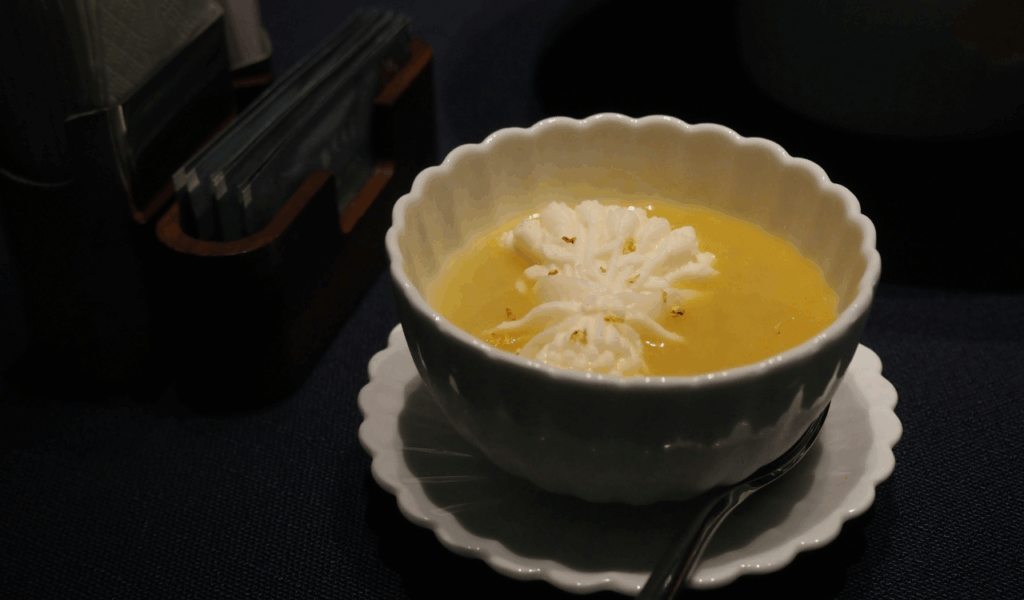
Many people think that the “Soup of the Day” is only a permanent item on the menu that the chef recommends to use up leftover veggies. People who buy and sell failed restaurants often find that the “daily” soup is really produced in huge volumes once a week and then frozen. Experts claim that the restaurant can charge more for what is basically a cheap side dish by calling it a recommendation. If the “special” soup is invariably tomato basil or French onion, it’s not a special anymore; it’s a plan.
People who run secret shopper programs say that waitresses are typically ordered to “push” the soup to the table first. “A hospitality instructor states, “Designers of service training manuals put the soup first because it takes the least time to prepare and serve.” This gives the kitchen time to prepare the more complicated main courses while the guest is busy. Chefs say that the proposal is often based on what was in the “must-go” bin of the produce fridge that morning, packaged as a snug, selected starter.
5. The “Limited Edition” Wagyu Burger
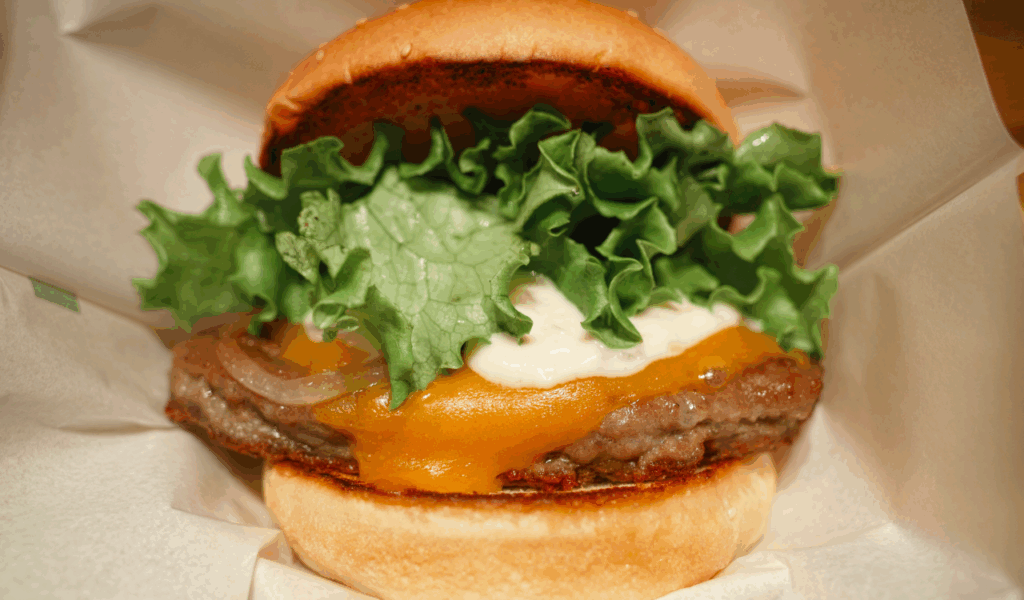
Wagyu is a hot word in the burger business, but a lot of chefs say that “Wagyu” burger meat is really simply a mix of fat and trimmings that aren’t good enough for steaks. Restaurants can charge twice as much for a patty that may not taste any better than high-quality Angus if they call it a “Chef’s Recommendation.” Experts claim that the “limited edition” label is a psychological trick that makes people think there isn’t enough of something. This makes people more likely to order the most costly sandwich on the menu without thinking twice about how much it costs.
Professional flippers say that the burger is the most recommended item because it is a “crowd-pleaser” and has a set price. A marketing expert says, “Menu designers use the burger as an anchor to make other items look like they are more reasonably priced.” The chef may have made a special aioli for the topping, but the main reason for the recommendation is that people really want comfort food. People who eat out often think that the “special” designation is just a method to sell a lot of a product that sells itself.
6. The Elaborate “Chef’s Choice” Charcuterie Board
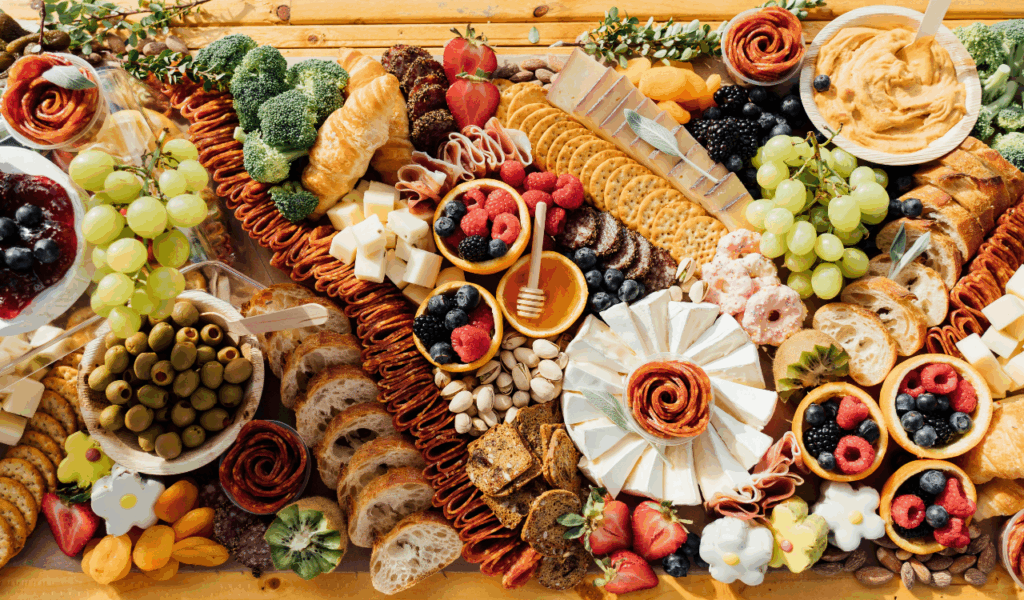
The charcuterie board is a popular item on modern menus, but people who work in the food industry know that it is often a “dumping ground” for the ends of cheese blocks and deli meats. A chef’s “Board of the Day” is often a carefully chosen selection of things that need to be used up before the next delivery comes. Experts argue that the “artful” arrangement is frequently what makes the hefty price tag worth it, not the fact that the pieces are rare. This is a suggestion that earns a lot of money and doesn’t take a lot of work, and it keeps the stock going.
Designers of high-end dining experiences say that the board is popular on social media, which is free publicity for the restaurant. A digital strategist adds, “According to people who run social media campaigns, a beautiful board is worth more than a complicated entree in terms of digital reach.” The chef may choose a certain honey or nut combination, but the main reason is usually to rotate the inventory. People who eat out think that the “Chef’s Choice” is just the “Kitchen’s Necessity” dressed up as a fancy meal.
7. The House Wine Pairing Recommendation

When a menu suggests a certain glass of house wine to go with a “Chef’s Recommendation” entrée, it’s not usually because it’s the best vintage. Professional flippers say that buying house wines in bulk is the best way to make money on the drink program. Experts claim that the “suggested pairing” is a technique to get guests to look at the by-the-glass alternatives instead of the bottle list, which is where the restaurant makes more money. This makes the server’s work easier and makes sure that high-margin alcohol keeps coming in.
Hospitality experts say that most guests don’t have the guts to question a chef’s match, which makes it an easy upsell. A sommelier explains, “Designers of beverage menus know that a ‘recommendation’ takes the stress out of choosing a bad wine.” The wine might taste good, but the feeling is that the pairing is based on how much the bottle costs instead than how it tastes. The house wins since the client feels “taken care of” and the restaurant sells its most profitable liquid inventory with little effort.
8. The “Secret Recipe” Fried Chicken
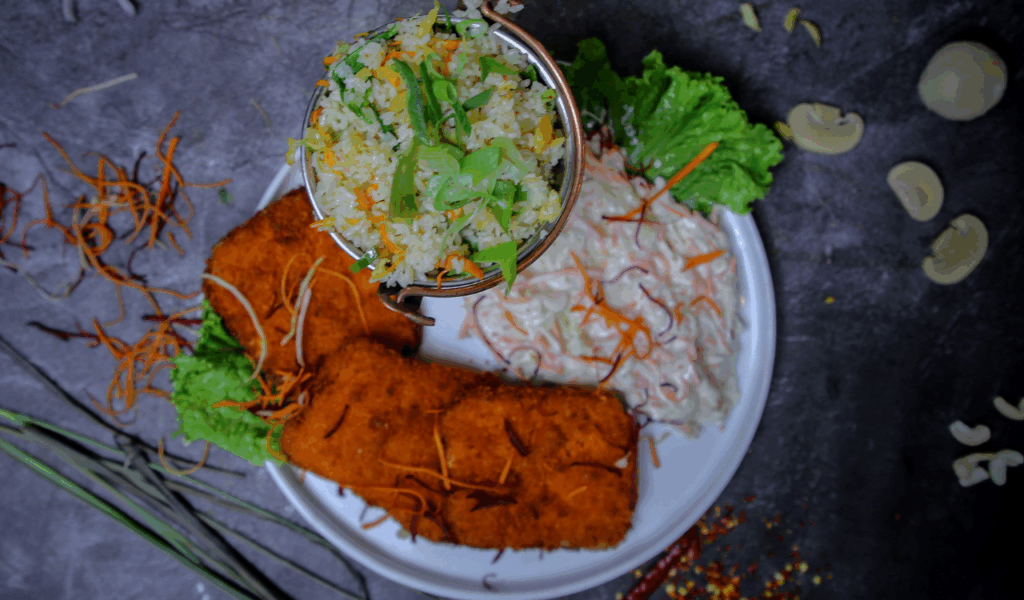
Fried chicken has gone from being a fast food item to being in the “Chef’s Recommendation” section of fancy restaurants, where it is often served with a narrative about a grandmother’s secret recipe. But a lot of people in the business think that the “secret” is merely a high-quality commercial brine or a typical way of cooking. Experts claim that restaurants can charge three times as much for a normal bird if they tell a story about tradition and legacy. The suggestion is often utilized to fill the “comfort food” spot that every successful menu needs to appeal to a wide range of people.
People who run culinary competitions say that fried chicken is a “safe” specialty since it’s hard to mess up and easy to sell as high-end. A copywriter states, “Menu copywriters focus on words like ‘hand-dredged’ and ‘triple-brined’ to add value.” Chefs say that the recommendation is usually based on how popular the dish was in testing, not on a particular culinary breakthrough. People adore it, but they often worry if the “chef’s special” designation is merely a gimmick to make a really simple, high-calorie dish sound better.
9. The “Freshly Foraged” Seasonal Mushroom Risotto
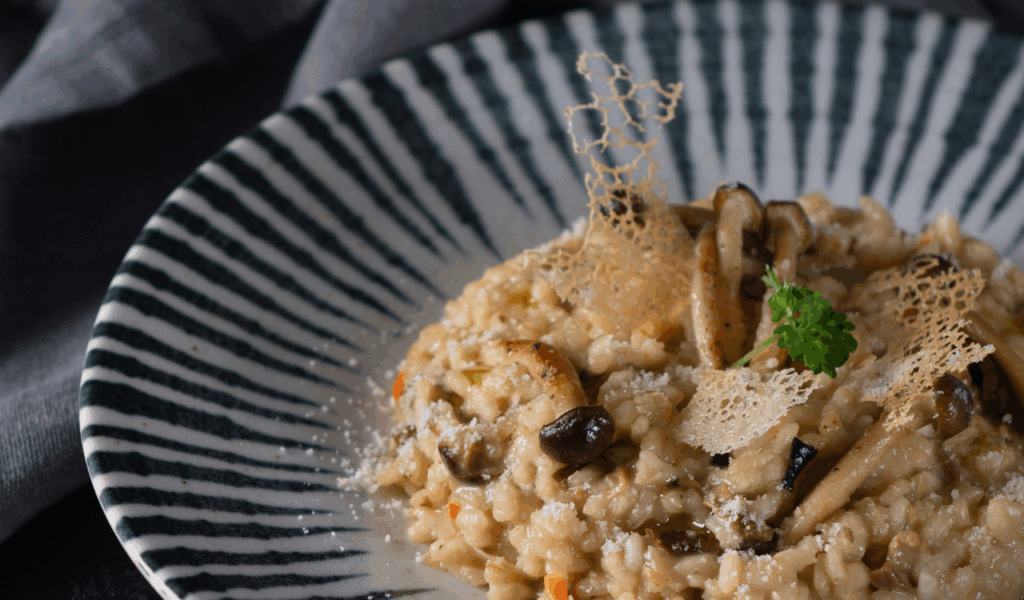
Risotto is the hardest meal for a chef to make since it takes a lot of time and patience. It is also very cheap to make because it is mostly made of rice and stock. People often think that the “foraging” for mushrooms for a “foraged” mushroom risotto happened at a local wholesale market instead of in a nearby forest. Experts claim that the “seasonal” and “foraged” labels make a dish that is really relatively cheap to create seem more special. This lets you charge a lot for a vegetarian dish that makes a lot of money.
Professional kitchen organizers say that risotto is a “pre-service” meal that may be partially prepared and finished swiftly during the rush. A restaurant expert explains, “Designers of high-volume menus recommend risotto because it is a reliable way to handle a large number of orders at once.” The chef may have a special way to do the mantecatura, although the “recommendation” is frequently based on logistics. It gives the guest a high-end, high-value choice while keeping the kitchen’s food and labor expenditures to a minimum.