9 “Easy” Dinners That Still Feel Like Too Much After a Long Day
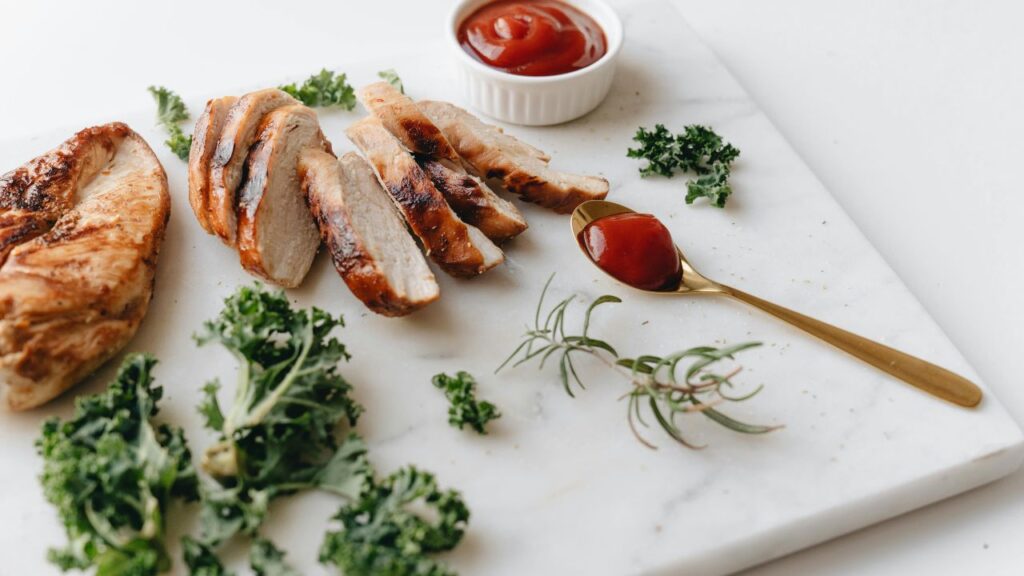
After a long day at work, many Americans seek dinners that feel simple, quick, and satisfying. Yet even meals labeled “easy” can become surprisingly exhausting, demanding more prep, clean-up, or mental energy than expected. U.S. households increasingly report feeling overwhelmed by weeknight cooking, with 57% of adults saying they wish dinner required less effort without sacrificing flavor or nutrition. Seasonal schedules, late commutes, and family routines all amplify the pressure, making a seemingly straightforward recipe feel like a chore. Understanding why certain “easy” dinners backfire can help home cooks navigate realistic expectations, plan smarter, and preserve both energy and enjoyment at mealtime. By unpacking common pitfalls, this guide highlights why convenience-focused recipes often demand more attention than anticipated.
1. Sheet Pan Dinners With Endless Ingredients
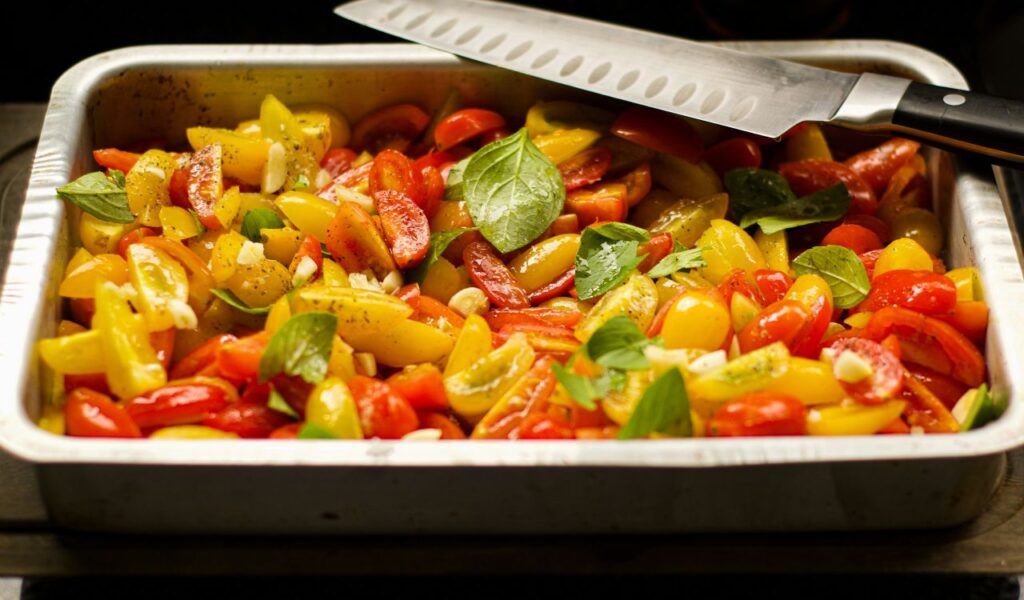
Sheet pan meals promise simplicity by roasting everything at once, but in practice, the coordination of multiple proteins and vegetables often turns into a timing puzzle. Different ingredients require different cooking times and temperatures, and adjusting mid-bake can feel stressful for someone already drained. Even minor variations, such as slightly thicker protein cuts or denser vegetables, can throw off the entire cooking schedule, leaving the cook anxious about serving on time.
Moreover, the clean-up is deceptively involved. Dripping sauces, burnt edges, and pan liners create more washing than anticipated, which is a frequent frustration in U.S. homes where dishwasher capacity is limited. Despite their popularity on social media and cooking blogs, sheet pan dinners frequently underdeliver on effortless weeknight cooking because they demand simultaneous attention to several moving parts. What seems visually effortless can be mentally taxing when the timing does not align perfectly.
2. One-Pot Pasta With Long Prep Components
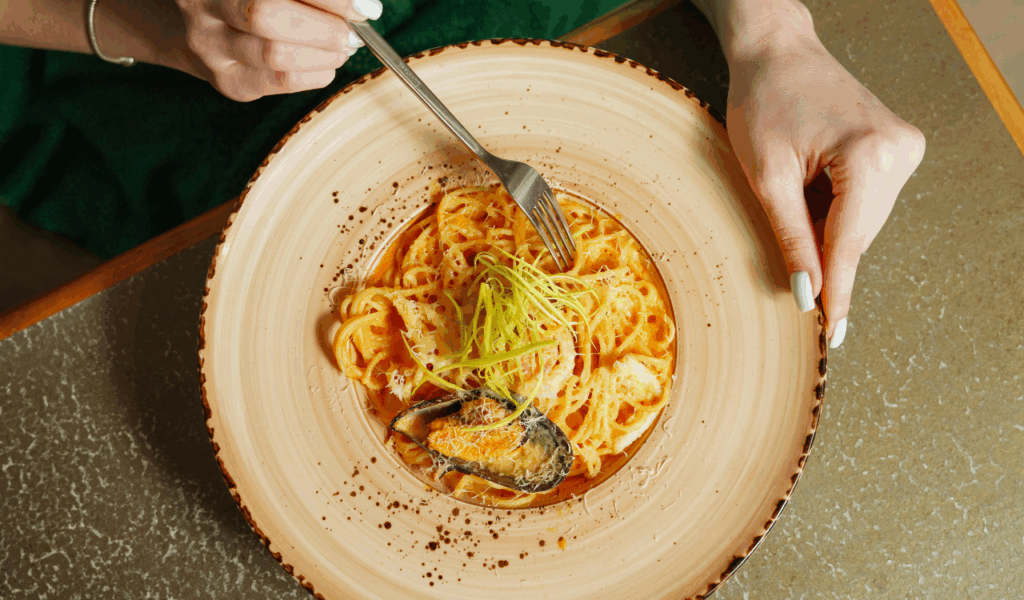
One-pot pastas are marketed as quick solutions, yet many recipes involve sautéing multiple aromatics, measuring precise liquids, and timing pasta to absorb the sauce perfectly. Missing a single step can lead to bland texture or overcooked noodles, making the meal feel stressful rather than restorative. The illusion of simplicity fades when cooks realize that the technique demands continuous monitoring to prevent sticking or uneven cooking.
Additionally, these dishes generate a single pot of concentrated cleanup, including sticky residue at the bottom. For U.S. households balancing work, errands, and family obligations, the mental load of executing one-pot perfection can outweigh the perceived convenience. Even a simple pasta dinner may require unexpected attention and timing precision that leaves cooks feeling drained. While one-pot meals aim to save effort, they often end up highlighting hidden complexities.
3. Slow Cooker Meals That Require Advance Prep
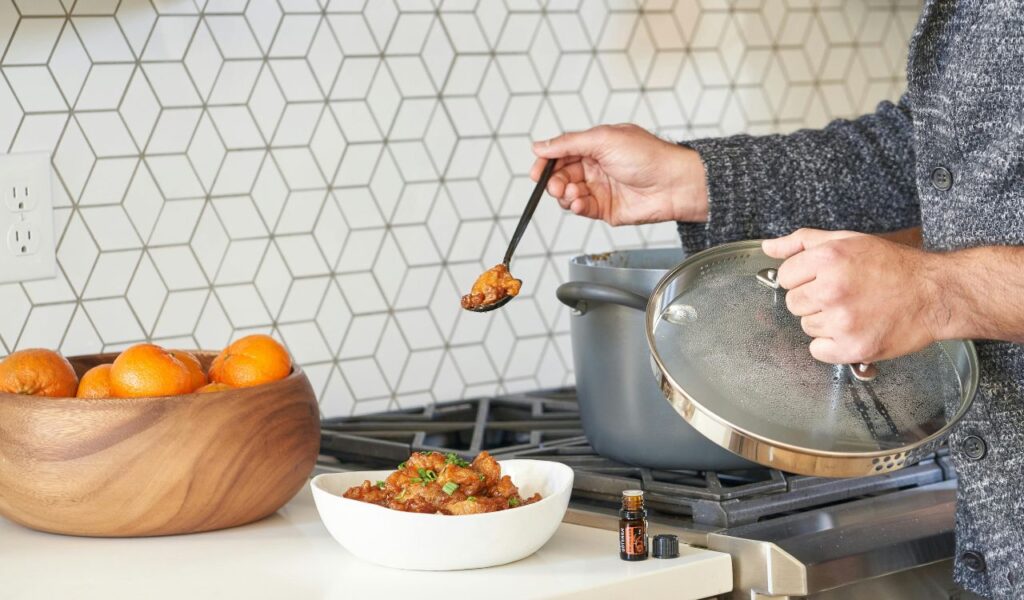
Slow cookers promise “set it and forget it” convenience, yet many recipes require extensive morning prep, including chopping, browning meat, or measuring spices. For families managing early commutes, this prep can intrude on already tight schedules. A dish that appears effortless can actually demand a significant front-loaded time investment, which contradicts the promise of simplicity.
The delayed gratification factor adds stress as well. Even though the cooking itself is hands-off, timing the meal so it’s ready exactly when the household is available can be challenging. Surveys show that 34% of U.S. adults abandon slow cooker recipes because preparation demands more time than anticipated, highlighting that convenience is not always synonymous with effortlessness. Cooks often realize that planning a slow cooker dinner still requires coordination and forethought.
4. Stovetop Stir-Fries With Endless Sauce Adjustments
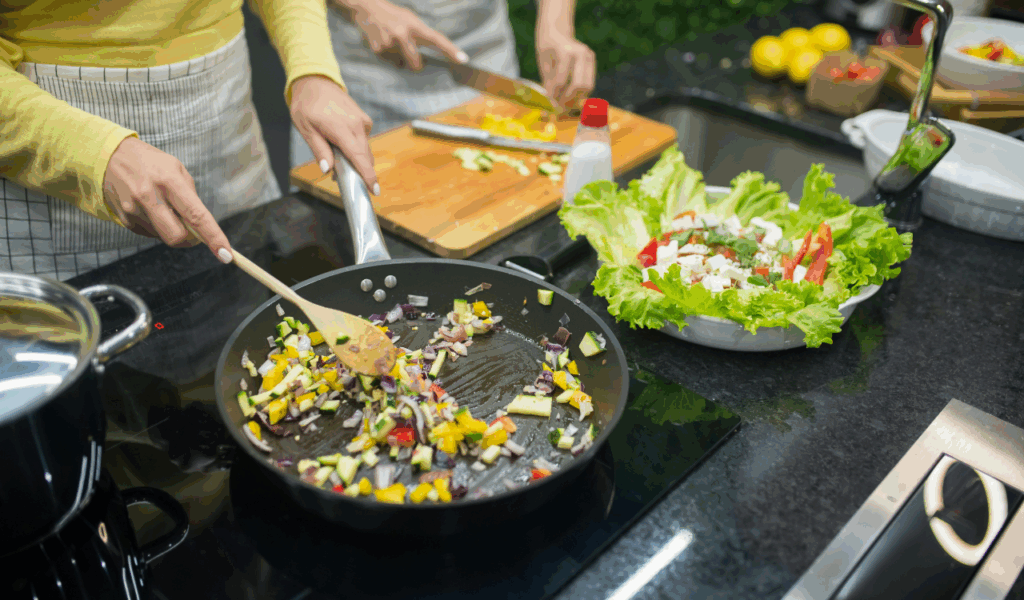
Stir-fries are praised for speed, yet balancing sauce consistency, cooking vegetables to optimal texture, and avoiding overcooked proteins can create tension during dinner prep. Quick cooking windows leave little room for error, forcing cooks to stay attentive rather than enjoy a relaxing evening. Even when ingredients are prepped ahead, timing vegetables and proteins precisely remains challenging.
Ingredient variety compounds the issue. Chopping peppers, onions, carrots, and proteins can exceed 20 minutes of prep, and even IKEA chopped veggies still require about 15 minutes of work to get the pan-ready mix, which surprises many home cooks. U.S. consumers often underestimate this step, making a stir-fry feel like a complex culinary exercise instead of a time-saving solution. Attention to multiple moving parts often transforms an “easy” dinner into a stressful, hands-on process.
5. Homemade Tacos With Multiple Components
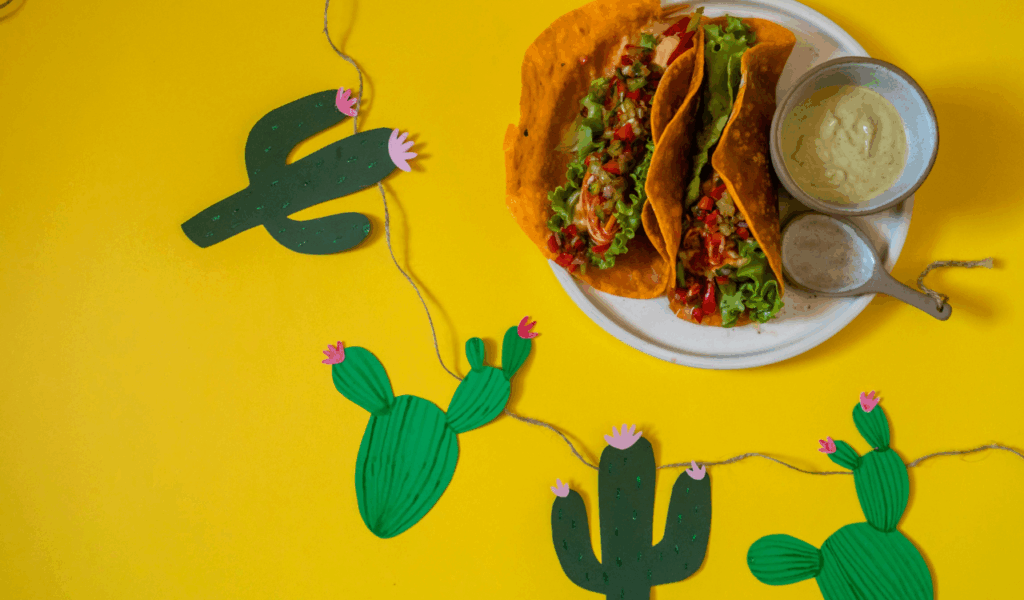
Tacos seem simple, but assembling multiple fillings, garnishes, and sides can extend meal prep unexpectedly. U.S. families often underestimate the time required to shred, marinate, or sauté ingredients separately, which transforms a “five-minute” dinner into a 30- to 45-minute task. Properly layering proteins, vegetables, and sauces requires careful coordination to avoid a soggy or unbalanced outcome.
Meal assembly adds mental load as well. Managing tortillas, proteins, toppings, and condiments while coordinating picky eaters’ preferences requires multitasking that leaves cooks fatigued. Even with pre-made shells or seasoning packets, taco night can become more stressful than relaxing when multiple components demand simultaneous attention. Despite their casual image, tacos often reveal the hidden complexity behind “easy” meals in busy households.
6. Sheet-Pan Fajitas or Roasted Protein Combos
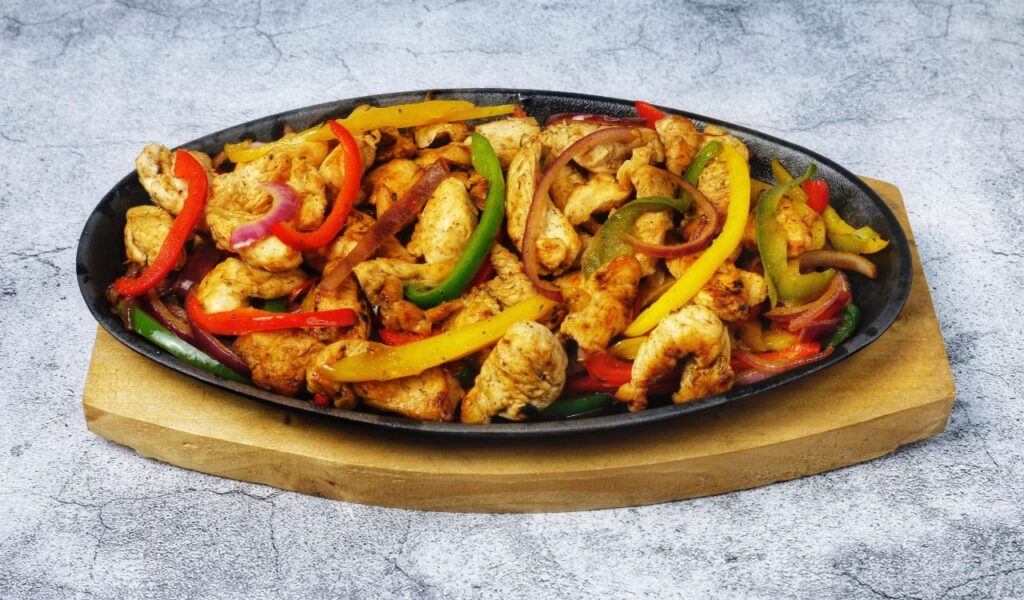
Fajitas and protein combos on a sheet pan promise an effortless dinner, yet trimming, seasoning, and evenly distributing ingredients takes more effort than most anticipate. Protein thickness and vegetable moisture can alter cooking times, causing uneven doneness and last-minute adjustments. The visual appeal of a fully roasted pan can mask the subtle skill and attention required to make each component finish together.
For U.S. households, timing issues create stress during evening routines. While these meals look visually appealing, achieving consistent flavor and texture requires hands-on monitoring, which diminishes the sense of ease that originally drew home cooks to the recipe. Even seasoned cooks often find that coordinating sheet-pan components demands mental focus that erodes the intended simplicity.
7. Burgers With Homemade Buns or Toppings

Homemade burgers deliver flavor, but preparing buns, toppings, and sides can be unexpectedly demanding. Baking fresh buns alone can add 90 minutes to dinner prep, and even store-bought options require assembly and careful coordination to avoid a messy outcome. Even cooking air fryer patties introduces timing stress, as proteins finish at different rates and require attention to avoid dryness or undercooking.
Additionally, balancing all elements, including proteins, condiments, and sides, while coordinating with family schedules, can make this classic meal feel far from effortless. U.S. adults increasingly value convenience in weeknight meals, explaining why elaborate burger nights often feel overwhelming despite their appeal. The combination of multiple hands-on steps and precise timing highlights how perceived simplicity can become deceptive.
8. Stirred Sauces With Proteins Like Chicken or Salmon
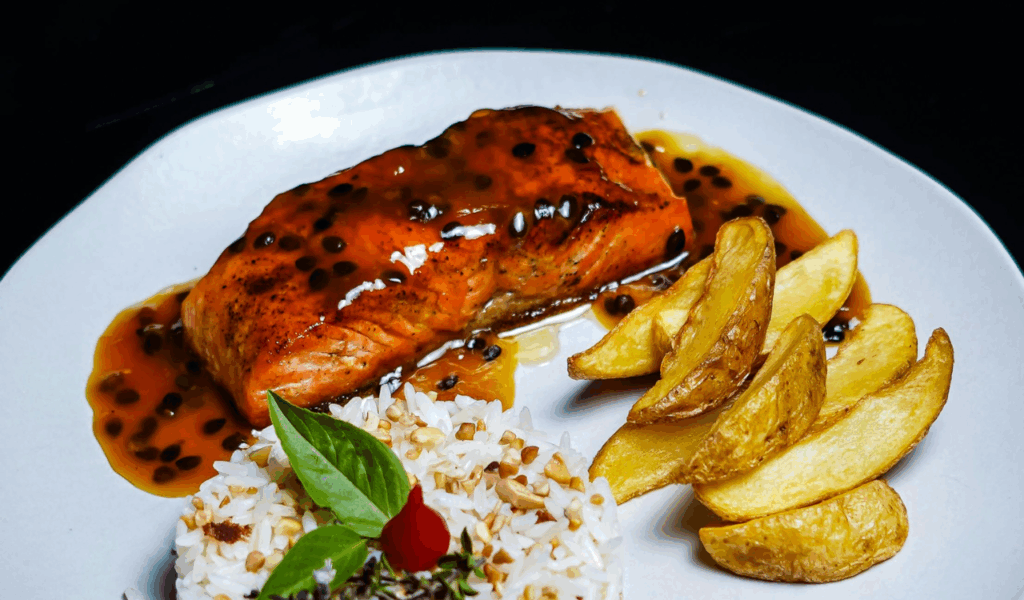
Dishes requiring quickly cooked proteins with delicate sauces seem manageable but can become a high-stakes balancing act. Proteins like salmon or thin chicken breasts cook in minutes, leaving no margin for error. Overcooked meat or curdled sauces are common pitfalls that undermine the goal of a relaxing dinner.
For many U.S. households, the need to maintain perfect timing while prepping sides and plating the dish adds mental strain. Even experienced home cooks report that balancing delicate proteins and sauces after a full workday feels more like a chore than a convenient weeknight solution. The combination of fast cooking windows and simultaneous multitasking contributes to the hidden workload behind “easy” dinners.
9. Casseroles With Layered Ingredients
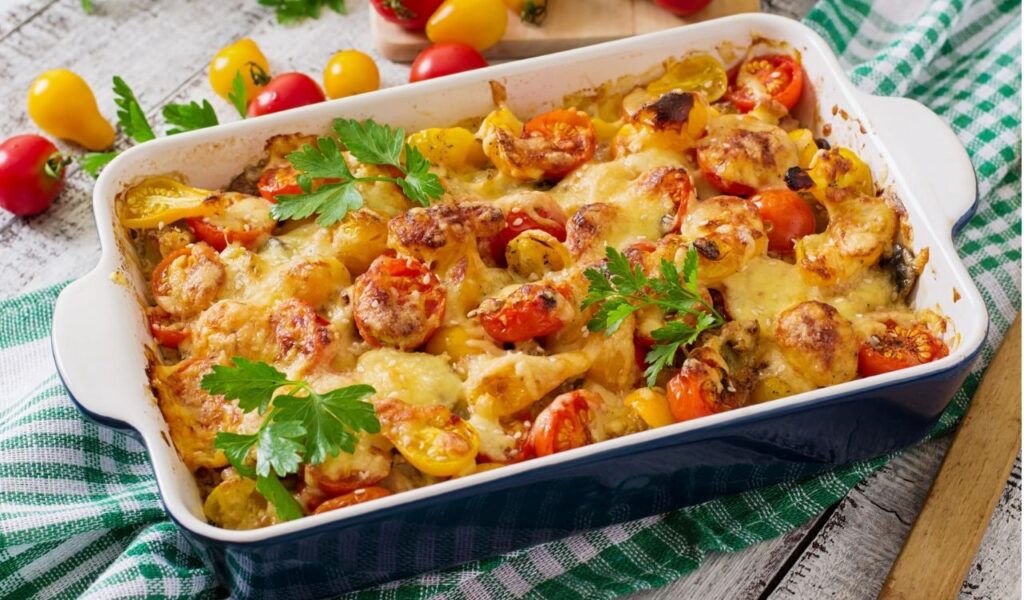
Casseroles are often described as “throw it in a pan” dinners, but layering proteins, vegetables, starches, and sauces can be surprisingly laborious. Each layer requires precise distribution to ensure consistent cooking and flavor, increasing prep time and attention demands. Measuring, arranging, and monitoring multiple components can turn an otherwise simple recipe into a detailed project.
Even baking time is misleading. While the oven does the heavy lifting, assembly often doubles the total effort. U.S. families who try to speed up prep may end up with unevenly cooked dishes, creating stress at mealtime rather than delivering the intended simplicity. Casseroles often highlight the tension between perceived convenience and actual effort, illustrating why “easy” dinners can still feel overwhelming despite their comforting reputation.