12 Christmas Décor Items That Felt Overdone This Year

Holiday decorating is meant to feel joyful, not exhausting. But this year, many homeowners realized that more decorations did not equal more warmth or charm. Trends that once felt festive started to feel repetitive, cluttered, or strangely impersonal. As styles shift toward simplicity and intention, overly themed and mass-produced décor stood out for the wrong reasons. People began noticing how certain Christmas staples overwhelmed their spaces, disrupted daily life, or looked dated almost overnight. These overdone décor choices reveal how easily holiday enthusiasm can tip into visual fatigue when balance is ignored.
1. Red-and-Green-Only Color Schemes
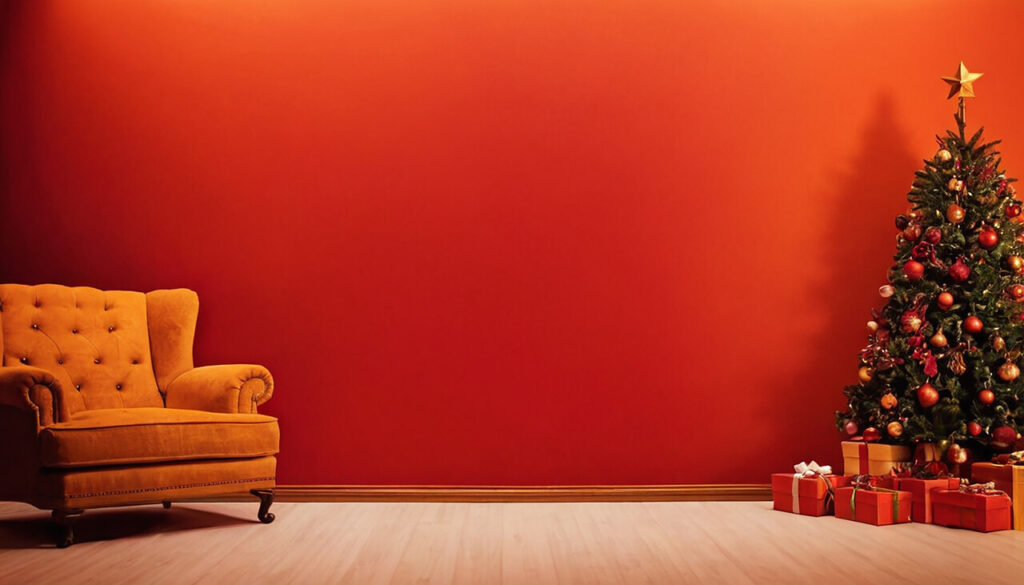
Tradition has its place, but relying exclusively on red and green has started to feel more automatic than intentional. When every ornament, ribbon, pillow, and table accent sticks to the same two shades, rooms lose dimension. Designers point out that this palette often reads flat under modern lighting, especially in open spaces. It can also clash with neutral interiors people live with year-round. Homes that felt warm decades ago now risk looking dated. Many homeowners realized too late that a strict red-and-green approach limited flexibility and made the décor feel locked into a single season instead of thoughtfully festive.
2. Multi-Color Lighting Strings
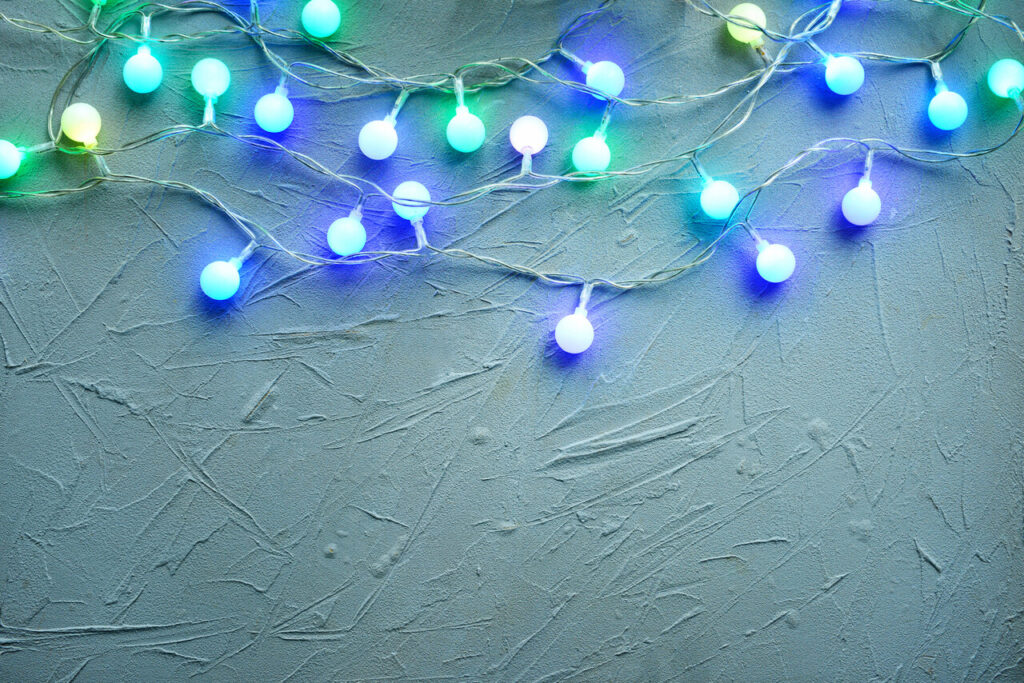
Multi-color lights still spark nostalgia, but heavy use quickly overwhelms both interiors and exteriors. Competing hues bounce unpredictably across walls, trees, and ceilings, creating visual noise rather than atmosphere. Designers note that these lights photograph poorly and dominate spaces instead of complementing them. Indoors, they can distort colors of furniture and décor. Outdoors, they blur architectural details. Many homeowners found that what felt cheerful at first became distracting over time. Subtle, cohesive lighting schemes now feel calmer and more intentional, making multi-color overload seem excessive rather than joyful.
3. Plastic Garlands With Oversized Red Bows
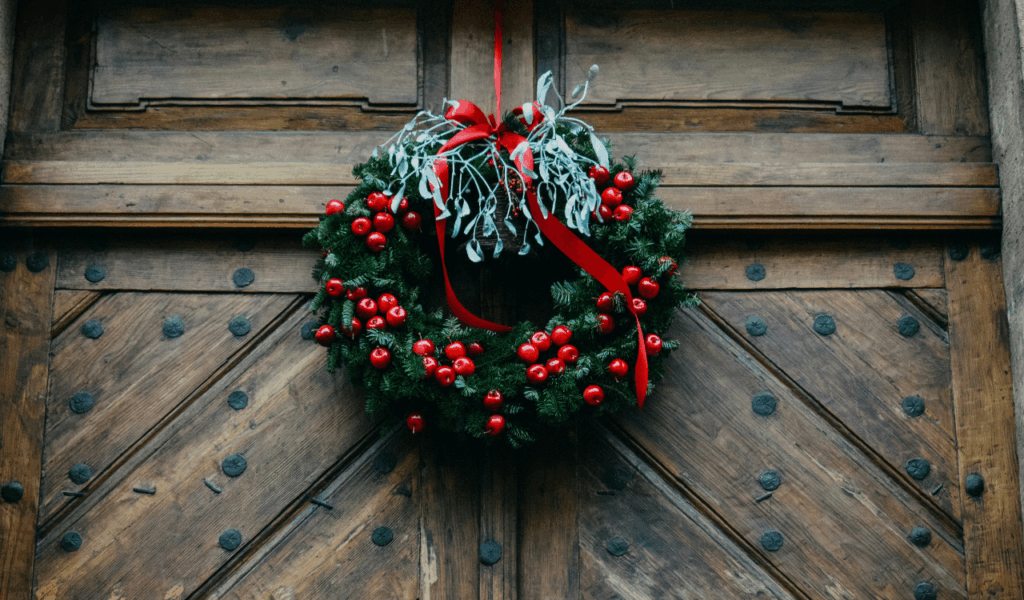
At first glance, these garlands promise instant holiday impact. In reality, synthetic greenery and oversized bows often read as stiff and artificial once installed. Plastic needles reflect light unnaturally and lack the depth of real foliage. The bows, meant to add drama, frequently overpower mantels and stair rails. Designers observe that these garlands age poorly, showing wear quickly and collecting dust. Homeowners often regret them because they flatten a space visually. What was meant to feel festive ends up feeling mass-produced and disconnected from the rest of the home.
4. Fake Presents Under the Tree

Decorative gift boxes look charming in catalogs, but many people found them hollow in real life. They occupy valuable floor space without serving a purpose, especially in smaller rooms. Once placed, they rarely get rearranged, which makes the display feel static. Designers note that they remove the anticipation and warmth that real wrapped gifts bring. Over time, they become background clutter rather than a focal point. Homeowners often admit they bought them to fill space, only to realize the display felt staged instead of personal or meaningful.
5. Overly Coordinated Matching Set Décor
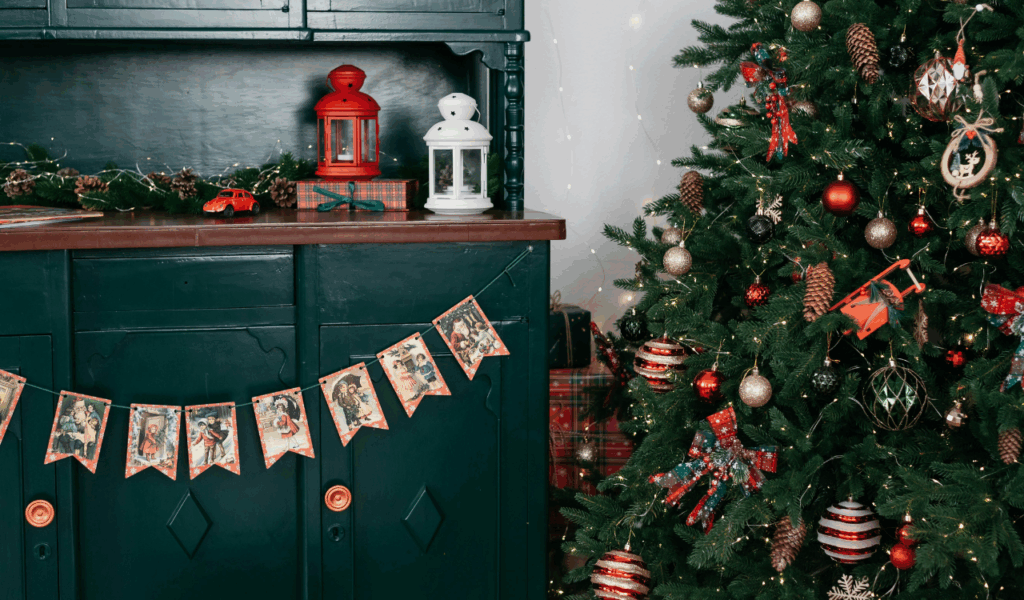
Matching ornaments, stockings, pillows, and tableware promise cohesion, but too much uniformity drains character. When everything comes from the same collection, rooms feel styled for a showroom rather than lived in. Designers stress that holiday décor benefits from layering and variation. Homes that relied on full matching sets often felt flat and impersonal. Homeowners noticed there was nothing to discover visually. Without contrast or personal history, the décor lacked warmth. What seemed polished initially ended up feeling rigid and forgettable.
6. Colored Christmas Trees
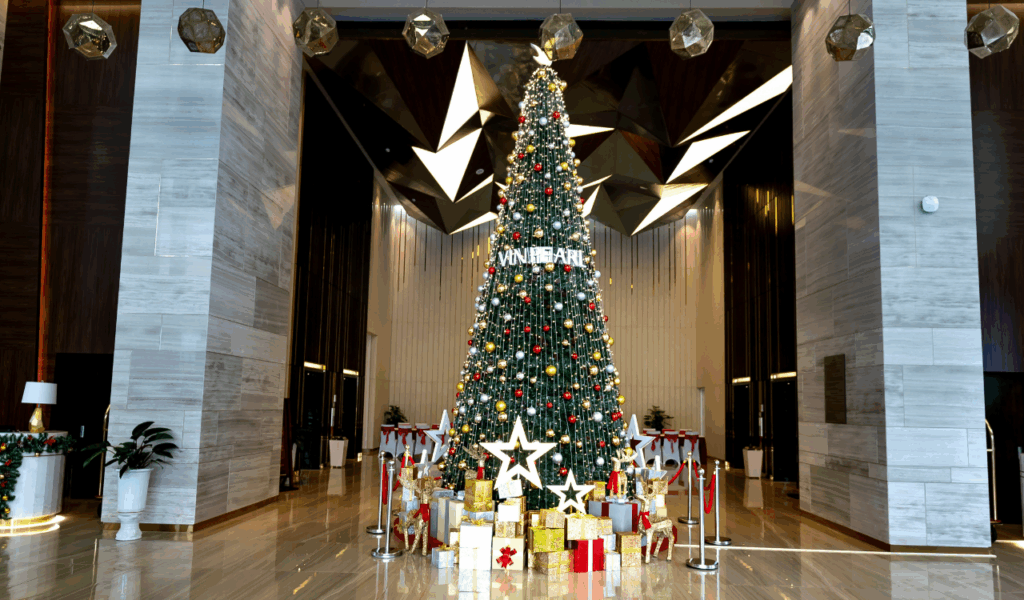
Non-traditional tree colors draw attention instantly, but that novelty fades fast. Bright white, pink, or neon trees often clash with existing interiors and limit ornament choices. Designers note they dominate rooms instead of anchoring them. Homeowners frequently report that these trees feel dated after one season, especially once trends shift. Storage also becomes an issue, since colored trees rarely work outside the holidays. Many buyers realized they sacrificed timelessness for a short-term statement. The result is décor that feels more like a trend experiment than a lasting tradition.
7. Tinsel Overload
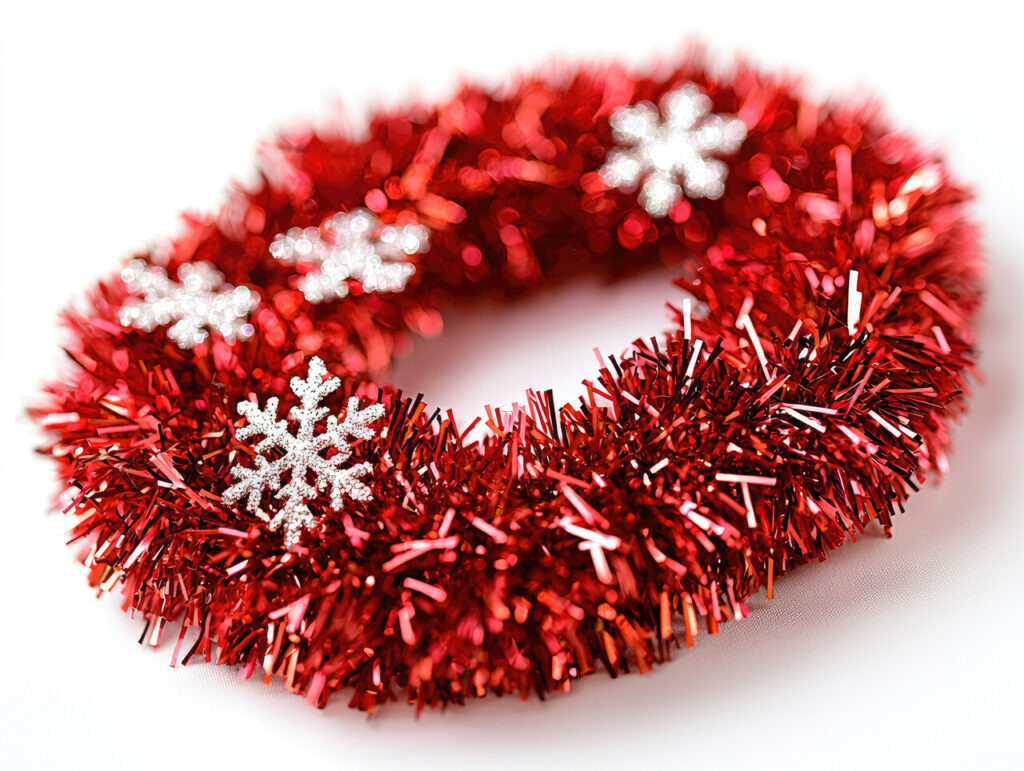
A little shimmer can add charm, but heavy tinsel use quickly. Tinsel reflects light harshly and emphasizes clutter rather than hiding it. Designers point out that it photographs poorly and cheapens otherwise thoughtful décor. It also tangles easily and sheds, creating cleanup headaches. Homeowners often regret how fast it makes a space feel busy and outdated. In modern homes with cleaner lines, excessive tinsel clashes with architecture. What once felt festive now reads as visual clutter that distracts from the rest of the room.
8. Artificial Snow Everywhere
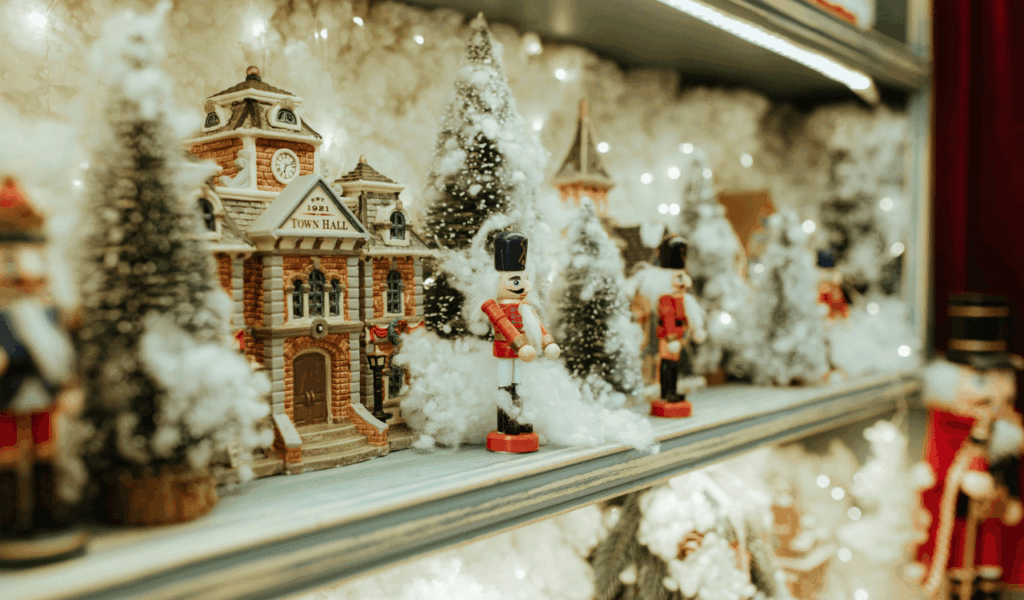
Faux snow promises a winter wonderland, but widespread use creates mess and maintenance issues. It sheds, collects dust, and often looks uneven once settled. Designers note that artificial snow lacks the subtlety of natural textures like wool or greenery. On trees, mantels, and tabletops, it can feel theatrical rather than cozy. Homeowners frequently find themselves cleaning flakes long after the holidays end. Instead of adding charm, it becomes a source of frustration. Many realized that restraint would have delivered a more polished result.
9. Cluttered Tabletops and Mantels
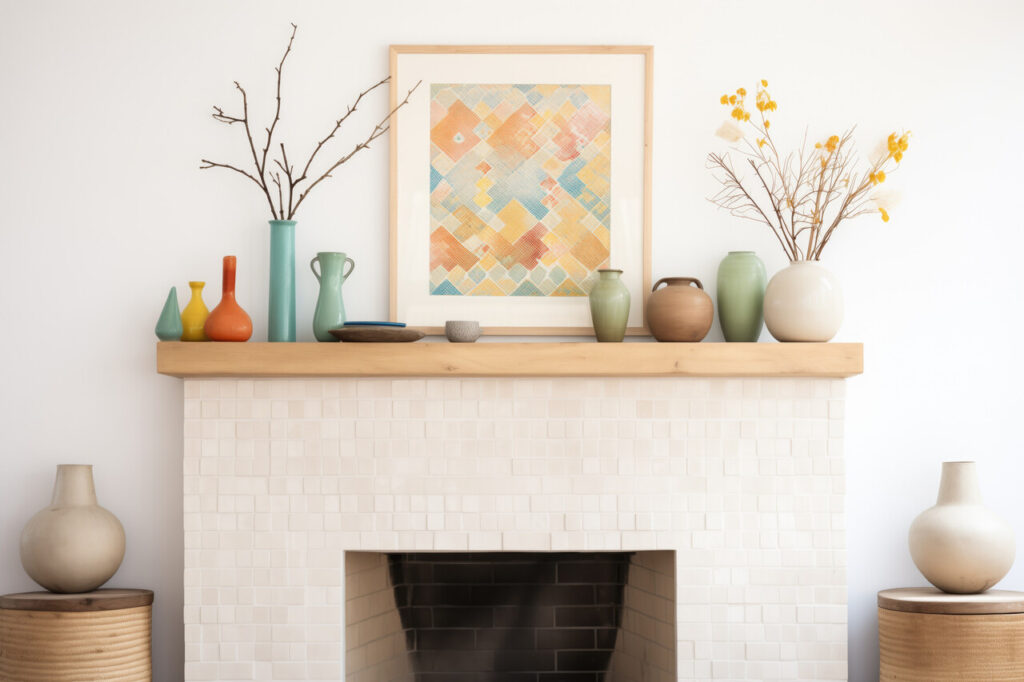
Filling every surface with holiday décor seems festive at first, but it quickly overwhelms living spaces. Designers emphasize that negative space is just as important during the holidays as any other time of year. Overloaded mantels and tables disrupt daily routines and make cleaning difficult. Homeowners report feeling boxed in by decorations they couldn’t easily move. The clutter also dilutes impact. When everything is emphasized, nothing stands out. Many learned that fewer, well-chosen pieces create a stronger and more welcoming holiday atmosphere.
10. Mass-Produced Matching Ornament Sets

Uniform ornament boxes offer convenience, but they often result in trees that lack depth. Identical sizes, finishes, and colors flatten visual interest. Designers note that trees feel more dynamic when ornaments vary in scale and texture. Homeowners found that mass-produced sets made their trees blend into everyone else’s. There was no story or memory attached. Over time, these ornaments felt disposable rather than special. What was meant to simplify decorating ended up stripping the tree of personality and emotional connection.
11. Paper Chains and Overused DIY Paper Décor
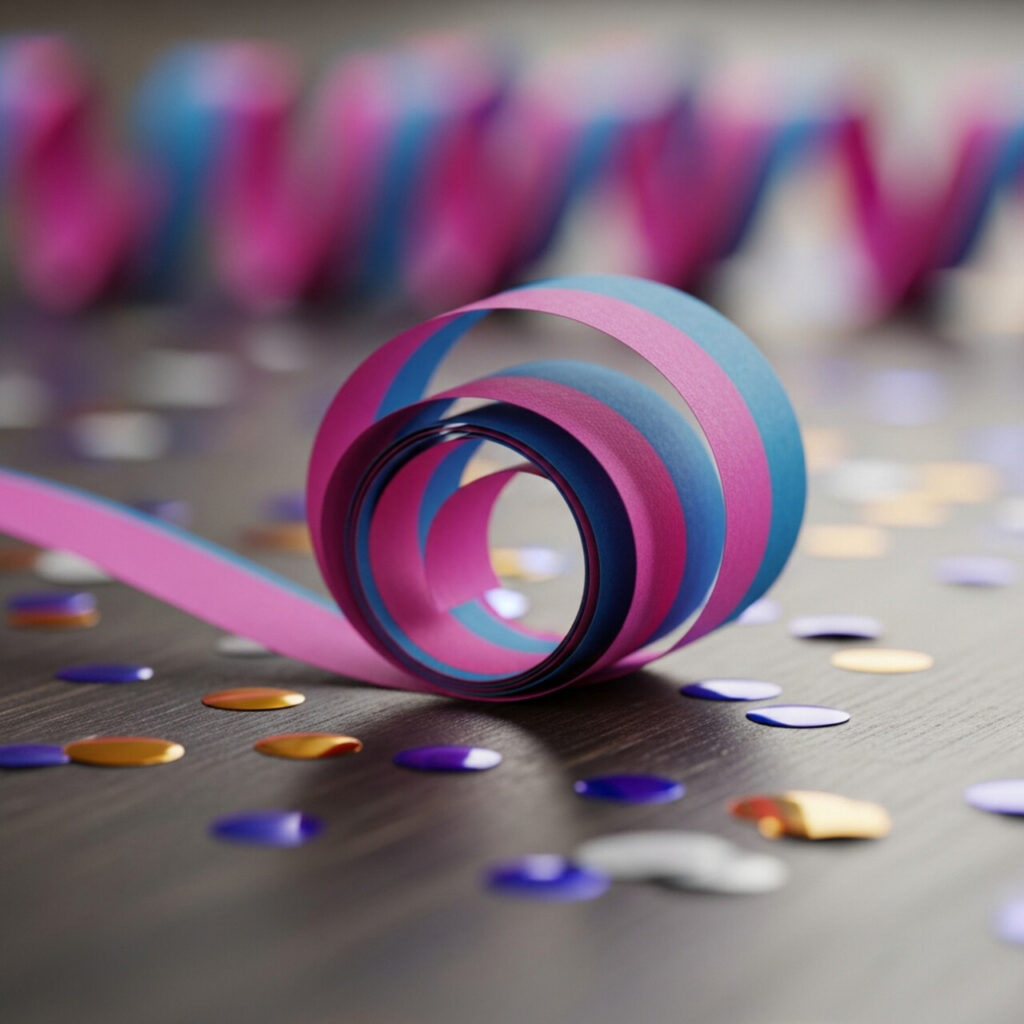
DIY paper décor carries nostalgia, but excessive use can feel juvenile rather than charming. Paper chains and cutouts often lack durability and structure. Designers point out that they don’t hold up well in modern interiors, especially larger homes. They tear, sag, and fade quickly. Homeowners realized that while a few handmade touches add warmth, entire rooms decorated this way felt unfinished. The décor required constant fixing and replacement. Instead of cozy, the result often felt temporary and cluttered.
12. Over-Themed Holiday Rooms

Dedicating entire rooms to a single holiday theme may feel immersive, but it often overwhelms daily life. Designers warn that when décor overtakes function, spaces become unusable. Homeowners found themselves avoiding rooms filled with excessive signage, figurines, and props. The décor felt performative rather than comforting. It also limited flexibility for gatherings. Once the novelty wore off, the space felt exhausting. Many realized that subtle integration works better than full transformation, allowing homes to remain livable while still celebrating the season.