10 Popular Farmhouse Table Runners That Are Hard to Keep Clean
Burlap table runners promise rustic charm, farmhouse warmth, and easy seasonal style. In reality, many versions sold in U.S. home stores and online create more problems than polish. Interior designers, home stagers, and textile specialists warn that low-quality burlap behaves nothing like styled photos.
You deal with shedding fibers, scratched finishes, and lingering odors. These runners may look fine for a photo, then quickly fail with real use. If you entertain, host holidays, or want your dining table to last, knowing which burlap runners cause damage matters. Here are ten types experts say shred, stain, and disappoint quickly.
1. Cheap Burlap Weaves That Shed Fibers All Over Dining Tables
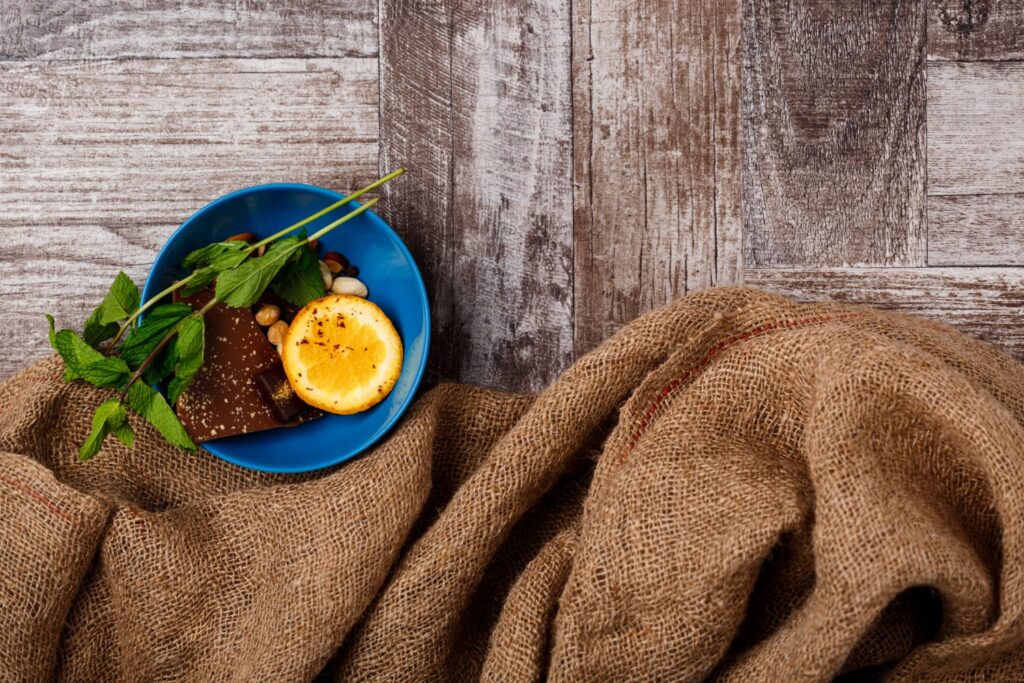
When you run your hand across a bargain burlap runner and feel loose strands lifting immediately, that is a red flag. Textile experts explain that low-grade burlap uses short jute fibers that are not tightly spun, causing constant shedding.
You notice it right away on dark wood tables, napkins, and glassware. Over time, those fibers work their way into table seams and finishes. Designers say these runners create endless cleanup frustration, especially during meals when crumbs and moisture cause the fibers to clump. You may think shaking it outside solves the problem, but shedding resumes the moment you lay it back down.
2. Loose-Knit Burlap Runners Interior Designers Warn Against
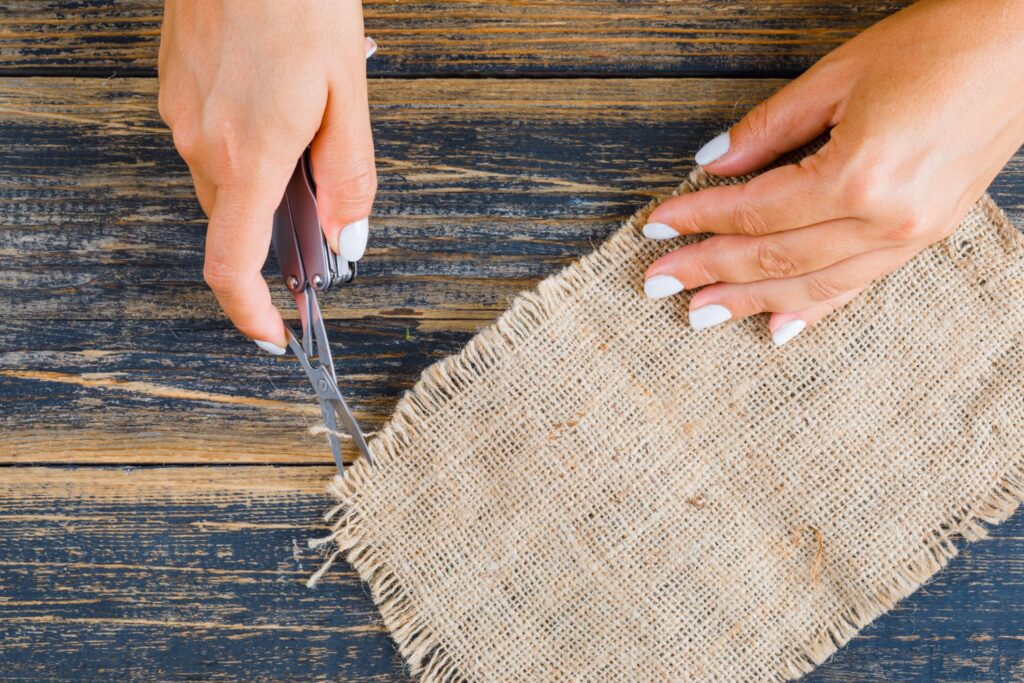
Loose-knit burlap may look airy and rustic online, but designers caution that open weaves lead to rapid deterioration. Because the structure lacks density, every movement pulls the weave apart. Sliding a plate, adjusting a centerpiece, or brushing against the runner stretches the fabric unevenly.
You end up with distorted gaps that never return to their original shape. Experts say this type of burlap also fails to protect your table surface because spills pass straight through. If you use it on a finished wood table, moisture reaches the finish within seconds. What starts as decorative texture quickly becomes visible damage underneath.
3. Burlap Table Runners That Absorb Spills and Never Fully Dry
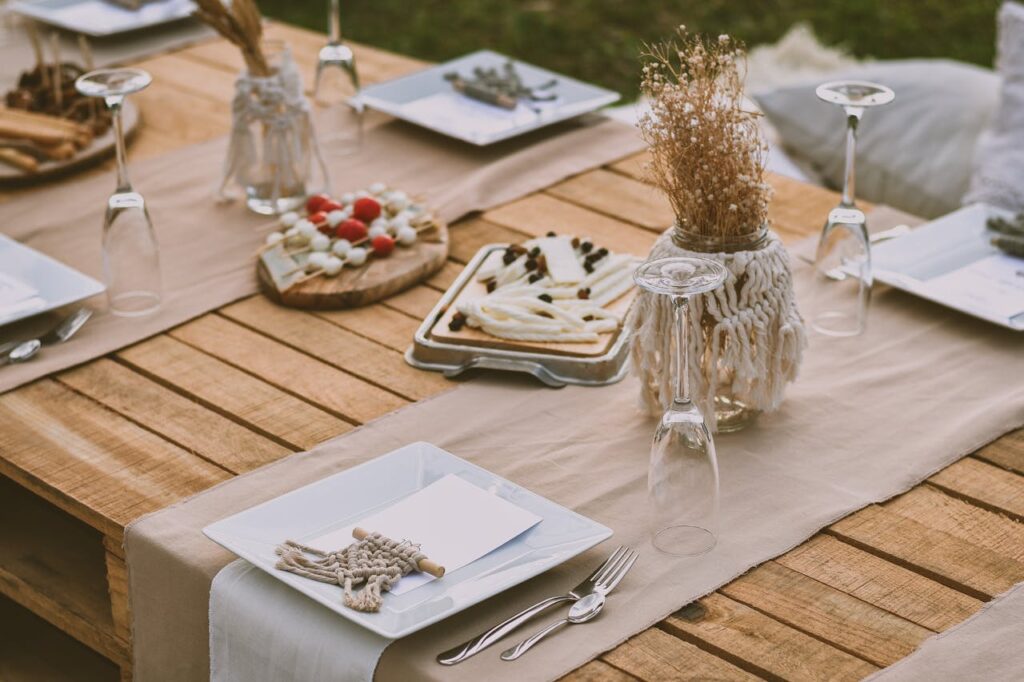
Burlap is naturally absorbent, but poorly processed versions act like sponges. Home organizers warn that these runners soak up wine, sauces, and water instantly. The real issue comes afterward. Thick jute fibers dry slowly, trapping moisture deep inside the weave. Even when the surface feels dry, dampness remains underneath.
This creates stubborn odors and discoloration that never quite fades. In humid regions of the U.S., experts say trapped moisture can even encourage mildew. Once a spill sets in, washing rarely restores the original color or texture, leaving you with a runner that looks permanently stained.
4. Rough-Cut Burlap Edges That Scratch Wood and Glass Surfaces
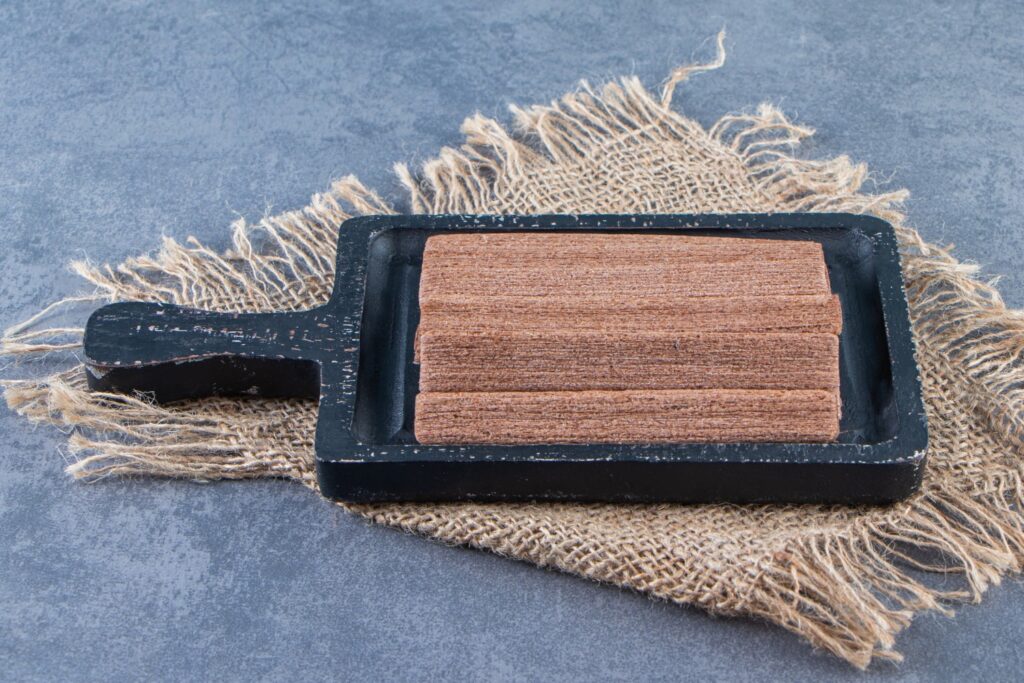
Not all damage from burlap comes from spills. Furniture specialists point out that rough-cut edges act like sandpaper against delicate surfaces. When you slide a burlap runner across a dining table or coffee table, those unfinished edges can leave fine scratches behind. Glass-topped tables are especially vulnerable.
Over time, repeated movement dulls the surface and creates visible wear patterns. Experts recommend checking edges closely before buying, but many mass-produced runners skip proper finishing altogether. Once scratches appear, refinishing costs far more than replacing a decorative runner that was meant to be temporary.
5. Dyed Burlap Runners That Bleed Color Onto Light Table Finishes
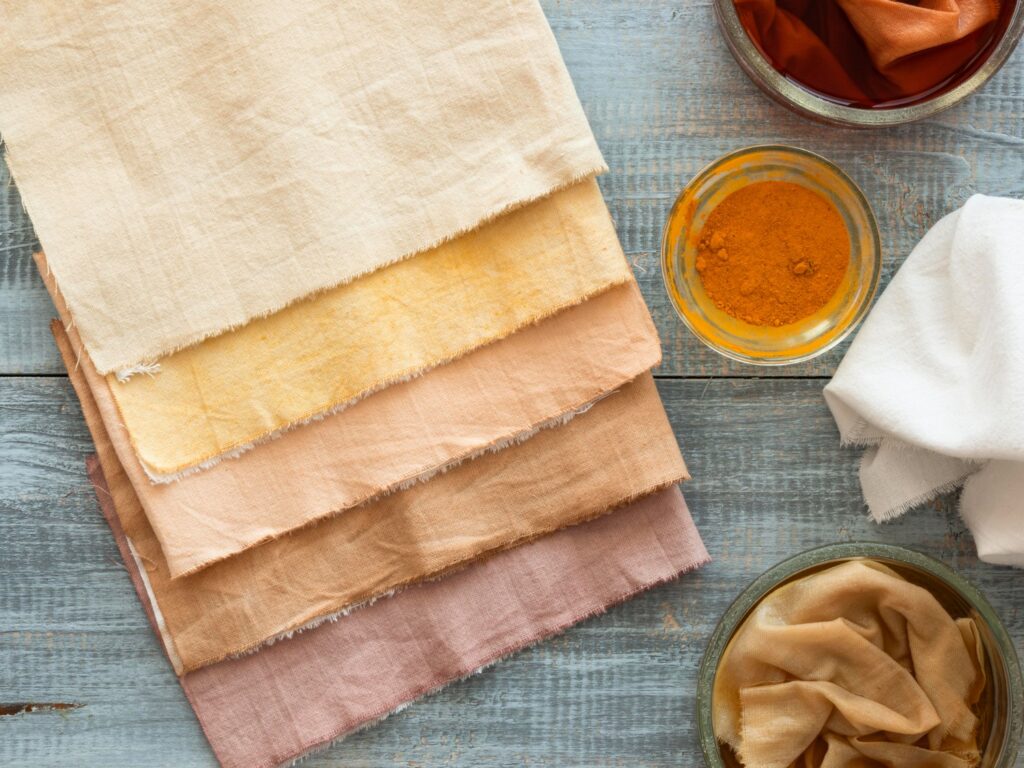
Dyed burlap introduces another layer of risk. Color specialists warn that low-quality dyes often fail to bind properly to jute fibers. When exposed to condensation, humidity, or cleaning sprays, the color can transfer directly onto your table.
Light wood finishes and painted surfaces show the damage most clearly. You may not notice bleeding until you lift the runner and see a faint outline or uneven discoloration underneath. Once dye seeps into a table finish, removal becomes difficult or nearly impossible without professional restoration. Experts advise avoiding dyed burlap entirely for everyday use.
6. Lightweight Burlap Runners That Warp After One Wash
Many burlap runners advertise easy care, but professionals say lightweight versions rarely survive washing. When exposed to water, the fibers swell unevenly, causing the runner to twist, ripple, or shrink unpredictably. Even gentle cycles distort the shape permanently. After drying, the runner no longer lies flat, making it look sloppy and uneven on the table.
Designers note that warped burlap also becomes more brittle, increasing shedding and breakage. What looks like a simple refresh turns into a ruined accessory after just one wash, leaving you with something completely unusable for future gatherings.
7. Rustic Burlap Runners That Trap Food Crumbs and Grease
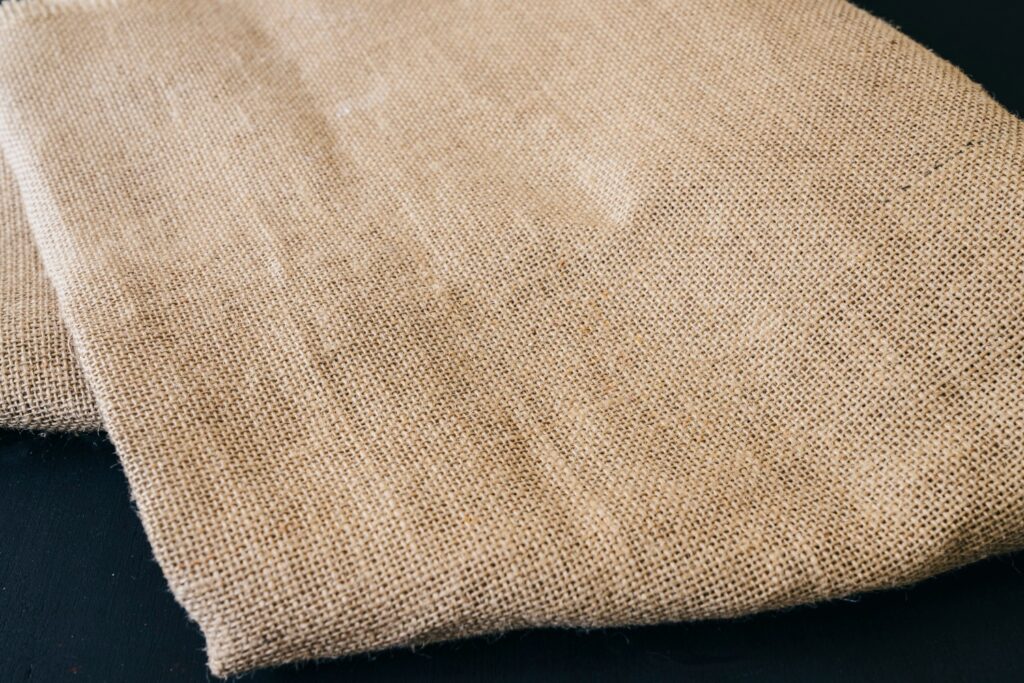
Burlap texture may seem forgiving, but organizers say it traps mess more than it hides it. Open fibers catch crumbs, oils, and sauces during meals, especially with family-style dining. Unlike smooth fabrics, burlap does not release debris easily. Shaking rarely removes grease particles deeply embedded in the weave.
Over time, these trapped residues create darkened patches and lingering odors. Experts explain that repeated use without thorough deep cleaning leads to buildup that attracts pests. What starts as rustic charm can quickly turn into a serious hygiene issue if the runner stays on the table long term.
8. Burlap Table Runners With Chemical Odors Experts Flag as Low Quality
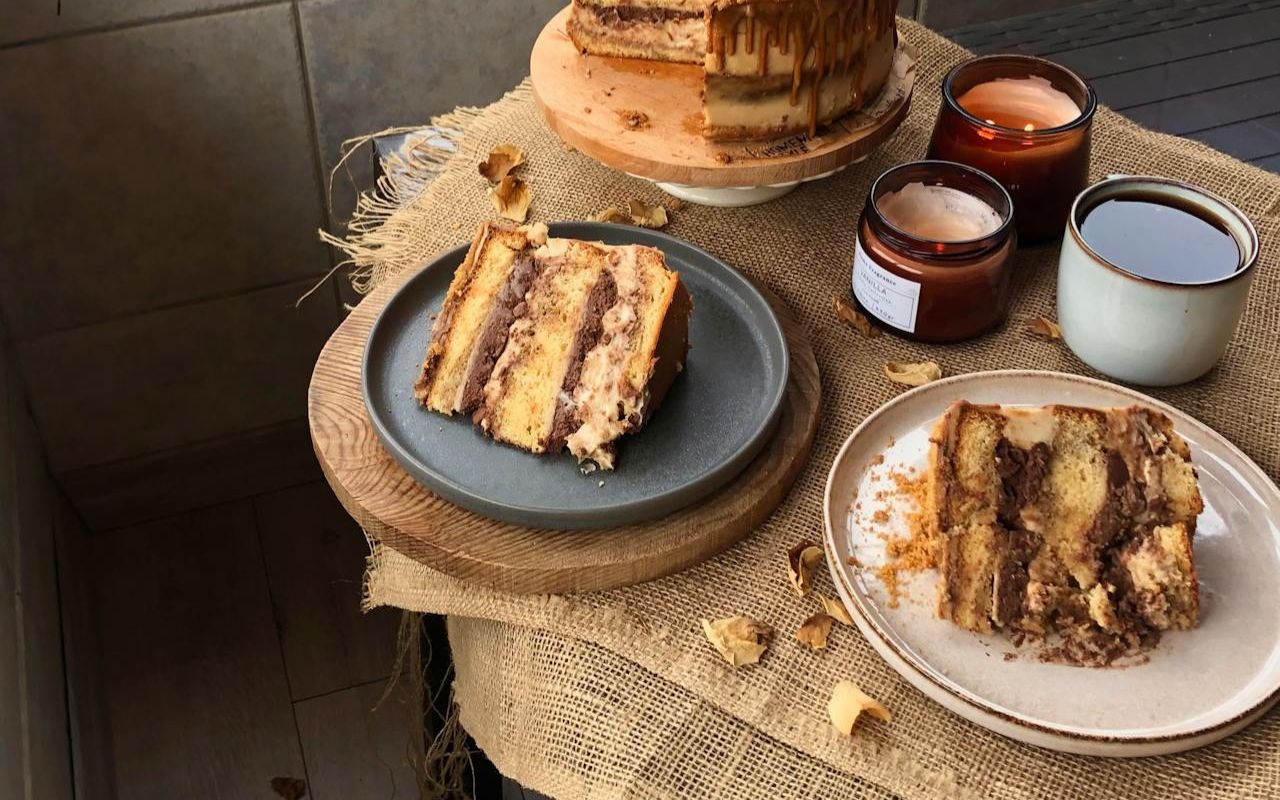
If a burlap runner smells sharp or musty straight out of the package, experts urge caution. That odor often signals harsh chemical treatments used to speed production or preserve fibers during shipping and handling. Home stagers say these smells can linger for weeks and intensify when exposed to heat or moisture.
Airing it out rarely solves the issue completely. In enclosed dining spaces, the odor becomes noticeable to guests. Quality burlap should smell neutral or mildly earthy. Persistent chemical odors indicate shortcuts in processing and usually accompany other issues like shedding and staining.
9. Decorative Burlap Blends That Look Natural but Perform Worse
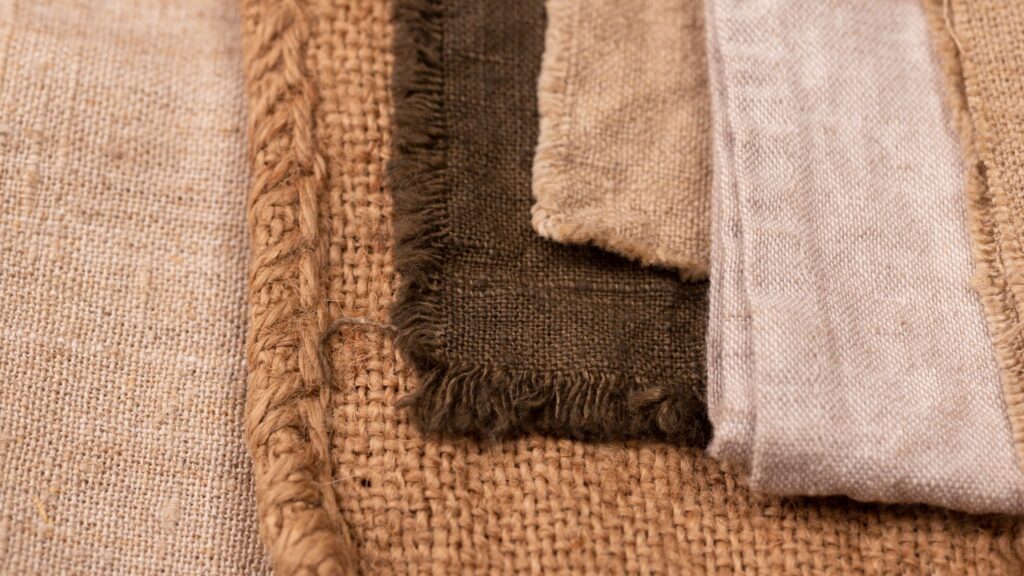
Some runners mix burlap with synthetic fibers to improve appearance, but textile experts say these blends often perform much worse than pure jute over time. The different fibers react unevenly to moisture and heat, causing puckering, warping, and separation.
These blends may look smoother at first, but they stain faster, trap debris, and clean poorly. Once damaged, repairs are impossible because fibers break at different rates. Designers note that these runners are created primarily for visual appeal rather than long-term durability. If you expect regular use, blends often disappoint far faster than even basic burlap.
10. Trendy Burlap Runners Stylists Say Are Meant Only for Photos
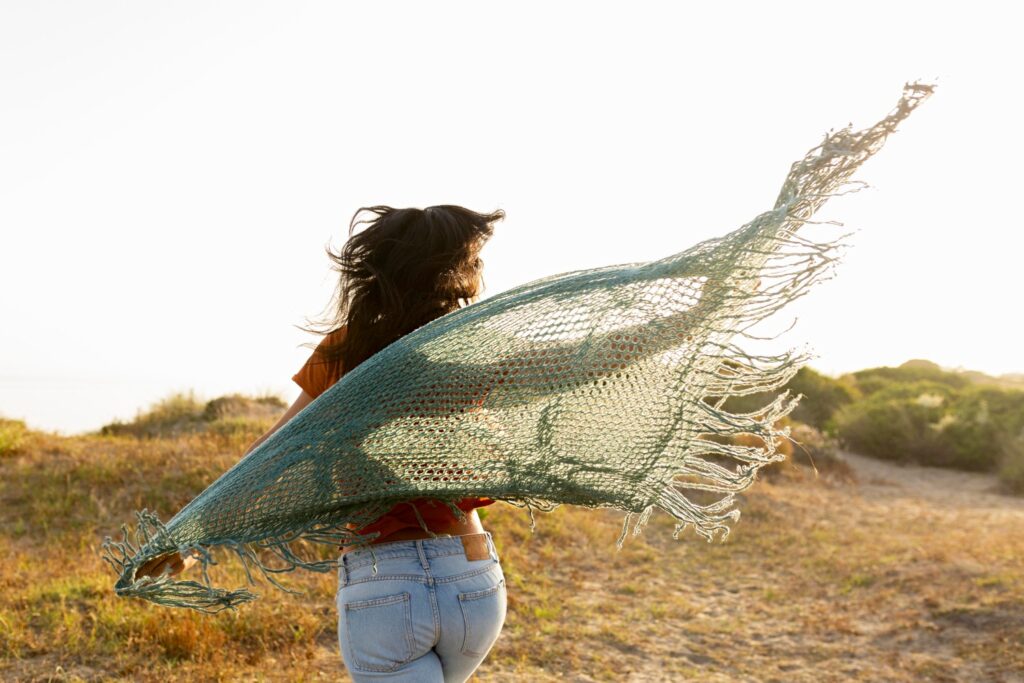
Stylists openly admit that many burlap runners exist primarily for staged photos, not real homes. These pieces look great in controlled lighting with minimal contact, but the moment you introduce food, movement, or moisture, flaws quickly appear.
Experts say these runners are best treated as short-term decor for events, not everyday dining. If you want both function and style, professionals recommend carefully selected alternatives that mimic the rustic look without the common drawbacks. Burlap may photograph beautifully, but in real life, many versions cause damage far faster than most people expect.