8 Seafood Restaurants Facing Scrutiny Over Sustainability and Mercury Levels in Popular Dishes
Diners are questioning the responsible sourcing of their fish and whether popular menu items include elevated mercury levels, which has put numerous well-known seafood restaurants under examination. Consumer awareness is growing in this regard. Even while many companies have revised their sourcing rules in response, worries persist due to the rising demand for big predatory species, which inherently contain more mercury. Restaurants should implement higher sustainability requirements to safeguard marine ecosystems and human health, and diners should be aware of these challenges so they can choose safer meals.
1. Ocean Crest Grill
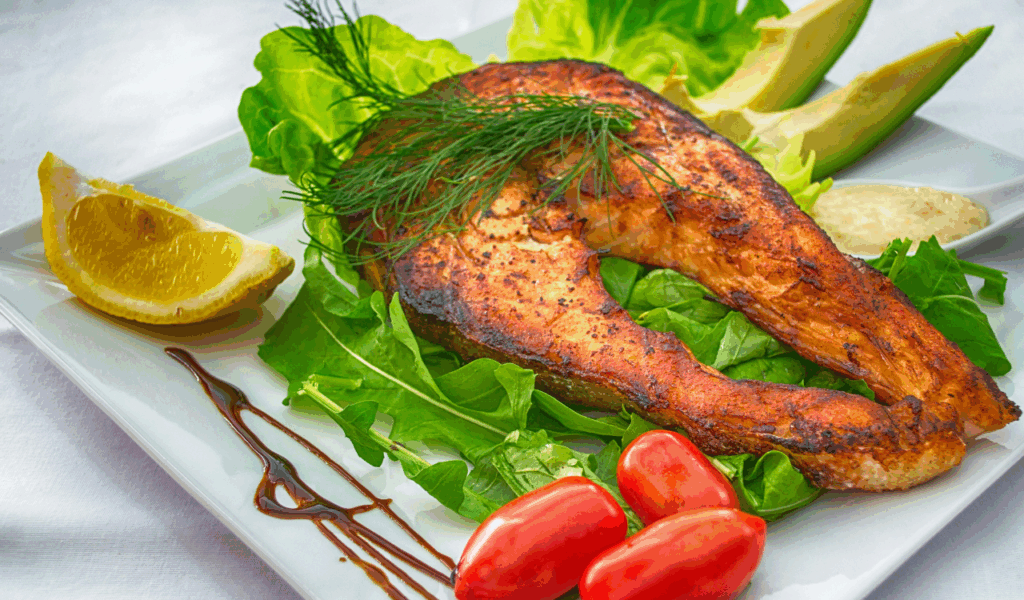
Since these fish tend to live longer and have higher nutritional positions in the food chain, there have been concerns regarding the origins of the tuna and swordfish used by Ocean Crest Grill. Analysts have pointed out flaws in the restaurant’s publicly published sustainability reports, despite its vow to evaluate suppliers. Seafood with reduced mercury content and easy certification for sustainability, such as shellfish or salmon, may be recommended to customers until better traceability is available.
2. Harbor & Flame Seafood House
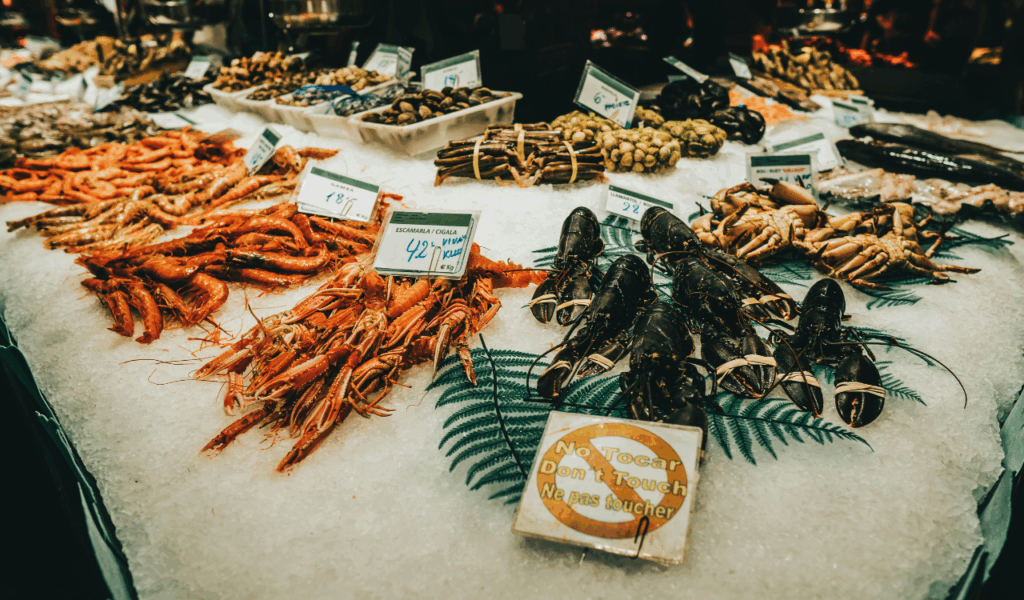
While Harbor & Flame’s charcoal-grilled seafood has become increasingly popular, some eco-activists are worried that the restaurant uses too many imported species without established sustainability ratings. Certain snapper variants and other menu mainstays may originate from fisheries that do not receive adequate regulation. Despite the restaurant’s claims that it takes seasonal availability into account, others feel that there is still a lack of transparency. Customers could learn more about the environmental effect of their food purchases if suppliers were more transparent and labels were more extensive.
3. Blue Lantern Bistro

Although Blue Lantern Bistro boasts itself as a premier spot for seafood, investigations into its procurement procedures have shown that it verifies its suppliers inconsistently. Popular fish at the restaurant, such as yellowtail and marlin, can have high mercury levels depending on where they are caught. Despite the bistro’s emphasis on freshness, sustainability and safety experts highlight that this is not guaranteed by mere freshness. Its reputation and impact on the environment might benefit from more thorough examinations and collaborations with certified fisheries.
4. The Captain’s Wharf
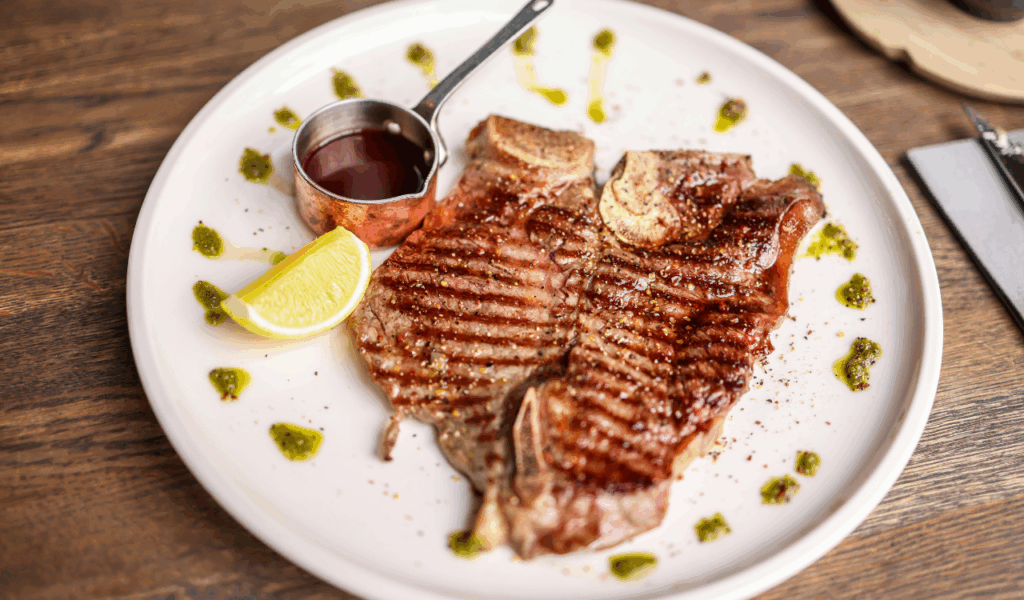
Despite the Captain’s Wharf’s famedly large portions, sustainability audits reveal that the fisheries used to prepare some of the restaurant’s most beloved dishes are under threat from overfishing. For example, some of the halibut and cod available may originate from areas where stocks are just slowly increasing. Customers continue to complain about the lack of access to sourcing information, even though the restaurant has started looking into other suppliers. Diners might be led to safer, more responsible choices with better menu labeling and employee training.
5. Pacific Tide Table
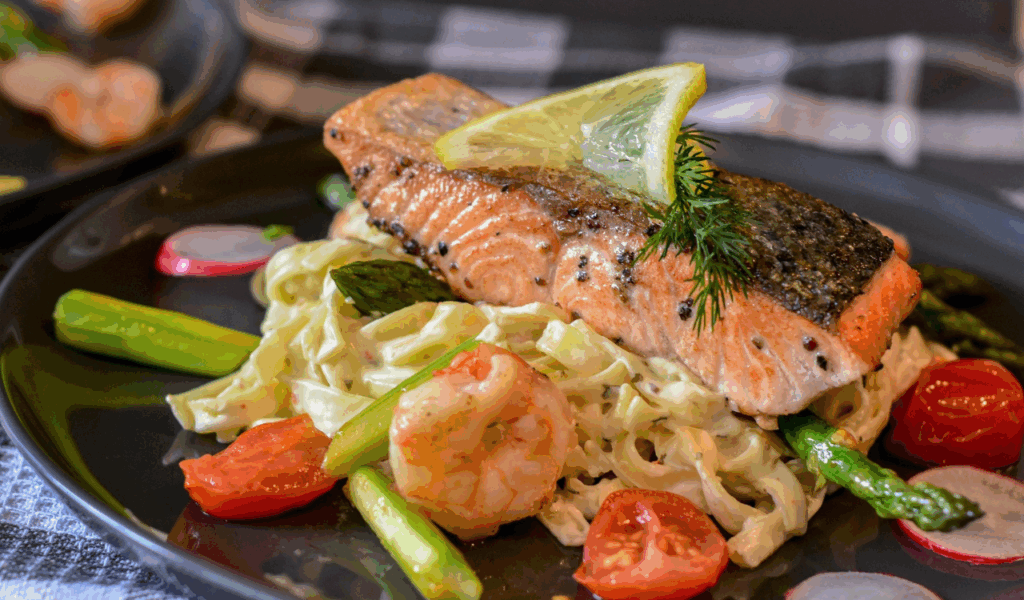
Premium tuna steaks served at Pacific Tide Table have come under fire as of late for coming from fisheries that have received conflicting sustainability ratings. Concerns about mercury accumulation in large tuna species have been brought to the attention of those who eat it frequently. Not all items go through the same verification process, even though the restaurant has launched certain certified sustainable options. While requesting that the eatery improve its accountability procedures, impartial reviewers advise patrons to choose lesser species or plant-based alternatives wherever feasible.
6. Seaside Street Market Kitchen
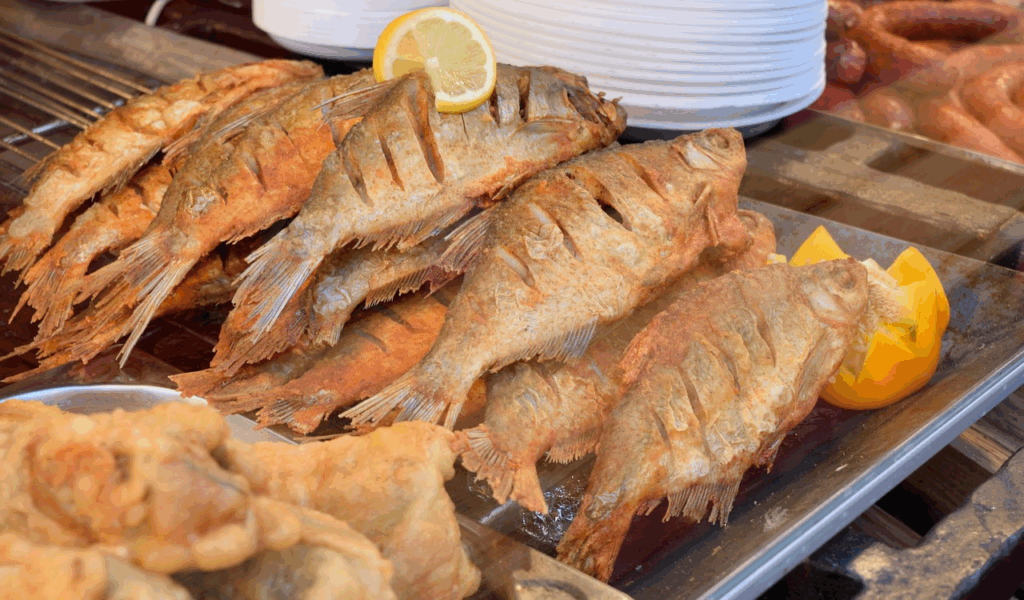
The low prices at this casual seafood joint are a point of pride, but they can be a result of using suppliers that don’t pay enough attention to environmental issues. There is a higher chance of unsustainable practices in certain of its fried fish options because they come from areas with less oversight. Guests aren’t able to make educated judgments due to a lack of traceability, even if mercury levels vary. Consumer trust and ecological consciousness would both benefit from better documentation and collaborations with open distributors.
7. Coral Reef Cookhouse
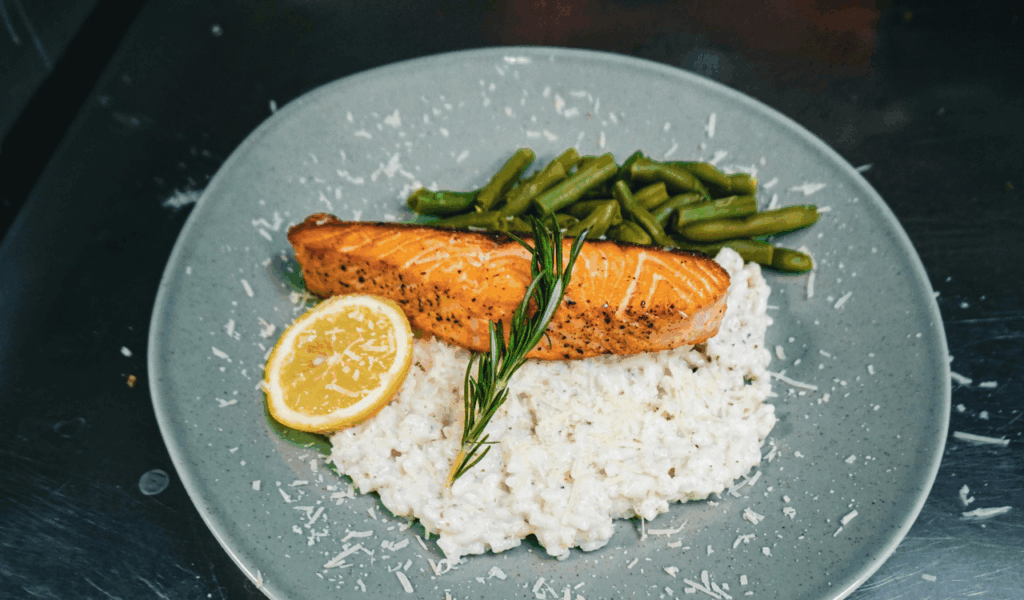
Though the inventive seafood bowls at Coral Reef Cookhouse are well-known, some have voiced concerns regarding the inclusion of mahi mahi and specific types of grouper in these dishes. These fish may originate from places where habitat is being threatened, and it is possible that some of their cuts contain moderate amounts of mercury. The concerns have been addressed by the restaurant, and they have committed to amend the sourcing guidelines. Customers are still advised to inquire about the exact location of the catch as well as any alternatives that are less harmful to the environment.
8. Nautical Shoreline Café
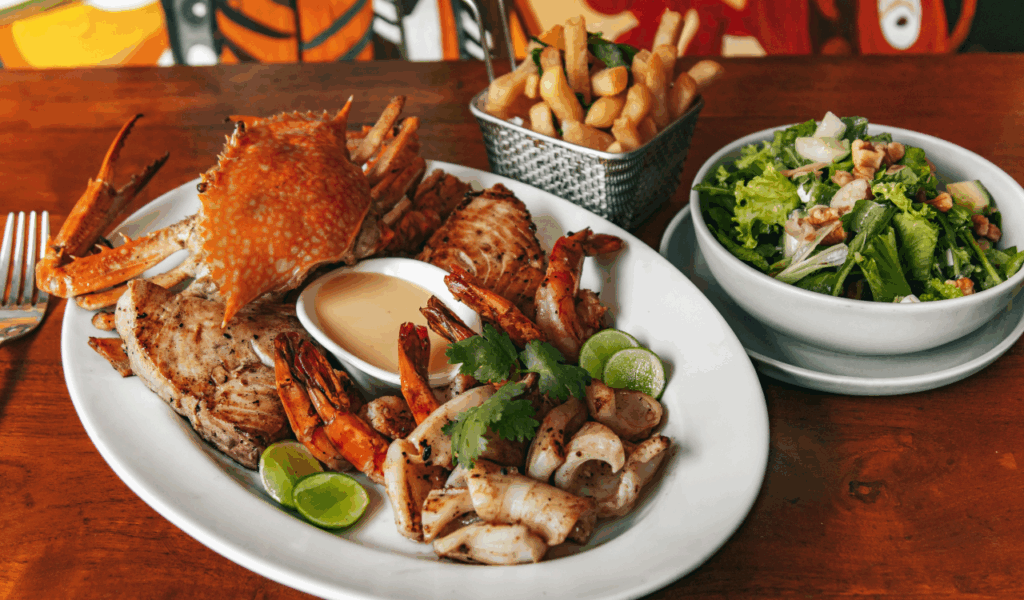
A number of watchdog organizations have voiced concerns about the sourcing practices of Nautical Shoreline Café, despite the fact that the restaurant touts a beach dining motif. The species used in the café’s renowned grilled dishes have wildly varying sustainability scores according to their harvesting location. Guests can unwittingly opt for products with higher mercury hazards in the absence of continuous traceability. For the sake of their clients’ safety and well-being, experts advise that the café work with recognized suppliers and enhance communication.