
11 Breakfast Chains Criticized for High-Calorie Meals Marketed as “Healthy”

A lot of breakfast joints advertise their food as healthy, but when customers look at the nutrition facts, they’ll see that it’s packed with calories and hidden fats and added sugars. Consumers may be led astray by claims of protein-packed or healthy products when they see lighter alternatives marketed as contributing to their daily wellness objectives. People may make better breakfast choices that include flavor, nutrition, and reasonable calorie counts without added sugar and fat if they know why these meals don’t cut it.
1. Smoothie-focused chains

Despite claims to the contrary, many smoothie establishments’ enormous portions of sugary fruit bases can have more calories than a whole meal. Sugar content can be significantly higher than in whole fruit when added syrups, sherbet, or concentrated juices are used. Supplements, including protein, can provide more energy than consumers anticipate. While these drinks are convenient, they aren’t quite a balanced meal that will keep you going all day unless you get one with an unsweetened base, a lower serving size, and whole fruit.
2. Build-your-own bowl cafés

Many breakfast bowl cafes advertise their customizable meals as low-calorie options; nevertheless, adding sugary granola, flavored yogurt, or nut butters to your bowl will quickly add calories. The rate at which a bowl can accumulate a lot of additional carbohydrates and fats is something that many customers fail to realize. To stay true to their healthy image, these dishes can be topped with measured toppings, plain yogurt, and whole fruit. Even with seemingly healthy components, bowls promoted as clean might have as much sugar as desserts if not assembled with care.
3. Bagel chains with health-labeled spreads

Some spreads sold at bagel cafes may be marketed as “lighter” options, but hidden calories from fats in flavored cream cheeses or veggie blends can pile up quickly. The bagels themselves are quite calorie dense, with a serving size that is comparable to multiple slices of bread, and that’s before you even consider the toppings. Slimmer bagels with low protein fillings can be a good choice for customers trying to eat healthily. Even though they claim to be healthy, these meals can easily satisfy more hunger than a regular breakfast would.
4. Health-forward bakery cafés

Pastries, muffins, and specialty breads—even those branded as whole grain—can include substantial amounts of added sugar and butter, despite bakery cafés generally highlighting plant-focused menus or nutrient-rich grains. The serving portions are also somewhat huge. High quantities of oil or creamy sauces can still be found in savory alternatives. Instead of depending on marketing signals, customers should check the nutrition facts (if available) to make sure the food fits wellness goals, even when the setting feels fresh and healthy.
5. Breakfast sandwich chains

Even though some fast food restaurants advertise low-calorie or protein-focused sandwiches, the hidden calories from processed meats, cheese, and buttery breads could make them seem even worse. If you couple egg whites with fatty sauces or big buns, the health benefits will be negated. To stay in check, go for the simpler builds that include veggies and lean proteins. Otherwise, people may think they’re getting a nutritious breakfast alternative, but in reality, they’re getting something more akin to a fast food lunch.
6. All-day brunch restaurant groups

Even though avocado toast, granola parfaits, and protein scrambles are advertised as lighter fare by brunch-style businesses, they may rely on oil, sugar, or excessive quantities to make them. Calorie counts can still be shockingly high, even when ingredients are rich in nutrients. Portion control and the availability of condiments and cheeses are important considerations for customers. If these factors aren’t taken into account, even health-conscious food options can end up being sluggish rather than energizing.
7. Oatmeal specialty spots
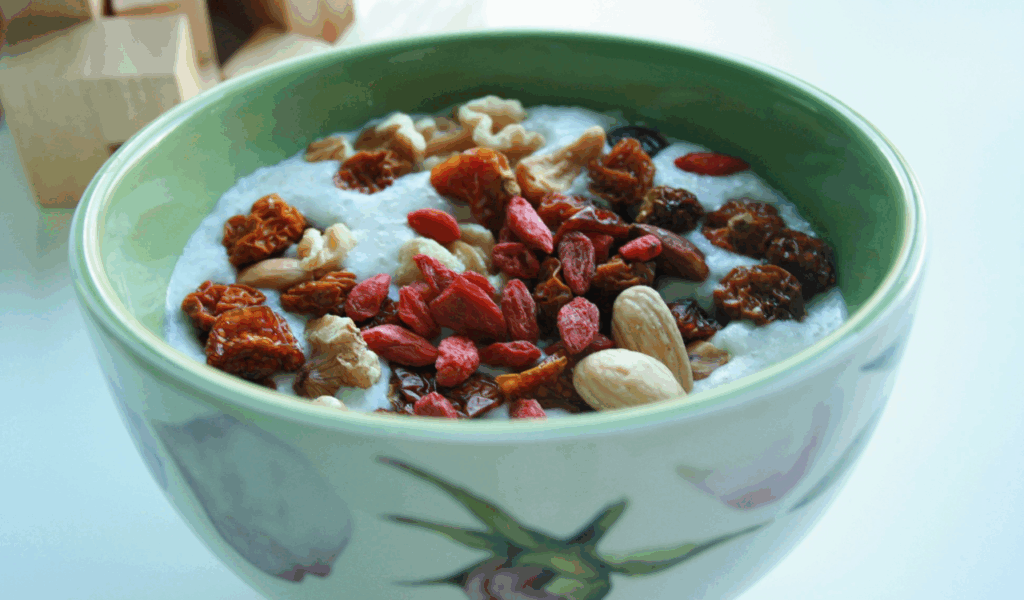
Despite the heart-healthy claims made by oatmeal cafés, adding sugary toppings like caramel, chocolate, dried fruits, or nut mixtures can significantly up the calorie count. Customers are often surprised by the amount of energy contributed by large bowls. The health benefits of oats, which include satiety-promoting nutrients, can be diminished when combined with sweet ingredients. To maintain oatmeal’s image as a lighter breakfast, opt for modest toppings like fresh fruit or nuts.
8. Yogurt shops serving breakfast parfaits

Despite the apparent health benefits of yogurt and fruit in parfait-style meals, many fast food businesses utilize sugary yogurt, which increases the sugar content. Extra calories compared to a regular breakfast sandwich could be caused by the addition of thick granola or sugary fruit compotes. The refreshing appearance belies the fact that these meals may not live up to wellness expectations because to the combination of sweetened dairy and hefty toppings. Customers can have a healthier breakfast if they opt for plain yogurt and limit themselves to lesser servings of crunchy toppings.
9. Fast casual chains with wellness menus

While many fast casual restaurants offer wellness-branded breakfast options, some of the products such as protein bowls or power wraps may contain heavy sauces, processed meats, or fatty spreads. Customers may be led astray by the branding and think the meals are naturally light. Calorie control is possible with careful ingredient review and the elimination of unnecessary sauces. While these fast food joints do provide some convenient options, it is important to review their health-oriented menu items to make sure they really support nutritional objectives and not just empty claims.
10. Pancake houses offering fit or light items

While some pancake shops do provide “light” or “fit” menu options, adding syrups, whipped toppings, and huge servings to even protein or whole grain pancakes can make them quite calorie dense. Some condiments, including fruit blends or flavored yogurt, may also have added sugar. To maintain these meals healthy, customers can manage the toppings and choose fewer servings. Even though they’re presented differently, these goods can compete with splurge breakfasts if necessary.
11. Coffee chains with healthy-sounding bakery items

Bakery pastries sold at coffee shops often boast labels like “energy rich,” “fiber rich,” or “protein rich,” but the truth is that many of these treats actually include a lot of sugar and oils. Things that contain seeds or grains can nevertheless have a lot of energy. Customers don’t understand how heavy their breakfast gets when they pair it with specialty drinks that have sweetened syrups. Aligning the meal with a healthy expectation can be achieved by selecting simpler beverages and smaller baked products.